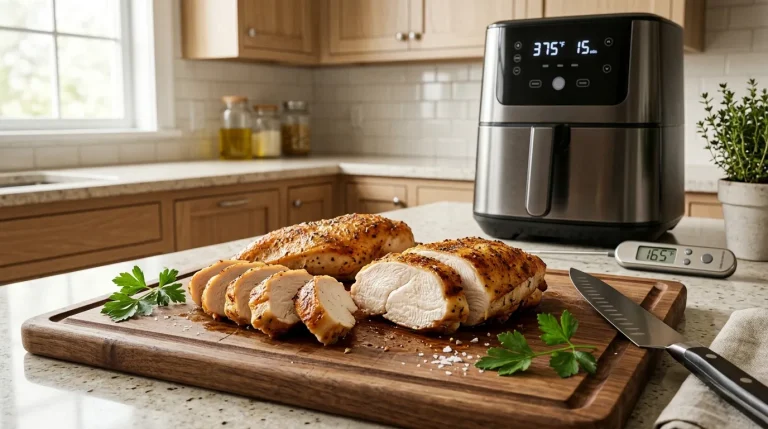

If you’ve just unboxed a shiny new air fryer, you’re not alone. Many people buy one and then feel a bit lost about what to cook first, which buttons to press, and how to avoid soggy fries. The good news: once you learn a few basics, you’ll turn out crisp food fast, with less oil, and with less mess than your oven or deep fryer. This beginner guide will show you how to use an air fryer for beginners, how the settings work, the right temperature and cooking times, and simple safety tips. By the end, you’ll know how to avoid common mistakes and make food that tastes great from day one.
What Is an Air Fryer and How Does It Work?
An air fryer is a compact, high-heat, countertop oven with a strong fan. It cooks by pushing hot air around your food at high speed. This fast air flow is what makes the outside crisp while keeping the inside tender. Think of it like a mini convection oven that heats up fast and cooks in less time than a standard oven. The big draw is that you can get a fried-like crunch using only a little oil or sometimes no oil at all, which is why many people see it as a healthier choice than deep frying.
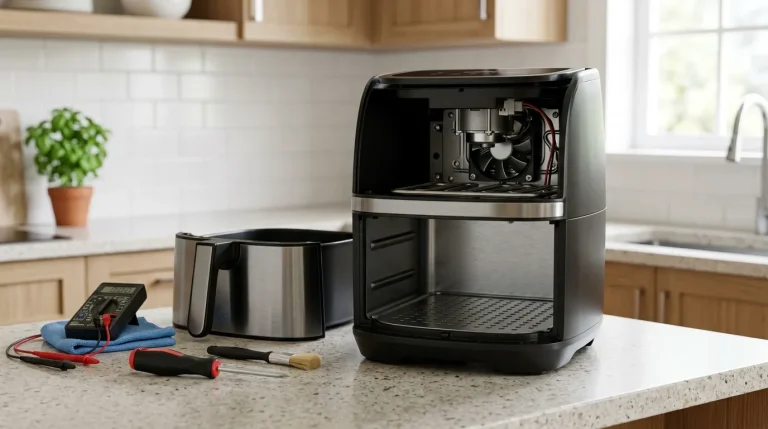
Parts of an Air Fryer You Should Know
Before you start, get familiar with the main parts. This will help you follow recipes and keep your air fryer in good shape.
Basket
This is where the food sits. It’s usually a nonstick mesh or metal basket with holes so hot air can move around. Some models have a crisper tray that fits inside the basket. The basket design is key for that even crisp and fast cook time.
Control Panel
You’ll set the temperature and time here. Many panels have presets for fries, chicken, or fish. You may also see buttons for preheat, reheat, or keep warm. If your panel is digital, it will show the temp and timer. If it’s manual, you’ll turn dials.
Heating Element
This is the heat source at the top of the unit, often paired with a strong fan. It gets very hot, very fast. That’s why you should not touch the top inside area right after cooking and why preheating only takes a few minutes.
Drip Tray
This tray catches oil, crumbs, and grease during cooking. It sits beneath the basket. Empty and wash it so grease does not burn or smoke next time.

How to Use an Air Fryer for Beginners (Step-by-Step)
Here’s your simple path to success. This step-by-step guide shows you how to use an air fryer for beginners from setup to serving your first meal.
Step 1 – Read the Manual (Quickly)
Give it five minutes. Each brand is a bit different. Some require preheat. Some auto-pause when you pull out the basket. Some don’t. Check max fill lines, safe temps, and whether you can use foil or parchment. This quick skim will save you from big mistakes on day one.
Step 2 – Preheat the Air Fryer
Preheating matters for even browning. Many models heat in 2–5 minutes. If yours has a preheat button, use it. If not, set the temp and let it run empty for 3–5 minutes. Preheating helps you avoid pale food and shortens the air fryer cooking time for most items.
Step 3 – Prepare Your Food
Pat food dry with a paper towel. Dry food browns better and gets more crisp. Toss with 1–2 teaspoons of oil for most items, like fries, wings, or veggies. Season with salt, pepper, and any spices you like. Skip wet batter. It will drip, burn, and make a mess. Go for dry coatings like breadcrumbs or panko instead.

Step 4 – Don’t Overcrowd the Basket
Give your food room. Spread it in a single layer with small gaps. If you stack too much, the air can’t move. That leads to soggy spots and uneven cooking. If you need to cook a lot, do two batches. Your second batch will cook faster because the basket is already hot.

Step 5 – Set Temperature & Time
For many foods, 350–400°F is the sweet spot. Thicker foods like chicken thighs may need 375–400°F. Delicate foods like fish may do best at 325–375°F. Start with the lower end of the air fryer temperature guide if you’re unsure. Set the timer based on a trusted recipe or the notes below, then adjust after your first try.
Step 6 – Shake or Flip Food Midway
Halfway through, pull out the basket and shake it or flip pieces with tongs. This quick move helps food brown all over. For breaded items, use a gentle shake so the coating stays on. Always pause and check mid-cook, especially for fries and small veggies.

Step 7 – Check for Doneness
Use a food thermometer for meat and seafood. Chicken should be 165°F at the thickest part. Pork is also 145–160°F, depending on your goal for doneness. Fish should flake and reach 145°F. For fries or veggies, look for golden edges and crisp texture. If it needs more time, add 2–3 minutes and recheck.
My First Time Using an Air Fryer (Real Experience)
When I first tried my air fryer, I went with frozen fries. I set it to 400°F for 15 minutes because that’s what I did in my oven. Bad idea. The edges got dark fast, but the center was only warm. At minute 10, I peeked and saw they needed a shake. I split the batch in two, gave them a good shake, then cooked for 4–5 more minutes. They came out much better—golden and crisp. The lesson: preheat, avoid a packed basket, and shake the fries. That small change was the difference between “meh” and “wow.”
Air Fryer Temperature & Cooking Time Basics
Think of these as starting points. Your model and basket size can shift cook times by a few minutes. When in doubt, check early. Use these air fryer cooking tips as a quick guide and adjust by taste and thickness.
- Frozen French fries: 380–400°F, 10–15 minutes. Shake every 5 minutes. For shoestring fries, start at 380°F to avoid burnt tips.
- Fresh fries (cut 1/4-inch): 380°F, 16–20 minutes. Soak in water 20 minutes, pat dry, toss with 1–2 tsp oil. Shake often.
- Tater tots or hash browns: 390°F, 12–16 minutes. Shake mid-cook.
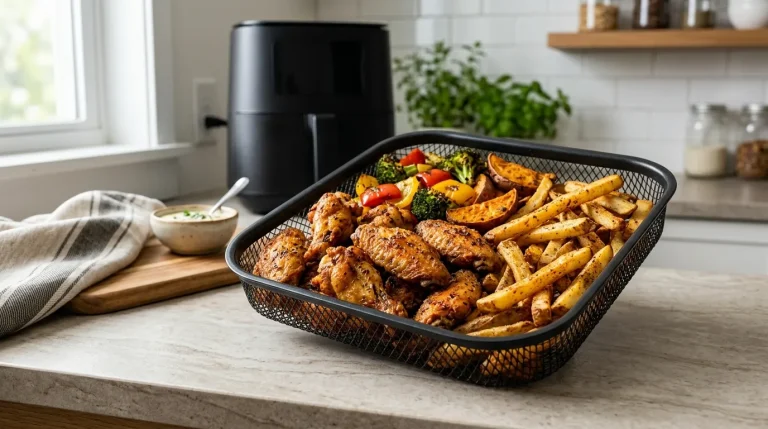
- Chicken wings: 380–400°F, 18–24 minutes. Flip at 10–12 minutes. Aim for 175–185°F for tender, pull-apart wings.
- Chicken thighs (boneless): 375–390°F, 14–18 minutes, to 165°F internal.
- Chicken breast: 370–380°F, 12–18 minutes, to 165°F. Pound to even thickness for best results.
- Chicken tenders (breaded): 380°F, 10–14 minutes. Spray breading lightly with oil before cooking.
- Salmon fillets: 360–380°F, 8–12 minutes. Check at 8 minutes. Cook to 125–135°F for medium, 145°F for well.
- Shrimp: 370–390°F, 6–8 minutes. Toss with oil and spices.
- Pork chops (boneless, 1-inch): 380°F, 12–16 minutes, to 145°F. Rest 5 minutes.
- Steak (1-inch): 400°F, 8–12 minutes. Flip once. 125°F rare, 135°F medium-rare, 145°F medium.
- Meatballs (1–1.5 inch): 375°F, 10–14 minutes, to 160°F for beef/pork, 165°F for turkey/chicken.
- Bacon: 350°F, 7–10 minutes. Check often in last 2 minutes.
- Veggies (broccoli, Brussels sprouts, carrots): 380–400°F, 10–14 minutes. Toss with oil and salt. Shake once or twice.
- Asparagus or green beans: 370–390°F, 7–10 minutes. Don’t overcook or they get limp.
- Frozen chicken nuggets: 380–400°F, 8–12 minutes.
- Frozen fish sticks: 380–400°F, 8–12 minutes.
- Toasted sandwiches or grilled cheese: 360°F, 6–8 minutes. Flip halfway.
- Reheat pizza or fries: 320–350°F, 3–6 minutes, until hot and crisp.
Note: Start a bit lower for thin items. Go higher for bigger pieces or if you like a darker crunch. For meat and fish, rely on a thermometer, not just time.
Best Tips for Beginners
Use this quick list to make your first week a win. These air fryer cooking tips come from lots of trial runs and many family dinners.
- Preheat always. It improves browning and cuts cook time.
- Use a little oil. 1–2 teaspoons is often enough. Spray or toss.
- Dry your food. Water is the enemy of crisp. Pat meat and veggies dry.
- Don’t use wet batter. Go with dry breading, panko, or crushed cornflakes.
- Space it out. A single layer cooks best. Do two batches if needed.
- Shake or flip. This keeps browning even and helps fat drain.
- Light oil spray on breading. It improves color and crunch.
- Use liners with holes. If using parchment, pick air fryer–safe sheets with vents. Never block airflow.
- Learn your model. Some run hot. Start low on time and adjust up.
- Season after cooking if spices burn. Garlic powder can brown fast. Add it near the end.
- Keep notes. Jot down the time and temp that worked. Next time is easy.
Common Air Fryer Mistakes to Avoid
Even pros slip up. Here are frequent missteps that can lead to soggy or burnt food and how to dodge them.
- Overcrowding the basket. Air needs gaps to move. Cook in two batches.
- Skipping preheat. Cold baskets mean pale food and longer cook time.
- Wrong temperature. Thin foods burn at 400°F. Start at 360–380°F.
- No mid-cook shake or flip. One simple shake can fix uneven browning.
- Using wet batter. It drips, smokes, and makes a mess.
- Not drying food. Moisture blocks crisp texture.
- Too much oil. You need far less than in a pan. Excess oil can smoke.
- Ignoring model quirks. A powerful unit may need less time. Check early.
- Covering vents with foil or paper. This risks overheating. Use only perforated liners.

Air Fryer Safety Tips
Air fryers are safe to use, but they get very hot. Follow these simple rules to keep burns and smoke at bay.
- Don’t block air vents. Leave space behind and above the unit.
- Keep away from water. Use it on a dry, heat-safe surface.
- Avoid overfilling. Respect the max line and the basket size.
- Use heat-safe tools. Go for silicone-tipped tongs, wood spoons, or heat mitts.
- Let it cool before cleaning. Hot baskets can burn you fast.
- Watch grease build-up. Empty the drip tray to reduce smoke.
- Unplug when done. This saves power and adds peace of mind.
How to Clean and Maintain Your Air Fryer
A clean air fryer runs better, smells better, and lasts longer. The best part is it’s easy. Just a few minutes after dinner keeps it like new.
After Each Use
- Unplug and let it cool for 10–15 minutes.
- Remove the basket and drip tray. Wash with warm, soapy water. Use a soft sponge.
- If your parts are dishwasher safe, place them on the top rack.
- Wipe the inside of the unit with a damp cloth. Keep water away from the heating element.
- Dry all parts well before you put them back.
Deep Cleaning Weekly
- Check the heating element for grease. When cool, wipe gently with a damp cloth.
- Soak the basket and crisper tray in warm, soapy water for 10–15 minutes if sticky.
- Use a soft brush or nylon scrub for stuck bits. Avoid anything that can scratch.
- Wipe the exterior with a mild cleaner. Keep control panels dry.
- Run the air fryer empty for 2–3 minutes after a deep clean to dry any moisture.
What NOT to do
- Don’t use metal scouring pads. They can scratch the nonstick surface.
- Don’t pour water inside the main unit. It’s an electrical device.
- Don’t use harsh oven cleaners. They can damage parts and leave strong odors.

What Can You Cook in an Air Fryer?
You can cook more than fries. Think quick weeknight meals, game-day snacks, and roasted veggies. Here are easy, beginner air fryer recipes and ideas to try next.
- Fries and tots: Classic, fast, and crisp.
- Chicken: Tenders, thighs, wings, nuggets.
- Fish and seafood: Salmon, shrimp, fish sticks.
- Veggies: Broccoli, carrots, Brussels sprouts, asparagus.
- Breakfast: Bacon, sausage, hash browns, frittata muffins.
- Snacks: Mozzarella sticks, stuffed jalapeños, egg rolls.
- Reheats: Pizza, roasted potatoes, leftover fried chicken.
- Sweets: Apple chips, cinnamon-sugar toast, hand pies.
- Toasted sandwiches: Grilled cheese or panini-style melts.
Pro tip: Pair the air fryer with a quick sauce. Try garlic yogurt dip, hot honey, or ranch. Great dips make simple food feel extra special.
Your air fryer can be your go-to tool for quick, tasty meals. Start small with fries or chicken tenders. Learn your model’s heat and timing. Use light oil, don’t crowd the basket, and shake halfway. Once you’ve got the hang of it, you’ll cook almost anything with less oil and less stress. With a few tries, you won’t just know how to use an air fryer for beginners—you’ll feel like a pro.
FAQs
Do I need to preheat an air fryer?
Yes, in most cases. Preheating gives you even browning and a better crust. If your model has a preheat button, use it. If not, run it empty for 3–5 minutes before adding food.
Can I put aluminum foil in an air fryer?
Yes, but use it with care. Don’t block vents or cover the whole basket. Weight it down with food so it doesn’t blow into the fan. Perforated parchment liners are often better for airflow.
What foods should not go in an air fryer?
Skip wet-battered foods and very light greens that can blow around. Also avoid anything that needs a lot of liquid to cook. Use the stove or oven for those.
How long does it take to learn air fryer cooking?
A week of simple meals is often enough. Keep notes on time and temp. After a few tries, you’ll know what works for your taste.
Do air fryers use oil?
They can use little to no oil. For the best color and crunch, add 1–2 teaspoons to many foods. It’s still far less than deep frying.
Is air fryer healthier than deep frying?
In most cases, yes. You use less oil, which means fewer calories and less fat. You still get a crisp bite thanks to hot air circulation.