

Rinse the machine, use fresh medium grind, correct ratio, hot water, and clean.
If you want rich, repeatable coffee at home, this guide is for you. I’ve brewed thousands of pots in kitchens, cafes, and test benches. I’ll show you how to use a coffee maker properly with simple steps, proven ratios, and pro tips you can trust. Follow along, and your next cup will taste clear, sweet, and strong in the best way.
Understanding Your Coffee Maker
Most people mean an automatic drip coffee maker. It heats water, drips it over grounds, then collects coffee in a carafe. Some models have a showerhead for even flow. Some have a hot plate. Some make single cups. Learn your model, and you will know how to use a coffee maker properly every time.
Key parts to know:
- Water tank. This feeds the heater.
- Basket and filter. This holds the grounds.
- Showerhead. This sprays hot water.
- Carafe. This collects the brew.
Look for a brew temperature near 195–205°F. Many modern machines meet this mark. If yours runs cooler, you can still learn how to use a coffee maker properly. You will tweak grind and ratio to help.

The Gear and Ingredients You Need
Good coffee starts with good inputs. Keep it simple and clean.
What you need:
- Fresh coffee beans. Aim for beans roasted within 2 to 4 weeks.
- Burr grinder. Use it for a steady medium grind.
- Paper or metal filter. Paper gives a cleaner cup. Metal gives more body.
- Filtered water. Aim for clean, low mineral taste.
- Scale or measuring spoon. A scale is best for accuracy.
I use a scale because it makes learning how to use a coffee maker properly fast and easy. You get repeatable brews, even when you switch beans.

Step-by-Step: How to Use a Coffee Maker Properly
Follow these steps for a solid, daily routine.
- Rinse and warm. Rinse the basket and paper filter with hot water. Warm the carafe with hot tap water, then dump it.
- Measure water. Fill the tank with fresh, filtered water. Use the carafe lines, or weigh water if you can.
- Measure coffee. Start at 1 gram coffee to 16 grams water. For a 1-liter pot, use about 60 grams coffee.

- Grind medium. Aim for grains like table salt. Too fine tastes bitter. Too coarse tastes sour.
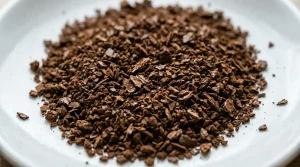
- Load and level. Add grounds to the filter. Tap to level for even flow.
- Optional bloom. If your machine has a bloom or pre-infusion, turn it on. If not, add a spoon of hot water to wet grounds, wait 30 seconds, then start brew.
- Start brew. Let it run. Keep the lid closed.

- Swirl and serve. Gently swirl the carafe once. Serve right away. Do not let it sit on heat for long.
- Clean up. Toss the filter, rinse the basket and carafe, and wipe the machine.
Do these steps, and you will know how to use a coffee maker properly with any medium roast. Repeat the same flow for dark or light roasts, then tweak as you taste.
Ratios, Grind Size, and Water Quality
Brew ratio sets strength. Extraction sets taste. Small changes can shift the cup a lot.
- Starting ratio. Use 1:15 for stronger cups or 1:17–1:18 for lighter cups. Many pros set 1:16 for balance.
- Grind size. Medium is the home base. If coffee is sour or thin, grind finer. If bitter or dry, grind coarser.
- Water. Use clean water with moderate minerals. If water tastes harsh, the coffee will too.
- Temperature. Best range is 195–205°F. Some machines miss this. A rinse and pre-warm can help.
When people ask how to use a coffee maker properly, this is the core. Dial the ratio and grind until the taste clicks.
Common Mistakes and How to Fix Them
I see the same slip-ups in many homes. They are easy to fix.
- Old beans. Stale beans give flat, harsh cups. Buy less, more often.
- Wrong grind. Over-extracted tastes bitter. Under-extracted tastes sour. Adjust grind first.
- Dirty gear. Oils go rancid. Rinse baskets and carafes right after brewing.
- Bad water. Chlorine and odd minerals distort flavor. Use filtered water.
- Overheating. Hot plates cook coffee. Use a thermal carafe if you can.
If you keep these in mind, you will know how to use a coffee maker properly on busy mornings.
Cleaning and Maintenance for Better Taste and Safety
A clean machine brews sweeter coffee. It also lasts longer.
- After every brew. Toss the filter. Rinse the basket and carafe with hot water and mild soap. Dry open to air.
- Weekly. Deep clean the carafe with baking soda or a bottle brush. Wipe the showerhead.
- Monthly. Descale with a gentle descaler or citric acid. Avoid strong vinegar smells if you can. Run two plain water cycles after.
- Gaskets and lids. Wipe and dry to stop mold.
Food safety rules back this routine. Clean gear is a must when you learn how to use a coffee maker properly.

Personal Tips From My Kitchen
I spent years testing brew gear for cafes and home users. Here are habits that stuck.
- Pre-wet the filter. It cuts paper taste and warms the path.
- Level the bed. An even bed gives even flow. I tap the basket twice.
- Swirl the carafe. A gentle swirl mixes stronger and weaker layers.
- Log small tweaks. Note the grind notch and dose. This speeds learning.
- Treat time as a signal. Most 8–12 cup brews finish in 5–7 minutes. Too fast often means weak. Too slow may mean bitter.
These small moves are how to use a coffee maker properly without buying a new machine.
Troubleshooting Taste: Quick Diagnostics
Use this fast map to fix the cup on the next brew.
- Sour, sharp, or thin. Grind a bit finer. Raise dose slightly. Keep water hot.
- Bitter, dry, or ashy. Grind a bit coarser. Drop dose slightly. Do not let coffee sit on heat.
- Muddy or silty. Use a thicker paper filter. Grind a touch coarser. Rinse the filter well.
- Weak but bitter. Likely over-extracted with a low dose. Raise dose and grind coarser.
This is the no-fuss way to learn how to use a coffee maker properly and adapt to any new bag.

Advanced Upgrades and Hacks
When you want a bit more control, try these.
- Thermal carafe. It keeps coffee hot without cooking it.
- Better paper filters. Some premium papers reduce fines and improve clarity.
- Pre-infusion timer plugs. Simple outlet timers can mimic a bloom on basic machines.
- Water recipes. If your tap water is rough, try a basic mineral packet mix. Aim for balanced hardness.

These are optional. You can still master how to use a coffee maker properly with simple gear and good habits.
Frequently Asked Questions of How to Use a Coffee Maker Properly
What is the best coffee-to-water ratio for drip machines?
A great start is 1:16 by weight. Adjust to 1:15 for stronger cups or 1:17–1:18 for lighter cups.
Do I need to grind coffee fresh every time?
Yes, if you can. Fresh grinding keeps aromas and flavor that fade within minutes.
Should I use paper or metal filters?
Paper filters give a cleaner, brighter cup and less oil. Metal filters give more body and a heavier mouthfeel.
How hot should the water be?
Aim for 195–205°F. Most good machines target this, but pre-warming helps if yours runs cooler.
How often should I descale my coffee maker?
About every 1–3 months, based on water hardness and use. Always run two water-only cycles after descaling.
Can I make stronger coffee without tasting bitter?
Yes. Increase the dose slightly and keep the grind the same, or grind a tiny bit finer while keeping brew time in range.
Why does my coffee taste burnt?
It may sit on a hot plate too long or be over-extracted. Use a thermal carafe and grind a bit coarser.
Conclusion
You now know how to use a coffee maker properly from start to clean-up. Use fresh beans, a steady medium grind, a smart ratio, hot water, and a clean machine. Make one small change at a time, taste, and take notes.
Brew a pot today using the steps above and see the lift in your cup. If this guide helped, share it with a friend, subscribe for more coffee tips, or drop your questions in the comments.


