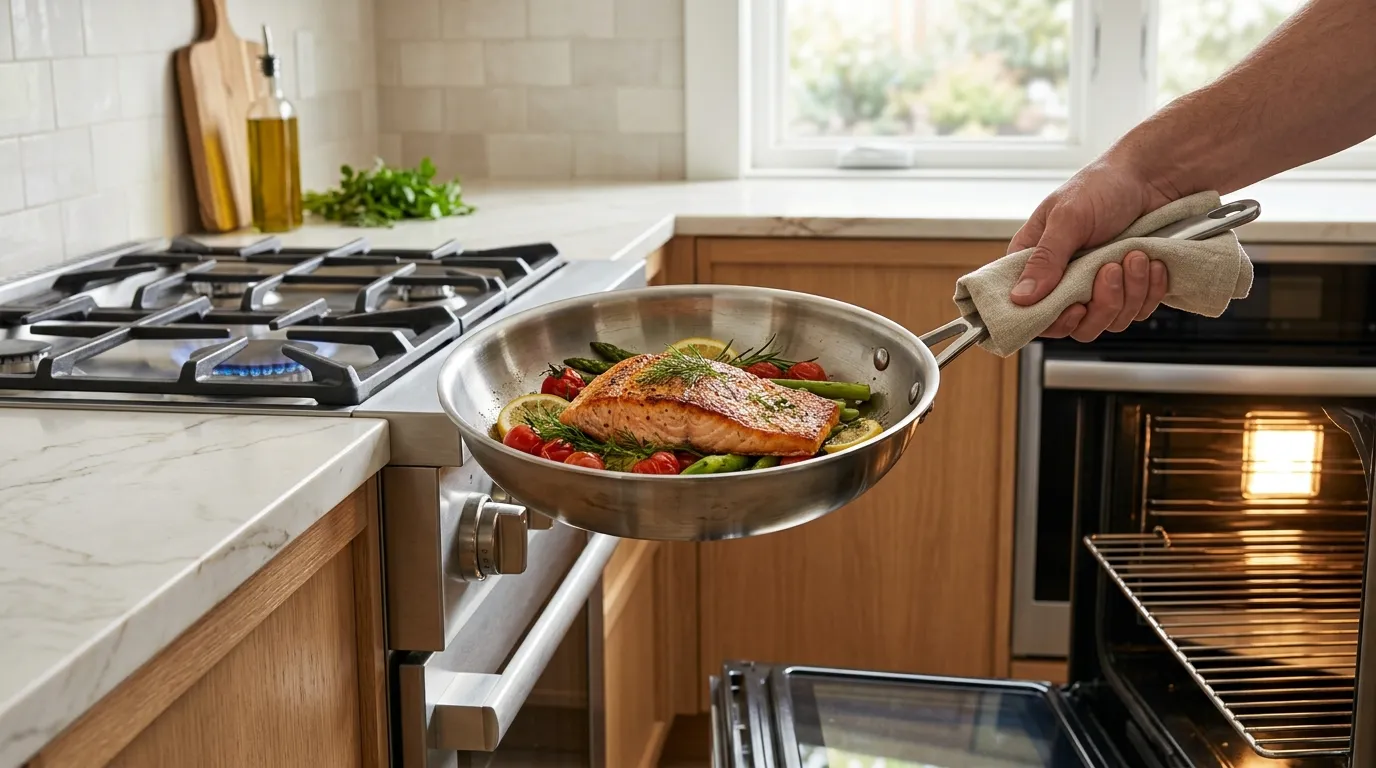
Yes, almost all All-Clad frying pans are oven safe, provided they feature stainless steel handles and no nonstick coating.
If you have ever stared at a beautiful piece of steak in your skillet and wished you could move it directly into the oven to finish, you are not alone. As a home cook who has spent years testing high-end cookware, I have learned that understanding the thermal limits of your equipment is the secret to restaurant-quality meals. Many people wonder if their specific investment is truly versatile enough for high-heat roasting. Whether you are dealing with classic stainless steel or a specialized nonstick surface, knowing if your All-Clad frying pans are oven safe is essential for mastering advanced cooking techniques. Let us explore the nuances of these professional-grade tools so you can cook with absolute confidence.
Understanding Oven Safety in All-Clad Cookware
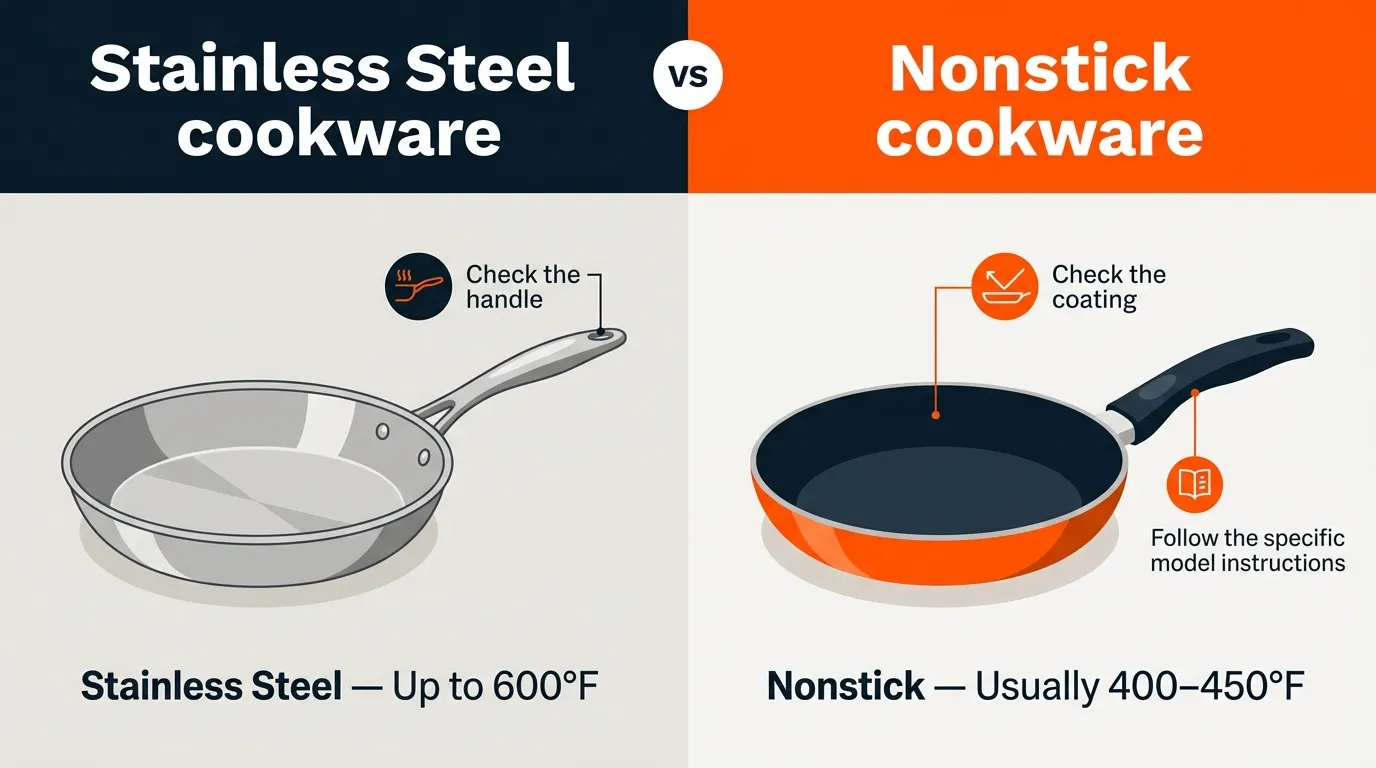
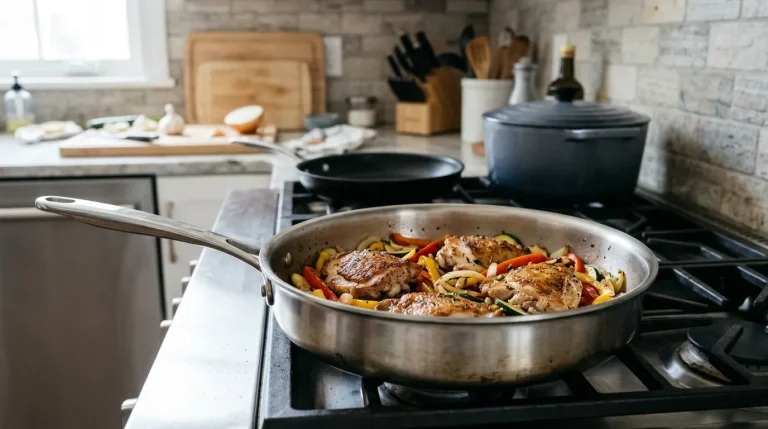
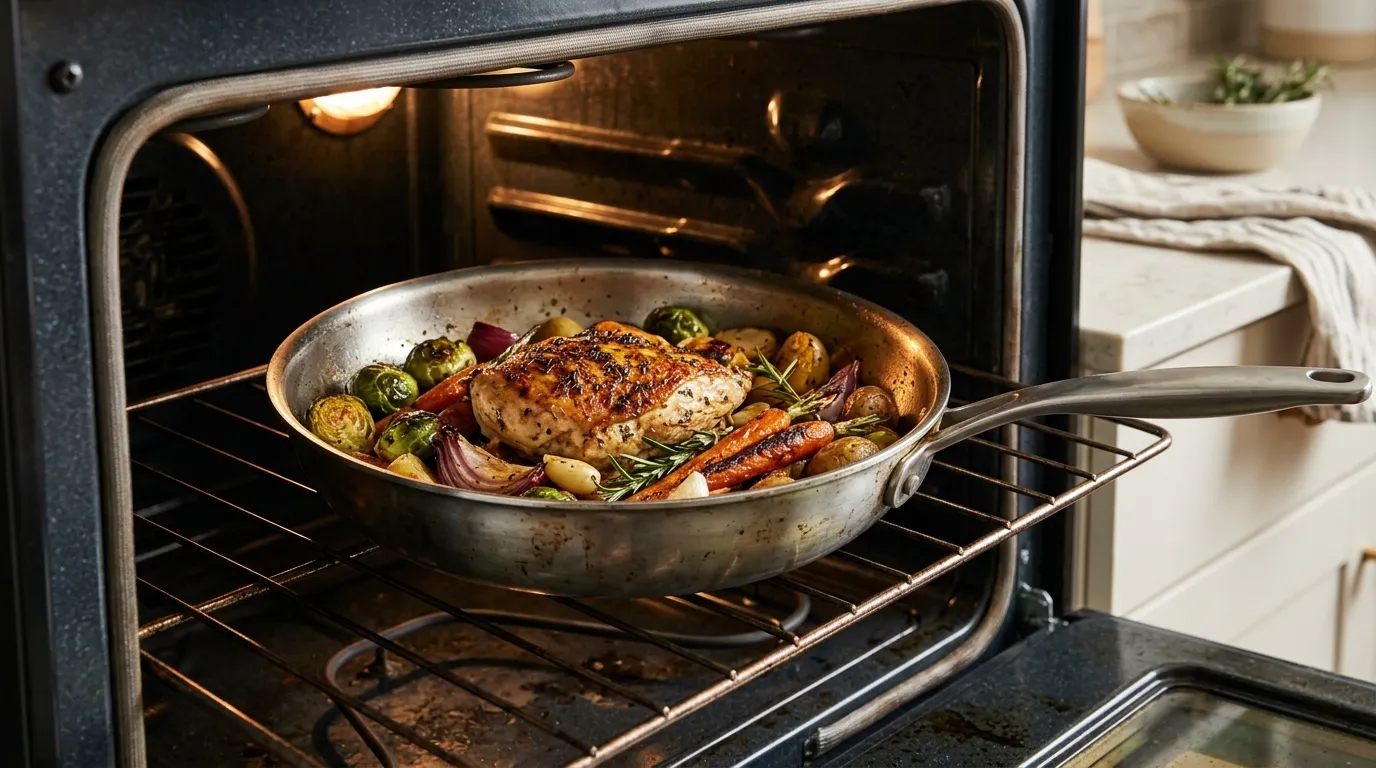
The reputation of All-Clad is built on durability and performance, which is why their stainless steel collections are often considered the gold standard for oven cooking. In my own kitchen, I frequently sear chicken breasts on the stove and transfer them directly into a 450 degree Fahrenheit oven. Because these pans are made from conductive metals like aluminum or copper sandwiched between layers of high-grade stainless steel, they handle high temperatures remarkably well. However, the limitation usually lies not in the metal of the pan, but in the handle or the coating.
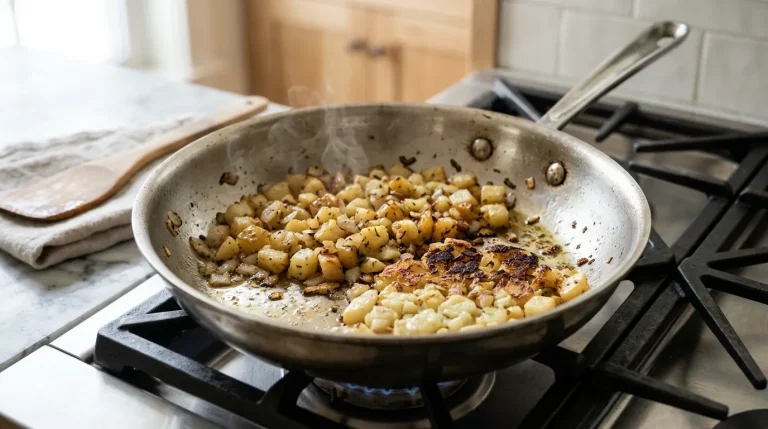
If you own a standard tri-ply or D5 stainless steel skillet, you can generally use it at temperatures up to 600 degrees Fahrenheit without issue. This high heat threshold is perfect for roasting vegetables or finishing proteins. I have personally seen friends ruin nonstick pans by placing them in ovens that were far too hot, which taught me that checking the specific collection is vital. Always inspect your handle attachment before sliding your All-Clad frying pans into the heat to ensure there are no plastic or silicone inserts that could melt.
Factors That Affect Oven Safety
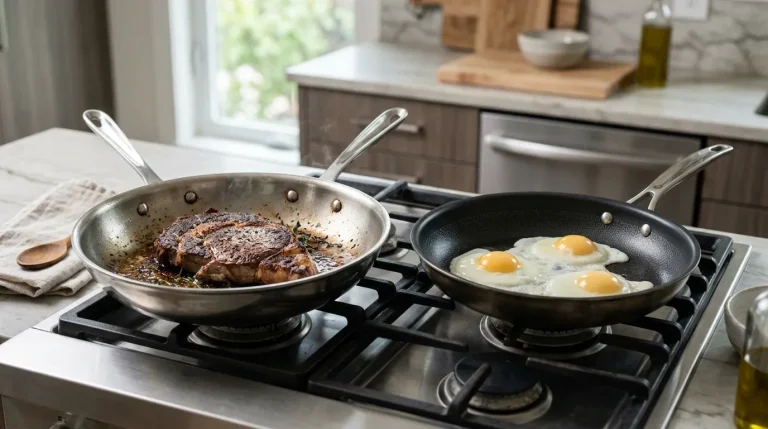
While the core metal of an All-Clad frying pan is often oven safe, several external factors determine exactly how high the temperature can go. The most common culprit for oven damage is the inclusion of nonstick coatings, which typically break down and release harmful fumes once temperatures exceed 500 degrees Fahrenheit. Many manufacturers recommend keeping nonstick pans below 400 or 450 degrees Fahrenheit to preserve the life of the surface.
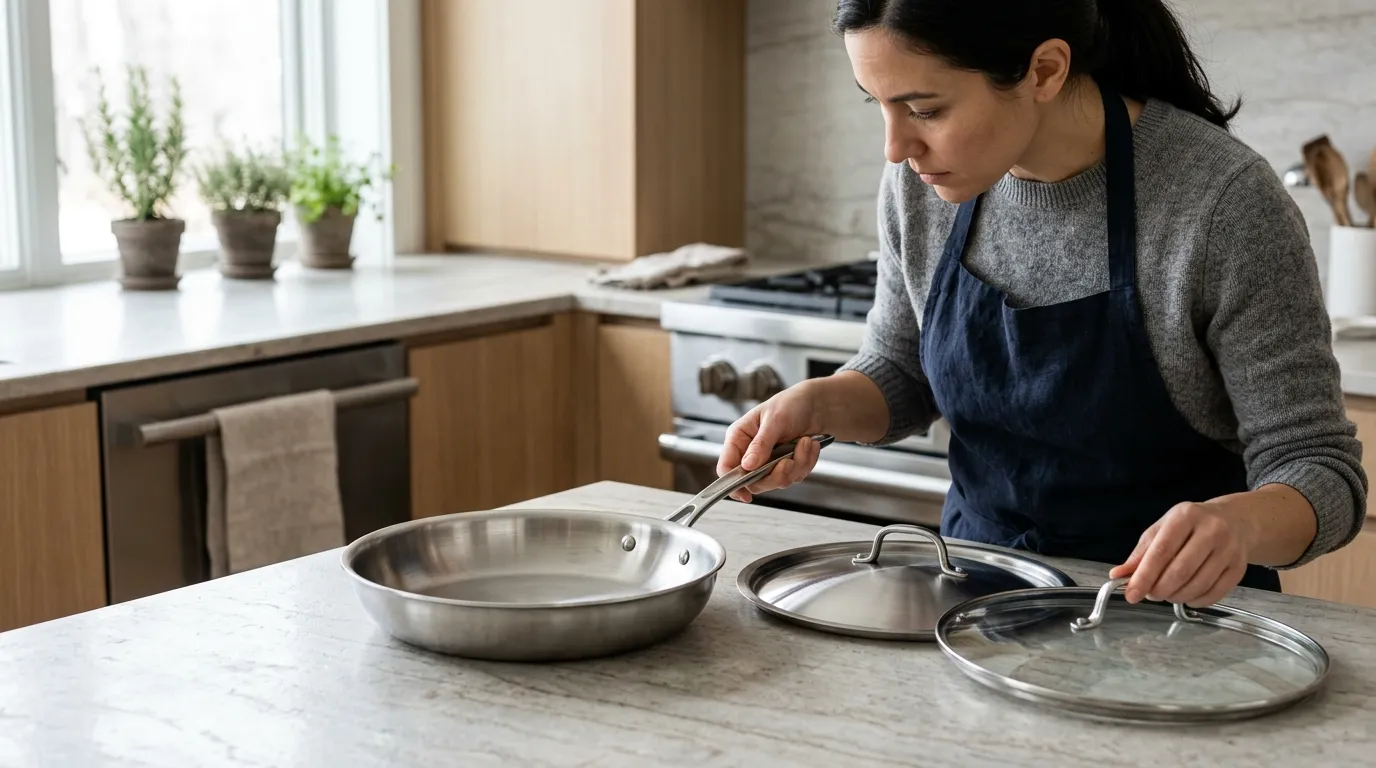
Another critical factor is the presence of lids and accessories. While your All-Clad frying pans might be rated for extreme heat, the glass lids that often accompany them are rarely designed for the same temperatures. I once made the mistake of placing a glass lid in a very hot oven, only to realize later that the tempered glass is usually only rated for up to 350 or 400 degrees Fahrenheit. Always remove the lid or use a metal-compatible lid when you are cranking up the heat for a heavy roast.
Tips for Safe Oven Use
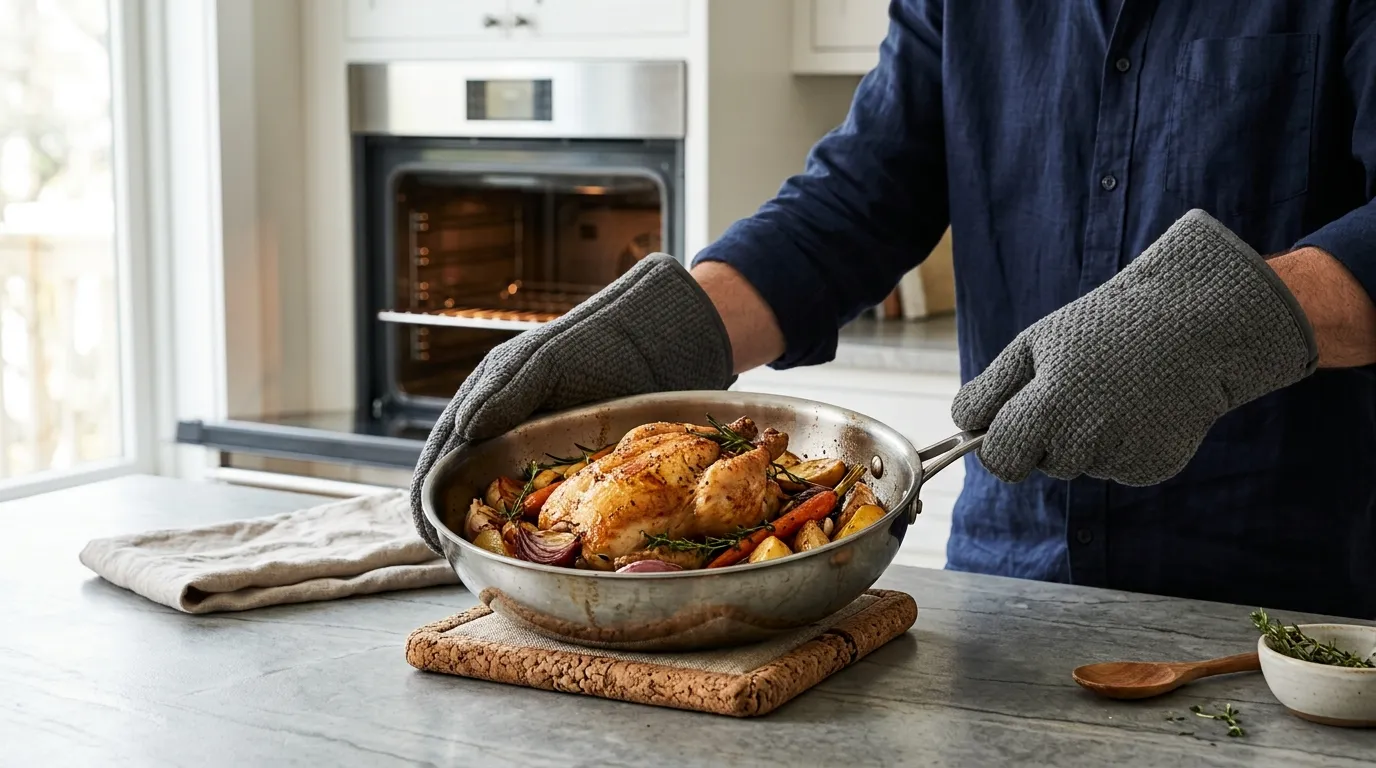
To get the most out of your All-Clad frying pans, I recommend a few simple habits that keep your cookware in pristine condition. First, always preheat your oven before putting the pan inside to ensure the metal expands evenly, preventing warping. When I take a hot pan out of the oven, I make sure to place it on a trivet or a thick kitchen towel rather than directly onto a cold countertop, as this sudden temperature shock can damage the integrity of the base.
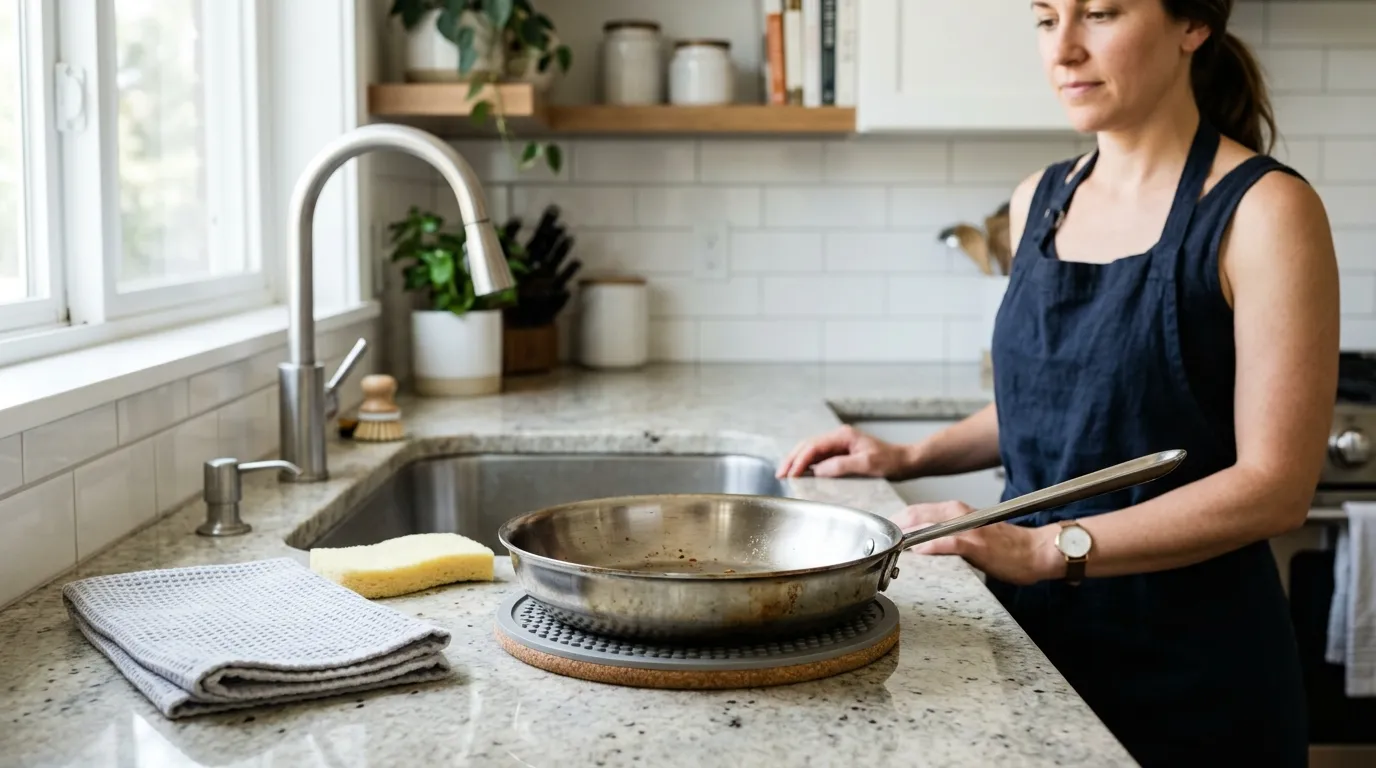
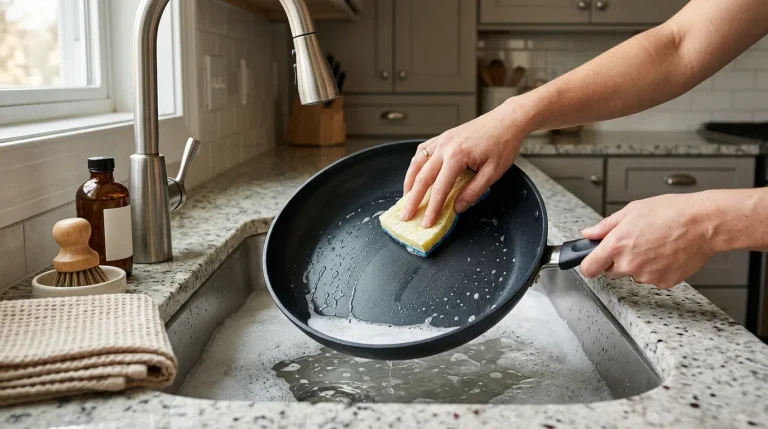
Another lesson I learned the hard way involves cleaning. If you have been using your All-Clad frying pans at high temperatures, wait for the pan to return to room temperature before washing it. Splashing cold water onto a scorching hot pan is a recipe for disaster and can lead to thermal shock, causing the bottom of the pan to warp or dome. Treat your pans with the same care you would a cast iron skillet, and they will likely last for several decades of daily use.
Frequently Asked Questions of are all clad frying pans oven safe
Can I put my nonstick All-Clad pan in the oven?
Most nonstick All-Clad frying pans are oven safe, but usually only up to 400 or 450 degrees Fahrenheit. Exceeding this heat can degrade the nonstick coating and shorten the lifespan of your pan.
What is the maximum temperature for stainless steel All-Clad?
Most stainless steel All-Clad collections are safe for use in ovens up to 600 degrees Fahrenheit. This allows you to perform high-heat searing and roasting without worrying about damaging the metal.
Are the handles on All-Clad frying pans oven safe?
Yes, all-metal handles found on professional All-Clad lines are designed for oven use. However, you must always use heavy-duty oven mitts to handle the pan, as the metal handles will become extremely hot.
Can I put an All-Clad lid in the oven?
If the lid is made entirely of stainless steel, it is generally oven safe up to the same limit as the pan. Avoid putting glass lids in the oven unless the manual explicitly confirms they are oven-safe at your desired temperature.
How do I know if my specific pan is oven safe?
You can check the bottom of the pan for markings or visit the official website to look up your specific collection name. If the handle feels like plastic or silicone, it is usually not safe for high-heat oven use.
Conclusion
Knowing that your All-Clad frying pans are oven safe opens up a world of culinary possibilities, from perfectly roasted salmon to crusty artisan flatbreads. By respecting the temperature limits of your specific model and avoiding extreme thermal shock, you ensure that these high-quality tools remain a staple in your kitchen for years to come. I encourage you to experiment with stovetop-to-oven recipes this week to truly appreciate the versatility of your cookware. If you have any favorite one-pan recipes, feel free to share them in the comments below or reach out if you have more questions about caring for your stainless steel gear!