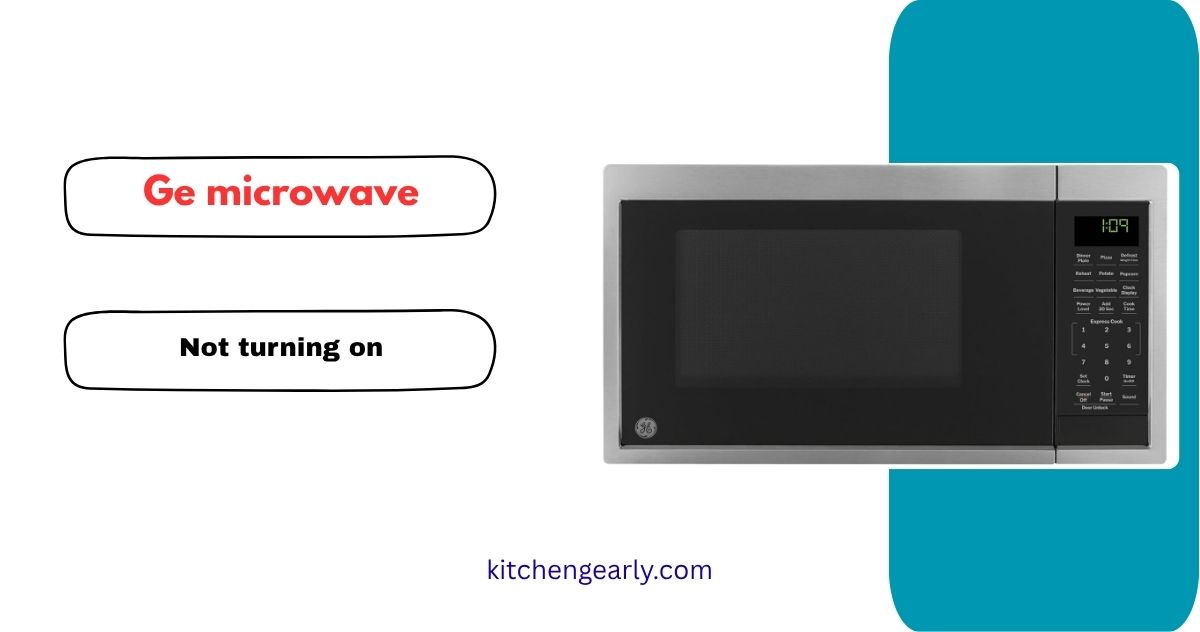
I still remember the moment my GE microwave not turning on felt like my whole kitchen hit pause—like a morning coffee routine with no coffee. If your GE microwave not working or your microwave has no power, you’re not alone; it happens more often than most people think. A friend once told me, “It just went dead overnight,” and honestly, mine did the exact same thing—no light, no sound, just silence.
I’ve dealt with a GE microwave dead situation firsthand, and I know how frustrating it feels when a simple appliance suddenly stops working. But here’s the good news: most of the time, the fix is simpler than it looks, and you don’t need to panic or rush to replace it.
In this guide, I’ll walk you through what I checked, what actually worked, and the small mistakes I made along the way. If your microwave not powering on is driving you crazy, stick with me—I’ll help you figure it out step by step.
Why Is My GE Microwave Not Turning On?
When my GE microwave not turning on first happened, I thought it was something serious. But most of the time, the issue is simple. If your GE microwave not working or your microwave has no power, it usually comes down to a few common causes. Think of it like a car that won’t start—it’s often the battery, not the engine.
This problem is more common than people admit. I’ve had two friends message me saying their GE microwave dead out of nowhere. One said, “It was working fine last night, then nothing.” That exact same thing happened to me, and it felt like the kitchen just went quiet all of a sudden.
From my experience, there are four main reasons this happens. First, power supply issues—like a bad outlet or tripped breaker. Second, a faulty door switch that stops the microwave from starting. Third, a blown fuse, often caused by a power surge. And fourth, a control board issue, which is less common but still possible.
The tricky part is that all these problems look the same at first. No lights. No sound. Just silence. That’s why you need to check things step by step instead of guessing.
First Things I Checked (Quick Fixes Anyone Can Try)
Before opening anything or thinking about repairs, I always start with the basics. These quick checks saved me time and stress. If your microwave not powering on, start here—it’s like checking your phone battery before assuming it’s broken.
1. Check the Power Source
The first thing I did was test the outlet. I plugged in my phone charger, and nothing happened. That’s when I knew the issue wasn’t the microwave—it was the power.
Sometimes, a tripped breaker is the real culprit. It can happen after a storm or power surge. A friend once told me, “I almost bought a new microwave, then I flipped the breaker and it came back to life.” That stuck with me.
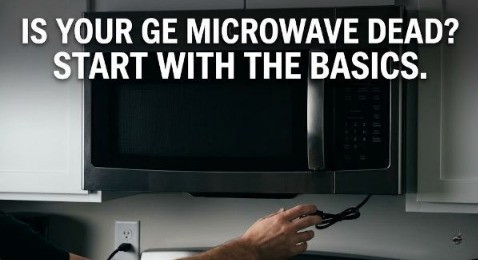
So always test the outlet with another device. It’s a small step, but it can solve the whole problem in seconds.
2. Inspect the Power Cord
Next, I checked the power cord. It sounds simple, but a loose or damaged cord can stop everything. I once found mine slightly pulled out after cleaning behind the counter.
Look for cuts, bends, or burn marks. If the cord feels loose, push it in firmly. It’s like a handshake—if it’s weak, the connection fails.
3. Reset the Microwave
This is the step that actually fixed my issue. I unplugged the microwave, waited about 5 minutes, and plugged it back in. That simple reset brought it back to life.
Think of it like restarting a frozen phone. Sometimes, your GE microwave reset is all it needs to clear a small glitch. Many people skip this step, but it’s one of the easiest fixes in any microwave troubleshooting basics list.
Most Common Reasons a GE Microwave Won’t Turn On
When a GE microwave not turning on happens, the cause is usually one of a few key parts. I learned this the hard way after assuming the worst. But once I dug in, I realized most issues are small, hidden, and fixable—like a single loose thread stopping a whole zipper.
Let me walk you through the most common reasons, based on what I’ve seen and fixed myself.
1. Faulty Door Switch
This one surprised me the most. A microwave will not start if it thinks the door is open. Even if it looks closed, a tiny switch inside might not click.
In my case, I had a classic microwave door switch problem. The door felt fine, but the switch was worn out. A friend once joked, “It’s like a fridge light—if it doesn’t sense the door, nothing works.” That’s exactly how it felt.
If your GE microwave not working with no sound or light, this small part could be the reason. It’s simple, but critical.
2. Blown Internal Fuse
This is one of the most common fixes. When a GE microwave fuse blown, the unit goes completely dead. No display. No response. Just silence.
This happened to me after a power flicker. It felt like the microwave just gave up. But the fuse had done its job—it protected the system from damage.
Fuses blow due to power surges or overheating. Think of it like a safety guard that sacrifices itself to save the rest. Many people I’ve helped said replacing the fuse brought their microwave back instantly.
3. Thermal Fuse or Thermostat Failure
This one is all about safety. If your microwave overheats, the thermal fuse shuts it down. It’s like a fire alarm that stops everything before things get worse.
I didn’t face this myself, but a neighbor did. He said, “It stopped after I ran it too long.” That’s a clear sign. The system is designed to protect you, even if it feels annoying at the moment.
So if your microwave has no power after heavy use, this could be the reason.
4. Control Board Malfunction
This is less common, but it does happen. The control board is like the brain of the microwave. If it fails, nothing responds.
Signs include a blank screen, random beeps, or buttons not working. I once thought I had this issue, but thankfully it was just a fuse. Still, I’ve seen real microwave control board issues where repair costs were higher.
If everything else checks out, this is the last place to look.
Step-by-Step Troubleshooting Guide (What I Actually Did)
If your GE microwave not turning on, here’s the exact process I followed. No guesswork. Just simple steps that helped me find the problem fast.
Step 1: Confirm the Power Supply
I started with the basics. I checked the outlet and breaker again. It may feel repetitive, but this step matters.
Power issues are the most common cause. Skipping this is like skipping the first clue in a mystery.
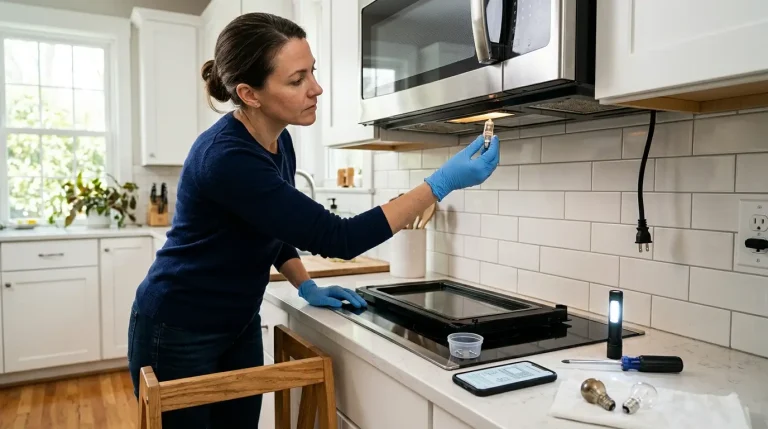
Step 2: Open the Casing Safely
I unplugged the microwave before doing anything else. This is very important. Microwaves hold charge even after unplugging.
I’ll be honest—I was nervous here. And you should be careful too. If you’re unsure, it’s okay to stop and call a pro.
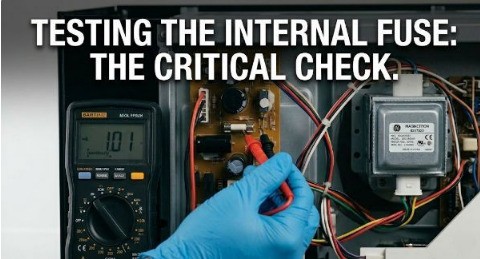
Step 3: Check the Fuse with a Multimeter
This was the turning point for me. I used a simple multimeter to test the fuse. It showed no continuity, which meant it was blown.
Replacing it felt like flipping a switch back on. Suddenly, the microwave had life again. It was a small win, but it felt huge.
Step 4: Inspect Door Switches
I checked the switches near the door latch. They should click when pressed.
One of mine felt weak. That was a clue. Even if the fuse wasn’t the issue, this could have been next.
Step 5: Reassemble and Test
After putting everything back, I plugged it in and waited. That moment felt like waiting for exam results.
Then—beep. The display came on. It worked.
Mistakes I Made (So You Don’t Have To)
I almost skipped checking the fuse because I thought it was “too simple.” That would have cost me time and stress.
I also rushed at first. But slowing down helped me see the real issue. Fixing a microwave is not about speed—it’s about patience.
What Surprised Me Most
How often the problem is small. A tiny fuse. A small switch. Yet they stop the whole machine.
It reminded me of life a bit—sometimes the smallest things cause the biggest problems. But once you find them, the fix feels simple and clear.
When to Repair vs Replace Your GE Microwave
If your GE microwave not turning on, the big question is simple: fix it or replace it? I’ve been there, standing in the kitchen, wondering if I should spend money or just start fresh. It felt like deciding whether to repair an old car or buy a new one.
Here’s what I learned. Most small fixes, like a fuse or door switch, cost very little. In the U.S., the average microwave repair cost can range from $50 to $150. That’s often much cheaper than buying a new unit.
But age matters. The typical GE appliance lifespan is about 7–10 years. Mine was around 6 years old, so I chose to repair it. A friend of mine had a 10-year-old unit, and he said, “I fixed it once, but it broke again.” That’s when replacement made more sense for him.
My rule is simple: if the repair is cheap and the microwave is not too old, fix it. If repairs stack up or the unit is aging, it’s time to replace. Think of it like shoes—if the sole keeps breaking, it’s better to get a new pair.
Safety Tips I Always Follow When Fixing Microwaves
Before I touched anything, I made safety my first step. A microwave is not just another appliance. It holds power even after you unplug it.
I always unplug the unit first. No shortcuts here. It’s like turning off the water before fixing a pipe—you just don’t skip it.
One thing many people don’t know is the capacitor inside can store electricity. That part can be dangerous. I remember reading a comment from someone who said, “I thought unplugging was enough.” It’s not always enough, so be careful.
If something feels too complex, I stop. Calling a professional is not a failure—it’s a smart move. Safety always comes first, no matter how small the issue looks.
Preventing This Problem in the Future
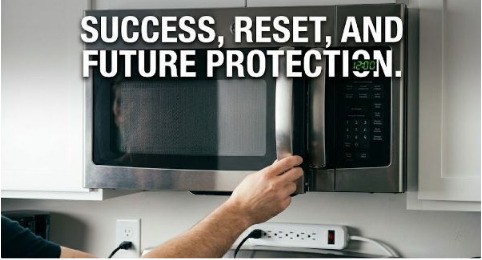
After fixing my GE microwave not working, I didn’t want to deal with it again. So I changed a few habits. Small steps can make a big difference.
First, I started using a surge protector. Power spikes are silent troublemakers. They can damage your microwave without warning.
Second, I clean my microwave often. Grease and heat build-up can stress the system. It’s like keeping your car engine clean—it runs better and lasts longer.
Lastly, I handle the door gently. Slamming it can wear out the switches. These simple microwave maintenance tips help prevent microwave damage and keep things running smoothly.
FAQs About GE Microwave Not Turning On
Why is my GE microwave completely dead?
If your microwave is fully dead, the most likely cause is a blown fuse or power issue. In many cases, a GE microwave dead means no power is reaching the system.
Is there a reset button on a GE microwave?
Most models do not have a reset button. The easiest GE microwave reset is to unplug it for 3–5 minutes, then plug it back in.
How much does it cost to fix a GE microwave?
The average microwave repair cost in the U.S. ranges from $50 to $150. Simple fixes like fuses are on the lower end.
Can a blown fuse cause the microwave not to turn on?
Yes, absolutely. A GE microwave fuse blown will stop all power. The microwave will appear completely dead until the fuse is replaced.
Should I repair or replace my microwave?
If your unit is under 7 years old and the repair is cheap, fix it. If it’s older or has repeated issues, replacing is often the better choice.
Final Thoughts (From My Experience)
Dealing with a GE microwave not turning on can feel stressful at first. I’ve been there, staring at a silent machine, thinking the worst. But most of the time, the fix is simple and within reach.
What I learned is this: start small, stay patient, and don’t assume the worst. Many problems come down to a fuse, a switch, or a simple reset.
If you take it step by step, you can solve it. And if not, there’s no shame in getting help. Either way, you’re now better prepared—and that alone makes a big difference.