
Most slow coffee makers need descaling, clearing clogs, and a fresh filter to restore speed.
If your pot crawls and tastes off, you’re in the right place. I’ve fixed hundreds of home brewers, from pods to classic drip. In this coffee maker slow brew fix guide, you’ll learn clear steps, pro tools, and simple habits that work fast and last.
What “slow brew” really means and what to expect
Most drip machines should brew a full pot in 5 to 8 minutes. Single-serve machines should finish in 1 to 2 minutes. If you are far slower than that, you likely have scale, a clog, or low flow.
Watch for these signs:
- Weak or bitter taste from over-extraction or stalling.
- Steam and noise without steady dripping.
- Water left in the tank after the cycle.
- Overflow in the basket or a soaked paper filter.
I follow the SCA brew window and manufacturer guides for time and flow checks. That data helps to confirm a true slow brew and target a fast coffee maker slow brew fix.

Root causes of a sluggish coffee maker
A slow brew is almost never random. These are the common triggers:
- Hard water scale. Mineral buildup reduces tube size and blocks valves.
- Clogged needle or spray head. Grounds and oils collect fast, especially with dark roasts.
- Paper filter collapse. Wrong size or double-stacked filters choke flow.
- Grind too fine. Drip needs medium grind. Too fine acts like mud.
- Failing check valve or weak pump. Parts age and flow drops.
- Low voltage or shared outlet. Long cords and power strips can starve heat.
- Old or oily coffee basket. Oils get sticky and slow the drip.
Many times, the best coffee maker slow brew fix is a deep descale with a careful clean. I start there before any part swap.
Coffee maker slow brew fix: a simple step-by-step
Use these steps in order. Stop if your manual warns against a step.
1) Descale the water path
- Mix a descaler with water per the label. Many brands prefer descaler over vinegar.
- Fill the tank. Start a brew with no coffee. Halfway through, pause for 20 minutes.
- Finish the cycle. Then run two full tanks of plain water to rinse.
Tip from my bench: If you taste sour notes after vinegar, keep rinsing. Some makers trap acid in the heater. A dedicated descaler often avoids this issue and is my go-to coffee maker slow brew fix.
2) Clean the showerhead, basket, and needle
- Remove the spray head or nozzle if the model allows. Soak in warm soapy water.
- Scrub the holes with a soft brush or a wooden toothpick.
- For pod machines, use a needle-cleaning tool or a paperclip. Be gentle.
3) Clear the tank inlet and check valve
- Look for a small silicone valve under the tank. Press it to confirm movement.
- Flush the inlet with warm water. If stuck, replace. They are cheap and vital.
4) Fix filter and grind choices
- Use the right filter size. Avoid stacking filters.
- Pick medium grind for drip. If the bed looks like sludge, your grind is too fine.
- Rinse paper filters before use. It improves flow and taste.
5) Power and heat checks
- Plug the machine into a wall outlet. Avoid old power strips.
- Heat matters for flow. If water is not hot enough, descale again. If still slow, the thermostat or heater may be failing.
6) Replace worn parts when needed
- Symptoms of a bad pump or flow meter include surging flow and error lights.
- If the machine is over five years old and scaled often, consider parts or a new unit.
These steps solve most cases I see at home and in small offices. They give a robust coffee maker slow brew fix without guesswork.

Brand and machine-specific notes
Not all brewers fail the same way. Adjust your coffee maker slow brew fix to the design.
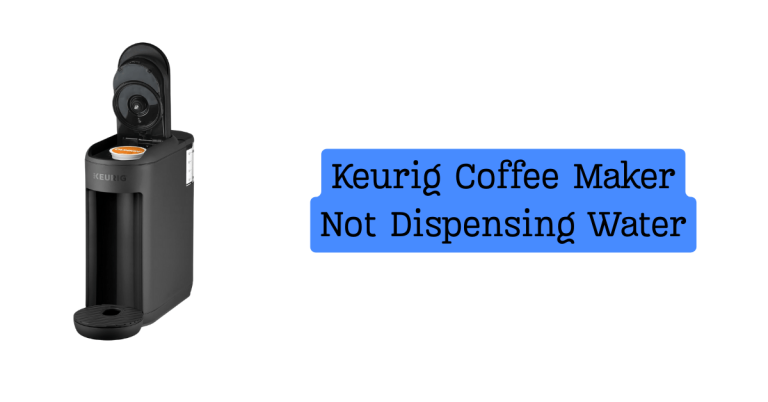
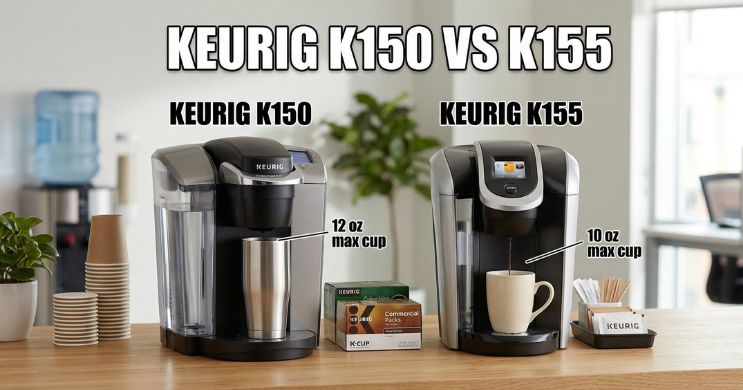
Keurig and other pod machines
- Clean entrance and exit needles every 1 to 2 weeks.
- Run a descaling cycle every 1 to 3 months, based on water hardness.
- If you see grounds in cups, replace the pod holder seal.
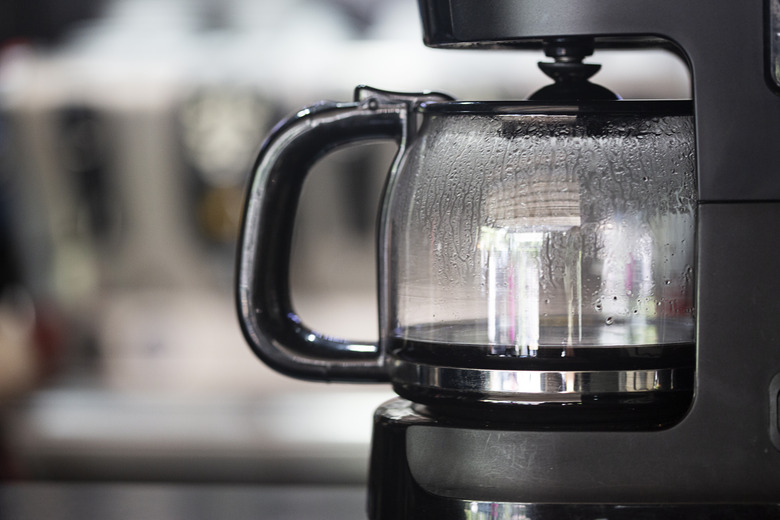
Classic drip brewers
- Remove and clean the showerhead monthly.
- If brew stalls mid-cycle, the one-way valve is suspect.
- Use a flat-bottom basket with medium grind for even flow.
Espresso and all-in-ones
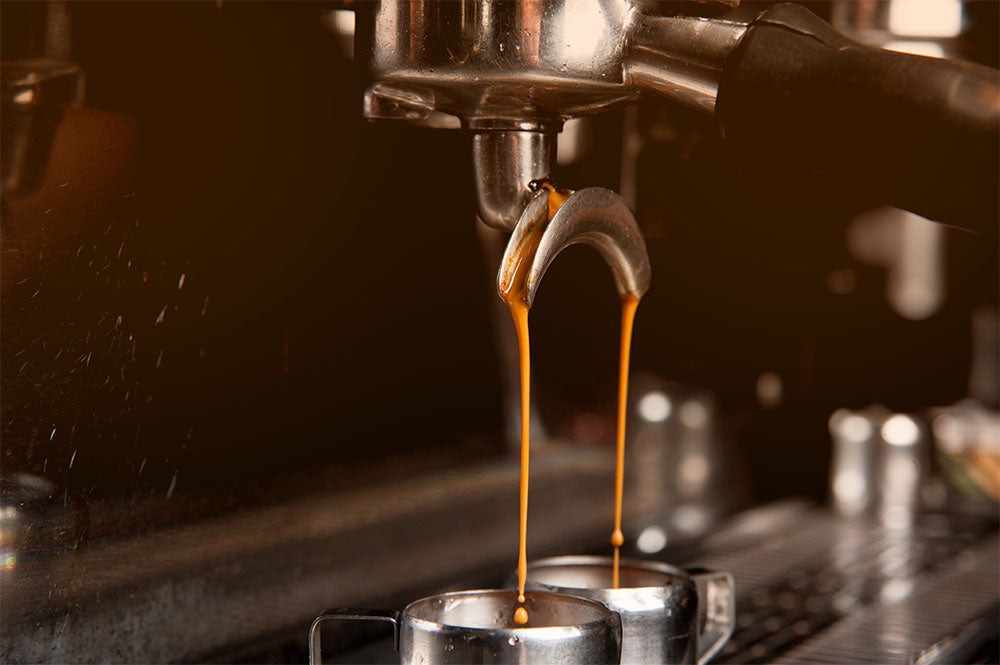
- Slow shots often mean a clogged group screen or fine grind.
- Backflush with cleaner if the model allows.
- Replace group gaskets yearly for a snug seal.
I track fixes by model. Over time you will spot patterns, and your coffee maker slow brew fix becomes fast and repeatable.
Preventive care that keeps flow fast
A little care saves time and money. Here is a simple plan that works.
Weekly
- Wash the basket, carafe, and lid with soap and hot water.
- Wipe the tank and lid. Leave open to dry.
Monthly
- Descale if you have hard water. If soft, every 2 to 3 months.
- Clean the showerhead and pod needles.
Every six months
- Replace water filters if your model uses them.
- Inspect gaskets, hoses, and the power cord.
Daily brew habits
- Use fresh, medium grind.
- Do not overfill the basket.
- Rinse paper filters and seat them well.
Follow this plan, and you may never need a major coffee maker slow brew fix again.

Repair or replace: make the smart call
I use a simple rule to decide.
Repair if
- The machine is under warranty.
- You only need a descale, needle clean, or a cheap valve.
- Taste and temperature were fine before the slowdown.
Replace if
- The heater, pump, or board fails.
- Parts exceed half the price of a good new machine.
- You want better temperature control or a programmable bloom.
Think about water quality and your roast style too. That can make a new brewer shine and prevent the next coffee maker slow brew fix for years.
Safety, warranty, and water quality tips
Keep it safe and protect your gear.
- Unplug before any deep clean or disassembly.
- Check your manual. Some brands warn against vinegar and can void warranties.
- Use filtered water with a bit of mineral content. Pure distilled can confuse sensors and taste flat.
- Let hot parts cool before handling.
Water and heat drive flow and flavor. Treat them well and your coffee maker slow brew fix will stick.

Frequently Asked Questions of coffee maker slow brew fix
Why did my coffee maker get slow all of a sudden?
Scale or a clog is the top cause. Start with a descale and a needle or showerhead clean to restore flow.
Can vinegar damage my coffee maker?
Some brands advise against it due to odors and seals. A branded descaling solution is safer and often more effective.
What grind size is best to avoid slow brew?
Use medium for drip and medium-fine for pour-over. Too fine will choke the filter and stall your brew.
How often should I descale?
With hard water, descale every 1 to 2 months. With soft or filtered water, every 2 to 3 months is enough.
My pod brewer drips for minutes after brewing. What now?
Clean both needles and the pod holder. If it persists, descale and check the exit seal for wear.
Conclusion
A slow brew has simple roots: scale, clogs, or a mismatch of grind and filter. Tackle those first, then check valves, heat, and power. With the steps above, a durable coffee maker slow brew fix is within reach.
Ready to act? Grab a descaler, clean the water path, and time your next cycle. If this helped, share your results, subscribe for more home barista tips, or ask a question in the comments.