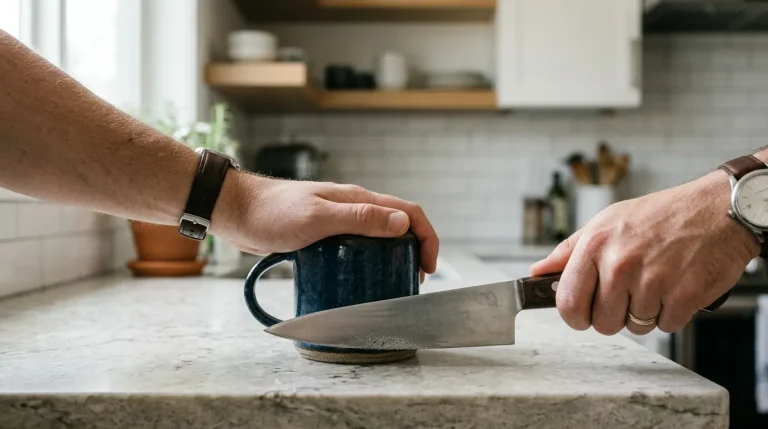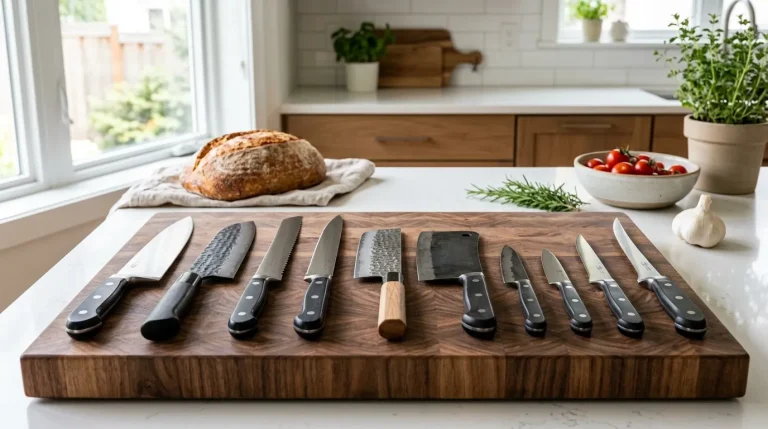
Henckels knives not sharp usually mean worn edges, improper use, or lack of maintenance.
I’ve worked with kitchen knives for years and tested many Henckels blades. This article explains why Henckels knives not sharp happens, how to test and fix it, and how to keep edges keen. Read on for practical steps, clear examples, and simple routines that actually work.
Why Henckels knives not sharp: common causes
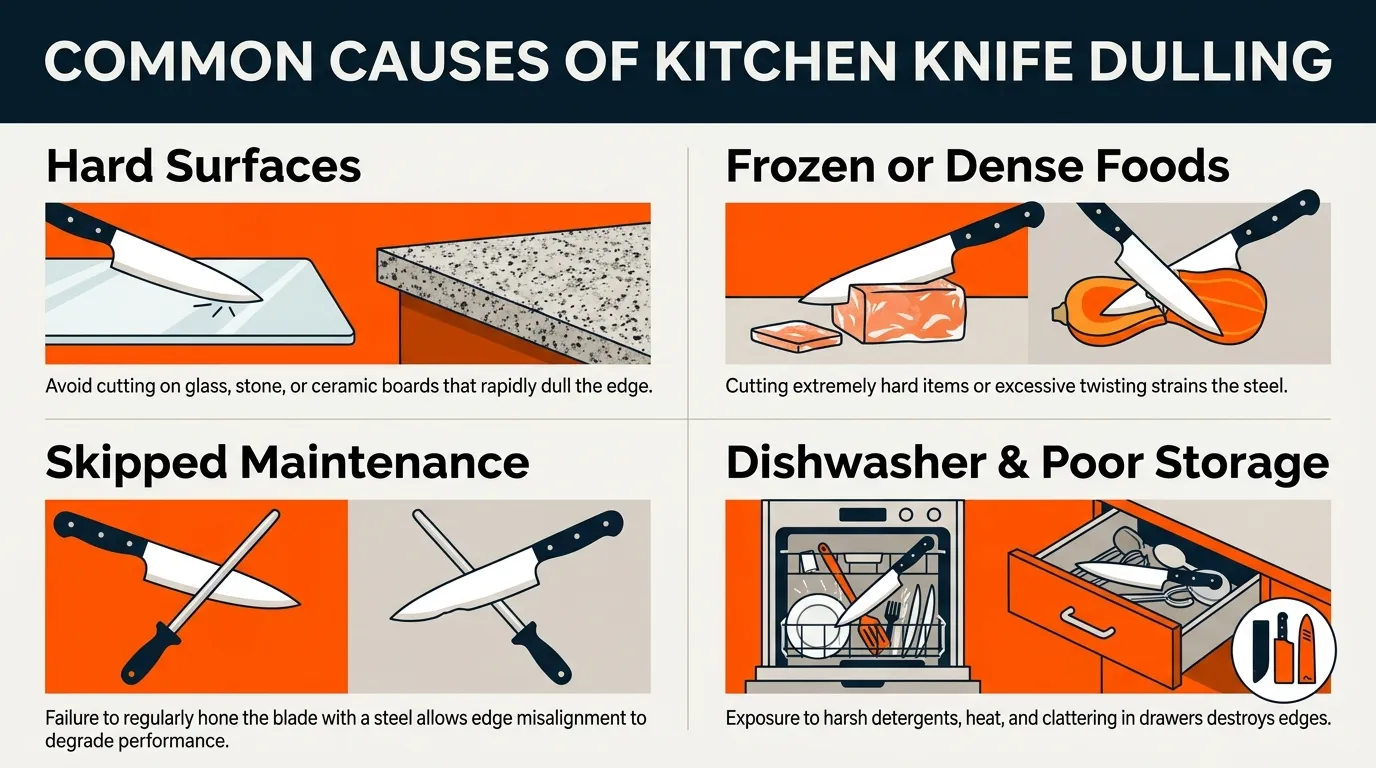
Henckels knives not sharp for many simple reasons. Hard use on glass, ceramic, or bone wears edges quickly. Cutting frozen foods or twisty motions on dense vegetables also dull the blade.
Poor maintenance speeds dulling. Skipping regular honing lets edges roll. Using a pull-through sharpener with low-quality abrasives can make the edge worse.
Some knives arrive with a thin factory edge. That edge cuts well at first but can chip or bend if used roughly. Cheap storage and dishwasher use also harm the steel and finish.
How to tell if Henckels knives not sharp: quick tests
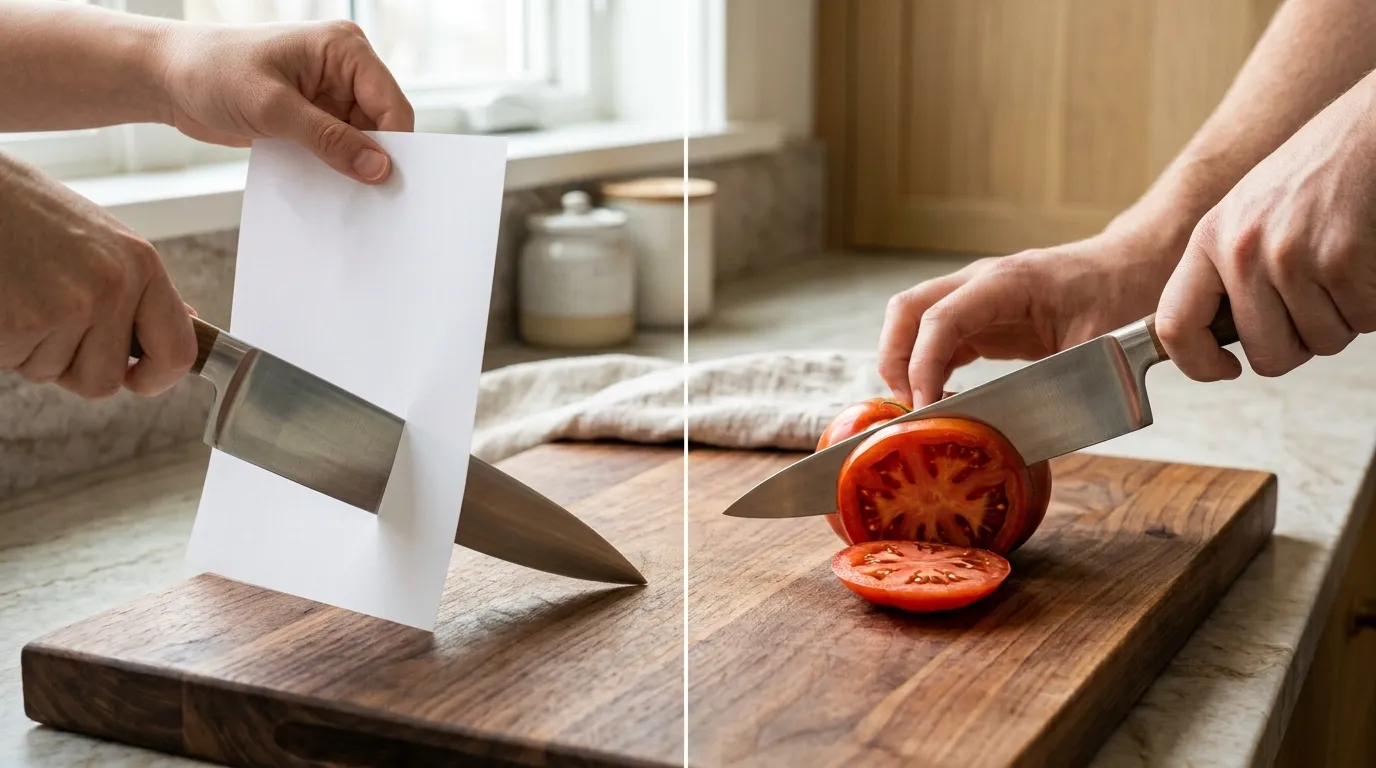
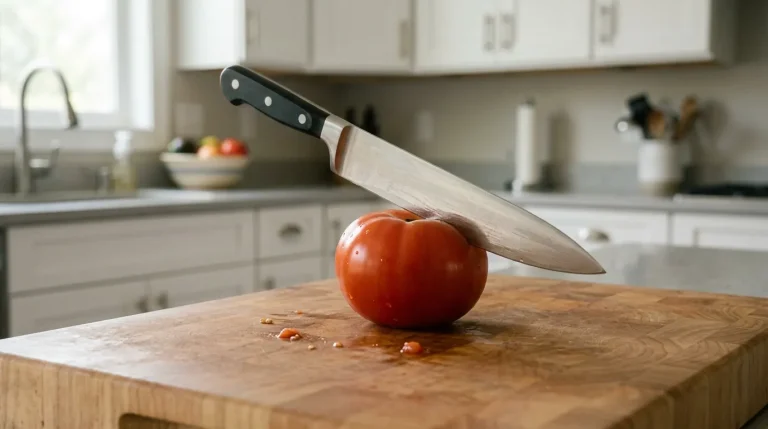
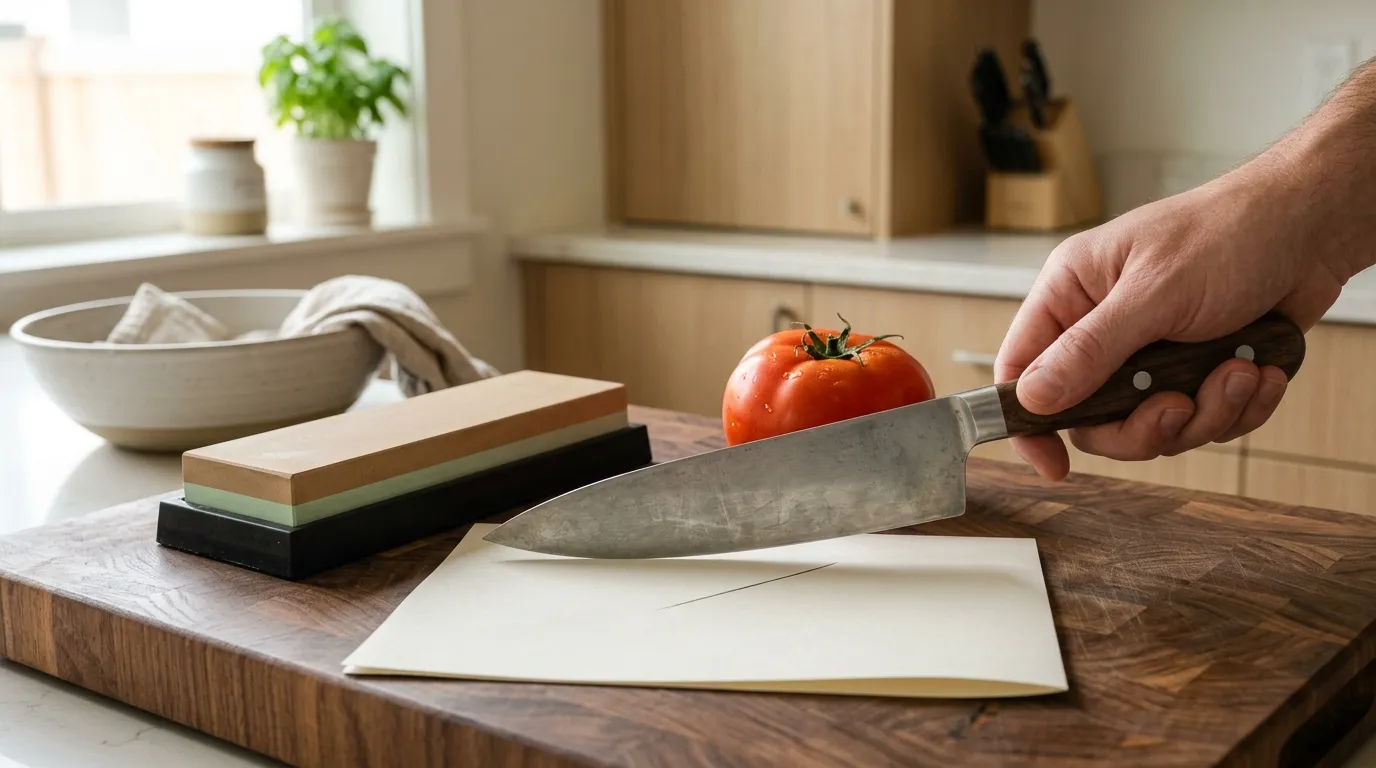
Visual and simple tests reveal dull blades fast. Try slicing a tomato. A sharp Henckels knife slices cleanly without squashing. If the skin resists, the blade is dull.
Try the paper test. Hold a sheet and slice downward. A sharp blade cuts smoothly; a dull one tears. You can also run your thumb perpendicular to the edge carefully. A rough or rounded feel means the edge needs work.
How to sharpen Henckels knives not sharp: step-by-step options
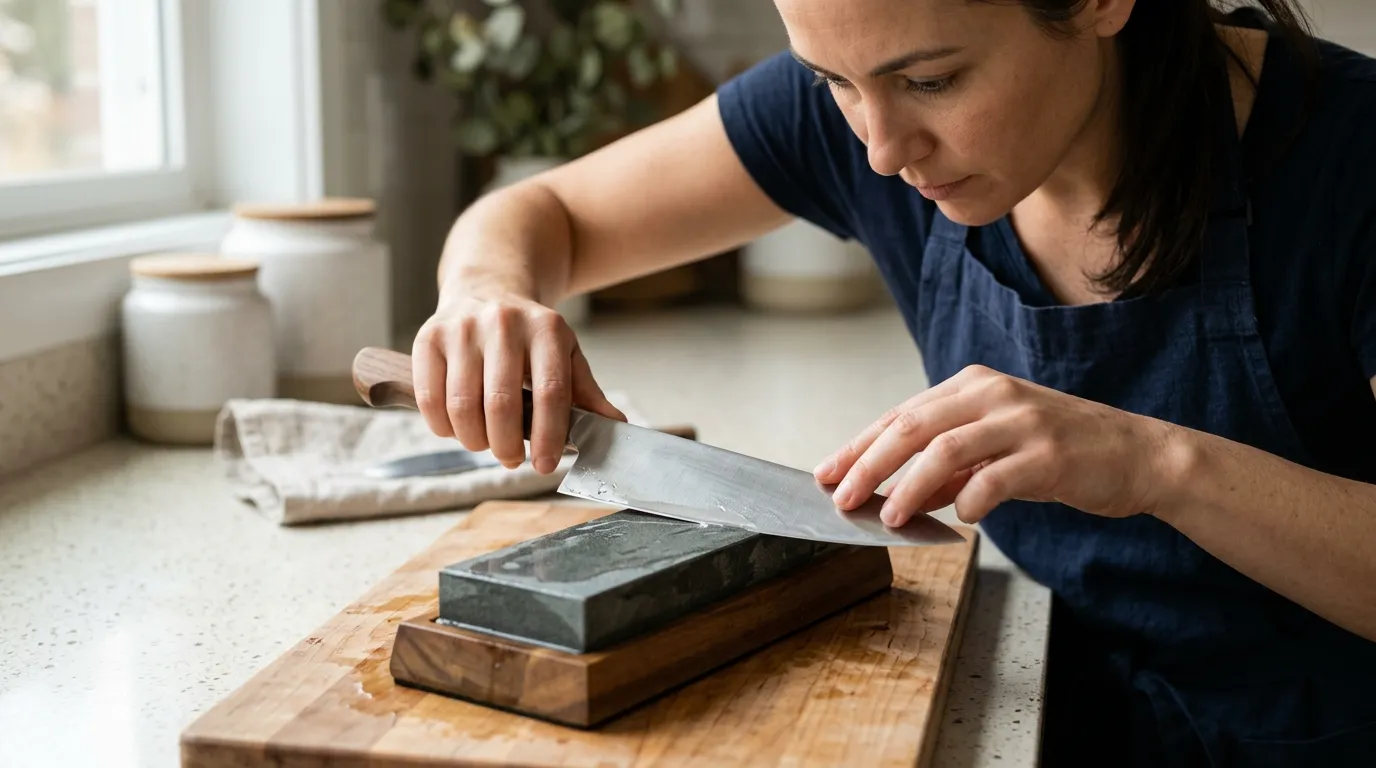
There are safe ways to restore a dull Henckels blade. Choose a method that matches your skill and tools.
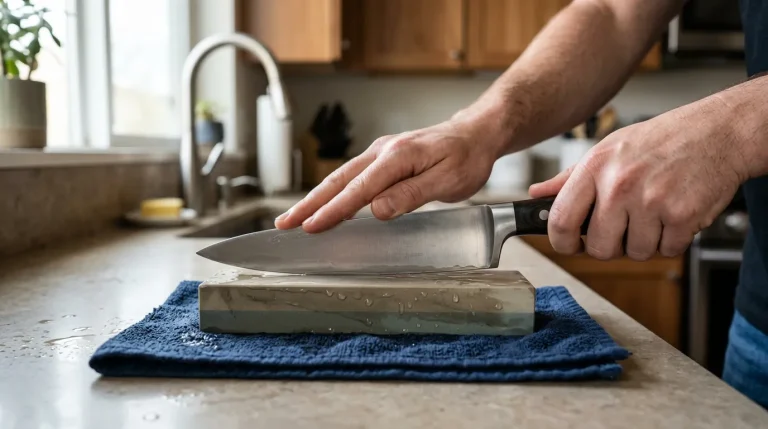
Whetstone method
- Soak a 1000/6000 grit stone if needed.
- Hold the blade at about 15–20 degrees.
- Push the blade across the stone in smooth strokes.
- Flip and match the other side until you feel a burr, then refine with higher grit.
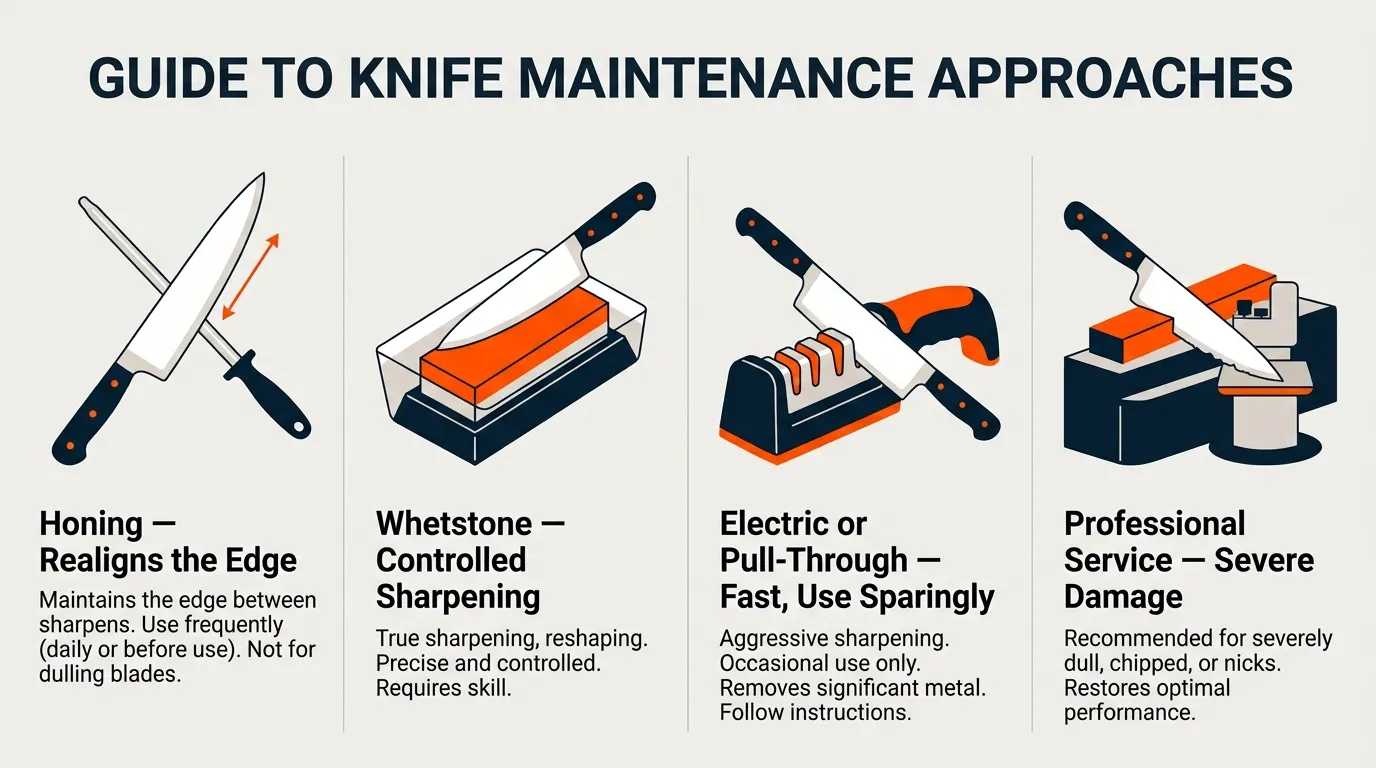
Honing rod (regular maintenance)
- Use a steel or ceramic rod to realign the edge.
- Hold the rod vertical and swipe the blade at 15–20 degrees.
- Do 4–6 strokes per side.
- Honing does not remove metal but fixes rolled edges.
Electric and pull-through sharpeners
- Electric sharpeners work fast but can remove excess metal.
- Pull-through devices are easy but vary in quality.
- Use them sparingly and follow the manufacturer’s instructions.
Professional sharpening
- Send a severely damaged Henckels knife to a pro.
- Pros can restore edge geometry and remove deep chips.
- This is best when home methods can’t regain a reliable edge.
Remember that Henckels knives not sharp often respond well to a proper whetstone session. Use light, steady pressure and test frequently.
Maintenance habits to prevent Henckels knives not sharp
Good habits keep edges longer. Store knives in a block, magnetic strip, or protective sleeve. Loose in a drawer causes nicks.
Use soft cutting boards like wood or plastic. Avoid glass, ceramic, and stone. These hard surfaces accelerate dulling.
Hand wash and dry immediately. Dishwashers expose knives to heat and bumps that harm the edge. Regularly hone every few uses to keep the edge aligned.
When to repair or replace Henckels knives not sharp
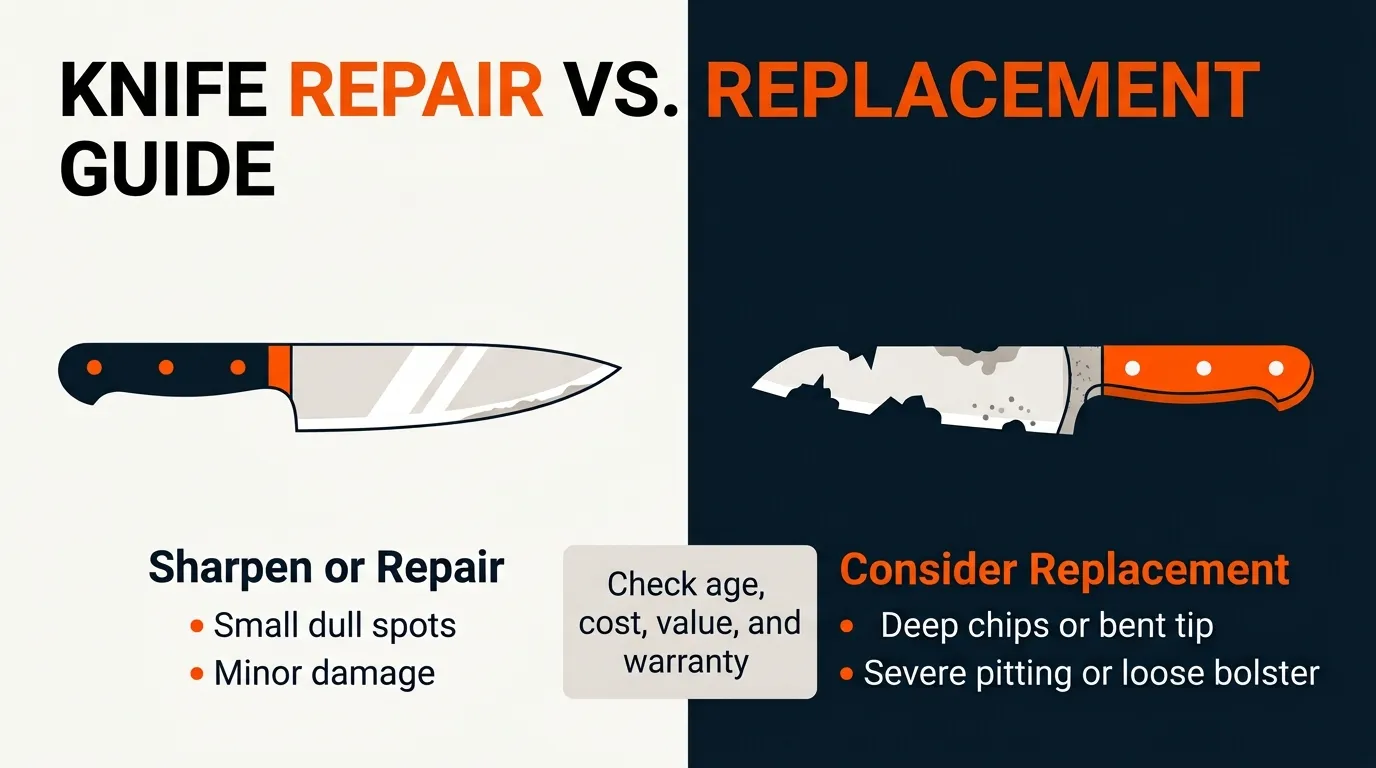
Decide by damage and value. If a Henckels knife has small dull spots, sharpening or a professional service is fine. Deep chips or a bent tip may need expert repair.
Consider age and cost. Older knives can be reprofiled, but extreme wear reduces life. If the steel is pitted or the bolster loose, replacing may be smarter.
Check warranty or service plans. Some manufacturers or retailers offer repair or sharpening services. Factor that into your decision.
Personal experience: mistakes I made and lessons learned
I once used a Henckels chef’s knife on frozen steak. The edge chipped and needed pro sharpening. I learned to avoid frozen items and use a heavy cleaver for bones.
I ignored honing for weeks and felt the blade drag. A quick 60-second honing session fixed that and taught me consistency matters. Now I hone after every third use.
I also tried a cheap pull-through sharpener. It restored cutting but removed too much metal. Now I prefer a whetstone or pro service for major work.
Practical troubleshooting checklist if your Henckels knives not sharp
Follow this simple list to diagnose and fix dull blades.
- Test with a tomato and paper slice. If it tears, it’s dull.
- Hone the blade 4–6 strokes per side and retest.
- If still dull, sharpen on a 1000 grit stone then refine with 3000–6000 grit.
- For chips or severe dulling, consult a pro.
- Change habits: use wood boards, hand wash, and store properly.
Frequently Asked Questions of henckels knives not sharp
Why do my Henckels knives not sharp after only a few weeks?
Edges wear fast if you cut hard surfaces, use a poor board, or expose the knife to improper heat or dishwasher cycles. Regular honing and correct use keep the edge longer.
Can I sharpen Henckels knives not sharp at home?
Yes. A whetstone or quality electric sharpener works well. Start slow and practice on inexpensive blades if you’re new to sharpening.
Does honing fix Henckels knives not sharp?
Honing realigns a rolled edge and helps immediate cutting performance. It does not remove metal or fix chips; sharpening removes metal to reshape the edge.
How often should I hone and sharpen to avoid Henckels knives not sharp?
Hone every 2–4 uses and sharpen on a stone about every 6–12 months depending on use. Heavy users should sharpen more often.
Will the warranty cover Henckels knives not sharp?
Warranties vary by vendor and model. Normal wear usually isn’t covered, but defects in manufacturing may be. Check your purchase details for specifics.
Conclusion
Henckels knives not sharp is common and fixable. Test blades, hone regularly, and sharpen with the right tools to restore edge life. Small daily habits prevent most dulling and save time and money.
Take action today: test a blade, hone it, and pick one sharpening method to learn. Share your experience or questions below and subscribe for more practical knife care tips.