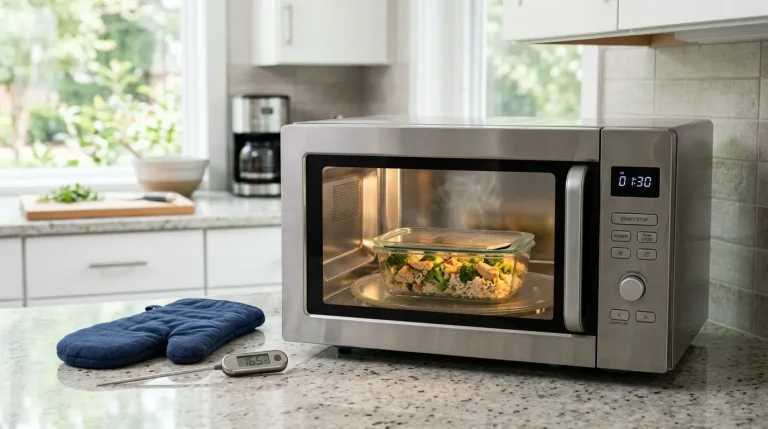
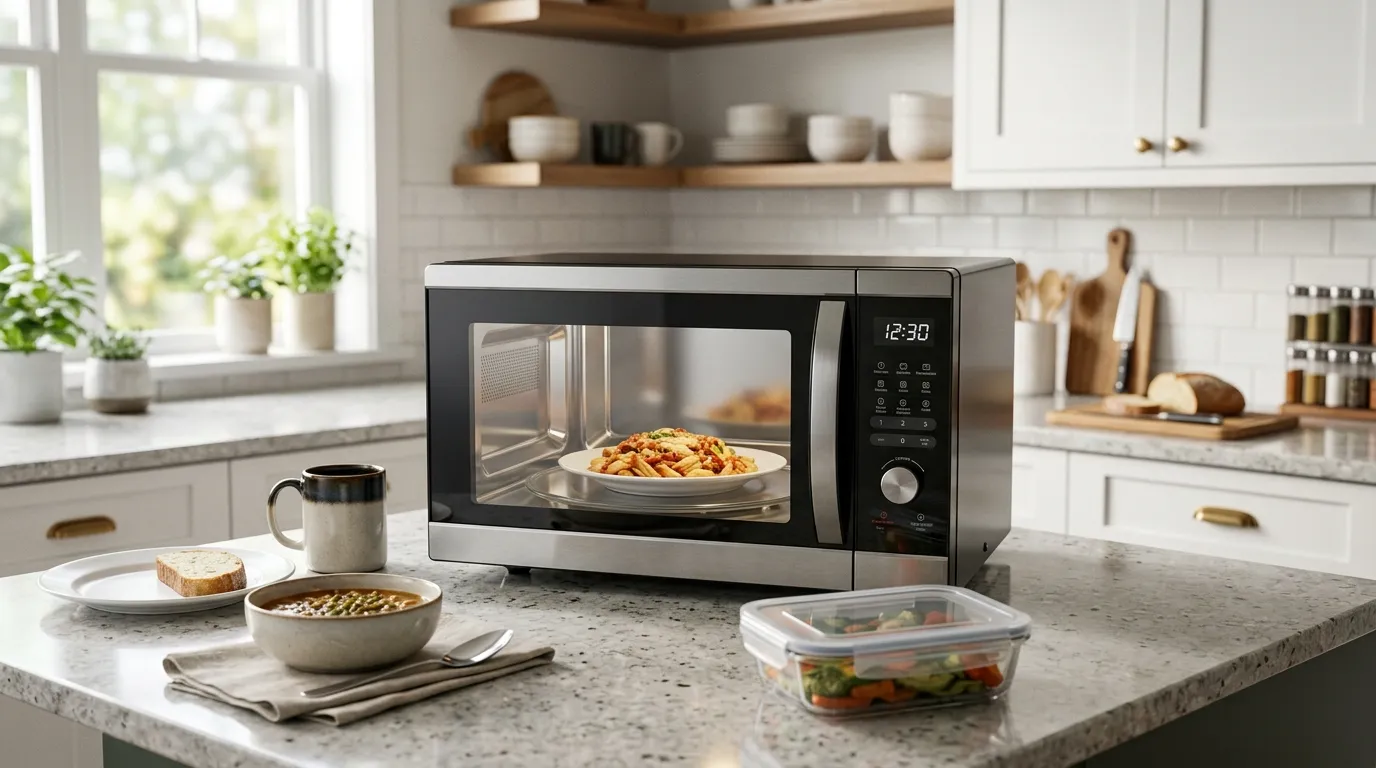
Pick by space, size, wattage, features, and your cooking habits.
You want a simple, clear guide on how to choose a microwave oven. I test kitchen gear for a living, and I’ve helped dozens of friends pick the right unit. This guide breaks down every step so you can feel sure about how to choose a microwave oven for your home, budget, and cooking style. Expect plain talk, research-backed tips, and real-life examples that work.
Start with your cooking life and your space
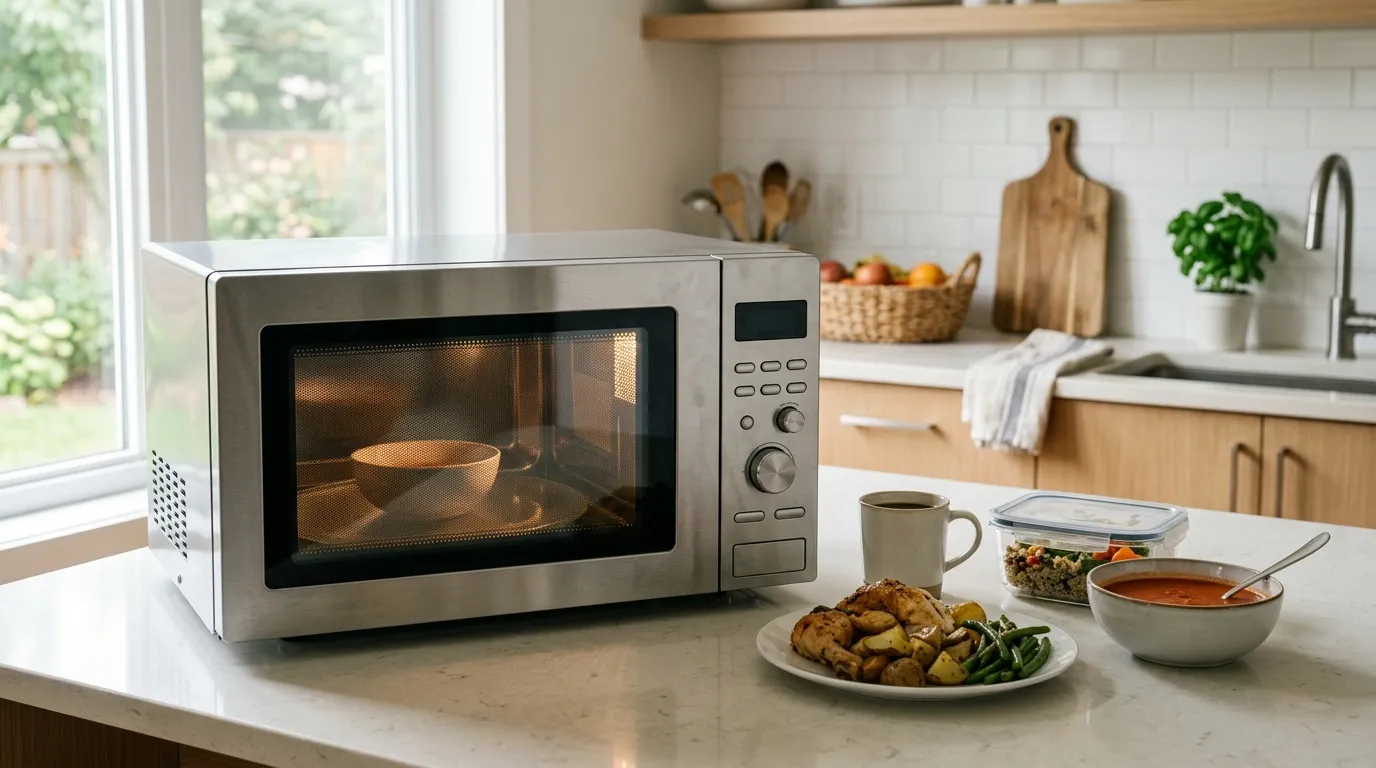
Think about what you cook now. Do you reheat leftovers, steam veggies, defrost meat, or bake? Your daily habits shape how to choose a microwave oven that you will enjoy and use often.
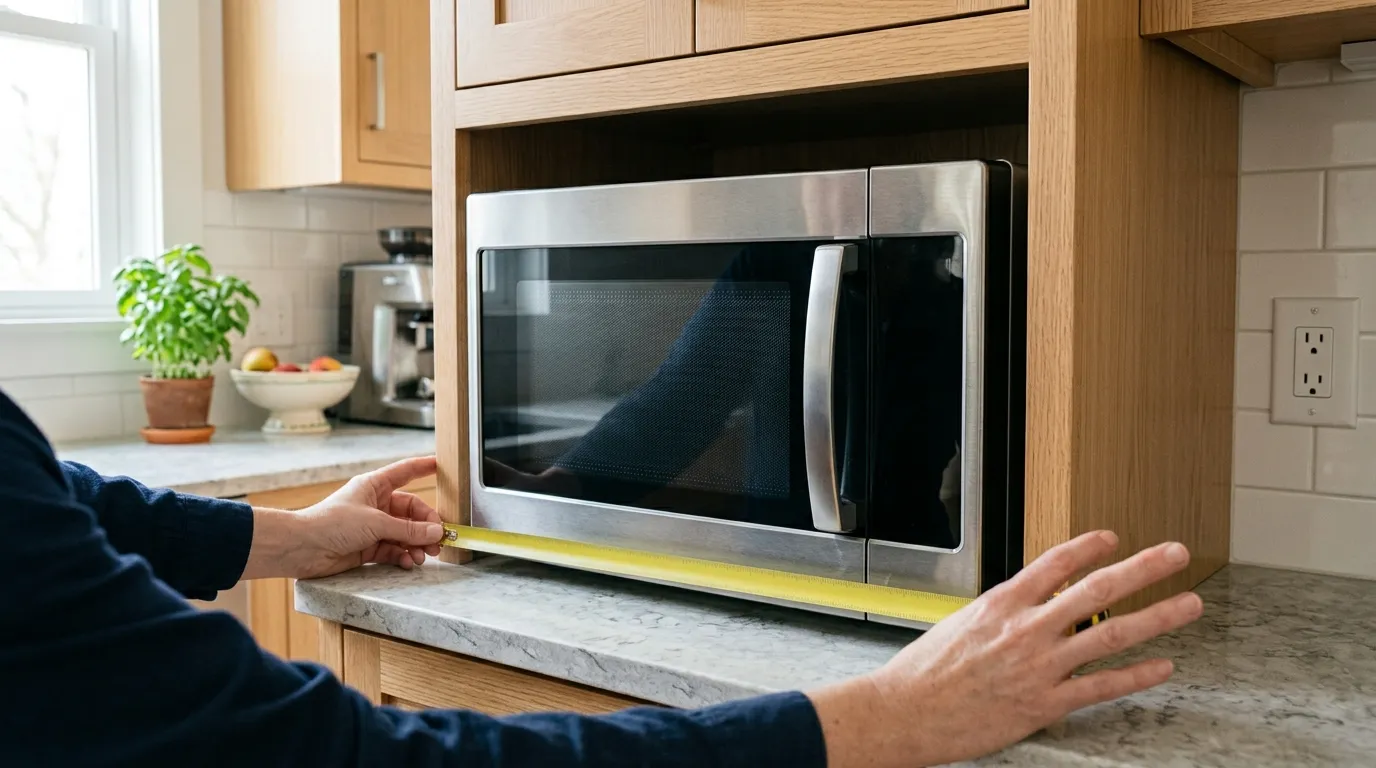
Measure your space. Note width, depth, and height. Check door swing room. Confirm outlet location. If it is an over-the-range spot, check the cabinet and vent path. When you start with real needs and a real fit, the rest gets easy.
Personal tip: I ask clients to list five weekly tasks. Reheat coffee. Make oatmeal. Warm baby bottles. Crisp pizza. Defrost chicken. Those five tasks will steer wattage, size, and features fast and with less stress
Types of microwave ovens explained
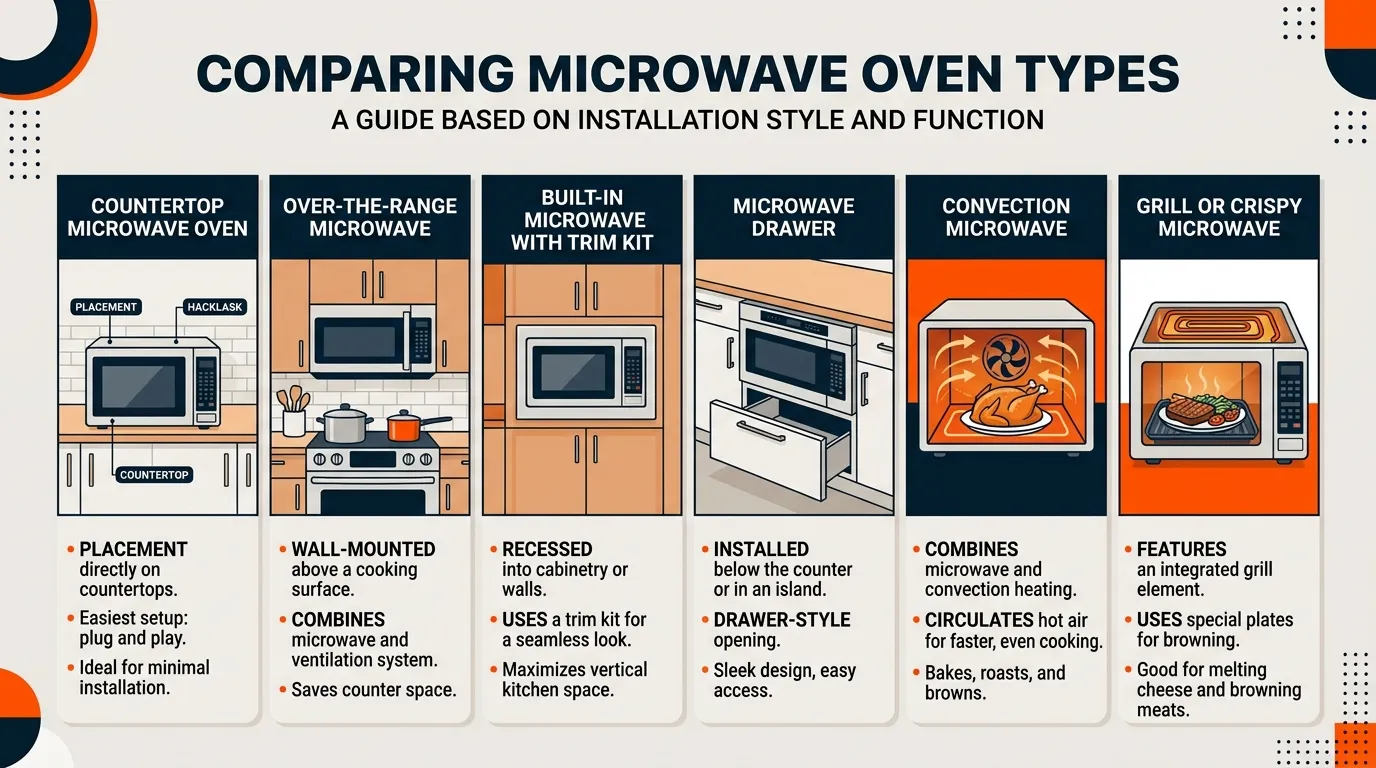
There are a few types. Each serves a different kitchen and skill set. Knowing the types helps with how to choose a microwave oven that matches your home.
- Countertop microwave. Easiest to buy and place. Good for rentals and small spaces.
- Over-the-range (OTR) microwave. Replaces a hood. Adds ventilation and saves counter space. Needs secure mounting.
- Built-in microwave with trim kit. Sits in a cabinet. Clean look. Needs a matching kit and careful airflow.
- Microwave drawer. Slides out like a drawer. Great for access and islands. Pro install is best.
- Convection microwave. Adds a heating element and fan. Bakes and browns better than a solo unit.
- Grill or crispy models. Use a rack or top element for better crusts. Real crisp still trails a toaster oven or air fryer.
If you do not bake much, a simple countertop unit is ideal. If you want one box to reheat and bake, a convection model makes sense. That is the core idea behind how to choose a microwave oven for function first.
Source: shopappliances.com
Size and capacity: fit, interior space, and turntable vs flatbed
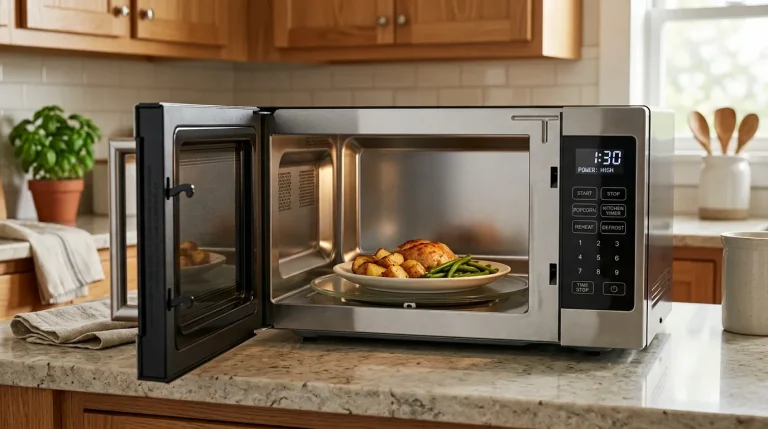
Capacity is in cubic feet, but your plate size matters more. Most 10–12 inch dinner plates need at least 1.1–1.3 cu ft. Taller mugs and takeout boxes need more height.
- Small (0.7–0.9 cu ft). Dorms and tight counters. Often 700–900 watts.
- Medium (1.0–1.3 cu ft). Most homes. Good for plates, bowls, and meal prep.
- Large (1.4–2.2 cu ft). Families and batch cooking. Roast pans and big bowls fit.
Turntable models spin the food. They are common and cheap. Flatbed models use a hidden rotating antenna. They hold big dishes and do not snag. In my tests, flatbeds heat more evenly with odd shapes. If you reheat large casseroles, this detail helps with how to choose a microwave oven that is frustration-free.
Power and performance: wattage, inverter tech, and even heating
Wattage drives speed. A 1000–1200 watt unit reheats fast and even. Under 900 watts, food warms slower and may have cold spots.
- Traditional models cycle full power on and off at lower settings.
- Inverter models lower power smoothly. They defrost better and hold gentle heat.
Sensor reheat can stop cooking when steam levels rise. It reduces guesswork. In lab tests and my own oatmeal trials, inverter plus sensor gives the best day-to-day results. If you care about fast, even results, this is key for how to choose a microwave oven with fewer do-overs.
Features you will actually use
Many features sound great. A few matter daily. Focus on these to master how to choose a microwave oven without fluff.
- Sensor cook and reheat. Smarter stop times. Fewer dry edges.
- Defrost by weight or time. Inverter units shine here.
- Quick keys. Add 30 seconds. One-touch popcorn. Beverage.
- Mute or sound off. Night owls and sleeping babies will cheer.
- Child lock. A must for families.
- Keep warm. Holds food at a gentle low power.
- Convection bake or grill. Useful if you lack an oven, but not a full oven replacement.
- Rack accessories. Help with air flow in convection modes. Learn when to use them.
- Interior coating. Ceramic enamel cleans easier than painted steel.
- LED lighting and clear window. You can see and stop before it boils over.
Avoid paying for buzzwords like “air fry” unless you read tests. In many combo units, it is a high-heat fan mode. It can brown, but it will not beat a true air fryer basket.
Build quality, reliability, and warranty
Doors take daily abuse. Check for solid hinges, a firm latch, and a smooth close. Try the keypad. Tactile buttons age better than low-grade membranes. A pull handle beats a sticky push button in busy kitchens.
Look at the interior. Stainless or ceramic cleans well and resists chips. Painted cavities can rust if scratched. Read the warranty. Many brands offer longer magnetron coverage than parts and labor. Also check parts availability and service networks. These small checks matter for how to choose a microwave oven that lasts beyond the first year.
From experience, mid-tier units from major brands often hit the sweet spot. They skip gimmicks and focus on core parts. I have a 1000-watt inverter unit still going strong after seven years of daily use.
Energy use, noise, and ventilation
Microwaves are efficient for small tasks. Most draw 1000–1600 watts while running, and very little on standby. Short bursts beat preheating a big oven for a single plate.
Noise varies. Test the hum and fan sound if you can. OTR models also vent your cooktop. Check cubic feet per minute (CFM). Typical ratings are 300–400 CFM. External venting removes steam and odors better than recirculating filters. If you cook with a lot of oil or high heat, this point is vital for how to choose a microwave oven that keeps the kitchen fresh.
Safety tip: Door mesh blocks microwave energy. If the door is bent or the seal is damaged, stop using it and service or replace it.
Installation and safety basics
Countertop models need a grounded 120V outlet and space for airflow. Leave a few inches at the sides and back. Do not run long extension cords.
OTR units need a sturdy wall, cabinet support, and two bolts from above. Confirm cabinet thickness and stud layout. Plan the vent path and height over the range. Built-ins need a trim kit and clear air gaps per the manual. Drawer models need pro install and careful cabinet sizing.
Follow the manual. It may not be exciting, but it is central to how to choose a microwave oven that is safe, quiet, and cool in daily use.
Budget tiers and what you get
Money shapes options. This is an honest breakdown to guide how to choose a microwave oven without regret.
- Under $100. Small, 700–900 watts. Basic tasks only. Good for dorms.
- $100–$200. 1.1–1.3 cu ft, 1000 watts, sensor on some models. Best value zone.
- $200–$400. Inverter tech, better build, some convection models, larger sizes.
- $400–$800. OTR units with strong venting. Better lighting and sensors.
- $800–$1500+. Built-in or drawer. Premium finish, smooth controls, and trim kits.
Set a cap. List must-have features. Spend on power and reliability first. Fancy modes can come later.
Test before you buy and read real reviews
At the store, open and close the door. Press buttons with damp fingers. Listen for fan noise. Slide a dinner plate inside. Picture your tallest mug.
At home, try three tests on day one. Reheat a bowl of soup. Defrost a pound of meat. Cook oatmeal. Note time, hot spots, and boil overs. Keep the box until you pass your tests. A solid tryout is a proven way for how to choose a microwave oven with no surprises.
In my test kitchen, inverter units cut oatmeal boil-overs by half. Sensor reheat for pizza slices was also more consistent. Details like these add up to easy mornings.
Common mistakes to avoid
- Ignoring interior height. Tall mugs tip and spill.
- Picking low wattage for a big family. You will wait and reheat again.
- Skipping vent checks on OTR units. Smoke and steam will linger.
- Paying for features you never use. Get sensor and inverter first.
- Forgetting child lock in a home with kids. Safety should be simple.
- Not checking fit with a trim kit. Airflow gaps matter.
Avoid these traps and you will master how to choose a microwave oven with calm and clarity.
Real-world picks by scenario
These scenario guides will help you map needs to features. Use them to shape how to choose a microwave oven that fits your life.
- Small apartment or dorm. 0.9–1.1 cu ft. At least 900 watts. Quick keys. Mute option.
- Busy family. 1.3–1.6 cu ft. 1000–1200 watts. Sensor reheat. Inverter. Easy-clean interior.
- Serious meal prep. 1.5+ cu ft. Inverter. Flatbed or large turntable. Convection if no full oven.
- Over-the-range upgrade. 1.7 cu ft. 1000+ watts. 300–400 CFM vent. Bright LED lights.
- Accessible kitchen. Microwave drawer or lower built-in. Large, clear display. Smooth-glide door.
When in doubt, bring your largest dish to the store. That one prop solves many questions about how to choose a microwave oven that truly fits.
Frequently Asked Questions of how to choose a microwave oven
What wattage should I buy?
For most homes, 1000–1200 watts is ideal. It heats fast and even without overcooking edges.
Is an inverter microwave worth it?
Yes, if you defrost or reheat often. Inverter power runs smoother and gives better low heat control.
Do I need convection in a microwave?
Only if you bake in it. Convection helps brown and crisp, but it is slower than a full oven.
How big should the microwave be for a family of four?
Aim for 1.3–1.6 cu ft with a 12–14 inch turntable. That size handles plates, bowls, and casseroles.
Are over-the-range microwaves good for ventilation?
They are fine for light to medium cooking. For heavy searing, a strong external-vented hood works better.
Can I put a countertop microwave in a cabinet?
Only with enough airflow. Use a trim kit or follow the manual’s clearance rules to avoid overheating.
Do sensor buttons really work?
They work well for many foods. Sensors watch steam and stop cooking closer to done with less guesswork.
What is the safest way to install an OTR microwave?
Use the template, hit studs, and secure top bolts. If unsure, hire a pro to anchor and vent it right.
Conclusion
Choosing well starts with your habits, your space, and your dishes. Match those to size, wattage, and a few smart features like sensor and inverter. Focus on build, fit, and support, and you will own a tool that makes daily meals fast and calm.
Use this guide to map your needs, set a budget, and test early. Save it, share it, and leave a comment with your picks and kitchen wins. If you want more deep dives on how to choose a microwave oven or other gear, subscribe for the next guide.