Upgrade your kitchen by planning zones, smart storage, and energy‑efficient, right‑sized appliances.
If you have wondered how to upgrade your kitchen setup without guesswork, you are in the right place. I help people plan and execute kitchens that work hard and feel calm. In this guide, I share proven steps, field notes, and smart buys so you can learn how to upgrade your kitchen setup with confidence and a clear plan.
Set your goals, budget, and constraints
Start by defining the job your kitchen must do every day. List the top five tasks you do most, like quick breakfasts, weekly meal prep, or baking. Pick the pain points that slow you down, such as cluttered counters or dim light. This gives every upgrade a purpose.
Next, set a budget and a timeline. Decide what you can DIY and what needs a pro. Electrical, gas, and major plumbing often need licensed help. If you rent, focus on changes you can take with you.
Take good measurements. Note door swings, outlets, and window heights. Measure aisle widths and counter runs. This map will steer every choice as you learn how to upgrade your kitchen setup without waste.
Here is a simple way to stack your plan:
- Must-fix issues: Safety, leaks, bad outlets, or no range hood.
- High-impact wins: Lighting, storage, and workflow.
- Nice-to-have extras: Style swaps, smart home perks, and decor.
I have seen many projects fail by skipping the plan. When you start with goals and limits, you save money and stress. This is the clearest path for how to upgrade your kitchen setup and get lasting value.
Map your layout and zones
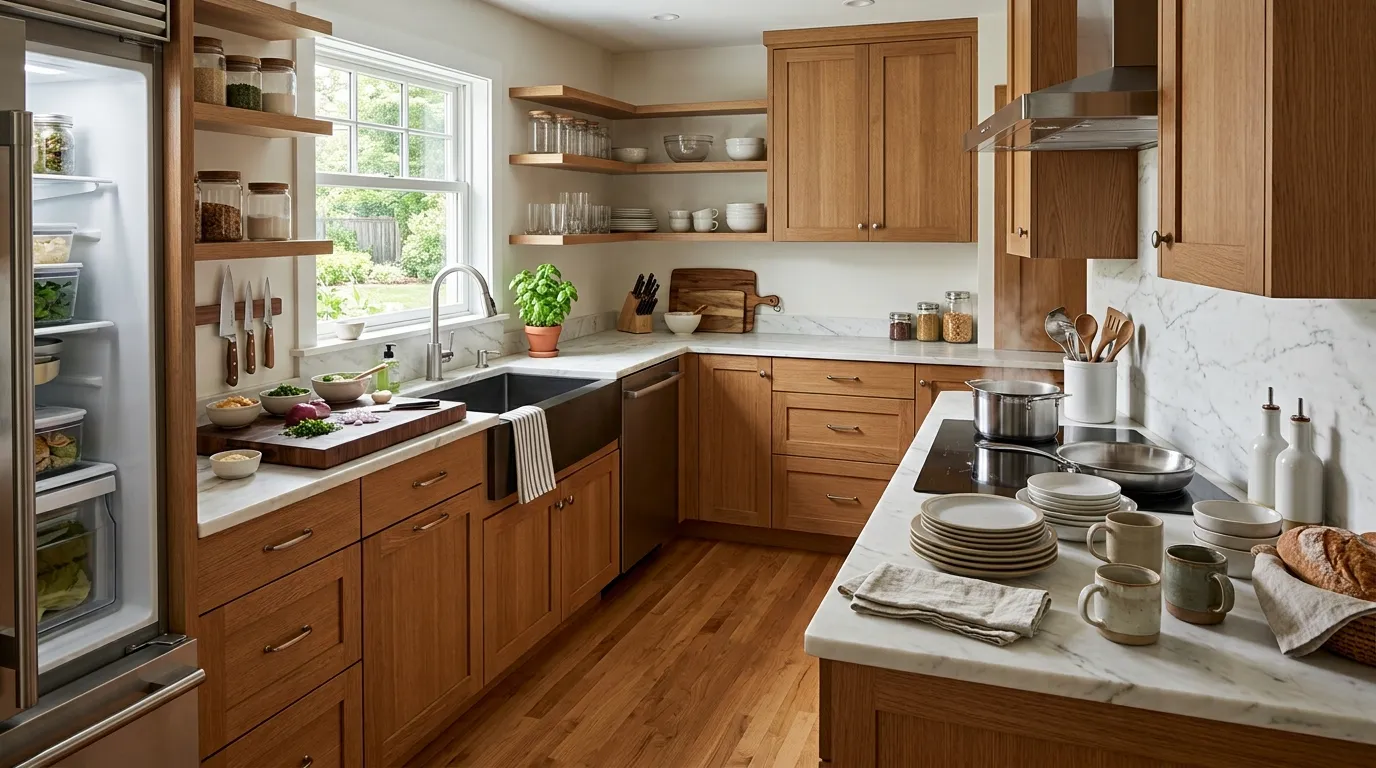
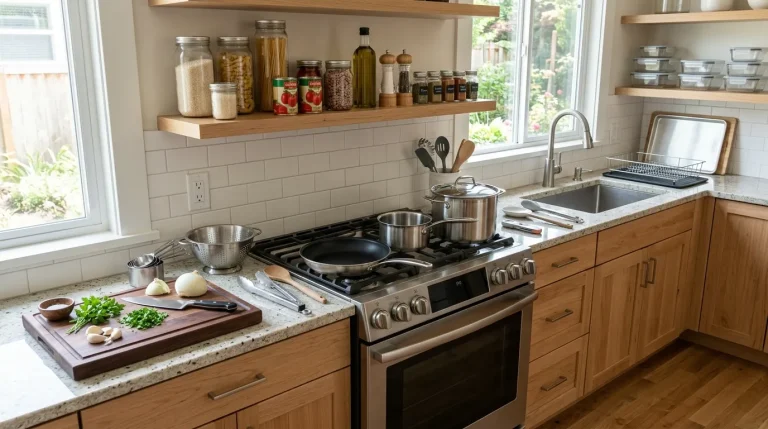
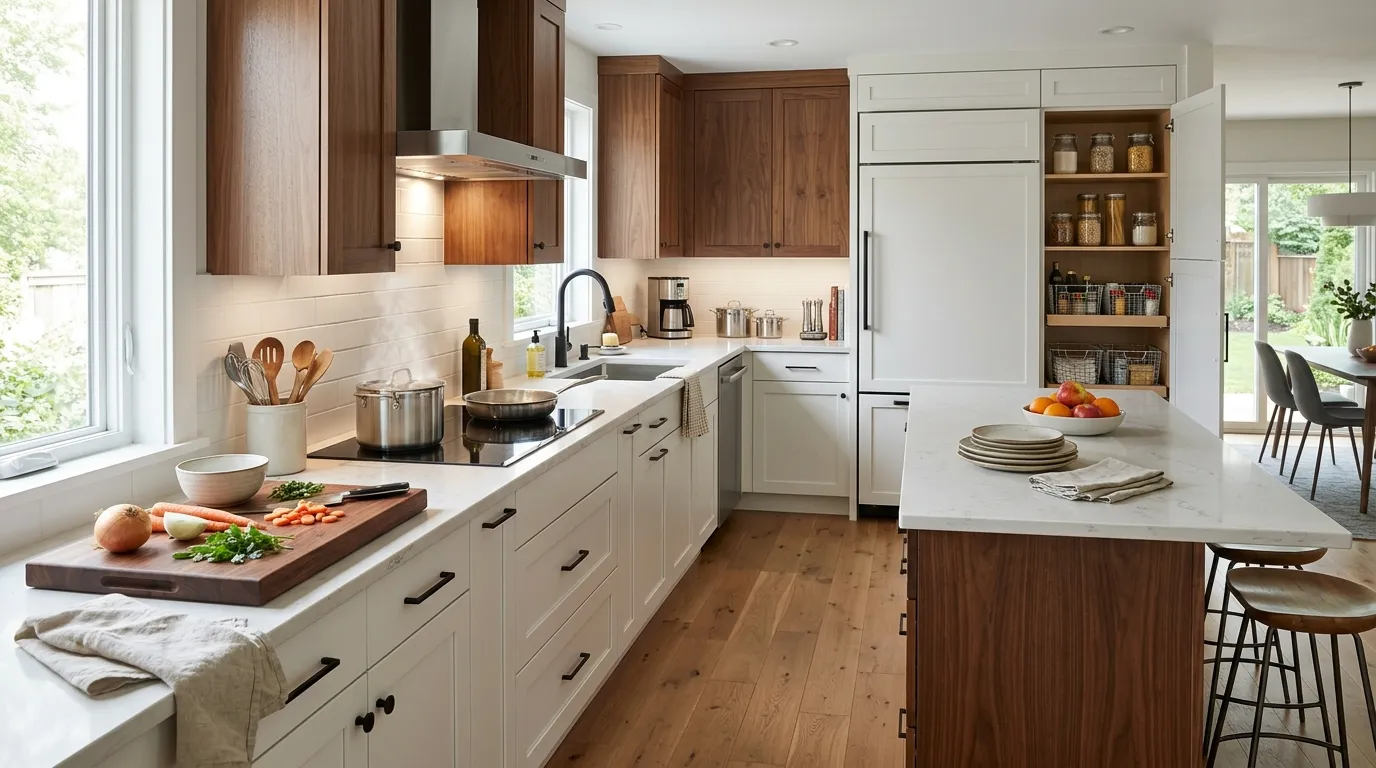
A good layout reduces steps and mess. Think in zones: prep, cook, clean, serve, and store. Keep what you use in each zone within arm’s reach. Aim for a clear path from fridge to sink to cooktop.
Allow safe space to move. For one cook, 36 inches of aisle space feels fine. For two cooks, 42 to 48 inches works better. Give each side of the cooktop and sink a landing spot of at least 12 to 15 inches.
Use counters where you need them most. Put heavy-use tools near the prep zone. Keep snacks and mugs near the serve zone. This simple map can unlock how to upgrade your kitchen setup without a full remodel.
What is the work triangle and do you need it today?
The work triangle links the sink, cooktop, and fridge. It still helps, but modern homes benefit more from zones. Plan the flow for how you cook, not just three points on a map.
How much counter space do I need?
Aim for at least 36 inches of clear prep space near the sink. Bakers love 48 inches or more if room allows. Keep counters clear by giving tools a real home.
Storage that doubles space
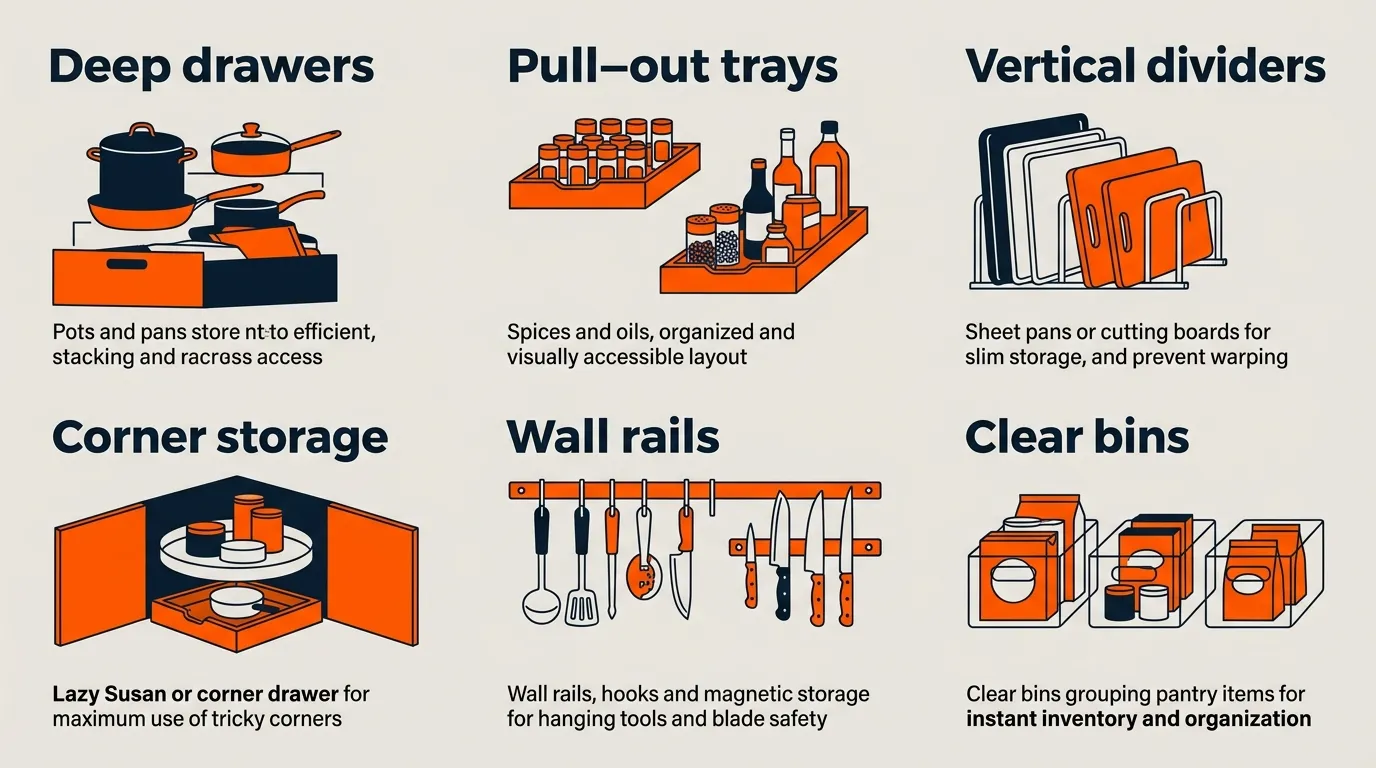
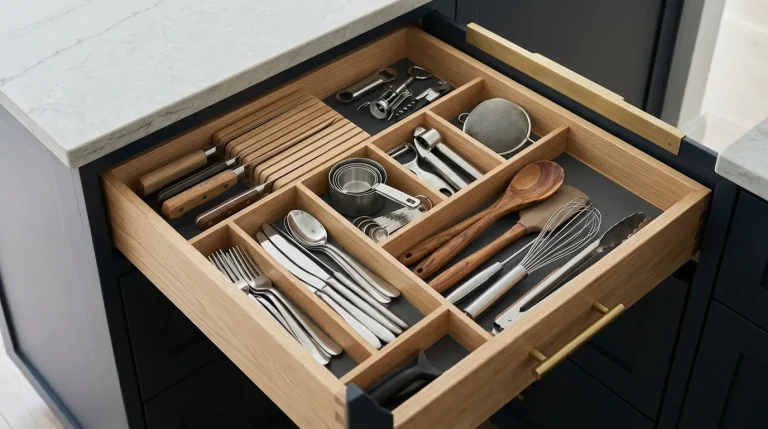
Smart storage makes any kitchen feel bigger. Drawers beat doors for pots and pans because you see everything at once. Use vertical dividers for sheet pans and cutting boards. Add a pull-out pantry to rescue narrow gaps.
Try these fast wins:
- Deep drawers: Store pans, lids, and small appliances.
- Pull-outs: Add trays for spices, oils, and cleaning items.
- Corner solutions: Use lazy Susans or corner drawers to reach the back.
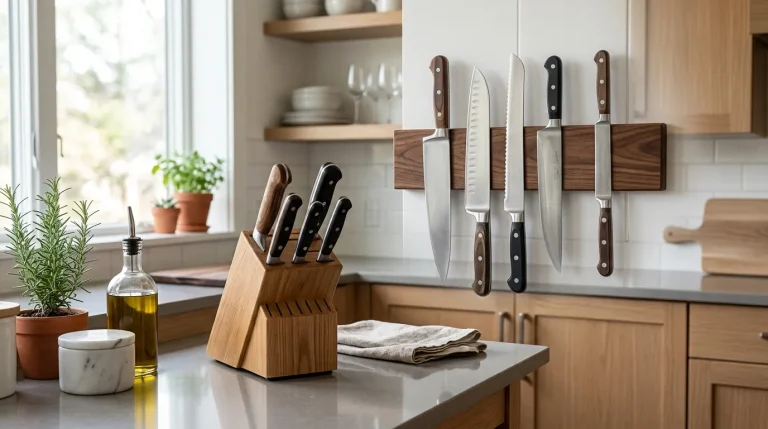
- Wall systems: Add rails, hooks, and magnetic strips to free up drawers.
- Clear bins: Group snacks, baking goods, and breakfast items.
Do a quick declutter first. Toss tools you have not used in a year. In my own kitchen, one drawer of gadgets turned into one small bin after a weekend sort. That one step changed how to upgrade your kitchen setup from “someday” to “done.”
Appliances: smart, safe, and right-sized
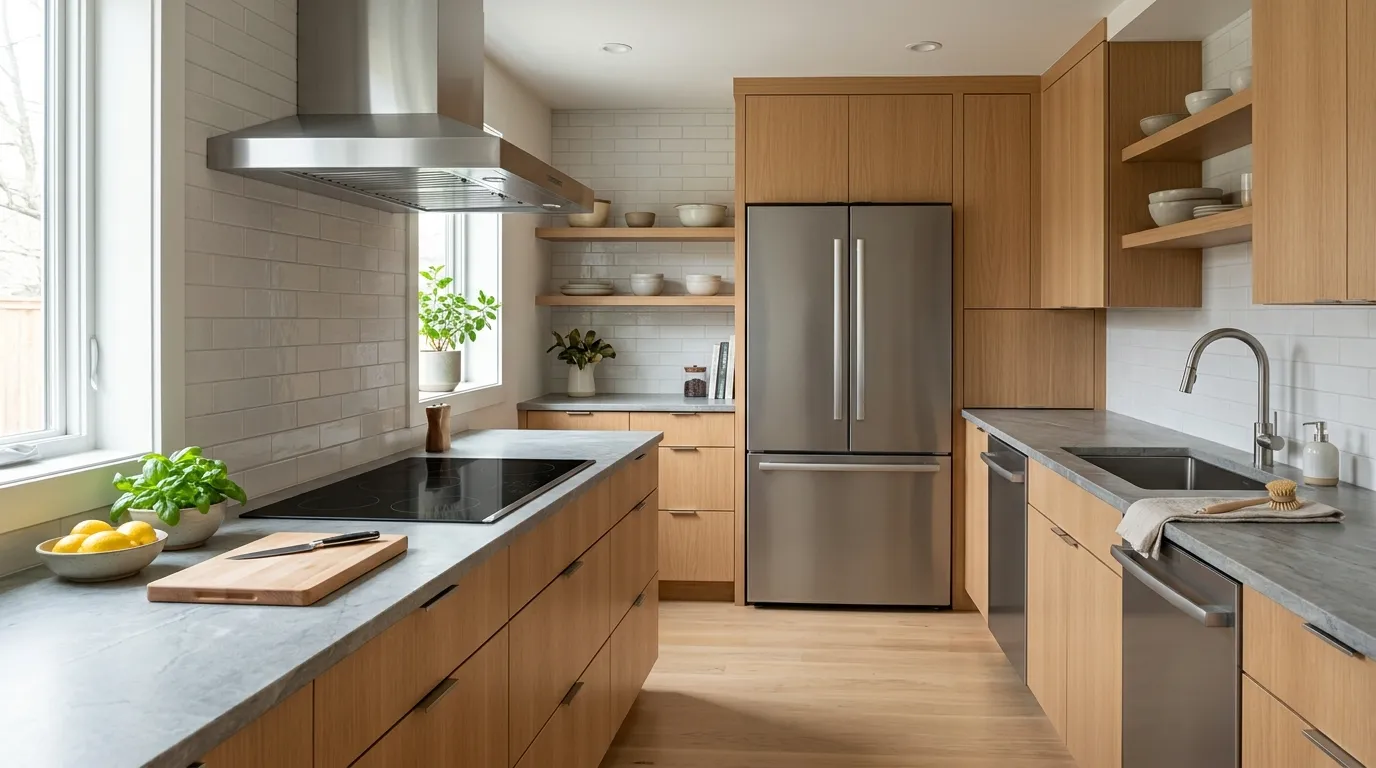
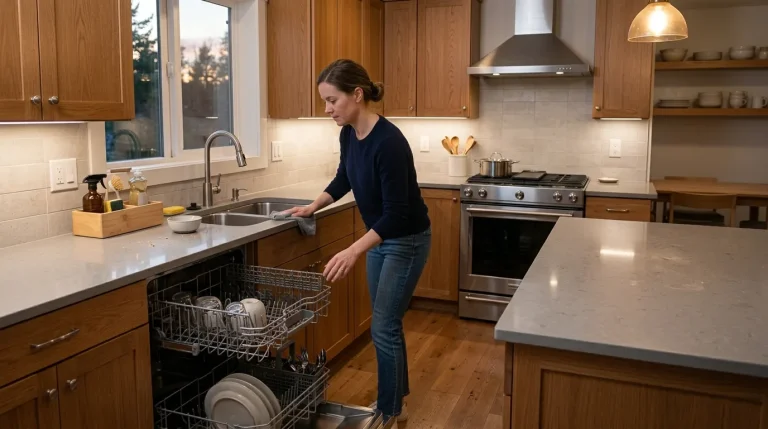
Pick appliances that fit your habits and space. Bigger is not always better. A 24-inch dishwasher can be plenty for a small home. A counter-depth fridge frees aisle space and still holds a week of food.
Energy-efficient models cut bills and heat in the room. Quiet dishwashers under 45 dB feel peaceful. A good range hood vents smoke and steam outside. For gas, many pros match hood CFM to the cooktop BTU by dividing by 100 as a simple guide.
Induction cooktops heat fast, hold low temps well, and keep air cleaner. I switched to induction and saw less grease on cabinets within weeks. If you plan how to upgrade your kitchen setup for health and speed, this is a top pick.
Is induction worth it?
Yes for speed, control, and cleaner air. It boils water fast and simmers like a pro. Check if your pans are magnetic.
What CFM should my range hood be?
A simple rule is total cooktop BTU divided by 100 for gas. For electric or induction, 250 to 400 CFM often works in small spaces. Duct to the outside when you can for the best results.
Lighting that works and wows
Great light changes how a kitchen feels and functions. Use three layers. Task lighting under cabinets for prep, ambient lighting from recessed or ceiling fixtures, and accent lighting for mood.
Pick warm to neutral bulbs. Aim for 2700K to 3500K for a cozy yet clear tone. Look for a CRI of 90 or higher so food looks true. Add dimmers to shift from bright prep to soft dinner light.
Space recessed lights about four to six feet apart. Center pendants over islands and keep them eye level. Lighting is one of the fastest ways to show how to upgrade your kitchen setup without new cabinets.
Surfaces, fixtures, and hardware upgrades
Counters set the tone. Quartz is low care and tough. Butcher block feels warm and is easy to refinish. Laminate is budget friendly and looks better than ever today.
Pick a sink that fits your style of cooking. A deep single bowl handles sheet pans and stock pots. A pull-down faucet makes rinsing fast and neat. For backsplashes, choose a tile you can wipe clean with simple soap.
Swap hardware for an instant lift. New pulls and knobs can make old cabinets feel new. I suggest testing one door first. This small swap is a clean step in how to upgrade your kitchen setup on a tight budget.
Tools, small appliances, and organization that change daily life
Buy tools that do many jobs well. Skip one-trick gadgets. A few great items can change your results right away.
Essentials I use in real kitchens:
- Chef’s knife, paring knife, and a bread knife.
- Large and small cutting boards, plus a rubber mat for grip.
- Two heavy sheet pans and a wire rack.
- Tri-ply skillet, nonstick skillet, and a lidded saucepan.
- Instant-read thermometer and a digital scale.
Small appliances that earn their space:
- A powerful blender for smoothies and soups.
- A toaster oven or air fryer for quick heat without the range.
- A rice cooker or multi-cooker if you batch cook.
Use one set of clear containers for dry goods. Label the front and the bottom. Simple order supports how to upgrade your kitchen setup every single day.
Step-by-step action plan for any budget
You can do a lot without a full gut. Pick a tier and move step by step. Each layer builds on the one before it.
Under $200:
- Deep clean, purge, and re-organize zones.
- Add LED bulbs and a pull-out trash can.
- Install a magnetic knife strip and drawer dividers.
Under $1,000:
- Swap faucet and hardware.
- Add under-cabinet lights and a wall rail system.
- Install a quiet range hood and a water filter.
Under $5,000:
- Replace counters or add a butcher-block island.
- Upgrade to an efficient dishwasher or induction cooktop.
- Add drawers to base cabinets and a pull-out pantry.
Full remodel:
- Rework layout and aisles with updated cabinets.
- Run new circuits for lighting and appliances with a licensed pro.
- Upgrade flooring to durable, easy-clean options.
Follow this ladder and you will see how to upgrade your kitchen setup in stages, with clear wins at each step.
Safety, ventilation, and sustainability
Safety first. Add a Class K or multi-purpose fire extinguisher. Use GFCI outlets near water. Secure tall cabinets and add child locks if needed.
Ventilate well to manage smoke, steam, and odors. A ducted hood gives the best results. If you cannot vent out, change filters on time. Open windows when you can.
Make greener choices where it counts. Choose ENERGY STAR appliances, LED lighting, and low-flow faucets. Compost food scraps and store leftovers in glass. These habits support how to upgrade your kitchen setup and reduce waste.
Frequently Asked Questions of how to upgrade your kitchen setup
How do I start if I feel overwhelmed?
Begin with a 30-minute declutter and a simple zone map. Then fix one pain point this week, like adding task lights or a pull-out bin.
What is the best budget change with the biggest impact?
Lighting. Under-cabinet LEDs and a warmer bulb tone can make old finishes look new. Clear counters amplify the effect.
Do I need new cabinets to improve storage?
No. Add drawers, pull-outs, and vertical dividers to what you have. These upgrades often deliver 80% of the benefit for a fraction of the cost.
How can I make a small kitchen feel bigger?
Use light colors, open shelves in one spot, and clear containers. Choose counter-depth appliances and keep aisles clear to reduce visual clutter.
Is a range hood really necessary?
Yes, it removes smoke, steam, and grease from the air. A good hood also protects cabinets and keeps surfaces cleaner over time.
What timeline should I expect for a small upgrade?
A weekend for lighting, hardware, and storage inserts. Two to four weeks for counters or appliances that need new hookups.
How do I decide between gas and induction?
Induction is fast, precise, and improves indoor air quality. Gas offers a familiar feel and wide pan choice, but it needs stronger ventilation.
Conclusion
You now have a clear map for how to upgrade your kitchen setup with smart steps, not guesswork. Start with safety and light, add storage that serves your zones, and pick appliances that match your life. Layer changes and your kitchen will work better every week.
Pick one action you can do today, like adding task lights or a pull-out drawer. Then keep going until your space helps you cook, host, and relax. If this guide helped, subscribe for more practical kitchen tips or share your own wins in the comments.