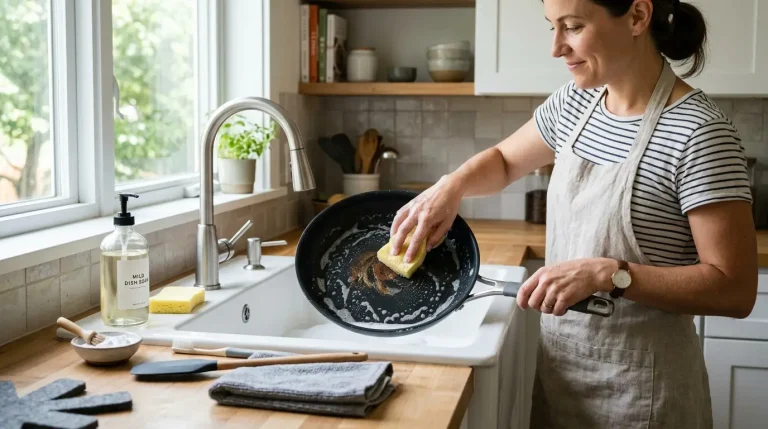
A beginner-friendly kitchen needs a few tools, a smart pantry, and safe habits.
If setting up your first kitchen feels hard, you are in the right place. I built this Beginner Cooking Setup Guide from years of teaching new cooks and coaching busy friends. You will get clear steps, tested tools, and easy wins. Follow this Beginner Cooking Setup Guide to cook well, spend less, and enjoy every meal.

Source: youtube.com
What You Actually Need To Start Cooking
You do not need a chef’s kitchen to make great food. You need a few core tools, a clean space, and a plan. This Beginner Cooking Setup Guide keeps it simple so you can start tonight.
Start with these must-haves:
- 8–10 inch nonstick skillet for eggs, pancakes, and quick stir-fries.
- 10–12 inch stainless steel or cast-iron skillet for searing and roasting.
- 3-quart saucepan with lid for grains, sauces, and soups.
- Chef’s knife (8 inch), paring knife, and a safe cutting board.
- Instant-read thermometer to avoid undercooked or dry meat.
- Tongs, spatula, wooden spoon, ladle, and a whisk.
- Measuring cups, spoons, and a digital scale for accuracy.
- Colander, can opener, peeler, and kitchen shears.
- Sheet pan and a 9×13 baking dish.
- Storage containers and zip-top bags for leftovers.
In my first apartment, I used one pan for everything. It worked, but dinner took longer and cleanup was a pain. With these basics, you will cook faster and cleaner from day one.

Source: woksoflove.com
Cookware and Tools: Buy This First, Upgrade Later
This Beginner Cooking Setup Guide is built for real life. Buy the core set now, then upgrade when you cook more. Choose sturdy gear that cleans fast and lasts.
Smart picks:
- Nonstick skillet with a smooth, PFOA-free coating; use medium heat and silicone tools.
- Stainless steel skillet with a thick base for even heat and a solid sear.
- Cast iron for heat retention and oven use; season it and keep it dry.
- Tri-ply saucepan with a tight lid; it prevents scorching and simmer loss.
- Sheet pans that do not warp; look for heavy-gauge aluminum.
Skip most unitaskers. A good knife and skillet beat a gadget drawer. When you upgrade, focus on handles that feel safe, lids that fit well, and tools that stand heat without melting.
Source: pipingpotcurry.com
Knives and Cutting Skills Made Easy
A sharp knife is safer than a dull one. This Beginner Cooking Setup Guide favors one good chef’s knife over a full block. Learn to hold it right and to use a stable board.
Key tips:
- Grip the blade with your thumb and index finger; wrap the rest on the handle.
- Use a damp towel under the board so it does not slide.
- Curl your guide hand. Your knuckles are the fence.
- Hone your knife often and sharpen every few months.
- Wash by hand and dry at once to avoid rust and chips.
Practice cuts on carrots, onions, and herbs. In classes, I start with the onion. It teaches knife angles, control, and speed. Ten minutes a day will change your cooking week.
Source: thegrillingdutchman.com
Pantry, Fridge, and Freezer Staples
A stocked kitchen removes stress. This Beginner Cooking Setup Guide builds a base that bends to many recipes. Buy what you like and what you will use this week.
Pantry:
- Olive oil, neutral oil, vinegar, soy sauce, mustard, and hot sauce.
- Salt, pepper, garlic powder, paprika, chili flakes, and cumin.
- Rice, pasta, oats, canned beans, canned tomatoes, and broth.
- Flour, sugar, baking powder, and yeast if you bake.
- Canned tuna or salmon, nuts, and nut butter.
Fridge:
- Eggs, butter, milk or a dairy-free option, and yogurt.
- Lemons or limes, carrots, onions, celery, and leafy greens.
- Cheese like Parmesan and a melty cheese.
Freezer:
- Frozen veggies, berries, bread slices, and stock cubes.
- Chicken thighs or ground meat in small packs.
With this setup, you can make pasta, grain bowls, stir-fries, soups, and quick eggs on toast without a last-minute store run.

Source: woksoflove.com
Small Appliances That Earn Their Keep
Appliances should save you time or improve results. This Beginner Cooking Setup Guide backs tools that do both.
Top picks:
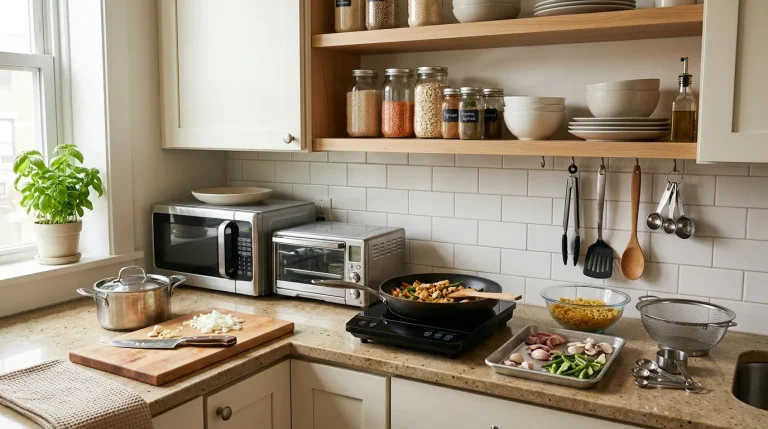
- Microwave for fast reheats, steaming veggies, and melting butter.
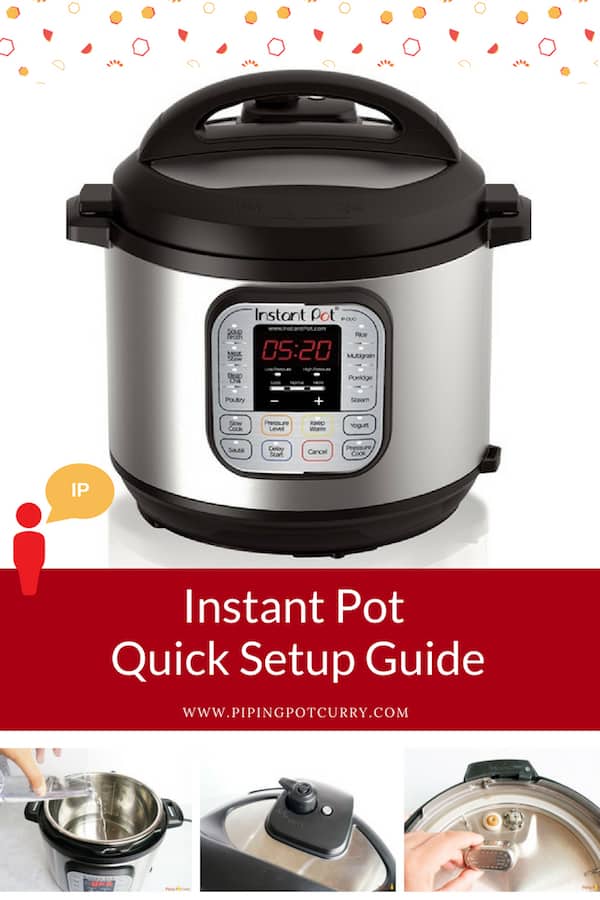
- Rice cooker for hands-off grains and oats.
- Blender for smoothies, sauces, and soups.
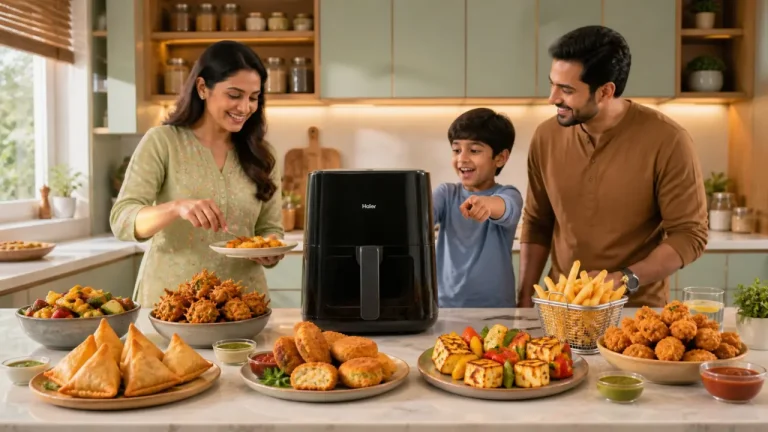
- Toaster oven or air fryer for crisp edges without heating the house.
- Electric kettle for tea, instant noodles, and faster pasta water.
- Instant-read thermometer for safe, juicy meat.
If space is tight, pick the two you will use daily. For me, it is the microwave and kettle. They cut cook time and stress in half.
Source: games.gg
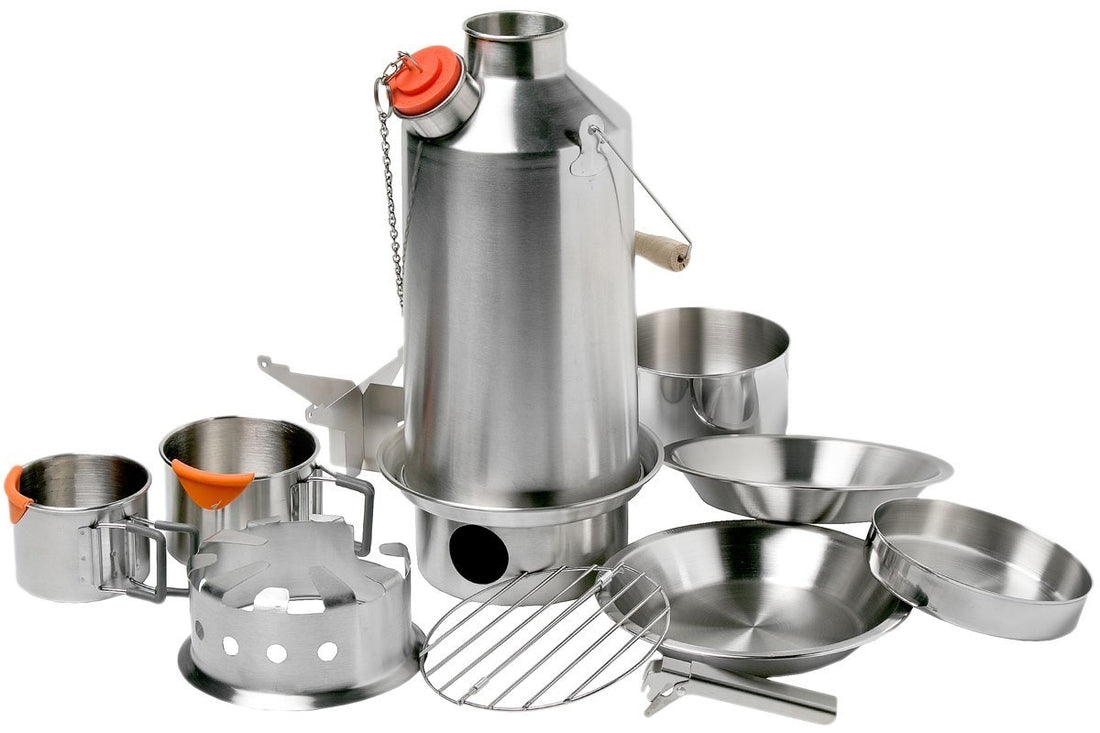
Layout, Workflow, and Mise en Place
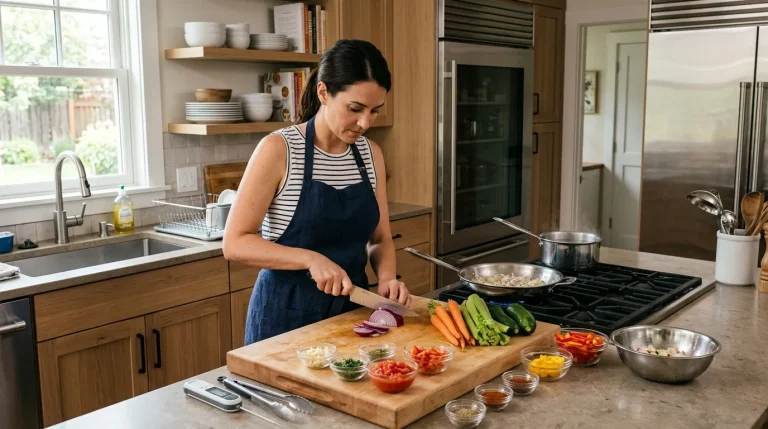
Good setup beats fancy gear. This Beginner Cooking Setup Guide leans on mise en place. It means “everything in its place.”
Do this before you turn on heat:
- Clear your counter. Set out a trash bowl.
- Place salt and oil by the stove. Keep tongs nearby.
- Measure spices. Chop veggies. Pat meat dry.
- Read the recipe once from top to bottom.
Set a stable work triangle: fridge, sink, stove. Keep heavy tools low and sharp tools safe. You will move less, spill less, and cook with calm focus.
Source: safecastle.com
First Week Starter Menu and Skill Map
You learn by doing. This Beginner Cooking Setup Guide gives a one-week plan. Each meal teaches a new skill.
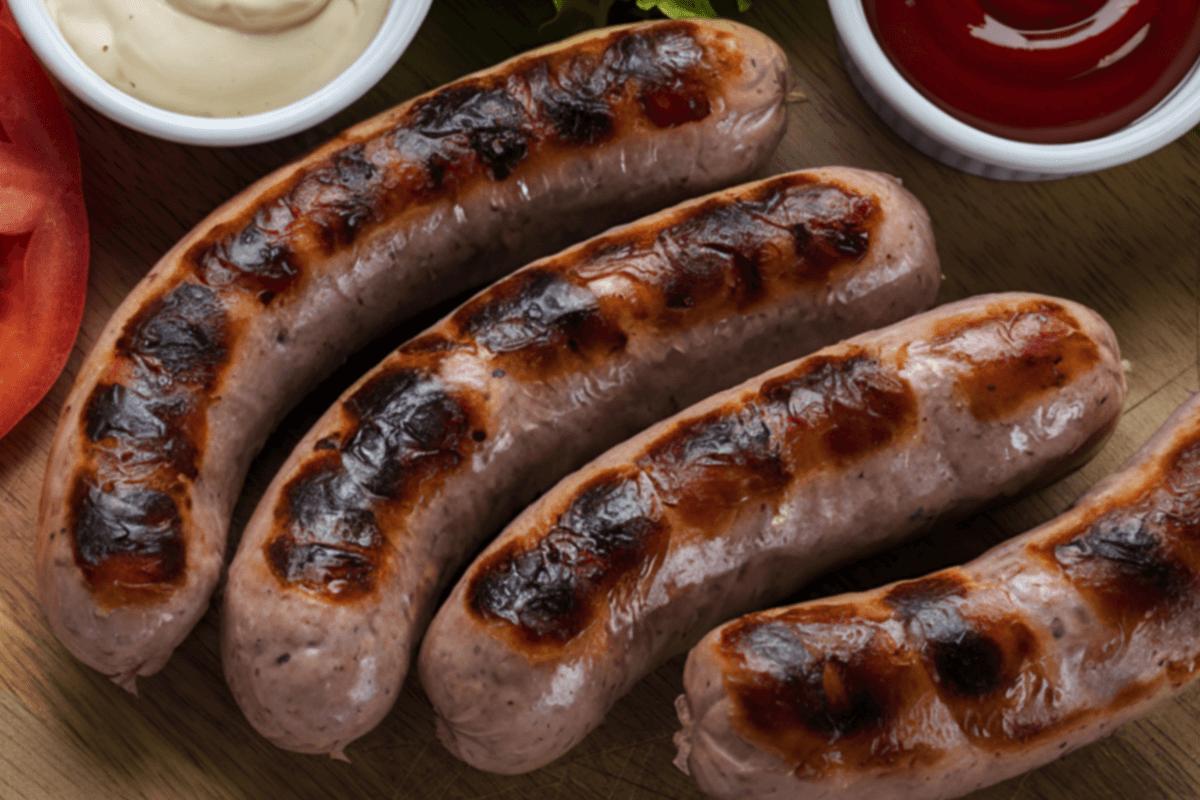
Day 1: One-pan chicken thighs with potatoes and carrots. Learn pan sear and oven finish.
Day 2: Veggie omelet and toast. Practice knife cuts and low heat control.
Day 3: Pasta with garlic, olive oil, and chili flakes. Master timing and starchy water.
Day 4: Sheet-pan tofu or salmon with broccoli. Use high heat, even cuts, and simple glaze.
Day 5: Fried rice with frozen veggies and eggs. Use day-old rice and quick stir-fry.
Day 6: Tomato soup and grilled cheese. Learn simmer and browning.
Day 7: Big salad with beans, lemon dressing, and herbs. Taste, season, and balance acid.
Keep notes. What stuck? What took long? Adjust your gear or prep next week.
Source: ddrbbqsupply.com
Food Safety, Cleaning, and Storage
Safety first, flavor second. This Beginner Cooking Setup Guide follows basic rules that work every time. Clean as you go and use safe temps.
Core rules:
- Wash hands, boards, and knives after raw meat or eggs.
- Keep raw and ready-to-eat foods apart.
- Cook chicken to 165°F, ground meat to 160°F, and fish to 145°F.
- Cool leftovers fast. Store shallow and label with date.
- Reheat to 165°F and eat within three to four days.
Make cleanup easy:
- Soak pans while you eat.
- Wipe spills at once to avoid baked-on mess.
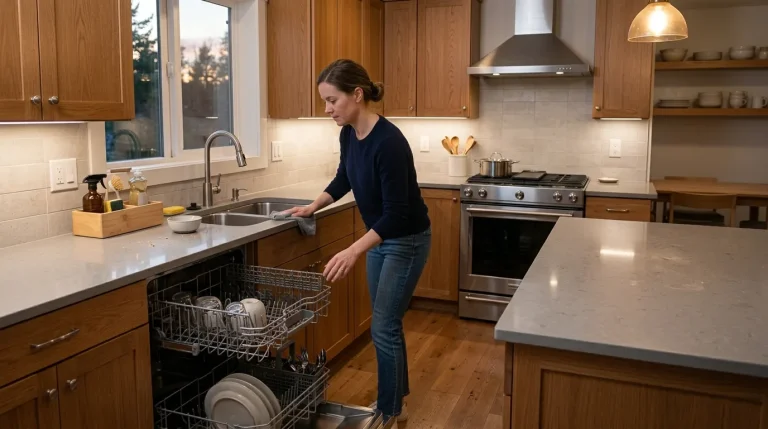
- Empty the trash bowl after each session.
Budget, Shopping, and Sustainability Tips
You can build a strong kit on a budget. This Beginner Cooking Setup Guide uses a price-per-use mindset. Spend where it matters and save where it does not.
Smart moves:
- Buy one great chef’s knife. Skip full sets.
- Choose mid-range pots with thick bottoms. They last.
- Thrift baking dishes and sheet pans in good shape.
- Shop store brands for staples. They taste the same.
- Plan two-for-one meals. Roast chicken becomes soup.
Cut waste:
- Freeze herbs in oil. Save bones for stock.
- Use a “use-first” bin in the fridge.
- Keep a pantry list so you do not buy twice.
Common Mistakes and How to Fix Them
Everyone slips. This Beginner Cooking Setup Guide helps you spot and fix common errors fast.
Top mistakes and fixes:
- Overcrowding the pan. Cook in batches for a better sear.
- Starting in a cold pan. Preheat until oil shimmers.
- Under-salting early, over-salting late. Season in layers and taste often.
- Burning garlic. Add it later and use lower heat.
- Mushy pasta. Salt the water and watch the clock.
- Dry chicken. Use a thermometer and rest the meat.
I once scorched a sauce by walking away. Now I set a timer and stir on schedule. Small habits protect dinner.
Frequently Asked Questions
What is the minimum gear I need to start?
Get a nonstick skillet, a saucepan, a chef’s knife, a board, and a thermometer. With these and a few tools, you can cook most weeknight meals.
How much should I spend on my first chef’s knife?
Aim for a mid-range knife that feels good in your hand. Comfort and balance matter more than the logo.
Do I need both nonstick and stainless pans?
They do different jobs. Nonstick is gentle for eggs, while stainless or cast iron gives a strong sear.
What pantry items should I buy first?
Start with oil, salt, pepper, rice or pasta, canned tomatoes, and beans. Add spices you like and build over time.
How do I keep meals from taking too long?
Prep first, then cook. Chop, measure, and set out tools before heat, and you will move fast.
Is a rice cooker worth it?
If you eat grains often, yes. It gives perfect results and frees a burner.
How do I know meat is done without cutting it?
Use an instant-read thermometer. It is fast, accurate, and keeps juices inside.
Conclusion
You can cook well with a simple plan, a few tools, and steady habits. Use this Beginner Cooking Setup Guide to set your space, stock smart, and practice core skills. You will save money, eat better, and feel proud at the stove.
Pick one section to act on today. Sharpen your knife, stock your pantry, or cook the Day 1 meal. Share your wins, ask questions, and subscribe for more step-by-step guides.