
Most kitchen gadget issues come from clogs, dull parts, or wrong settings—simple fixes.
I test, repair, and teach food lovers how to save gear. In this guide on kitchen gadget problems and fix, I share clear steps, real fixes, and quick wins. You will learn what fails, why it fails, and how to prevent it. We will cover safety, parts, costs, and smart choices. I will add lessons from my bench so you can fix more and replace less.

Source: youtube.com
Common kitchen gadget problems and fix at a glance
If you search for kitchen gadget problems and fix, you want fast answers. Start here, then dive deep below.
- Blender leaks at the base. Check the jar gasket. Flip it, clean it, or replace it.
- Blender runs but does not blend well. Replace a worn coupling. Sharpen or swap dull blades.
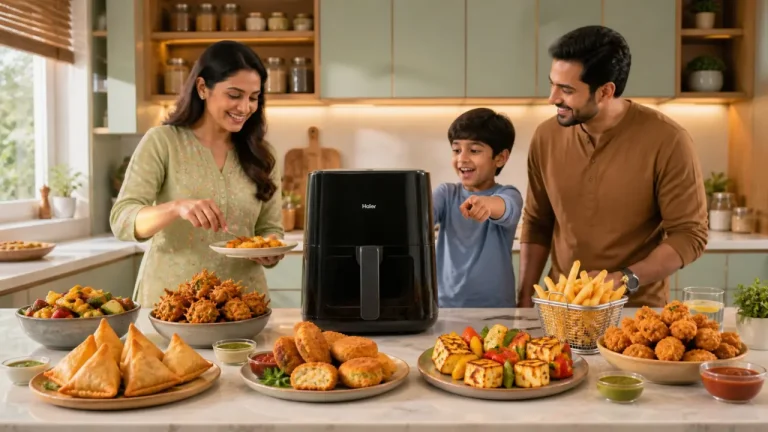
- Air fryer smokes. Remove grease build-up. Use a light oil spray. Do not overload.
- Coffee maker is slow. Descale with citric acid. Rinse two full cycles.
- Pod coffee maker spits or drips. Clean the needles with a thin tool. Run a rinse brew.
- Instant Pot will not seal. Seat the ring fully. Add enough thin liquid. Clean the float valve.
- Toaster browns unevenly. Empty the crumb tray. Brush elements. Center the bread guides.
- Stand mixer head wobbles. Tighten the hinge pin. Replace the sacrificial worm gear if stripped.
- Food processor will not start. Align bowl and lid tabs. Check the safety interlock.
- Electric kettle shuts off early. Clean the thermostat area. Remove scale from the base.

Source: budgetbytes.com
Deep troubleshooting: kitchen gadget problems and fix for popular devices
You can solve most kitchen gadget problems and fix with a few steps and simple tools.
Blender
- Motor runs but blade does not spin
- Symptom: The jar sits fine. The motor whirs. The blade stays still.
- Fix: The drive coupling is stripped. Unplug. Pry off the old one. Thread on the new one. Hand-tighten. Pulse to seat.
- Leaks under the jar
- Clean the jar base. Remove the gasket. Wash the groove. Flip or replace the gasket.
- Do not over-tighten. A flat gasket seals best when clean and moist.
- Weak blend or hot smell
- Dull blades cause drag. Swap blades. Let the motor rest between blends.
- Use small pulses for hard items. Add liquid first.
Lesson learned: I once chased a “bad motor” that was only a $6 coupling. Check cheap wear parts first.
Air fryer
- White smoke or steam
- Wet food steams. Pat food dry. Use a light oil coat.
- Blue or gray smoke
- Grease hits a hot coil. Clean the tray each batch. Add a splash of water under the basket.
- Uneven cook or error code
- Do not crowd. Shake mid cook. If you see an error, clean the fan and sensor lens.
- If the fan stalls, check for a stuck pit of food near the hub.
Coffee maker and pod machines
- Slow drip or short cups
- Descale. Use citric acid powder in warm water. Run a brew. Rinse two tanks.
- For pod units, unclog the needles with the tool or a paperclip.
- Bitter taste
- Clean the brew head. Replace charcoal filters as the manual says.
- No power or no heat
- Check the outlet and GFCI. If still dead, a thermal fuse may have blown. This is cheap but needs care and skill.
Instant Pot and multi-cookers
- Will not pressurize
- Seat the silicone ring. Clear the float valve. Add at least one cup of thin liquid.
- Deglaze the pot after sauté to prevent the burn notice.
- Burn notice
- Food stuck on the base. Remove, scrape, and add liquid. Layer thick sauces on top, not on the base.
Toaster and toaster oven
- Lever will not stay down
- This can be a weak magnet or low line voltage. Try a different outlet. Clean the latch with a brush and alcohol.
- Uneven browning
- Pull the crumb tray. Brush the elements. Center the bread with the guides.
- Calibrate shade: start low and step up.
Stand mixer
- Head wobbles or knocks
- Tighten the hinge pin set screw. Adjust the bowl-to-beater gap with a coin test.
- Runs but no torque
- The worm gear is designed to fail to save the motor. Replace the gear. Pack with food-safe grease.

Source: homedepot.com
Power, heat, and safety faults: diagnose and fix
Some kitchen gadget problems and fix need basic electrical sense. Safety first. Always unplug before you touch parts.
- No power
- Test the outlet with another device. Reset the GFCI and the breaker.
- Check the cord for nicks. Replace a damaged cord, do not tape it.
- Trips a breaker
- The device may short. Inspect for frayed wires, burnt smell, or water inside. Let it dry. If it still trips, stop use and seek a pro.
- Overheats or shuts off
- Many units have thermal cutoffs. They trip when vents are blocked or coils are dirty. Clean vents. Replace the thermal fuse if open.
- Safety interlocks
- Bowls, lids, and doors have tabs and switches. If a device is “dead,” make sure all tabs align and click.
Note: Independent lab tests show most failures link to heat and dust. A five-minute clean can add years of life.

Source: searshomeservices.com
Cleaning, descaling, and lubrication to prevent failures
The best kitchen gadget problems and fix start with care. A clean and lubed tool runs cool and safe.
- Descale plan
- Use citric acid for kettles and coffee makers every 1 to 3 months. Vinegar also works but can leave a smell.
- Daily clean
- Wipe spills. Empty crumb trays. Wash gaskets. Dry parts before you store them.
- Deep clean
- Remove fans and grills if the manual allows. Brush coils and sensors.
- Lubrication
- Use food-grade silicone grease on O-rings and stand mixer gears. Never use petroleum grease on seals.
Tip from my bench: Set a calendar alert. Small, regular care beats a big repair.

Source: amazon.com
Repair or replace? Make the smart call
This is the money part of kitchen gadget problems and fix. Use simple rules to choose well.
- The 50 percent rule
- If the repair costs more than half the price of a new unit, replace it.
- Age and parts
- If parts are easy to buy and the device is under five years old, repair is wise.
- Safety upgrades
- Newer models may run cooler and safer. Factor that in.
- Time value
- A gasket swap is fast. A controller board swap is slow. Choose based on your skills and time.
I track costs on a note app. Most home fixes cost under $20 and one hour.

Source: youtube.com
DIY toolkit and spare parts for fast fixes
Stock this box to solve kitchen gadget problems and fix on the spot.
- Precision screwdrivers including Torx and tri-wing
- Plastic spudger and a small pick set
- Multimeter with continuity and a non-contact tester
- Food-grade silicone grease and thread locker for metal-to-metal parts
- Replacement O-rings, gaskets, blender couplings, thermal fuses
- Citric acid powder, bottle brush set, microfiber cloths, compressed air
- Zip ties, heat-shrink tubing, and electrical tape for strain relief
Keep model numbers and serials in your phone. It speeds up parts orders.
Source: instacuppastore.com
Smart gadget glitches: connection, firmware, and sensor calibration
Today, kitchen gadget problems and fix also include apps and Wi‑Fi. The good news: most issues are simple.
- Pairing fails
- Many devices need 2.4 GHz Wi‑Fi. Move closer to the router. Disable cellular during setup.
- App bugs
- Update the app. Clear cache. Power cycle the gadget.
- Firmware
- Update with the unit on a stable outlet. Do not unplug mid update.
- Sensor drift
- Calibrate probe thermometers in ice water. Aim smart oven sensors at a clean, shiny surface.
I keep a “setup zone” on the counter with strong Wi‑Fi and one surge-protected strip. Setup succeeds on the first try in most cases.

Source: youtube.com
Reuse, recycle, and reduce e-waste
The last step in kitchen gadget problems and fix is what to do if repair fails.
- Reuse
- Salvage baskets, jars, and trays. They make great bins or planters.
- Parts harvest
- Save cords, feet, screws, and fans. You will use them in a future fix.
- Recycle
- Use local e‑waste sites. Many stores accept small appliances. Remove batteries first.
- Donate
- Some repair clubs want old gear for training. Ask around.
Small acts cut waste. Your drawer of spare parts is a gold mine.

Source: ebay.com
Frequently Asked Questions of kitchen gadget problems and fix
Why does my coffee maker stay slow after descaling?
Mineral scale may be deep in the boiler. Run a second citric acid cycle and rinse well. If it is still slow, the pump could be weak.
How do I stop my air fryer from smoking?
Clean grease from the coil and tray. Use a small oil spray and do not pack the basket. A splash of water in the drawer helps, too.
Are blender blades worth sharpening, or should I replace them?
You can sharpen once with care. For heavy wear, replace the blade pack for safety. It is often cheap and fast.
What is the safest way to fix a frayed power cord?
Do not tape a cord. Replace the full cord set or ask a pro. Unplug the unit and test for shorts before use.
How often should I replace gaskets and O-rings?
Replace when they crack, flatten, or leak. For pressure cookers, many cooks swap rings yearly. Keep a spare on hand.
Can I solve most kitchen gadget problems and fix at home?
Yes, many fixes are simple. Start with cleaning, descaling, and parts like gaskets or couplings. Stop if you smell burning or see arcing.
Why does my toaster lever not stay down in one outlet but works in another?
Some outlets have low voltage or a tripped GFCI. Move to a standard outlet and reset the circuit. Clean the latch and try again.
Conclusion
You can solve most kitchen gadget problems and fix with calm steps, simple tools, and care. Start with safe checks, then clean, descale, and swap cheap wear parts. Save the hard electrical work for a pro.
Pick one fix from this guide and try it today. Build a small repair kit this week. If you found this useful, subscribe for more hands-on guides, or leave a comment with your toughest fix request.