Plastic boards sanitize fast; wooden boards protect knives and can self-heal small cuts.
If you have ever wondered why chefs argue about boards, you are in the right place. I have worked with both for years, at home and in busy kitchens. In this guide, I break down plastic vs wooden cutting board differences with clear facts and hands-on tips. You will learn what to buy, how to care for it, and how to cook safer and faster.
Materials 101: What makes plastic and wood so different?

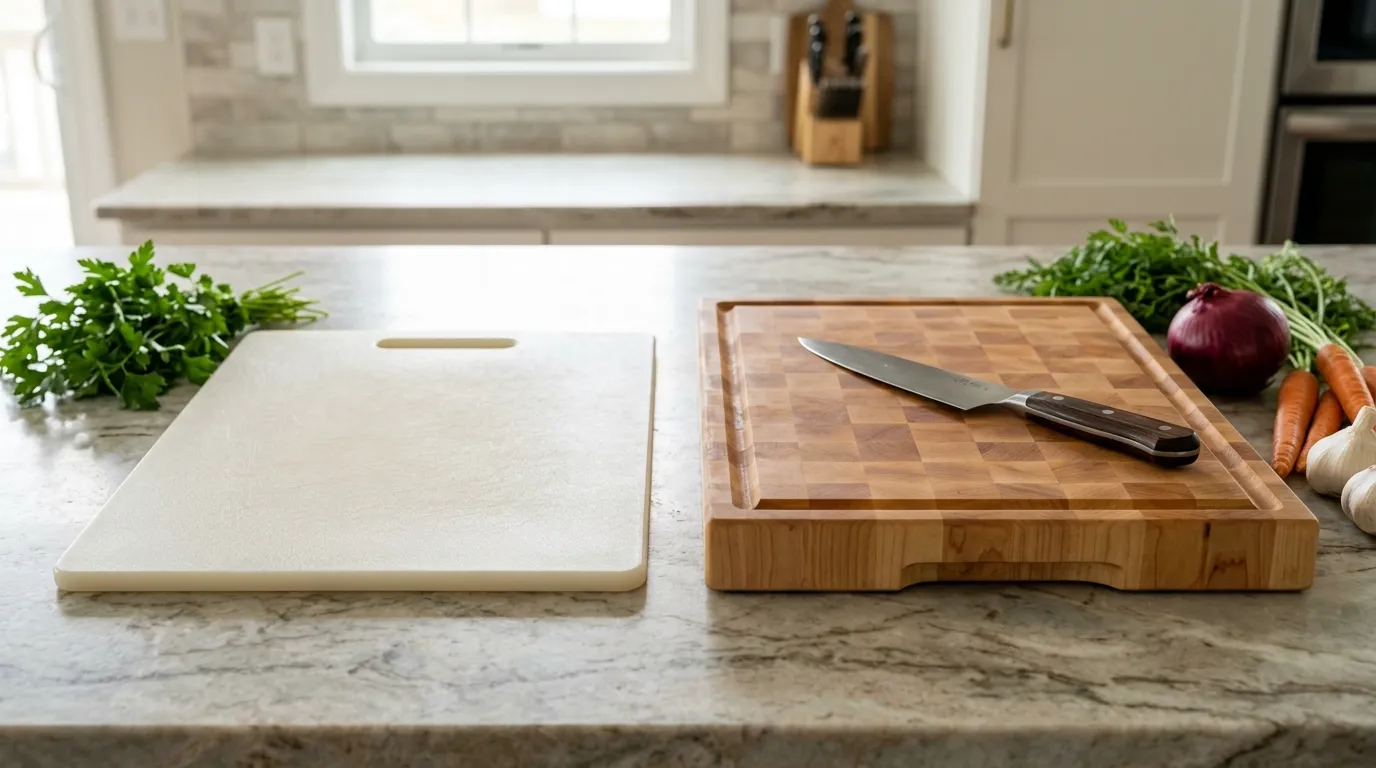
Plastic boards are most often HDPE or polypropylene. They are non-porous, light, and can handle hot water and bleach. They come in many sizes and colors, and they are cheap and easy to replace.
Wood boards are usually maple, walnut, cherry, or beech. Two common builds are edge grain and end grain. End grain looks like a checkerboard and is kinder to knives. Wood is porous, but the grain can slow bacterial growth when you clean it right.
Key contrasts you will feel day one:
- Knife feel: Wood has a soft, quiet landing. Plastic feels a bit harder.
- Surface repair: End grain wood can close up light cuts. Plastic keeps the grooves.
- Weight and stability: Wood is heavier and stays put. Plastic can slide if wet.
- Heat and chemicals: Plastic loves hot sanitizers and bleach. Wood does not.
- Looks and noise: Wood looks premium and cuts quieter. Plastic can stain and sound sharper.
These base facts sit at the core of plastic vs wooden cutting board differences you will notice as soon as you start chopping.
Food safety and bacteria: What the science says
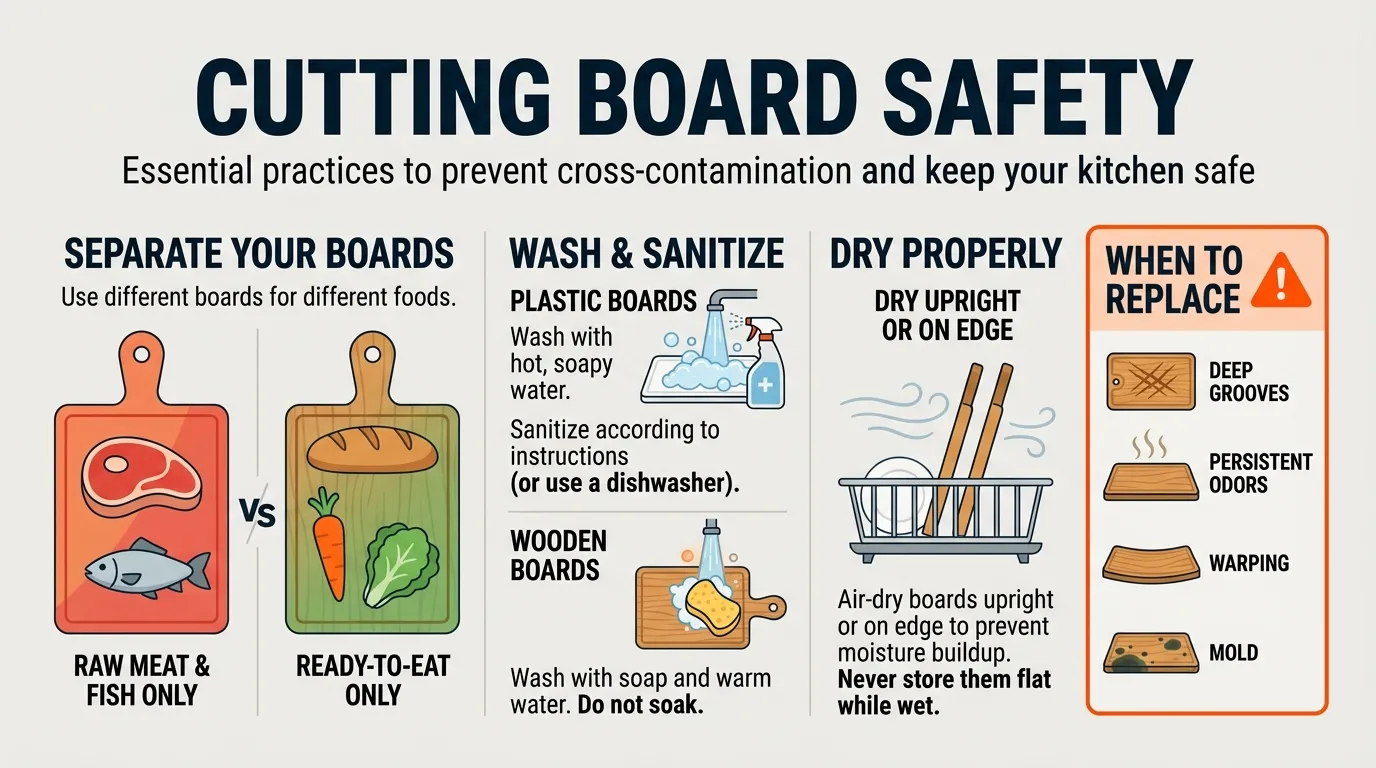
Clean boards matter more than board material. Still, how they behave is not the same. Studies show plastic is simple to sanitize, especially in a dishwasher. But once plastic is deeply scored, bacteria can hide in cuts even after washing.
Wood behaves in a unique way. Clean, dry wood draws moisture into the fibers. This can trap and reduce surface bacteria between washes. That does not mean wood cleans itself. It means wood demands good habits: wash, rinse, and dry upright or on edge.
Practical steps I trust:
- Keep one board for raw meat and fish, another for produce and bread.
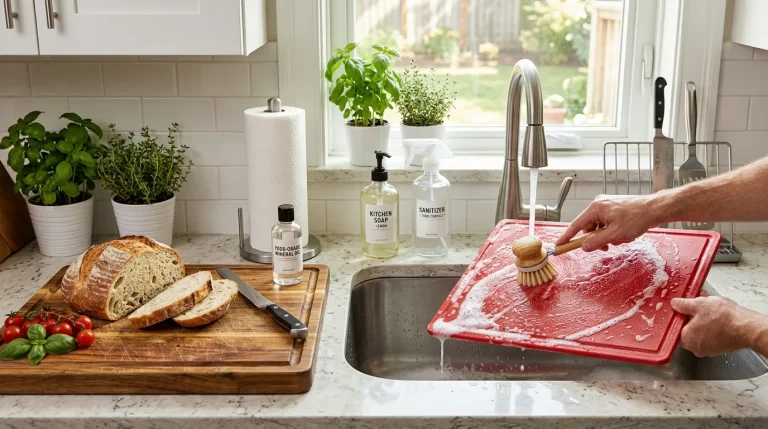
- On plastic, use hot soapy water, then a sanitizer. Dishwash if safe.
- On wood, wash with soap and warm water. Wipe, then air-dry fully.
- Disinfect wood with diluted vinegar or a brief hydrogen peroxide wipe. Rinse and dry.
- Replace any board that smells, warps, molds, or has deep trenches.
When you compare plastic vs wooden cutting board differences for safety, the winner depends on your cleaning routine, not just the material.
Knife care and cutting performance
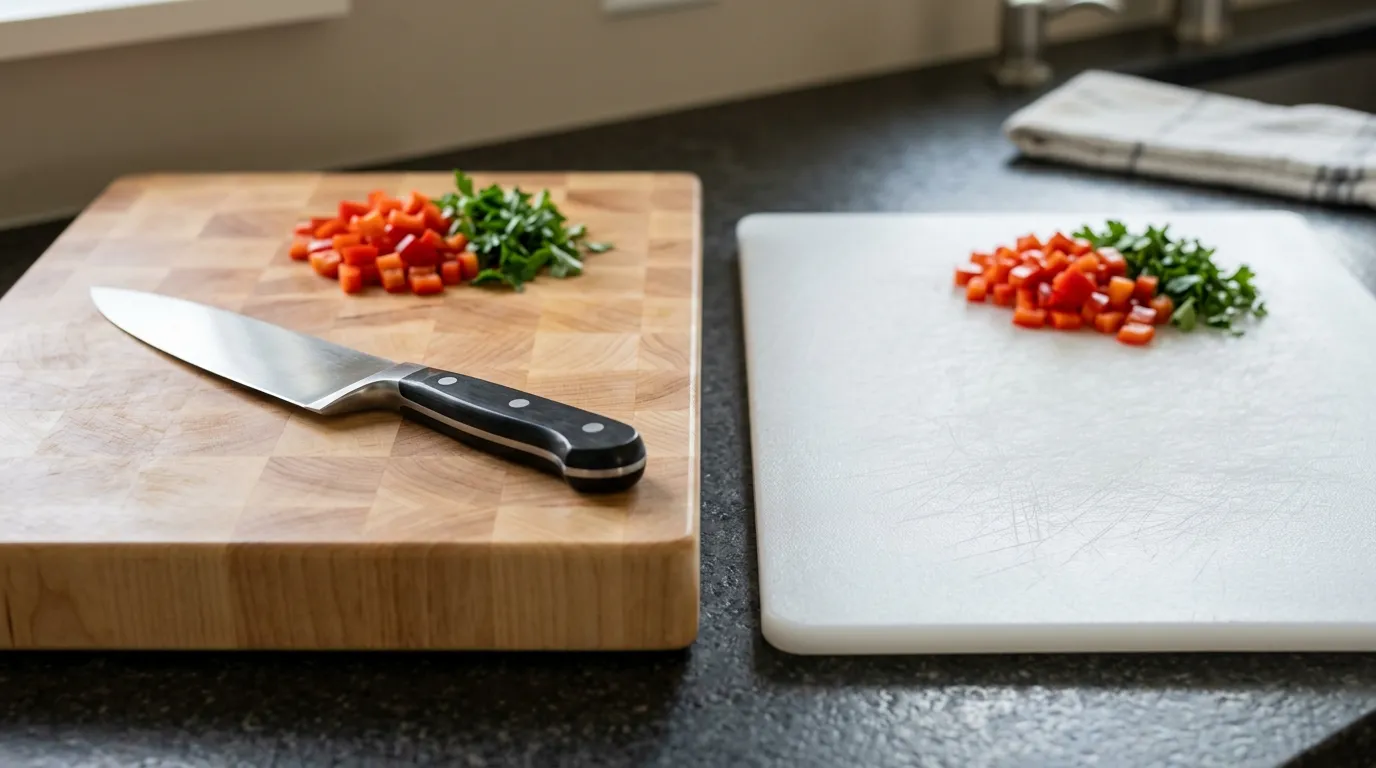
If you love sharp knives, wood shines. End grain boards let blades slide between fibers. This reduces dulling. Edge grain is still kind, just a bit firmer. Plastic is safe for knives too, but many plastics feel slick or grabby once scarred.
How this plays out day to day:
- Edge control: Wood grips food a touch better. Less slipping.
- Sound and fatigue: Wood is quiet and soft on wrists. Plastic can be louder.
- Surface life: Wood can be sanded to renew. Plastic gets permanent grooves.
Some cooks worry about microplastic shavings from old plastic boards. Early research says tiny fragments can shed from rough plastic. The risk in real kitchens is still being studied. If this concerns you, replace scarred plastic often or stick with quality wood.
For sheer edge retention, this is one of the most debated plastic vs wooden cutting board differences, and wood often wins for knife lovers.
Cleaning, sanitizing, and maintenance
Both boards need a simple routine. Keep it short and steady.
Daily care
- Plastic: Scrape, wash with hot soapy water, rinse, air-dry. Dishwash if the board allows it.
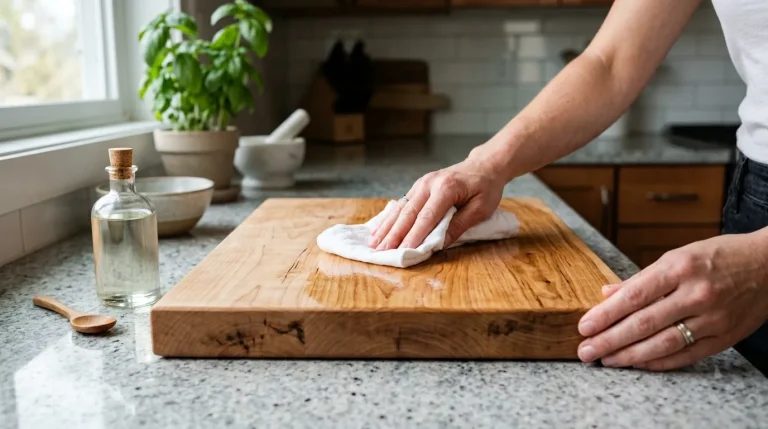
- Wood: Scrape, wash with mild soap and warm water, rinse, towel dry, then stand to air-dry.
Deeper care
- Plastic: Sanitize with diluted bleach or a commercial sanitizer. Replace if grooves are deep.
- Wood: Disinfect with vinegar or hydrogen peroxide. Deodorize with coarse salt and lemon. Oil monthly with food-grade mineral oil. Wax if you like a water shield.
Do not
- Do not soak wood or run it in a dishwasher. It will warp or crack.
- Do not bleach wood. It can dry fibers and ruin glue lines.
- Do not keep any wet board flat on the counter. Mold will love it.
Long-term cost favors wood if you maintain it. You can sand wood and keep it for years. You often replace plastic more often when the scars get bad. That repair cycle is a big part of plastic vs wooden cutting board differences in real life kitchens.
Durability, sustainability, and cost
Durability
- Wood boards, especially end grain, can last a decade or more with oiling and care.
- Plastic boards handle harsh sanitizers but wear fast under heavy knife work.
Sustainability
- Wood from well-managed sources is renewable and biodegradable.
- Most plastic boards are not recycled after use and end up as waste.
Cost
- Plastic: Low upfront cost. More frequent replacement.
- Wood: Higher upfront cost. Lower replacement rate when maintained.
When you weigh plastic vs wooden cutting board differences for the planet and your wallet, wood often edges ahead over time, while plastic wins on entry price and convenience.
Best use cases and buying guide
Match the board to the job and your kitchen flow.
Best uses
- Plastic: Raw poultry and fish, color-coded stations, quick sanitizer dips, small kitchens.
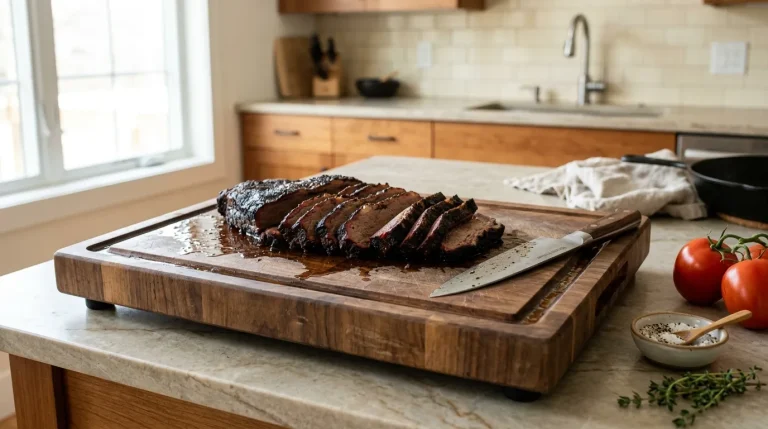
- Wood: Daily chopping, bread and cheese boards, carving roasts, showpiece serving.
What to look for in plastic
- Food-grade HDPE or polypropylene.
- Grippy feet or a damp towel under the board.
- Color-coded sets to avoid cross-contamination.
- Dishwasher safe if you want speed.
What to look for in wood
- Hard maple or walnut for balance of hardness and knife care.
- End grain for the softest cut surface.
- Juice groove for roasts and fruit.
- At least 1.5 inches thick for stability.
Smart habits that raise safety and board life
- Use separate boards for raw meats and ready-to-eat foods.
- Rotate board sides to even wear.
- Dry boards on edge with air space around them.
- Refresh wood with oil on a schedule. Replace plastic when grooves deepen.
These buying notes tie back to key plastic vs wooden cutting board differences you can feel and see, from grip to cleanup.
Personal experience: What I use at home and in pro kitchens
In restaurant prep, I leaned on plastic for speed. We ran color-coded boards and hit the sanitizer between tasks. When a board got trench lines, we scrapped it without debate. That kept service safe and fast.
At home, I use a large end grain maple for most prep. It is quiet, steady, and gentle on my chef’s knife. I keep a thin plastic mat for raw chicken nights. My early mistake was washing wood like a plate. I warped a board in one week. Since then, I oil monthly and dry on edge. That one change doubled the life of my boards.
My rule of thumb that sums up plastic vs wooden cutting board differences
- Cook fast for a crowd or handle lots of meat and fish: plastic wins.
- Love your knives and want a calm, clean prep zone: wood wins.
- Mix both and you get the best of each.
Frequently Asked Questions
Which board is safer for raw meat?
Plastic is easier to sanitize and can go in the dishwasher. If you use wood, wash well, dry fast, and keep a separate board for raw meat.
Do wooden boards really kill bacteria?
Clean, dry wood can reduce surface bacteria due to its fiber structure. You still must wash, rinse, and air-dry after each use.
Will a plastic board dull my knives?
Over time, any hard surface dulls knives. End grain wood is gentler, while scarred plastic can feel grabby and speed dulling.
Can I bleach a wooden board?
No. Bleach can damage wood fibers and glues. Use soap, warm water, vinegar, and regular oiling instead.
How often should I replace a plastic cutting board?
Replace when grooves are deep, stained, or hard to clean. That is a practical sign of wear and a hygiene risk.
What size and thickness should I buy?
A board at least 18 by 12 inches gives room to work. For wood, 1.5 inches or more helps with stability and warping.
Are bamboo boards the same as wood?
Bamboo is a grass and often harder and more brittle. It can be fine, but some find it a bit tougher on knife edges than maple or walnut.
Conclusion
You now know how plastic and wood differ in safety, care, knife feel, and cost. Plastic brings speed, bleach, and color-coding. Wood brings edge-friendly grain, quiet cuts, and long life with simple care. Pick what matches your space and your habits, or blend both for a flexible setup.
Put this to work tonight. Assign one plastic board for raw meats and keep a seasoned wooden board for daily prep. If this guide on plastic vs wooden cutting board differences helped you, subscribe for more kitchen gear breakdowns or drop your questions in the comments.