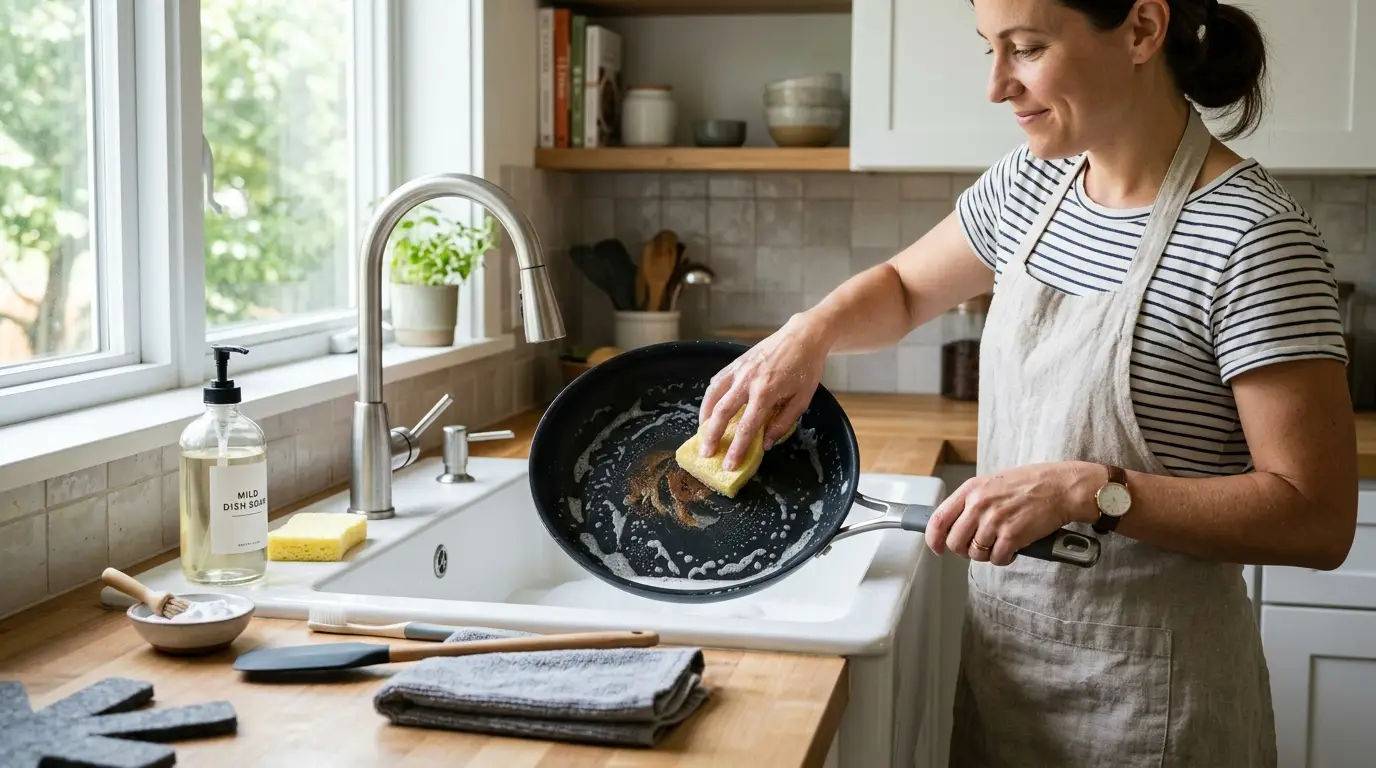
Hand wash with warm soapy water, use soft sponges, and avoid abrasives.
If you’ve wondered How to Clean Non Stick Without Damage, you’re in the right place. I test cookware for a living, and I’ve saved many pans that looked done for. In this guide, I’ll show you proven, easy steps that protect your coating, extend pan life, and make cleanup a breeze.
Why non-stick pans need gentle care
Non-stick coatings are thin films that release food with little oil. They can scratch or wear if cleaned the wrong way. Heat, harsh scrubs, and strong chemicals speed up damage.
Knowing How to Clean Non Stick Without Damage keeps food from sticking and stops gray spots and flaking. With a calm routine, your pan can stay slick for years.
My rule from years in busy kitchens: treat non-stick like a camera lens. Gentle touch. Right tools. Quick cleanup.
Safe tools and cleaners to use
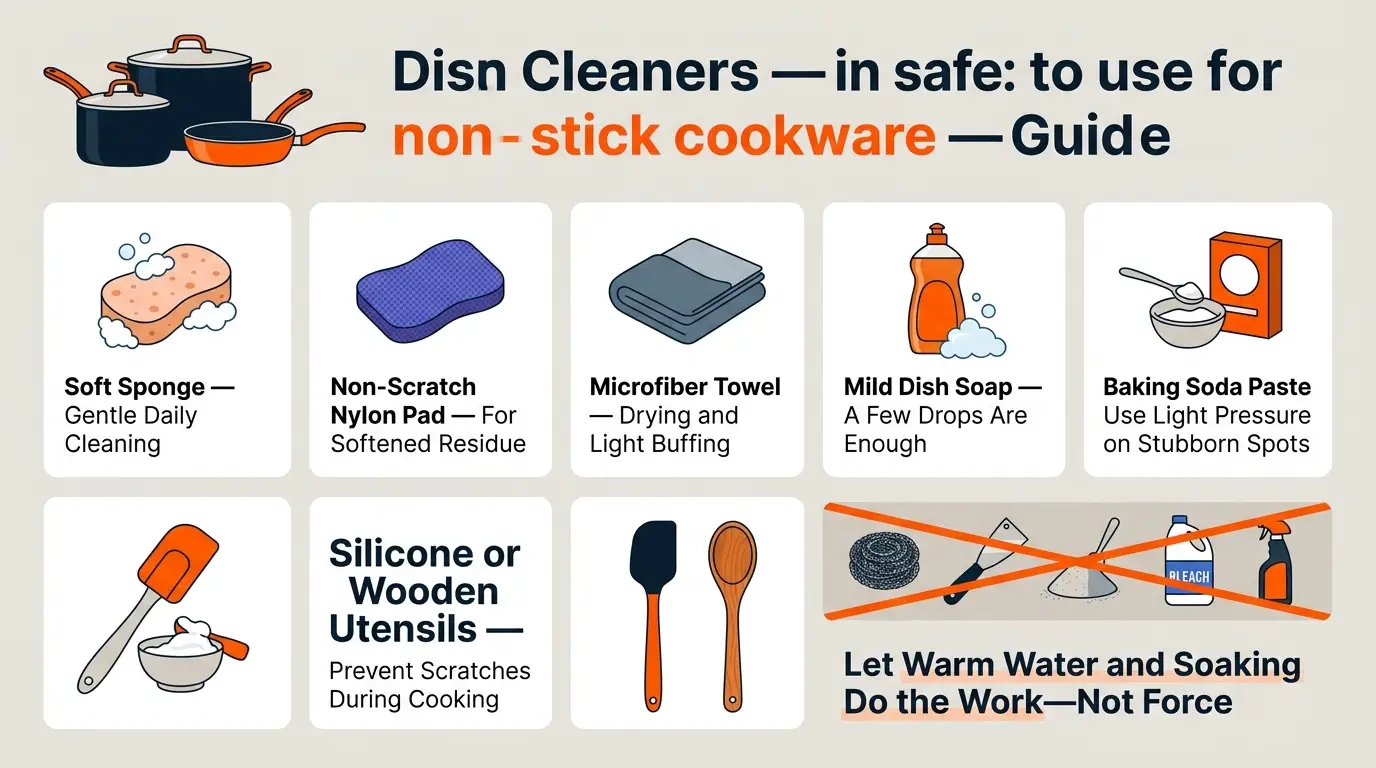
Reach for soft, non-scratch tools. Skip anything gritty or sharp.
- Soft sponge or non-scratch scrub pad. Nylon is best.
- Microfiber towel for drying and buffing.
- Mild dish soap. A few drops go far.
- Baking soda for a gentle paste on stains.
- Silicone or wooden utensils to prevent nicks.
Here’s How to Clean Non Stick Without Damage using safe tools: keep it simple, avoid force, and let warm water do the heavy lift. If you see wear, go even softer.
Step-by-step: How to Clean Non Stick Without Damage
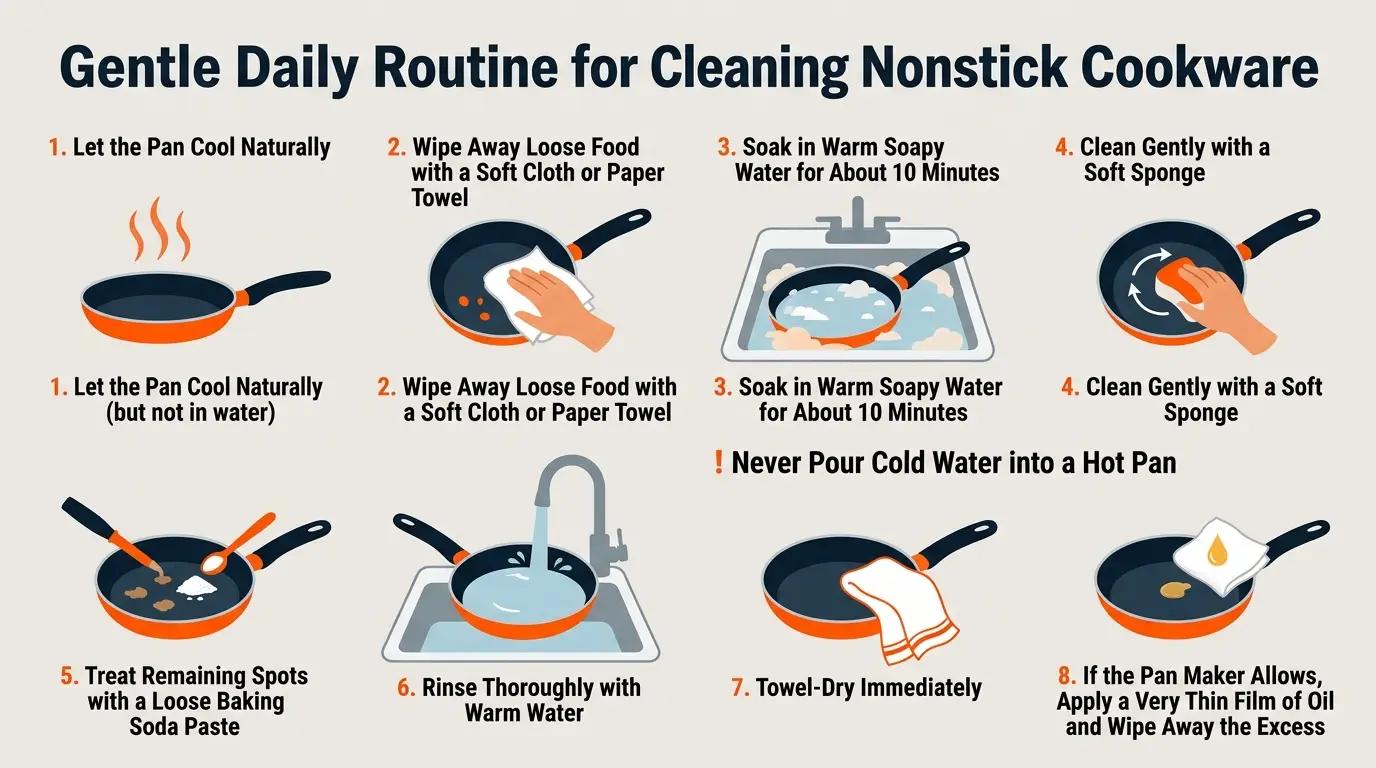
Follow this method for How to Clean Non Stick Without Damage daily. It works for PTFE and ceramic pans.
- Let it cool. Never shock a hot pan with cold water. Sudden changes can warp the base and stress the coating.
- Wipe away loose bits. Use a paper towel or soft cloth. This reduces scrubbing later.
- Soak in warm, soapy water. Ten minutes helps release stuck film and oil.
- Clean with a soft sponge. Use small circles. Work from the rim to the center.
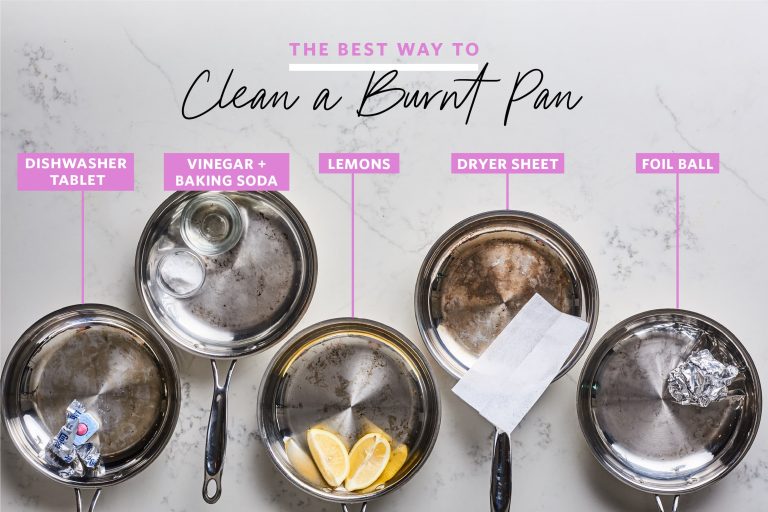
- Tackle spots with baking soda paste. Mix water and baking soda into a loose paste. Rub gently, then rinse.
- Rinse with warm water. Remove all soap. Residue can dull the surface.
- Dry right away. Use a soft towel to prevent water spots and keep the surface smooth.
- Condition lightly. Rub 3–5 drops of high-smoke-point oil with a towel. Heat on low for 1 minute, then wipe dry.
This routine is the heart of How to Clean Non Stick Without Damage. It is fast, safe, and it works.
Fixing common stains and sticky residue
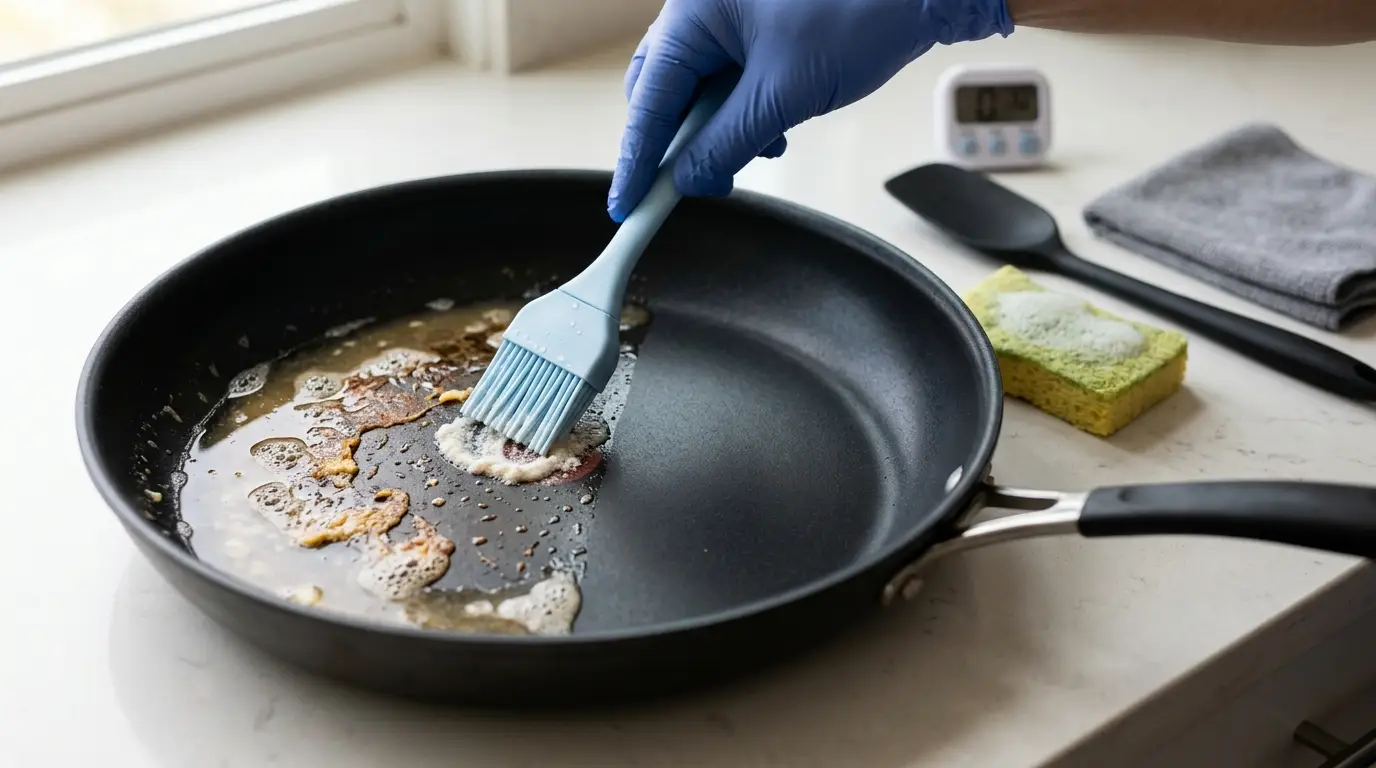
Sometimes a pan faces burnt bits, polymerized oil, or cloudy film. Do not panic. You can reset the surface.
- Brown film from oil: Warm the pan with water and a drop of soap for five minutes. Let it cool, then use a baking soda paste.
- Stuck-on eggs or fish: Fill with warm soapy water and soak. Use a nylon brush at the end, not the start.
- Cloudy haze: Wipe with a tiny bit of oil, then wash again with soap. The oil lifts residue.
- Cooking spray build-up: Avoid sprays next time. For now, use a longer soak and a gentle paste.
For stuck-on mess after a sear, here’s How to Clean Non Stick Without Damage: soak, soften, then lift with a soft pad. Never scrape with metal.
What to avoid to protect the coating
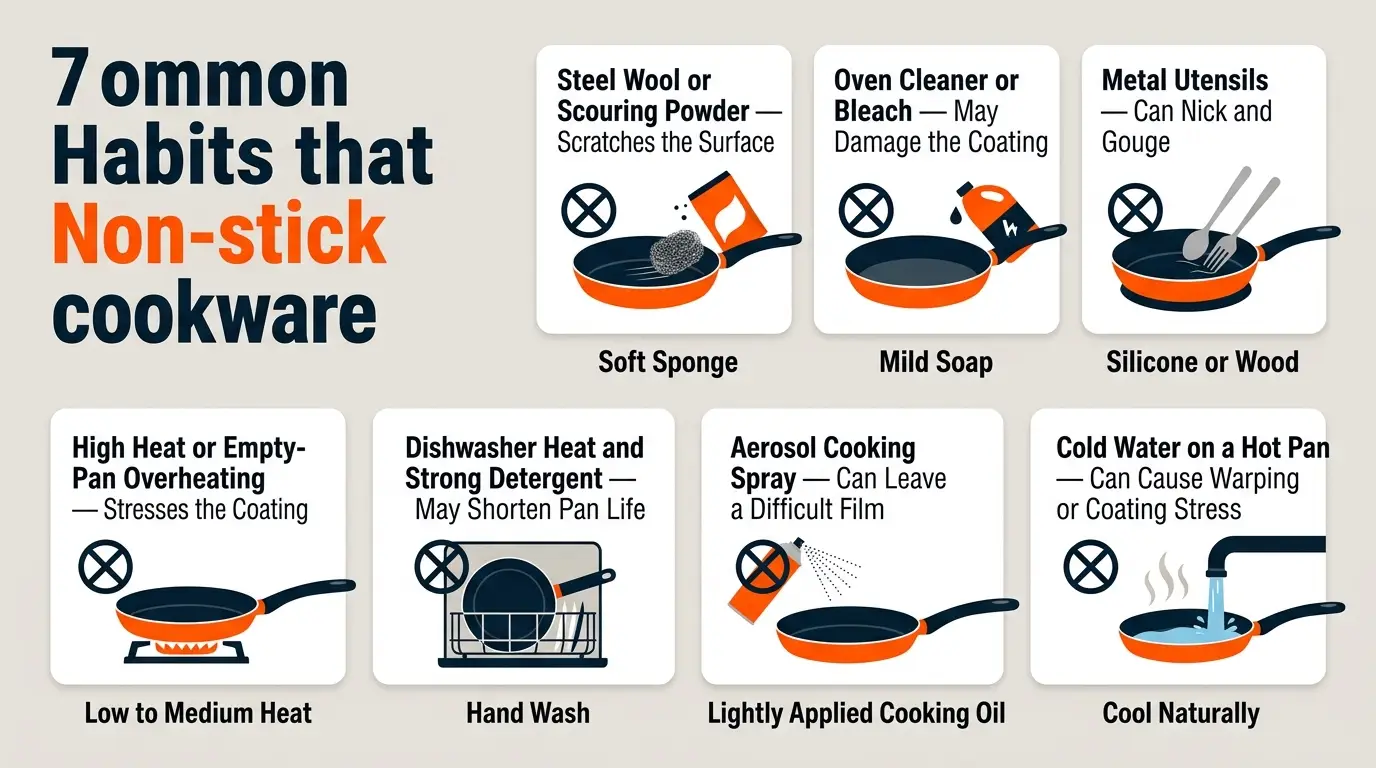
Think of this as your do-not-do list. It saves pans more than any hack.
- No steel wool or scouring powders. They scratch and dull the release.
- No oven cleaner or bleach. Harsh chemicals can break the bond.
- No metal utensils. One nick can start a peel.
- No extreme heat. Empty pans over high heat can exceed safe temps fast.
- No dishwasher if you can help it. Detergents and heat shorten coating life.
- No aerosol cooking sprays. They leave a hard film that builds up.
Research shows PTFE coatings can degrade above about 500°F (260°C). Preheat on low to medium, then cook. Remember, How to Clean Non Stick Without Damage means skipping harsh steps and high heat.
Drying, storage, and a simple maintenance routine
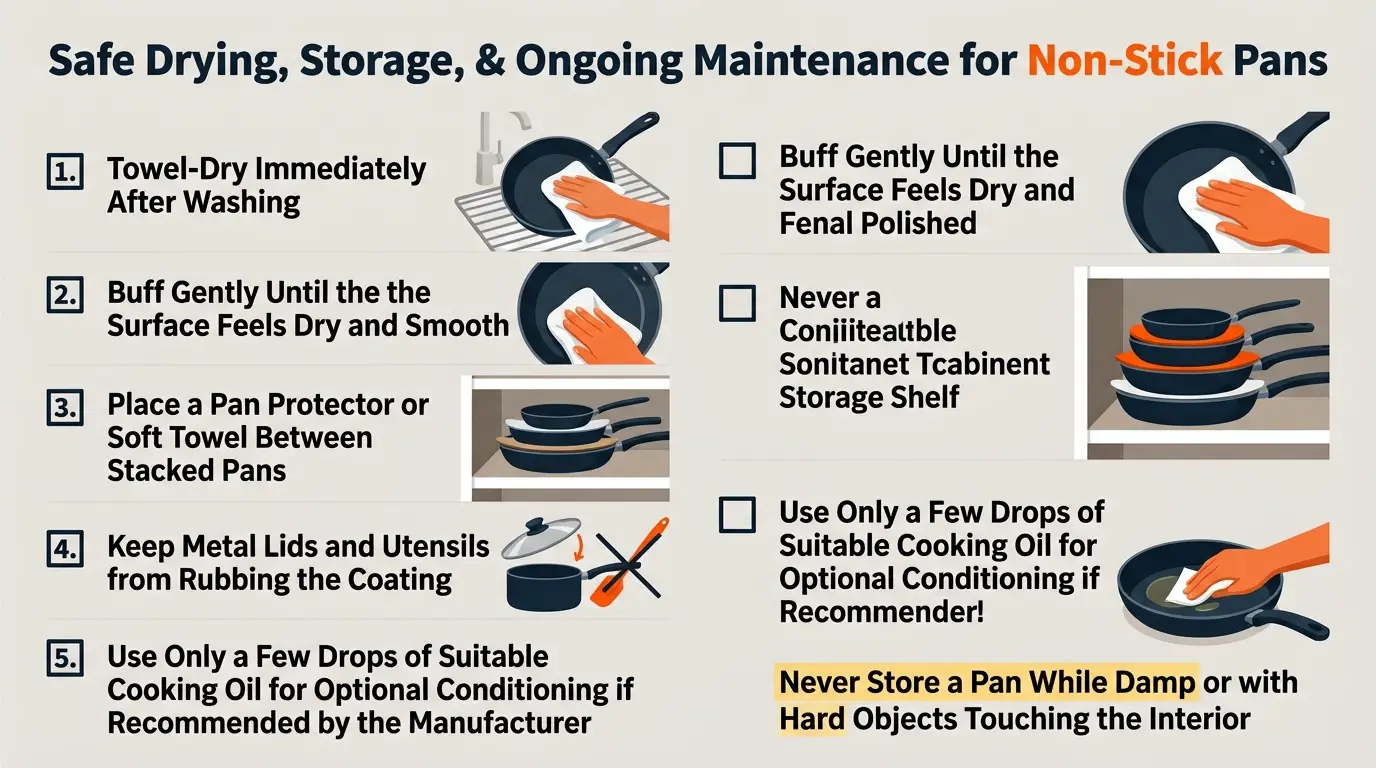
Drying matters as much as washing. Water spots and minerals can cling to the surface.
- Towel-dry right away. Buff until the surface feels smooth.
- Nest with care. Place a paper towel or pan protector between stacked pans.
- Condition monthly. Wipe with a few drops of oil, heat low for a minute, and wipe dry.
This habit supports How to Clean Non Stick Without Damage over time. It also keeps food from sticking on that first flip.
Seasoning and revival tips for PTFE and ceramic
Most non-stick does not need full cast-iron seasoning. But a light condition can restore glide.
- PTFE pans: After washing and drying, rub in a thin film of avocado or canola oil. Warm on low for 1–2 minutes. Cool and wipe.
- Ceramic pans: Condition a bit more often. They are silica-based and can feel “grabby” after a few months.
Light seasoning is part of How to Clean Non Stick Without Damage many people miss. It fills micro pores and helps eggs slide like a dream.
When to replace your non-stick pan
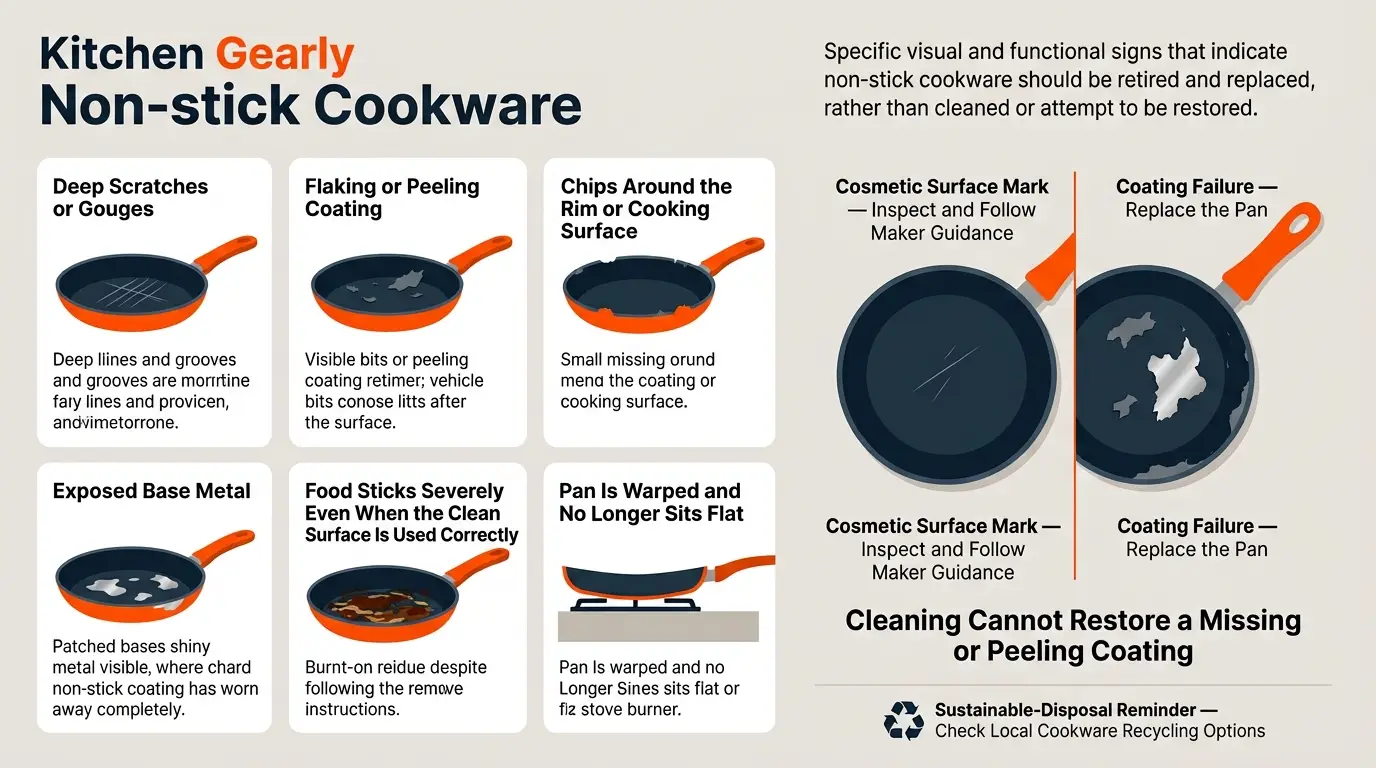
Even perfect care has limits. Coatings wear with time and heat cycles.
- Signs to replace: Deep scratches, chips, flaking, or exposed base metal.
- Food sticks in clean spots even after conditioning.
- The pan warps and will not sit flat.
No method for How to Clean Non Stick Without Damage can fix a lost coating. When it is gone, it is safer and smarter to retire the pan.
Eco-friendly and budget-friendly cleaning ideas
You do not need fancy cleaners. Pantry items can handle most mess.
- Baking soda paste. Gentle power without scratches.
- A drop of dish soap in warm water. Soak to loosen grime.
- Soft toothbrush. Great for rivets and pan edges.
You can practice How to Clean Non Stick Without Damage with simple, cheap tools. Save money and keep waste low.
Frequently Asked Questions of How to Clean Non Stick Without Damage
Can I put non-stick pans in the dishwasher?
You can, but it shortens the coating’s life. Hand washing is better for How to Clean Non Stick Without Damage.
Is baking soda safe on non-stick?
Yes, used as a gentle paste. Rub lightly with a soft sponge and rinse well.
What oil should I use to condition the pan?
Use a high-smoke-point oil like canola, avocado, or grapeseed. Only a few drops are needed.
How often should I condition my non-stick pan?
Monthly is enough for most homes. If food starts to cling, condition after the next wash.
Are ceramic non-stick pans cleaned the same way?
Yes, keep it gentle, avoid abrasives, and condition more often. Ceramic can feel less slick over time, so regular care helps.
Do I need to preheat non-stick pans?
Yes, but use low to medium heat. High heat stresses the coating and speeds wear.
Is vinegar safe for non-stick cleaning?
Skip vinegar on non-stick. It can dull some bases and is not needed for daily care.
Conclusion
Gentle steps win every time. Cool the pan, soak, clean with a soft sponge, dry well, and condition light. Avoid abrasives, high heat, and sprays. Practice How to Clean Non Stick Without Damage, and your pans will cook better and last longer.
Try this routine tonight after dinner. Notice the glide return and the easy cleanup. If you found this helpful, subscribe for more kitchen-smart guides and share your own tips in the comments.