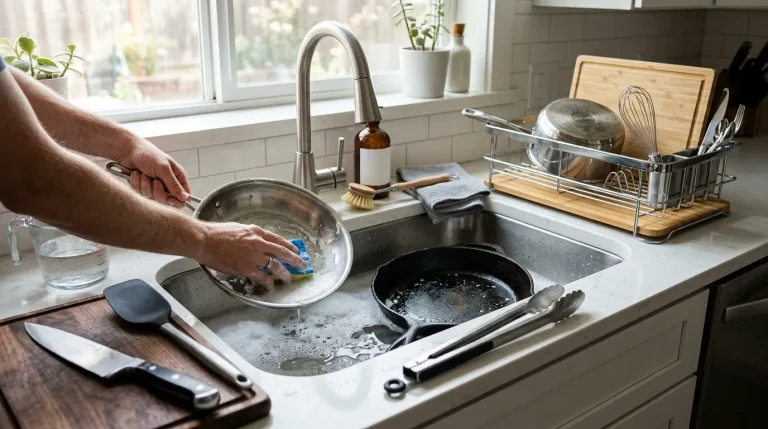

Choose utensils by your cookware, materials, heat resistance, ergonomics, and durability.
If you want to know how to choose kitchen utensils, you are in the right place. I test tools every week, from silicone spatulas to carbon steel turners. In this guide, I will show you how to choose kitchen utensils with clear steps, pro tips, and real lessons from the line. You will learn what to buy, what to skip, and how to make gear last.
Start with your cooking style and goals
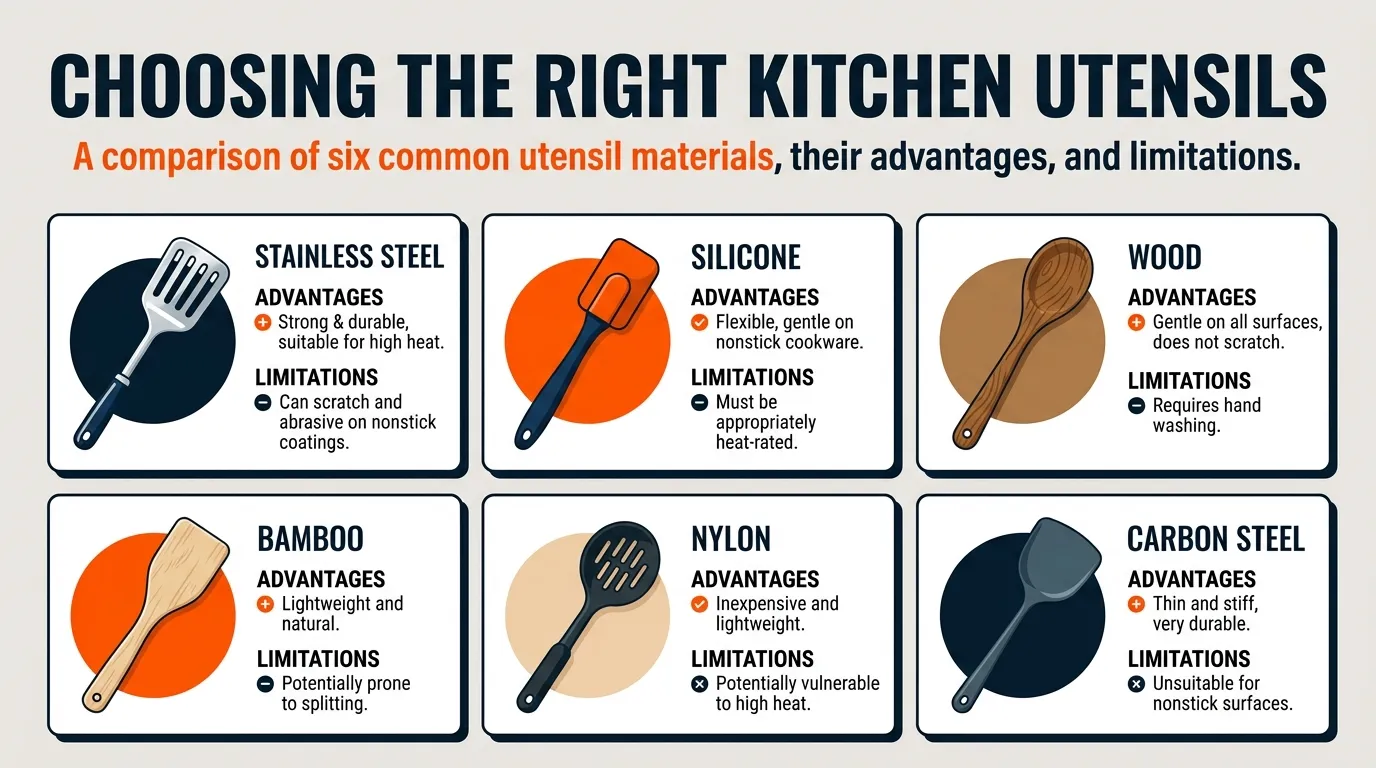
Your tools should match how you cook. That is the core rule. If you sauté daily, you need heat-safe, nimble tools. If you bake often, go for flexible spatulas and solid measuring gear.
Think about these points:
- Your cookware type. Nonstick, stainless steel, cast iron, enameled, or carbon steel.
- Your common tasks. Stir-fries, braises, sauces, eggs, or baking.
- Your space. A small kitchen needs fewer, smarter tools.
- Your care style. Dishwasher user or hand-wash fan.
If you ask how to choose kitchen utensils, start with this self-audit. It keeps you focused and saves money.
Materials that matter: pros, cons, and best uses
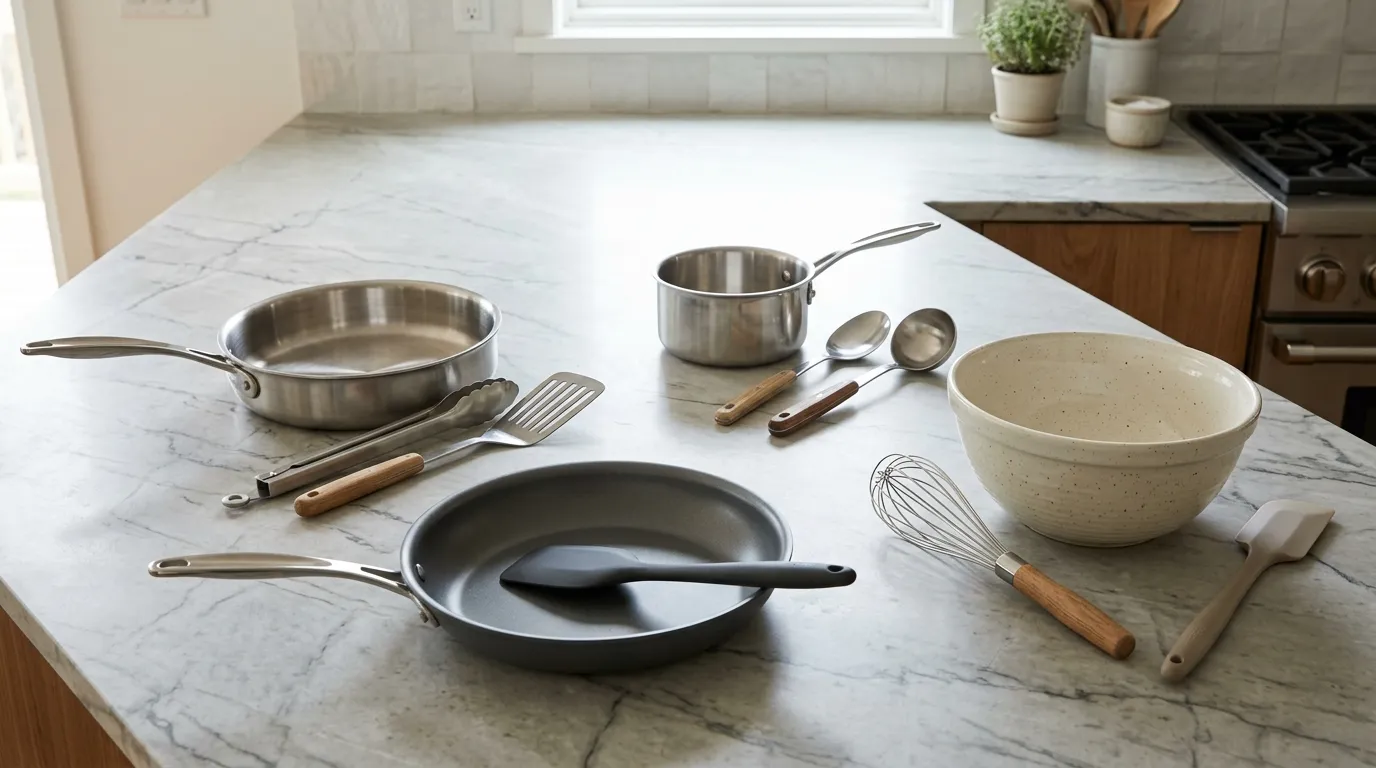
Material choice drives safety, feel, and life span. Here is a fast guide I use.
- Stainless steel. Strong, stable, and easy to clean. Great for high heat. Can scratch nonstick.
- Silicone. Heat safe when rated well. Gentle on nonstick. Look for high ratings for heat.
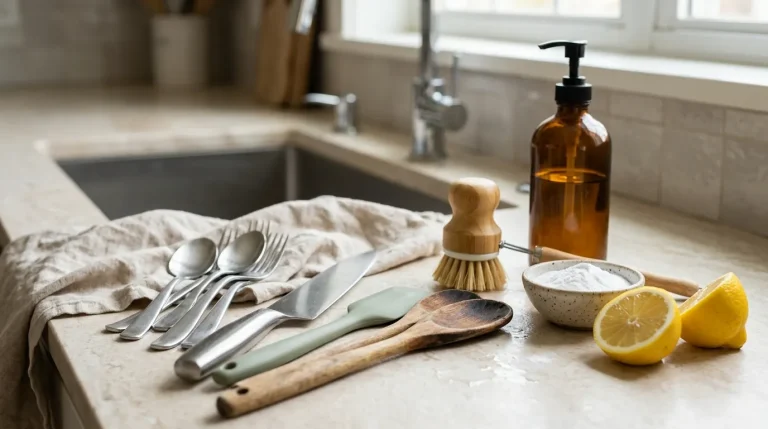
- Wood. Gentle, quiet, and great feel. Hand wash only. Avoid long soaks.
- Bamboo. Light and low cost. A bit more rigid than wood. Can split over time.
- Nylon. Cheap and flexible. Can warp at high heat. Watch the heat limit.
- Carbon steel turners. Thin and stiff. Slide under food well. Not for nonstick.
- Heat-safe plastic blends. Light and low cost. Check ratings and avoid high heat.
For how to choose kitchen utensils, check the heat rating on the label. Better silicone lists a high max heat and has no harsh smell right out of the box.
Build an essential kit by task
Start small. Add tools when you hit a pain point. This keeps drawers clean.
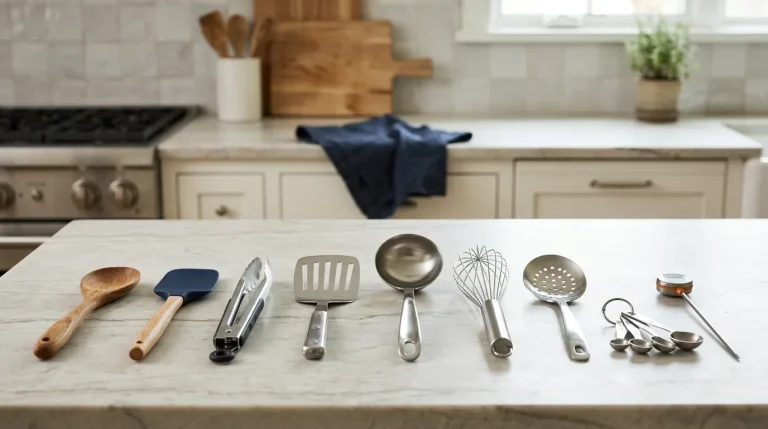
Core cooking
- Tongs with a firm spring and scalloped tips.
- Slotted turner for fish and eggs.
- Solid spoon and slotted spoon.
- Heat-safe spatula for scraping.
- Ladle with a pour lip.
Prep basics
- Sharp peeler with a comfy grip.
- Bench scraper.
- Measuring cups and spoons that are easy to read.
- Whisk that fits your pots.
Baking add-ons
- Flexible scraper.
- Offset spatula for frosting.
- Rolling pin that fits your space.
Special jobs
- Microplane style grater for zest and hard cheese.
- Thermometer for meat and candy.
If you wonder how to choose kitchen utensils for a starter set, aim for ten tools that cover ninety percent of tasks.
Ergonomics, comfort, and control
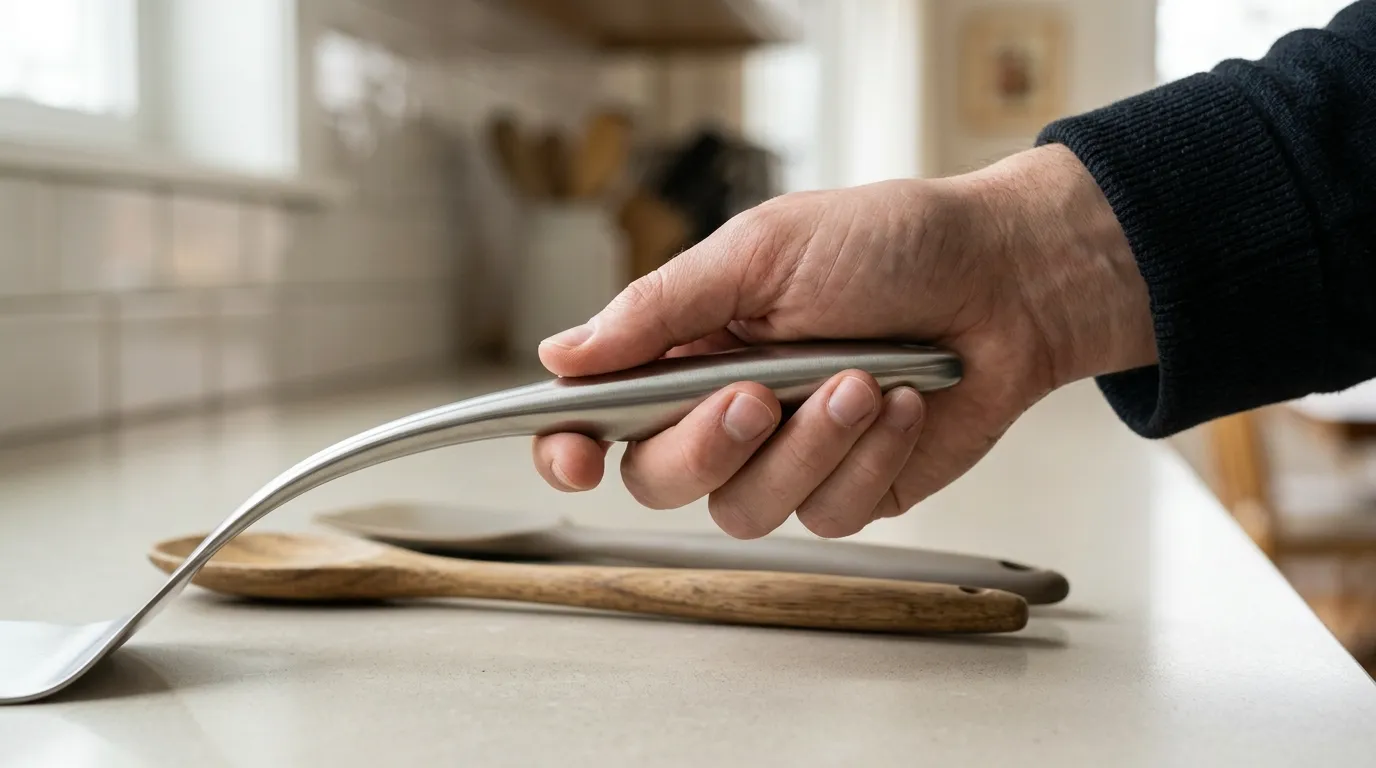
Comfort rules the tool drawer. If it hurts your hand, you will not use it.
- Check handle shape. Look for a gentle oval, not a block.
- Balance matters. The tool should not tip forward.
- Weight should feel steady, not heavy.
- Length should fit your pot depth and pan size.
Try a pinch test. Hold the tool near the head with two fingers. If it still feels stable, that is a good sign. This simple check helps with how to choose kitchen utensils that you can use for hours.
Safety, hygiene, and heat tolerance
Food safety is not a nice-to-have. It is a must.
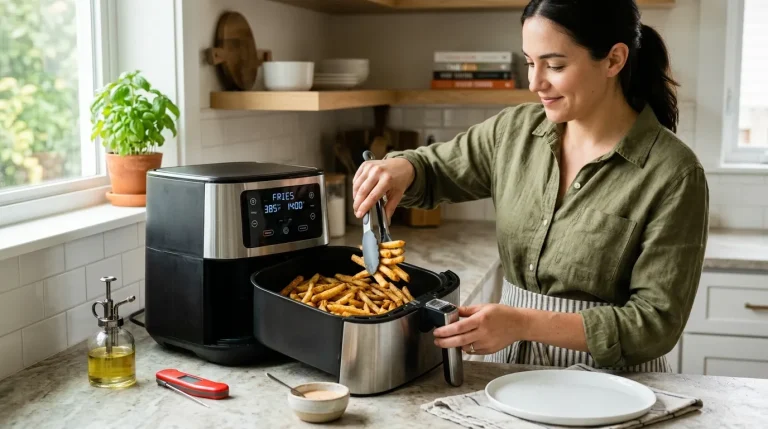
- Choose silicone that is rated for high heat. Look for clear labeling.
- Avoid cheap plastic for hot pans. Some can warp or leach at high heat.
- Use wood or silicone on nonstick. Steel can scratch the coat.
- Keep a separate board and tools for raw meat. Color coding helps.
- One-piece tools have no seams. Fewer seams mean less trapped food.
Independent lab tests show that high heat and rough seams are top failure points. That is why I always check labels and edges. Knowing this helps with how to choose kitchen utensils you can trust.
Quality checks before you buy
A two-minute check in the aisle can save years of stress.
- Look for one-piece or tight welds. Gaps invite gunk.
- Run a finger along edges. Sharp edges can scratch or cut.
- Flex the head. It should flex a bit, not flop.
- Squeeze the handle. No spin, no wiggle.
- Read the warranty. Good brands back tools for years.
When I test gear, loose joints fail first. Solid build wins every time. That is a key part of how to choose kitchen utensils that last.
Match utensils to cookware surfaces
Use the right tool for the right pan. It saves money and food.
- Nonstick. Use silicone, wood, or nylon. Skip steel.
- Stainless steel and cast iron. Steel tools shine here. They scrape and sear well.
- Enameled and glass. Use gentle edges to avoid chips.
- Grills and griddles. Long, strong steel tools work best.
Think surface first. Then pick the tool. That is a smart way for how to choose kitchen utensils without guesswork.
Budget, value, and when to buy sets
You do not need a giant set. Mix singles and small bundles.
- Spend more on tongs, turners, and spatulas. You use them daily.
- Save on ladles and spoons. Simple designs last.
- Skip bloated sets. Half of those tools gather dust.
- Watch for bundles that match your cookware.
Price bands help. Entry tools are fine for light use. Mid-tier hits the best value. Pro-level shines if you cook a lot. Use this lens for how to choose kitchen utensils that fit your wallet.
Sustainability and maintenance
Green choices can be simple and smart.
- Choose long-life tools over throwaway pieces.
- Favor materials that can be repaired or recycled.
- Oil wood tools now and then. They will not crack.
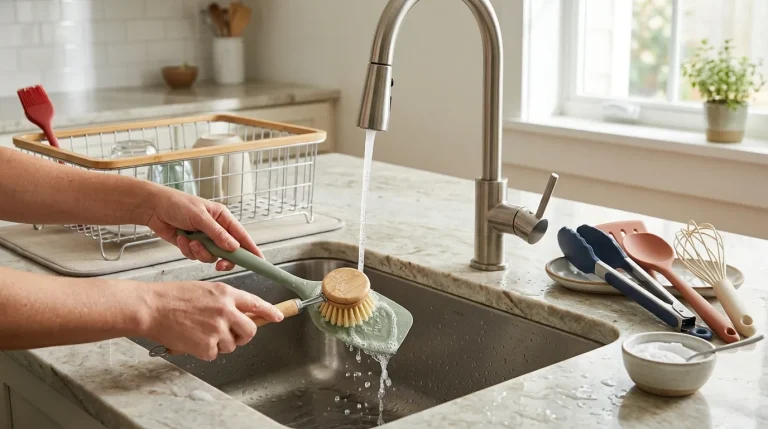
- Avoid harsh scrubbers on silicone. Use warm soapy water.
A small care habit makes tools last years longer. That is a quiet win for the planet and your budget. It also guides how to choose kitchen utensils that do not end up in the bin.
Storage and organization that work
Good storage makes cooking calm and fast.
- Keep daily tools by the stove in a caddy.
- Use drawer dividers so tools do not tangle.
- Hang long tools on hooks to save space.
- Purge once each season. Donate what you do not use.
Clear zones speed up your work. You will reach the right tool without delay. This also shapes how to choose kitchen utensils you will actually reach for.
Field notes: what I buy and what I avoid
Real kitchens teach hard lessons. Here are mine.
- I buy tongs with a firm spring and a lock that never sticks.
- I pick a thin steel fish spatula for stainless pans. It slides like a dream.
- I keep two silicone spatulas. One stiff for pots, one soft for bowls.
- I avoid short tongs. Steam burns taught me that fast.
- I avoid low-heat nylon. I melted one on a quiet simmer night.
These simple wins and misses show how to choose kitchen utensils by feel and by use, not by hype.
A simple checklist for shopping
Use this quick path when you are at the store or online.
- Define two meals you cook often.
- Match tools to your pans.
- Choose safe materials with clear heat ratings.
- Do the flex, edge, and handle tests.
- Start with five key tools. Add as needed.
- Check the return policy and warranty.
Run this list and you will know how to choose kitchen utensils with calm and confidence.
Frequently Asked Questions of how to choose kitchen utensils
What are the first five utensils I should buy?
Get tongs, a slotted turner, a solid spoon, a slotted spoon, and a silicone spatula. These cover most daily tasks with ease.
Are silicone utensils safe for high heat?
Yes, when they list a clear high heat rating. Avoid stirring at very high heat if the rating is low.
Which utensils work best on nonstick pans?
Use silicone, wood, or nylon to protect the surface. Skip steel tools to prevent scratches.
How do I clean and care for wooden utensils?
Hand wash and dry right away. Rub a little food-safe oil on them each month to prevent cracks.
Should I buy a full utensil set or individual pieces?
Start with singles for the tools you use daily. Add small sets only when every piece fits your need.
Conclusion
Choosing the right tools turns cooking from a fight into a flow. Start with your pans, your meals, and your hand feel. Look for safe materials, solid build, and simple care. Use this guide on how to choose kitchen utensils and build a kit that works every day.
Take one drawer today and upgrade two tools that fail you. Cook a meal and note what still feels off. Then swap smart. Want more tips like this? Subscribe, ask a question, or share your favorite tool and why it wins in your kitchen.