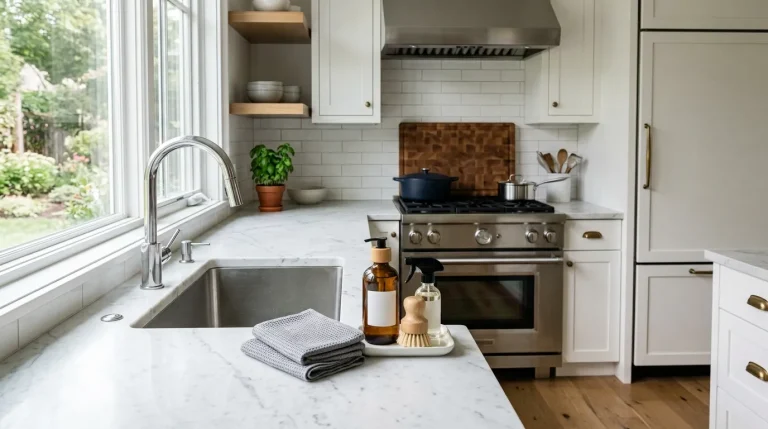
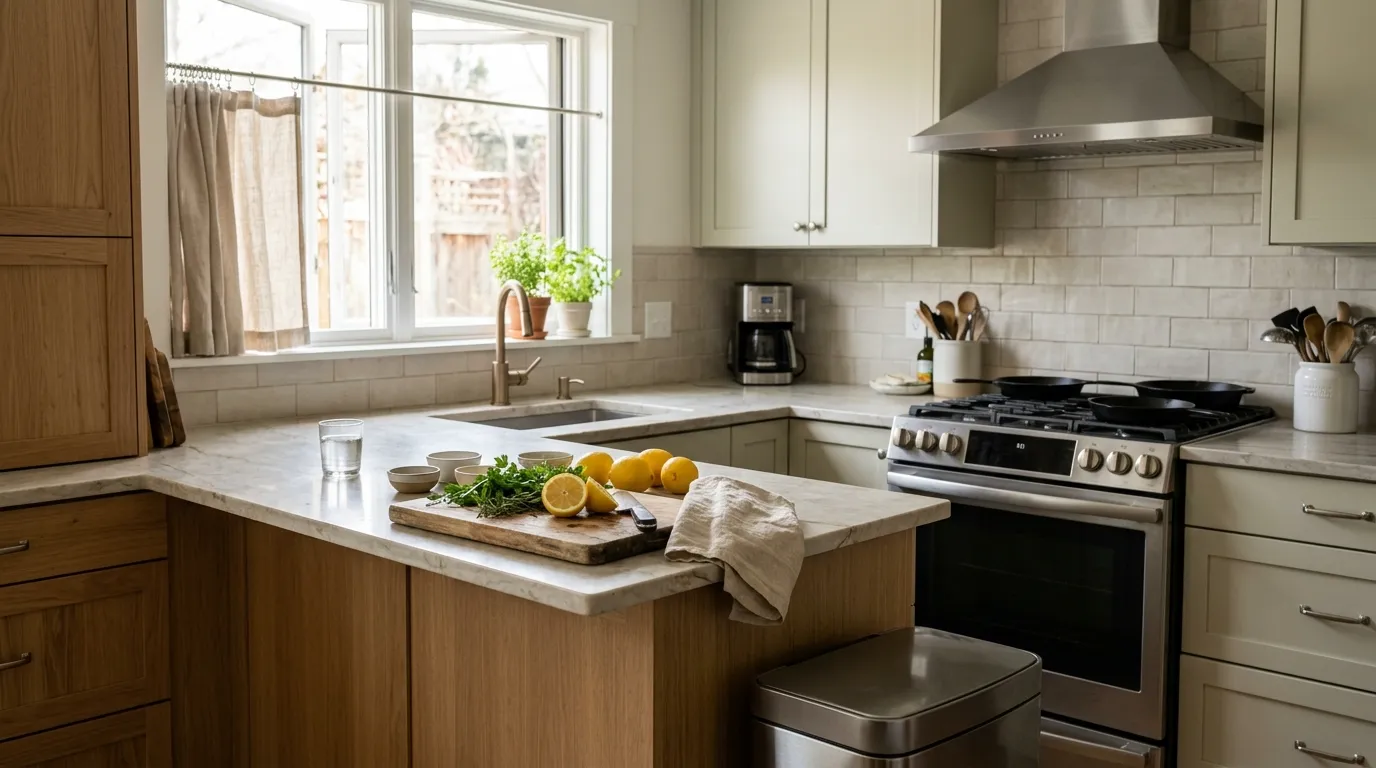
Keep your kitchen odor-free with steady airflow, fast cleanups, and smart deodorizers.
If you cook often, you know smells can cling. I’ve helped families, cafés, and busy home cooks tackle tough kitchen odors. This guide shows how to keep kitchen odor-free with simple habits, better airflow, and safe products. You will learn what causes smells and how to stop them before they spread.
Why kitchens smell in the first place
Odors come from food oils, sulfur from onions and garlic, and amines from fish. They stick to grease, fabric, and damp spots. Warm rooms and poor airflow make it worse.
If you ask how to keep kitchen odor-free, start with the cause. Grease film on cabinets traps smells. A wet sponge breeds bacteria. A slow drain feeds a stink. Fix the source, and the air clears fast.
Small science helps here. Dry, cool air slows odor growth. Clean surfaces remove the “glue” that holds smells. Fast trash removal breaks the cycle.
Daily habits that prevent smells
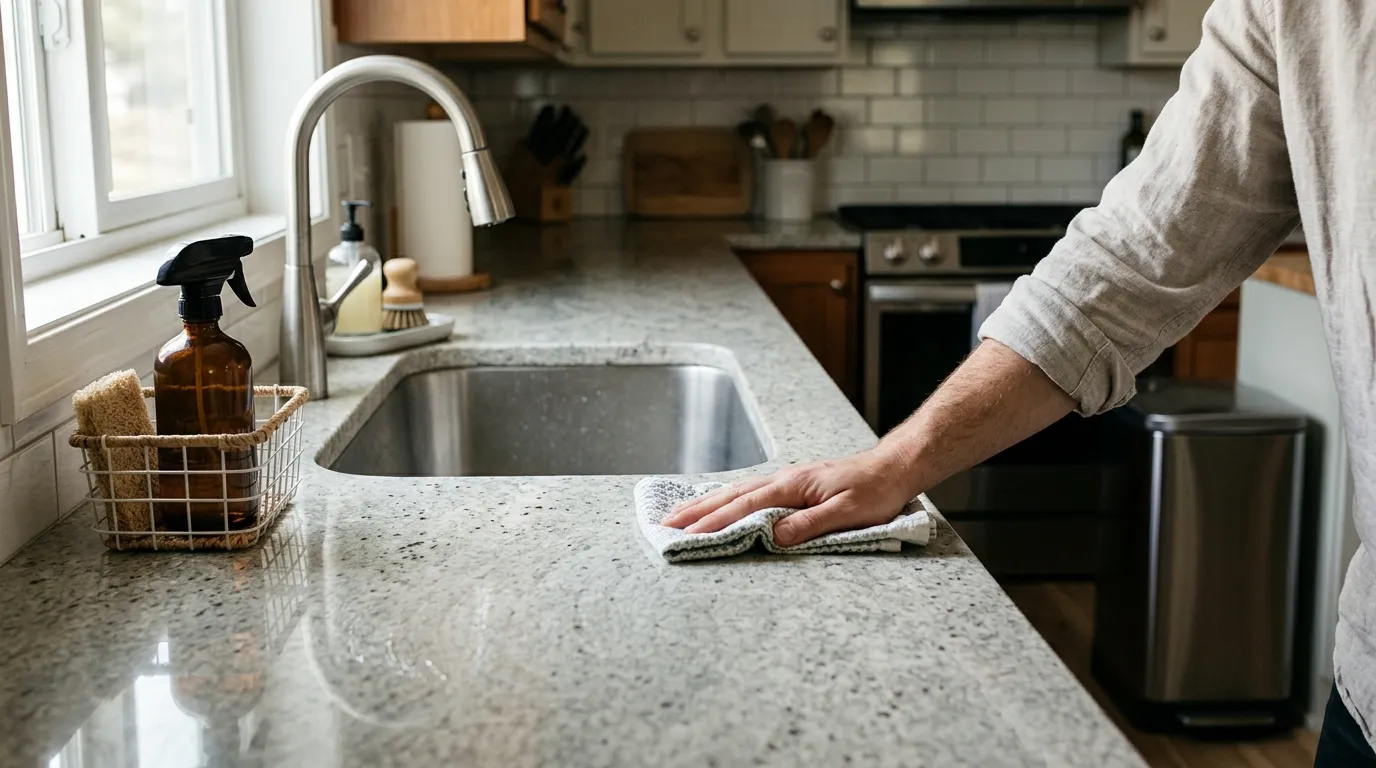
Daily habits are the base of how to keep kitchen odor-free. Small steps beat big scrub days.
Do these each day:
- Take out trash before it is full. Tie the bag tight.
- Wash or rinse dishes right after meals. Do not leave soggy food.
- Wipe counters, the stove area, and the backsplash. Use hot soapy water.
- Rinse the sink. Dry it with a towel to stop musty smells.
- Open a window for ten minutes after cooking.
- Run the range hood while you cook and for five minutes after.
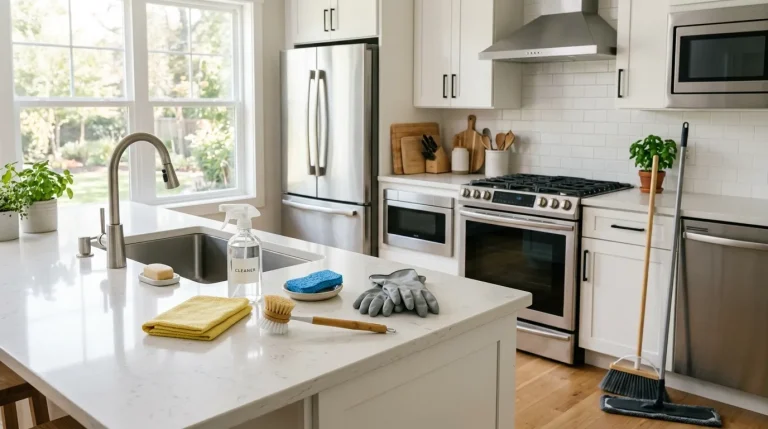
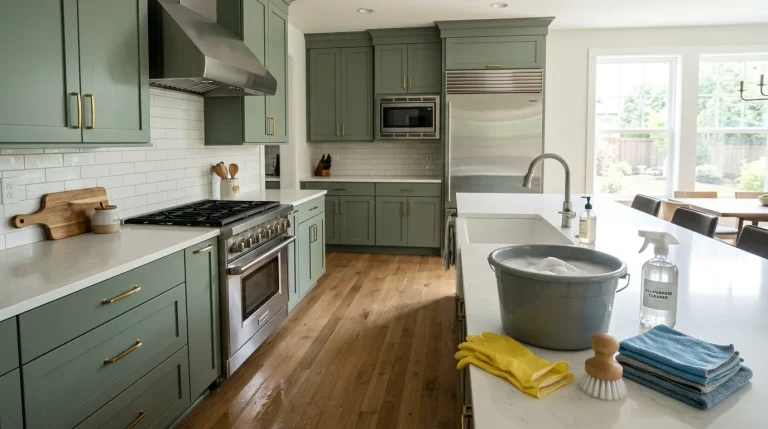
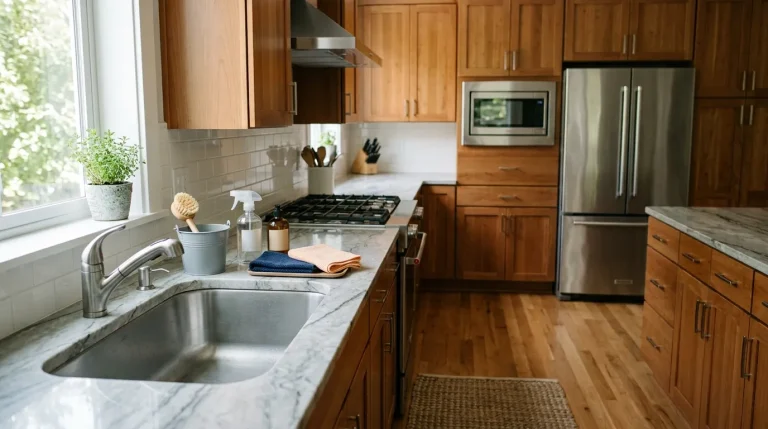
My field tip: I keep a small caddy ready. It holds a spray, a scrub pad, and towels. When a spill happens, I clean it in seconds. No smell later.
Deep cleaning schedule that actually works
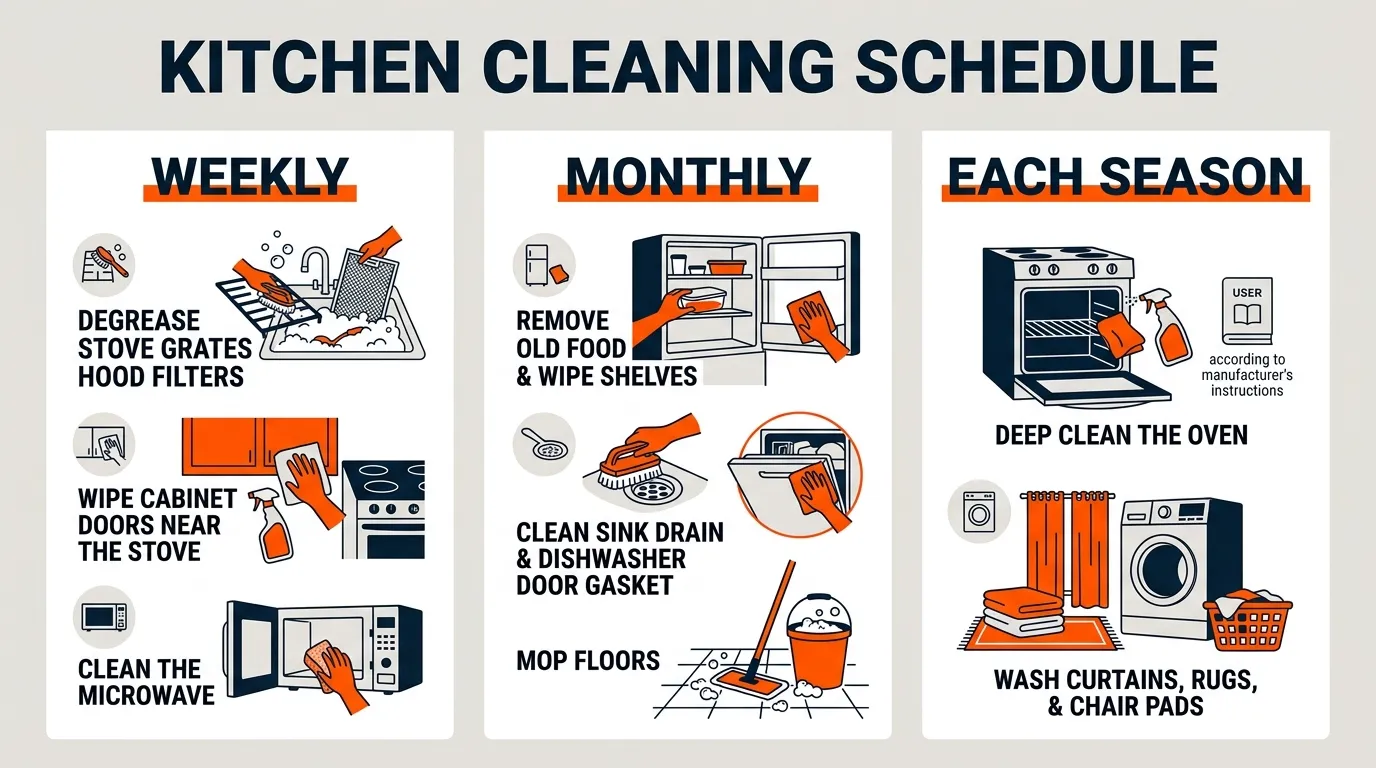
A plan keeps you ahead. It is how to keep kitchen odor-free when life gets busy.
Each week:
- Degrease the stove grates and hood filter. Soak in hot, soapy water.
- Wipe cabinet doors near the stove. Oil mist hides here.
- Clean the microwave. Heat lemon water for two minutes, then wipe.
Each month:
- Empty the fridge. Toss old items. Wipe shelves with warm water and vinegar.
- Scrub the sink drain cover and the rubber gasket on the dishwasher.
- Mop floors with a degreasing cleaner.
Each season:
- Deep clean the oven. Use the self-clean cycle or a baking soda paste.
- Wash curtains, rugs, and chair pads. Fabric holds smells.
Ventilation and airflow upgrades

Good airflow is the heart of how to keep kitchen odor-free. Smell leaves fast when air moves.
Do this first:
- Use a vented range hood that sends air outside. Run it at low speed for longer.
- If your hood recirculates, swap the carbon filter on time.
- Create a simple cross breeze. Open a window and a door for five minutes.
- Keep indoor humidity near 30 to 50 percent. A dehumidifier can help.
Expert note: Cooking makes tiny oil droplets. A hood with the right capture area and clean filters removes them. Public health and building groups suggest steady kitchen ventilation for clean air.
Sink, drain, and garbage disposal care
Drains cause many “mystery” odors. Good drain care is key in how to keep kitchen odor-free.
Simple routine:
- Pour a kettle of hot water down the drain each night.
- Sprinkle baking soda, then add vinegar. Let it fizz for ten minutes. Rinse hot.
- For a disposal, grind ice cubes and a little rock salt. It scours the blades.
- Finish with lemon or orange peels for a fresh scent.
- Clean the P-trap if smells persist. If you are not handy, call a pro.
Pro tip from my work: Replace old sponges every week. Wash brushes in the dishwasher. A dirty sponge can make a whole room smell off.
Fridge, freezer, and pantry odor control
Cold hides smells, but it does not erase them. Storage is vital for how to keep kitchen odor-free.
Best moves:
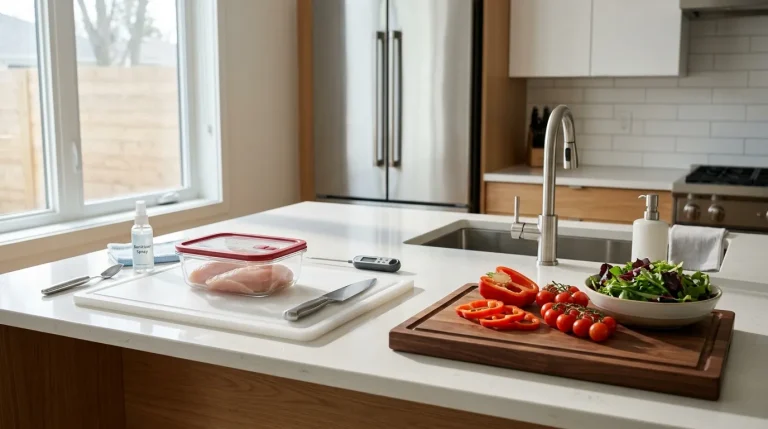
- Use airtight containers for leftovers, onions, and cheese.
- Label and date food. First in, first out.
- Place an open box of baking soda or a bag of activated charcoal on a shelf.
- Wipe fridge gaskets and the drip tray. Mold likes soft rubber and damp areas.
- Keep a steady fridge temp near 37 to 40°F and a freezer at 0°F. Safe temps slow odor and spoilage.
Cooking strategies that cut smells
You can block odor at the stove. It is a smart way to support how to keep kitchen odor-free.
Try these:
- Sear food with the hood on and a lid nearby. Vent steam fast.
- Cook strong fish in parchment packets. Smell stays in the pouch.
- Use a splatter screen with high-heat oil that has a neutral scent.
- Simmer a small pot of water with lemon peel or cinnamon after cooking. It resets the air.
When I test recipes with lots of garlic, I toast a few coffee beans in a dry pan after. It chases out the last note.
Natural deodorizers and what actually works
Natural tools help a lot with how to keep kitchen odor-free. They also cost less.
Good picks:
- Baking soda absorbs many food smells. Place it in the fridge, pantry, and near the trash.
- Activated charcoal traps a wide range of odor compounds. Use small bags in hidden spots.
- White vinegar neutralizes and cuts grease. Wipe surfaces and let it air dry.
- Coffee grounds can mask odors for a short time.
Know the limits:
- Deodorizers do not fix the source. Clean first, then deodorize.
- Some essential oils smell nice but can irritate pets. Use with care and only for short bursts.
Trash, compost, and recycling without the stink
Waste control is central to how to keep kitchen odor-free. A neat system beats the smell every time.
Do this:
- Use a bin with a tight lid. Rinse it each week.
- Sprinkle baking soda in the bottom of the bin.
- Double-bag meat scraps or freeze them until pickup day.
- Take compost out daily. Rinse the caddy and let it dry.
- Rinse cans and bottles before they go in recycling.
Real-life fix: A client had a clean kitchen but a bad smell. The cause was juice under the trash can. We washed the floor area, dried it, and added a mat. Problem gone.
Troubleshooting: when you still smell something
You cleaned and still smell it. Here is how to keep kitchen odor-free when the source is hard to find.
Run this checklist:
- Check under and behind the stove and fridge for spills.
- Inspect the dishwasher filter and the door seal. Food hides there.
- Look under the sink for leaks and damp wood.
- Smell the mop head and dish towels. Wash or replace them.
- Check light fixtures and exhaust fans for grease dust.
If nothing works, test humidity. If it is high, odor lingers. Dry the air, then recheck.
Frequently Asked Questions of how to keep kitchen odor-free
What is the fastest way to make my kitchen smell fresh?
Open a window and run the hood. Simmer a small pot of water with lemon slices for five minutes. Take the trash out right away.
How often should I change the range hood filter?
Check monthly and change or wash it every one to three months. If you cook daily or fry often, do it more often.
Can baking soda remove all kitchen smells?
Baking soda absorbs many food acids, but not every odor. Use it along with cleaning and airflow for best results.
Why does my sink smell even after cleaning?
Food can stick under the drain cover or in the P-trap. Clean those parts and flush with hot water, baking soda, and vinegar.
How do I keep my fridge odor-free without chemicals?
Use airtight containers, keep a box of baking soda inside, and wipe spills fast. Keep the fridge at safe, steady temps.
Does cooking fish always make the house smell?
No. Cook fish in foil or parchment, run the hood, and serve right away. Clean pans at once to stop the smell from spreading.
Conclusion
An odor-free kitchen is the result of small daily moves and smart airflow. Clean fast, dry often, vent well, and trap any leftover smells. With this plan, you stop odor at the source and keep your space fresh.
Start today with one habit. Run your hood when you cook and take the trash out on time. Want more guides like this on how to keep kitchen odor-free topics? Subscribe, share your wins, or drop your questions in the comments.