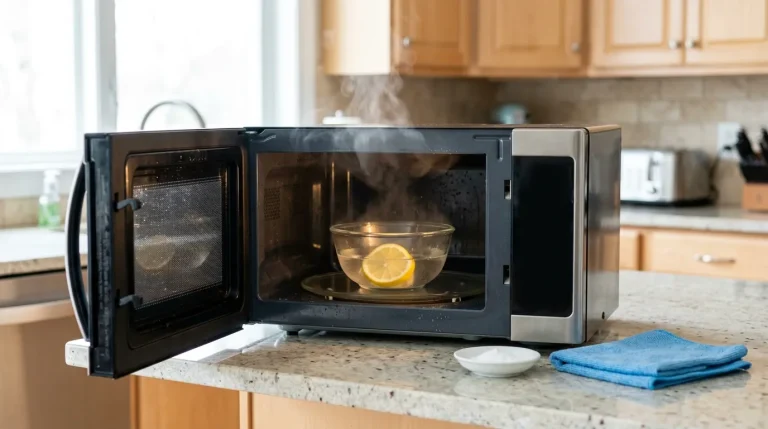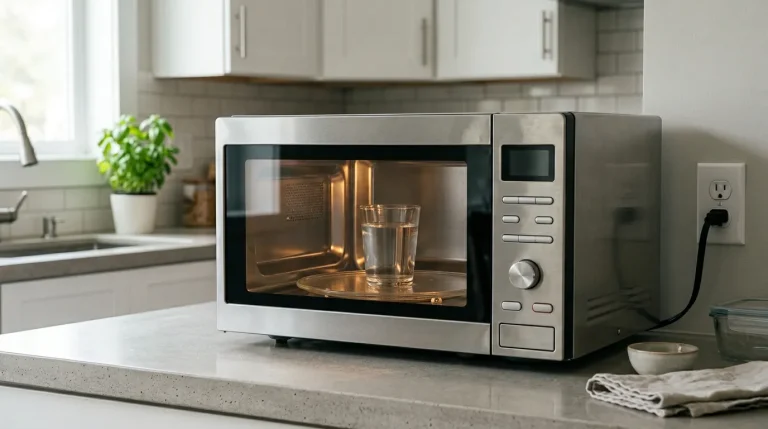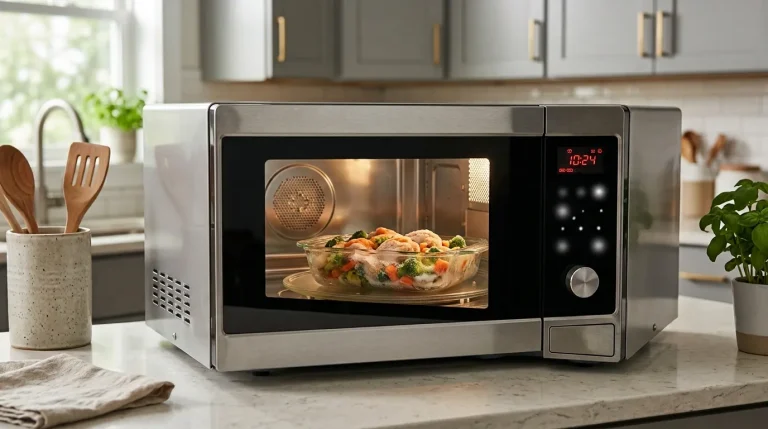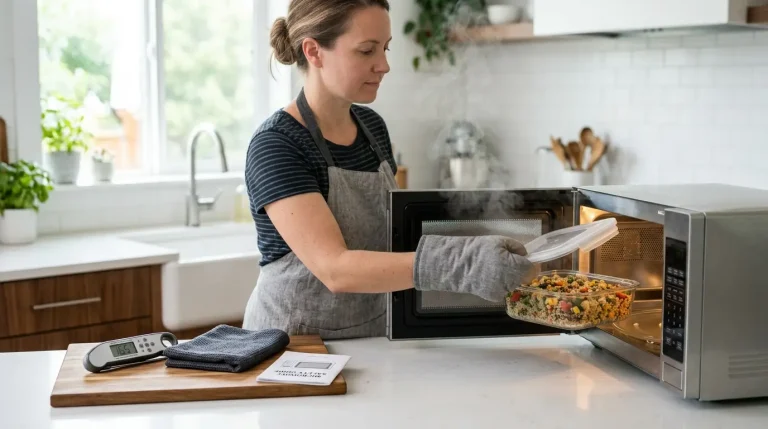

Ovens brown and crisp; microwaves heat fast but can leave food soft.
I’ve spent years testing bakes in both tools, and the oven vs microwave baking differences are bigger than most people think. This guide breaks down how each one cooks, why textures change, and when to pick one over the other. You’ll get clear steps, real examples, and pro tips so you can bake smarter at home.
What Does Baking Mean in an Oven vs a Microwave
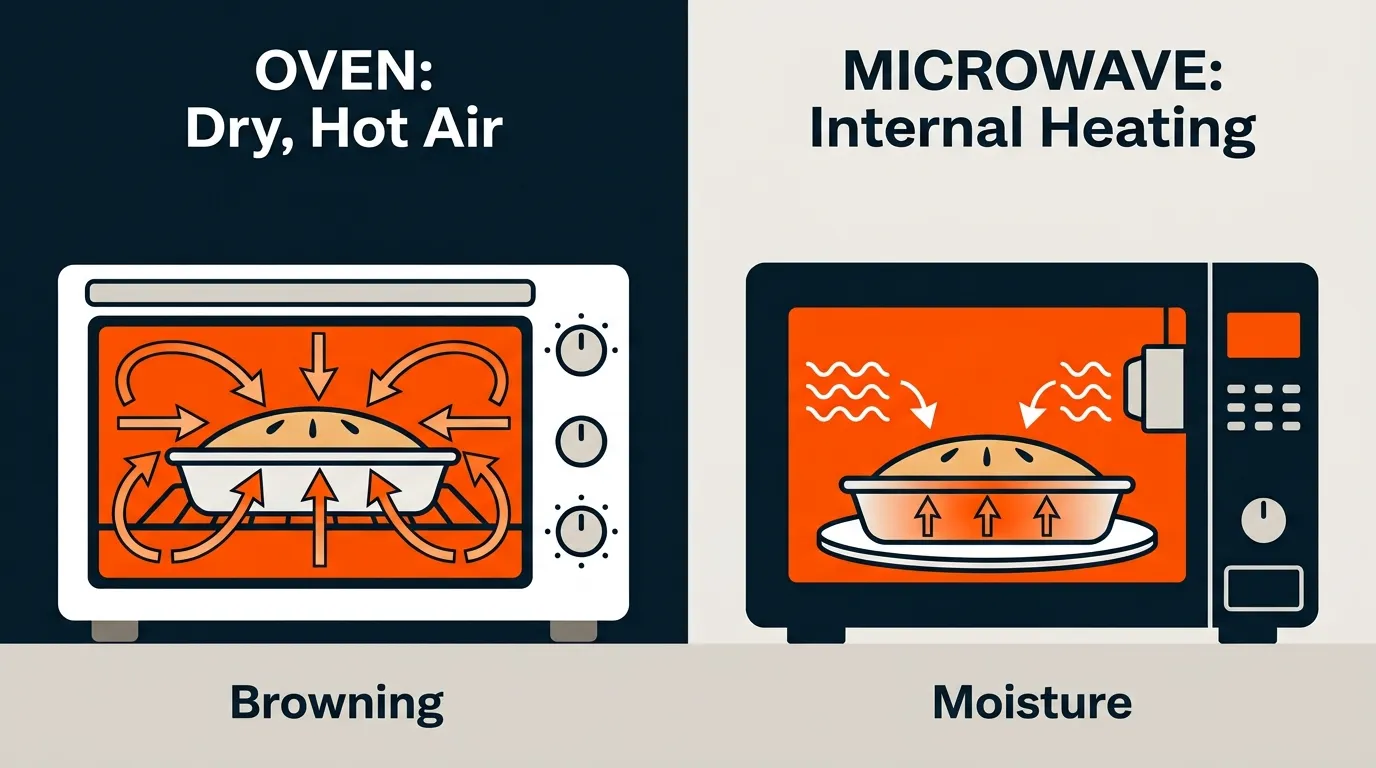
Baking in an oven uses dry, hot air. Heat surrounds the food and moves inward. Your crust dries, then browns. This is classic baking.
Microwaves heat water and fats inside food. It is called dielectric heating. The energy makes molecules move and create heat fast. The surface stays moist unless you add special tools.
These core actions drive the oven vs microwave baking differences. Ovens excel at even heat and crust. Microwaves shine for speed and moisture. Some modern units blend both, but the base science still rules the result.
Texture and Browning: How Results Differ

Great crust needs a dry surface and high heat. That triggers the Maillard reaction and caramelization. Ovens do this well. You get a golden top, crisp edges, and a firm crumb.
Microwaves heat water inside the batter first. The surface stays wet. Browning is weak or missing. Texture is soft, sometimes rubbery, if power is too high or time is too long.
To bridge the oven vs microwave baking differences, use a microwave crisper plate or a combo mode. Run shorter bursts at medium power. Let food rest so steam escapes. This helps mimic an oven’s dry heat feel.
Time, Energy, and Cost: Which Is More Efficient
Microwaves are fast. Many items cook in a third of the time. They often use less energy for small batches.
Ovens need preheat time and more power. But they can bake many items at once. That evens out the energy use over a full load.
When you weigh oven vs microwave baking differences, time and energy matter. For one mug cake, the microwave wins. For two trays of cookies, the oven is worth it.
When to Use Each: A Recipe Guide
Pick an oven when you want:
- Cookies with crisp edges and chew
- Bread with a deep crust and open crumb
- Roasts, sheet-pan meals, and pizza with char
- Pies, galettes, and pastries with flaky layers
Pick a microwave when you want:
- Mug cakes, quick brownies, and fast cobblers
- Steamed veg, soft potatoes, and tender fish
- Reheating bakes without drying them out
- Melting chocolate or butter fast and clean
These choices reflect the oven vs microwave baking differences. If texture and browning lead, use the oven. If speed and moisture lead, use the microwave.
Tools and Settings That Narrow the Gap
Convection ovens add a fan. Air moves faster, so heat is more even. You get better rise and browning at lower temps.
Microwaves with inverter tech hold steady power. That avoids overcooked edges. Crisp trays and grill racks lift food and help drive off surface moisture.
Combo microwave-convection units blend both worlds. They cut time yet still brown. These upgrades reduce the oven vs microwave baking differences in daily cooking.
Conversion Tips Between Oven and Microwave
You can convert some simple bakes. For a small cake or brownie, start with 30 to 40 percent of the oven time in the microwave. Use 50 to 70 percent power. Add 1 to 3 minutes of rest so steam settles and carryover completes the cook.
Ovens use temperature. Microwaves use power levels and time. Think in energy, not degrees. If edges get tough, lower the power and add rest time. If the center is wet, add short bursts.
These moves help you manage oven vs microwave baking differences. Test a small portion first. Take notes and lock your best setting.
Safety, Quality, and Nutrition Notes
Both tools are safe when food hits the right internal temp. Use a thermometer for meat and egg bakes. Do not guess by color alone.
Short cook times can protect some heat‑sensitive vitamins. That gives the microwave a small edge for delicate veg. The oven can brown and drive off moisture, which boosts flavor.
Quality is a balance. Respect the oven vs microwave baking differences. Choose the tool that meets the dish’s goal: flavor, texture, or speed.
Common Mistakes and Fixes

Microwave mistakes:
- Using full power for cakes. Fix: Use medium power and rest time.
- No elevation. Fix: Use a rack or crisp plate for better airflow.
- Closed lids on crispy foods. Fix: Vent or uncover to dry the surface.
Oven mistakes:
- Skipping preheat. Fix: Preheat so rise and browning start right away.
- Crowding pans. Fix: Leave space for air flow and even color.
- Guessing doneness. Fix: Use a thermometer or a clean-toothpick test.
These fixes shrink the oven vs microwave baking differences. Small steps change results fast.
Frequently Asked Questions
Are microwaves bad for baking?
No. They are just different. They cook fast and moist, so plan for less browning and use medium power.
Can I bake bread in a microwave?
You can make quick, soft bread or mug loaves. Expect a tender texture, not a crackly crust.
Why does my microwave cake turn rubbery?
Power is too high or time is too long. Drop to medium power and build time in short bursts with a rest.
Do convection microwaves replace an oven?
For small batches, often yes. For large breads and pastries, a full oven still gives better crust.
How do I get browning in a microwave?
Use a crisper plate or a combo grill setting. Uncover the food near the end to let steam escape.
What containers are safe for microwave baking?
Use microwave-safe glass, ceramic, or silicone. Avoid metal and check labels for safety.
Is oven baking more energy efficient?
For big batches, yes. For single servings, the microwave often uses less total energy.
Conclusion
Both tools can bake. The oven gives you crust, color, and complex flavor. The microwave gives you speed, moisture, and weeknight ease. The real win comes from knowing the oven vs microwave baking differences and matching the tool to the job.
Test one recipe both ways this week. Note time, power, and texture. Share what worked, and subscribe for more hands-on kitchen guides.