

Mix equal parts white vinegar and water, run a brew cycle, then rinse.
If you want rich flavor, fast brews, and a cleaner machine, this guide is for you. I’ve cleaned hundreds of brewers in kitchens and cafes. Here, I break down how to clean coffee maker with vinegar the right way, with simple steps, pro tips, and safety notes you can trust.
:strip_icc()/How_to_clean_coffeemaker_0201-Step-01-Clean-With-Vinegar-828dacfe7f974698ad332dac86b70ed8.jpg)
Source: afvt.org
Why Cleaning Your Coffee Maker Matters
Mineral scale and old coffee oils build up fast. They slow the brew, trap heat, and dull flavor. Research and manufacturer guidance say regular descaling keeps water hot, flow steady, and taste bright.
A dirty brewer can breed germs in warm, wet spots. That can make coffee taste sour or musty. Learning how to clean coffee maker with vinegar can fix most of this in under an hour.
Vinegar works because acetic acid breaks scale and dissolves oils. It is cheap, easy to find, and safe for many machines when used right. If you have doubts, always check your manual first.
Source: thekitchn.com
What You’ll Need
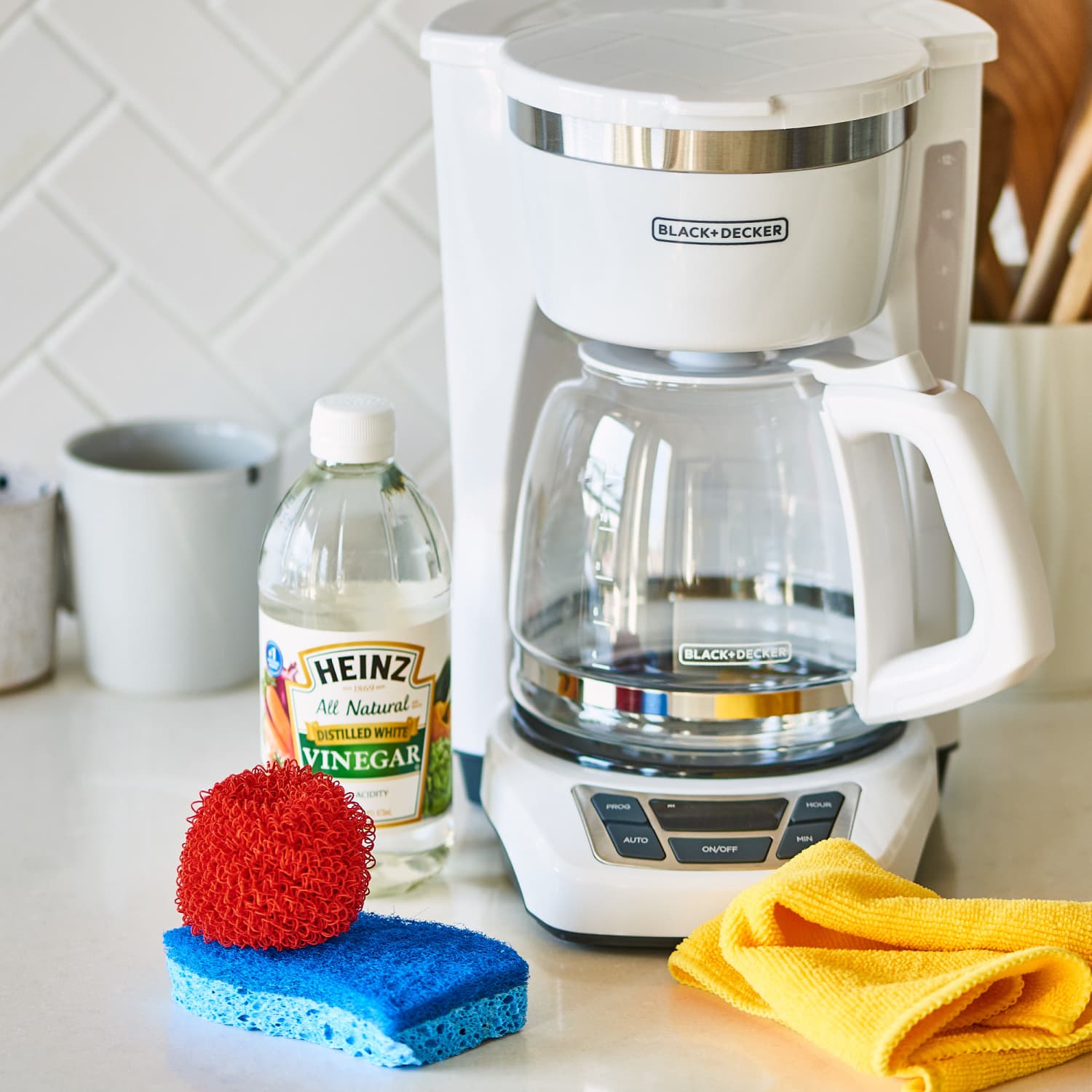
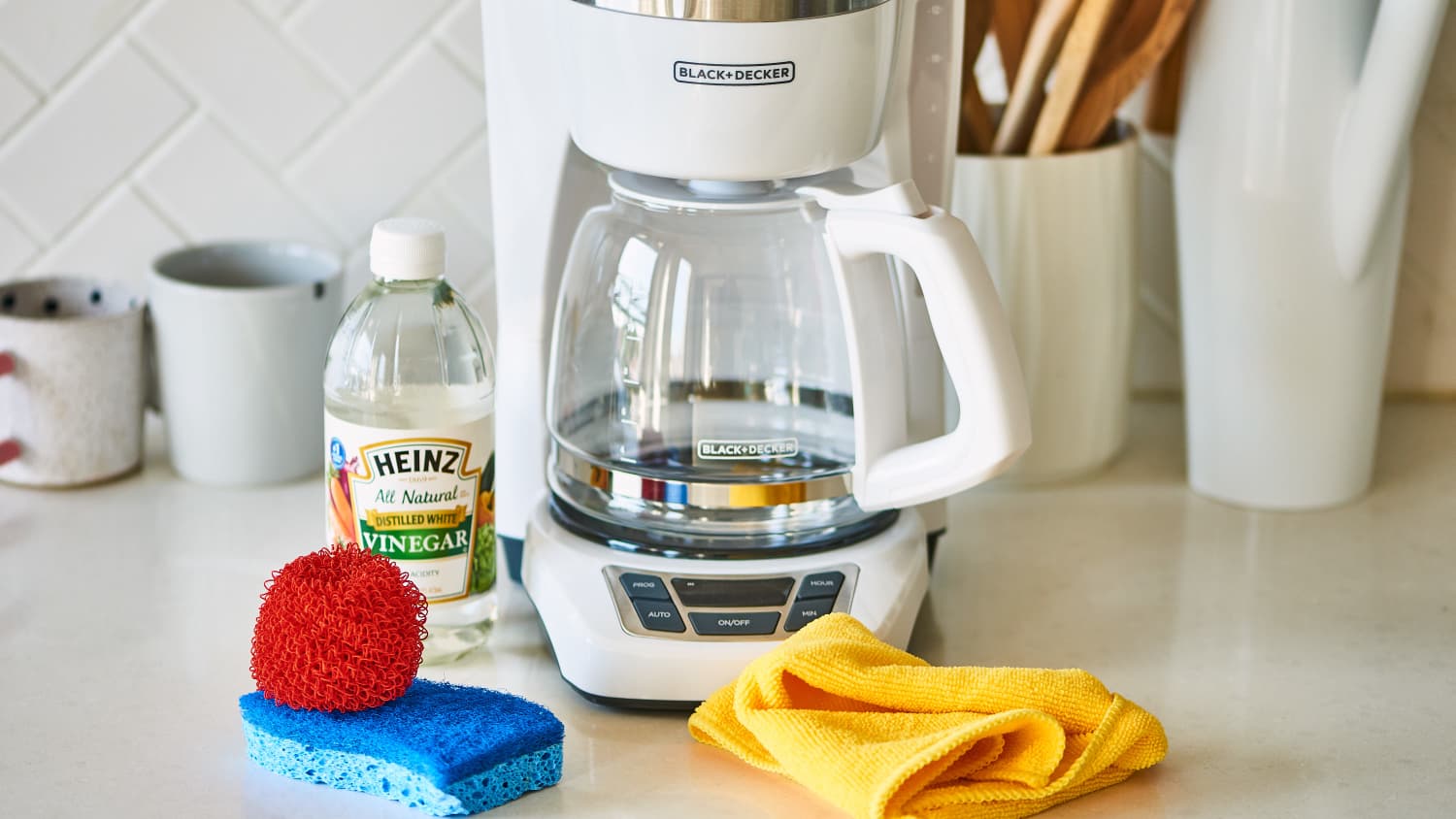
- White distilled vinegar 5% acidity is best for home use.
- Clean water filtered or tap is fine for rinsing.
- Dish soap a mild one for removable parts.
- Microfiber cloth for wipe-downs without scratches.
- Small brush or bottle brush to scrub the carafe and lid.
- Paper coffee filters if your machine uses them.
- Baking soda to test smells and help deodorize if needed.
Tip from experience: measure your reservoir volume first. This helps you mix the right amount for how to clean coffee maker with vinegar without waste.

Source: yayamarias.com
Step-by-Step: How to Clean Coffee Maker with Vinegar
Follow these steps for most drip coffee makers.
- Empty and prep
Remove the filter and grounds. Take out the carafe and basket. Wash removable parts with warm soapy water. Rinse and set aside. - Mix your solution
Use a 1:1 mix of white vinegar and water. For heavy scale, go 2 parts vinegar to 1 part water. For light maintenance, 1 part vinegar to 2 parts water can work. - Fill the reservoir
Pour in the vinegar mix. Place the empty carafe back on the plate. Add a paper filter if your machine needs one. - Start and pause
Begin a brew cycle. When the carafe is half full, stop or pause the cycle. Let it sit for 20 to 30 minutes. This soak breaks stubborn scale in the heater and lines. - Finish the cycle
Resume the brew to run the rest of the mix through. - Rinse well
Discard the used filter. Dump the carafe. Fill the reservoir with fresh water. Run two to three full water-only cycles. If you still smell vinegar, run one more rinse. - Wipe and dry
Wipe the exterior, lid, and warming plate. Clean the showerhead area with a damp cloth. Reassemble once dry.
That is the core of how to clean coffee maker with vinegar. Do this monthly for most homes. Do it more often if you brew many pots each day or have hard water.
Source: youtube.com
How Often to Clean and Descale
Think of care in three speeds.
- Daily care
Empty grounds. Rinse the carafe and basket. Leave lids open to air dry. - Weekly wash
Wash the carafe, basket, and lid with warm soapy water. Wipe the reservoir rim and the showerhead area. - Monthly descale
Run the full method for how to clean coffee maker with vinegar. If your water is very hard, do this every two weeks. If you use filtered water, every six to eight weeks may be fine.
Hard water leaves scale rings in kettles and on faucets. If you see those fast, your brewer needs more frequent care.
Source: thekitchn.com
Adapting the Method by Coffee Maker Type
Drip machines with glass or thermal carafes
Use the main steps above. For thermal carafes, use a bottle brush and warm soapy water. Avoid harsh pads that can scratch steel.
Single-serve brewers
Many have a descale mode. Fill the tank with a 1:1 vinegar mix. Start descale mode or run many small brew cycles without a pod. Let it sit 20 minutes midway. Then run water-only cycles until the smell is gone. Clean the puncture needles with a soft brush or paper clip. This is still how to clean coffee maker with vinegar, just in smaller bursts.
Espresso and super-automatic machines
Check the manual first. Some brands warn against vinegar, especially with aluminum boilers or sealed gaskets. Use the maker’s own descaler if vinegar is not advised. For safe models, a diluted mix can help the water path, but never run vinegar through the group if the manual forbids it. Backflush with detergent made for espresso.
Pour-over gear and French press
Soak the carafe or press in warm water with a splash of vinegar. Rinse well. This removes oil film and tea stains.
:max_bytes(150000):strip_icc()/clean-coffee-maker-with-vinegar-1907384-Final-e47a97b1dd8e4e8a9d3655cf9e87e9c6.jpg)
Source: thespruce.com
Safety, Materials, and When Not to Use Vinegar
Vinegar is mild, but it is still an acid. Do not mix it with bleach or other cleaners. That can make toxic fumes.
Check your manual before you start. Vinegar can be rough on some rubbers, silicone seals, and aluminum parts over time. If the maker says no, use their approved descaler instead. That still follows the goal of how to clean coffee maker with vinegar style care, with a safer product for that machine.
If odor lingers, add one water rinse with a pinch of baking soda. Then run a final plain water cycle. This neutralizes stray acid.

Source: youtube.com
Common Mistakes and How to Fix Them
- Using vinegar that is too strong
A 1:1 mix is plenty for most cases. If the smell sticks, add more rinses, not more acid. - Skipping the soak
That 20 to 30 minute pause matters. It gives acid time to break scale in tight spots. - Not rinsing enough
Run at least two water-only cycles. Three is safer. Taste the rinse water if you are unsure. - Using scented vinegar
Avoid it. Use plain white vinegar only. - Forgetting the needle or showerhead
Clogs hide here. Brush them gently. - Mixing cleaners
Never mix vinegar with bleach or other chemicals.
Each fix helps you master how to clean coffee maker with vinegar without risk or bad taste.
Source: creativehomemaking.com
Personal Tips From the Bench
I once helped a small office with a bitter, weak brew. The fix was simple. We mapped a schedule for how to clean coffee maker with vinegar every four weeks. We also paused the first cycle for 25 minutes. Flow improved right away, and taste snapped back.
At home, I label a squeeze bottle “Vinegar Mix 1:1.” I fill the reservoir right from it. This saves time and keeps my ratio exact. I also set a phone reminder for the first Monday of the month. Habit beats guesswork.
Eco-Friendly and Cost Benefits
Vinegar is low-cost and low-waste. One clean costs pennies. Most brand descalers cost more and ship in plastic. Both work, but vinegar is a simple start.
You also use less power. A clean machine heats and flows better. That means shorter brew times and fewer do-overs. If you care about budget and taste, learning how to clean coffee maker with vinegar gives a quick win.
Troubleshooting Taste and Performance After Cleaning
If coffee tastes like vinegar, rinse again. Two more water-only cycles should clear it. You can add a tiny pinch of baking soda to one rinse if needed.
If flow is still slow, repeat a stronger 2:1 vinegar cycle with a longer soak. Replace your paper filter brand if you notice paper taste. If leaks appear, check gaskets and the carafe lid. When in doubt, check the manual for parts and approved cleaners.
Frequently Asked Questions of how to clean coffee maker with vinegar
Can I use apple cider vinegar instead of white vinegar?
Yes, but it can leave more odor and slight color. White distilled vinegar is cleaner and easier to rinse out.
How long should vinegar sit in the machine?
Let it soak 20 to 30 minutes during the first cycle pause. This helps dissolve scale deep in the lines and heater.
How many rinse cycles do I need after cleaning?
Run at least two full water-only cycles. If you still smell vinegar, run a third rinse.
Is vinegar safe for stainless steel and glass?
Yes, white vinegar is safe for both when diluted. Rinse well and avoid abrasive scrubbers.
Can I clean a Keurig or single-serve brewer with vinegar?
Yes, unless the manual says to use only branded descaler. Use many small brew cycles and clean the needles.
Will vinegar remove mold and bacteria?
Vinegar helps, but it is not a hospital-grade sanitizer. Regular cleaning and drying parts after use gives the best result.
Should I use filtered water after cleaning?
Yes, filtered water can slow scale and improve taste. It may also let you descale less often.
Conclusion
A clean brewer makes better coffee. Now you know exactly how to clean coffee maker with vinegar, how often to do it, and how to adjust for your machine. Keep it simple, stay regular, and rinse well.
Set a date on your calendar and do your first clean today. Your next cup will thank you. Want more quick kitchen guides like this? Subscribe, share this with a friend, or drop your questions in the comments.


