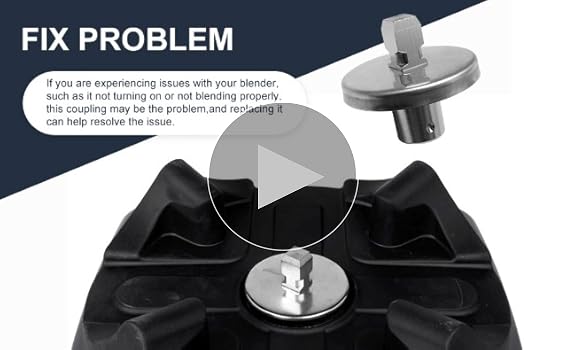

Check outlet, cord, lid interlock, and reset; replace fuse or switch if needed.
If your countertop friend now sits silent, you’re in the right place. I’ve fixed many silent blenders over the years, and most issues are simple. This guide on blender not turning on fix walks you through fast checks, deeper tests, and safe repairs. You will learn why a blender stays dead, what to try first, and when to call in support. Let’s bring that motor back to life without guesswork.
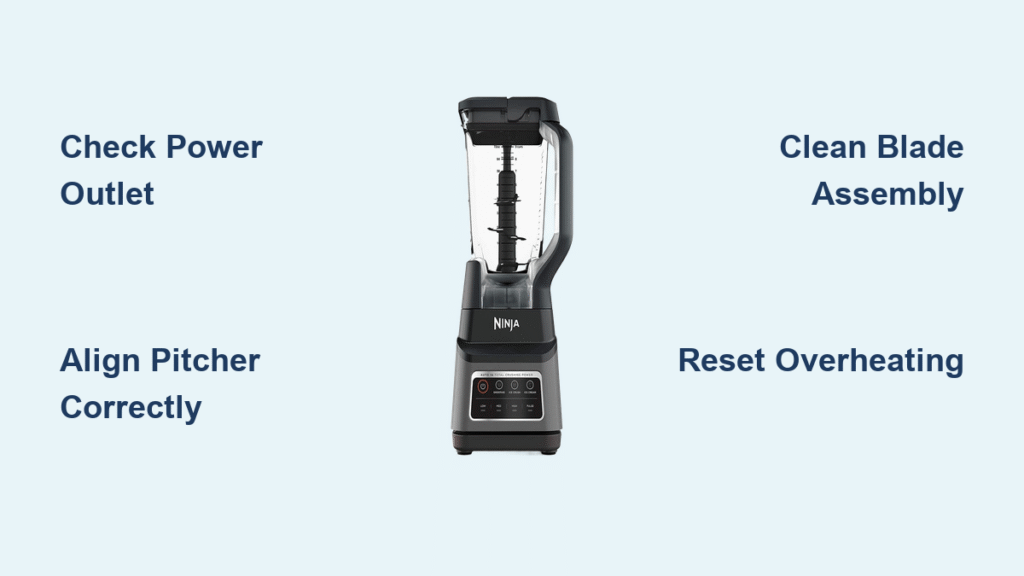
Source: blenders24.best
Safety first: unplug and understand how power flows
Before any blender not turning on fix, pull the plug. A blender is a simple chain: wall power to cord, cord to switch, switch to safety interlocks, then to the motor. If one link fails, nothing runs.
A quick safety setup helps. Work on a dry counter. Use a bright light. Keep metal tools away from live parts. If you open the base, you accept risk and may void your warranty. When unsure, stop and use service.
In my shop, most no-power issues are simple. Many are bad outlets, tripped GFCIs, or a jar not seated. Let’s start there.

Source: youtube.com
The essential checklist: quick blender not turning on fix steps
Use these steps in order. Most jobs end in the first few minutes.
- Confirm the outlet works. Test it with a lamp or phone charger.
- Reset the GFCI outlet or kitchen breaker. Press the reset button.
- Try a different outlet on another circuit. Avoid power strips.
- Inspect the cord and plug. Look for cuts, kinks, or burn marks.
- Seat the jar and lid fully. Many blenders will not start unless interlocks click.
- Check for a reset button under the base. Press and hold for 3 seconds.
- Try different speed settings or pulse. Some control knobs fail on one setting.
- Let it cool. If it overheated, wait 20 to 30 minutes before retrying.
If it still will not run, move to deeper tests. This keeps your blender not turning on fix logical and safe.

Source: blenders24.best
Power and outlet diagnostics
Power problems hide in plain sight. Ruling them out helps.
- Test the outlet with a small lamp. If the lamp is dark, fix the outlet first.
- Look for a tripped GFCI. Many kitchens share one GFCI. Press reset.
- Check the breaker panel. A half-tripped breaker looks on, but it is not. Turn it off, then on.
- Remove surge protectors. Some block high inrush current that motors need.
What I see often: a customer thinks the blender is dead. We plug it into a known good outlet, and it fires right up. Do this before any tear-down. It is the fastest blender not turning on fix of all.
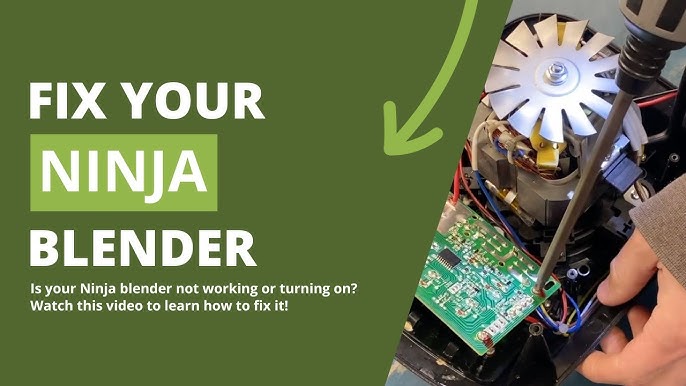
Source: youtube.com
Interlocks, jar seating, and controls
Most modern blenders have safety switches. If the jar or lid is not aligned, the circuit stays open.
- Jar tabs must sit in the base slots. Wiggle gently until you hear a click.
- Lids with pour caps often have pins that press a switch. Press them down.
- For personal blenders, cups must lock and twist until arrows align.
- Inspect the control knob or buttons. If one is sticky, clean with a damp cloth and mild soap. Dry well.
A real case: A Ninja-style unit came in “dead.” The cup was cross-threaded by one notch. We reseated it, and it ran fine. A clean, seated jar is a legit blender not turning on fix.

Source: blenders24.best
Internal components: fuses, thermal protector, motor, and wiring
If the basics fail, the issue may be inside. Unplug first. If you are not comfortable, seek service.
What to check
- Thermal protector. Many motors have a resettable thermal cutoff. If the blender stopped hot, let it rest for 30 minutes and try again.
- Non-resettable fuse. Some bases hide a small inline fuse. If it is open, the blender stays dead. Replacing it needs solder skills and the correct rating.
- Switch continuity. A worn power switch can fail. With a multimeter, test for continuity when the switch is on.
- Interlock switch. Press the switch by hand with the base open. It must click and show continuity.
- Motor windings. Measure resistance at the motor leads. An open circuit means a burned winding.
- Wiring and terminals. Look for loose spades, heat discoloration, or cracked solder joints.
What I have learned
- A burnt smell plus silence often means motor or board damage.
- Cheap units use thermal fuses that blow once. Replace with the exact part only.
- Brushes are rare on newer blenders, but older models may have them. Worn brushes cause no-start and sparking.
Do not bypass safety switches. They protect you from blades that start by accident. A proper part swap is the only safe blender not turning on fix here.

Source: youtube.com
Troubleshooting by brand or style
Every maker adds quirks. These notes may speed your blender not turning on fix.
- High-performance blenders. Some have external reset buttons under the base. Press it after a cool-down.
- Single-serve bullet blenders. The cup must push three tabs to close three switches. Clean the tabs and lube lightly with food-safe spray.
- Multi-speed touch panels. Spills can short membrane buttons. Unplug, open the panel if skilled, and dry for 24 hours.
- Smart blenders with sensors. If you see error codes, check the manual for lid or jar detection errors.
Brand patterns I see
- Units with twist-to-lock cups fail from sticky rails. Cleaning fixes many.
- Models with soft-start boards can fail after surges. A surge strip helps later.

Source: blenders24.best
When to repair or replace
A wise blender not turning on fix also weighs time and cost.
Repair if
- The unit is under warranty. Contact support before opening the base.
- The fault is external. Outlet, GFCI, jar seat, or a stuck button.
- A known part is cheap. A switch, gasket, or cup ring is low-cost and fast.
Replace if
- The motor winding is open or the control board is burnt.
- The jar, coupler, and base are all worn. Stacking parts costs more than a new unit.
- You need more power or better safety features for daily use.
Price guide from my bench
- Switch or interlock replacement is low.
- Thermal fuse or cord replacement is low to medium.
- Motor or control board is high. Often not worth it on budget blenders.
Document the model and serial number. This speeds parts search and support. A calm checklist saves money and is the best long-term blender not turning on fix.

Source: youtube.com
Preventive habits to avoid future no-power issues
Healthy habits keep your blender ready.
- Seat lids and jars with care. Do not force threads or tabs.
- Do short pulses for thick loads. Give the motor airflow between runs.
- Keep liquids out of the base. Wipe spills at once.
- Store with a loose cord wrap. Tight coils stress the wire at the plug.
- Use a surge protector with a motor-friendly rating.
I teach customers to listen. A strained, low hum means overload. Stop, add liquid, and pulse. This single tip prevents overheats and becomes a quiet blender not turning on fix you never need.
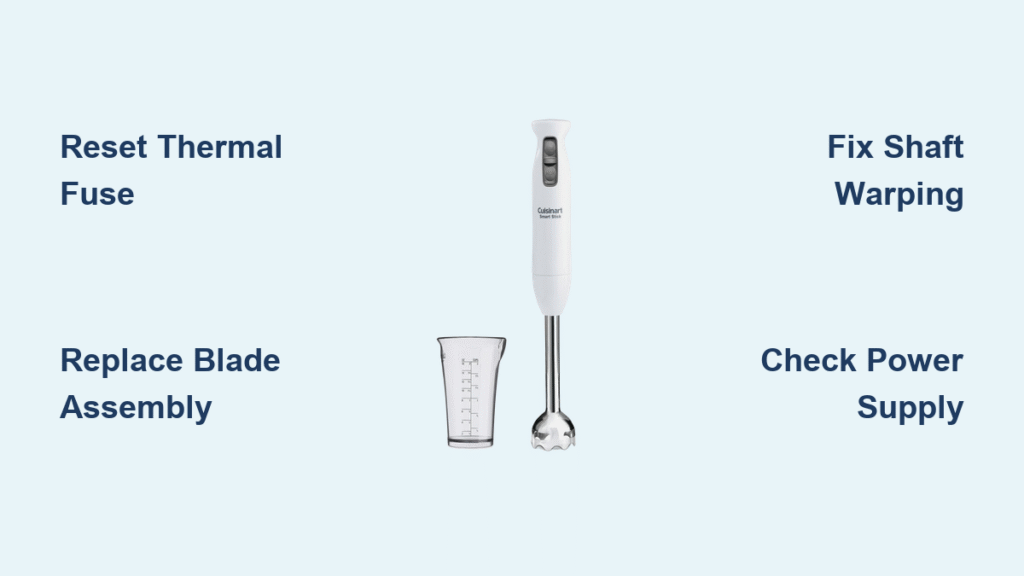
Source: blenders24.best
Frequently Asked Questions of blender not turning on fix
Why did my blender stop mid-blend and not turn back on?
It likely overheated and tripped a thermal protector. Unplug, wait 20 to 30 minutes, then try again on a lower load.
Can a bad power strip cause my blender to stay off?
Yes. Some strips limit startup current. Plug the blender into a wall outlet to test and avoid daisy-chains.
How do I know if the lid or jar interlock is the problem?
If the motor runs when you press the interlock switch by hand, that is the issue. Clean the tabs and seat the jar or lid until it clicks.
Is it safe to replace a thermal fuse myself?
Only if you are skilled and use the exact rated part. A wrong fuse can be dangerous and void the warranty.
My blender shows no lights at all. What should I check first?
Start with the outlet, GFCI, and breaker. Then inspect the cord, try another outlet, and reseat the jar and lid.
Could the motor be fine but the switch be bad?
Yes. A failed switch or control board can block power even with a healthy motor. A quick continuity test confirms it.
Are there signs I should replace instead of repair?
Burnt smells, charred boards, or an open motor winding point to replacement. When key parts add up in cost, a new blender is smarter.
Will cleaning help with a blender not turning on fix?
Often. Dried food under the buttons or on the interlock can stop contact. A careful clean can restore function fast.
Conclusion
A silent blender is frustrating, but the fix is usually simple. Start with the outlet, reset buttons, and a clean, seated jar. Move step by step to switches, fuses, and wiring only if needed. Use your warranty, and do not bypass safety parts.
Take action today. Run through the checklist, note your model number, and try the easy wins first. If this guide helped, share your result, subscribe for more home fixes, or drop a question so we can help with your blender not turning on fix.