Pick a blender that matches your recipes, power needs, jar size, and budget.
If you want to master How to Choose Blender, you are in the right place. I test blenders for real life: smoothies at 6 a.m., hot soups at night, and nut butter on weekends. I will show you How to Choose Blender with clear steps, simple checks, and lessons from years of use. You will leave with a plan, not guesswork.
Start with your needs and recipes

Before you compare watts and blades, list what you blend most. Your recipes define the right tool. This is the fastest way to get a blender you will love.
Think about:
- Daily smoothies with frozen fruit or leafy greens
- Hot soups, sauces, or baby food
- Nut butters, hummus, or thick dips
- Crushed ice for drinks
- Small single-serve shakes on the go
- Light tasks: soft fruit smoothies, dressings, protein shakes. A personal blender is fine.
- Mixed tasks: daily smoothies, ice, sauces. A mid-range countertop model works.
- Heavy tasks: frozen fruit, nut butter, grain milling, hot soup. A high-speed blender is best.
This step is the core of How to Choose Blender. When your use case is clear, the rest gets easy.
Power, blades, and performance
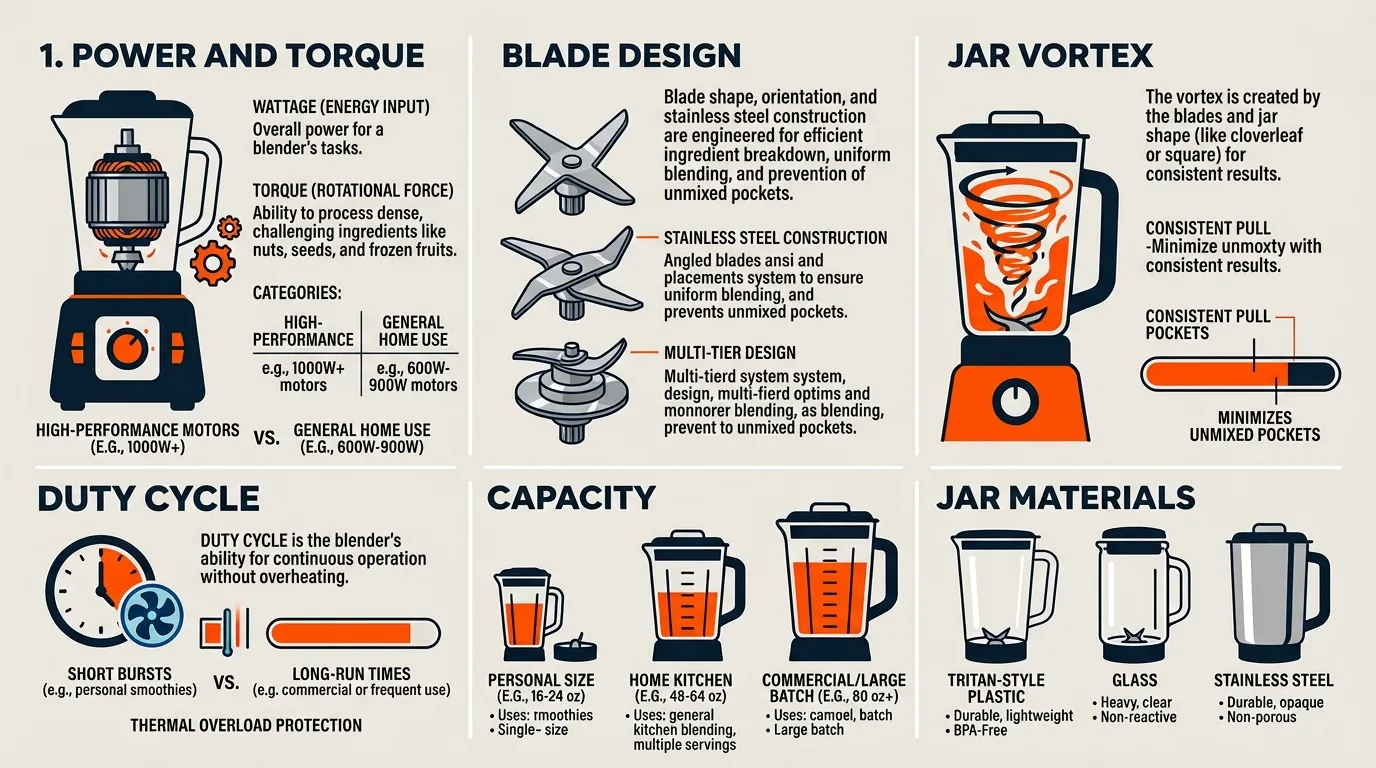
Power is not only about big watt numbers. You want steady torque, sharp blades, and smart airflow so the motor stays cool.
What matters most:
- Wattage and torque: 600–900 watts handles soft blends. 1000–1500 watts handles frozen fruit. 1500+ watts is for nut butter and grain.
- Blade design: Four to six blades at mixed angles pull food down. Dull blades can work in high-speed units that rely on friction. Sharp blades help in mid-range models.
- Jar vortex: A good vortex moves chunks into the blades. A tamper helps with thick blends.
- Duty cycle: Can it run for 3 minutes without overheating? Check the manual for limits.
My note: I once bought a 900-watt unit for nut butter. It stalled and smelled hot. I learned that for heavy jobs, power plus a tamper is key. That is a big lesson in How to Choose Blender.
Jar size and materials
The jar is where comfort meets safety. Pick size and material that fit your space, hands, and heat needs.
Capacity:
- 16–24 oz for single-serve cups
- 32–48 oz for small families
- 64–72 oz for big batches or meal prep
Materials:
- Tritan plastic: light, tough, often BPA-free, safe for daily use
- Glass: clear and scratch resistant, heavier, not ideal for very high speeds or heavy ice
- Stainless steel: great for heat, durable, no stains, you cannot see inside
Check fit:
- Will it fit under your cabinets with the lid on?
- Is the handle easy to grip?
- Does it have clear ounce and milliliter marks?
These small checks save returns and boost joy. It is a simple win in How to Choose Blender.
Controls, speed, and presets
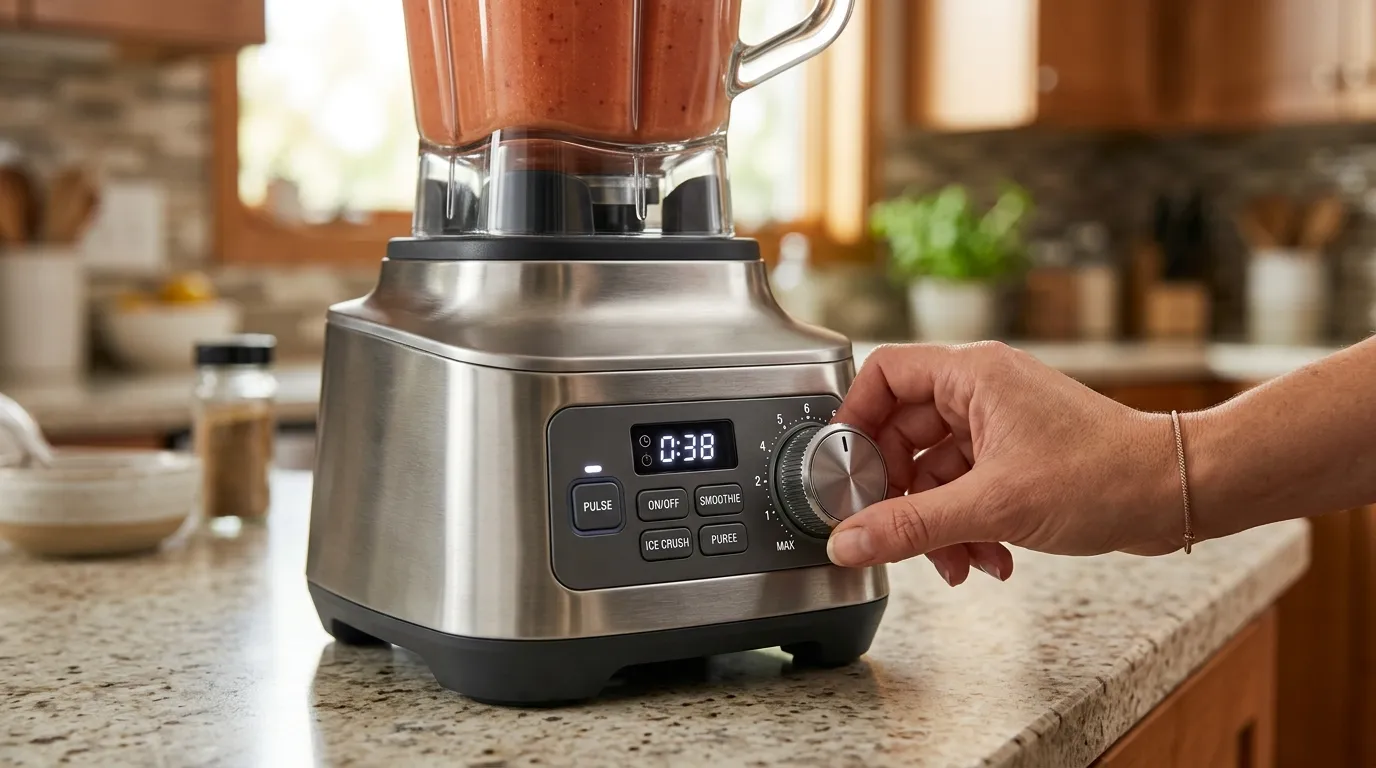
Controls should match your style. Some like simple knobs. Others want presets and timers.
Look for:
- Variable speed: Smooth ramp-up helps get a fine texture
- Pulse: Short bursts to chop without puree
- Presets: Smoothie, ice crush, soup, clean cycles can save time
- Timer: Great for set-and-forget blends
Manual vs presets:
- If you tweak texture a lot, a manual dial is great.
- If you press one button and walk away, presets help.
I prefer a dial plus a pulse button. It gives me full control for thick dips and quick salsas. That is my shortcut for How to Choose Blender that fits real cooks.
Noise, cleanup, and maintenance
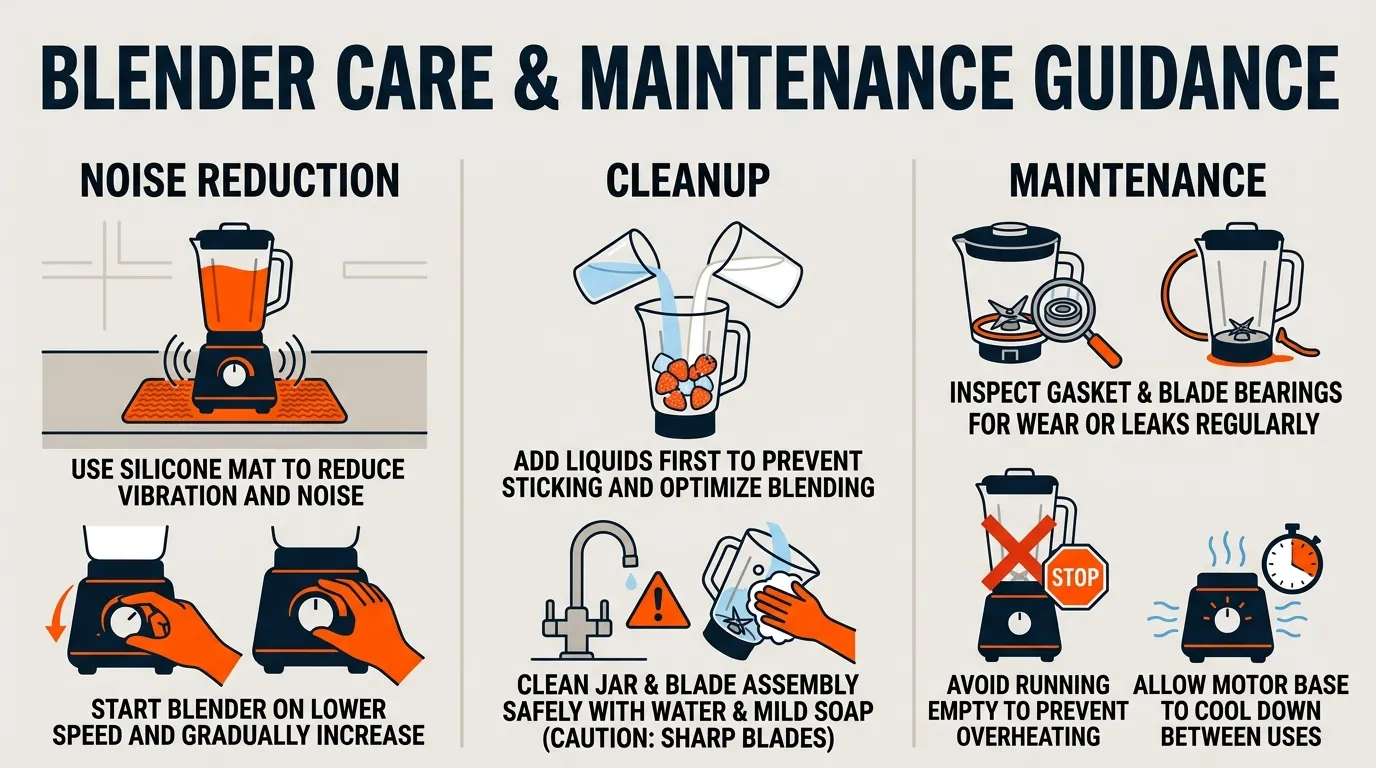
Blenders can be loud. Thick jars and smart bases reduce noise. Rubber feet help too.
Noise tips:
- Put a silicone mat under the base
- Blend at lower speed first, then ramp up
- Add liquid first to cut cavitation
Cleanup:
- Self-clean: Warm water, a drop of soap, 30 seconds on high
- Removable blade: Handy but watch for leaks after many washes
- Dishwasher safe: Check the manual, heat can warp some plastics
Maintenance:
- Inspect gaskets and blade bearings for wear
- Do not run dry; it stresses the motor
- Let the base cool between long blends
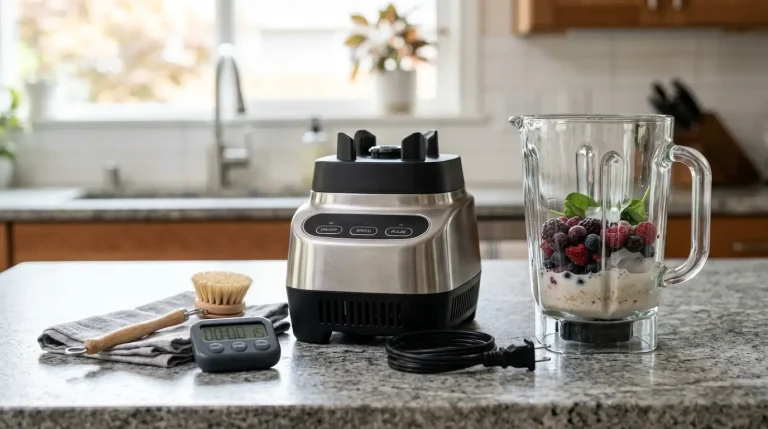
I keep a tiny brush by the sink. Two minutes of care makes a blender last for years. That habit is part of How to Choose Blender for long-term value.
Safety, build quality, and warranty
Safety is not a bonus. It is a must. Good blenders lock the jar, stop when hot, and guard the blades.
Key features:
- Interlock system: No spin unless the jar is seated
- Overheat protection: Saves the motor
- Venting lid: Needed for hot soups to release steam
- Non-slip base: Stops walking on the counter
Build and trust:
- Solid jar threads and a firm lid seal
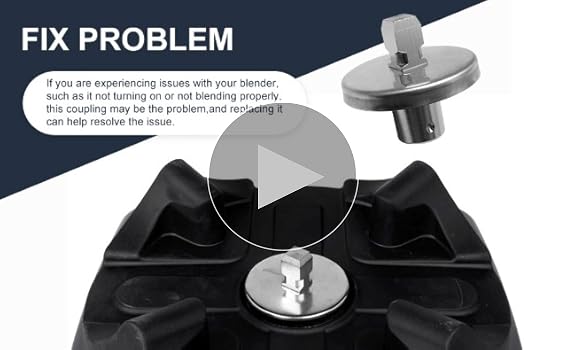
- Metal drive coupling in higher-end units
- Clear, written warranty terms, 2–7 years on top tiers
I have returned blenders with flimsy lids. A firm click builds trust. This is a quiet, key signal in How to Choose Blender with safety first.
Budget tiers and value picks
You do not need the most expensive model. Match budget to jobs.
Typical tiers:
- Entry level: Good for shakes, soft fruit, dressings
- Mid range: Best value for daily smoothies and ice
- High performance: For heavy blends, nut butter, hot soup, and silky textures
How to save:
- Buy last year’s model when a new one launches
- Look for bundles with extra cups if you meal prep
- Check refurb units from the maker with a real warranty
This money map is a smart way to guide How to Choose Blender without regret.
Try before you buy: tests and checks
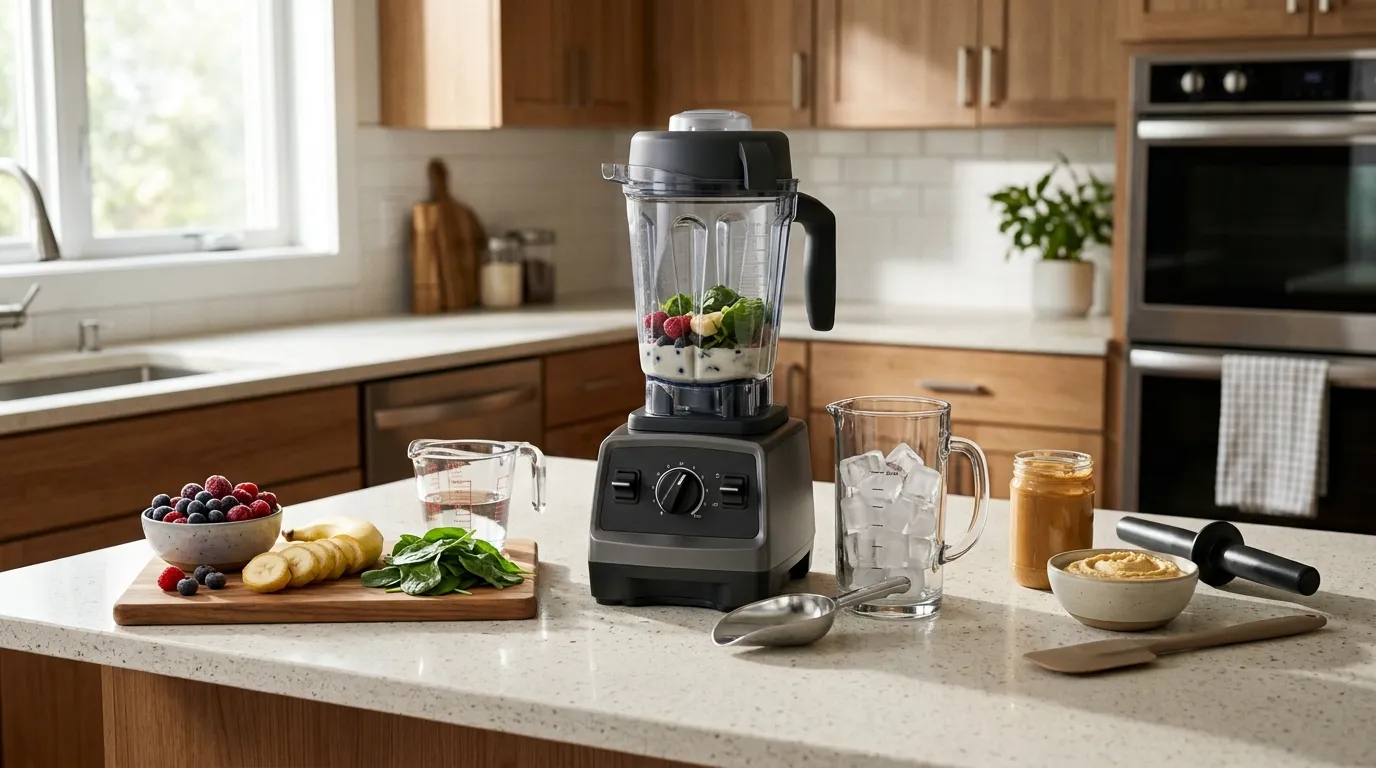
You can test performance at home fast. Use the same recipe on day one.
Simple tests:
- Smoothie test: Frozen berries, a banana, greens, and water. Look for even texture with no chunks.
- Ice crush test: One cup of ice. Check for slush, not shards.
- Thick blend test: Peanut butter or hummus. See if the tamper helps and if the motor strains.
Online checks:
- Read the manual for duty cycle and care
- Scan real user notes about noise, leaks, and service
- Confirm return window and parts availability
I learned to blend water first. If a jar leaks with water, it will leak worse with soup. Small habits like this shape How to Choose Blender like a pro.
Common mistakes and pro tips

Avoid these mistakes:
- Buying only by watts and ignoring jar design
- Skipping a tamper when you make thick blends
- Picking a tall jar that does not fit your cabinets
- Forgetting noise level if you blend early or late
- Ignoring warranty and parts access
Pro tips:
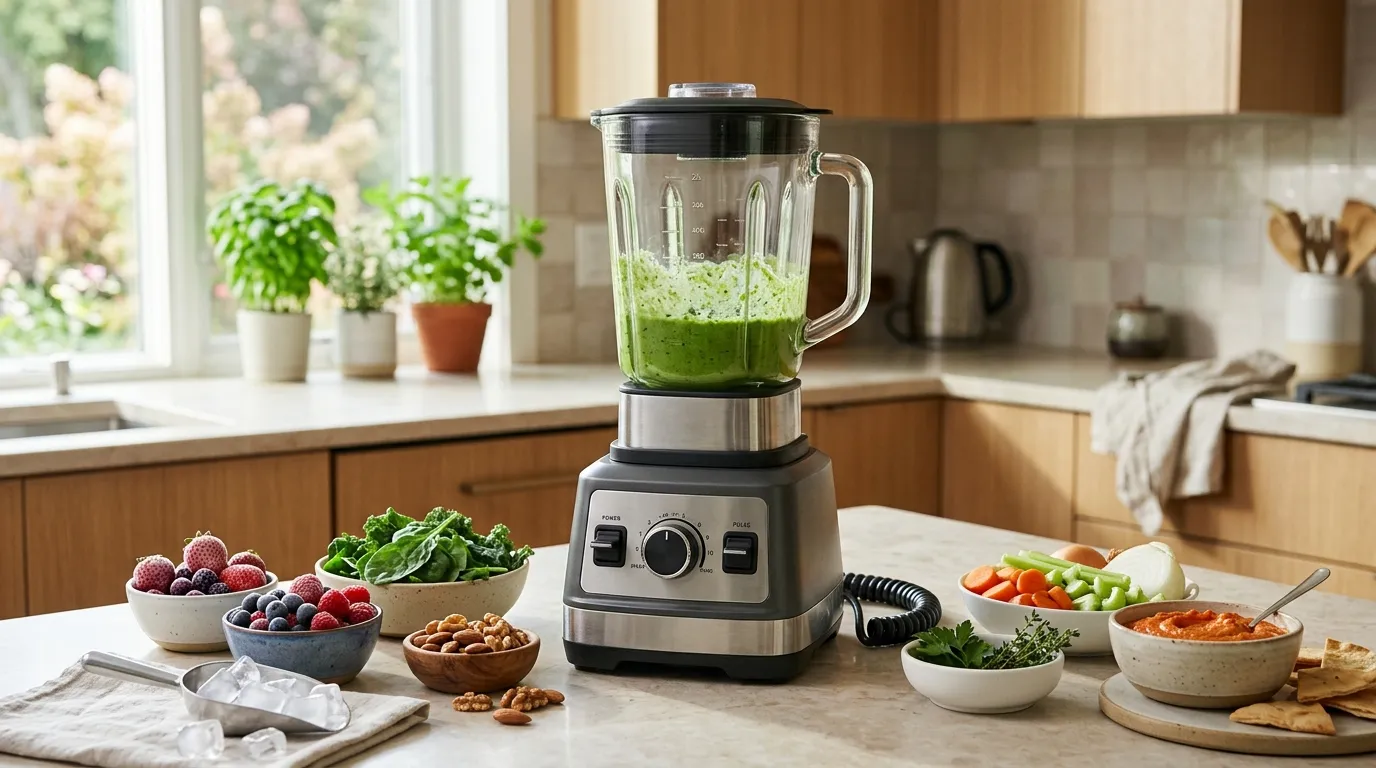
- Always add liquid first, soft foods next, hard items last
- Use pulse for salsa to avoid puree
- Rest the motor between long runs to extend life
- Label jars for spicy vs sweet to avoid flavor carryover
These small moves lock in success. They turn How to Choose Blender into How to Love Your Blender.
Frequently Asked Questions of How to Choose Blender
What blender type should I pick for daily smoothies?
A mid-range countertop blender with at least 1000 watts and a sturdy jar works well. Add a tamper if you use lots of frozen fruit or greens.
Is a high-speed blender worth it for home cooks?
Yes if you want silky blends, hot soup, or nut butter. For simple shakes, a personal blender is enough.
Glass or plastic jar: which is better?
Plastic is light and tough, great for daily use. Glass is clear and resists stains but is heavier and not ideal for heavy ice at high speeds.
How loud are blenders, and can I reduce noise?
Most high-speed units are loud, like a vacuum. Use a silicone mat, close a door, and start slow to reduce noise.
How long should a good blender last?
With care and a solid warranty, 5–10 years is common for good models. Clean well, do not run dry, and let the motor cool.
What size blender do I need for a family of four?
A 64-ounce jar covers most family needs and meal prep. If you make single servings too, get a bundle with personal cups.
Do presets matter or is manual control enough?
Presets help for one-touch blends. A speed dial offers more control for texture and chopping.
Conclusion
You now have a clear plan for How to Choose Blender that fits your life. Start with your recipes, match power and jar size, check controls, and confirm safety and support. Test fast at home and keep what works.
Act today. List your top three uses and set your budget. Then apply this guide to pick with confidence. Want more tips like this? Subscribe, share your favorite blender trick, or drop a question in the comments.