
Set up zones, smart tools, and a stocked pantry to cook healthier.
If you want to eat better without stress, start by fixing your space. I have taught home cooks and led test kitchens. I’ve seen how small changes can bring big wins. In this guide, I share healthy cooking setup tips that save time, cut waste, and make flavor shine. This is a clear, friendly roadmap you can use today.
Source: nasm.org
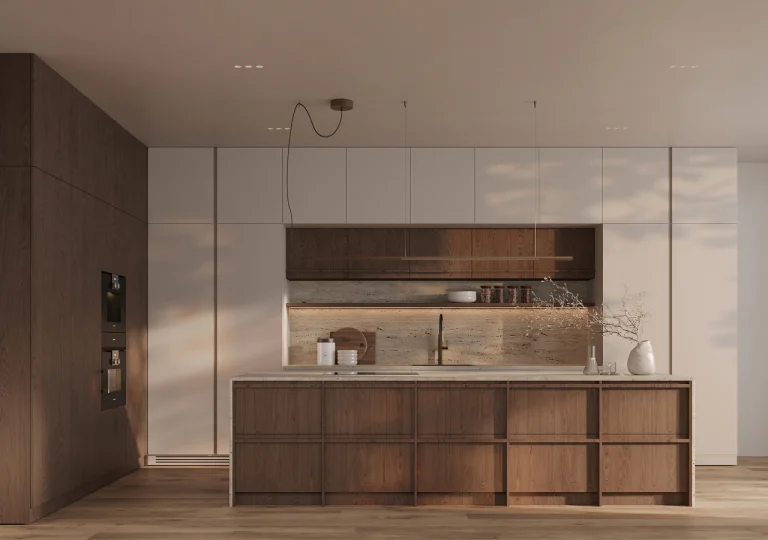
Build a health-first kitchen layout
Healthy cooking setup tips work best when your kitchen flows. Create simple zones: prep, cook, clean, store, and serve. Keep your cutting board, knife, towel, and compost bin in one reach. Place oil, salt, pepper, and a heat-safe spatula by the stove.
Make produce the star. Put washed greens, berries, and carrots at eye level in the fridge. Keep a fruit bowl near the sink or coffee maker. You will grab what you can see.
From my coaching work, a clean counter is the top win. Clear one landing zone the size of a sheet pan. It lowers friction and boosts follow-through.

Source: tasteofhome.com
Stock a smart pantry for fast, clean choices
A strong pantry turns healthy cooking setup tips into fast meals. Focus on whole grains, lean proteins, and big flavor. Build a base that supports last-minute plans.
Starter list:
- Grains: brown rice, quinoa, oats, whole-grain pasta.
- Proteins: canned beans, lentils, chickpeas, tuna or salmon.
- Flavor: canned tomatoes, tomato paste, coconut milk, low-sodium broth.
- Oils and acids: extra-virgin olive oil, avocado oil, vinegars, citrus.
- Spices: cumin, paprika, garlic powder, chili, cinnamon, oregano.
- Boosters: nuts, seeds, tahini, nut butters, soy sauce or tamari.
Use clear bins and labels. Store duplicates behind the open item. First in, first out saves money and avoids stale stock. Frozen vegetables and fruit are a gift on busy nights.
Source: harvard.edu
Choose cookware and tools that support healthy cooking
Tools shape habits, so pick gear that makes lighter cooking easy. These healthy cooking setup tips help you cook with less oil and more control. You do not need a huge set.
Essentials I trust:
- Pans: stainless steel for searing, cast iron for heat, nonstick for eggs.
- Pots: a 3-quart saucepan and a 5- to 7-quart Dutch oven.
- Steam and bake: a steamer basket and two rimmed sheet pans.
- Prep: an 8-inch chef’s knife, paring knife, peeler, microplane.
- Accuracy: instant-read thermometer, digital scale, measuring spoons and cups.
- Utensils: silicone spatulas, tongs, and a fine-mesh strainer.
Avoid scratched nonstick pans. High heat can damage coatings. Cast iron can add a small iron boost, which helps some people. Keep knives sharp. A sharp blade reduces slips and waste.

Source: julielohre.com
Create prep zones and a weekly workflow
Healthy cooking setup tips shine when you plan small. Use simple systems. Start with mise en place. That means you wash, chop, and measure before you cook.
Try this weekly flow:
- Shop once with a short list and a meal sketch.
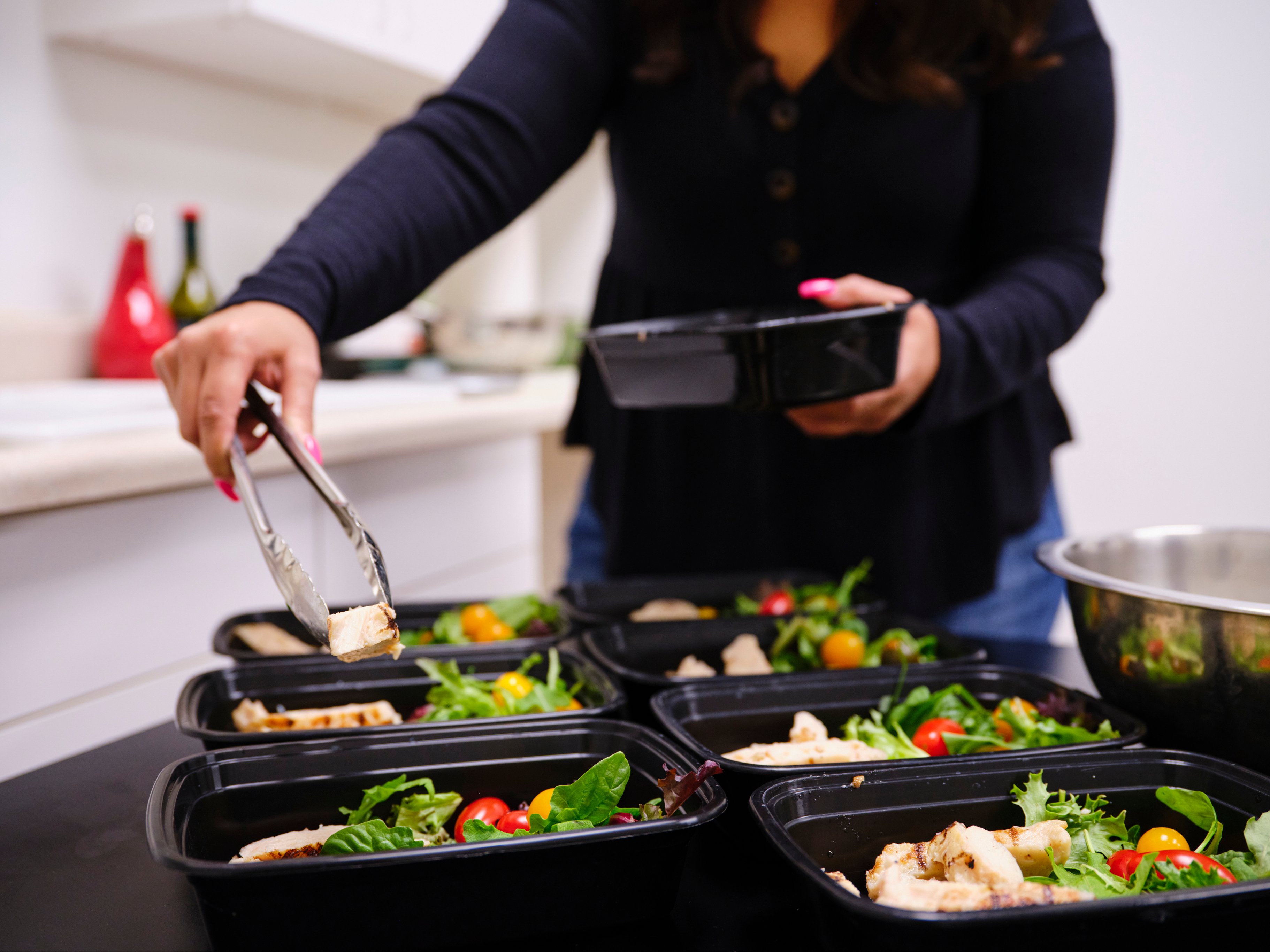
- Prep once for 45 minutes after you unload.
- Cook more in less time on two nights.
Batch ideas:
- Grains: cook a pot of brown rice or quinoa.
- Veg: roast two sheet pans of mixed vegetables.
- Protein: bake chicken thighs or tofu.
- Sauce: stir up a yogurt-herb sauce and a vinaigrette.
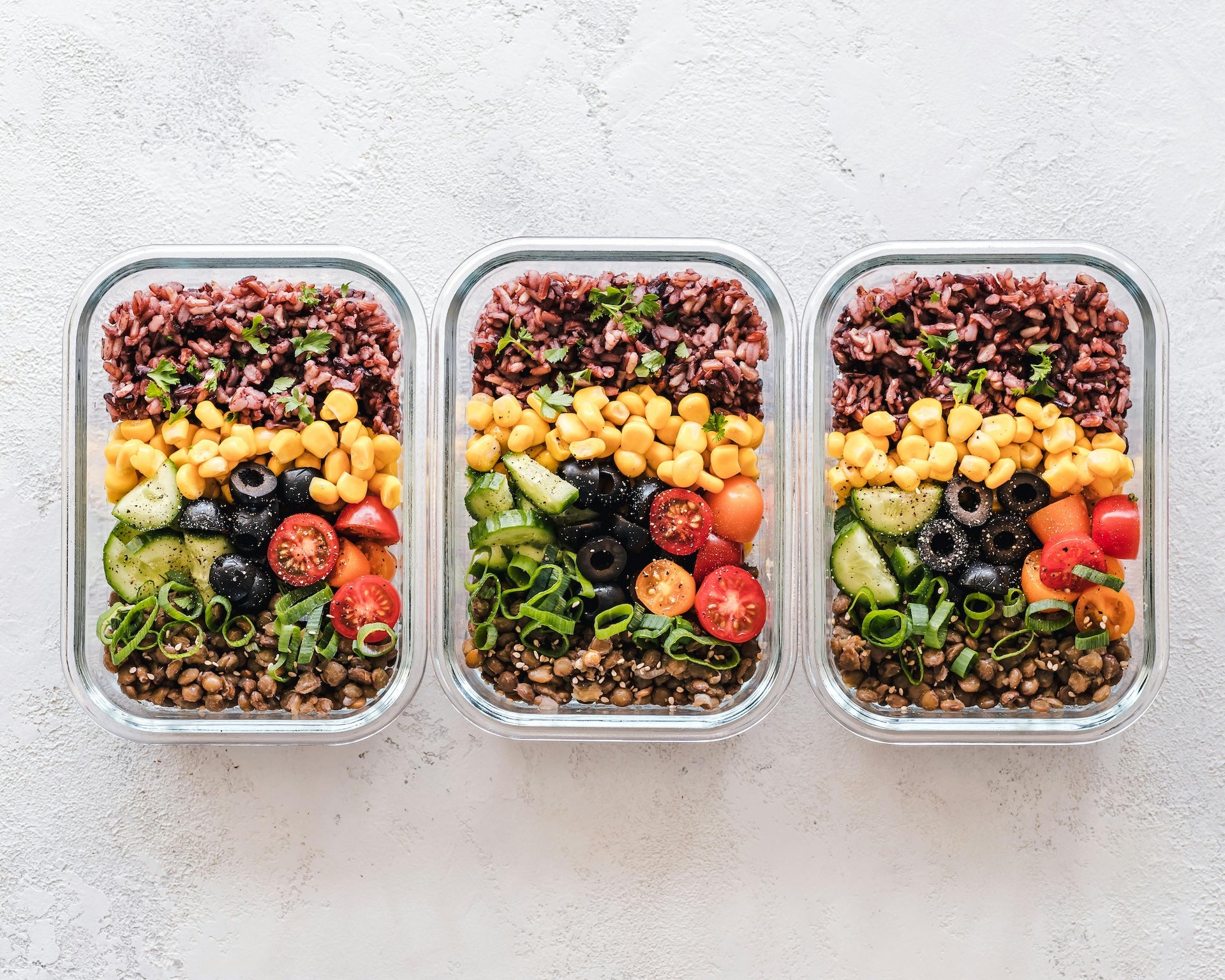
Store in clear glass containers. Label with the name and date. Place ready-to-eat items at eye level. I use a whiteboard on the fridge to track what needs using next.

Source: youtube.com
Flavor big, with less salt, sugar, and fat
Healthy cooking setup tips should make food taste great. Build flavor with heat, acid, herbs, and umami. Use short, bright steps.
Techniques that help:
- Roast to bring out sweetness and color.
- Sear for browning, then finish with steam or broth.
- Steam to keep texture and nutrients.
- Pressure cook beans fast, then season after.
Use acid like lemon juice or vinegar at the end. It wakes up dishes, so you need less salt. Toast spices and seeds to unlock aroma. My go-to marinade is 3 parts acid, 2 parts aromatics, 1 part oil. Add herbs, rest for 30 minutes, then cook hot and fast.
Source: anveshan.farm
Appliances that make healthy cooking easy
Pick a few helpers that earn their space. These healthy cooking setup tips focus on tools that cut time and oil. Keep them plugged in and within reach.
Great choices:
- Air fryer for crisp veg and fish with little oil.
- Pressure cooker for beans, grains, and stews in a flash.
- Slow cooker for hands-off soups and shredded meats.
- High-speed blender for smoothies, soups, and sauces.
- Food processor for fast chopping and slaws.
- Rice cooker for perfect grains every time.
Each has limits. Air fryers have small baskets. Pressure cookers need liquid to work well. Read the manual for safe use. Use timers to avoid overcooking.

Source: amazon.com
Food safety, storage, and portion control
Safety makes your plan last. Healthy cooking setup tips fail if food spoils or portions swell. Use simple rules you can keep.
Key steps:
- Chill leftovers within two hours in shallow containers.
- Reheat to 165°F for safety.
- Keep raw meat on the bottom shelf.
- Thaw in the fridge, not on the counter.
Portion tips:
- Use a 9-inch plate to guide balance.
- Fill half with vegetables, one quarter with protein, one quarter with grains.
- Serve sauces on the side and taste as you go.
I once left a big pot of soup out overnight. I had to toss it. Since then, I cool in smaller containers and set a phone alarm when dinner ends.
Source: 7daysofplay.com
Budget- and planet-friendly choices
Healthy cooking setup tips also help your wallet and the planet. Plan around seasonal produce and bulk dry goods. Reduce waste and reuse what you can.
Easy wins:
- Buy onions, carrots, and greens in season.
- Cook from dried beans and freeze in portions.
- Save vegetable ends for broth.
- Use silicone mats instead of parchment.
- Store grains and nuts in jars to prevent pests.
Organic is not always in budget. Wash produce well and choose where it counts for you. Focus on variety and fiber first. Track what you toss for two weeks. Then adjust buys to match real use.

Source: amazon.com
Habit design and motivation that stick
You do not need willpower alone. Healthy cooking setup tips work best with habits. Shape your cues, make it easy, and reward the action.
Try this:
- Set a fruit bowl by your keys as a grab cue.
- Prep one veggie the moment you unpack groceries.
- Use the two-minute rule. Start small, like washing greens.
- Pair cooking with music or a podcast you love.
I keep a checklist on the fridge. When I tick off prep, I brew a tea as a win. Small rewards keep the loop alive. Invite a friend to cook once a week. Social cooking builds joy and skill.
Frequently Asked Questions of healthy cooking setup tips
What are the first three healthy cooking setup tips I should follow?
Clear one counter zone, sharpen your knife, and stock a basic pantry. These three steps cut time and reduce stress right away.
How do I choose safe cookware for healthy meals?
Use stainless steel and cast iron for most jobs. Replace any scratched nonstick pans and avoid very high heat on coated cookware.
What pantry items support quick, healthy dinners?
Keep beans, whole grains, canned tomatoes, olive oil, and spices. Frozen vegetables and broth help you build meals in minutes.
How can I add flavor without extra salt?
Finish with lemon juice or vinegar and fresh herbs. Toast spices and use umami boosters like mushrooms or tomato paste.
Which appliances help most with healthy cooking?
An air fryer and a pressure cooker cover many needs. They cut oil and time while keeping texture and nutrients.
How do I store prepped food to keep it fresh?
Use clear glass containers with tight lids and labels. Cool fast, refrigerate within two hours, and reheat to 165°F.
How can I stick to healthy cooking on busy days?
Prep once a week and keep backup freezer meals. Use simple templates like grain plus veg plus protein with a quick sauce.
Conclusion
A healthy kitchen is a system, not a guess. Set up zones, stock smart, and lean on a few steady tools. Use flavor moves that lift dishes without heavy salt or sugar. Keep food safe, trim waste, and build small habits that last.
Start today. Choose one or two healthy cooking setup tips and put them in place before your next meal. If this guide helped, subscribe for more step-by-step plans, share it with a friend, or leave a comment with your own best tip.