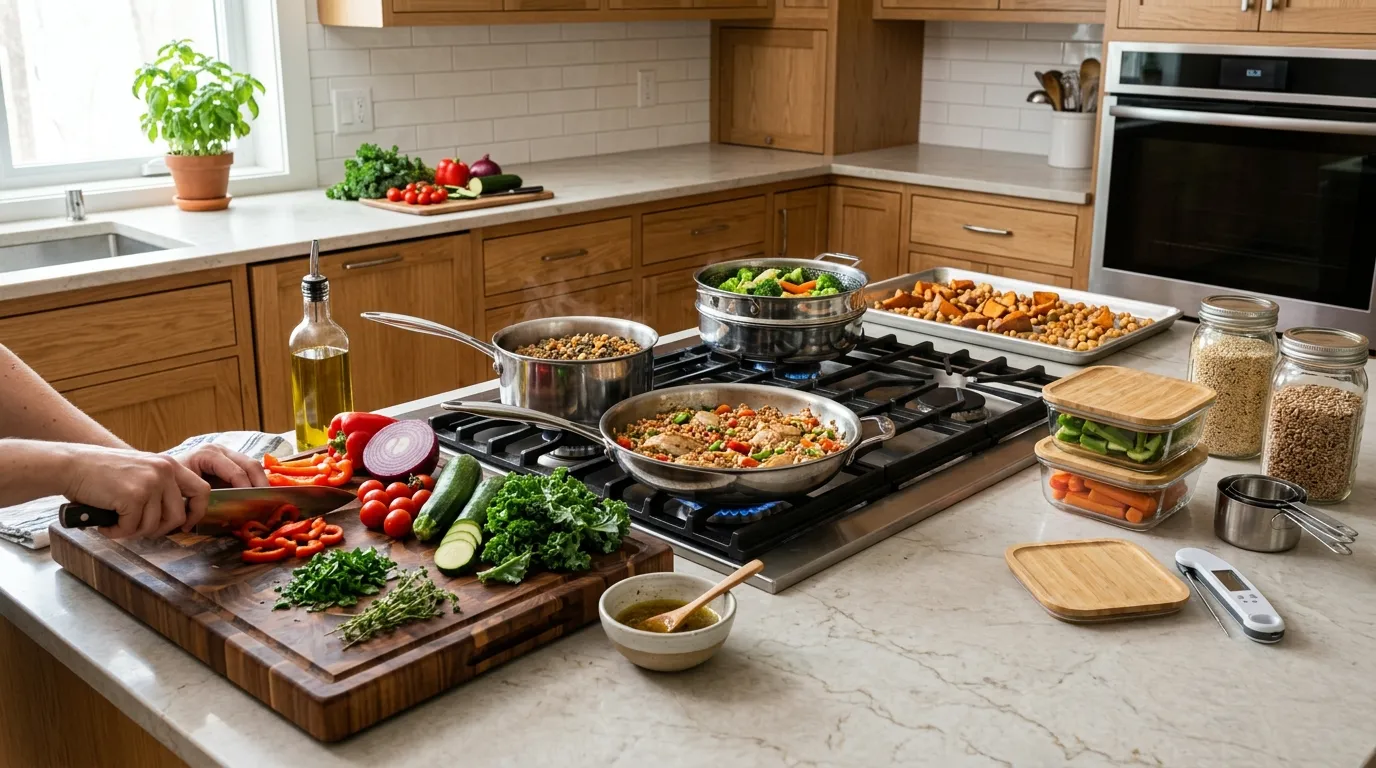
Build a simple, smart kitchen that makes healthy meals fast and fun.
You want food that tastes great and supports your goals. I’ve helped hundreds set up kitchens that do both. In this healthy cooking setup guide, I share a simple plan that saves time, cuts stress, and boosts flavor. You will learn what to buy, how to cook, and how to store food the smart way. Follow along, and turn your kitchen into a daily win.
Start With Your Kitchen Blueprint
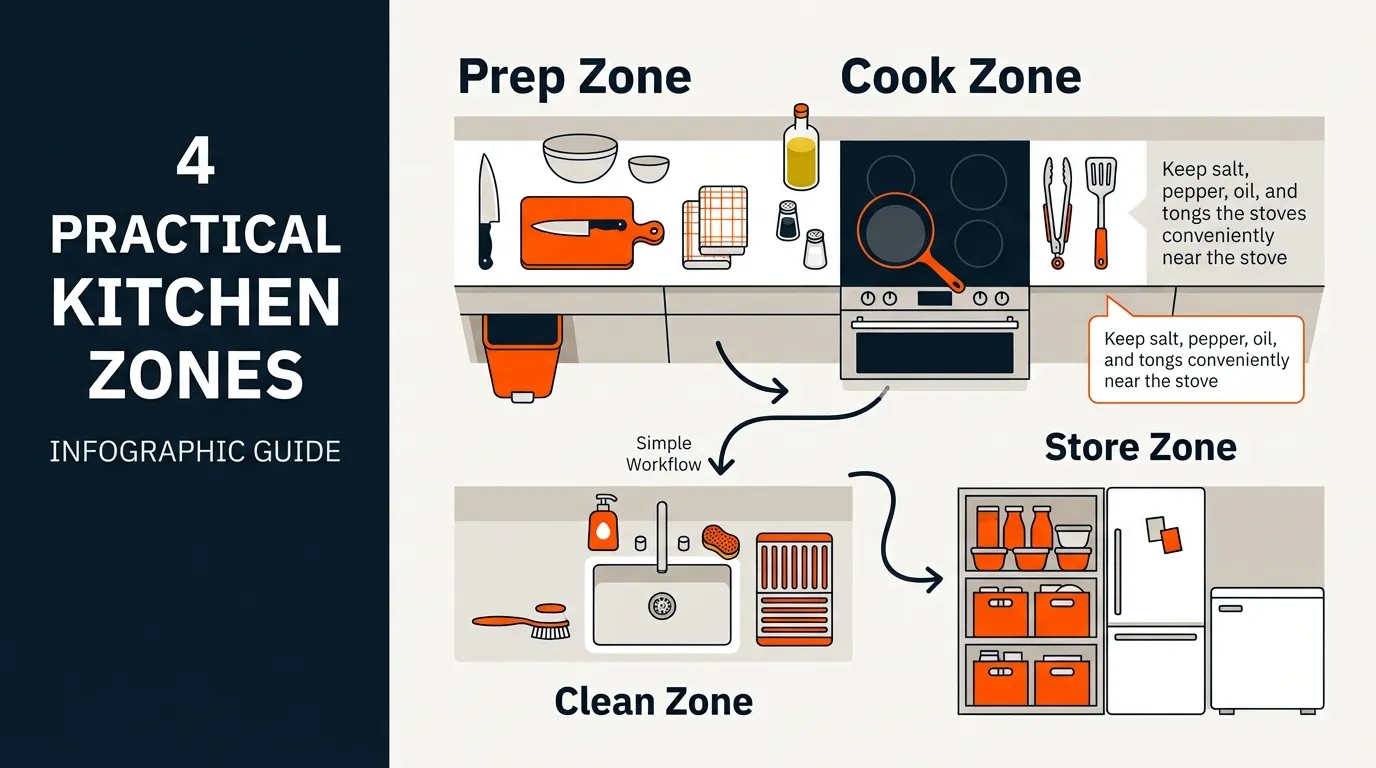
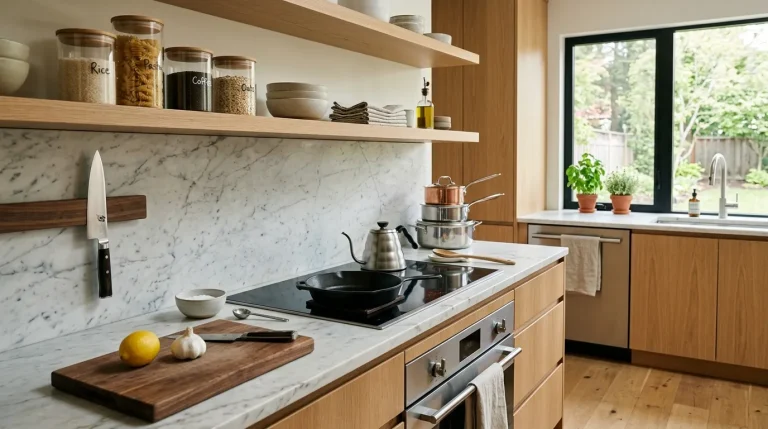
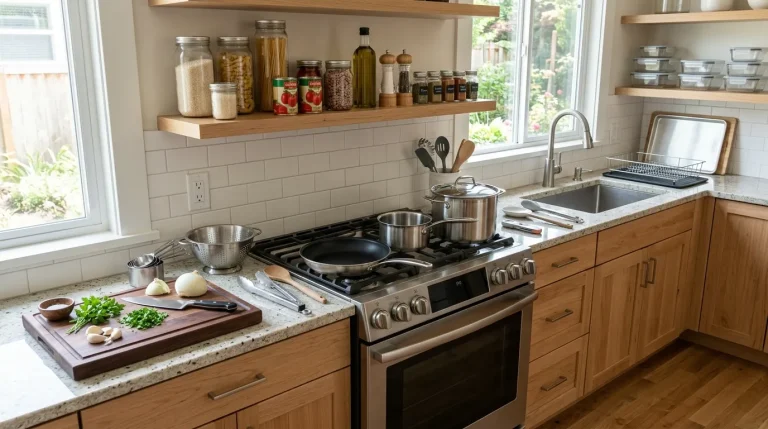
This healthy cooking setup guide starts with your space. A good layout makes healthy cooking easy. You do not need a fancy kitchen. You need clear zones that flow.
- Prep zone: knife, board, bowls, towels, trash can close by.
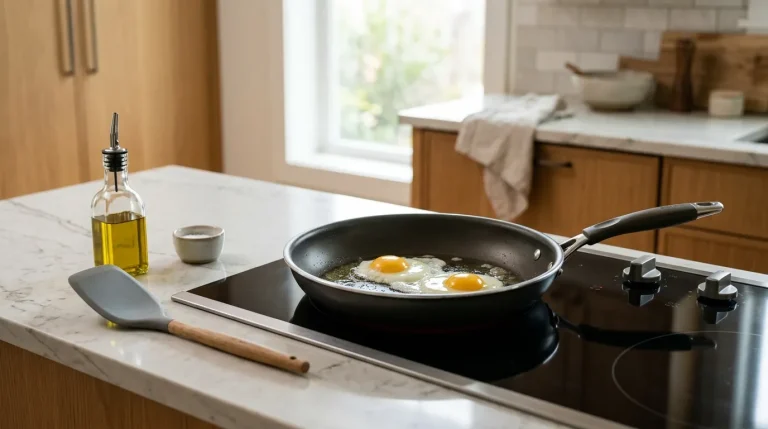
- Cook zone: pans, oil, salt, tongs, and spatula near the stove.
- Clean zone: sink, soap, scrubbers, drying rack within reach.
- Store zone: pantry items grouped; fridge and freezer labeled.
Keep counters clear. Leave one clean board-sized spot at all times. Good light helps you see doneness and color. Ventilation keeps air fresh. A small fan near a window can help if you lack a hood.
From my kitchen audits, one fix helps most. Move salt, pepper, oil, and tongs to the stove side. This cuts steps and stops overcooking while you search.
Stock a Smarter, Healthier Pantry
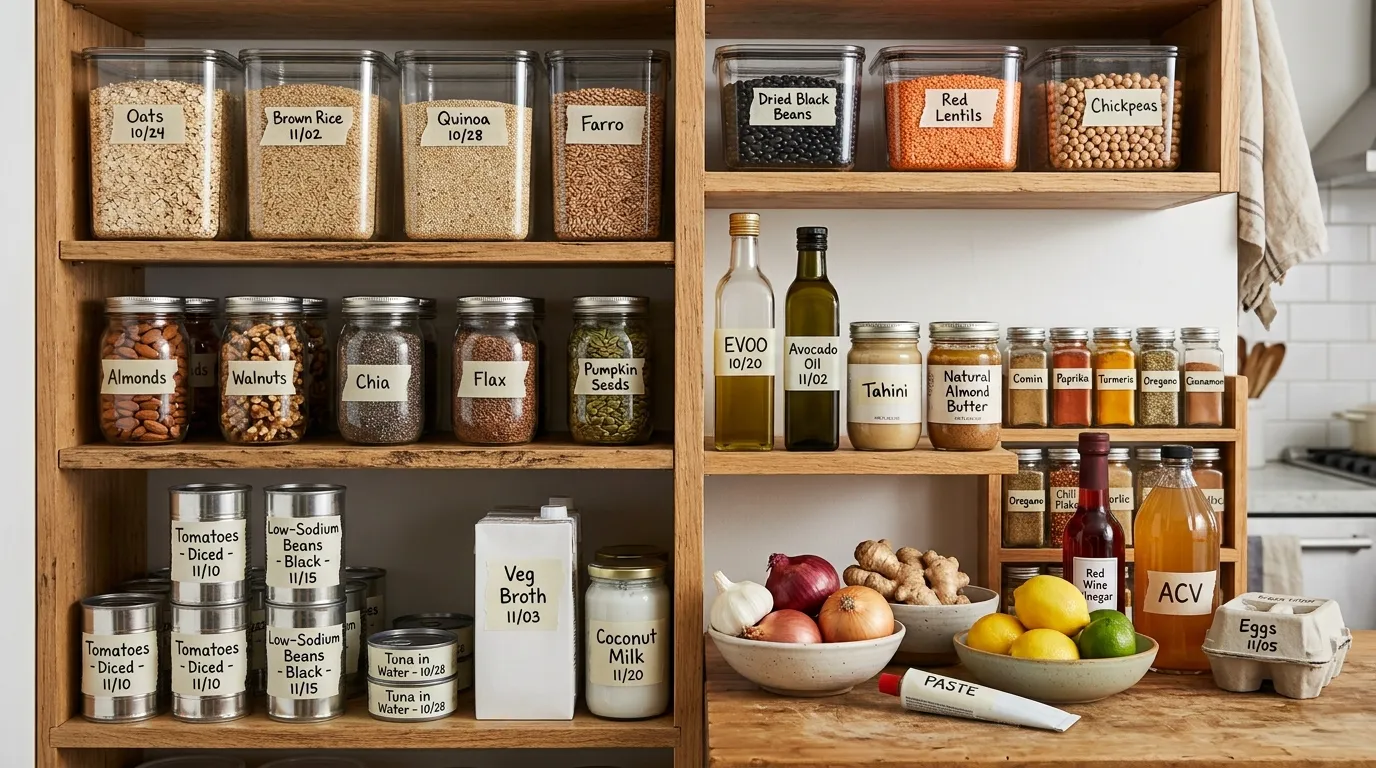
In this healthy cooking setup guide, the pantry does the heavy lift. Stock it once, then cook fast all week.
- Whole grains: oats, brown rice, quinoa, farro.
- Legumes: canned or dry beans, lentils, chickpeas.
- Nuts and seeds: almonds, walnuts, chia, flax, pumpkin seeds.
- Healthy fats: extra-virgin olive oil, avocado oil, tahini, nut butters.
- Flavor: garlic, onions, ginger, vinegars, citrus, tomato paste.
- Herbs and spices: cumin, paprika, turmeric, oregano, chili flakes, cinnamon.
- Umami: low-sodium soy sauce or tamari, miso, nutritional yeast, canned tomatoes.
- Protein helpers: canned tuna or salmon, eggs, frozen edamame.
- Liquids: low-sodium broth, coconut milk.
Smart swaps save calories and sodium. Use whole grain pasta over white. Choose low-sodium beans and rinse them. Pick olive oil for dressings and avocado oil for high heat. Fiber helps heart health and keeps you full. Cutting sodium supports blood pressure.
Set a simple system. Use clear bins for grains and legumes. Label and date with painter’s tape. Use first in, first out. Keep a running list on the fridge. Shop your list, not your mood.
Tools That Make Healthy Cooking Easy
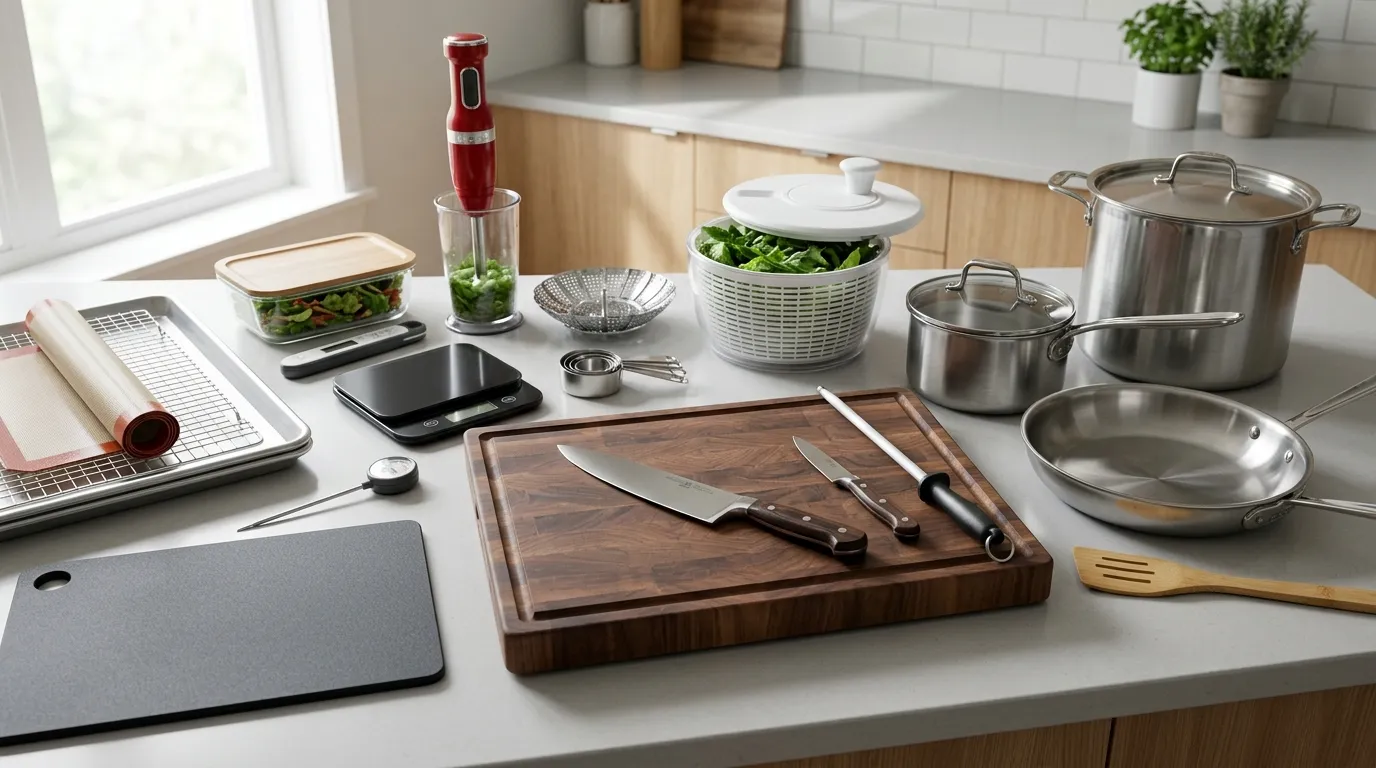
This healthy cooking setup guide keeps gear simple. Good tools speed prep and cut stress.
Must-haves:
- Chef’s knife, paring knife, and a honing steel.
- Two cutting boards. Use one for produce and one for protein.
- 10 to 12 inch skillet. Cast iron or stainless steel.
- Medium saucepan and a large pot.
- Sheet pans and a cooling rack.
- Steamer basket.
- Blender or stick blender.
- Instant-read thermometer.
- Digital scale and measuring cups.
- Glass or BPA-free storage containers.
- Silicone baking mats.
- Salad spinner.
Nice-to-haves:
- Air fryer for crisp texture with little oil.
- Pressure cooker for fast beans, grains, and stews.
- Rice cooker for set-and-forget grains.
Common mistakes to avoid:
- Dull knives slow you down and are less safe.
- Too many gadgets you never use.
- Tiny boards. Get one at least as wide as your knife is long.
From experience, a sharp knife and one big sheet pan beat most gadgets. You will cook more if prep feels smooth.
Core Healthy Techniques
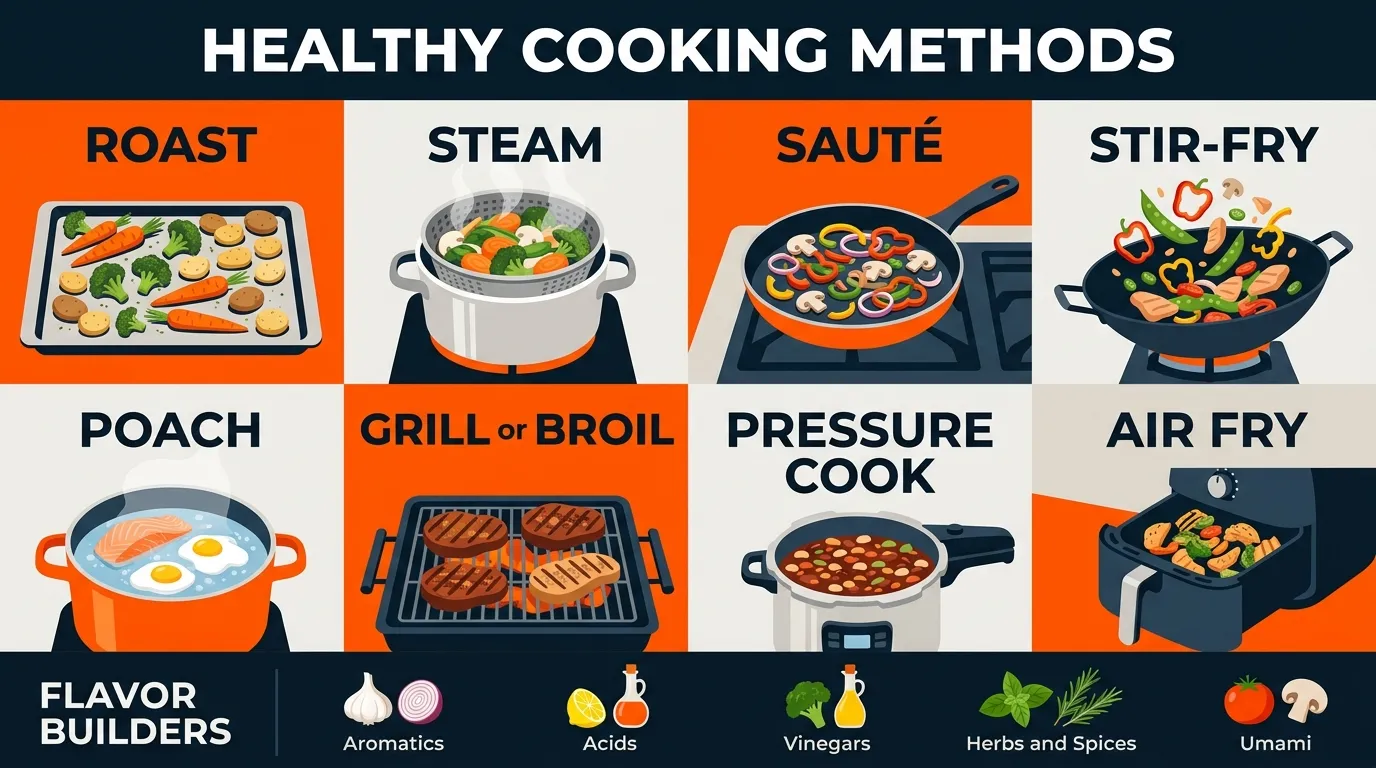
This healthy cooking setup guide leans on methods that lock in flavor. They also limit extra oil and salt.
- Roast: high heat browns food and adds depth. Use 400–450°F. Toss veg in a little oil and salt. Do not crowd the pan.
- Steam: keeps more water-soluble vitamins than boiling. Season after with olive oil, lemon, and herbs.
- Sauté: start with a little oil. Add water as needed to prevent burning.
- Stir-fry: high heat, quick cook. Cut items the same size. Sauce at the end.
- Poach: cook fish or eggs in gently simmering liquid. This keeps food moist.
- Grill or broil: add char and smoky notes. Marinate to protect protein and boost flavor.
- Pressure cook: fast, tender beans and stews with less energy.
- Air fry: crisp with much less oil than deep fry.
Flavor builders that beat salt:
- Aromatics: onion, garlic, ginger, celery, carrots.
- Acids: lemon, lime, vinegars brighten any dish.
- Herbs and spices: layer early and finish fresh.
- Umami: mushrooms, miso, tomato paste, soy, anchovy.
Accuracy helps. Cook poultry to 165°F. Fish to 145°F. Rest meats to keep juices in. These steps improve taste and safety.
Meal Prep That Sticks
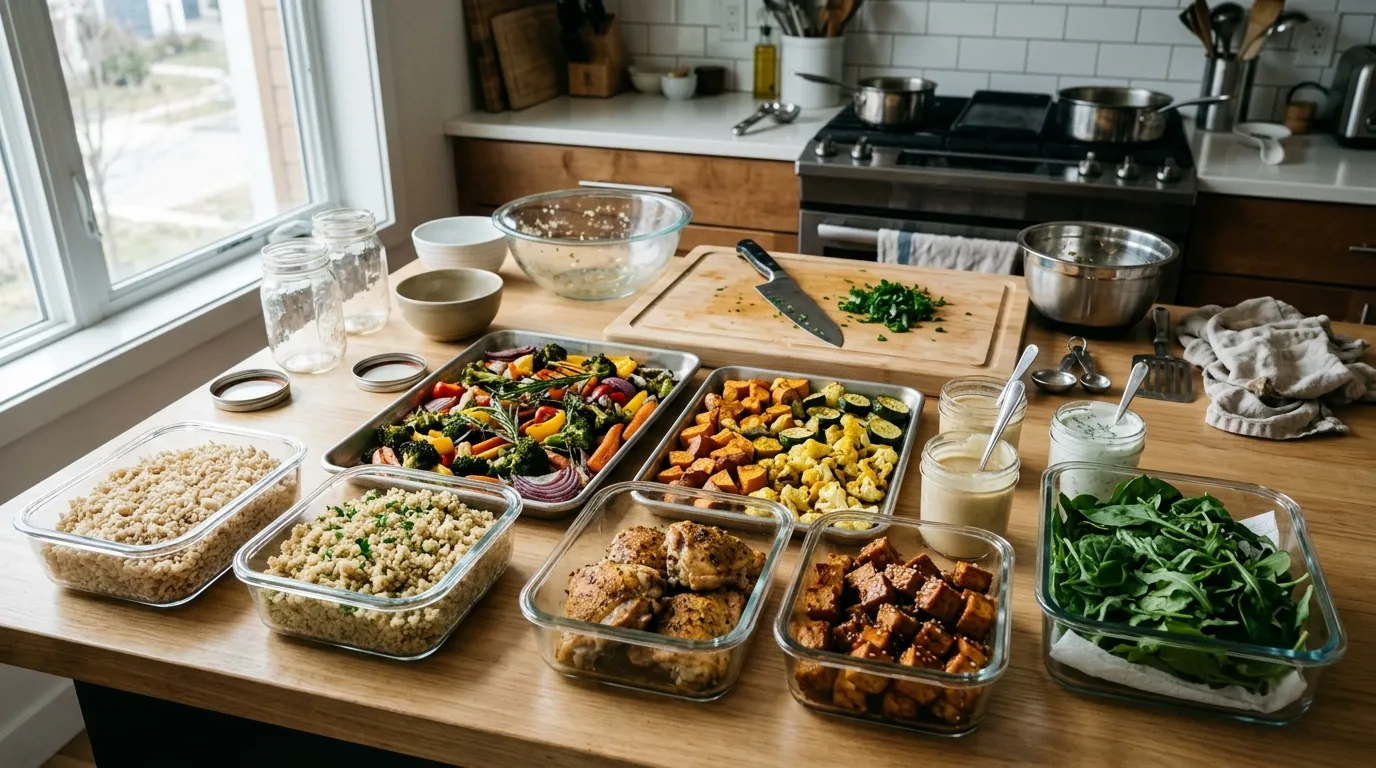
This healthy cooking setup guide favors small, steady prep. Two focused hours can set your week.
Weekend prep in steps:
- Cook two grains. Example: brown rice and quinoa.
- Roast two trays of mixed veg. Use different spice blends.
- Make one protein base. Example: baked chicken thighs or chickpeas.
- Blend two sauces. Try lemon-tahini and a chili-lime yogurt.
- Wash and spin greens. Store with a paper towel.
Weeknight mix-and-match formula:
- Base: grain or greens.
- Veg: roasted or raw.
- Protein: beans, tofu, fish, or chicken.
- Sauce: 1 to 2 tablespoons.
- Crunch: nuts, seeds, or toasted breadcrumbs.
- Acid: lemon squeeze or a splash of vinegar.
When I teach this, people report 15-minute dinners. They also waste less food and eat more veg.
Food Safety and Storage
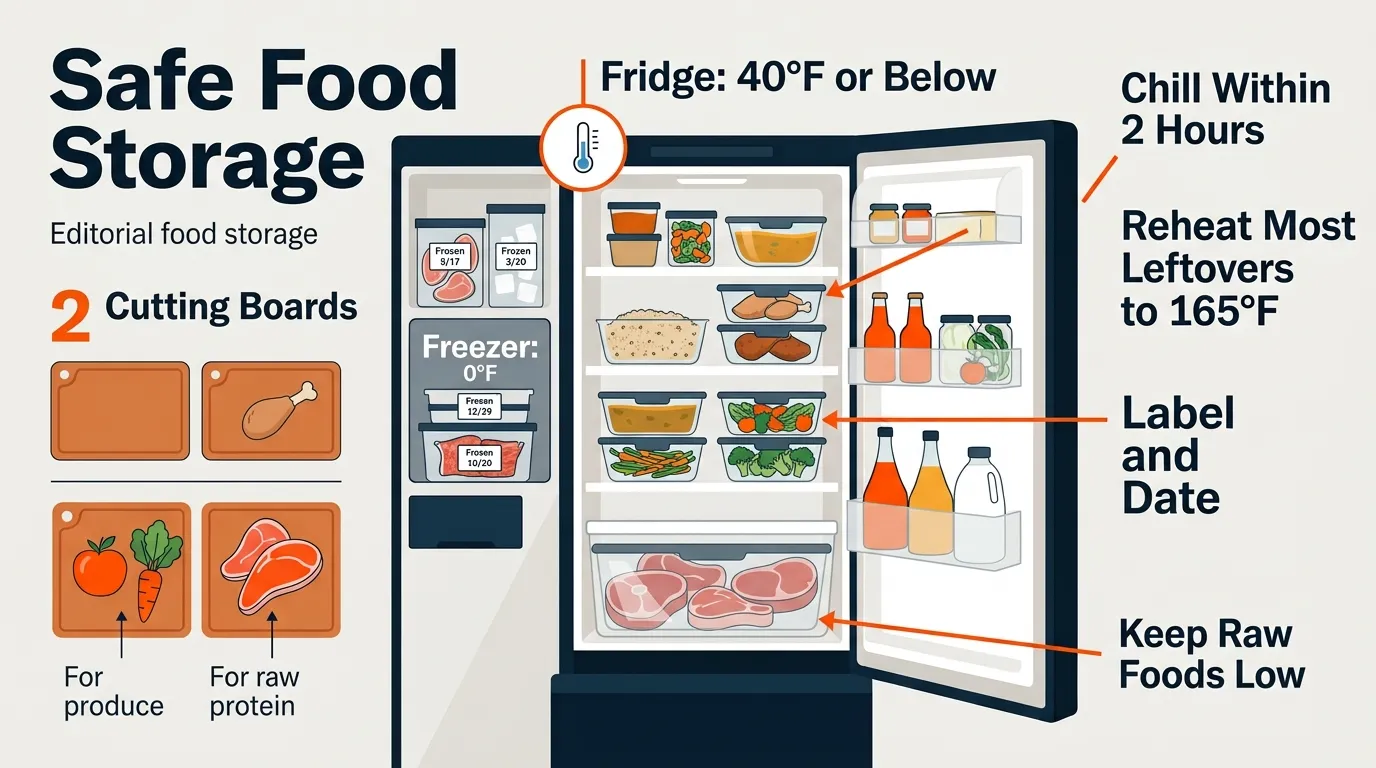
This healthy cooking setup guide treats safety as a core skill. Safe food tastes better and keeps you well.
- Chill: fridge at 40°F or below. Freezer at 0°F.
- Reheat: most leftovers to 165°F. Fish to 145°F.
- Cool fast: spread hot food shallow. Chill within two hours.
- Store times: cooked grains 4 days. Cooked meat 3 to 4 days. Soups and stews 4 days. Freeze for longer.
- Label with name and date. Use clear containers so you see what you have.
- Avoid cross-contamination. Keep raw items low in the fridge. Use separate boards.
- Clean: hot soapy water. Sanitize boards after raw meat.
These habits cut risk of foodborne illness. They also protect flavor, texture, and nutrients.
Budget and Eco Wins
This healthy cooking setup guide also saves money and waste.
- Plan simple meals. Repeat building blocks. This lowers cost and stress.
- Buy seasonal produce. Use frozen fruit and veg. They are often cheaper and very fresh.
- Compare unit prices. Store brands can be great.
- Use the whole item. Roast broccoli stems. Make broth from bones or veg scraps.
- Batch-cook beans. Freeze in portions.
- Leftover love. Cook once, eat twice. Turn roast veg into soup or grain bowls.
- Save energy. Match pan size to burner. Pressure cook saves time and power.
Small steps add up. Your wallet and the planet will feel it.
A Simple 7-Day Healthy Cooking Setup Guide Plan
This healthy cooking setup guide would not be complete without a starter plan. Here is a light week you can try.
Prep on Sunday:
- Cook 4 cups brown rice and 3 cups quinoa.
- Roast two pans of veg. One with cumin and paprika. One with garlic and oregano.
- Bake chicken thighs or marinated tofu.
- Make lemon-tahini and herb yogurt sauces.
- Wash and store greens.
Dinners:
- Monday: quinoa bowl with roasted veg, chickpeas, tahini, and lemon.
- Tuesday: salmon, steamed broccoli, brown rice, and chili-lime yogurt.
- Wednesday: stir-fry tofu, mixed veg, tamari, and sesame seeds.
- Thursday: chicken tacos, cabbage slaw, avocado, and salsa.
- Friday: whole wheat pasta, tomato-mushroom sauce, and side salad.
- Saturday: sheet pan shrimp, asparagus, and potatoes with pesto.
- Sunday: veggie frittata with side greens and toast.
Breakfast ideas:
- Overnight oats with chia and berries.
- Eggs with spinach and toast.
- Yogurt with nuts and fruit.
Snacks:
- Hummus and carrots.
- Apple and peanut butter.
- Handful of nuts.
Troubleshooting and Quick Fixes
This healthy cooking setup guide also covers common problems. Here are fast fixes that work.
- Food tastes flat: add acid, not salt. Try lemon, lime, or vinegar.
- Veg get soggy: use a hot oven and do not crowd the pan.
- Meat dries out: use a thermometer and rest it before slicing.
- Pans burn: preheat, then lower heat. Add a splash of water.
- No time: keep cooked grains, a protein, and a sauce ready.
Seasoning tips:
- Start light. Taste as you go.
- Toast spices in a dry pan for deeper flavor.
- Finish with fresh herbs and a drizzle of good oil.
From my work with busy parents, one rule stands out. Prep once. Decide many times. This keeps healthy cooking on track.
Frequently Asked Questions
What is the one tool I should upgrade first?
A sharp chef’s knife. It speeds prep and keeps you safer. This healthy cooking setup guide starts with that step.
Which oil is best for high-heat cooking?
Use avocado oil for searing or high-heat roasting. It has a higher smoke point than olive oil.
Are nonstick pans safe for healthy cooking?
Modern ceramic or well-kept nonstick can be safe. Use medium heat and avoid metal tools to protect the coating.
How do I set up a tiny kitchen?
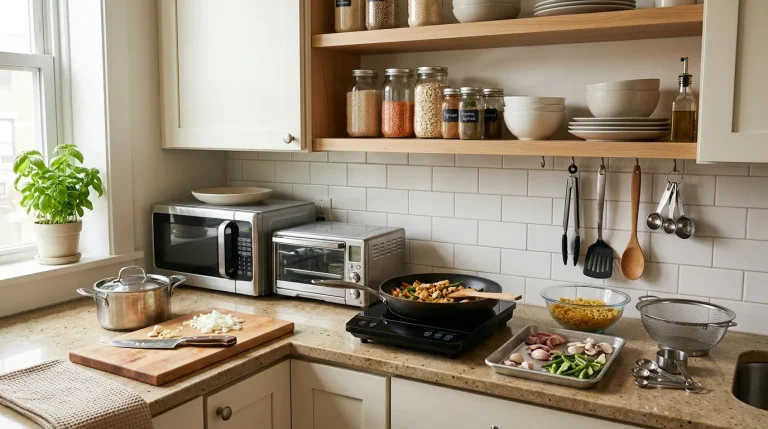
Go vertical with shelves and hooks. Keep one board, one pan, and one pot out. The rest should be stored by use.
How do I reduce sodium without losing flavor?
Layer aromatics, acids, and herbs. Add a small hit of umami like miso or tomato paste near the end.
What should I batch-cook first if I’m new?
Cook a grain, roast a tray of veg, and make one sauce. That gives you fast meals for days.
Conclusion
A smart kitchen makes healthy choices easy. You set zones, stock simple staples, and use a few strong tools. You lean on core methods and a light prep rhythm. This healthy cooking setup guide is your map.
Start small today. Sharpen your knife. Roast one tray of veg. Mix one bold sauce. Then build from there. Want more step-by-step tips? Subscribe, ask a question, or share your wins so we can cook better together.