Most kitchen appliance issues come from power, airflow, filters, seals, or sensors.
If your fridge runs warm, your oven will not heat, or your dishwasher leaves grit, you are not alone. In this guide, I break down common kitchen appliance problems fix with clear steps that work in real homes. I have spent years helping homeowners troubleshoot fast and safe. Read on for simple checks, pro tips, and smart ways to avoid repeat breakdowns.
Safety first and the tools you actually need

Start safe. Unplug the appliance. Shut off gas if it is a gas range. If you smell gas, stop and call a pro.
Keep a small kit ready. It makes any common kitchen appliance problems fix faster.
- Flashlight to see into dark panels
- Multimeter to test power and continuity
- Screwdrivers, both Phillips and flat
- Nut drivers in common sizes
- Needle-nose pliers and a small brush
- Non-contact voltage tester for live lines
- Towels and a shallow pan for water
Work clean. Take photos before you remove parts. Label screws and clips. If a step feels risky, pause and call a technician.
The right parts matter. Use model number lookups. Match part numbers for fans, sensors, and seals. A small mismatch can cause bigger issues. This is a core rule for any common kitchen appliance problems fix.
A simple flow to troubleshoot any appliance
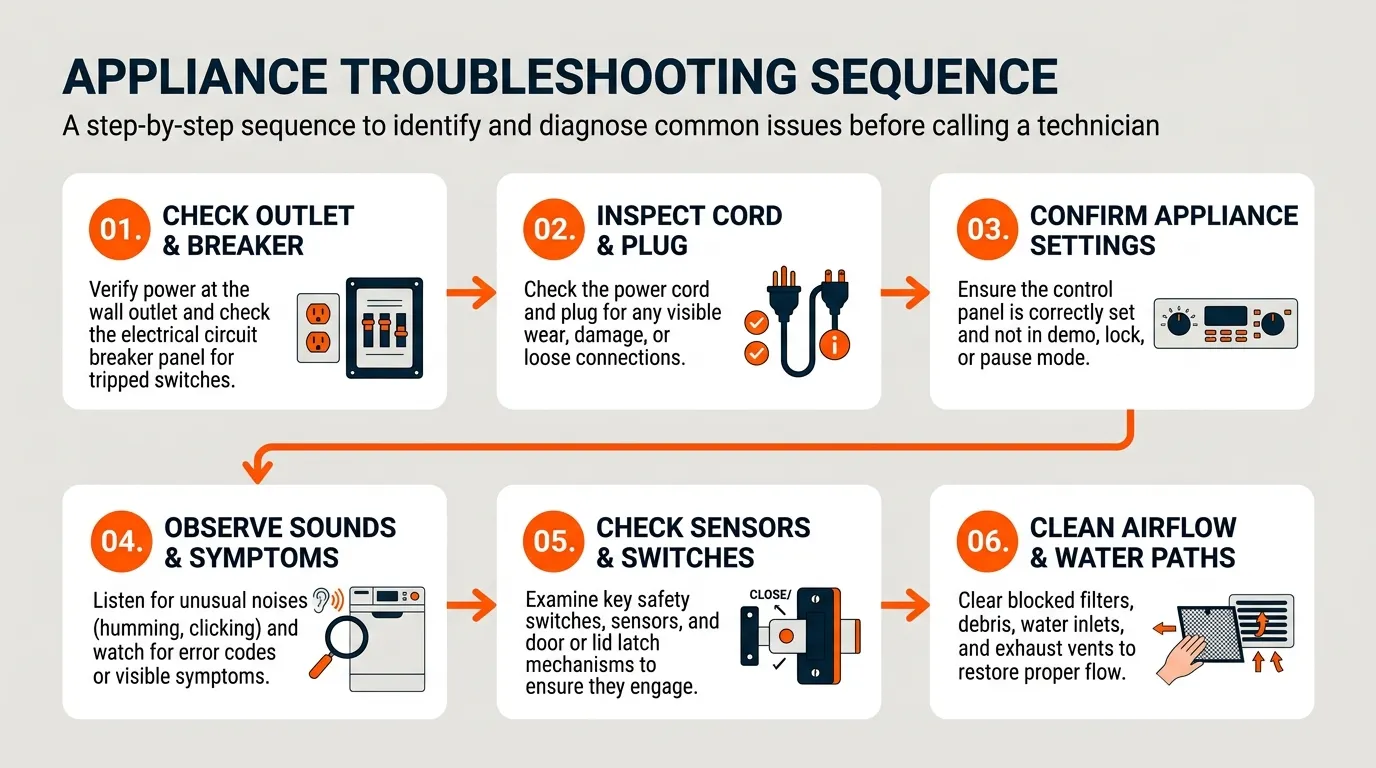
Most faults follow a path: power, controls, then mechanics.
- Check the outlet and breaker. Test the outlet with another device. Reset GFCI or AFCI if tripped.
- Inspect the cord and plug. Look for burn marks or loose blades.
- Confirm settings. Wrong mode, child lock, or delay start can mimic a failure.
- Listen and look. Odd hums, clicks, frost, or water trails point to the bad area.
- Test sensors and switches. Door switches, float switches, and thermostats fail often.
- Clean airflow and water paths. Clogged filters and vents cause heat and cooling issues.
Use this simple ladder before you order parts. It saves time and money on any common kitchen appliance problems fix.
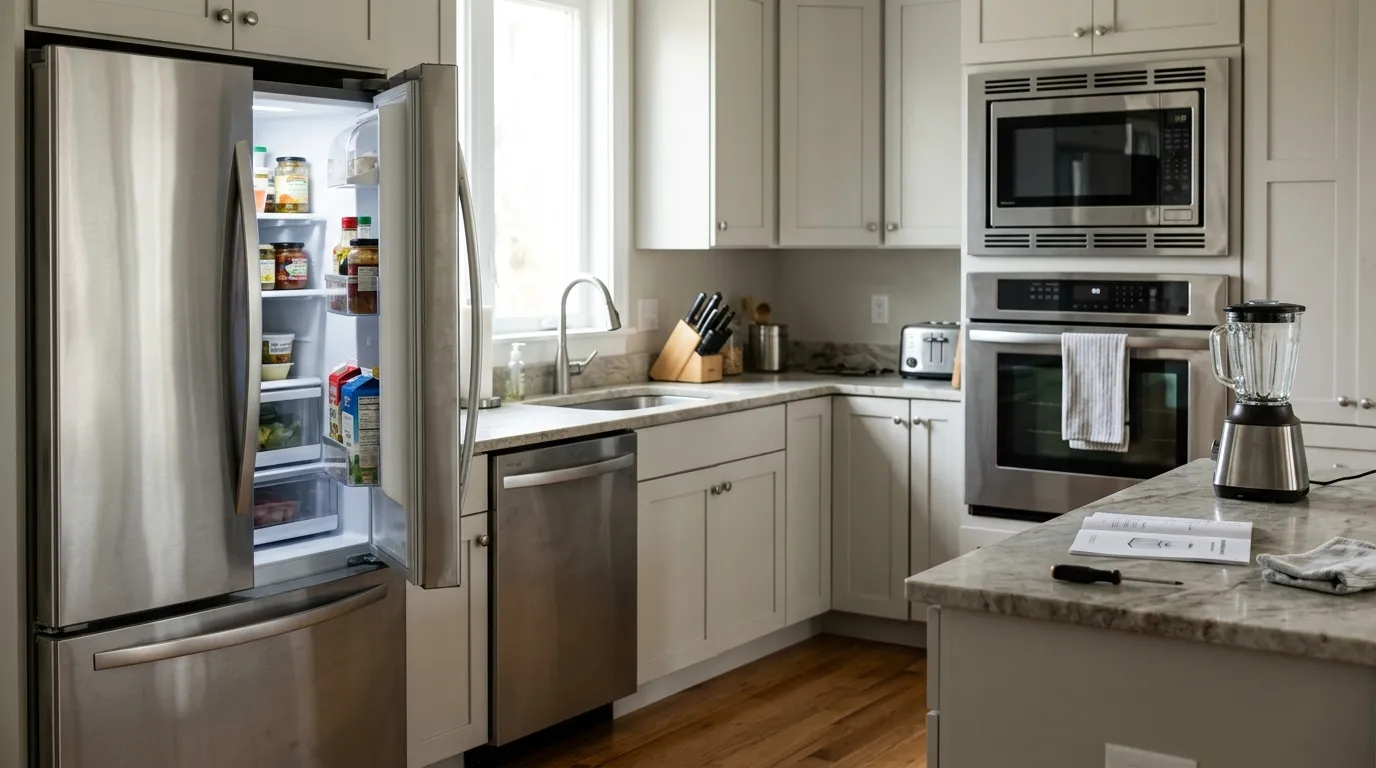
Refrigerator not cooling or making noise

Warm fridge, cold freezer is a classic sign. The airflow is blocked or the defrost is stuck.
- Clean the condenser coils. Dust on coils makes the compressor run hot and weak. Use a coil brush and vacuum.
- Check the evaporator fan. If the freezer is cold but the fridge is warm, the fan may be stuck or dead.
- Inspect door gaskets. Close a dollar bill in the door. If it slides out easy, replace the seal.
- Clear frost on the evaporator. Heavy frost means the defrost heater, timer, or sensor may have failed. Defrost fully, then test parts.
- Listen for the compressor and start relay. A clicking sound every minute can mean a bad relay or compressor.
Ice maker trouble is often simple. Replace the water filter. Clear kinks in the water line. Test the water inlet valve.
Do not chip ice with sharp tools. You can puncture a coil. When in doubt, get a pro. This keeps a common kitchen appliance problems fix from becoming a full replacement.
Oven and range not heating
For an electric oven that will not heat:
- Check the breaker. Electric ovens need two hot legs. One tripped leg gives lights but no heat.
- Inspect the bake element. Look for pits or breaks. Test for continuity. Replace if open.
- Test the temperature sensor. A bad probe reads wrong and limits heat.
For a gas range or oven:
- Confirm gas is on. The valve handle should be inline with the pipe.
- Clean the burners and igniters. Food spills block flame. A soft brush and pin can clear holes.
- Watch for a weak igniter. If it glows but the gas does not light, the igniter may be weak and needs replacement.
Ranges can also have control board faults. If heat cycles swing wide, check the sensor first. Then consider the control board. Follow the model’s service steps to avoid guesswork. This is a smart way to do a common kitchen appliance problems fix.
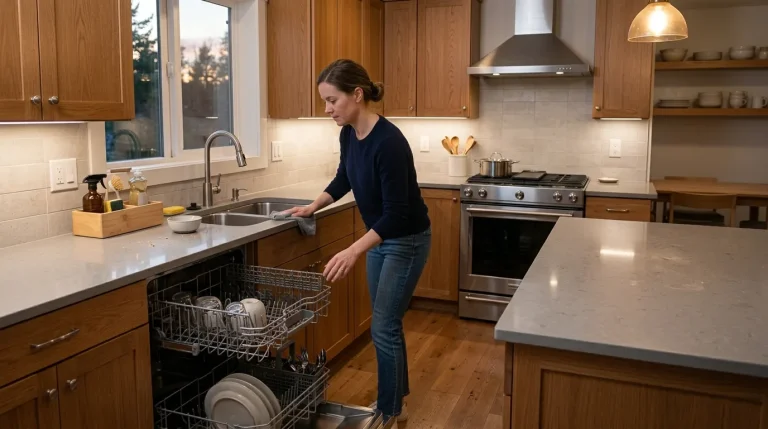
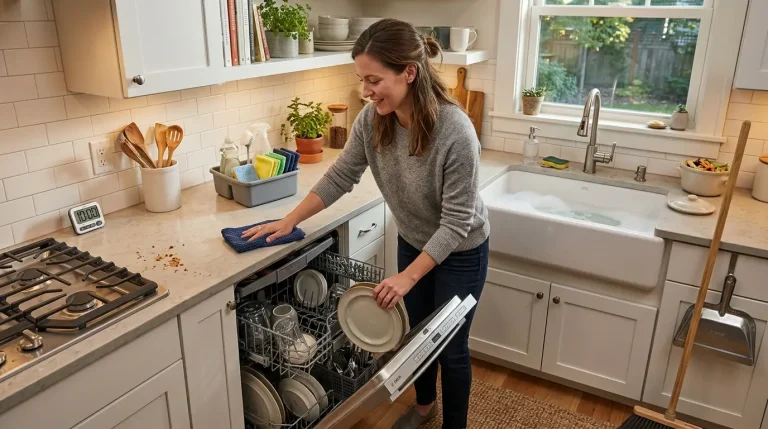
Dishwasher not cleaning or not draining
Dishes come out gritty when water flow is weak or spray is blocked.
- Clean the filter and spray arms. Soak and rinse holes. Do this monthly.
- Use the right detergent and hot water. Run the tap until hot before starting a load.
- Check the door latch. Poor seal cuts pressure and leaves residue.
For standing water:
- Clear the air gap and drain hose. Many clogs hide at the sink connection.
- Inspect the drain pump for debris. Remove glass or seeds with care.
- Make sure the sink disposal is clear. A new disposal needs the plug removed for the dishwasher drain.
If it leaks, check the door gasket and tub corners. A float switch stuck up tells the machine it is full and blocks more water. Simple cleaning can finish this common kitchen appliance problems fix in minutes.
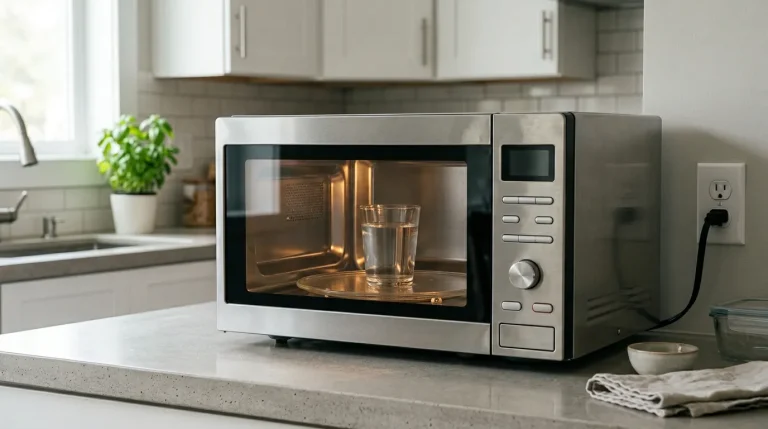
Microwave not heating or turntable not spinning
Unplug first. Microwaves hold high voltage even when off. If you are not trained, do not open the case.
Do the easy checks:
- Test a known-safe load like a mug of water for 60 seconds. No heat means the magnetron or high-voltage parts may be bad.
- Check the door switches. If the light and fan work but it will not heat, a door switch may be faulty.
- Inspect the turntable ring and coupler. Clean and reseat them. Replace a worn motor if it hums but will not turn.
If a fuse blew, ask why. Door slams and bad switches cause repeat fuse failures. Many microwave repairs need a professional. That is the safest path for this common kitchen appliance problems fix.
Garbage disposal jams, hums, or leaks
A humming unit with no spin is jammed.
- Cut power at the switch and breaker.
- Use the hex key on the bottom to free the flywheel.
- Remove debris with tongs, never your hand.
If it will not turn on at all, press the red reset button on the bottom. For slow drain, clear the P-trap and branch line. For leaks, check the sink flange, side hose, and bottom seal. Tighten screws and replace worn gaskets. This quick common kitchen appliance problems fix prevents bigger plumbing bills.
Small appliances quick wins: coffee maker, toaster, blender
Coffee tastes weak when mineral scale builds up.
- Run a descaling cycle with a proper descaler. Rinse well.
- Replace water filters on schedule.
Toasters burn or under-toast when crumb trays overflow. Empty and brush the slots. Check the lever switch for smooth action.
Blender leaks come from a loose jar base or a bad gasket. Tighten the base. Replace the gasket if cracked. These little steps count as a common kitchen appliance problems fix that keeps mornings smooth.
Preventive maintenance that pays off
A few habits stop most calls.
- Vacuum fridge coils every six months.
- Replace water filters every three to six months.
- Clean dishwasher filters monthly and run a cleaner cycle.
- Wipe range seals and clear burner holes each week.
- Reseat loose knobs and tighten handles before they fail.
Track tasks in a phone reminder. Keep a parts box with spare filters, a gasket or two, and light bulbs. Staying ahead turns a big repair into a simple common kitchen appliance problems fix you can do in minutes.
Repair or replace: when it makes sense
Think about age, cost, and energy use.
- If a repair is under half the price of a new unit, repair often wins.
- Fridges last about 10 to 15 years. Dishwashers 7 to 12. Microwaves 7 to 10. Ranges 13 to 20.
- Newer models can save on energy and water. That can offset a higher price over time.
Typical parts costs vary. Bake elements, igniters, and door seals are low to mid cost. Compressors, control boards, and magnetrons are high cost. When the bill climbs, get two quotes. A clear estimate keeps your common kitchen appliance problems fix on budget.
Frequently Asked Questions of common kitchen appliance problems fix
Why is my refrigerator running but not cooling?
Dirty coils or a failed evaporator fan are common causes. Clean coils and test the fan first, then check the defrost system.
Why does my oven heat unevenly?
A bad bake element or temp sensor can cause hot and cold spots. Replace the faulty part and run a calibration if your model allows it.
Why is my dishwasher not draining?
The drain hose or air gap may be clogged. Clear both, then check the drain pump for debris and test it for power.
Why does my microwave run but not heat?
Door switches or high-voltage parts may have failed. Test the door switches; for high-voltage issues, call a pro for safety.
Why does my garbage disposal leak from the bottom?
The internal seal is worn. If tightening connections does not help, the unit often needs replacement.
Can a tripped GFCI cause multiple appliances to stop?
Yes. One tripped GFCI can kill power to several outlets. Reset it and check the breaker too.
How often should I replace water filters?
Every three to six months in most homes. Heavy use or hard water may need more frequent changes.
Conclusion
Most kitchen fixes start with simple checks. Power, airflow, seals, and sensors solve many headaches fast. Use the steps here to test, clean, and replace the right part with care.
Start today. Pick one small task and do it now, like cleaning coils or filters. You will save money, avoid stress, and learn faster. If a job feels unsafe, call a pro. Want more tips like this? Subscribe and share your toughest fix in the comments so we can help.