
Rinse, blend warm soapy water, disassemble, scrub parts, sanitize, then air-dry completely.
If you want spotless gear and safer smoothies, you’re in the right place. I’ve cleaned blenders in busy kitchens and at home for years. Here, I’ll show how to clean a blender properly with fast steps, deep-clean tricks, and expert tips. You’ll learn what to use, what to avoid, and how to keep it fresh for the long run.
:max_bytes(150000):strip_icc()/GettyImages-1322052001-dd45ef51e4c646f09286b7bd52e81953.jpg)
Why a clean blender matters
A dirty jar can hide food bits and germs. That can lead to bad smells, off flavors, and even illness. Food safety advice warns that wet, dirty seams are perfect for bacteria.
A clean blender also runs better. Sharp, clean blades move smoother and last longer. Your smoothies taste brighter, and your soups look glossy.
I’ll show how to clean a blender properly so you can prep with peace of mind. You will save time, avoid stains, and protect your gear.
The essentials: tools and cleaners you need
Keep a small kit by the sink so cleanup is fast.
- Dish soap that cuts grease fast
- A soft bottle brush and a small detail brush
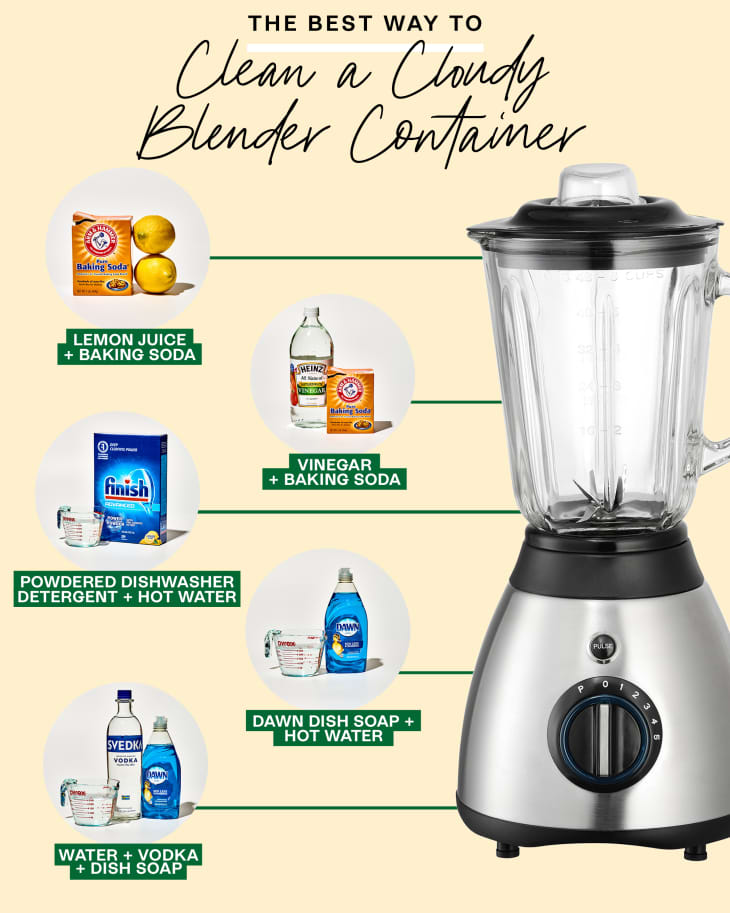
- Baking soda and white vinegar for stains and odors
- A microfiber cloth or paper towels
- Food-safe sanitizer or a dishwasher that fits your jar
- Tongs or gloves if you sanitize with warm water
What to skip:
- Abrasive pads that scratch the jar
- Harsh cleaners with strong perfume
- Steel wool on blades or seals
Knowing how to clean a blender properly starts with the right tools. They help you clean fast without damage.
Step-by-step: how to clean a blender properly after each use
Follow this quick routine right after blending. It stops food from drying on parts.
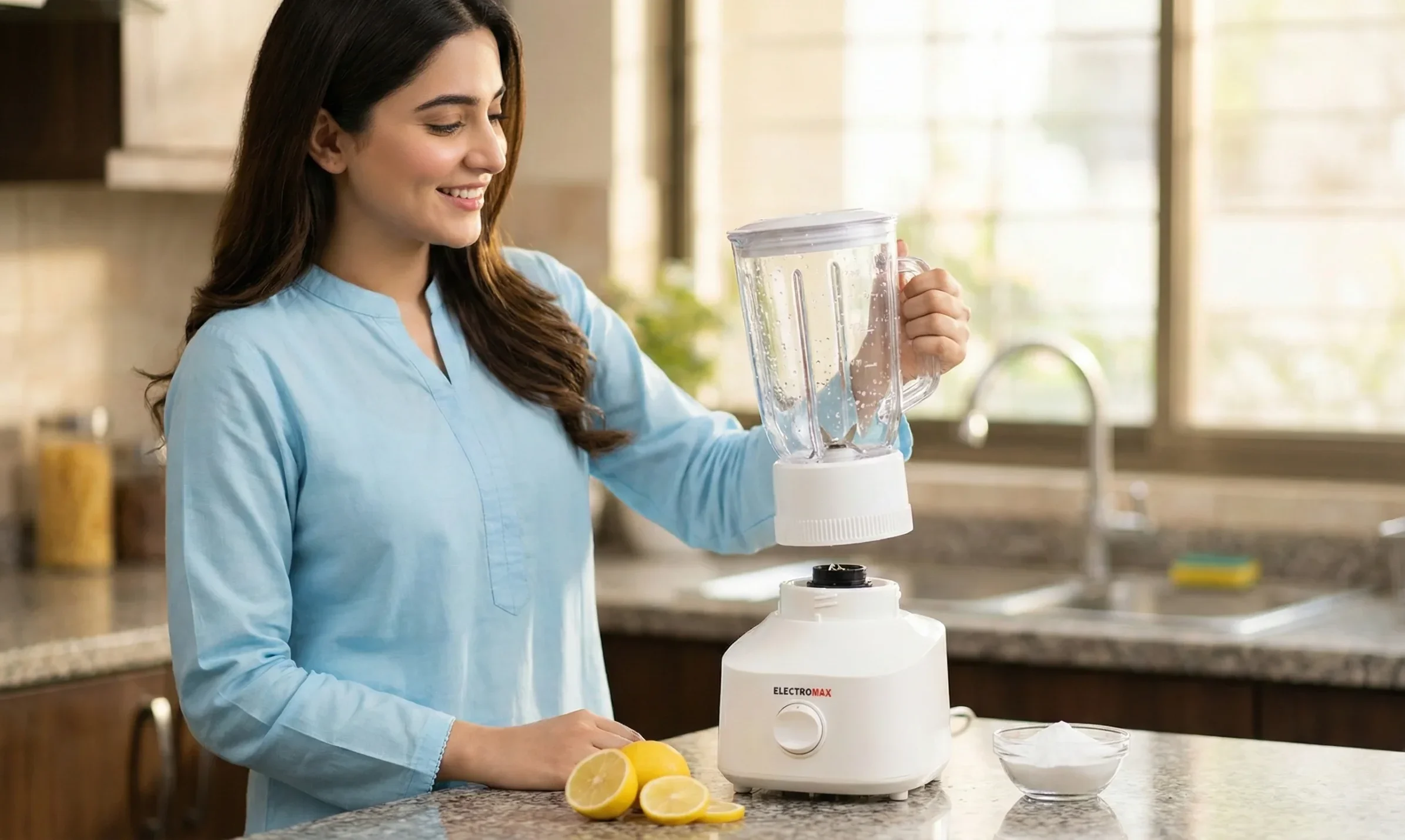
- Rinse the jar. Empty it. Rinse with warm water to remove loose bits.
- Self-clean blend. Fill halfway with warm water. Add 1 small drop of dish soap. Secure lid. Blend 10 to 20 seconds.
- Rinse again. Empty the soapy water. Rinse until water runs clear.
- Disassemble. Remove the lid, cap, blade base, and gasket if your model allows.
- Scrub parts. Use a soft brush on the jar corners, blades, and gasket groove. Be gentle with the edge of blades.
- Sanitize and dry. Run parts through the dishwasher if the manual says it is safe. Or dip in a mild sanitizer solution and let air-dry. Air-drying is more hygienic than towel-drying.
- Wipe the base. Unplug first. Wipe with a damp cloth. Keep water away from buttons and the motor.
This routine is the core of how to clean a blender properly day to day. It takes two minutes and prevents odor and film.

Deep-clean days: how to clean a blender properly when it smells or stains
Do a deeper session if you blend protein, turmeric, or tomato sauces often.
- For oil film: Add warm water, 1 teaspoon baking soda, and a drop of soap. Blend 30 seconds. Rinse well.
- For cloudiness from minerals: Soak the jar in 1 part white vinegar to 3 parts warm water for 30 minutes. Rinse and wash.
- For smells: Blend 1 cup warm water with 2 tablespoons lemon juice for 20 seconds. Rinse and air-dry open.
- For stuck gaskets: Remove the gasket. Scrub the groove with a detail brush. Replace the gasket snug and flat.
- For safe sanitizing: Use dishwasher heat if allowed, or a mild sanitizer with proper contact time. Never mix cleaners.
This is how to clean a blender properly when a quick rinse is not enough. It resets your jar to clear and fresh.
How to clean a blender properly by type
Countertop blenders
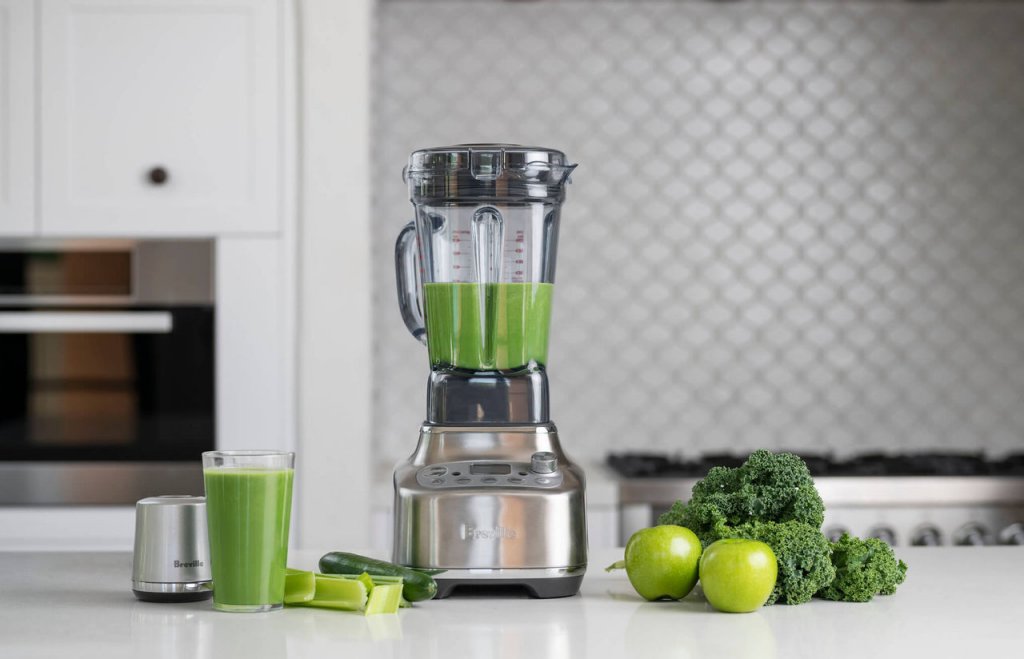
Disassemble after every use if the blade base twists off. Wash the jar, lid, blade, and gasket. If blades do not remove, brush under the blade carefully. This is how to clean a blender properly on full-size models without dulling parts.
Personal blenders
Rinse right away. Wash the cup, travel lid, and blade cup. Pay attention to the sip holes and rubber rings. If you use smoothies daily, deep-clean once a week.
Immersion blenders
Never submerge the motor. Detach the blending arm. Wash the bell and blades with warm, soapy water. Use a brush to clean the inside of the guard. Dry the arm upright so water drains away. This is how to clean a blender properly for stick models without hurting the motor.

Drying, reassembly, and storage
Air-dry parts on a rack. Keep the jar upside down so water can drain. Avoid stacking wet parts, which traps moisture.
Reassemble when fully dry. Seat the gasket flat. Tighten the blade base per the manual. Store the jar with the lid off or ajar. That stops odors from building up.
Learning how to clean a blender properly includes how to dry it right. Dry parts last longer and smell better.

Maintenance plan and safety tips
A simple plan keeps your blender like new.
- Daily: Fast clean after each use. Wipe the base.
- Weekly: Deep-clean if you blend sticky or oily foods often.
- Monthly: Inspect the gasket for cracks. Replace if worn. Check blade sharpness and balance.
- Each season: Descale cloudy jars if you have hard water.
Mistakes to avoid:
- Pouring water on the motor base
- Using abrasive pads that scratch plastic
- Tightening the blade base on a crooked gasket
- Letting the jar sit dirty, even for an hour
With these habits, you will know how to clean a blender properly without guesswork.

Troubleshooting: cloudy jars, rusty blades, leaks
Cloudy jar that will not clear: Soak in warm vinegar mix. Then scrub with a soft paste of baking soda and water. Rinse well.
Light rust on blades: Make a baking soda paste. Rub gently, rinse, and dry at once. If pitting or chips show, replace the blade set.
Leaks from the base: Reseat or flip the gasket so the flat side faces the jar per your manual. Tighten the base until snug, not forced. Knowing how to clean a blender properly helps you spot wear before it leaks.

Frequently Asked Questions of how to clean a blender properly
How often should I deep clean my blender?
If you use it daily, deep-clean once a week. If you blend less, do it monthly or when you notice film or odor.
Can I put my blender parts in the dishwasher?
Many jars, lids, and gaskets are top-rack safe, but check the manual. Never put the motor base in the dishwasher.
What is the safest way to sanitize without bleach?
Use the dishwasher’s hot cycle if your parts are dishwasher safe. You can also use a food-safe sanitizer at the right strength and contact time.
How to clean a blender properly if the blades don’t come off?
Fill halfway with warm water and a drop of soap. Blend, rinse, and use a bottle brush to reach under the blades, then air-dry.
Will vinegar or baking soda damage my blender?
Used correctly, both are safe on most jars and lids. Avoid scrubbing soft plastics too hard, and rinse very well.
Why does my blender still smell after washing?
Odors hide under gaskets and in lid seams. Remove the gasket, deep-clean those spots, and let all parts air-dry open.
Conclusion
A fast rinse, a short soapy blend, and a careful scrub are the heart of the process. Add a weekly deep clean, dry parts in the open air, and check the gasket and blades. That is how to clean a blender properly so it stays clear, safe, and ready.
Set a two-minute cleanup habit today. Your drinks will taste better, and your blender will last longer. If this helped, share it with a friend or leave your best cleanup tip in the comments.


