Use microwave-safe containers, cover food, avoid metal, and follow timing.
You want food fast, but you also want to avoid burns, sparks, and cold spots. I’ve taught kitchen safety to students and teams for years, and I still use a microwave daily at home. In this guide, I will show you How to Use Microwave Oven Safely with simple steps, real examples, and tips that work in any kitchen. You’ll learn what to use, what to avoid, and how to keep your meals safe and tasty.

Source: youtube.com
What a Microwave Does and Why Safety Matters
A microwave uses radio waves to heat water in food. The waves bounce inside the metal box and heat from the inside out. The door has a metal screen that blocks the waves.
This design is very safe when the door closes well. Most injuries come from hot steam, spills, or bad containers. A few risks stand out: superheated water, arcing from metal, and burns from hot dishes.
I learned this early in a test kitchen. A bowl of soup boiled over as soon as I lifted the cover. Use a vented cover, go slow, and let food rest. These steps are key to How to Use Microwave Oven Safely.
Source: chemicalsafetyfacts.org
A Pre-Use Safety Check
Do a 30-second check before you cook. It prevents most mishaps.
- Make sure the door closes flat. Check the gasket for dirt or damage.
- Look at the hinges and latch. They should not be loose.
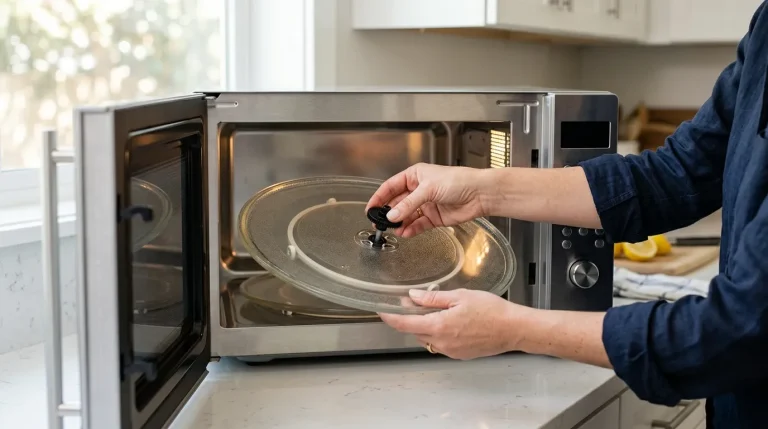
- Clean the turntable and support ring. Food bits can cause hot spots.
- Keep vents clear. Do not block sides or back.
- Check the cord and plug. No cracks or warm spots.
- Set it on a flat, dry surface. Leave space for air flow.
- Use the child lock if kids are near.
Never run a microwave empty. If you doubt it heats well, do a cup-of-water test. Heat 1 cup of water for 1 minute. It should be hot. This habit fits the core of How to Use Microwave Oven Safely.
Source: giraffyco.com
Safe Containers and Materials
The right container protects you and your food.
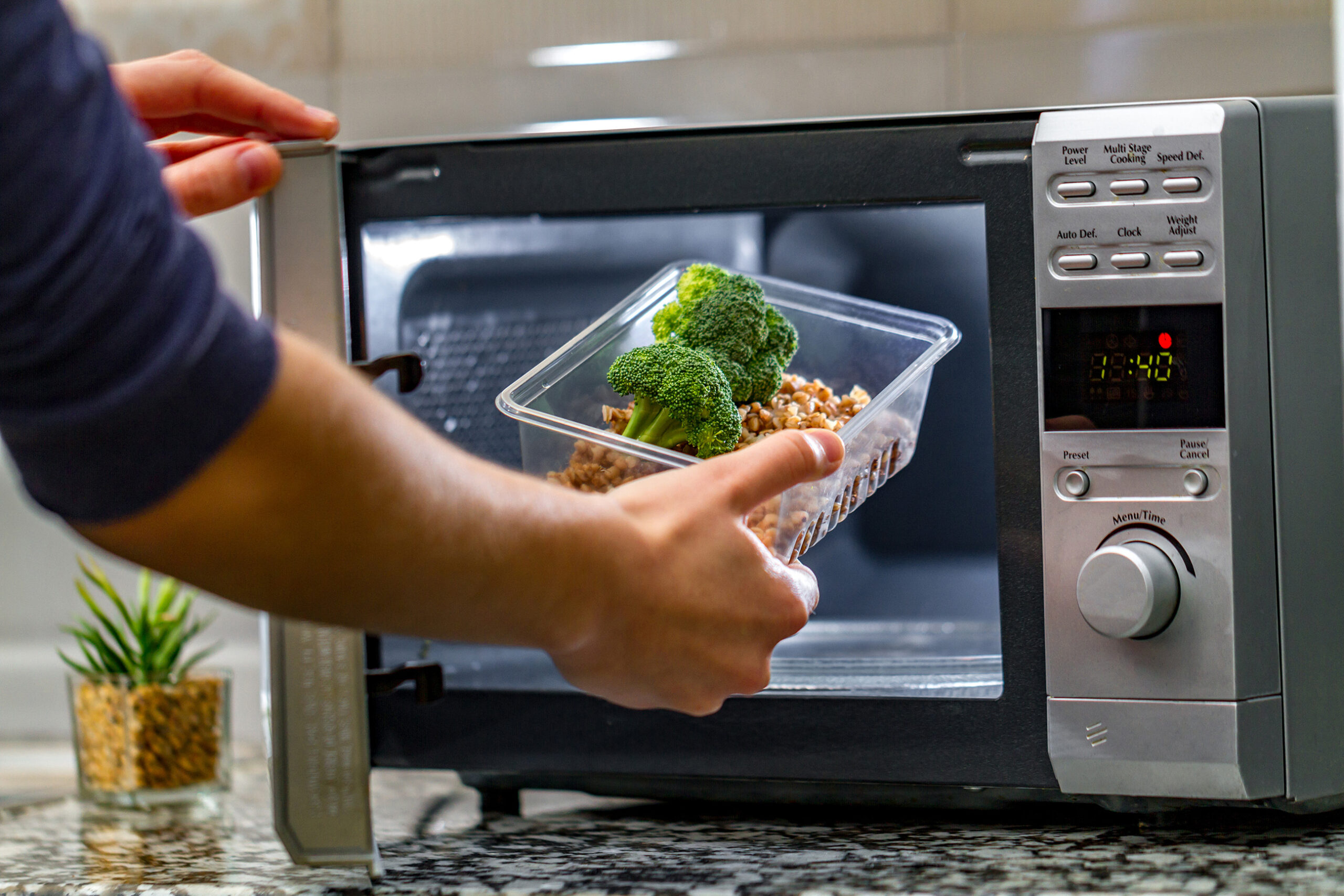
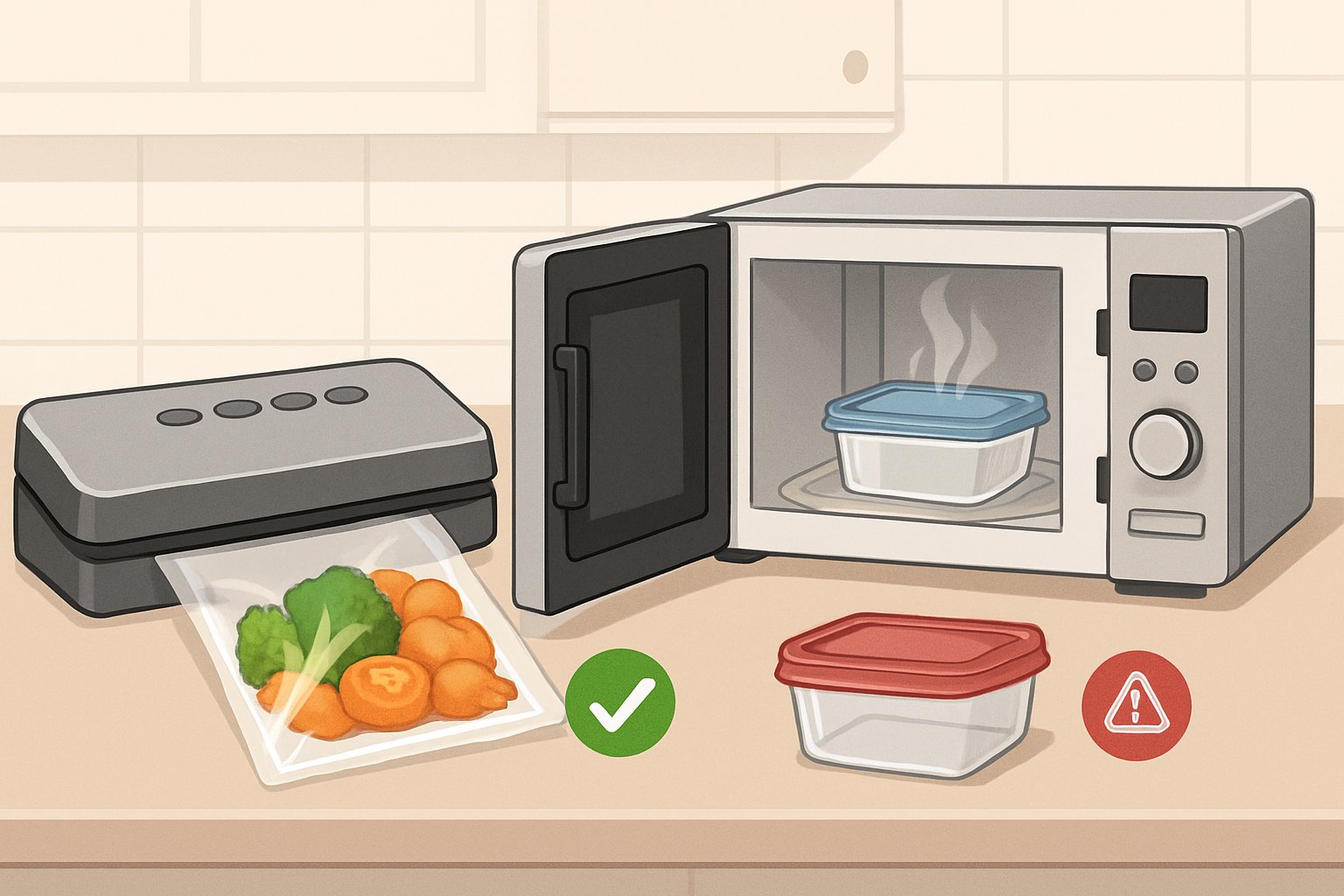
- Best choices: glass, ceramic, and labeled microwave-safe plastics.
- Use lids and covers made for microwaves. Vent them to let steam out.
- Check for a microwave-safe symbol on the bottom of the container.
Avoid these every time:
- Metal of any kind. That includes foil, pans, twist ties, and takeout with metal handles.
- Plates with metallic paint or trim.
- Old or cracked plastic. Heat can make it warp or leach chemicals.
- Foam trays unless they are labeled microwave-safe.
Smart tips I use daily:
- Do not seal a container tight. Pop the lid or leave a small gap.
- Keep plastic wrap from touching food. Use a bowl tall enough to lift the wrap.
- For greasy foods, use paper towels made for kitchens. Watch them to prevent scorching.
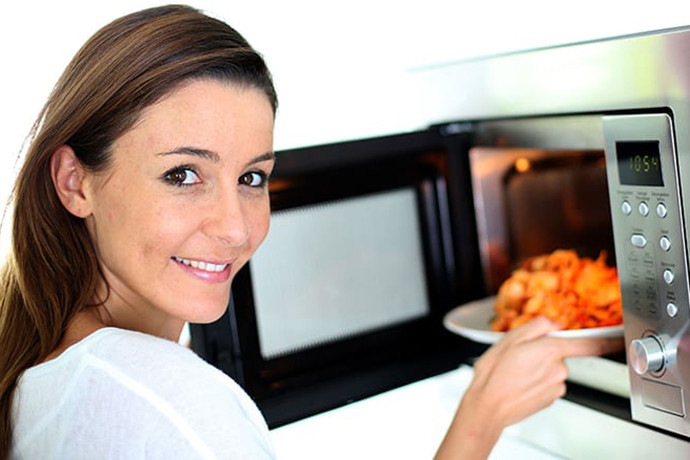
These small steps define How to Use Microwave Oven Safely in real life.
Source: samitivejhospitals.com
Operating Practices That Prevent Burns and Fires
Use a simple routine and you will avoid most problems.
- Cover food loosely to trap steam and reduce splatter.
- Stir and rotate food halfway. This evens out hot and cold spots.
- Use lower power for dense foods. Then finish on high if needed.
- Do not leave it running and walk away. Stay close and watch.
- Use dry oven mitts to remove bowls and plates.
Avoid superheating water:
- Place a wooden stir stick in the cup.
- Heat in short bursts of 20–30 seconds.
- Let it rest before you move it. Keep your face away as you lift.
Other key rules:
- Do not cook whole eggs in the shell.
- Puncture foods with a skin, like potatoes or hot dogs.
- Be careful with popcorn. Do not overrun the bag.
- Keep the inside clean. Spills can burn and cause smoke.
When I show teams How to Use Microwave Oven Safely, I always demo steam burns. Steam is silent, quick, and harsh. Open covers away from you and your hand.

Source: smartyhadaparty.com
Food Safety in a Microwave
Microwaves can leave cold spots. That is a food safety risk. The fix is simple.
- Use a food thermometer. Check the center and thickest part.
- Follow safe temperatures:
- 165°F for leftovers, casseroles, poultry, and reheated meals.
- 160°F for ground beef, pork, or lamb.
- 145°F for fish and whole cuts, then let it rest.
- Cover and let food stand for 1–3 minutes. Heat keeps rising inside.
- Stir soups and sauces well. Move the center to the edge and back.
- For baby bottles, never heat with the nipple on. Shake and test on your wrist.
Defrost the safe way:
- Use the defrost setting or 30% power.
- Rotate and separate pieces as they thaw.
- Cook right after defrosting. Do not refreeze food thawed in a microwave.
Food safety rules from public health experts back these steps. They are the heart of How to Use Microwave Oven Safely and keep your family well.

Source: youtube.com
Cleaning, Care, and Maintenance
A clean unit heats better and is safer.
- Unplug first if you will clean deep parts.
- Wipe spills as soon as the inside cools.
- Steam clean with water and a little vinegar in a bowl. Heat 2–3 minutes and wipe the soft mess.
- Wash the turntable and ring by hand or in the dishwasher.
- Do not spray cleaner into vents or the control panel.
- For over-the-range models, clean the grease filter and replace the charcoal filter as needed.
Test performance once a month:
- Heat 1 cup of water for 1 minute. It should feel very hot.
- If you see sparks, smell burning, or hear odd sounds, stop at once and unplug.
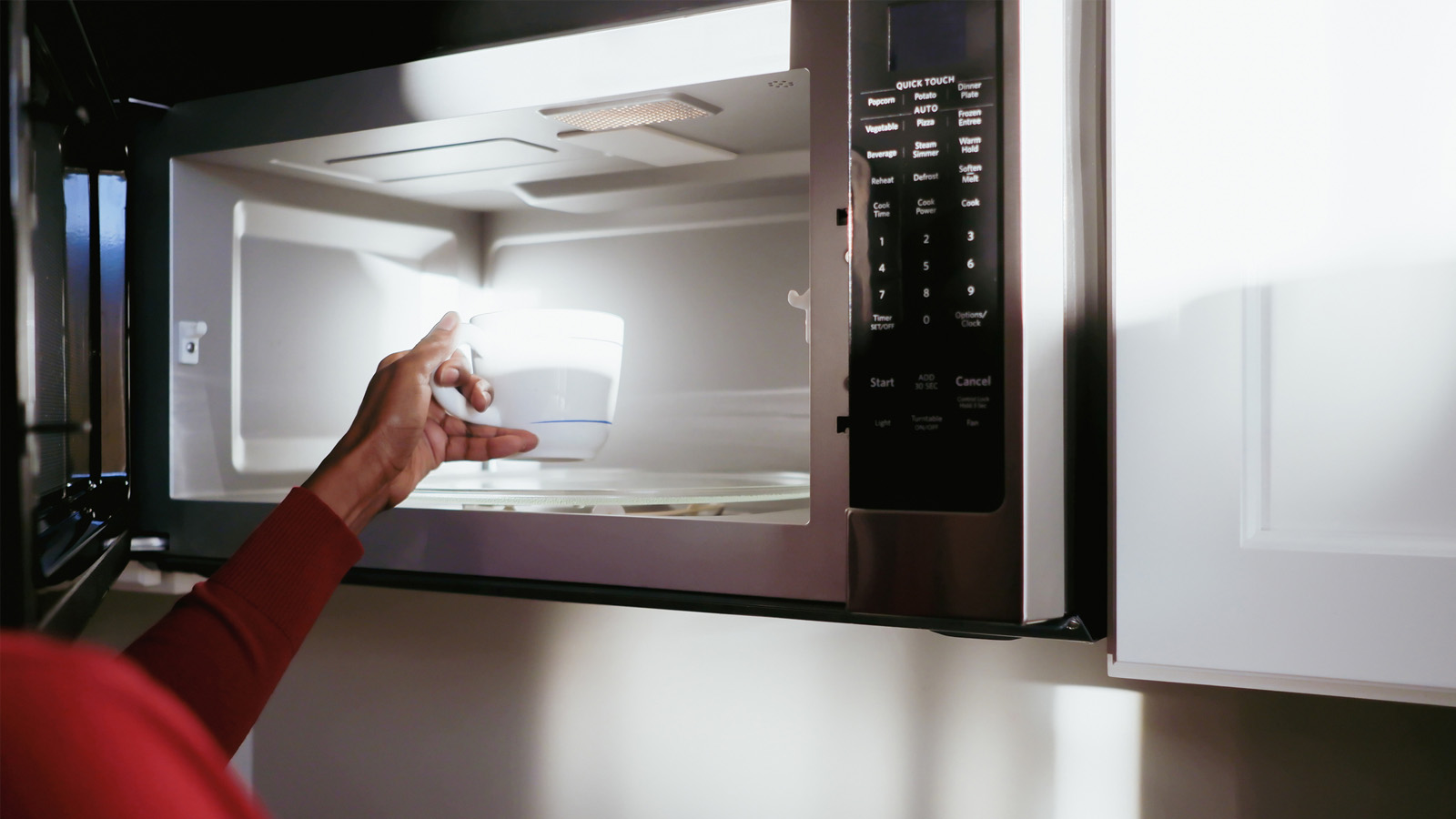
These steps make How to Use Microwave Oven Safely a daily habit, not a one-time check.
Source: fda.gov
Special Situations: Kids, Seniors, and Shared Spaces
Make the space work for the people who use it.
- For kids: post simple reheating steps. Use color labels on safe containers. Teach them to open covers away from the face.
- For seniors: use large-print buttons or preset keys. Keep mitts and a thermometer close.
- In offices and dorms: set a cleaning rota. Label safe containers. Keep a note with key tips near the unit.
What about medical devices? Modern microwaves are shielded. They should not affect most pacemakers. Still, if anyone has a device, follow their doctor’s advice and keep doors and seals in good shape.
These tweaks help everyone learn How to Use Microwave Oven Safely without stress.

Source: wikihow.com
Troubleshooting and When to Call a Pro
Know the signs that point to a fix or a service call.
- Sparks inside: stop at once. Remove any metal or foil bits. If it keeps happening with safe dishes, call a pro.
- Door not closing well: do not use it. The latch or seal needs repair.
- Plate not turning: clean the ring and track. If it still sticks, the motor may need service.
- Uneven heating: try lower power, more stirring, and flatter dishes.
- Keypad fails or trips the breaker: unplug and call for service.
Do not open the case. A charged capacitor can hold a lethal shock, even when unplugged. For recalls or support, check the brand site with your model number.
How to Use Microwave Oven Safely also means knowing your limits. If in doubt, call a technician.
Is it safe to microwave food in plastic?
It is safe if the plastic is labeled microwave-safe. If there is no label, switch to glass or ceramic.
Why does my microwave spark sometimes?
Sparks come from metal or thin foil edges. They can also come from chips in the cavity paint. Stop and fix the cause before using it again.
Can I sterilize a kitchen sponge in the microwave?
It can reduce germs if the sponge is wet and heated well, but results vary. Many experts now suggest replacing sponges often instead.
Frequently Asked Questions of How to Use Microwave Oven Safely
How long can I run a microwave at once?
Most home microwaves can run several minutes without trouble. For long jobs, use lower power and pause to stir.
Can I use aluminum foil at all?
Avoid it. Foil edges arc and can start a fire. Use a vented cover or microwave-safe lid instead.
What is the best way to reheat leftovers?
Cover, use medium power, and stir halfway. Check 165°F and let it stand 1–2 minutes.
Are paper plates safe?
Plain, white paper plates are often fine for short heats. Avoid plates with prints, plastic layers, or metal trim.
Why do some foods explode?
Steam builds inside skins or tight covers. Pierce foods like potatoes and hot dogs, and vent lids.
Is it okay to microwave breast milk?
Warm gently in short bursts and swirl well. Do not overheat or use hot spots; test on your wrist.
Can I put a travel mug in the microwave?
Only if it is labeled microwave-safe and has no metal. Remove any metal lid and vent the top.
Conclusion
A microwave is fast, safe, and smart when you use it with care. Choose the right container, cover and vent, stir and rest, and check temperatures. Keep it clean, watch for signs of trouble, and teach your team or family the same steps.
Make How to Use Microwave Oven Safely your daily habit. Post these tips near the unit and try them with your next meal. If this helped, share it with a friend, subscribe for more kitchen safety guides, or leave a question in the comments.