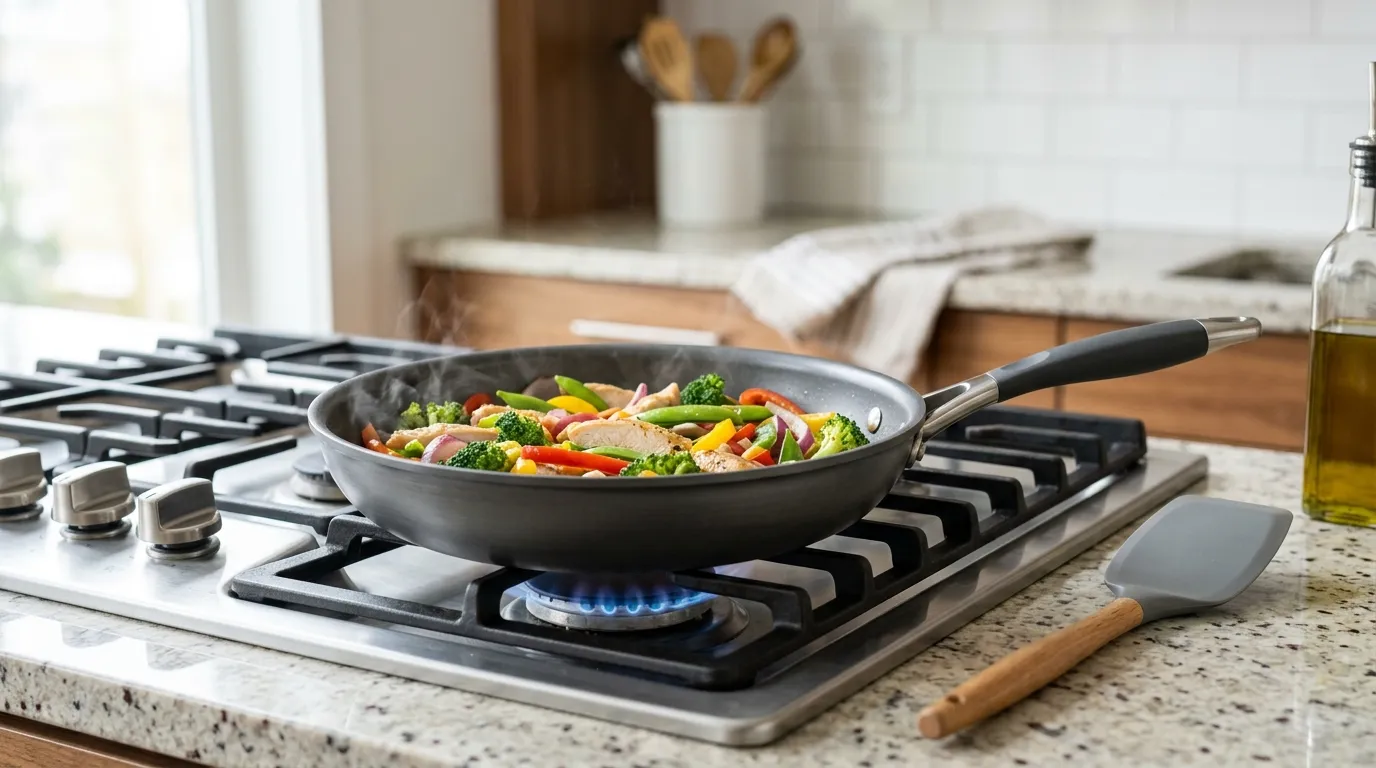
Use low to medium heat, avoid metal tools, and clean with care every time.
I have cooked a lot and tested pans for years. I know how to use non-stick pans safely and what steps keep food tasty and pans long-lived. This guide gives clear, practical steps. Read on to learn simple habits, buying tips, cleaning tricks, and when to replace your pan.
Why non-stick pans matter and how they work
Non-stick pans make cooking easy. They cut oil needs and make clean-up fast. The coating keeps food from sticking. Knowing how to use non-stick pans safely helps you cook with less stress and fewer scraps. Use gentle heat and mild tools to protect the coating.
Choose the right non-stick pan
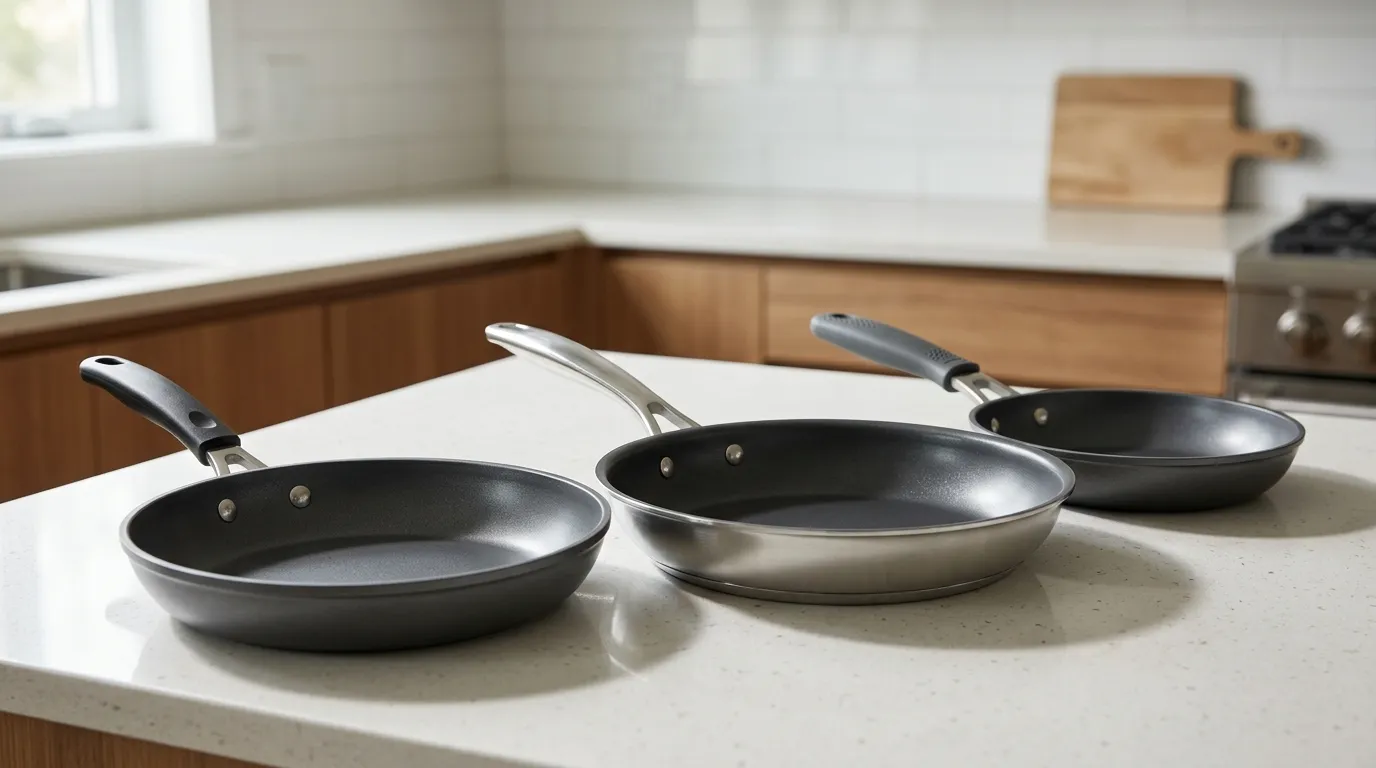
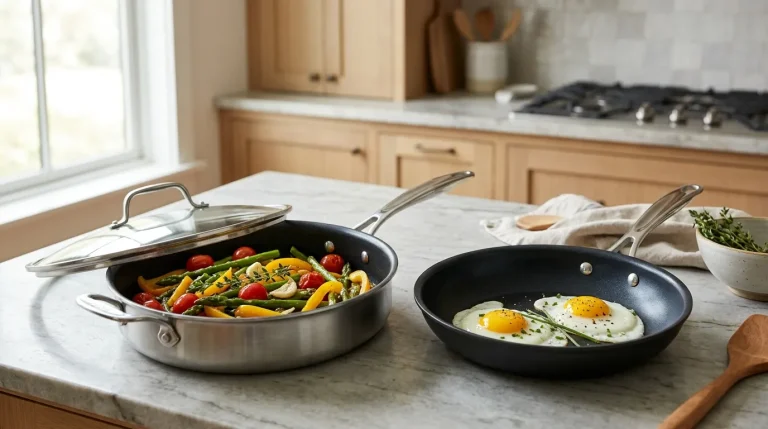
Pick a pan that fits your cooking. Look for a strong base and even heat. Choose a quality non-stick coating that is bonded well to the pan. Consider these points:
- Material: Aluminum heats fast and is light. Stainless-steel bases add stability and even heat.
- Coating type: Many pans use PTFE coatings. Newer options use ceramic. Both have pros and cons.
- Size and handle: Choose a size you use most. Buy a pan with a cool, sturdy handle.
When you learn how to use non-stick pans safely, choosing the right pan makes the rest easier.
Safe cooking practices for non-stick pans
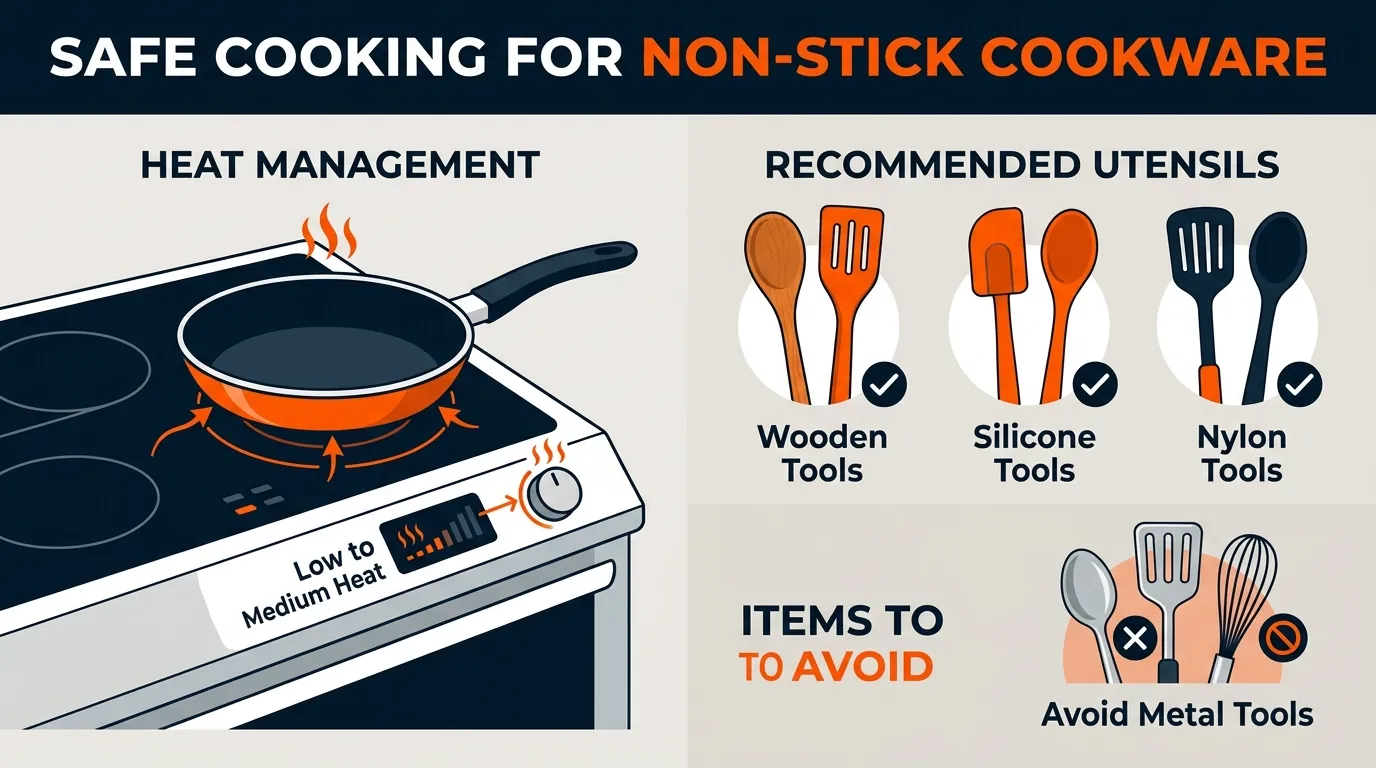
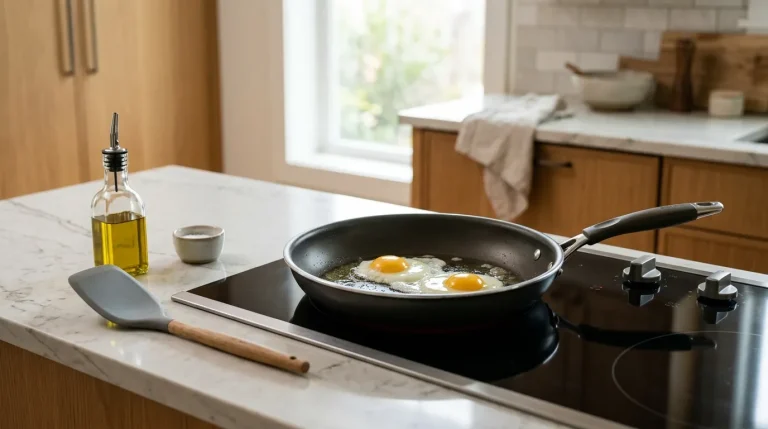
Start with low to medium heat. High heat can break down some coatings. Preheat the pan for a short time only. Add oil, butter, or food after the pan warms. Use wooden, silicone, or nylon tools. Do not use metal tools. Metal can scratch and chip the non-stick surface.
Common questions many cooks ask:
Can I use non-stick pans on high heat? Avoid high heat. High heat may damage the coating and release fumes in rare cases.
Will metal utensils ruin the coating? Yes. Metal tools can scratch or flake the coating. Use soft tools to keep the pan safe.
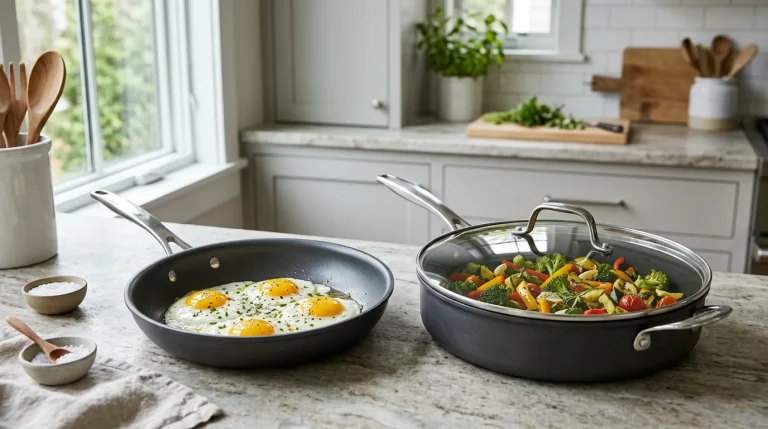
Keep lids nearby to control splatter. Turn heat down when food is browning too fast. These steps show how to use non-stick pans safely while getting good results
Cleaning and storage
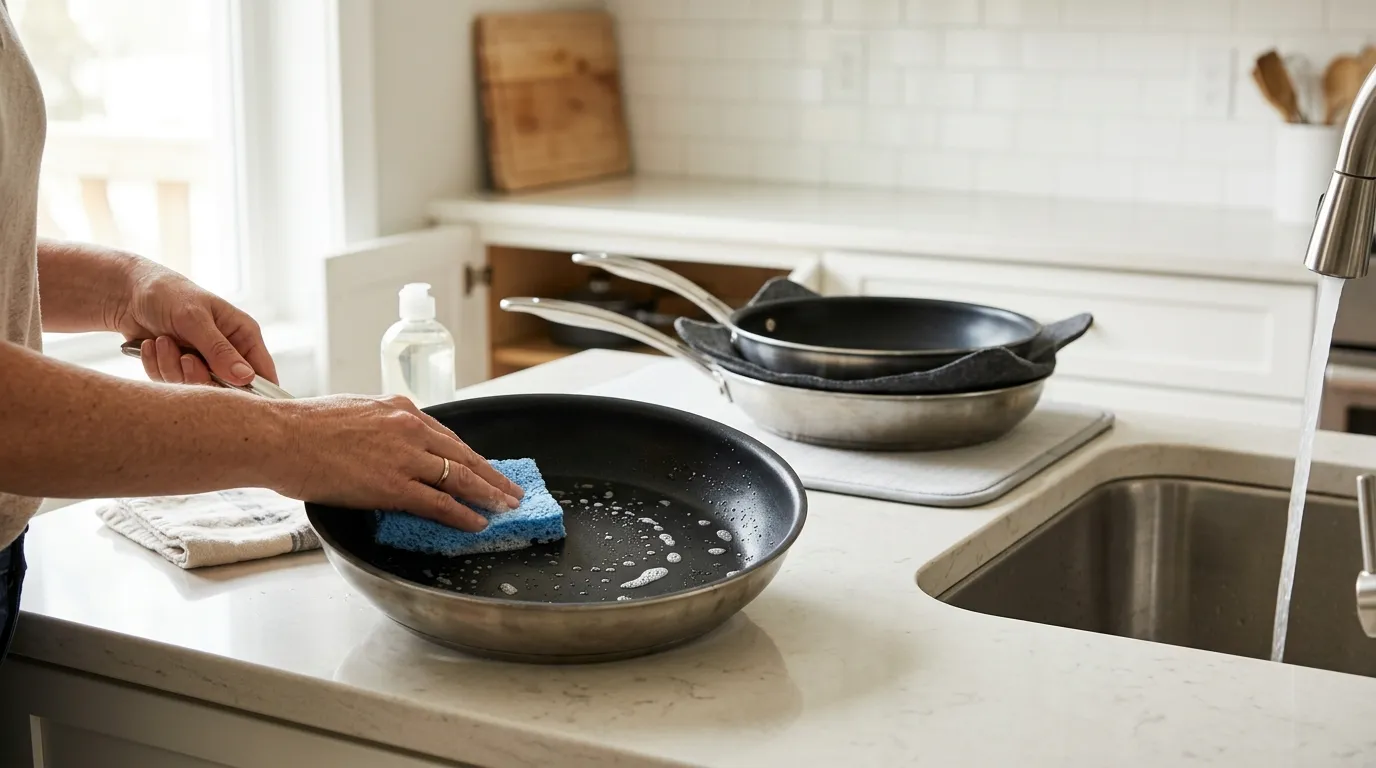
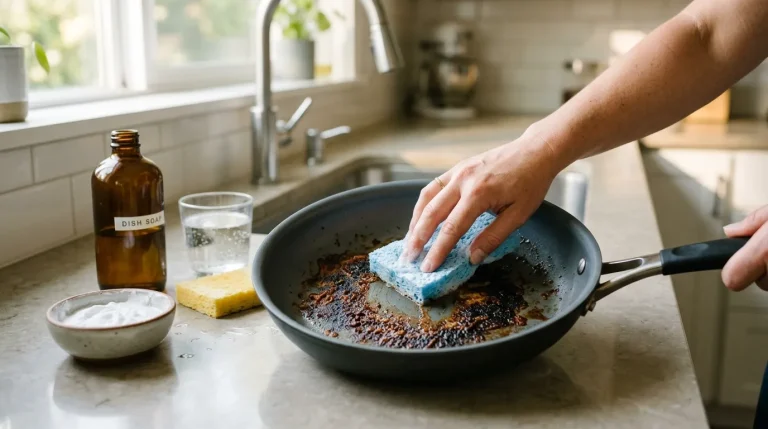
Clean after each use. Let the pan cool first. Hot pans can warp if put under cold water. Use warm water, mild soap, and a soft sponge. Do not scrub with steel wool or abrasive pads. For stuck food, soak in warm soapy water first.
Dishwasher use varies by brand. Some non-stick pans say dishwasher safe. Hand wash often lasts longer. Store pans without stacking rough items on them. Use pan protectors or soft cloths between pans. These habits help you use non-stick pans safely and keep them working well.
When to replace non-stick pans
Watch for flaking, deep scratches, and uneven areas. These are signs the coating is failing. If coating peels or food sticks badly, replace the pan. Most good pans last 3 to 5 years with regular use. Heavy use or harsh care shortens that life.
If a pan warps or the base gets damaged, food may cook unevenly. Replace warping sooner. Replacing a failing pan is part of how to use non-stick pans safely and protect your food.
Personal experience and common mistakes
I once cooked on high heat to sear meat. The pan looked fine at first. Later the coating showed tiny blisters. I learned that quick high heat can harm even new pans. Since then, I use medium heat and check the surface often.
Common mistakes I see:
- Overheating: This speeds up wear and may release strong smells.
- Metal tools: They cause scratches and reduce life.
- Stacking without protection: It chips the coating.
These real lessons show practical ways to use non-stick pans safely. They help you avoid regret and wasted money.
Frequently Asked Questions of How to Use Non-stick Pans Safely
How hot can I heat a non-stick pan?
Heat non-stick pans on low to medium. High heat can damage many coatings and shorten life. Keep heat moderate for most tasks.
Can I sear meat in a non-stick pan?
You can sear on medium-high, but not extreme high. Use a heavy pan and keep an eye on the coating. If you often sear, consider a cast-iron pan instead.
Is it safe to use non-stick pans every day?
Yes, with care. Use gentle heat, soft tools, and correct cleaning to keep the surface safe. Regular care keeps the pan in good shape.
Are ceramic non-stick pans safer than traditional ones?
Ceramic pans avoid PTFE coatings and can handle higher heat briefly. They still need soft tools and gentle cleaning. Both types need proper use to stay safe.
How do I know if my non-stick pan is unsafe?
Look for flaking, deep scratches, or areas where the coating peels. If food sticks or the surface looks damaged, stop using the pan. Replace it to stay safe.
Conclusion
Use low to medium heat, soft tools, and mild cleaning to keep pans safe and working well. Choose a good pan, cook with care, and replace it when the coating fails. Small habits yield big gains in flavor and safety. Try one change today: switch to silicone tools or hand-wash after use. Share your tips, subscribe for more kitchen guides, or leave a comment about your pan experiences.