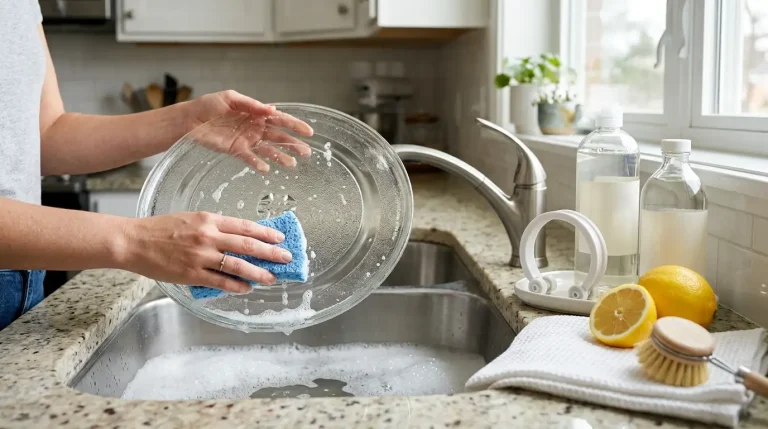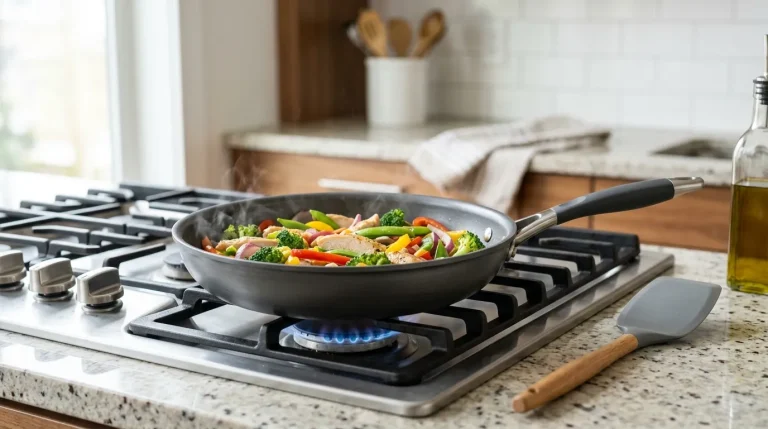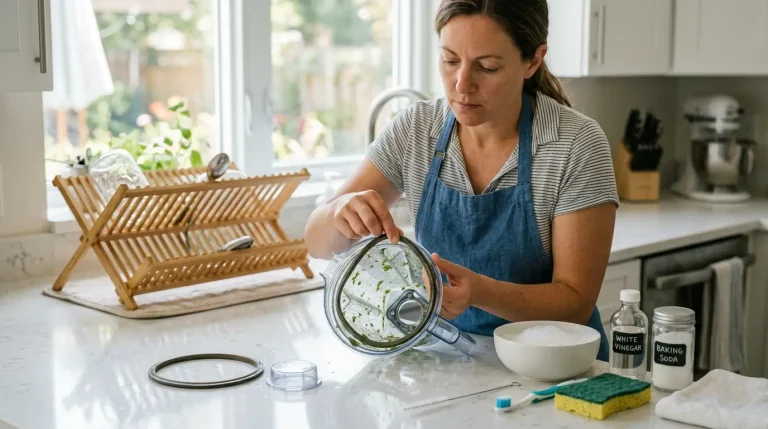

Wash by hand with warm soapy water, a soft sponge, and no abrasives.
If you want pans that release eggs like magic and last for years, you need to know how to clean non-stick cookware the right way. I’ve cleaned thousands of pans in home kitchens and test labs, and I’ll show you proven steps that protect the coating, stop sticky build-up, and save time. This guide breaks down how to clean non-stick cookware after daily meals, how to fix stuck-on messes, and what to avoid so your pans stay slick.
Why non-stick cookware needs special care
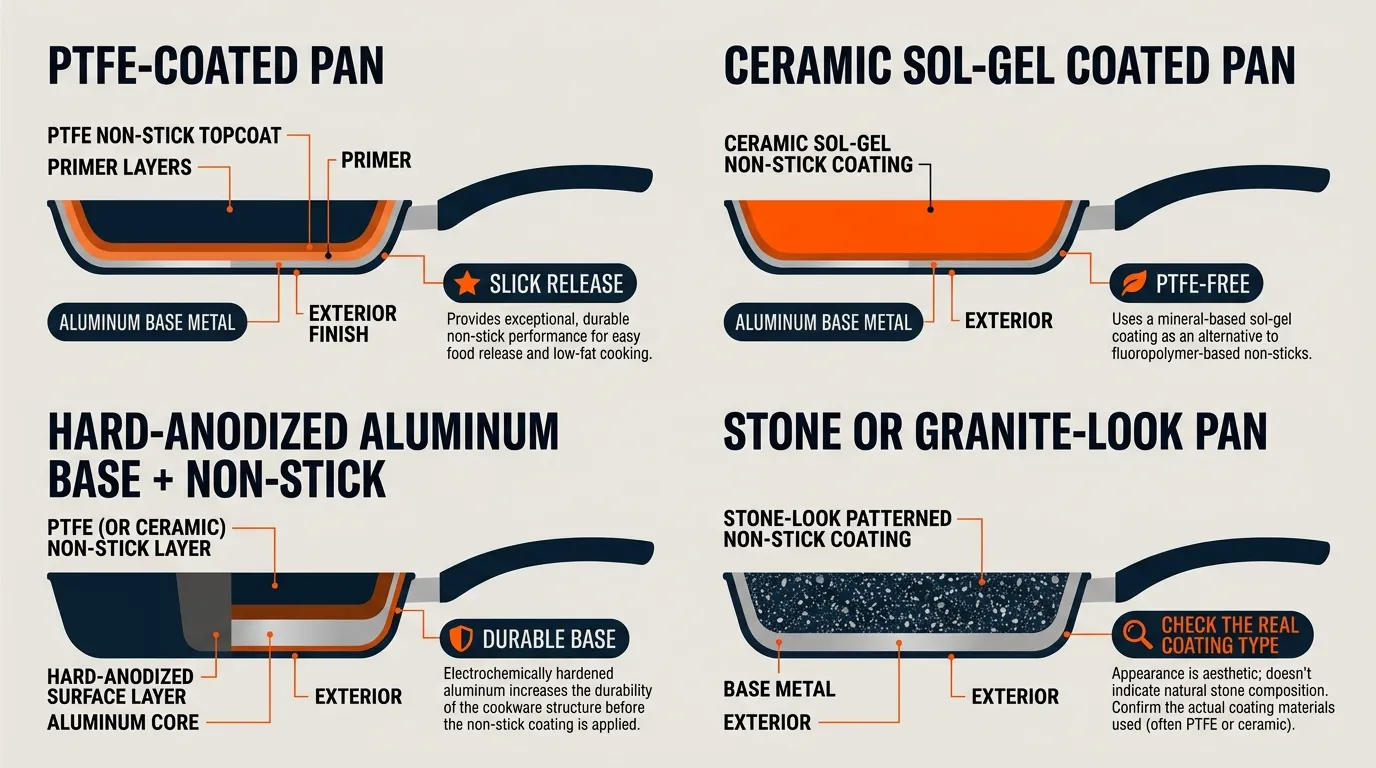
Non-stick coatings are thin and delicate. Abrasive tools and harsh cleaners can scratch the surface and shorten its life. High heat also bakes oils onto the coating and causes stubborn residue.
Most modern pans are PFOA-free and use PTFE or ceramic coatings. Both types prefer gentle care. When you learn how to clean non-stick cookware the right way, you keep food release strong and avoid warping or flaking.
From years of kitchen work, I’ve seen one pattern. Pans fail early when owners scrub hard, run them through dishwashers often, or use aerosol spray oils. A soft approach wins.
Essential tools and cleaners for gentle care
Keep a small kit near the sink. It makes how to clean non-stick cookware fast and simple.
- Soft non-scratch sponge or cellulose sponge great for daily films and light grease.
- Nylon dish brush for the rim and rivets where gunk hides.
- Mild dish soap cuts grease without harming the coating.
- Baking soda safe mild abrasive when used as a paste.
- Microfiber towel soft drying to prevent water spots.
- Silicone or wooden utensils for cooking to prevent scratches later.
Optional but helpful:
- White vinegar for hard-water spots on the exterior, not for long soaks on the coating.
- A few drops of neutral oil for a light post-clean rub to keep release smooth.
Step-by-step: how to clean non-stick cookware after every use
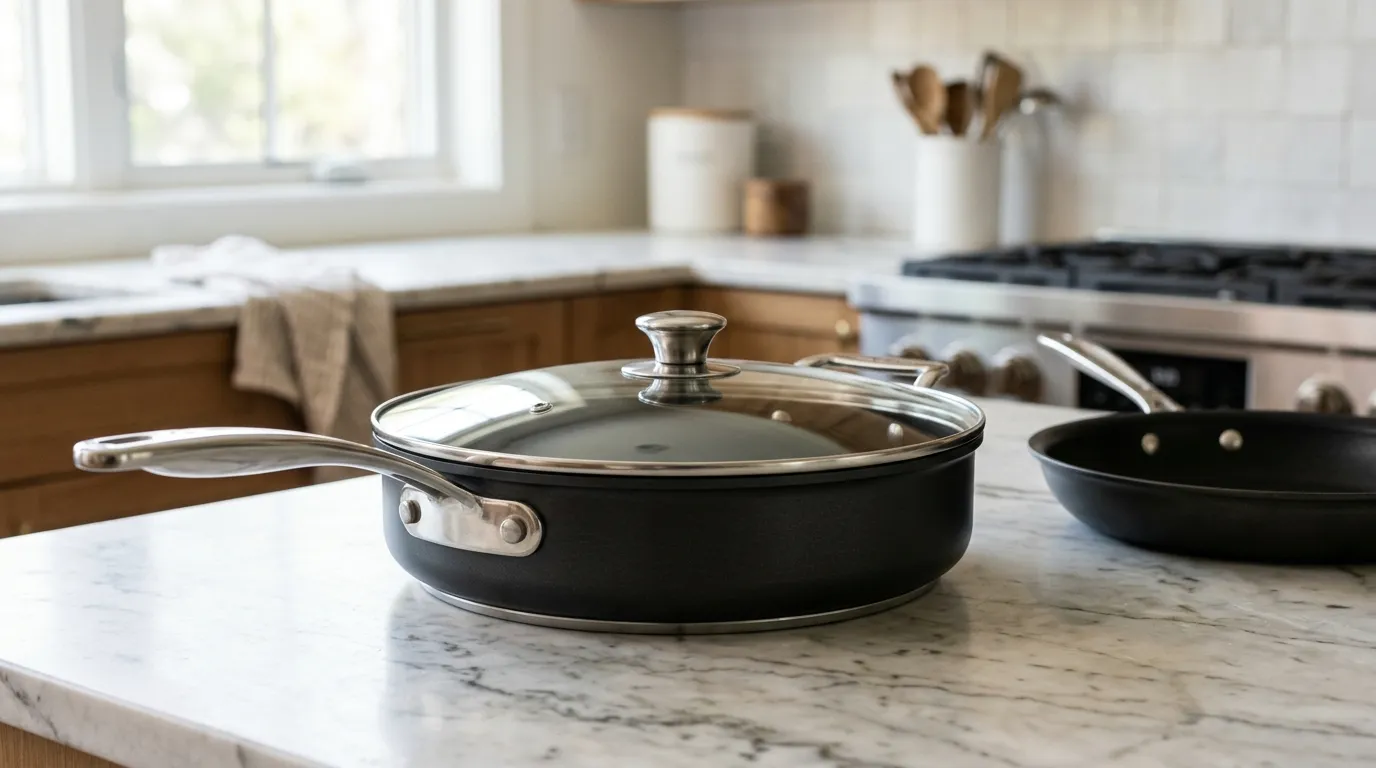
Follow this routine after most meals. It is the core of how to clean non-stick cookware and keep it like new.
- Let the pan cool. Hot pans in cold water can warp. Give it a few minutes.
- Rinse with warm water. This lifts loose bits so you do not grind them in.
- Add a drop of mild dish soap. Use a soft sponge to wipe the cooking surface and sides.
- Detail the rim and rivets. Use a nylon brush if needed.
- Rinse and check for a slick feel. If it still feels greasy, do one more quick soap wipe.
- Dry at once with a microfiber towel. Standing water can leave spots and dull the finish.
- Optional: Rub one or two drops of neutral oil on the warm surface. Wipe off all excess.
This takes less than two minutes. Do it every time and you will see a big difference in release.
How to clean non-stick cookware with stuck-on food
Eggs, cheese, and starch can cling. Here is how to clean non-stick cookware when a soft sponge is not enough.
- Try the soak: Fill the pan with warm water and a small squirt of dish soap. Soak for 15–30 minutes. Wipe with a soft sponge.
- Use a baking soda paste: Mix baking soda with a little water. Spread on the stubborn spot. Wait 10 minutes. Wipe gently with a damp sponge. Rinse well.
- Gentle simmer: Add water and a small squirt of soap. Simmer on low for 5–10 minutes. Let cool, then wipe clean. Do not boil dry.
What I learned in the lab: Elbow grease is not the answer. Time, warm water, and mild soap do the heavy lifting while the coating stays safeHow to clean non-stick cookware with burnt oil or discoloration
Brown, sticky films come from oil that polymerizes on the surface. This makes food stick. Here is how to clean non-stick cookware when that happens.
- Degrease first: Wash with hot water and dish soap to remove loose oil.
- Baking soda lift: Make a paste and spread a thin layer over the stain. Let it sit 15 minutes. Wipe in small circles with a damp sponge. Rinse well.
- For tough rings at the rim: Use a nylon brush with soapy water. Avoid powdered cleansers that can scratch.
- Exterior cleanup: For the base or sides (not the cooking surface), a quick wipe with diluted vinegar can remove mineral spots. Rinse and dry at once.
Avoid strong oven cleaners, steel wool, and scouring powders. They can dull or scratch the coating and void warranties.
What not to do when cleaning non-stick cookware
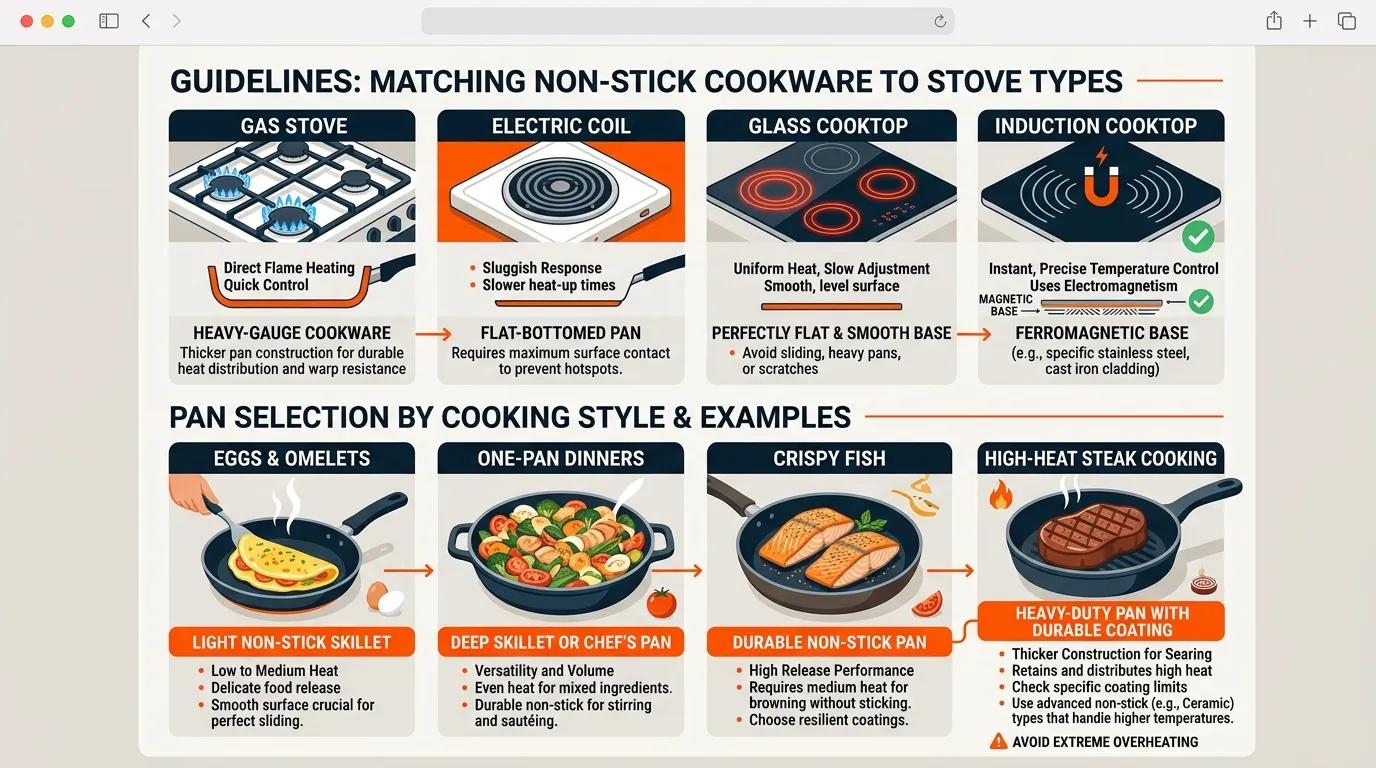
Knowing what to avoid is part of how to clean non-stick cookware the smart way.
- Do not use steel wool, metal scrubbers, or abrasive powders. They scratch fast.
- Do not use aerosol cooking spray. It leaves a sticky film that is hard to remove.
- Do not shock a hot pan under cold water. It can warp the base.
- Do not soak for days. Long soaks can harm some handles and trap water in seams.
- Do not run it through the dishwasher often. Detergents and heat can dull coatings and handles.
A quick hand wash beats a harsh dishwasher cycle and takes less time than you think.
Seasoning, drying, and storage for long life
Some brands suggest a light “seasoning.” It is not like cast iron, but it helps.
- After cleaning and drying, rub a drop or two of neutral oil over the warm surface.
- Wipe off all extra oil. You want a whisper-thin coat.
- Repeat every few weeks or when food starts to stick.
Store with care:
- Use pan protectors or a paper towel between stacked pans.
- Hang pans if space allows.
- Keep lids off until fully dry to prevent trapped moisture.
These small steps reduce wear and keep that slick feel you love.
When to replace non-stick cookware safely
Even the best care has limits. Watch for these signs.
- Deep scratches that expose the base metal.
- Peeling, flaking, or bubbling of the coating.
- Warped bottoms that rock on a flat cooktop.
- Food sticks even after proper cleaning and a light oil rub.
If you see these, retire the pan. Modern non-stick is safe when used as directed, but a damaged coating will not perform well. Replacing saves time and stress.
Troubleshooting guide: quick fixes and pro tips
Over the years, I’ve logged the most common issues and fixes. Use this checklist when learning how to clean non-stick cookware in real life.
If the pan smells greasy after washing:
- Wash again with hotter water and a bit more soap.
- Dry fully, then do a very light oil rub and wipe it bone dry.
If eggs start to stick:
- Lower the heat. Preheat on low to medium only.
- Add a touch more fat and avoid aerosol sprays.
If white spots appear:
- They may be mineral deposits. Wipe the area with a cloth dampened with diluted vinegar, then rinse and dry.
If the rim has a baked-on ring:
- Scrub the rim with a nylon brush and soapy water.
- Use a baking soda paste if needed, then rinse.
If food burns fast:
- Your burner may run hot. Use medium or lower heat for non-stick.
- Preheat for 1–2 minutes only before adding oil or food.
These fixes improve performance and reduce wear during cleaning.
Frequently Asked Questions of how to clean non-stick cookware
Can I put non-stick pans in the dishwasher?
Some are labeled dishwasher safe, but hand washing is kinder. Detergents and heat can dull the coating and weaken handles over time.
Is baking soda safe on non-stick?
Yes, when used as a mild paste and gentle wipe. Rinse well and avoid hard scrubbing.
Should I season my non-stick pan?
A light wipe of neutral oil after drying can help release. It is optional but useful if food starts to cling.
Can I use vinegar to clean non-stick?
Use diluted vinegar only on the exterior or for brief spot treatment. Avoid long soaks on the cooking surface.
Why does cooking spray leave a sticky film?
Aerosol propellants and additives bake onto the coating. Use butter, ghee, or pourable oils instead.
How often should I deep clean my non-stick pan?
Deep clean only when you see residue or stains. For most home cooks, once a month is enough.
What sponge should I use?
Use a soft non-scratch sponge or nylon brush. Avoid anything marked heavy-duty or abrasive.
Conclusion
Gentle care is the secret to pans that stay slick. Let your pan cool, wash by hand with warm soapy water, use a soft sponge, and skip harsh tools and sprays. When things get sticky, soak, use a baking soda paste, and take your time.
Start with one small change today. Hand wash after dinner and dry at once. Your next omelet will tell you it was worth it. If this guide helped, share it with a friend, subscribe for more kitchen tips, or leave a question in the comments.