Choose non-stick cookware by matching coating, build, heat source, and budget.
If you cook most days, picking the right pan saves time and stress. In this guide, I’ll show you how to choose non-stick cookware with clear steps, tested tips, and real kitchen insight. I’ve trialed dozens of pans for eggs, pancakes, and searing, and I know what fails and what lasts. Read on to learn how to choose non-stick cookware that fits your stove, your food, and your wallet.

Source: t-fal.com
What “non-stick” really means and why it matters
Non-stick is a coating that stops food from bonding to the pan. Most use PTFE, which is slick and long lasting at low to medium heat. Others use ceramic, which is smooth at first but can lose glide faster.
How to choose non-stick cookware starts with use. If you cook eggs and delicate fish, a PTFE skillet is great. If you want a PTFE-free path, ceramic works, but plan for a shorter life.
Here is the key idea. The coating is only part of the story. The base metal, pan thickness, and handle design also drive how your pan heats, cleans, and lasts. Learn these, and how to choose non-stick cookware gets easy.
Source: walmart.com
Types of non-stick coatings and how to pick
PTFE (often known by a brand name)
- Pros: Very slick. Great release for eggs. Easy to clean.
- Cons: Loses strength at very high heat. Needs care with tools and heat.
Ceramic (sol-gel)
- Pros: PTFE-free. Good at high sear for short bursts. Often bright and white inside.
- Cons: Loses non-stick sooner. Needs a light oil film for best glide.
Hard-anodized aluminum
- Pros: Tough base. Even heat. Often used under PTFE for better wear.
- Cons: Not a coating by itself. You still need PTFE or ceramic on top.
“Stone” or “granite” look
- Pros: It is a style, not a stone layer. Often a PTFE or ceramic mix with specks.
- Cons: Do not assume extra strength. Check the real coating type and heat limit.
Enameled cast iron is not true non-stick. It is low stick with oil after warm up. Seasoned cast iron can be near non-stick with practice. But it is not the same glide as a fresh PTFE surface.
How to choose non-stick cookware by coating
- Want max glide for eggs: PTFE on a thick pan.
- Want PTFE-free: Ceramic, and use low to medium heat with a light oil.
- Want tougher pan walls: Hard-anodized base with a quality PTFE layer.

Source: t-fal.com
Safety and health facts you should know
PTFE is safe at normal cooking heat. Keep it under about 500°F. Very high heat can harm the coating and create fumes. Do not preheat an empty pan on high. Birds are very sensitive to fumes, so be extra careful if you keep birds at home.
PFOA was used long ago to make some PTFE. It is no longer used for this in new pans in the US. Many people still mix the terms. Today’s PTFE is made without that step.
Ceramic coatings are PTFE-free. They can need more oil as they age. If a coating is chipped or flaking, replace the pan. If you want to be sure, buy from a known maker with test data. This is a trust step when learning how to choose non-stick cookware.

Source: amazon.com
Construction and performance: the parts you can feel
Pan thickness
- Thicker pans (about 3 to 5 mm) spread heat better. They resist warping.
- Very light pans heat fast but have hot spots.
Base metal
- Aluminum is common. It heats fast and even.
- Clad steel or a thick steel plate can work on induction.
Handle and rivets
- Solid rivets feel safe. They may gather grime; a brush helps.
- Welded handles are smooth inside the pan. They can be strong if well made.
- A metal handle is best for oven use. Silicone sleeves stay cool on the stove.
Lids
- Glass lids are nice for a quick look. Metal lids are tougher and lighter.
Oven and broiler use
- Check the oven-safe temp. Many PTFE pans rate to 400–500°F. Broilers run too hot for most non-stick.
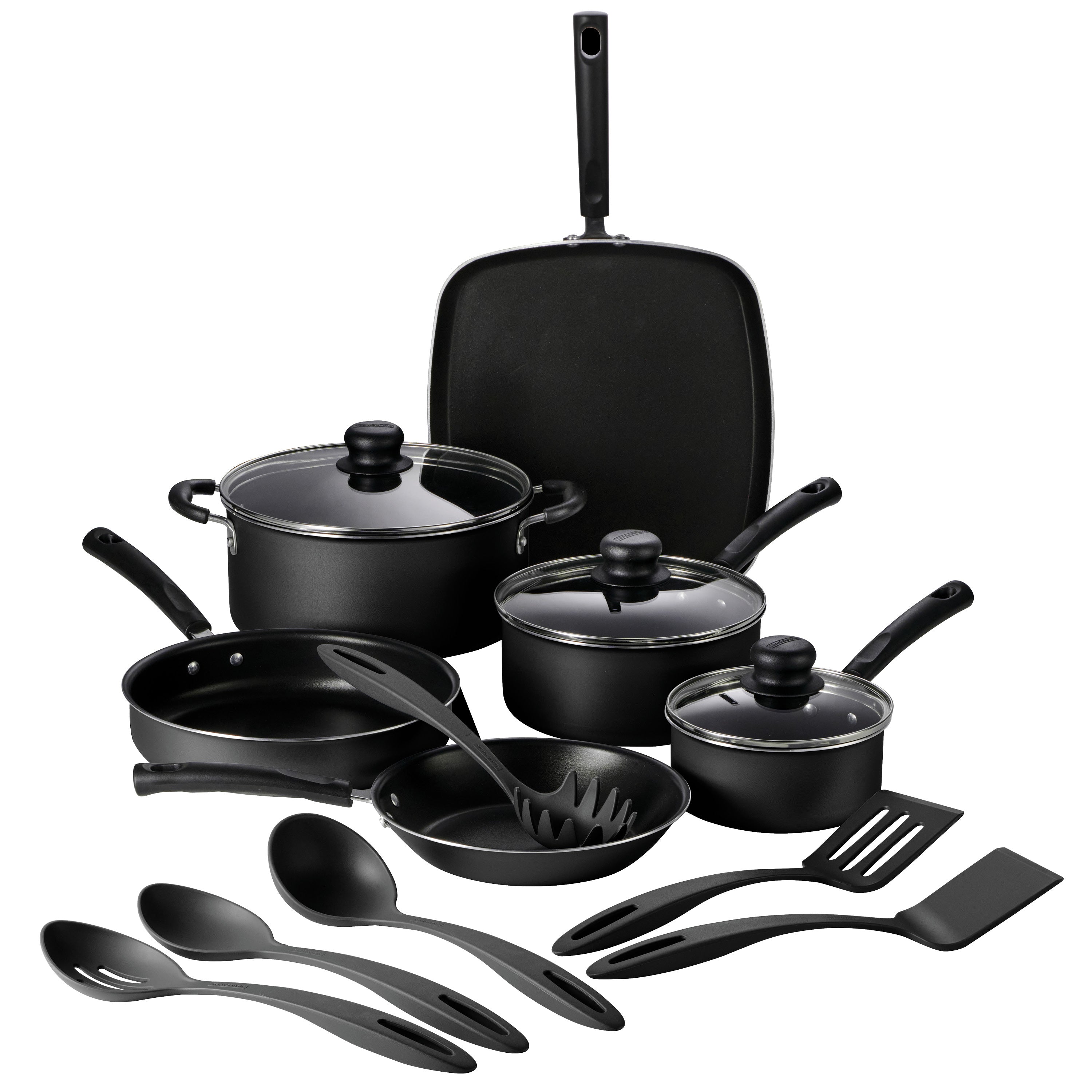
These build cues matter when you think about how to choose non-stick cookware for daily use.
Source: tramontina.com
How to choose non-stick cookware for your stove and style
Stove type
- Gas: Choose a thicker pan to spread flame heat and stop hot rings.
- Electric coil or glass: A flat, warp-proof base is key.
- Induction: The pan needs a magnetic base. Use a magnet to check.
Cooking style
- Eggs and omelets: 8–10 inch PTFE skillet. Low heat. Little oil.
- One-pan dinners: 12 inch sauté with straight sides and a lid.
- Crispy fish: Use a fresh PTFE or ceramic pan, medium heat, dry fish, hot oil.
- Searing steak: Use stainless or cast iron. Then finish in non-stick for sauce if you like.
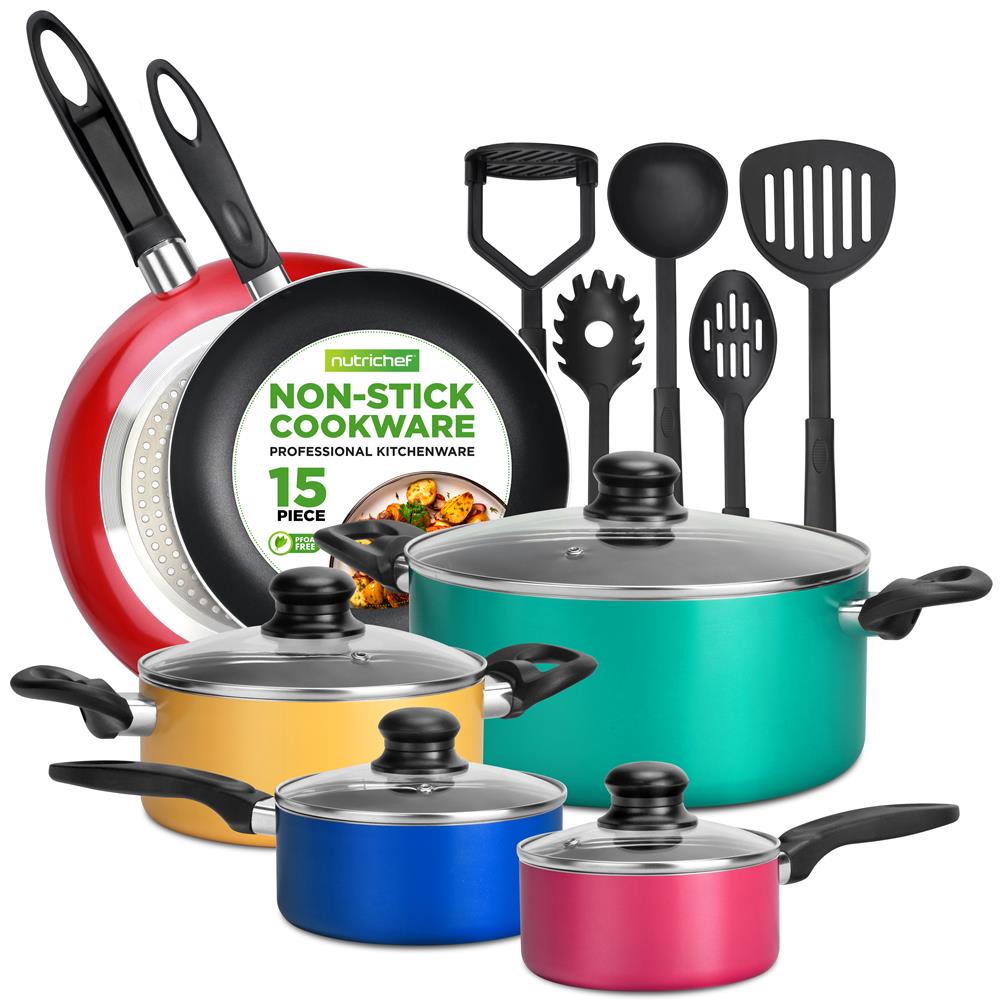
This is the heart of how to choose non-stick cookware. Match the pan to what you cook most.
Source: pyleusa.com
Sizes, shapes, and sets vs open stock
Core sizes that cover most homes
- 8 inch skillet: One egg or a quick toast of nuts.
- 10 inch skillet: Two to three eggs, two fillets, small stir-fries.
- 12 inch skillet or sauté: Family meals, batch browning, fried rice.
Shapes
- Sloped sides help flip and slide. Straight sides hold sauces and space.
Sets vs single pieces
- Sets look like a deal but can bloat your shelf.
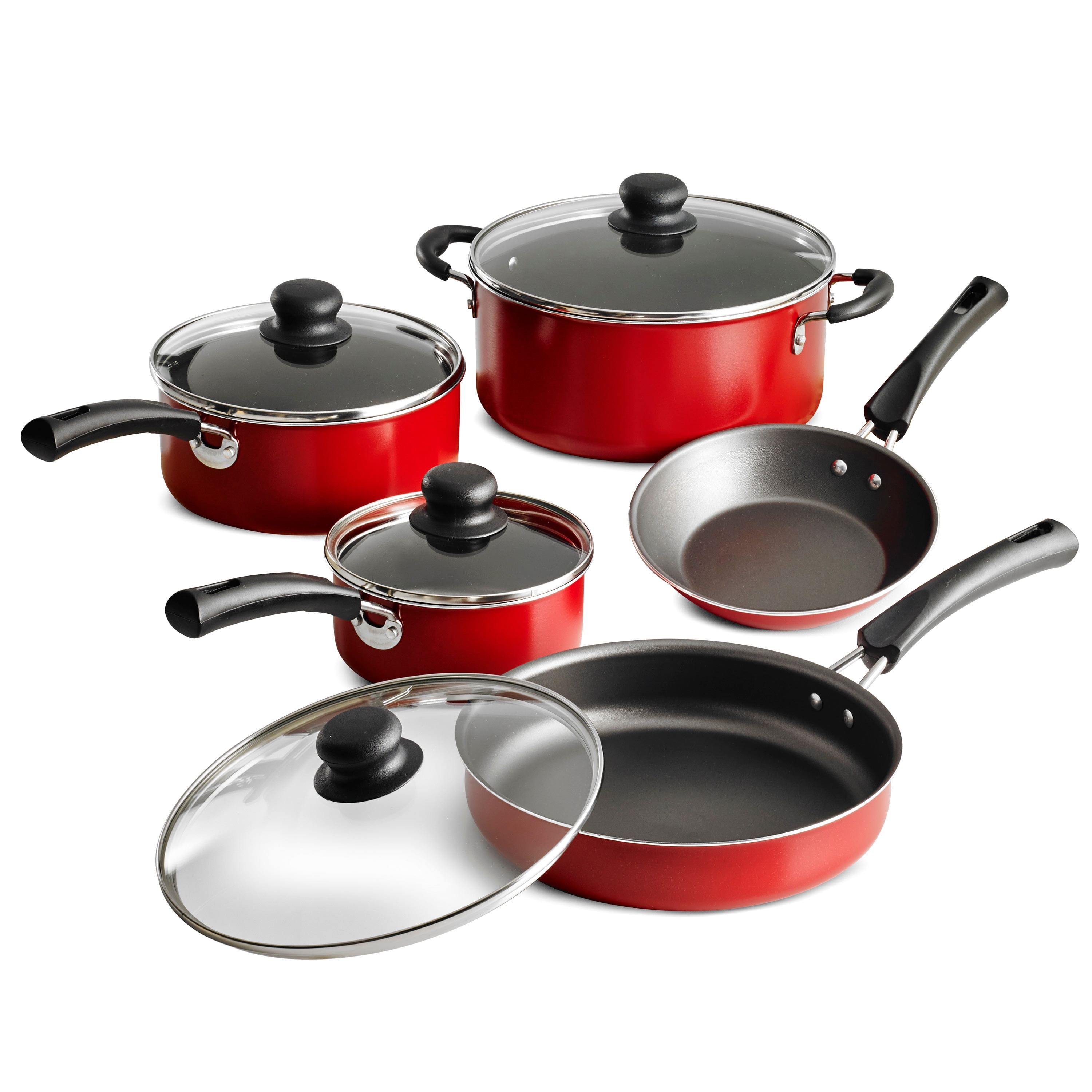
- Start with a 10 inch skillet and a 12 inch sauté with lid. Add a 2–3 qt sauce pan if you need it.
When you plan how to choose non-stick cookware, buy what earns its space.

Source: t-fal.com
Budget, warranty, and realistic lifespan
Set a budget by use. If you fry eggs daily, spend more on that pan. Skip a big set you will not use.
Expect a lifespan of one to five years for the coating. PTFE often lasts longer than ceramic if cared for. A thicker pan helps the coating by keeping heat even.
Read the warranty. Many exclude wear from normal use or high heat. Keep your proof of buy. This is a smart move in how to choose non-stick cookware with less risk.

Source: tramontina.com
Care and maintenance that extend life
Heat and oil
- Preheat on low to medium for a minute. Add a little oil or butter.
- Do not use aerosol sprays. They leave sticky film.
Tools and cleaning
- Use silicone, wood, or nylon tools.
- Let the pan cool. Wash with warm water and a soft sponge.
- If food sticks, soak and wipe. Avoid harsh pads.
Storage
- Do not stack bare. Use a pan protector or a towel.
- Wipe the rim and around rivets to keep the glide.
These small steps double the life of many pans. They also shape how to choose non-stick cookware you can keep happy.

Source: t-fal.com
Sustainability and end-of-life options
Non-stick pans are hard to recycle in normal streams. Some metal shops take stripped pans. Ask your town.
Some makers offer trade-in or recoat services. This can cut waste and cost. If you want long-term gear, add one cast iron or stainless pan for high heat jobs. Then keep a smaller non-stick just for sticky foods. This split is a smart way to think about how to choose non-stick cookware with the planet in mind.
Red flags and quick in-store tests
Check the base. Set it on a flat shelf. If it rocks, skip it.
Feel the weight. Very thin pans warp and heat uneven. Aim for solid but not heavy.
Look at the coating. It should be even, with no pools, pits, or thin edges.
Test the magnet for induction. If it sticks well to the base, it should work.
Read the heat and oven limits. Make sure they match how you cook. These fast checks make how to choose non-stick cookware simple at the store.
A simple checklist to lock in your choice
Use this list when you decide how to choose non-stick cookware:
- Your stove type and need for induction.
- Your top three dishes each week.
- Coating choice: PTFE for max glide, ceramic for PTFE-free.
- Pan thickness and warp resistance.
- Oven-safe temp that fits your recipes.
- Handle comfort and lid fit.
- Budget and warranty terms.
- Care plan: tools, cleaning, and storage.
If you can say yes to each line, you have found your pan.
Frequently Asked Questions of how to choose non-stick cookware
Is PTFE safe to cook with?
Yes, when used at normal cooking heat. Keep it below very high heat, and never preheat empty on high.
How long should a non-stick pan last?
Most non-stick pans last one to five years. Life depends on heat, cleaning, tools, and how often you cook.
Can I use metal utensils on non-stick?
It is best to avoid metal tools. Use silicone, wood, or nylon to protect the coating.
Do I need an expensive set?
Not always. One great 10 inch skillet and a 12 inch sauté can cover most meals.
Will non-stick work on induction?
Only if the base is magnetic. Check with a fridge magnet to be sure.
Why do eggs start to stick over time?
Oil films, heat damage, or wear can reduce glide. Clean well, use medium heat, and add a little fat.
Can I put non-stick in the dishwasher?
Hand wash is kinder and extends life. If you use a dishwasher, skip harsh cycles and space pans well.
Conclusion
You now know how to choose non-stick cookware that fits your food, stove, and budget. Pick the right coating, check the build, match the size to your meals, and care for it with simple habits. A few smart steps will give you a pan that makes daily cooking calm and quick.
Try the checklist on your next store trip or while shopping online. If you found this helpful, share it with a friend, subscribe for more kitchen guides, or drop your questions in the comments.