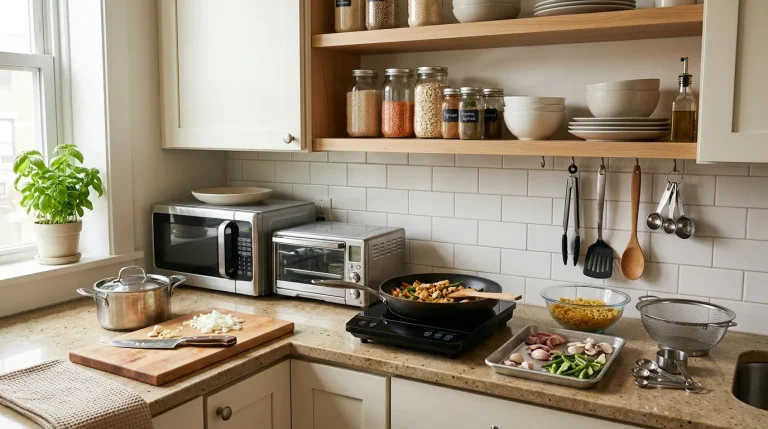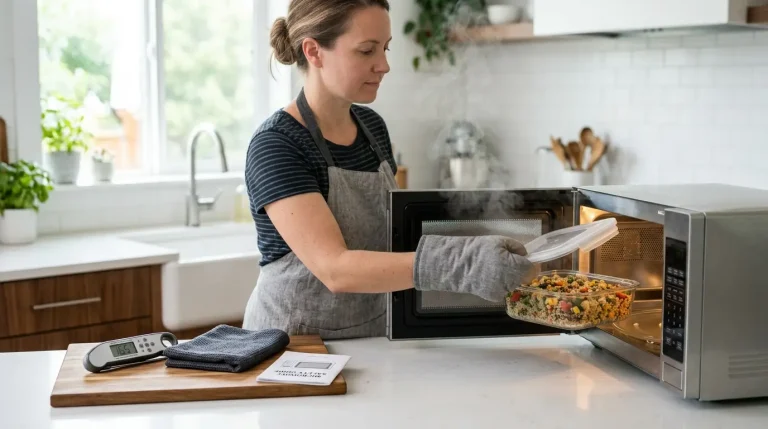
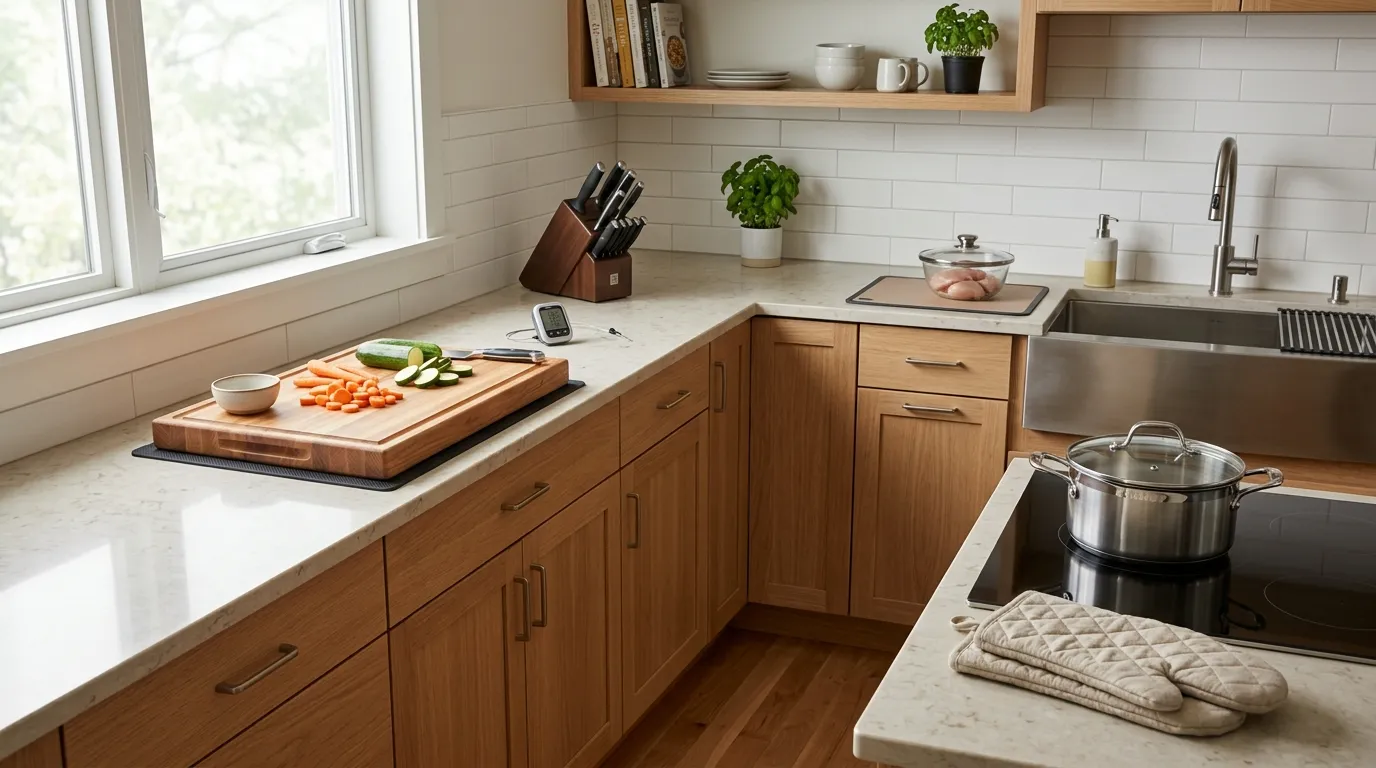
Start with small daily habits: wash hands, watch heat, store food safely.
You can build a safer kitchen in a week with simple steps, smart tools, and calm habits. I’ve trained new cooks and home beginners for years, and I know where slips happen. This Kitchen Safety Guide for Beginners shows you what to do, why it matters, and how to fix mistakes fast—without fear or jargon.
Source: gov.au
What kitchen safety means and why it matters
Kitchen safety is the set of habits that prevent cuts, burns, fires, and food-borne illness. For new cooks, risk rises when heat, moisture, sharp blades, and raw foods mix. Most cooking accidents come from rushing, clutter, or leaving pans unattended.
In this Kitchen Safety Guide for Beginners, you will learn the basics that pros teach on day one. You will also see how to set up a safe space, use tools the right way, and handle emergencies. National food safety advice says poultry should reach 165°F. Fire data shows many home fires start from unattended cooking. These simple facts shape the habits in this guide.
This Kitchen Safety Guide for Beginners gives you steps you can use today. It is friendly, clear, and built from real kitchen work.
Common kitchen hazards for beginners
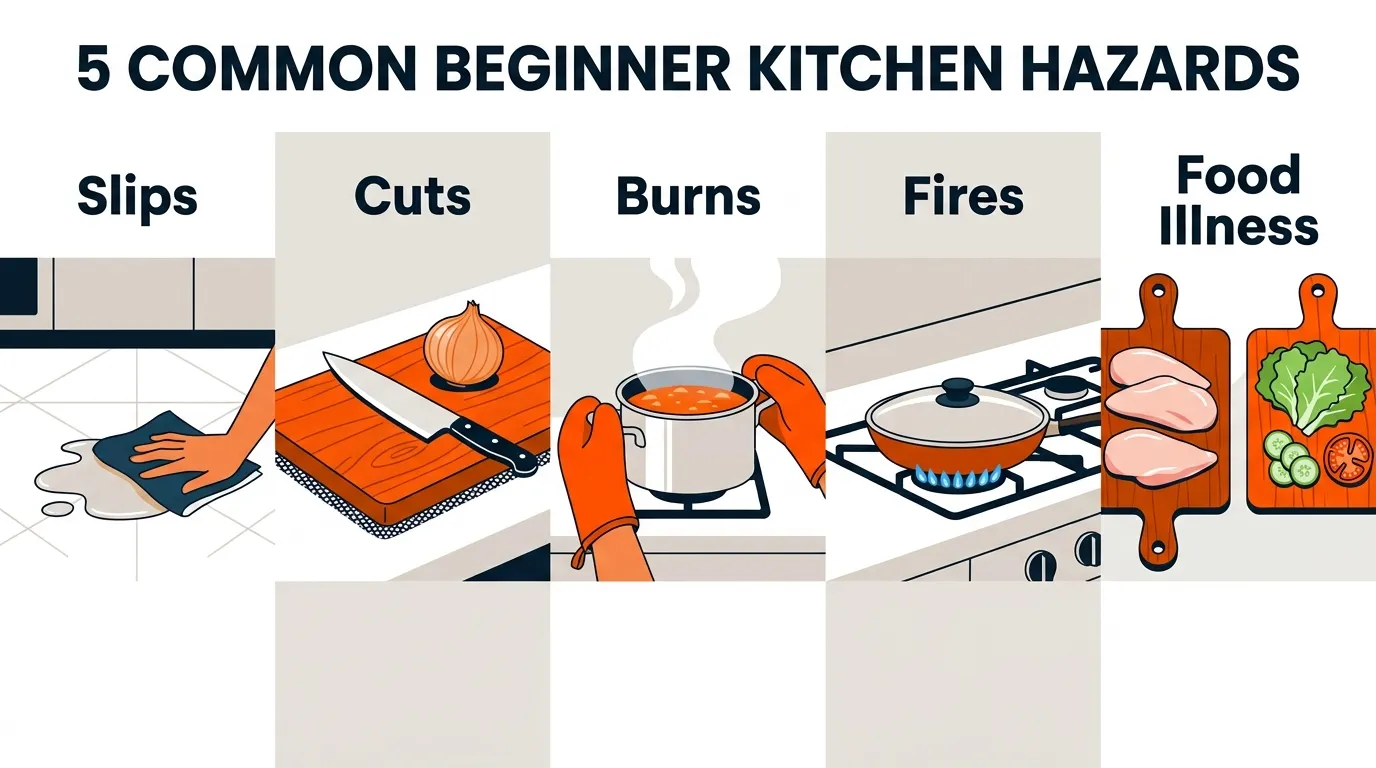
New cooks face a few repeat risks. Know them, and you cut accidents in half.
- Slips and falls from wet floors or spilled oil.
- Cuts from dull knives, unstable boards, and poor grip.
- Burns from hot pans, steam, and splattering fat.
- Fires from overheated oil, crowded burners, or towels near flame.
- Food illness from poor handwashing, cross-contamination, and bad storage.
In my first month teaching, I saw more slips than cuts. A damp towel under the board and quick wipe-ups fixed most of them. This Kitchen Safety Guide for Beginners puts cleanup before cooking, not after.
Hygiene basics: clean hands, tools, and surfaces
Clean hands are your first safety tool. Wash with warm water and soap for 20 seconds, especially after raw meat, eggs, or seafood.
- Use separate boards for raw meat and ready-to-eat foods.
- Sanitize counters daily with a food-safe solution.
- Change kitchen towels often and let sponges dry between uses.
This Kitchen Safety Guide for Beginners follows food safety rules used in pro kitchens. Keep it simple: one board for veggies, one for protein, and a spray bottle for quick sanitizing.
Knife safety 101
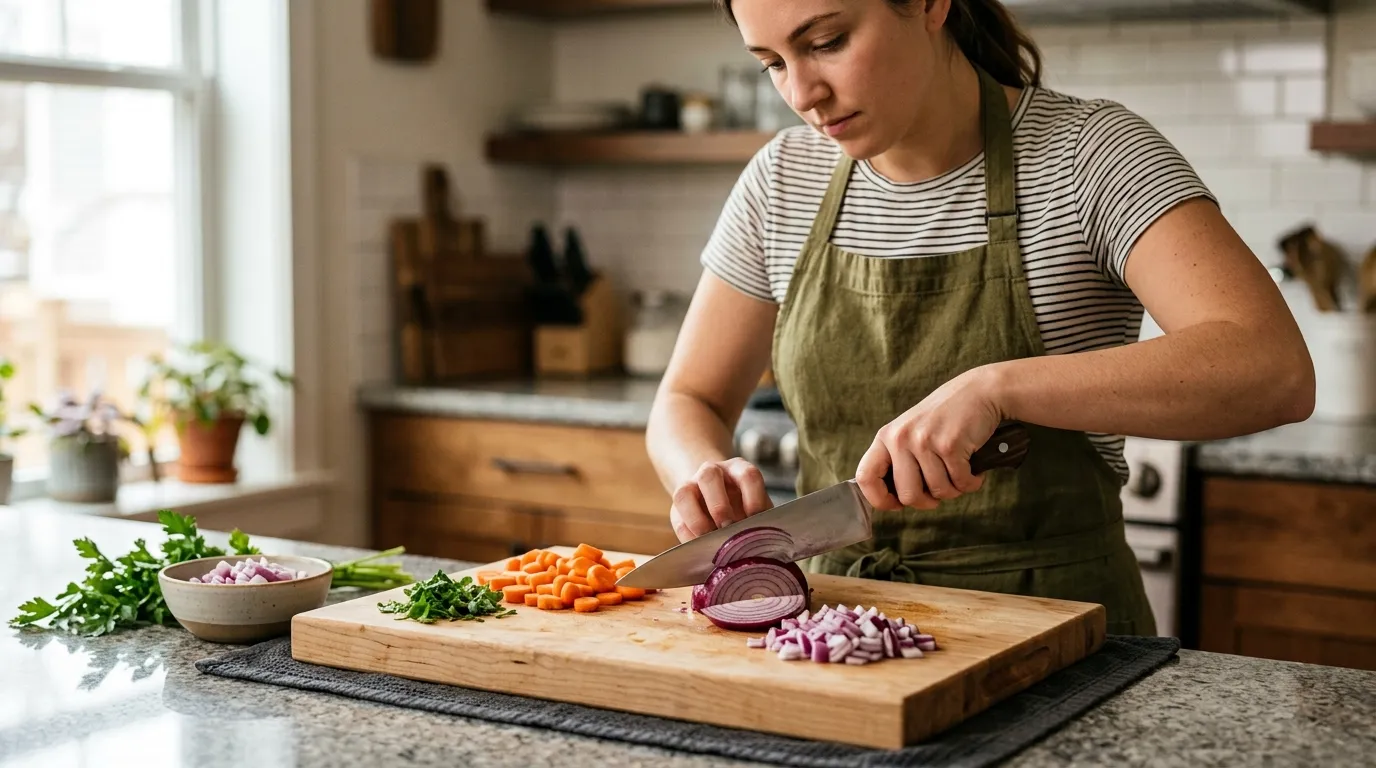
A sharp knife is safer than a dull one. It grips the food and slips less. Hold the handle with a firm grip and curl your fingers on the guiding hand.
- Stabilize the board with a damp towel.
- Use the claw grip to protect fingertips.
- Slice away from your body and keep blades dry.
- Store knives in a block or on a magnetic strip.
I once nicked a finger while chopping herbs fast. The fix was easy: slow down and use the claw. This Kitchen Safety Guide for Beginners reminds you that pace beats speed. Clean, dry hands and a steady board do half the work.
Heat, steam, and burns
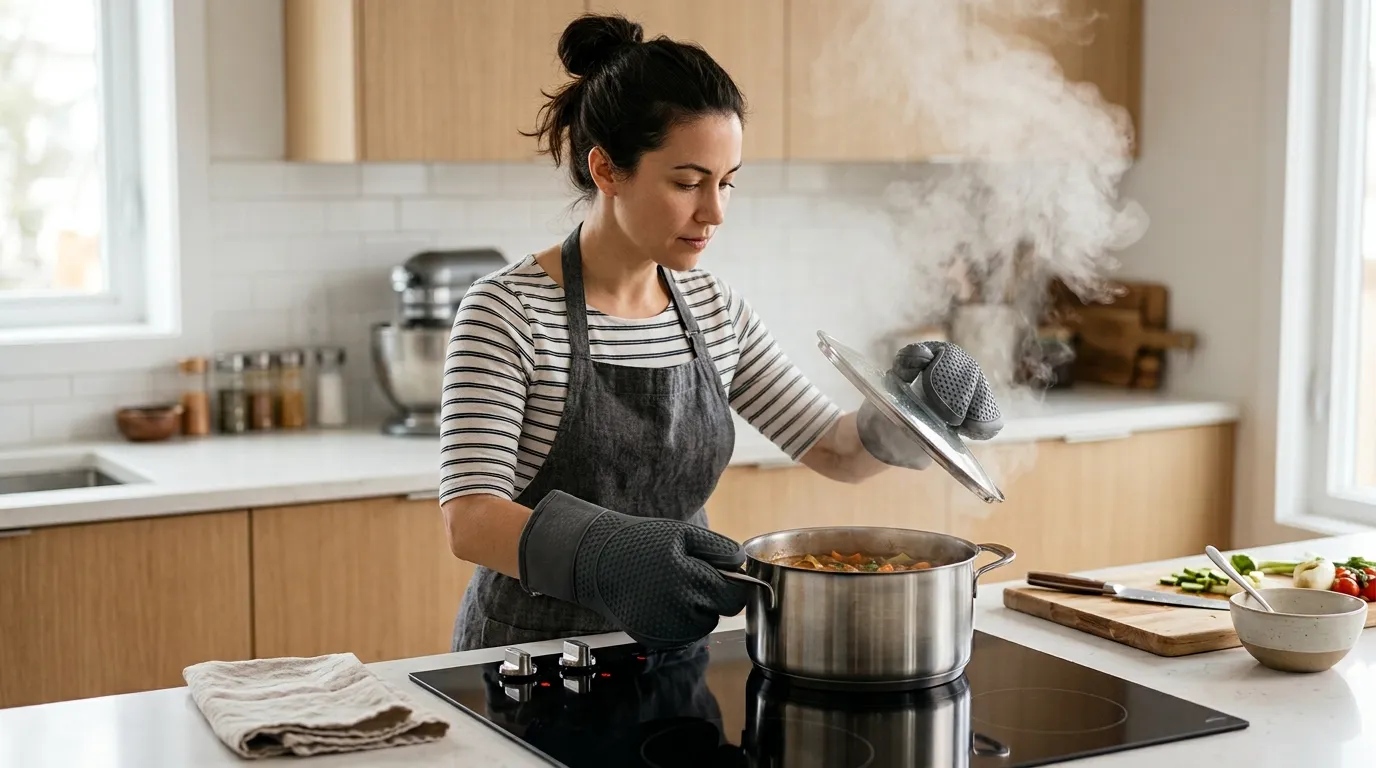
Heat burns. Steam burns faster. Treat lids and handles like they are hot until proven cool.
- Lift pot lids away from you to vent steam.
- Keep pot handles turned inward, not over the edge.
- Dry food before frying to reduce splatter.
- Wear dry oven mitts; wet fabric conducts heat.
If you get a minor burn, cool it under running water for several minutes. Do not apply oils or thick creams. This Kitchen Safety Guide for Beginners teaches a calm response first.
Preventing kitchen fires
Most kitchen fires start when food is left alone on heat. Stay with your pan, and you prevent most risks.
- Keep a lid near the stove to smother flare-ups.
- For a small grease fire, turn off heat and cover the pan. Do not use water.
- Keep flammable items away from burners.
- Install and test a smoke alarm nearby, not over the stove.
In culinary school, I watched oil leap from a pan and catch a towel. The instructor slid on a lid, killed the heat, and waited. That moment shaped this Kitchen Safety Guide for Beginners: plan for small fires before they happen.
Appliance and electrical safety
Appliances make cooking easy but add hidden risks. Read manuals, and do not mix water and power.
- Unplug small appliances when not in use.
- Keep cords away from hot surfaces and sinks.
- Clean toaster and oven crumbs to prevent smoldering.
- Use outlets with ground-fault protection near sinks.
This Kitchen Safety Guide for Beginners suggests a monthly check. Look for frayed cords, cracked plugs, and loose outlets. Replace what is worn.
Food safety and storage
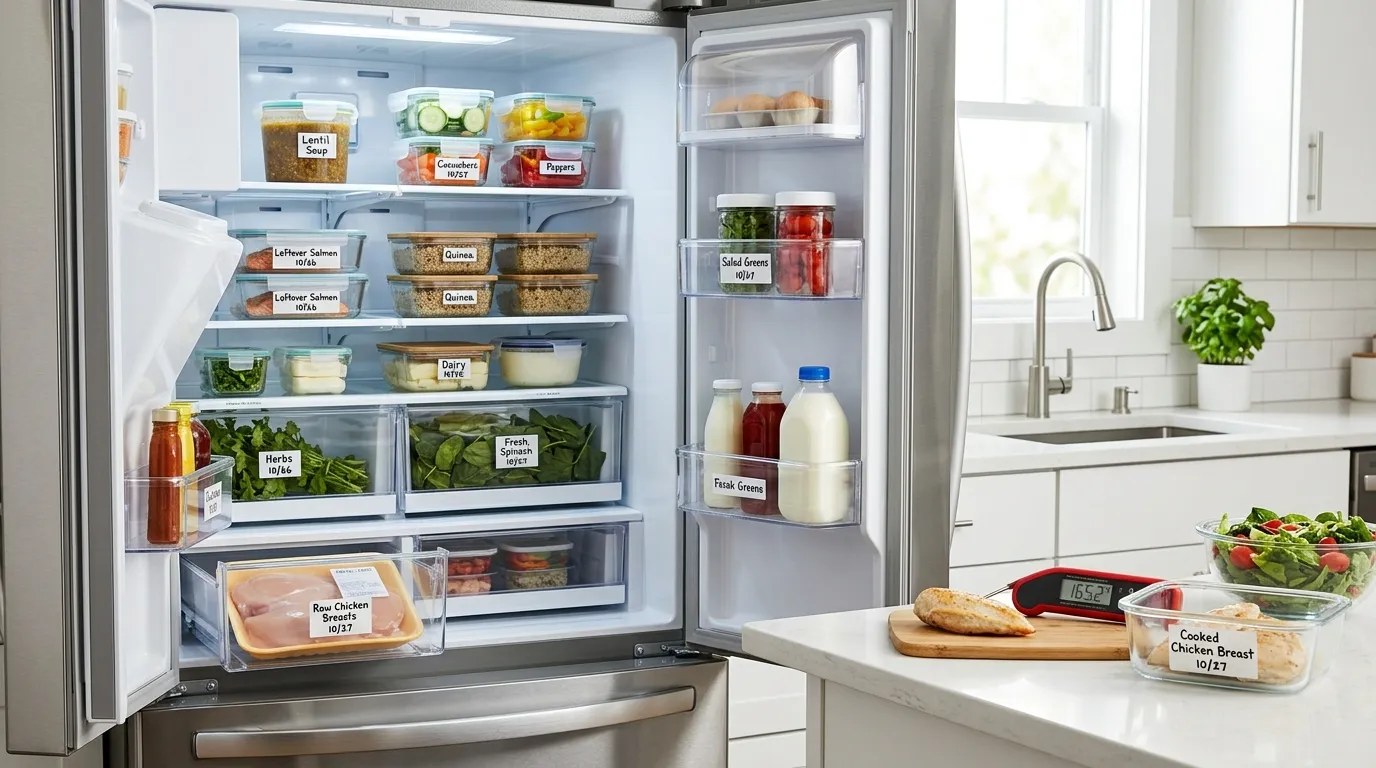
Food safety prevents illness. Time and temperature control is key.
- Keep cold foods at 40°F or below.
- Cook poultry to 165°F, ground meats to 160°F, and fish to 145°F.
- Refrigerate leftovers within two hours, or one hour if above 90°F room temp.
- Reheat leftovers to 165°F and use within three to four days.
Use labels with dates. When in doubt, throw it out. This Kitchen Safety Guide for Beginners keeps a simple rule: cold stays cold, hot stays hot, and food does not sit in the middle zone.
Cleaning products and chemical safety
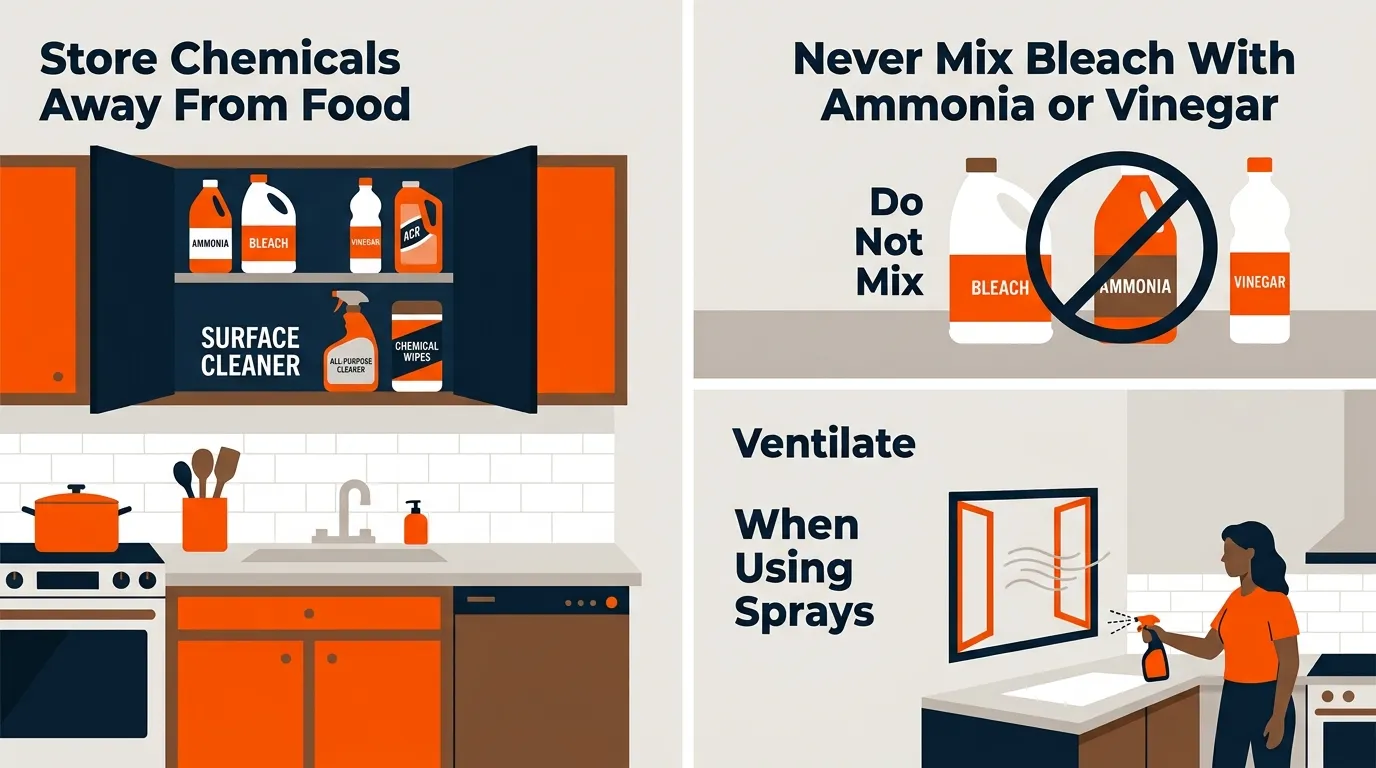
Cleaning is part of cooking, but some products are strong. Mix the wrong ones, and you get dangerous gas.
- Never mix bleach with ammonia or vinegar.
- Store chemicals away from food and out of children’s reach.
- Rinse surfaces with clean water after sanitizing, if the label says to.
- Ventilate the kitchen when using sprays.
This Kitchen Safety Guide for Beginners favors mild, food-safe cleaners for daily use. Save heavy-duty products for deep cleans with windows open.
Kids, pets, and guest safety
Extra people add joy and risk. Set simple rules before you cook.
- Create a kid-free and pet-free zone three feet around the stove.
- Place stools and high chairs away from hot surfaces.
- Keep knives, hot drinks, and heavy pans out of reach.
- Tell guests where to stand and how to pass hot items.
I keep a colored tape line on the floor as a reminder. It works. This Kitchen Safety Guide for Beginners helps you host with less worry.
Emergency readiness and first aid
Hope you never need it, but be ready if you do.
- Keep a small first aid kit with bandages and burn gel.
- Stock a class K or ABC fire extinguisher and learn how to use it.
- Post emergency numbers and your address on the fridge.
- Learn the PASS method for extinguishers: Pull, Aim, Squeeze, Sweep.
I teach beginners to rehearse a grease-fire drill once. That single run lowers panic. This Kitchen Safety Guide for Beginners puts training into muscle memory.
Setup checklist for a safe beginner kitchen
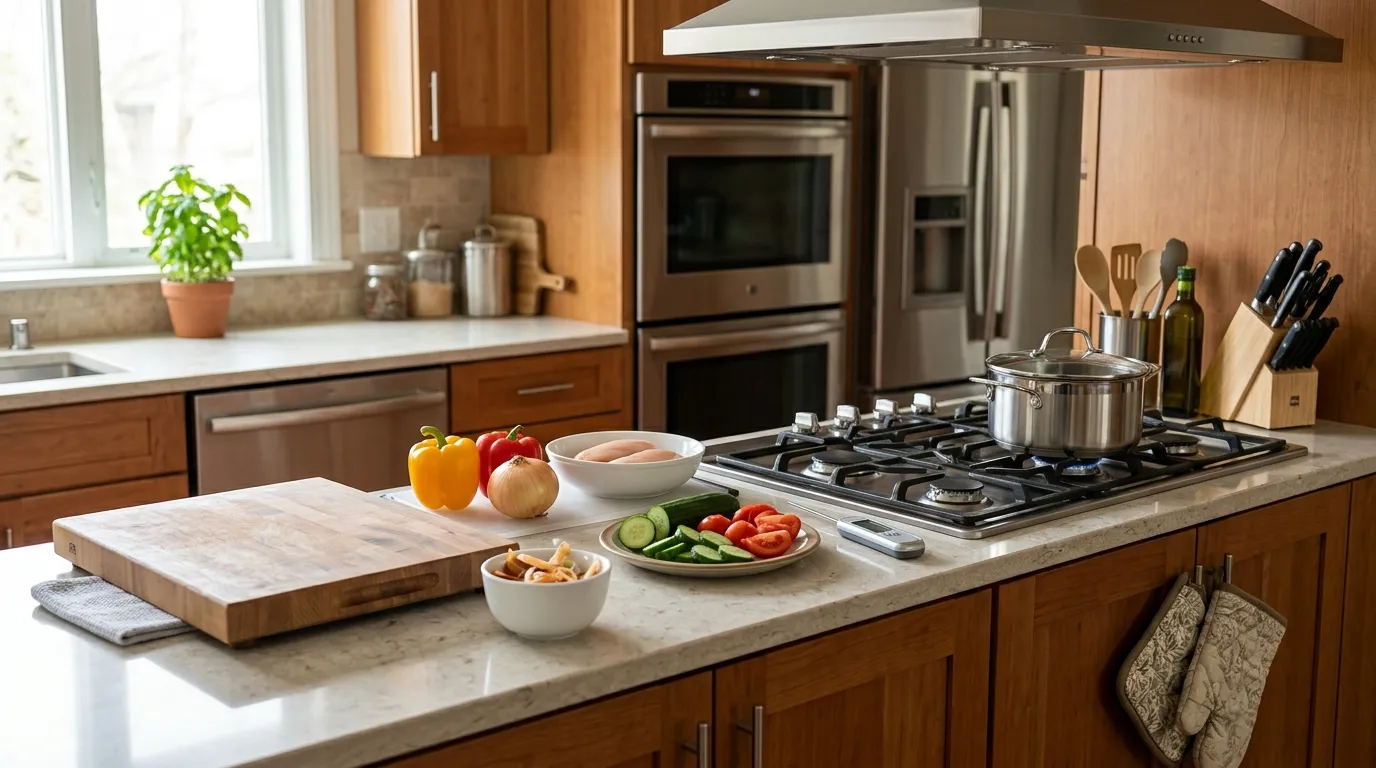
Use this quick setup to lock in daily safety.
- Clear counters so you have a steady, dry workspace.
- Anchor your cutting board with a damp towel.
- Place a lid and baking soda near the stove.
- Keep oven mitts dry and within reach.
- Sort knives, boards, and towels by task.
- Label a food thermometer and store it front-and-center.
- Make a “hot zone” and a “raw zone” so tasks stay separate.
- Put a small trash bowl on the counter to prevent drips and slips.
This Kitchen Safety Guide for Beginners turns safety into layout. Good design makes good habits easy.
Frequently Asked Questions of Kitchen Safety Guide for Beginners
What is the safest way to thaw meat?
Thaw in the fridge, in cold water that you change every 30 minutes, or in the microwave. Never thaw on the counter.
How do I stop oil from splattering?
Pat food dry and heat oil gradually. Use a splatter screen and do not crowd the pan.
When should I replace my cutting board?
Replace boards with deep grooves or lingering odors. If it warps or will not sit flat, it is time to swap.
Do I need a food thermometer as a beginner?
Yes. A digital thermometer removes guesswork and keeps you safe. It is the fastest upgrade for new cooks.
How often should I clean my sponge or towels?
Rotate towels daily and wash on hot. Sanitize sponges in the dishwasher or replace them often.
Conclusion
Small habits stack into big safety. Wash hands, set zones, watch heat, and label food. Keep a lid nearby, a thermometer in the drawer, and a clear plan for spills and fires.
Start with one change from this Kitchen Safety Guide for Beginners today. Place a damp towel under your board or set a “no unattended cooking” rule. Share this guide, subscribe for more simple steps, and tell me which tip you will try first.