Keep microwaves safe by using proper containers, cleaning often, and following rest times.
If you want a clear plan for How to Maintain Microwave Safety, you’re in the right place. I’ve tested best practices at home and in pro kitchens. In this guide, I share simple steps, expert tips, and real stories that make safety easy. Read on to cook faster, avoid burns, and keep your microwave running strong.
Why Microwave Safety Matters
Microwaves heat food fast. Used right, they are safe and efficient. Used wrong, they can burn skin, spark, or even start a fire. Understanding risks is the first step in How to Maintain Microwave Safety.
Microwaves use non-ionizing waves. They do not make food radioactive. The danger comes from heat, steam, and metal sparks. Health agencies say to use microwave-safe tools, follow rest times, and check food temps. These simple habits cut risk by a lot.
How to Maintain Microwave Safety: A Simple Daily Routine
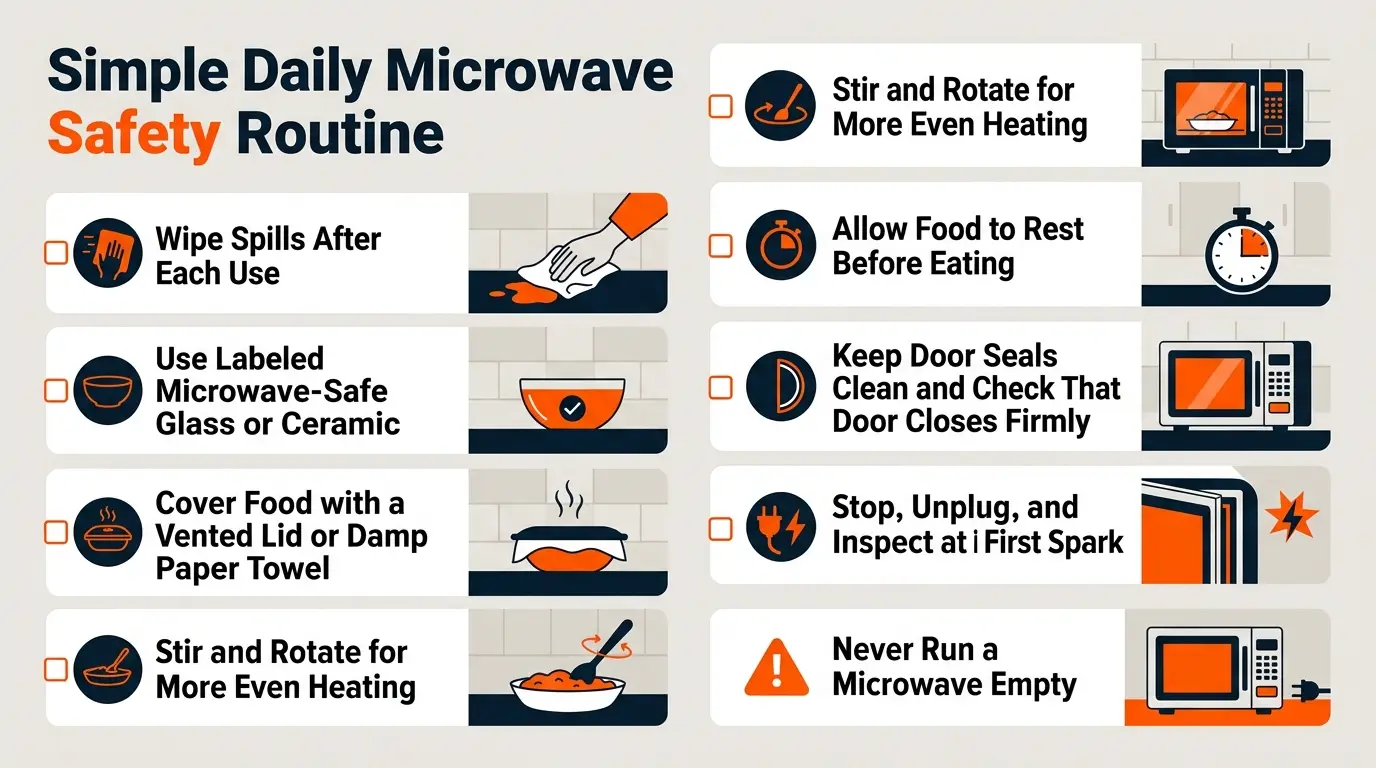
Simple routines help you stay safe. You can do these steps in under two minutes.
- Wipe spills right after use. Spills absorb heat and cause hot spots.
- Use microwave-safe glass or ceramic. Check labels on bowls and lids.
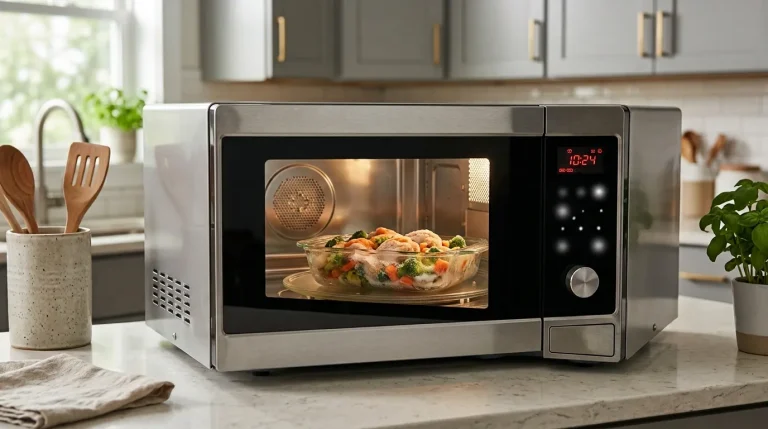
- Cover food with a vented lid or damp paper towel.
- Stir and rotate when the beep tells you to. Let food rest before you eat.
- Keep the door seals clean. Make sure the door shuts tight every time.
- Never run the microwave empty.
- If you see sparks, stop it, unplug it, and check for metal.
Follow this each day, and you master How to Maintain Microwave Safety with ease.
Containers and Materials: What’s Safe, What’s Not
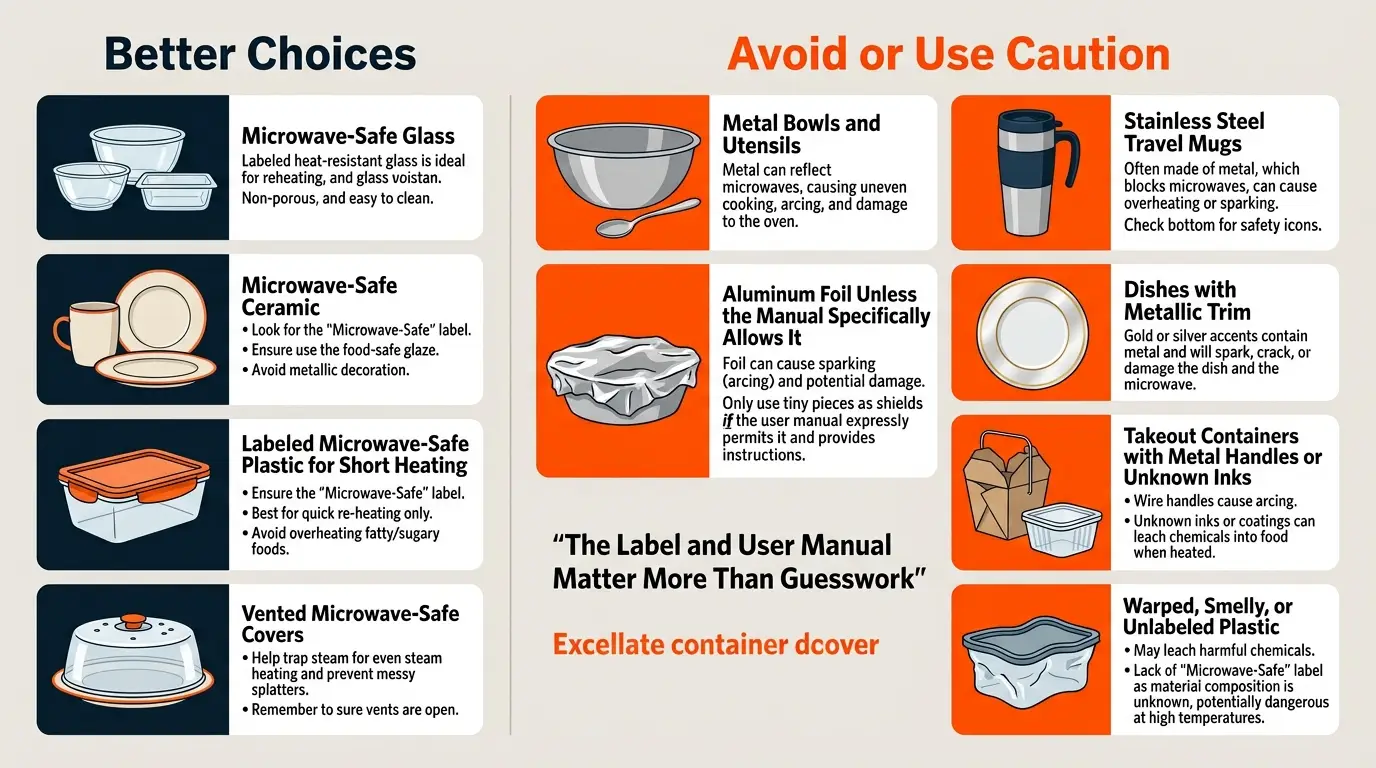
Your choice of container can make or break safety. It can also change how your food heats.
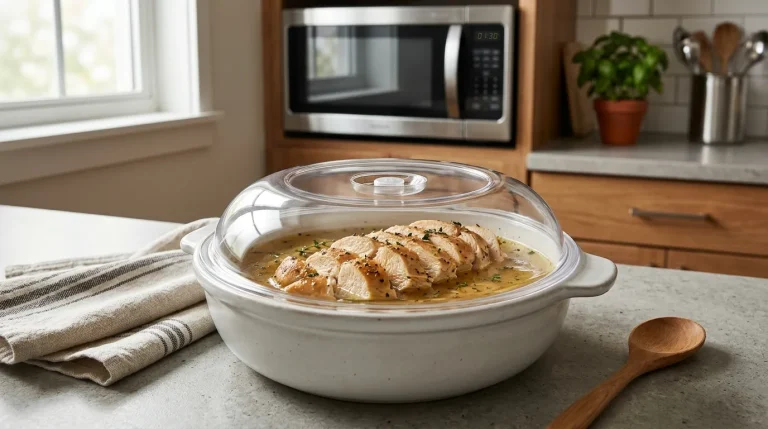
- Best choices: Glass and ceramic that say microwave-safe. Use vented lids.
- Good choices: BPA-free plastic labeled microwave-safe. Use for short heat times. Leave a corner open for steam.
- Avoid: Metal, stainless steel travel mugs, foil, and plates with metallic trim.
- Be careful with takeout boxes. Many have metal handles or inks that spark.
- Avoid cheap plastic that warps. If it smells or bends, do not use it.
One extra tip from my own kitchen: I test new containers with a 1-minute warm-up holding water. The container should stay cool while the water heats. But the label still matters most. Labels beat guesswork when you plan How to Maintain Microwave Safety.
Safe Cooking Practices for Even Heating
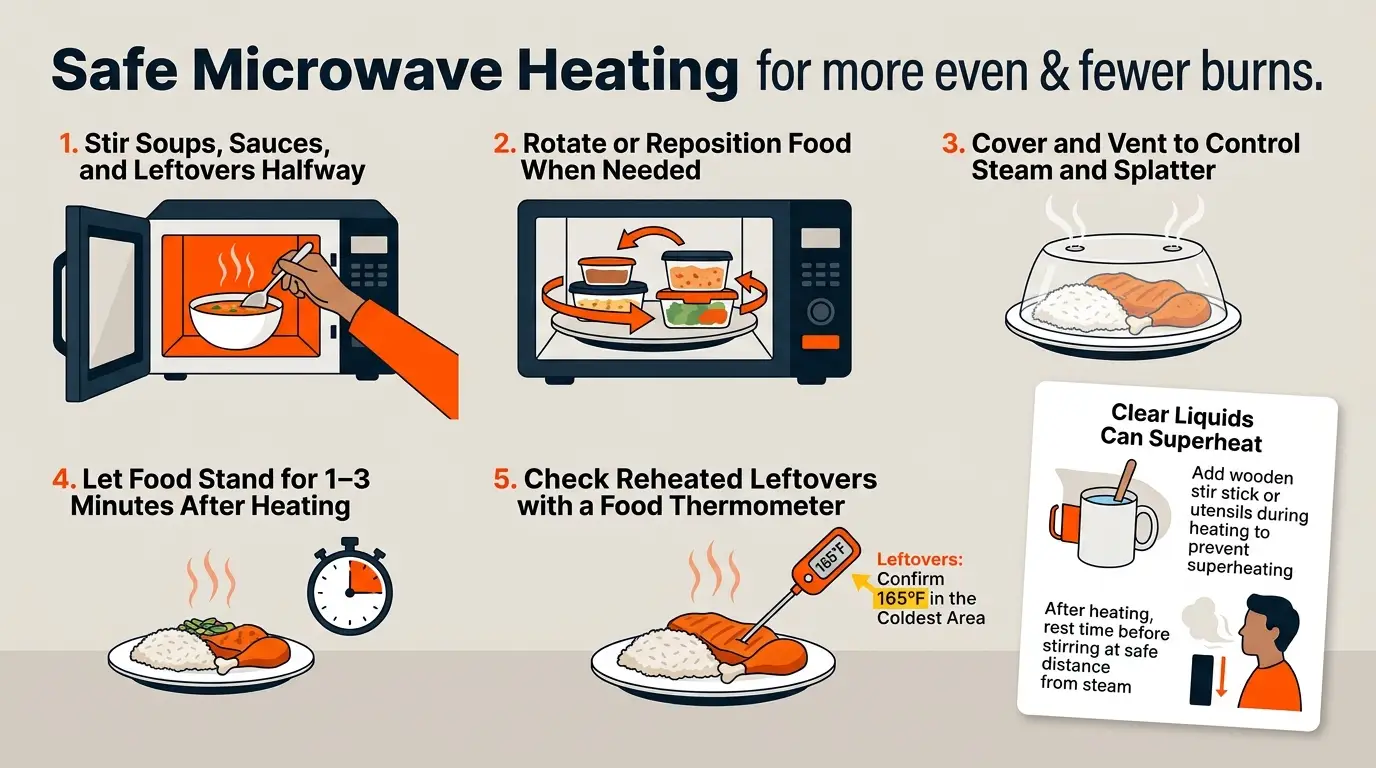
Uneven heating is the top cause of surprise burns. Fix that with a few habits.
- Stir soups, chili, and sauces halfway. Turn items on the turntable if needed.
- Cover food to trap steam, but vent it. This speeds cooking and cuts splatter.
- Use standing time. Let food sit 1–3 minutes after heating. Heat keeps moving inside the food.
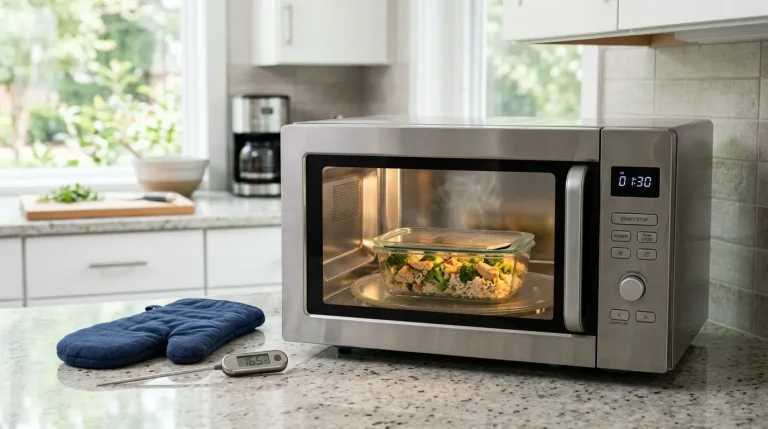
- Check temperature. Reheated leftovers should reach 165°F. Use a quick-read food thermometer.
- Beware superheating. Clear liquids can erupt when moved. To reduce risk, place a wooden stir stick in the mug, and let it rest before sipping.
These steps are the heart of How to Maintain Microwave Safety at mealtime.
Cleaning and Maintenance That Prevent Hazards
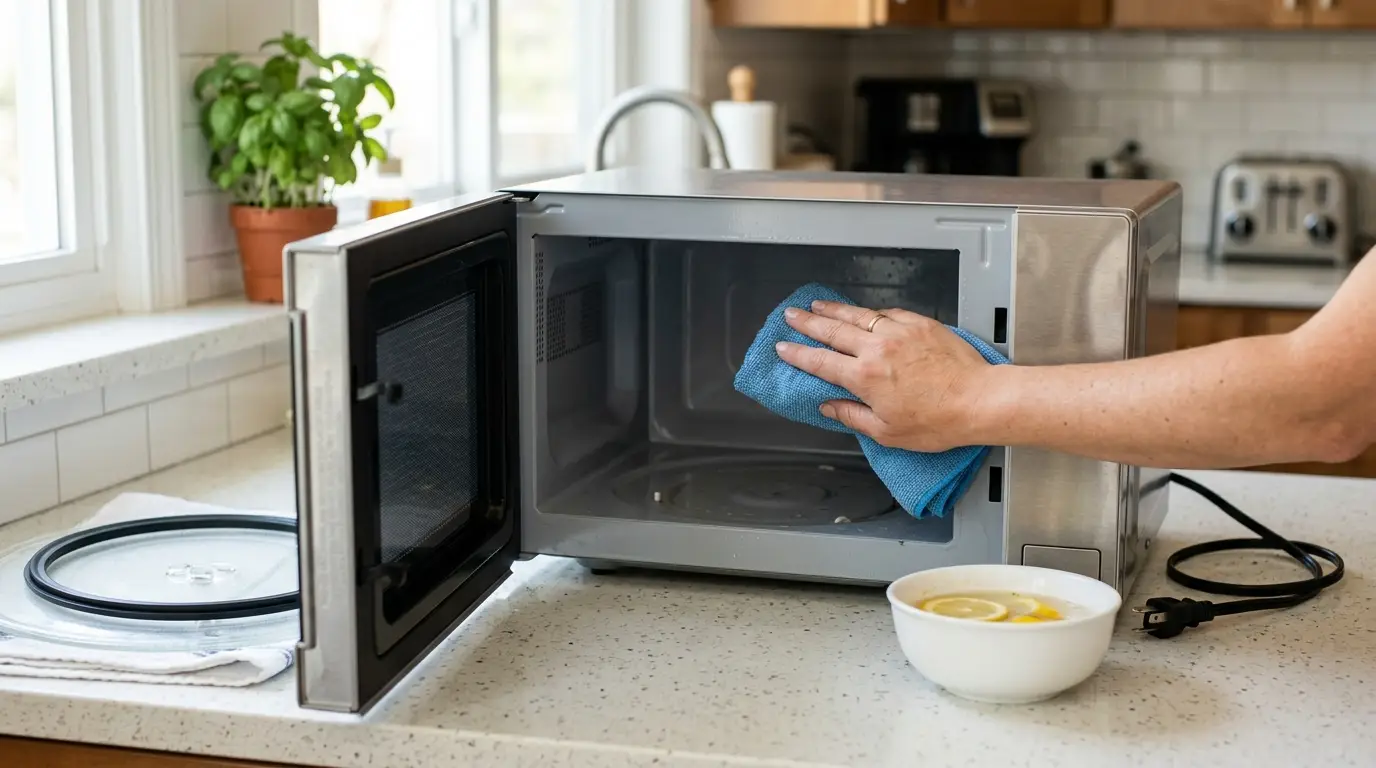
A clean microwave heats better and lasts longer. Grease and food bits can arc or smoke.
- Wipe the interior daily with a damp cloth.
- Steam clean weekly. Heat a bowl of water with lemon slices for 3–5 minutes. Let it sit, then wipe.
- Clean the door, hinges, and seals. Dirt can stop a tight seal.
- Wash the turntable and roller ring. Make sure both sit flat.
- Check the waveguide cover. If it is burned or broken, stop using the microwave and call for service.
- Never open the case, remove the door, or bypass safety latches.
I learned the seal lesson the hard way. A crumb stuck on the door edge made heat leak and burn the side of a container. Since then, I always check the seal. Small habits are huge in How to Maintain Microwave Safety.
Placement, Ventilation, and Power Safety
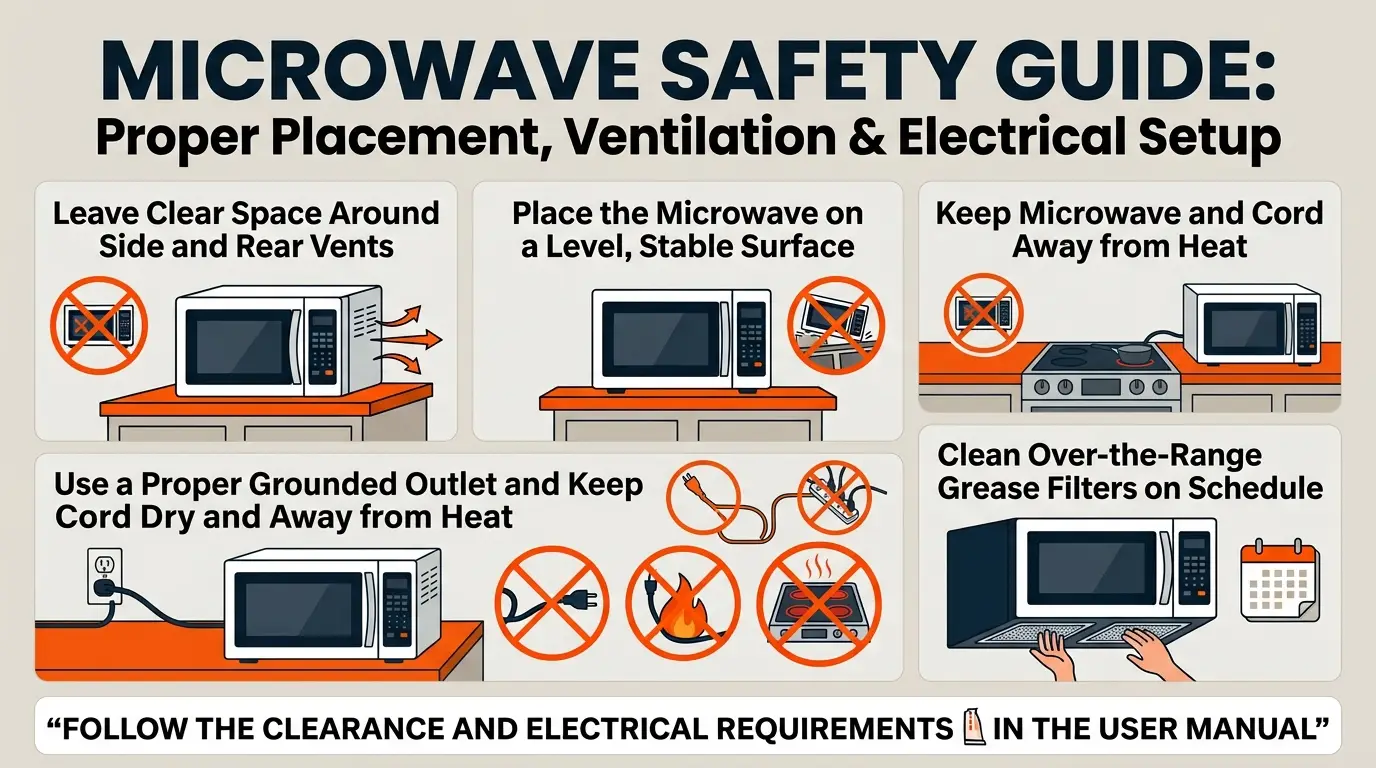
How you place and power your microwave matters as much as how you cook.
- Give space. Leave a few inches around side and back vents. Do not block airflow.
- Keep it level and stable. A rocking unit can spill hot food.
- Use a grounded outlet. Avoid extension cords and power strips. Match the outlet to the unit’s power needs.
- Keep cords dry and away from the stove.
- For over-the-range units, clean the grease filter on schedule. Grease can catch fire.
Good placement removes hidden risks and supports How to Maintain Microwave Safety in every home.
Child Safety and Smart User Habits
Teach safety like you teach road rules. Short, clear, and firm.
- Use child lock features if your model has them.
- Place the microwave at a safe height. Children should not lift hot bowls over their heads.
- Show kids safe containers. No foil, no metal, no sealed jars.
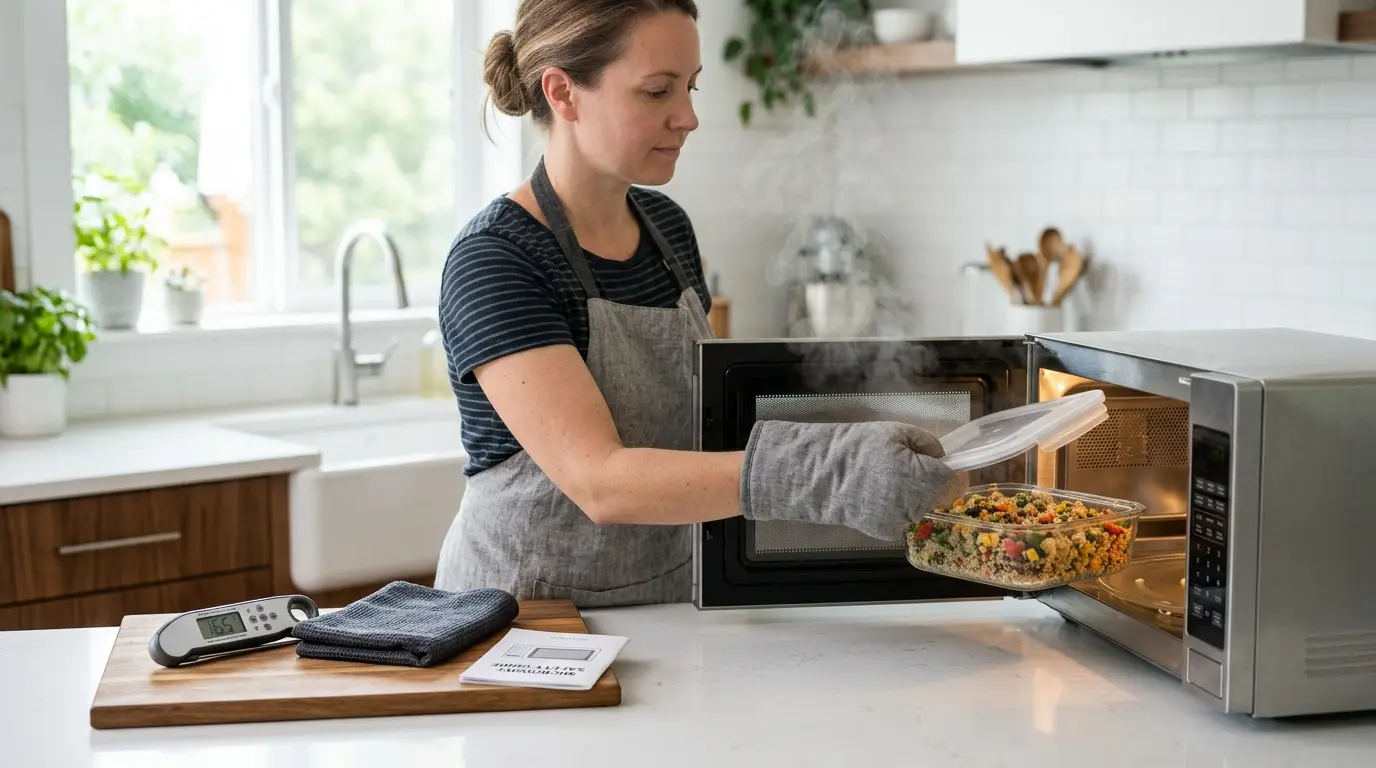
- Open lids away from the face. Steam burns fast and hurts a lot.
- Avoid microwaving baby formula or milk. If you must, swirl well and test in several spots.
These habits turn How to Maintain Microwave Safety into family culture.
Troubleshooting: Signs It’s Time to Repair or Replace
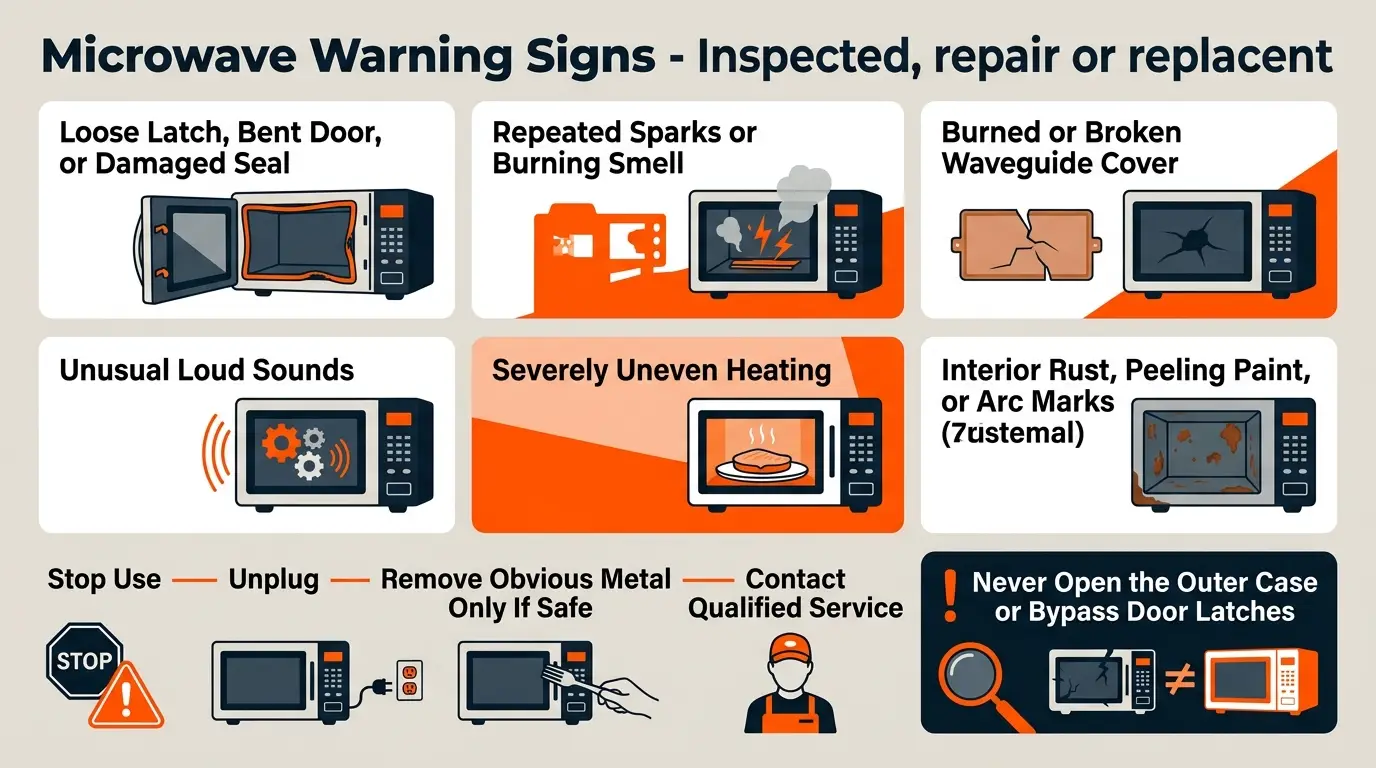
Do not ignore warning signs. They exist to protect you.
- Door issues: A loose latch or bent door harms the seal. Stop use and get service.
- Sparks or burning smell: Could be metal, a damaged waveguide cover, or grease. Unplug and inspect.
- Loud sounds or uneven heating: The turntable motor or magnetron may be failing.
- Rust inside: Paint chips can lead to arcing. If you see rust, seek repair or replace.
- Age: After 8–10 years, weigh repair cost vs. a new, safer model.
Addressing issues early is a smart move in How to Maintain Microwave Safety.
How to Maintain Microwave Safety: Quick Step-by-Step Guide
Use this short plan to build safe habits fast.
- Check placement, outlet, and clear vents.
- Choose microwave-safe glass or ceramic. Vent covers.
- Heat in short bursts. Stir and rotate.
- Let food rest. Confirm 165°F for leftovers.
- Open lids away from your face.
- Wipe spills after each use. Deep clean weekly.
- Inspect door seals and the turntable.
- Stop at the first spark or smell. Unplug and check.
- Read and follow your user manual.
Follow this list daily, and you will master How to Maintain Microwave Safety for good.
Frequently Asked Questions of How to Maintain Microwave Safety
Is it safe to microwave plastic containers?
Yes, if they are labeled microwave-safe. Use short heat times and vent the lid to let steam out.
Can I use aluminum foil in a microwave?
It is best to avoid foil. If your manual allows small pieces, keep them flat, smooth, and away from the walls to prevent sparks.
Why does my microwave spark?
Sparks come from metal, dirty waveguide covers, or grease buildup. Stop the microwave, unplug it, and clean or remove any metal before using it again.
How often should I replace a microwave?
Most units last 8–10 years with care. Replace sooner if you have door issues, rust, or frequent sparks.
Is it safe to stand near a microwave while it runs?
Yes, when the door and seals are in good condition. Modern units limit leakage well below safety limits.
What is the best way to clean a microwave?
Steam clean with water and lemon, then wipe with a soft cloth. Clean the door seals and the turntable to prevent odors and arcing.
Conclusion
Microwave safety is simple when you build steady habits. Use the right containers, cover and vent, stir and rest, clean often, and respond fast to warning signs. These small steps protect you, your food, and your appliance.
Start today. Pick three tips and use them for a week. Then add more as you go. If you found this helpful, subscribe for more practical kitchen safety guides, or leave a comment with your own tips.