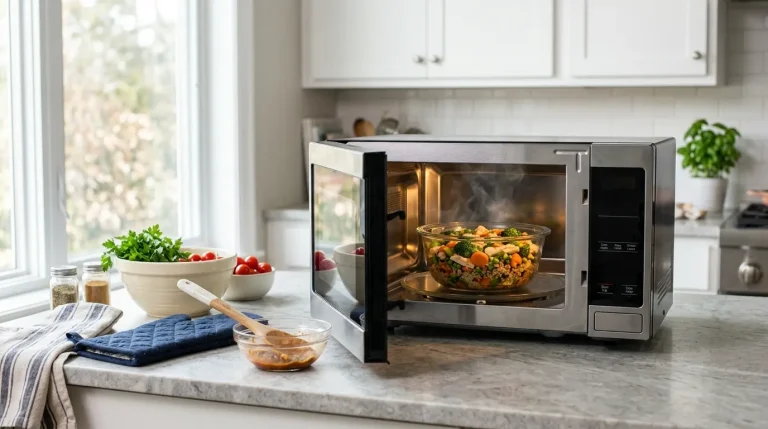
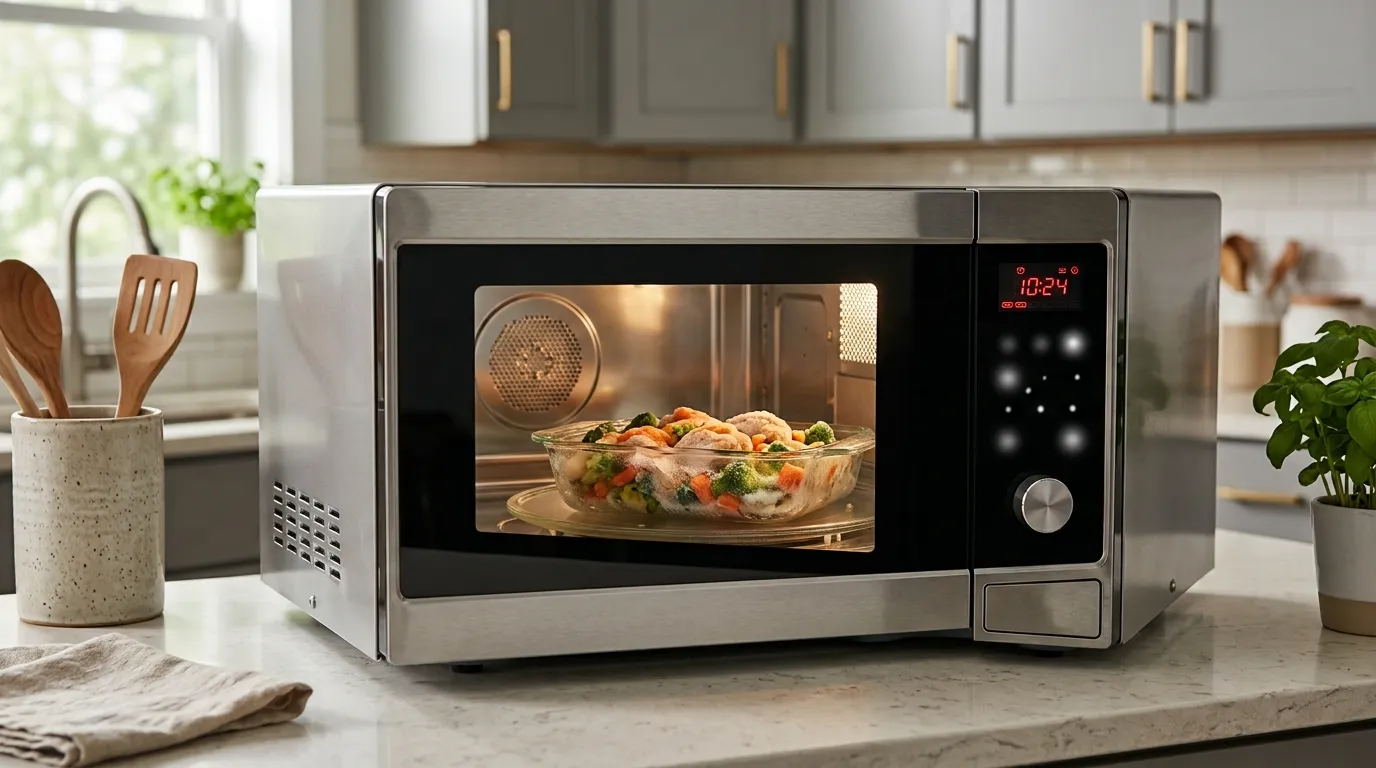
Most defrost failures come from wrong settings, faulty sensors, or low microwave power.
If Microwave Defrost Not Working is driving you nuts, you’re in the right place. I’ve spent years helping people fix everyday kitchen issues, and this guide explains how defrost works, why it fails, and what to do next. Stick with me and you’ll go from guesswork to confident steps that actually solve Microwave Defrost Not Working.
What Defrost Mode Actually Does (And Why It Feels Slow)

Defrost mode uses low power in short bursts. The goal is to warm ice without cooking the edges. It relies on wattage, a sensor, and a defrost algorithm.
If it stalls or overheats food, you may have wrong settings or a sensor issue. When Microwave Defrost Not Working shows up, it often comes down to one of a few simple causes.
Quick Checks Before You Troubleshoot
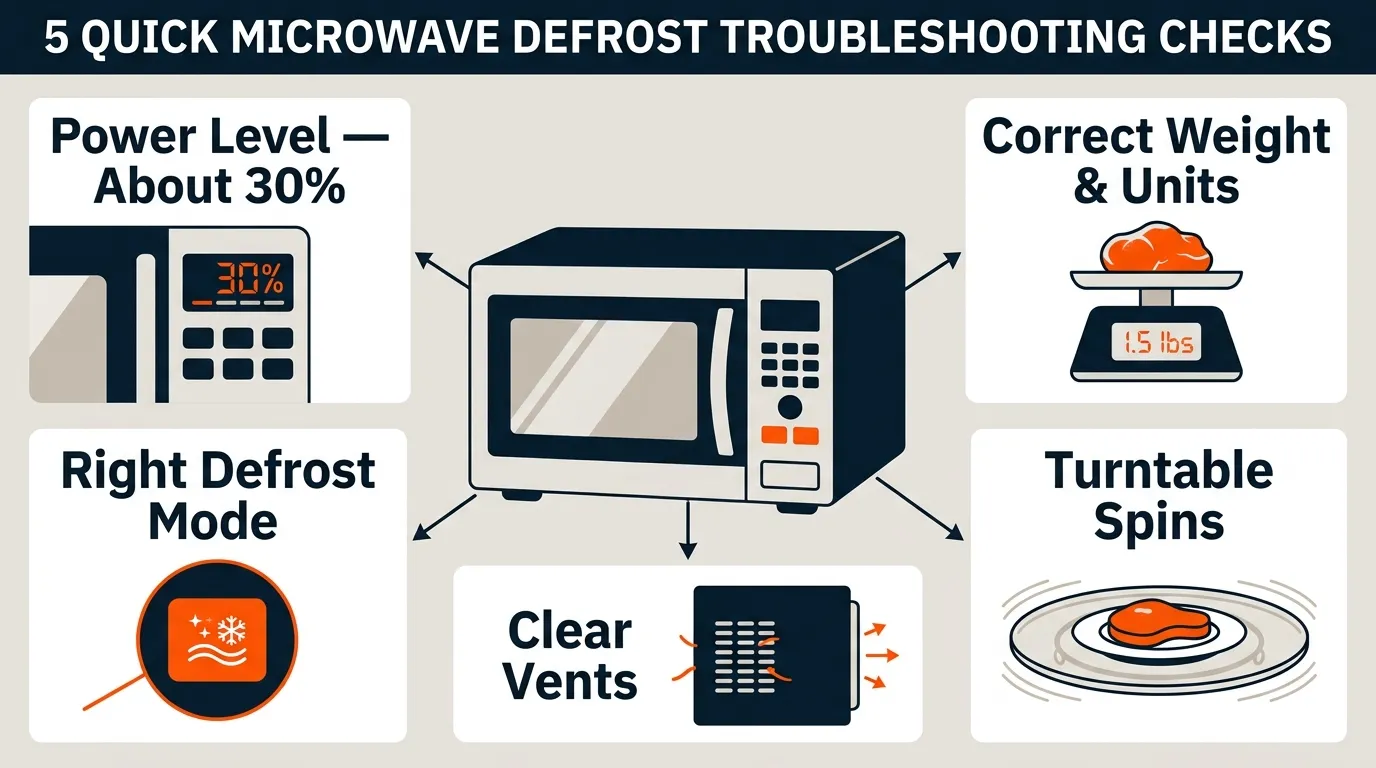
Start with the small stuff. Many defrost problems are not hardware failures.
- Check the power level. Defrost should run at about 30 percent power.
- Verify weight and units. If it asks for 2.0 and you enter 20, it will overcook edges.
- Use the right mode. Weight defrost and time defrost behave differently.
- Open the vents. Do not block the sides or rear of the oven.
- Confirm the turntable spins. If not, food heats unevenly.
These simple steps fix most Microwave Defrost Not Working cases I see with friends and clients.
Why Your Microwave Defrost Not Working Happens: Top Causes
Several parts and settings can cause uneven thawing or no thaw at all. Here are the usual suspects.
- Wrong container or wrap. Thick plastic or tight wrap traps steam and leads to hot spots.
- Food shape and size. A thick roast defrosts slower than a thin fillet.
- Sensor trouble. A humidity sensor or thermistor can feed bad data to the control board.
- Door switch fault. If the door switch is flaky, power may cut in and out.
- Low input voltage. Long, thin extension cords drop voltage and reduce output power.
- Magnetron or inverter issues. Low power output means slow or failed defrost.
- Control board glitches. A reset can fix minor logic errors.
When you face Microwave Defrost Not Working with uneven thawing, think airflow, shape, and power first. If the oven seems weak on heat in all modes, think hardware.
Step‑by‑Step Fixes You Can Try at Home
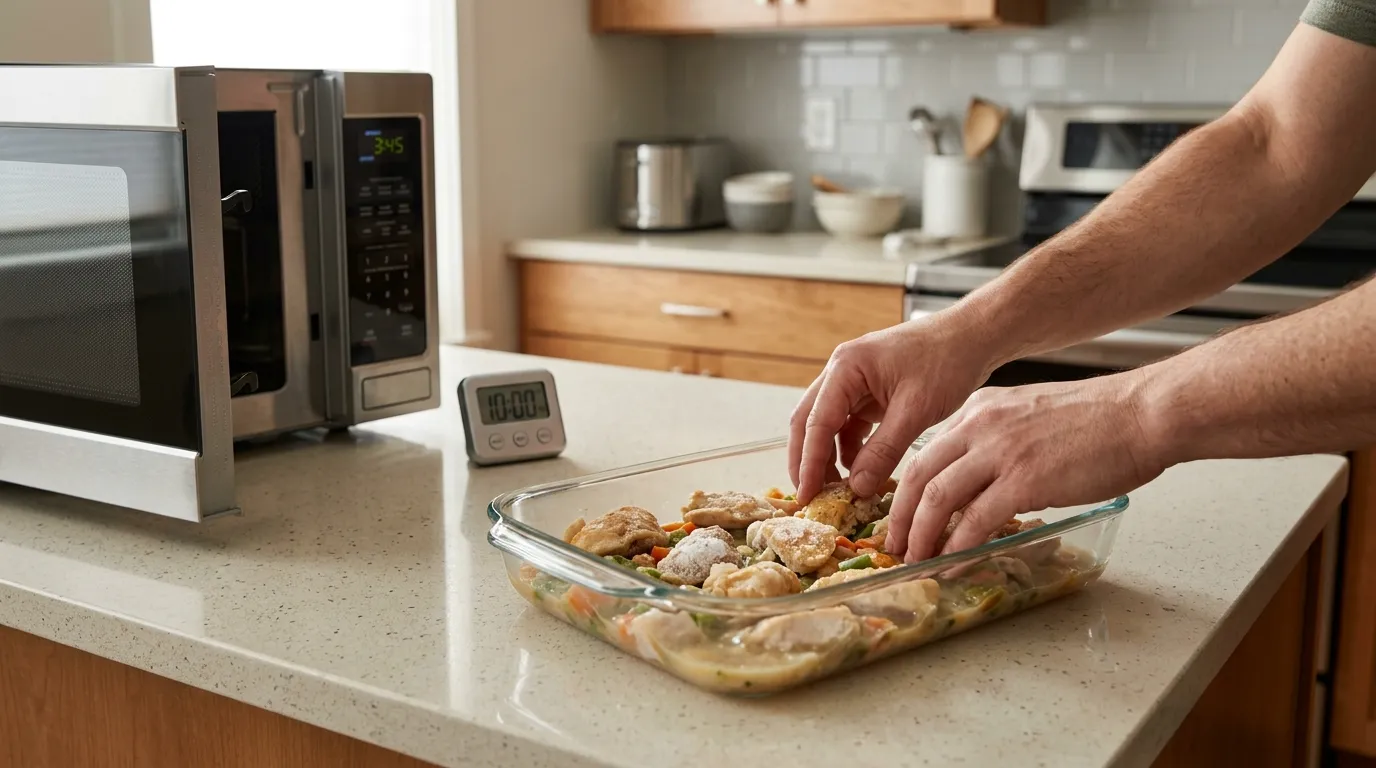
You can solve many defrost problems without tools. Use these steps in order.
- Power cycle the unit. Unplug for 3 minutes. Plug back in and test time defrost.
- Test normal heating. Heat 1 cup of water for 2 minutes. If it does not get hot, it is a power issue, not only defrost mode.
- Calibrate your method. Use time defrost at 30 percent power. Flip and separate food as edges soften.
- Set correct weight. For auto defrost, enter the actual weight in pounds or grams as requested.
- Use proper containers. Use microwave‑safe glass or vented plastic. Leave a small vent for steam.
- Re‑arrange during thaw. Pause every 60 to 90 seconds to break apart and move pieces.
- Avoid big blocks. Cut large items into smaller, even pieces if safe to do so.
These steps fix Microwave Defrost Not Working for most home cooks, especially on chicken, ground meat, and bread.
Hardware Red Flags That Need a Pro
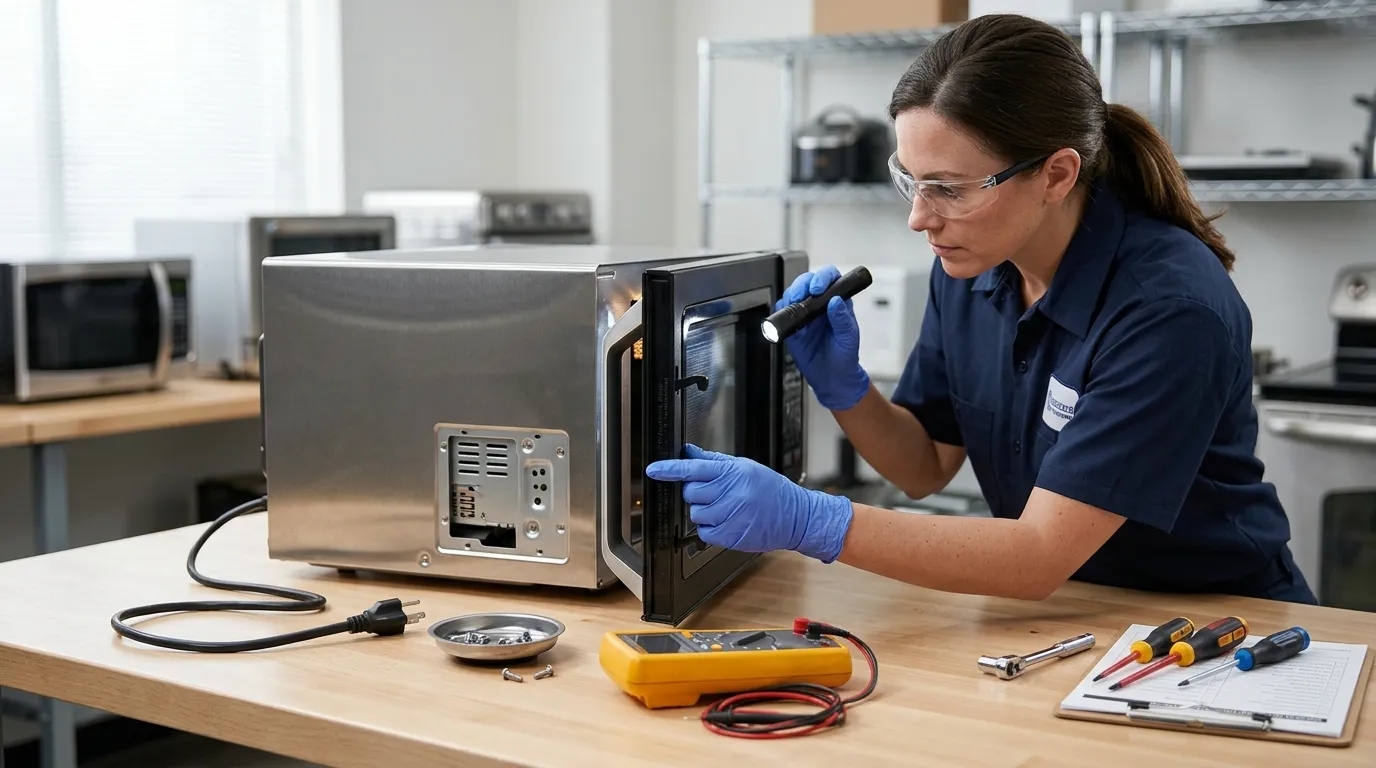
Some problems point to failing parts. High‑voltage parts can hold a charge even unplugged. Do not open the cabinet unless you are trained.
- Weak overall heating. Magnetron, diode, or inverter fault.
- Frequent shutdowns. Overheat sensor or cooling fan issue.
- No turntable motion. Turntable motor, coupler, or control relay fault.
- Dead keypad or random resets. Control board or power supply issue.
- Door closed but no start. Door switches out of alignment.
If Microwave Defrost Not Working shows with these signs, call a technician. The parts can be costly. Weigh repair against a new unit, especially on older ovens.
How Auto Defrost Works Behind the Scenes
Auto defrost uses a math model and sensor data. It predicts thaw time from weight and food type. The humidity sensor tracks steam and adjusts power in pulses.
- Weight defrost. You enter a weight. The oven sets the time and power curve.
- Time defrost. You enter a time. You manage flips and breaks.
- Inverter models. They deliver smooth low power, so edges cook less.
- Non‑inverter models. They cycle full power on and off to mimic low power.
In my tests, inverter models handle fish and small cuts better. If your Microwave Defrost Not Working on auto, try time defrost with manual flips.
Food Safety When Defrost Mode Fails
Bacteria grow fast in the danger zone. Keep food below 40°F until cooking.
- Do not let raw meat sit warm for long. Start cooking right after defrost.
- If edges cook, move to the fridge for 15 minutes to even out the temp.
- Never refreeze raw meat that sat warm. Cook first, then you can refreeze the cooked food.
- Use a thermometer. Aim to start cooking before the thickest part goes above 40°F for long.
These basics matter when Microwave Defrost Not Working leaves food half thawed.
Workarounds: Safe Ways To Thaw Without Defrost Mode

If defrost mode is unreliable, use these safe options.
- Cold‑water method. Bag the food. Submerge in cold water. Change water every 30 minutes.
- Fridge thaw. Plan ahead. It is slow but the safest and best for texture.
- Hybrid method. Start on low microwave power for 1 minute, flip, then switch to cold water.
- For bread and pastries. Use short 15‑second bursts at 20 to 30 percent power.
These hacks keep you cooking even when Microwave Defrost Not Working during a busy night.
Maintenance Tips To Prevent Future Defrost Problems
A little care keeps defrost steady and even.
- Keep vents clear. Dust and grease reduce airflow and cause hot shutdowns.
- Clean the cavity and sensor area. Wipe the ceiling and right wall where sensors often sit.
- Use the correct cover. A vented cover balances moisture and heat.
- Avoid metal trim and foil. Even a small piece can arc and confuse sensors.
- Know your wattage. Lower‑watt units need more time for safe thawing.
I learned the hard way that a dusty vent grill can mimic a failing magnetron. Clean first before you replace parts when Microwave Defrost Not Working creeps in.
When To Repair Versus Replace
Balance age, cost, and safety.
- Under 5 years, simple fault, low repair cost. Repair is often worth it.
- Over 7 to 8 years, major part needed. Replacement may cost less and save power.
- Inverter board or magnetron failures can be pricey. Compare with a new oven’s price and warranty.
If your Microwave Defrost Not Working pairs with weak heating and loud buzzing, I suggest a quote from a pro and a price check on new models.
Picking A New Microwave That Defrosts Well
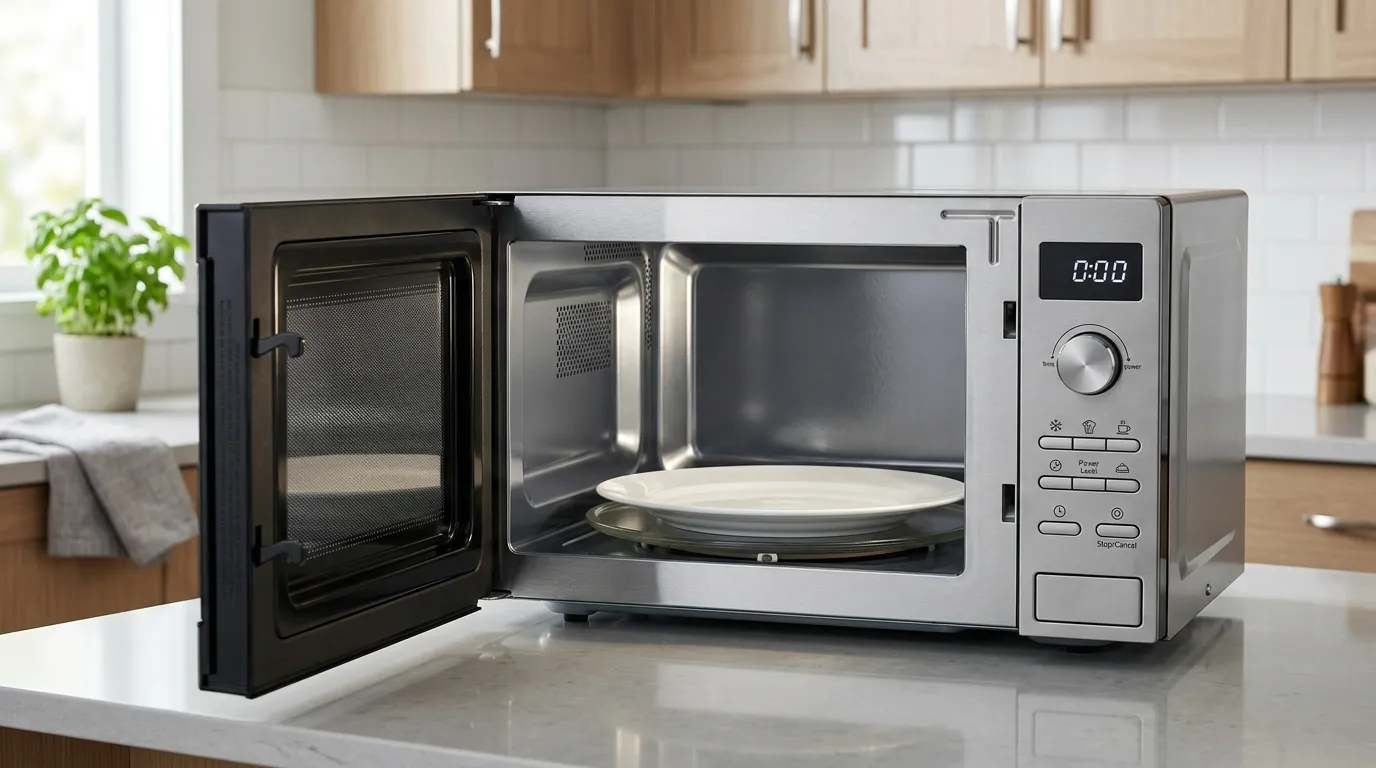
If you shop for a new unit, look for features that help defrost.
- Inverter technology. Smoother low power for even thawing.
- Clear auto defrost options. Meat, poultry, fish presets with weight input.
- At least 1000 watts. Strong power shortens total time, even at low settings.
- Good interior size. Room for the turntable to spin large plates.
- Easy‑clean finish. Clean sensors mean better auto control.
Read reviews that mention defrost, not just peak power. This avoids another round of Microwave Defrost Not Working after you upgrade.
Real‑World Notes From My Kitchen and Clients
A few lessons I keep seeing in real kitchens.
- Ground beef wins with time defrost. Use 30 percent power in 90‑second rounds. Scrape off soft parts and rotate the block.
- Chicken breasts do better when slightly separated while still icy. Use a butter knife to split them apart before the second round.
- Bread loves the low‑low approach. Ten to fifteen seconds at 20 percent, rest, then repeat. No rubbery crust.
Small, steady steps beat one long blast. This rhythm solves most Microwave Defrost Not Working headaches day to day.
Frequently Asked Questions of Microwave Defrost Not Working
Why does my microwave cook the edges while the center is still frozen?
The power is too high or the pieces are uneven. Use 30 percent power and pause to flip and separate as soon as edges soften.
Can I fix auto defrost that keeps stopping early?
Try a hard reset and clean the cavity, especially near the sensor. If it keeps failing, use time defrost and consider a service check for the sensor.
Is it safe to refreeze food that was half‑defrosted?
If it stayed cold and partly icy, you can refreeze, but quality may drop. If it warmed above fridge temp for long, cook first before refreezing.
Do inverter microwaves defrost better?
Often yes. They deliver steady low power, which protects edges and helps even thawing.
Why is my microwave weak on all settings, not only defrost?
This points to a power delivery issue like a failing magnetron, inverter, or low line voltage. Avoid repair attempts on high‑voltage parts and call a pro.
Conclusion
A solid defrost depends on the right power, airflow, and handling. Start with settings, weight, and container fixes, then test normal heating to rule out deeper faults. When signs point to hardware, get a pro to keep you safe and save money.
Put these steps to work tonight. If Microwave Defrost Not Working is still a problem, try manual time defrost and safe water methods to keep dinner on track. Want more practical kitchen fixes? Subscribe for new guides or leave a comment with your model and symptoms.