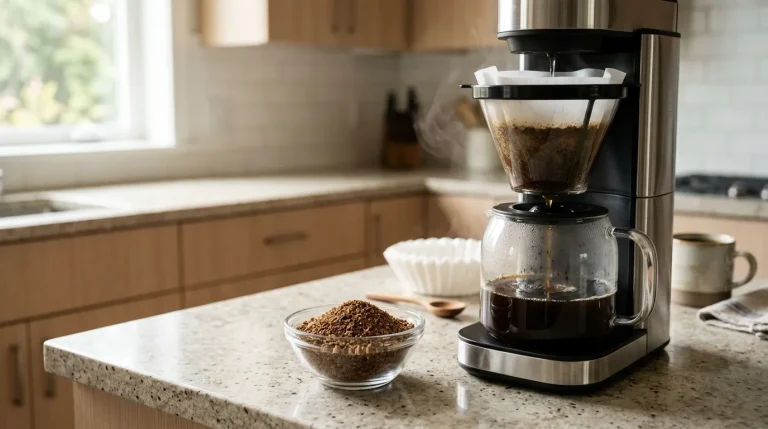
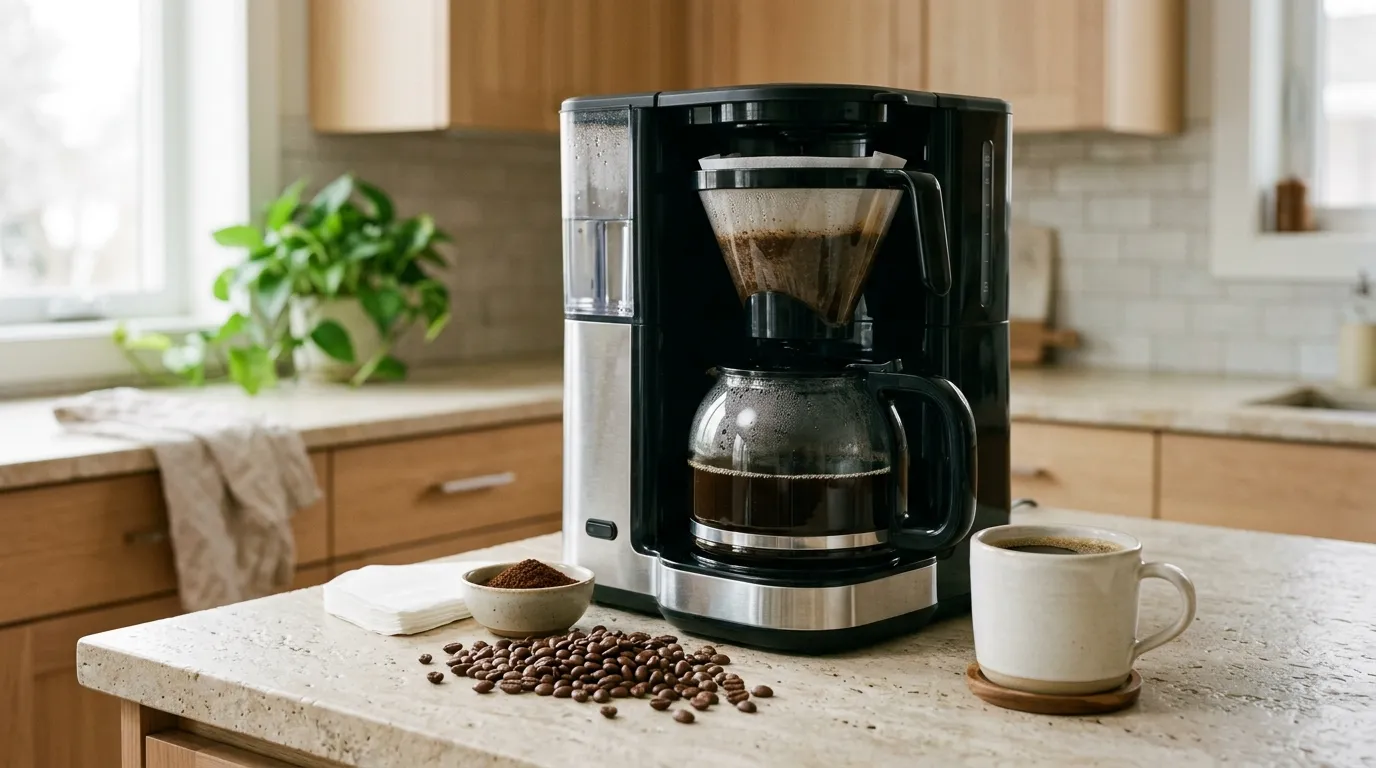
Fresh, medium roast Arabica beans, ground medium, deliver balanced, sweet drip coffee.
If you want the best coffee beans for drip coffee makers, you are in the right place. I have tested dozens of origins, roasts, and grinds over the years. In this guide, I share clear picks, science-backed tips, and easy brew steps. You will learn how to choose beans, tune your grinder, and get a clean, flavorful cup every day.
What Makes A Great Bean For Drip Coffee
Drip brewers use steady heat and a paper or mesh filter. They pull out sweetness and clarity when the bean is a good match. The best coffee beans for drip coffee makers should be fresh, balanced, and easy to extract.
Look for whole beans with a recent roast date. Fresh beans taste bright and sweet. Stale beans taste flat and dull. A good window is 7 to 30 days after roast. You can still brew later, but flavor drops.
Aim for Arabica beans with a medium roast. Light roasts can shine if your machine runs hot and even. Very dark roasts can taste bitter and ashy in drip brewers. A medium profile hits a sweet spot for most machines.
Origin and process matter. Washed coffees give clean, crisp cups. Natural and honey process can add fruit and body. The best coffee beans for drip coffee makers bring clear notes and smooth texture without heavy oil.
How Roast Level Shapes Flavor In Drip
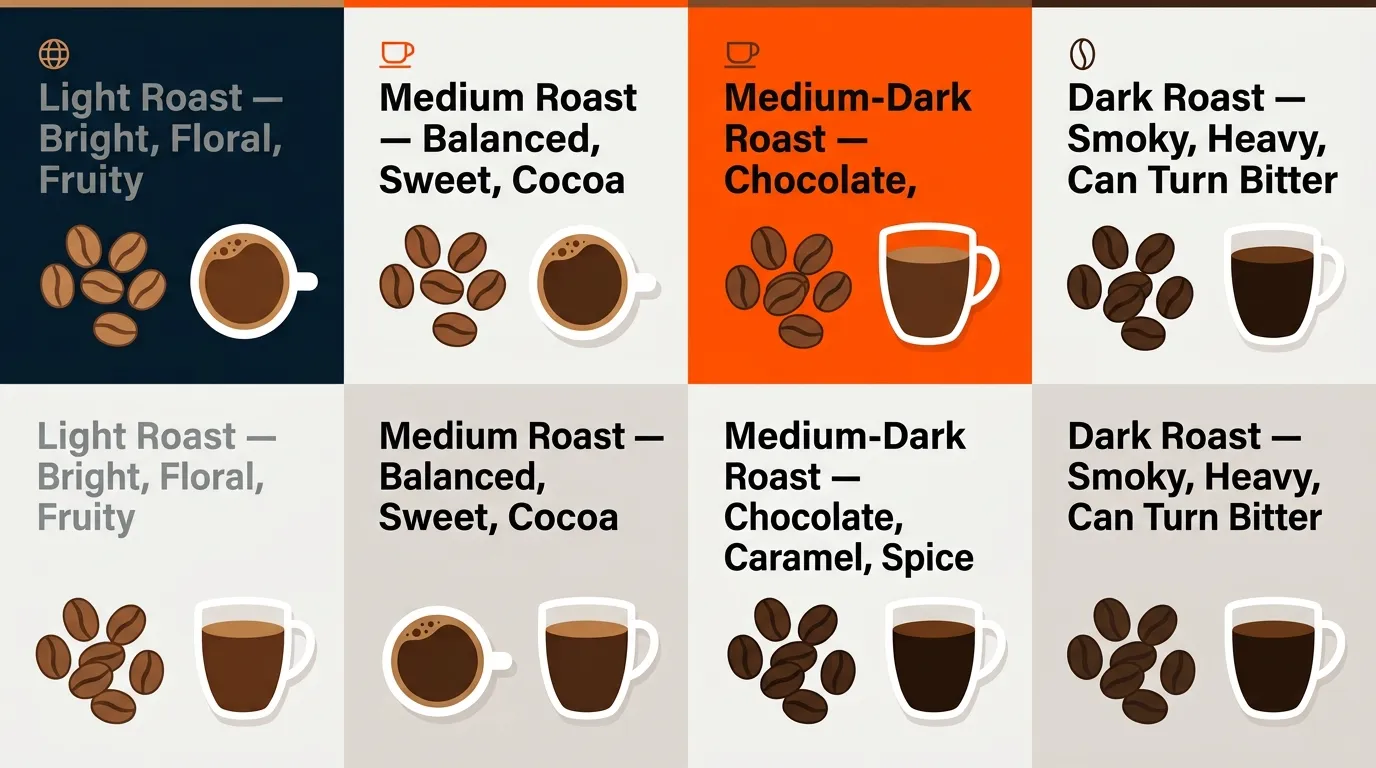
Roast level changes how water pulls flavors from the grounds. This affects body, acidity, and sweetness in your mug.
Light roast
- Brighter acidity and floral or fruit notes.
- Best when your machine reaches near 200°F and pre-wets grounds.
- Try Ethiopian or Kenyan beans for tea-like clarity.
Medium roast
- Balanced sweetness, cocoa notes, and soft acidity.
- Very friendly for most drip brewers and paper filters.
- Colombia, Brazil, and Guatemala are great starts.
Medium-dark roast
- Deeper chocolate, caramel, and spice notes.
- Works well if you want a fuller, rounder cup.
- Sumatra or a blend with Brazil can taste rich and smooth.
Dark roast
- Smoky and heavy body but can get bitter in drip.
- Oils may clog paper filters and mute nuance.
- Not my pick for daily drip unless you love bold smoke.
The best coffee beans for drip coffee makers usually sit in the light-medium to medium-dark range. This keeps flavor clear and sweet without harsh bite.
Best Coffee Beans For Drip Coffee Makers: Top Picks By Flavor Profile
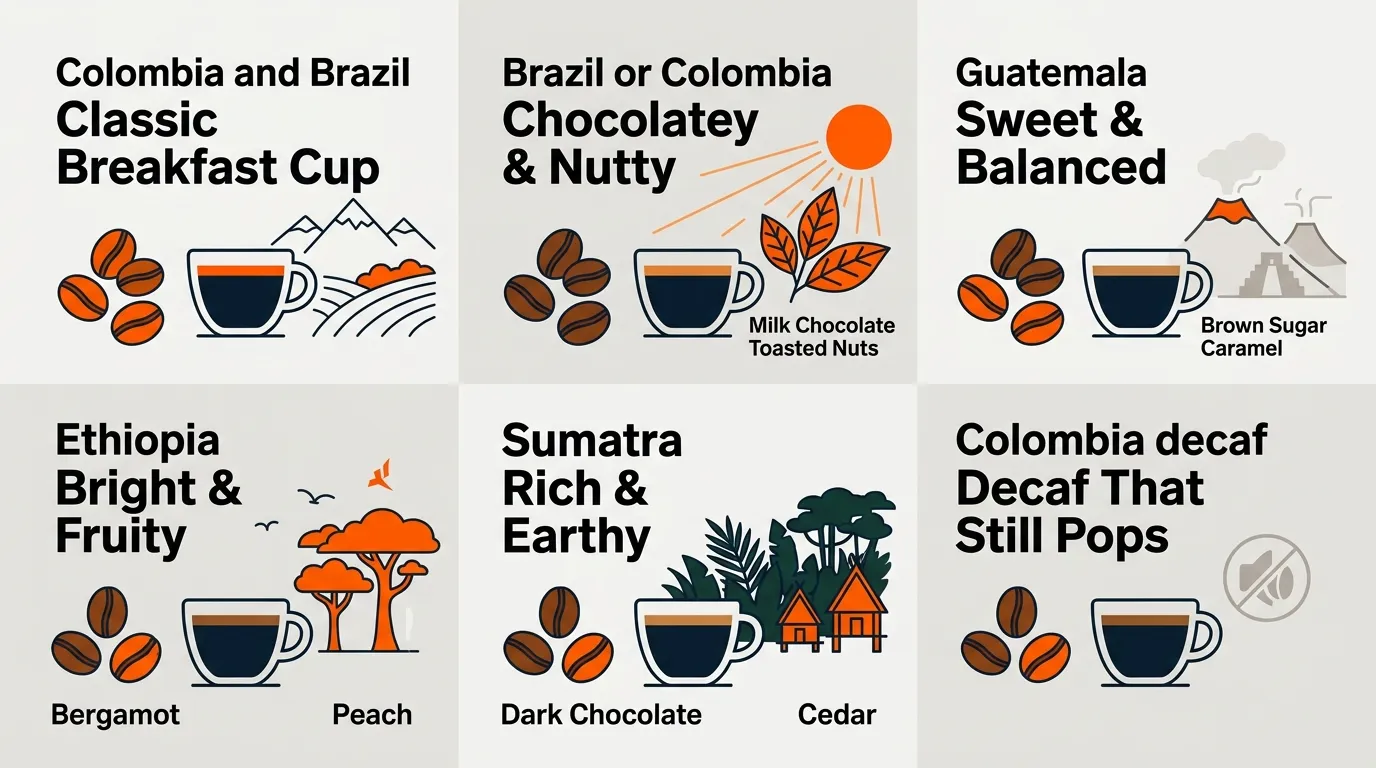
Use this simple map to match your taste to a bean. I list proven origins and styles that work well in drip brewers. These are the best coffee beans for drip coffee makers across common flavor goals.
Classic breakfast cup
- Medium roast blends from Colombia and Brazil.
- Notes of milk chocolate, toasted nuts, and mild citrus.
Chocolatey and nutty
- Brazil natural process or Colombia Supremo.
- Cocoa powder, hazelnut, almond, low acidity, syrupy body.
Sweet and balanced
- Guatemala washed from Antigua or Huehuetenango.
- Brown sugar, baked apple, cocoa, smooth finish.
Bright and fruity
- Ethiopia Yirgacheffe or Sidama, washed or natural.
- Bergamot, peach, blueberry, honey, floral aroma.
Rich and earthy
- Sumatra wet-hulled, medium to medium-dark.
- Dark chocolate, cedar, spice, long finish.
Mellow and low acid
- Brazil pulped natural or a medium-dark Central American blend.
- Gentle acidity, caramel sweetness, soft mouthfeel.
Decaf that still pops
- Swiss Water or Mountain Water processed decaf from Colombia.
- Cocoa, caramel, and gentle fruit with clean aftertaste.
Budget grocery choices
- Look for 100 percent Arabica, medium roast, and a recent roast date.
- Avoid vague terms like “strong.” Read origin and process when possible.
In my kitchen tests, drip brewers loved balanced beans the most. Colombia and Guatemala gave the easiest wins. Ethiopia shined when I used fresh paper filters and a slightly finer grind. Sumatra helped friends who wanted a full body and less bite. The best coffee beans for drip coffee makers are the ones that match your taste and your machine’s heat profile.
Grind Size, Freshness, And Storage
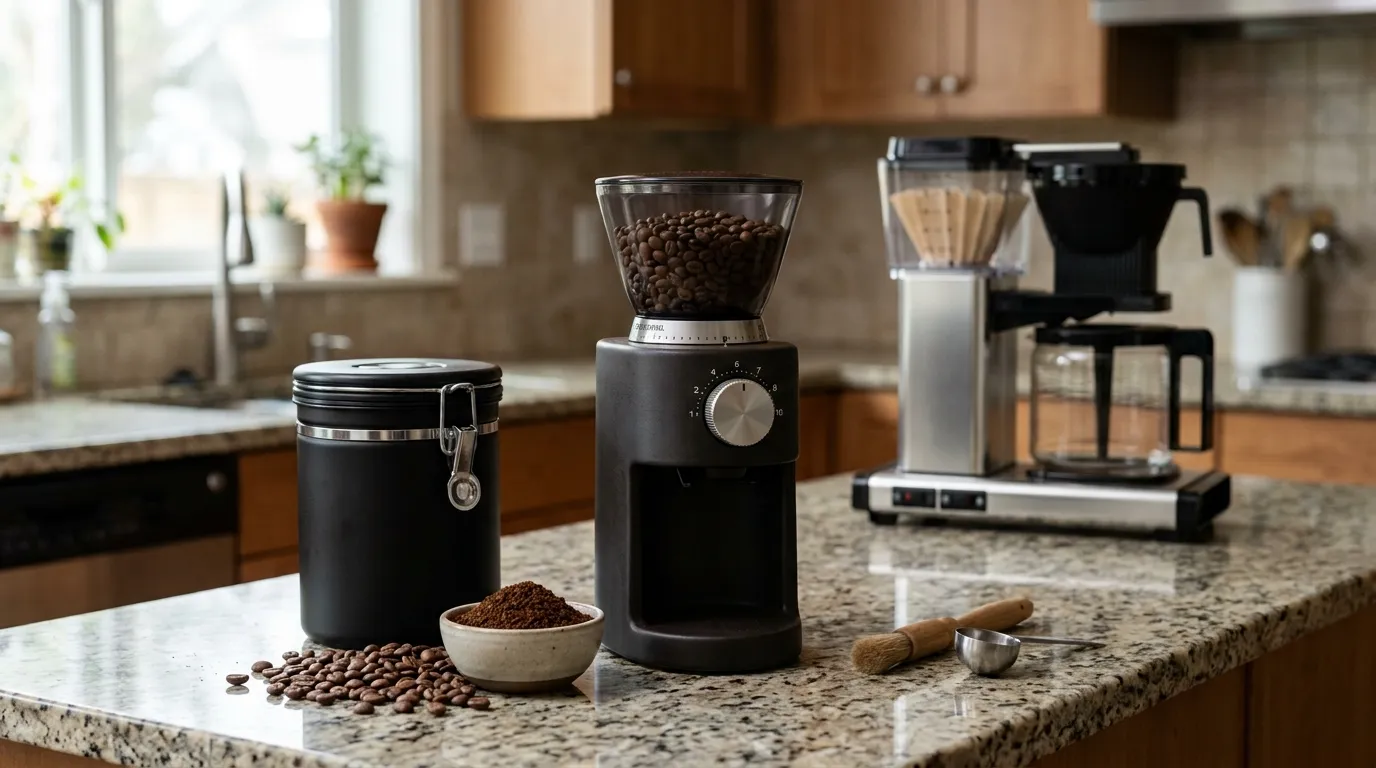
Grind size is your flavor dial. For drip coffee, start at a true medium grind. It should feel like coarse sand. If coffee tastes sour or thin, grind finer. If it tastes bitter or harsh, grind coarser. Small changes fix big issues.
Freshness matters. Buy whole beans. Grind right before brewing. Use beans 7 to 30 days after roast for peak flavor. The best coffee beans for drip coffee makers will drop off if ground too early.
Store beans in an opaque, airtight container. Keep them cool and dry. Do not keep beans in the fridge. Freeze only if you must, and split into small, sealed portions. Thaw sealed before opening to avoid condensation.
Water, Ratio, And Brew Tips For Drip Machines
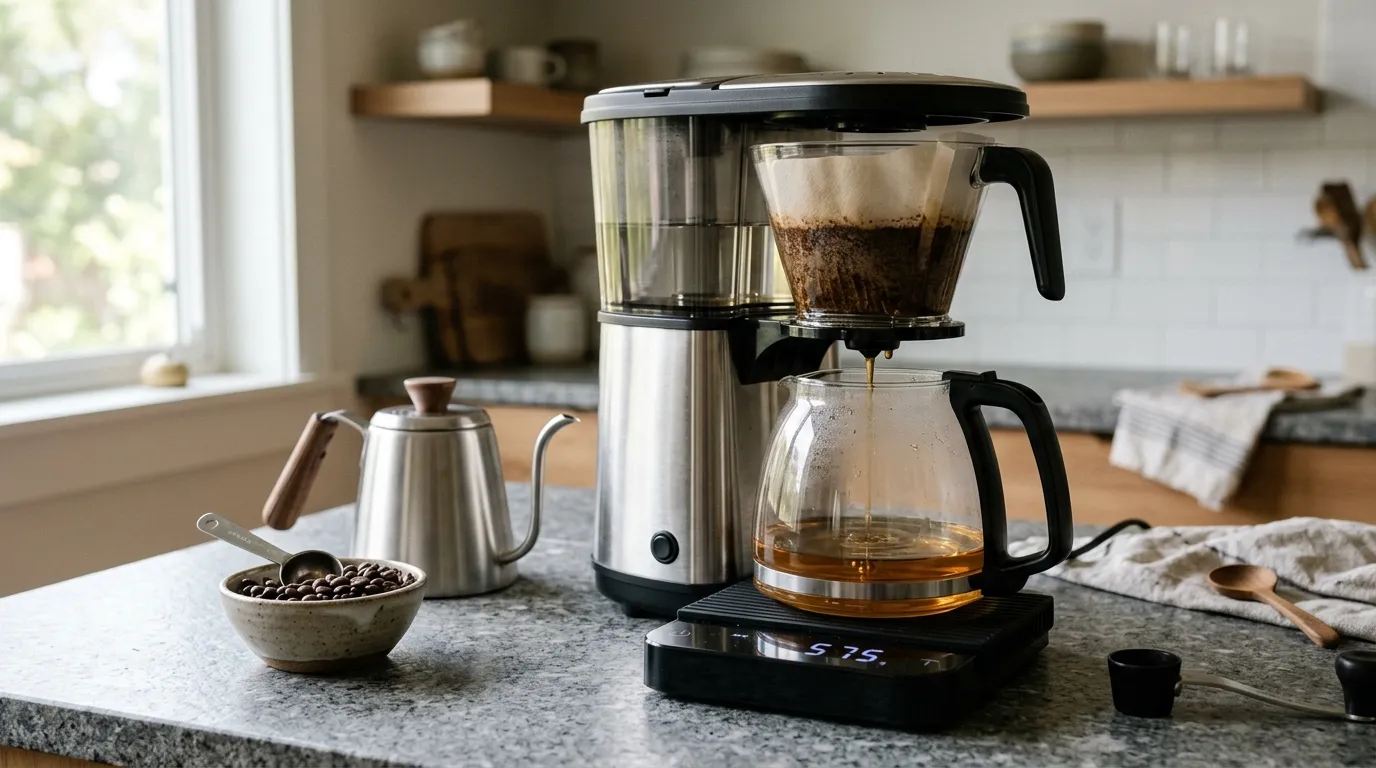 the right water and ratio. Use clean, filtered water with moderate minerals. Avoid distilled water. It can taste flat. If your tap is hard, use a filter pitcher.
Start with a 1 to 16 brew ratio. That means 1 gram coffee to 16 grams water. Example: 36 grams coffee to 575 grams water for one to two big cups. Adjust to taste. Stronger cup, use 1 to 15. Lighter cup, use 1 to 17. The best coffee beans for drip coffee makers shine when the ratio is steady.
Aim for water near 195 to 205°F. Many modern machines hit this range. If your brewer has a bloom or pre-infusion, use it. Wet the grounds for 30 to 45 seconds, then continue. Replace paper filters often. Rinse the filter with hot water before brewing. Clean your brewer every month to remove oils and mineral scale.
Quick recipe I use at home
- 36 grams medium grind coffee.
- 575 grams hot water on a standard drip cycle.
- Paper filter rinsed. Bloom if your machine allows. Enjoy a clean, sweet cup
Sourcing, Ethics, And Budget
Good flavor and good sourcing can go hand in hand. Look for terms like Fair Trade, Rainforest Alliance, or direct trade. These point to better pay and farm care. Do not treat them as a taste guarantee, but they are good signs.
Read labels. Seek a roast date, not just a best-by date. Look for origin, altitude, and process. The best coffee beans for drip coffee makers often list tasting notes like chocolate, citrus, or stone fruit. Match notes to your goals.
Plan a budget. Specialty beans may cost more but deliver clear flavor. Grocery beans can work if fresh and labeled well. You can also mix a premium bag with a budget bag to stretch value. I do this for weekday brews, then open a single-origin for weekends.
Troubleshooting Common Drip Coffee Flaws
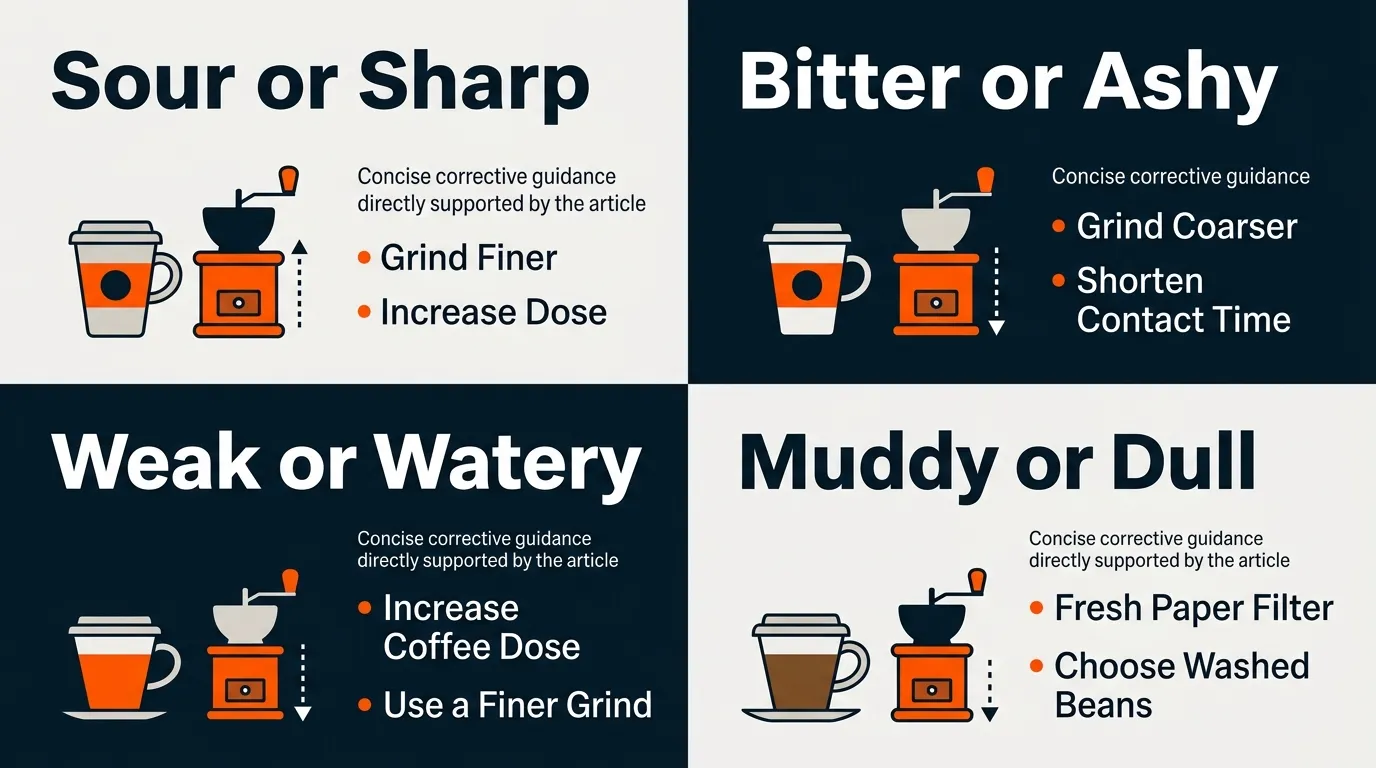
Sour or sharp
- Grind a bit finer. Increase dose. Use hotter water if possible.
- Choose a slightly darker roast or a less acidic origin.
Bitter or ashy
- Grind a bit coarser. Lower dose slightly. Shorten contact time.
- Try a lighter roast or switch to a cleaner paper filter.
Weak or watery
- Increase coffee dose. Use a finer grind.
- Check your machine’s water temperature and slow the flow if possible.
Muddy or dull
- Use a fresh paper filter and rinse it.
- Pick washed process beans. Choose a medium roast with clear notes.
The best coffee beans for drip coffee makers respond well to small grind and ratio tweaks. Adjust one thing at a time and keep notes.
Buying Guide Checklist And A Simple Home Test
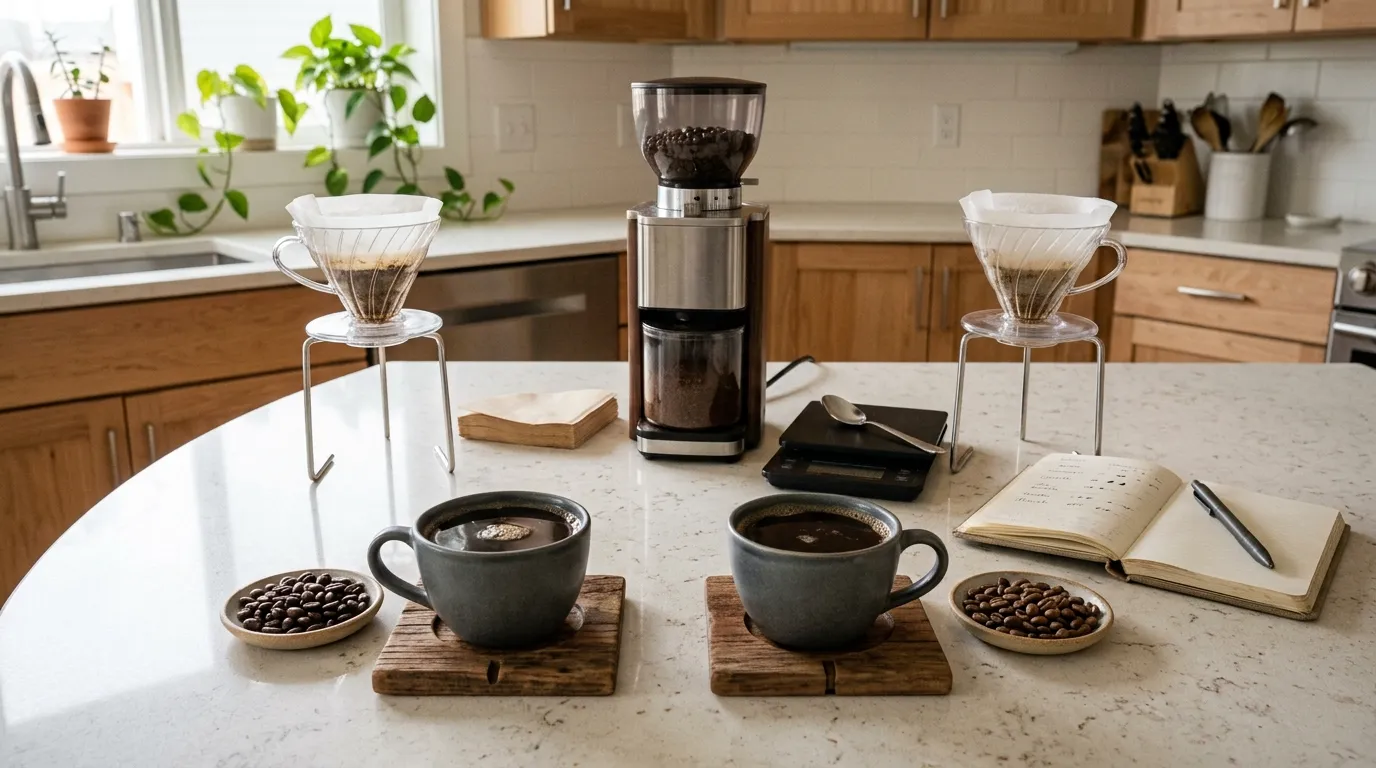
Use this quick checklist when you buy beans for drip.
- Whole bean, with a clear roast date within the past month.
- Arabica, medium roast, with flavor notes you enjoy.
- Origin and process listed. Washed for clarity. Natural for fruit.
- Ethical or relationship signals if that matters to you.
- Sealed bag with a one-way valve.
Run a home taste test.
- Brew two small batches side by side at 1 to 16.
- Keep grind the same. Change only the bean.
- Taste warm and as it cools. Note sweetness, clarity, finish.
- Pick the one you want to drink every day.
- The best coffee beans for drip coffee makers will taste sweet, clean, and balanced without effort.
Sample Drip Recipes For Popular Beans
Brazil natural, chocolatey and nutty
- 34 grams coffee, medium grind. 550 grams water. 5 to 6 minutes total time.
- Expect cocoa, almond, low acidity, a smooth finish.
Ethiopia washed, bright and floral
- 32 grams coffee, medium-fine grind. 520 grams water. 5 to 6 minutes.
- Expect lemon, bergamot, jasmine, and a crisp snap.
Sumatra medium-dark, rich and earthy
- 35 grams coffee, medium-coarse grind. 560 grams water. 6 minutes.
- Expect dark chocolate, cedar spice, big body, low bite.
Use these as a start. Tune by one grind click or 2 grams water at a time. The best coffee beans for drip coffee makers reward small tweaks with big gains in the cup.
Frequently Asked Questions Of Best Coffee Beans For Drip Coffee Makers
What roast level is best for drip coffee makers?
Medium roast is the safest pick for balance and sweetness. Light-medium also works if your machine runs hot and even.
Are pre-ground beans okay for drip coffee?
Pre-ground can work, but flavor drops fast. Whole beans ground right before brewing taste fresher and sweeter.
How fine should I grind for drip coffee?
Start at a true medium grind, like coarse sand. Go finer if sour or thin, coarser if bitter or harsh.
What water should I use with drip coffee?
Use clean, filtered water with moderate minerals. Avoid distilled water since it can taste flat.
How long do beans stay fresh for drip brewing?
Beans taste best 7 to 30 days after roast. Store in an airtight, opaque container away from heat and light.
Do paper filters change flavor?
Yes. Paper filters improve clarity and reduce oils. Rinse the filter to remove any papery taste.
What origins are most reliable for everyday drip?
Colombia, Brazil, and Guatemala are steady and balanced. Ethiopia and Kenya shine for bright and complex cups.
Conclusion
The best coffee beans for drip coffee makers are fresh, balanced, and matched to your taste. Aim for Arabica, medium roast, and a grind that feels like coarse sand. Keep a steady ratio, use clean water, and make small, smart tweaks.
Pick one origin this week and log your brew. Change one variable per day. You will find your sweet spot fast. Want more guides like this? Subscribe, share your favorite beans, or ask a question in the comments.