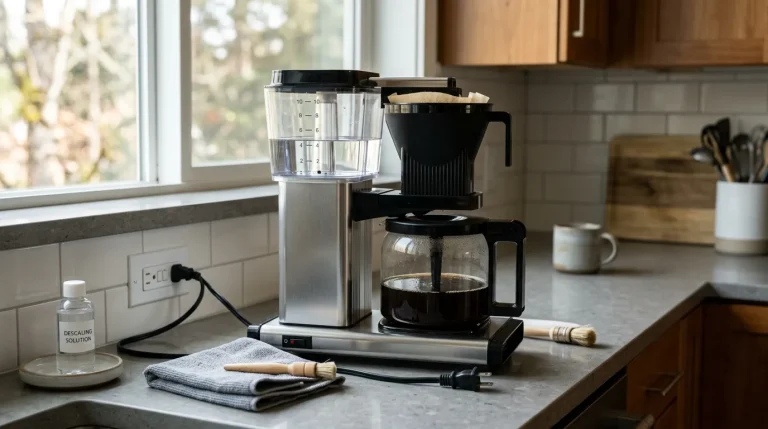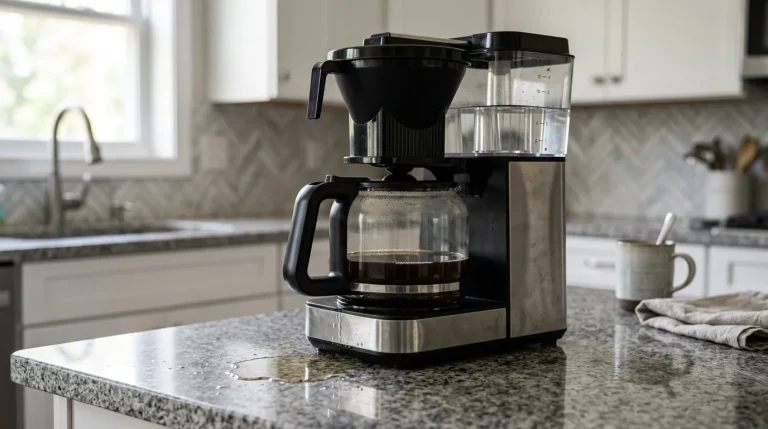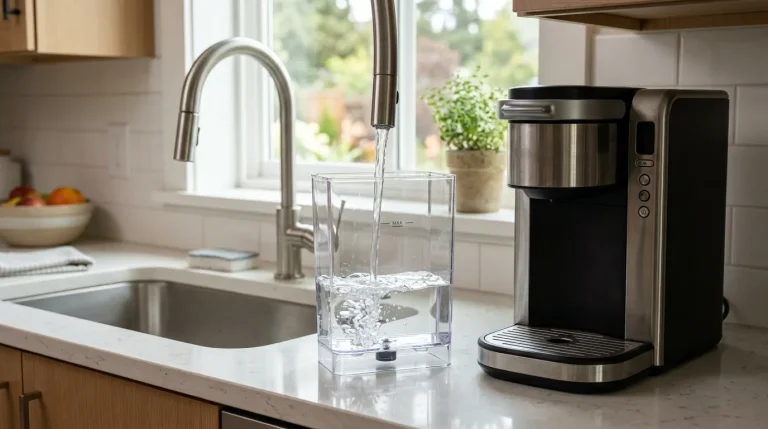
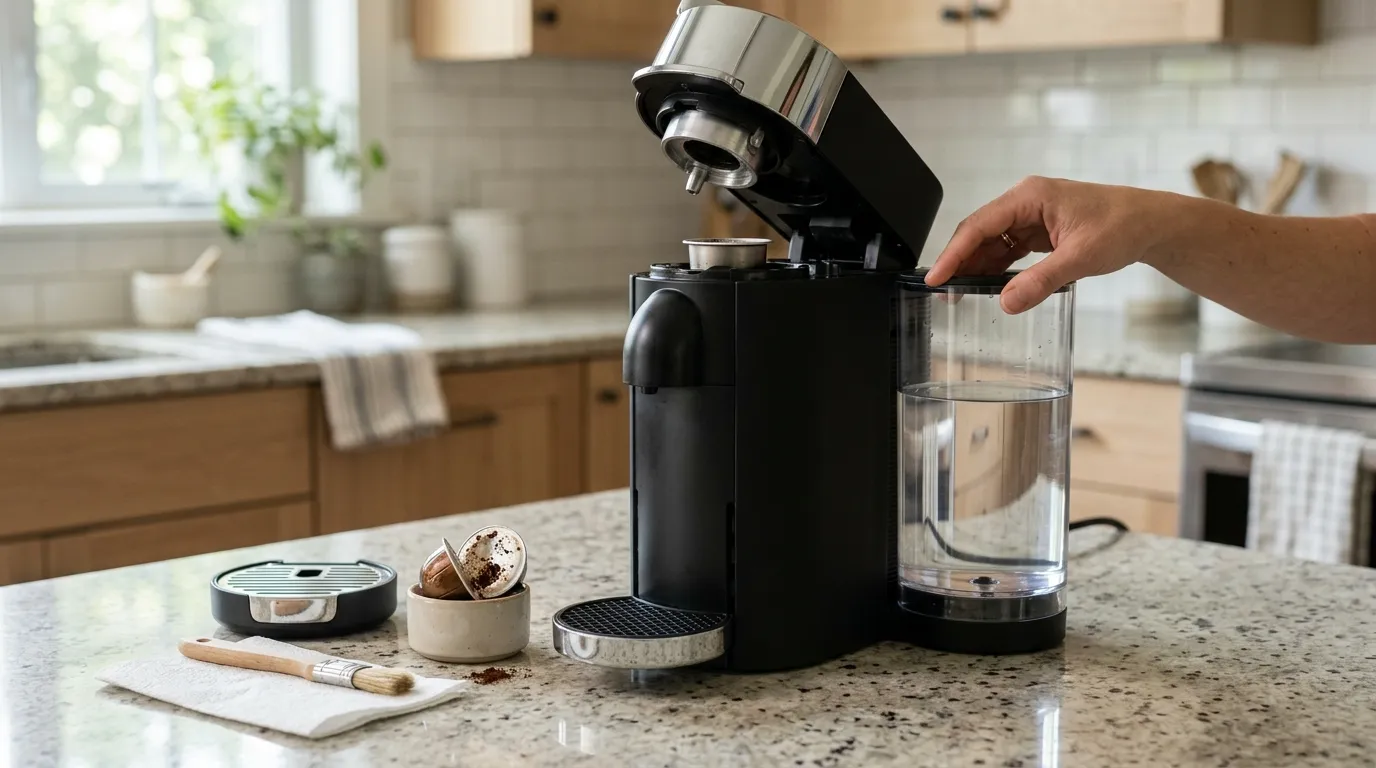
Nespresso coffee maker troubleshooting usually starts with cleaning, descaling, and checking water and capsules.
I have fixed dozens of Nespresso machines for friends and clients. This guide walks you through practical, trustworthy nespresso coffee maker troubleshooting. You will learn step-by-step checks, common causes, and simple fixes you can try at home. Read on to save time and avoid unnecessary service calls.
How to approach nespresso coffee maker troubleshooting
Start with the basics. Unplug the machine. Check the water, capsule area, and drip tray. Most issues are caused by scale, blocked flow, or user errors. Nespresso coffee maker troubleshooting is about careful checks and simple fixes first.
Common quick checks
-
- Ensure the machine has power and is switched on.
- Use fresh water and compatible capsules.
- Empty the capsule container and drip tray.
Common problems and what they mean
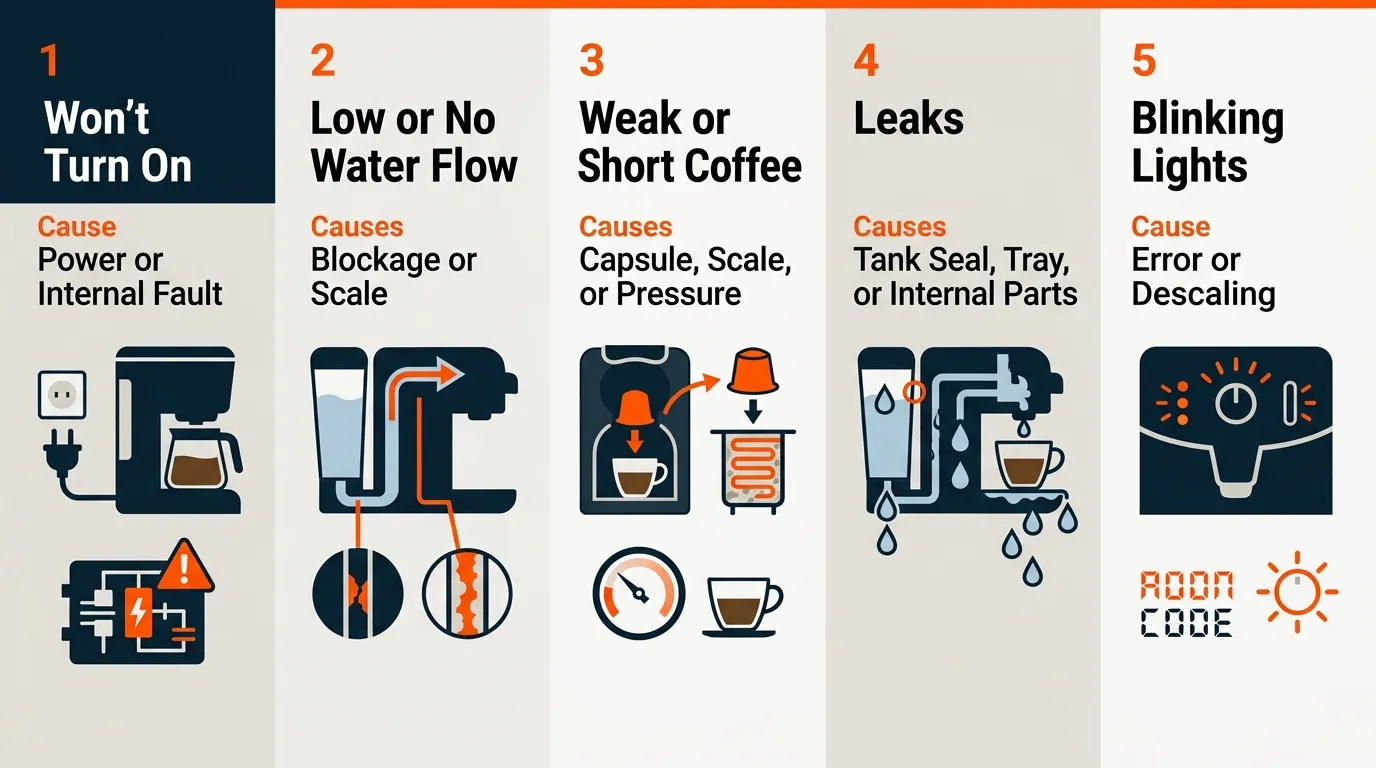
Here are the frequent issues users see and what they usually indicate. I list likely causes and the first things to try. This helps you narrow the problem fast when doing nespresso coffee maker troubleshooting.
Common issues and likely causes
-
- Machine won’t turn on: power or a blown fuse, faulty cable, or internal fault.
- No water flow or low flow: blocked nozzle, clogged water line, or scale build-up.
- Coffee too short or weak: wrong capsule size, machine needs descaling, or pressure loss.
- Leaks: water tank seal, cracked tray, or overfilled tank.
- Buttons blinking: internal error or descaling needed.
Step-by-step basic troubleshooting checklist
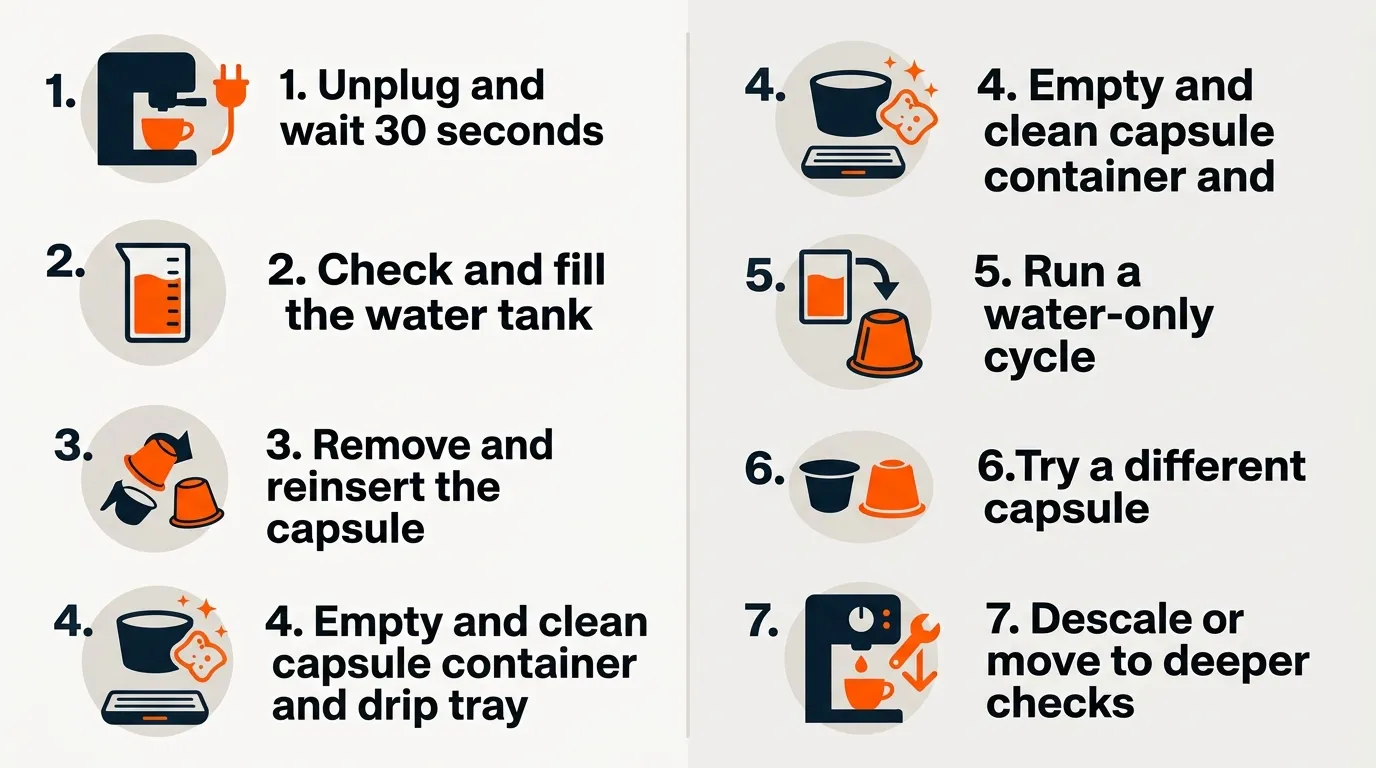
Follow these steps before calling support. They are safe, clear, and effective for many faults. These steps form the core of nespresso coffee maker troubleshooting.
Step-by-step
-
- Unplug and wait 30 seconds, then plug back in.
- Check the water tank is seated and filled with fresh water.
- Remove and reinsert the capsule to ensure proper placement.
- Empty capsule container and drip tray; clean residue.
- Run a water-only cycle (no capsule) to flush the system.
- Try a different capsule to rule out a bad pod.
If the problem persists, move to descaling and deeper checks.
Descaling and cleaning: the number-one fix
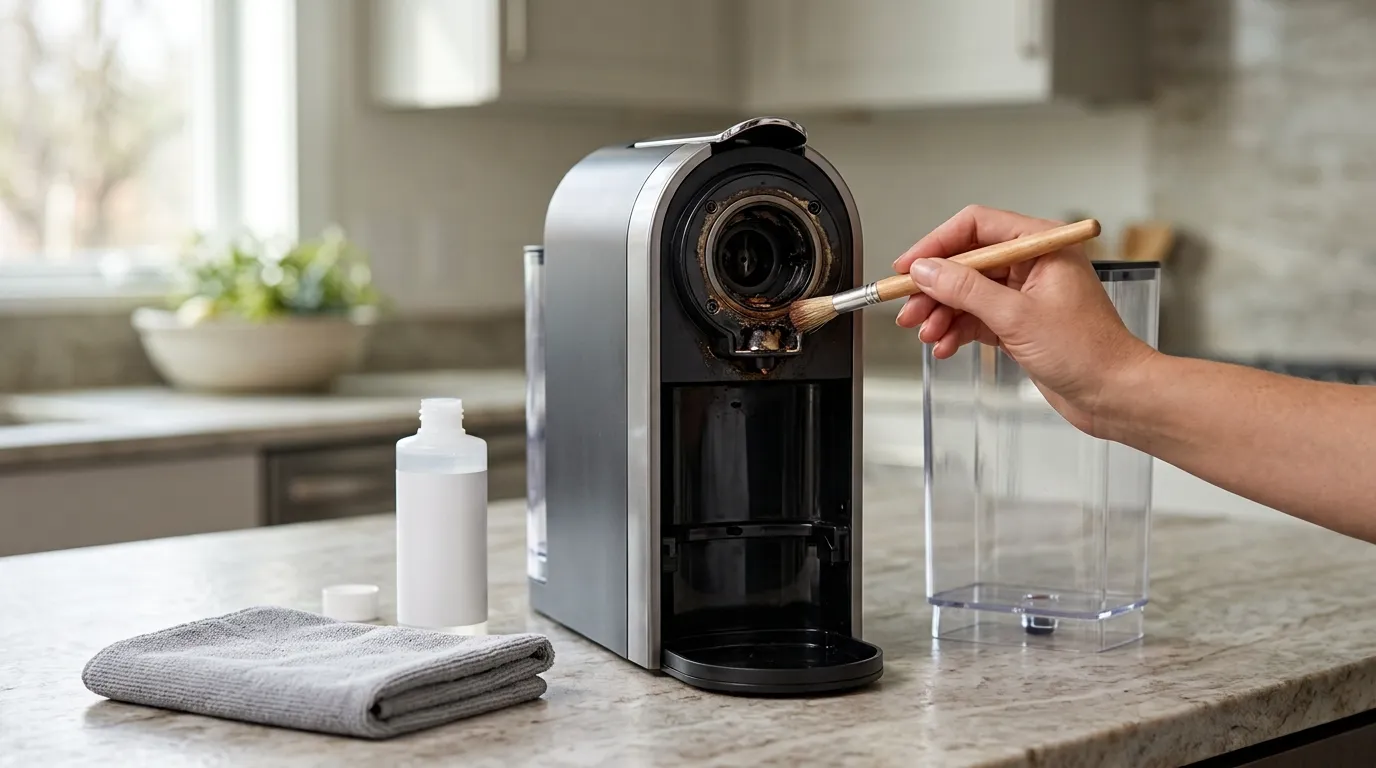
Scale is the most common enemy. Regular descaling restores flow and heating. Doing this solves many nespresso coffee maker troubleshooting cases.
Descale every 3 months or after 300 uses. Use the maker’s recommended descaling fluid or a compatible solution. Follow the machine’s manual steps. Also clean the capsule head, nozzle, and water tank weekly to avoid build-up and bacteria.
Troubleshooting lights and error signals
Blinking lights often tell you what is wrong. Learn the pattern for a quick fix. This saves time and helps solo troubleshooting.
Common light meanings
-
- Rapid blinking: machine needs descaling or has an internal fault.
- Slow blink: heating up or ready state.
- Solid light change: mode change or completed cycle.
If lights show an error and a reset doesn’t fix it, note the pattern and contact support for model-specific guidance
Fixing no water flow or poor pressure
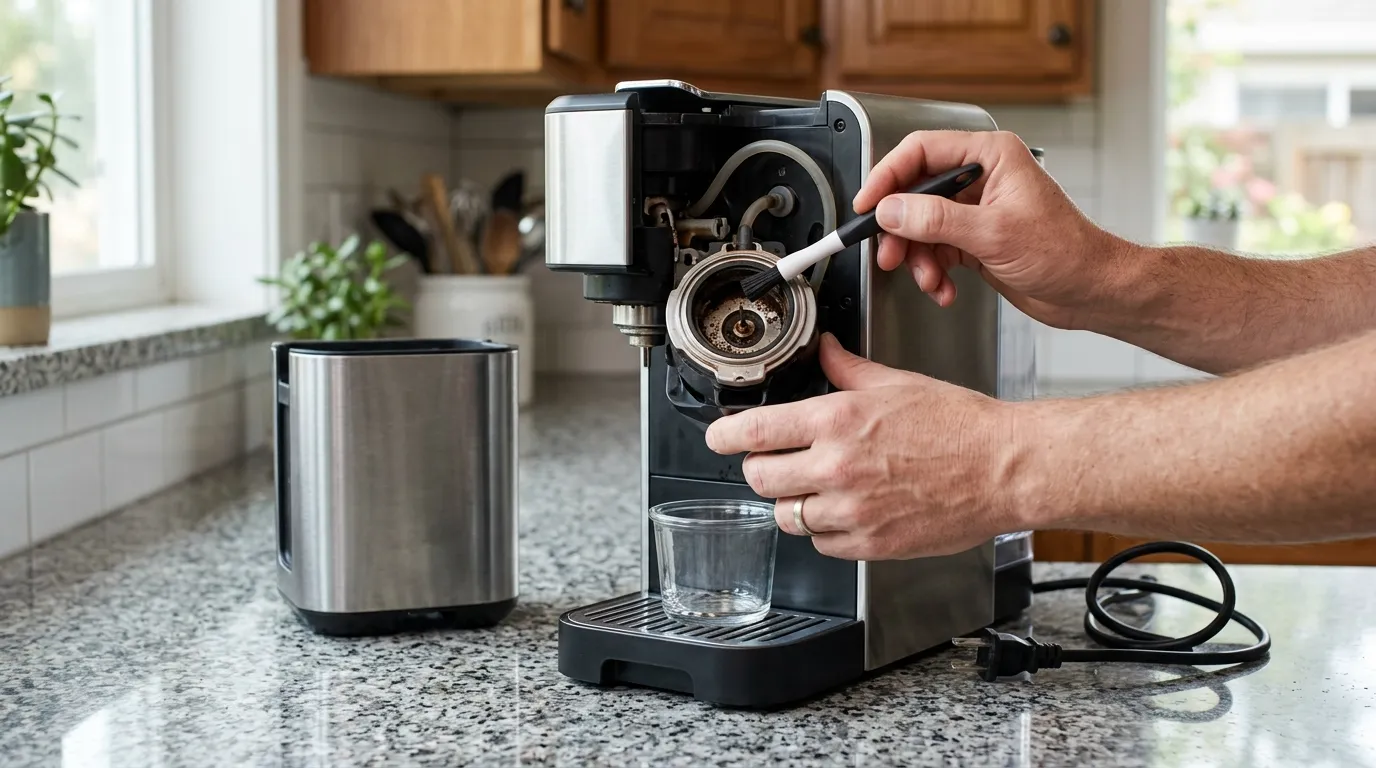
Water flow problems are usually simple to fix. Follow clear checks to restore proper pressure.
What to check
-
- Confirm the tank has water and sits correctly.
- Run a water-only cycle to see if flow resumes.
- Clean the needle or nozzle where the capsule sits; coffee grounds can clog it.
- Descale the machine to remove mineral blockages.
If you hear the pump but no water comes out, the inlet valve or pump might be failing.
Leaks and where they come from
Leaks can be messy but are often traceable. Find the source and fix or replace the faulty part.
Common leak sources
-
- Water tank seal not seated.
- Cracked or misaligned drip tray.
- Faulty internal hoses or pump seal.
- Overfilling or using the wrong tank.
Tighten or replace seals. Test after each fix. Persistent leaks likely need professional repair.
When to contact Nespresso support or a repair shop
Some problems need expert help. Know when to stop DIY and call a pro. This keeps your warranty and avoids damage.
Call support if
- The machine shows persistent error codes after resets.
- There is an electrical smell or smoke.
- Internal parts fail (pump or heating element).
- Leaks come from inside the machine despite external checks.
Keep note of model, serial number, and error behavior before you call.
Personal tips from real troubleshooting experience
I’ve repaired many machines in kitchens and offices. These tips helped me and others fix machines fast. They are practical and low-cost.
My best tips
- Keep a bowl and paper towels near the machine during tests.
- Use distilled water if your tap is very hard to cut down on scale.
- Keep a small brush or toothpick to clean the capsule needle monthly.
- Log what you tried and when. This helps if you need service.
I once fixed a machine that would not brew by simply unclogging the capsule needle with a straightened paper clip. Small steps matter.
PAA-style quick questions
What should I try first for a Nespresso that won’t brew?
- Unplug, refill the tank, remove the capsule, and run a water-only cycle to flush the system.
How often should I descale my machine?
- Descale every 3 months or after around 300 uses, more often with hard water.
Why does my machine make loud buzzing noises?
- Loud buzzing can mean the pump is straining from a blockage or low water level; check water and descale.
Frequently Asked Questions of nespresso coffee maker troubleshooting
How do I reset my Nespresso machine?
Unplug the machine for 30 seconds, plug it back in, and hold the brew buttons as the manual instructs for your model. This often clears minor electronic glitches.
My Nespresso is leaking from the bottom. What should I do?
Turn off and unplug the machine. Remove and inspect the water tank, drip tray, and seals. If the leak is internal, seek professional repair.
Why is my Nespresso making weak coffee?
Check capsule type, water level, and descaling status. Weak coffee often comes from scale, low pressure, or using the wrong capsule size.
What does rapid blinking light mean on my machine?
Rapid blinking usually signals descaling is needed or an internal error. Run the descaling program and reset the machine.
Can I descale my Nespresso with vinegar?
Vinegar can harm seals and leave residue. Use the recommended descaling solution or a suitable manufacturer-approved product.
The machine heats but no water comes out. What now?
Check the water tank seating, run a water-only cycle, and clean the nozzle. If the pump runs with no water flow, parts may need service.
Conclusion
You can solve most issues with simple checks, cleaning, and regular descaling. Follow the steps here for clear nespresso coffee maker troubleshooting and save time and money. Try the easy fixes first, log what you do, and call support if a fault stays. If this guide helped, leave a comment or subscribe for more practical coffee-machine tips.