Use heat, water, baking soda, and safe scrapers to lift burnt residue.
If you’ve ever stared at a scorched pan after dinner, you’re not alone. I’ve tested what actually works, from gentle simmer soaks to tougher, safe cleaners. In this guide on how to clean burnt pots, I’ll show simple steps that protect your pan’s finish, save time, and keep your kitchen safe.
Source: thekitchn.com
What Actually Burned Onto Your Pot
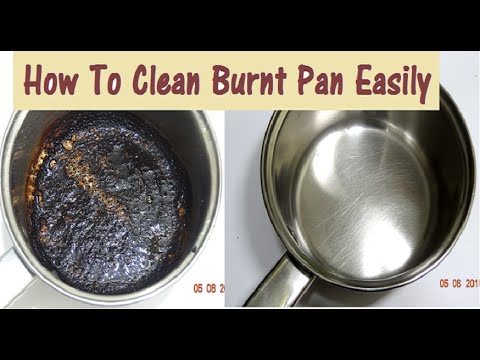
Burnt mess comes from sugars, starches, fats, and proteins. High heat dries them out and they stick like glue. Oils can even polymerize and form a hard, plastic-like layer. Knowing the cause helps you pick the right fix.
Sugary sauces and rice scorch fast. Milk-based sauces brown and cling. Oil-heavy sears can leave a shiny, stubborn film. A smart plan for how to clean burnt pots starts with this quick check.
Source: youtube.com
Check Your Pot Material Before You Start
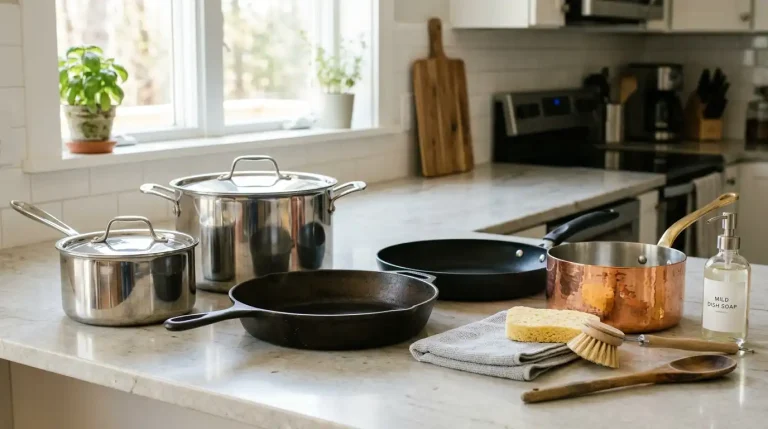
Stainless steel can handle heat, scrubbing, and most cleaners. Nonstick needs a soft touch and lower heat. Cast iron wants salt scrubs and a re-season after. Enameled cast iron is sturdy but hates metal scouring. Aluminum reacts with strong alkalis. Copper can be lined with tin or stainless, which changes care.
Before you try how to clean burnt pots, match the method to the material. When unsure, test a small spot first.
Source: thekitchn.com
Five Proven Ways to Clean Burnt Pots Fast
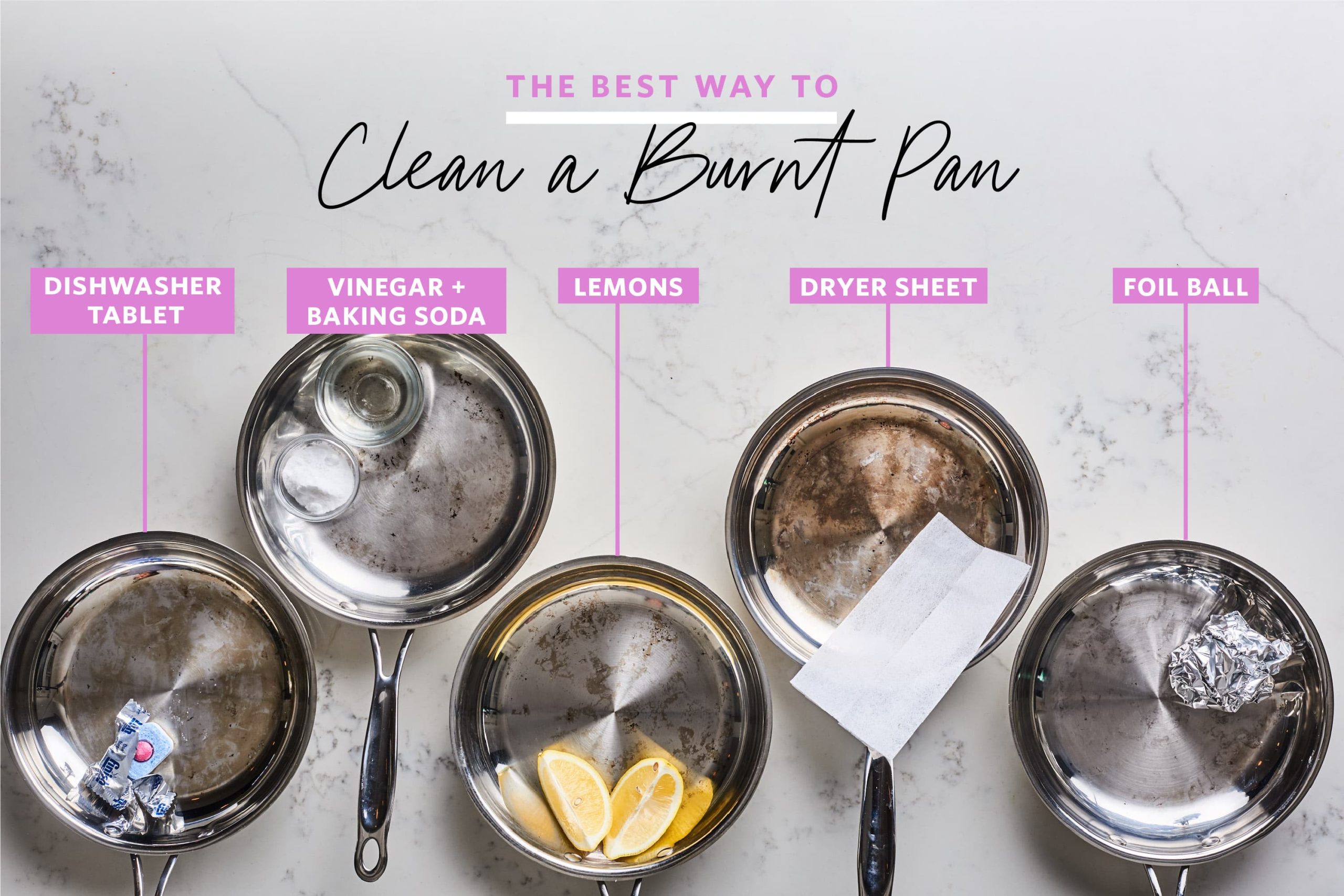
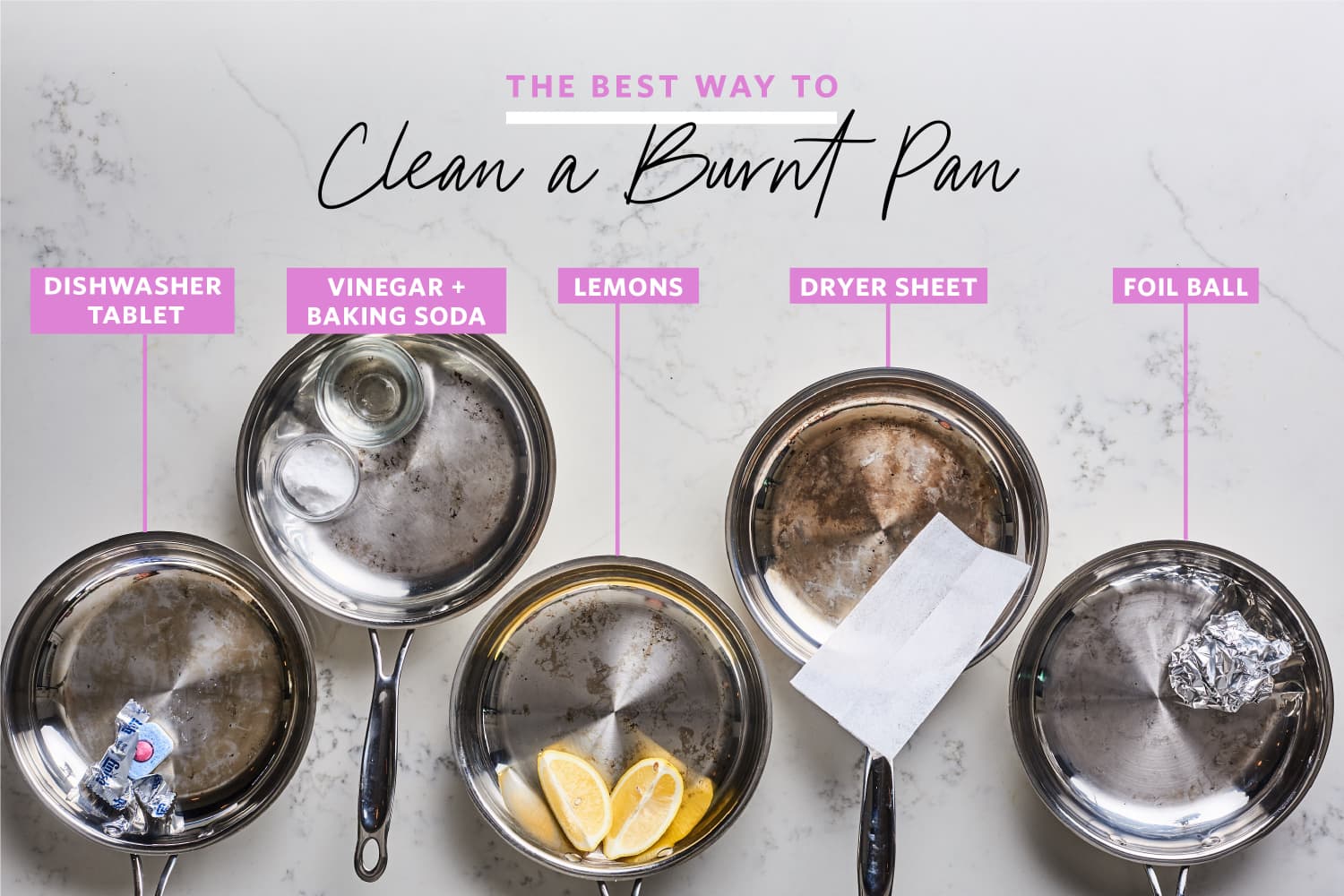
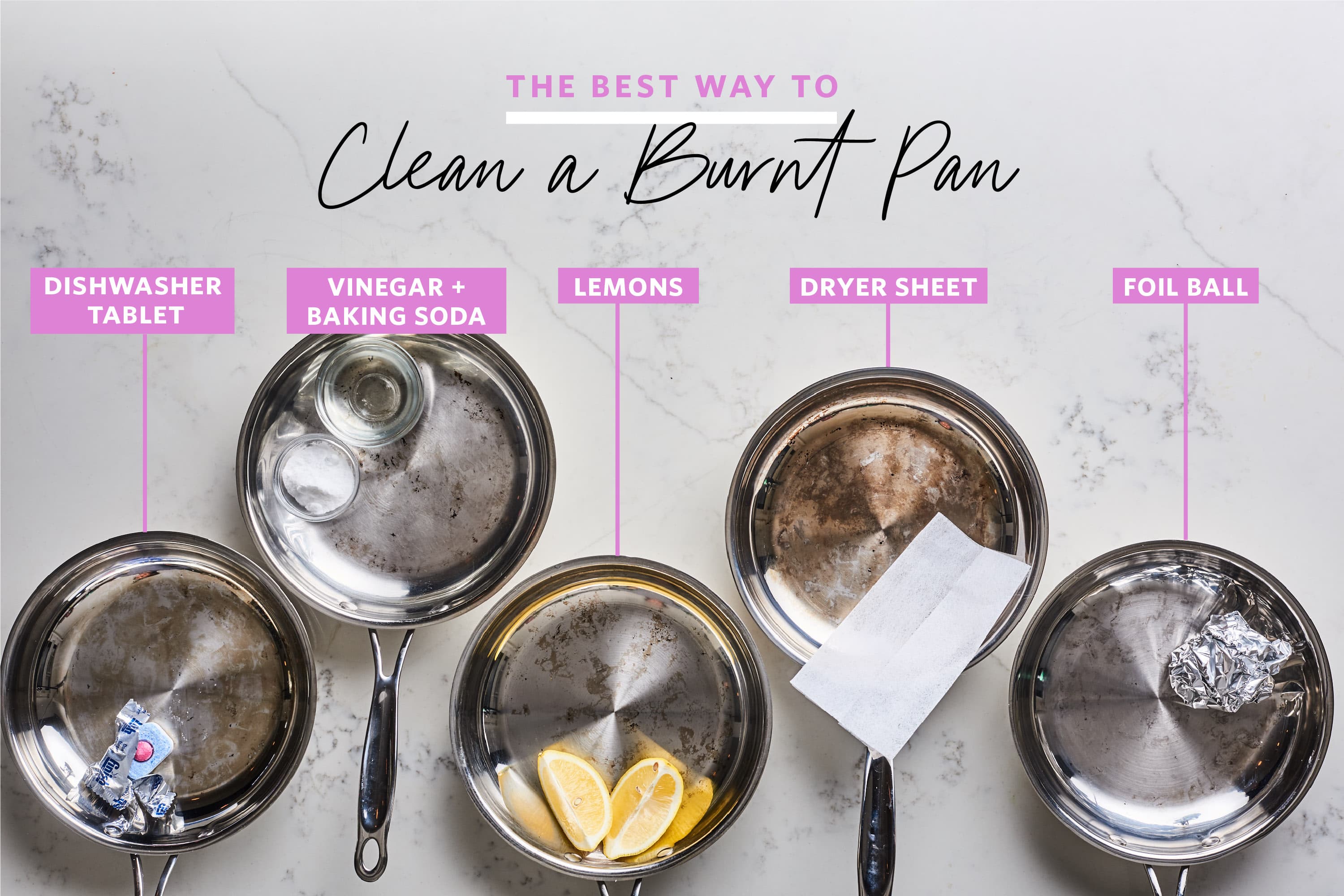
These methods cover most messes. Start mild. Only move up if needed. This approach is key in how to clean burnt pots without damage.
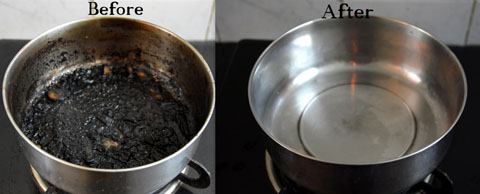
- Boil-and-scrape method
- Add water to cover the burn.
- Simmer 10 minutes. Gently scrape with a nylon scraper or wooden spoon.
- Rinse. Repeat if needed. Add a spoon of baking soda to the simmer for extra lift.
- Baking soda and vinegar fizz
- Sprinkle baking soda over the burnt area.
- Add a splash of warm white vinegar. Let it fizz for 5 minutes.
- Wipe and rinse. This helps loosen light burns. It is great for how to clean burnt pots after pasta.
- Salt and lemon scrub
- Add coarse salt and a little lemon juice.
- Rub with a soft sponge.
- Rinse well. Good for steel and enamel. Avoid on nonstick.
- Dish soap hot soak
- Fill with hot water and a big squeeze of dish soap.
- Soak 30–60 minutes.
- Scrape gently. This is the simplest way for how to clean burnt pots when you have time.
- Dishwasher tablet trick for stainless
- Add a few cups of hot water to the pot.
- Rub a damp dishwasher tablet over the burn.
- Rinse well. Do not use on nonstick or aluminum.
Safety tips for all methods
- Vent the area. Wear gloves for hot water or cleaners.
- Never mix bleach with vinegar or ammonia.
- Work slowly. Protect the finish.
Source: padhuskitchen.com
Can you use baking soda and vinegar to clean burnt pots?
Yes, but keep it simple. The fizz lifts light residue, then the mild grit of baking soda helps you scrub. For heavy burns, simmering water first works better.
Will oven cleaner work on stainless steel pots?
It can, but it is harsh and risky. Use it only on the outside of stainless and only if the label allows it. Avoid on aluminum, nonstick, or anywhere near food-contact surfaces.
Is a dishwasher tablet safe for nonstick pans?
No. It is too strong and can dull the coating. Use warm water, dish soap, and a baking soda paste instead.
Clean By Material: Exact Steps That Work
Here’s how to clean burnt pots the right way for each type. Use the gentlest step first and move up only if needed.
Source: reddit.com
Stainless steel
- Simmer water for 10 minutes. Scrape with a nylon scraper.
- Add 1 tablespoon baking soda and simmer 5 minutes more.
- For stubborn polymerized oil, add 1–2 cups of 3% hydrogen peroxide, bring just to a light simmer, cool, then scrub. Vent well.
- Rinse and dry. Polish with a stainless cleaner if you like.
Nonstick
- Fill with warm water and dish soap. Soak 30 minutes.
- Wipe with a soft sponge. Use a baking soda paste on spots.
- Never use metal, scouring powder, or dishwasher tablets. If the coating peels, replace the pan.
Cast iron
- Boil water in the pan. Scrape with a wooden spatula.
- Use a salt scrub with a few drops of oil for stuck bits.
- Dry over low heat. Rub a thin layer of oil and bake at 400°F for 1 hour to re-season.
- Avoid long soaks, harsh soap, and acids.
Enameled cast iron
- Soak with hot water and dish soap.
- For stains, simmer water with 1 tablespoon baking soda for 10 minutes.
- Avoid metal scouring. Many makers advise against strong peroxide mixes. Check your manual.
Aluminum
- Soak with warm soapy water.
- Use a mild baking soda paste sparingly. Rinse fast to avoid dulling.
- For discoloration, simmer water with a little lemon juice. Avoid oven cleaner and strong alkalis.
Copper
- If stainless-lined, treat like stainless.
- If tin-lined, be very gentle. Avoid abrasives and high heat.
- For the outside, clean tarnish with a paste of lemon and salt. Keep acids off the tin lining.
Glass or ceramic
- Soak in hot soapy water.
- Use a baking soda paste.
- For glass cooktops, a razor at a shallow angle can lift residue. Work slow.
The Step-by-Step Deep Clean Routine
When you face a heavy, black crust, use this plan. It is my reliable path for how to clean burnt pots after a serious scorch.
- Loosen
- Fill with water. Simmer 10–15 minutes. Scrape gently.
- Lift
- Drain to a shallow pool. Add 1 tablespoon baking soda. Simmer 5 minutes.
- Break the bond
- Off heat, sprinkle more baking soda. Add a splash of warm vinegar. Let fizz 5 minutes.
- Scrub safe
- Use a nylon scrubber or chainmail only on cast iron. No steel wool on nonstick or enamel.
- Spot treat
- Use a dishwasher tablet rub on stainless only.
- Use a salt and oil scrub on cast iron.
- Rinse and restore
- Rinse well. Dry. Re-season cast iron. Polish stainless if desired.
This routine has saved many pots in my test kitchen. It is the backbone of how to clean burnt pots without harsh chemicals.
Source: youtube.com
Common Mistakes That Make It Worse
Many pots get ruined during cleanup, not during cooking. Avoid these traps.
- Using metal scouring pads on nonstick or enamel. This causes scratches you cannot fix.
- Pouring cold water into a hot pan. This can warp or crack it.
- Mixing cleaners like bleach and vinegar. That makes toxic gas.
- Overheating empty pans. This starts most burns.
- Going straight to harsh chemicals. Gentle heat and time work better.
Source: apartmenttherapy.com
Prevention: How To Avoid Burnt Pots Next Time
Good habits beat hard scrubbing. These small moves keep your pans clean and safe.
- Preheat for a short time on medium. Add oil only when the pan is warm.
- Stir sugary or starchy foods often. Use more liquid if it dries out.
- Use timers. Even pros forget.
- Match burner size to the pan.
- Deglaze with water, stock, or wine before residue sets.
- Wash soon after cooking. Dried-on bits get harder each hour.
Build these into your routine. You will need how to clean burnt pots far less often.
Eco-Friendly vs Heavy-Duty Cleaners
Most messes yield to heat, baking soda, salt, and dish soap. These are low cost and low risk. They are ideal for daily use and keep indoor air clean.
Heavy-duty cleaners can save a pot in rare cases. Use them with care and only on the right materials. Always read labels. Wear gloves and ventilate. The safest choice is to use the mildest method that works. That is the heart of smart how to clean burnt pots practice.
Troubleshooting and When To Call It Quits
Some burns are too deep. Warped pans cook unevenly. Flaking nonstick can be unsafe. Deep pitting from corrosion will trap food. In those cases, retire the pan.
If you still want to try how to clean burnt pots one last time, do a final simmer, gentle scrape, and a targeted spot treatment. Set a time limit. Your time matters too.
Frequently Asked Questions of how to clean burnt pots
How do I clean a pot with rice burned to the bottom?
Simmer water for 10 minutes to swell the starch. Scrape with a nylon scraper, then use a baking soda paste on spots.
Can I use Bar Keepers Friend on burnt stainless steel?
Yes, in small amounts with a soft sponge. Rinse well and avoid circular scratches by wiping with the grain.
How do I get rid of a burnt milk smell in a pot?
Simmer water with a spoon of baking soda for 10 minutes. Rinse, then air dry in sunlight if possible.
Is it safe to clean burnt pots with hydrogen peroxide?
Use only 3% peroxide and only on stainless. Heat gently, ventilate, and never mix with vinegar or bleach.
How can I clean a heavily burnt enameled Dutch oven?
Start with a long hot soak and a baking soda simmer. Repeat, then use a soft scrub; avoid metal pads and strong chemicals.
Conclusion
Burnt pots happen to every cook. Start mild, use heat and time, and match your method to the material. With the steps above, you now know how to clean burnt pots without scratches, fumes, or stress.
Pick one method today and save a pan you thought was lost. If this guide helped, share it, subscribe for more kitchen fixes, or drop your questions in the comments.