

Wash by hand with mild soap, rinse, dry fast, and store safely.
If you care about sharp edges, food safety, and long life, this guide is for you. I have cleaned knives in busy kitchens and at home for years. Here, I show you how to clean kitchen knives properly with simple, proven steps. You will learn what works, what to avoid, and how to fix common issues fast.

Source: webstaurantstore.com
Why Knife Material Matters
Not all blades like the same bath. Stainless steel fights rust, but it can still spot if you leave it wet. Carbon steel cuts like a dream yet needs fast drying and a light coat of oil. Ceramic resists stains, but it can chip, so use a soft sponge only.
This matters because each steel reacts to water, soap, and acids in a different way. If you want to know how to clean kitchen knives properly, first know your steel. That is the key to safe care and a steady edge.

Source: wusthof.com
A Daily Cleaning Routine That Protects the Edge
Here is the short, safe routine I teach new cooks. It takes under a minute per knife. It keeps edges sharp and hands safe.
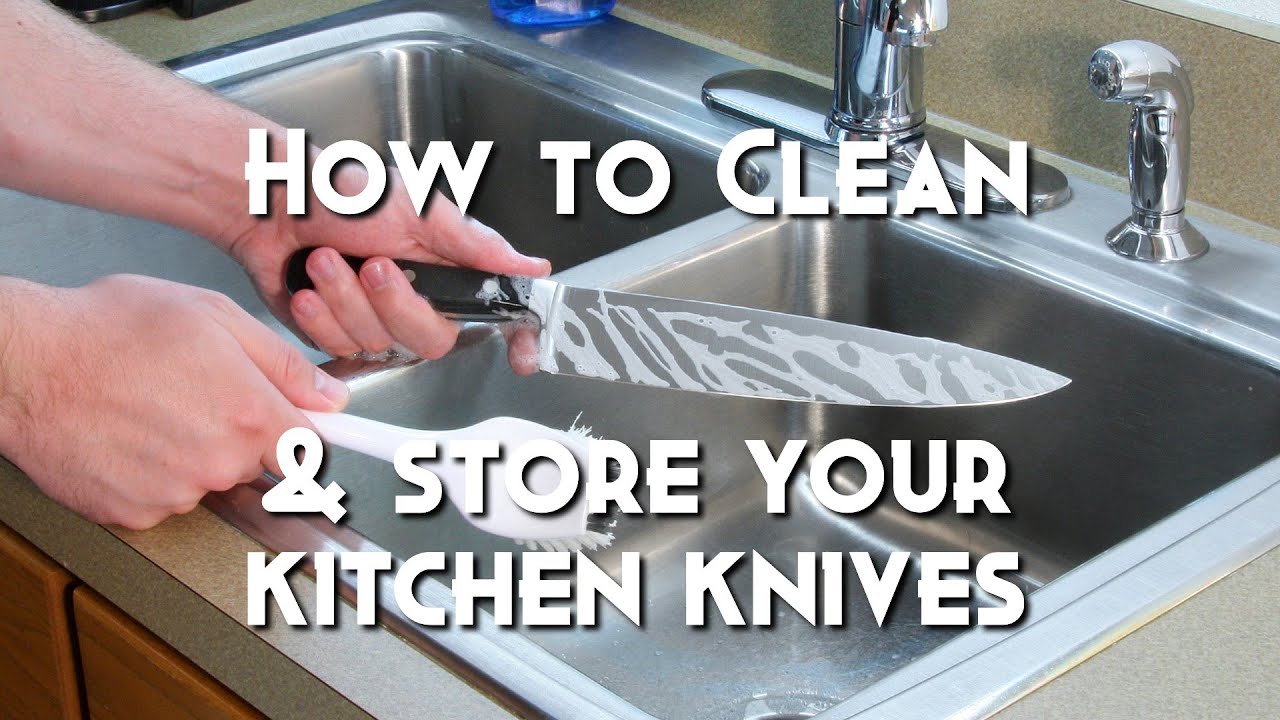
- Rinse right away. Run warm water over the blade to remove food.
- Soap the spine side. Use a drop of mild dish soap on a soft sponge.
- Wipe away from the edge. Pinch the spine with a towel and wipe toward the tip.
- Clean the handle. Get around the bolster, rivets, and heel.
- Rinse well. Remove all soap. Soap left on steel can spot or dull.
- Dry at once. Use a clean towel. Get into the choil and around the handle.
- Store safely. Use a sheath, block, or magnetic strip. Never toss in a drawer.
Use this same flow at the sink during meal prep. Keep a damp towel by the board to wipe between tasks. This is how to clean kitchen knives properly without slowing your cook time.
A quick note from the line: I learned to soap from the spine side first. This keeps fingers away from the edge. It feels odd at first, but it is the best habit. If you want to master how to clean kitchen knives properly, make this your muscle memory.

Source: oxo.com
Deep Cleaning and Stain Removal
Some days need more than soap and water. Stains, glue from labels, and light rust happen. Here is a safe plan that protects your blade.
For sticky residue
- Use a drop of cooking oil on a paper towel.
- Rub the spot, then wash with dish soap and warm water.
For light rust or orange spots
- Make a paste of baking soda and water.
- Spread it on the spot. Wait five minutes.
- Rub gently with a wine cork or soft sponge.
- Rinse, dry, and oil if it is carbon steel.
For gray streaks on stainless
- Use a non‑chloride powder cleanser made for cookware in tiny amounts.
- Rub very light and only on the stain. Rinse fast. Dry at once.
For patina on carbon steel
- A thin, even patina is normal and can protect the blade.
- If you want less patina, wipe with warm vinegar for 30 seconds.
- Rinse right away, dry, and oil the blade.
Do not use steel wool or rough pads. They scratch and can trap rust. When you learn how to clean kitchen knives properly, gentle pressure wins. Check your work in good light, then stop. Over‑scrubbing can do more harm than good.

Source: youtube.com
Sanitizing Knives Safely
Cleaning and sanitizing are not the same. Cleaning removes food and grease. Sanitizing reduces germs after cleaning. Use it after raw meat, seafood, or when someone is ill.
Food‑safe bleach solution
- Mix 1 tablespoon unscented bleach in 1 gallon of cool water.
- Dip a clean blade for one minute. Keep the handle out if it is wood.
- Rinse with clean water. Dry at once.
Alcohol option
- Wipe with 70% isopropyl alcohol on a cloth.
- Let it sit 30 seconds. Rinse and dry.
Boiling water can harm adhesive in some handles. Steam can swell wood. If you ask how to clean kitchen knives properly and keep them safe, use the mild sanitizer above and dry fast.

Source: imarku.net
Drying, Oiling, and Smart Storage
Drying is the step that saves knives. Water is the main cause of spots and rust. A dry blade also stays sharp longer.
How to dry well
- Hold the spine. Wipe from heel to tip away from the edge.
- Get the choil, bolster, and rivets.
- Air drying leaves spots. Use a towel instead.
When to oil
- Carbon steel needs a thin coat after cleaning.
- Use food‑safe mineral oil or camellia oil. One drop goes far.
- Stainless can go without oil, but a light coat before long breaks helps.
Smart storage saves edges and fingers
- Use a magnetic strip or a slotted block.
- Use blade guards if you must use a drawer.
- Keep the edge off hard plates and glass boards.
These habits lock in how to clean kitchen knives properly and keep them ready for years.
Source: youtube.com
What Not to Do
Some habits ruin blades fast. Skip these and your knives will thank you.
- Do not put knives in the dishwasher. Heat, steam, and bumps cause dull edges, rust, and loose handles.
- Do not soak knives in the sink. Water creeps into the handle and breeds rust.
- Do not use rough pads or steel wool. They scratch and trap stains.
- Do not leave knives to dry on a rack. Water pools on the edge and heel.
- Do not scrape the board with the edge. Flip the knife and use the spine.
If you keep asking how to clean kitchen knives properly, this list is half the answer. Avoid these, and you avoid most damage.
Source: oishya.com
Troubleshooting Common Issues
Even with care, things happen. Here is how I fix the most common problems I see in the kitchen.
Small rust blooms
- Make a baking soda paste. Rub with a cork. Rinse and dry.
- Oil if it is carbon steel.
Cloudy water spots
- Wipe with white vinegar for 30 seconds. Rinse and dry.
- Check your rinse water. Hard water can leave spots.
Funky handle smell
- Wash the handle with soap. Use a soft brush around rivets.
- Wipe with diluted vinegar. Dry well.
Loose handle or chipped edge
- Stop using it. A pro can tighten rivets or reprofile a chip.
- Do not try to glue cracked wood without skill.
If you ever feel unsure about how to clean kitchen knives properly in a tricky case, pause and ask a pro. It is cheaper than a new blade.

Source: youtube.com
Eco‑Friendly and Efficient Cleaning Setup
A small setup makes the job fast and kind to the planet. I keep this by my sink at home and at work.
Tools I use
- Soft sponge and a small brush for the bolster and heel
- Mild dish soap and a spray bottle of sanitizer
- Microfiber towel for fast drying
- Baking soda and a wine cork for spots
- Food‑safe mineral oil and a lint‑free cloth
Smart habits
- Wash knives right after use to save water and scrubbing.
- Soap from the spine side to protect fingers.
- Keep a drying towel just for knives to avoid cross‑contamination.
- Clean your honing rod with a bit of soap and a scrub brush.
With this kit, you can show anyone how to clean kitchen knives properly in minutes. It cuts waste and builds safe habits.

Source: webstaurantstore.com
Frequently Asked Questions
How often should I clean my knife during meal prep?
Clean after each switch from raw to ready‑to‑eat foods. A fast rinse and dry between tasks keeps edges safe and stops cross‑contamination.
Can I put my knives in the dishwasher?
No. Heat, steam, and banging dull blades and can damage handles. Hand wash, rinse, and dry at once.
What is the safest way to hold a knife while washing?
Pinch the spine, not the edge. Wipe from the heel toward the tip, away from your fingers.
Do I need to sanitize every time?
No. Sanitize after raw meat, seafood, or illness in the home. Daily cooking needs a good wash, rinse, and dry.
How do I clean a serrated knife?
Use a soft brush with mild soap along the gullets. Rinse and dry right away to protect the teeth.
What oil should I use on carbon steel?
Use food‑safe mineral or camellia oil. A thin coat after drying prevents rust without sticky residue.
Is this the same as how to clean kitchen knives properly in restaurants?
The core steps are the same: wash, rinse, sanitize when needed, dry, and store. Pro kitchens add logs and strict zones for safety.
Conclusion
Great knives are an investment. Keep them sharp, safe, and clean with simple habits. Wash by hand, rinse well, dry at once, and store with care. Learn how to clean kitchen knives properly, and you will cook faster, safer, and with more joy.
Try the routine tonight on one knife and feel the difference. If you found this helpful, share it, subscribe for more kitchen tips, or drop your questions in the comments.


