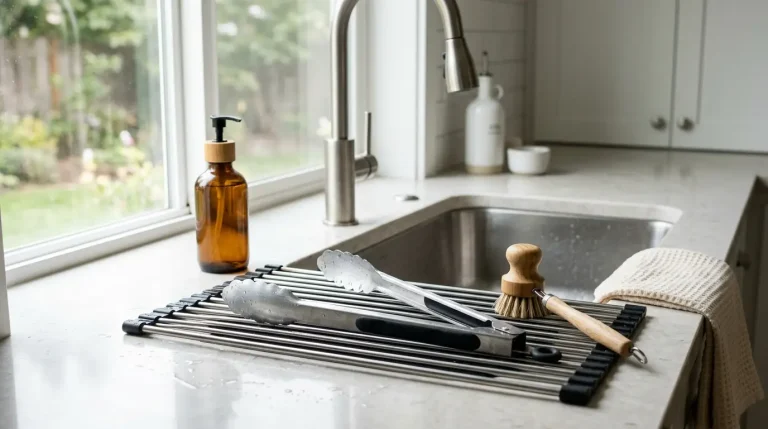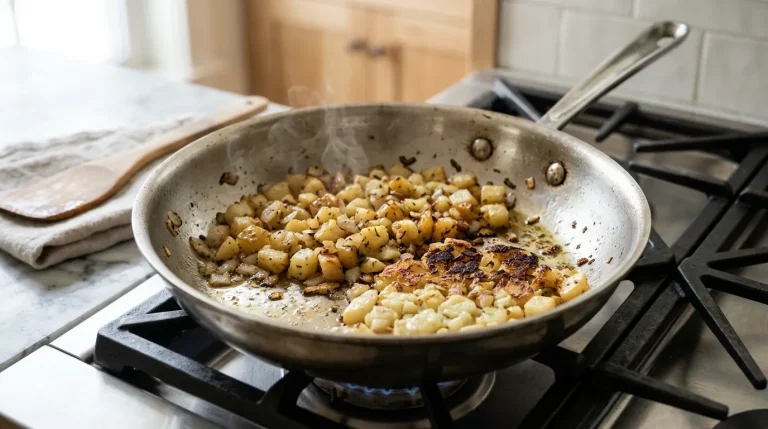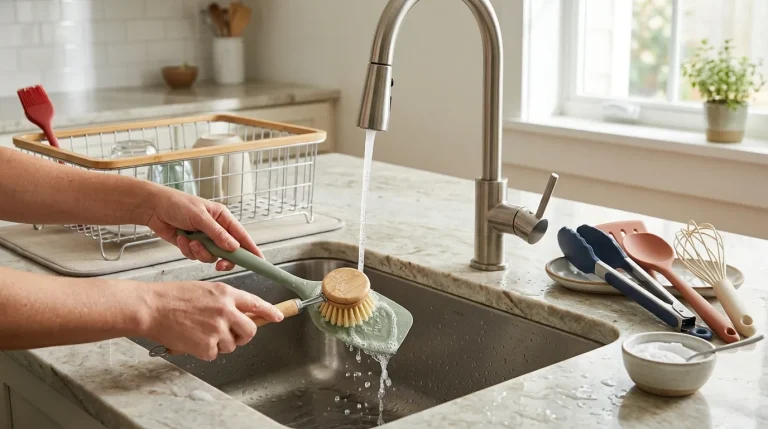
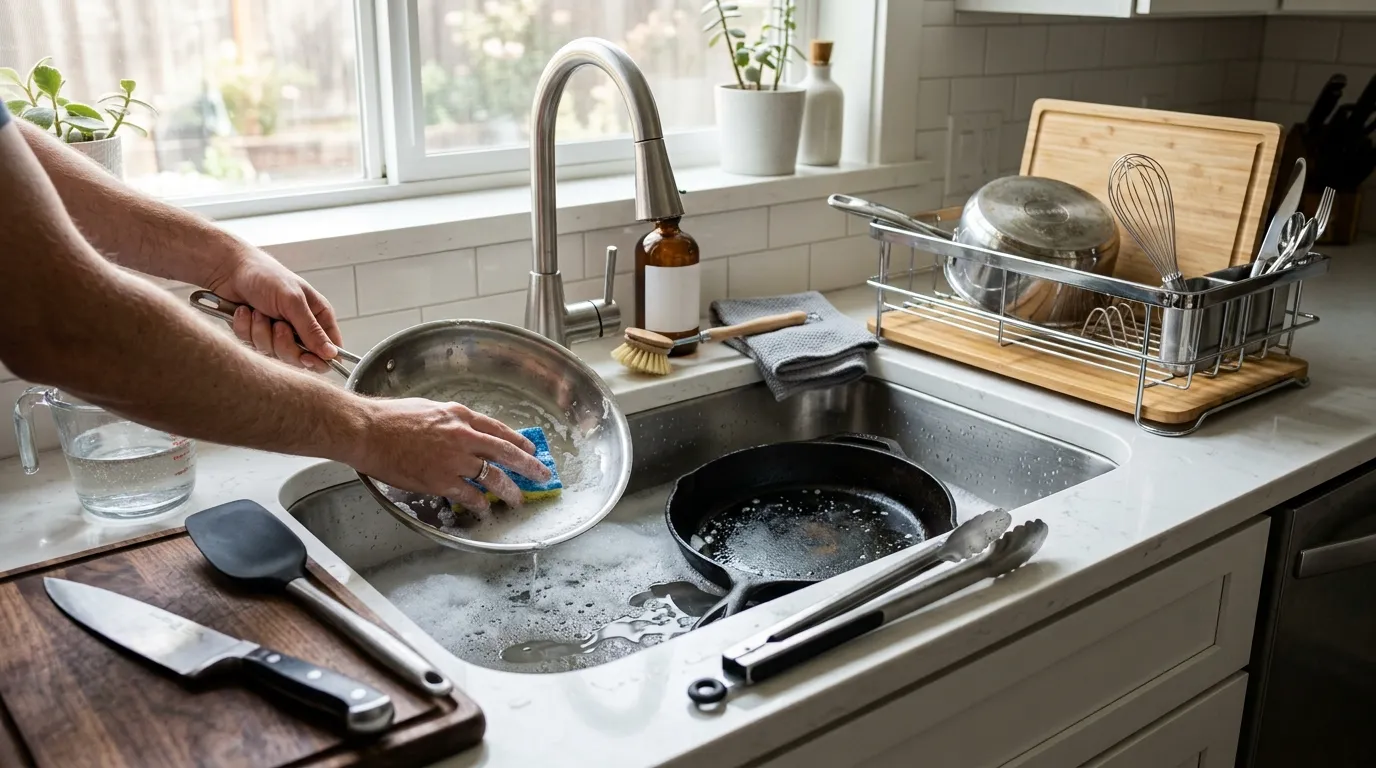
Wash with hot soapy water, scrub gently, rinse well, dry fast, and maintain.
If you cook most days, grease and stains creep in fast. I have cleaned thousands of pans in busy kitchens and small apartments. In this guide, I show how to clean cooking utensils with clear steps, pro tips, and easy fixes that work at home.
Why cleaning cooking utensils the right way matters
Clean tools keep food safe and taste true. They also last longer and look new. Learn how to clean cooking utensils with simple habits that fit your day.
Here is what good care gives you:
- Better hygiene and fewer germs
- No cross flavor from garlic, fish, or spice
- Less rust, warping, and chips
- Faster cooking and even heat on clean pans
Tools and supplies you actually need
You do not need a shelf of products. Start lean. Add what helps your set.
- Dish soap that cuts grease well
- Warm to hot water for better rinse
- Soft sponge and a non-scratch scrub pad
- Nylon brush and bottle brush for corners
- Baking soda for gentle lift of stains
- White vinegar or lemon for mineral and odor
- Bar Keepers Friend or similar for metal polish
- Microfiber cloths for streak-free dry
- Paper towels for raw meat cleanups
- Food-safe mineral oil for wood
- Heat-proof gloves for hot water and pans
These few items cover most cases and support how to clean cooking utensils with less work.
The simple, universal method
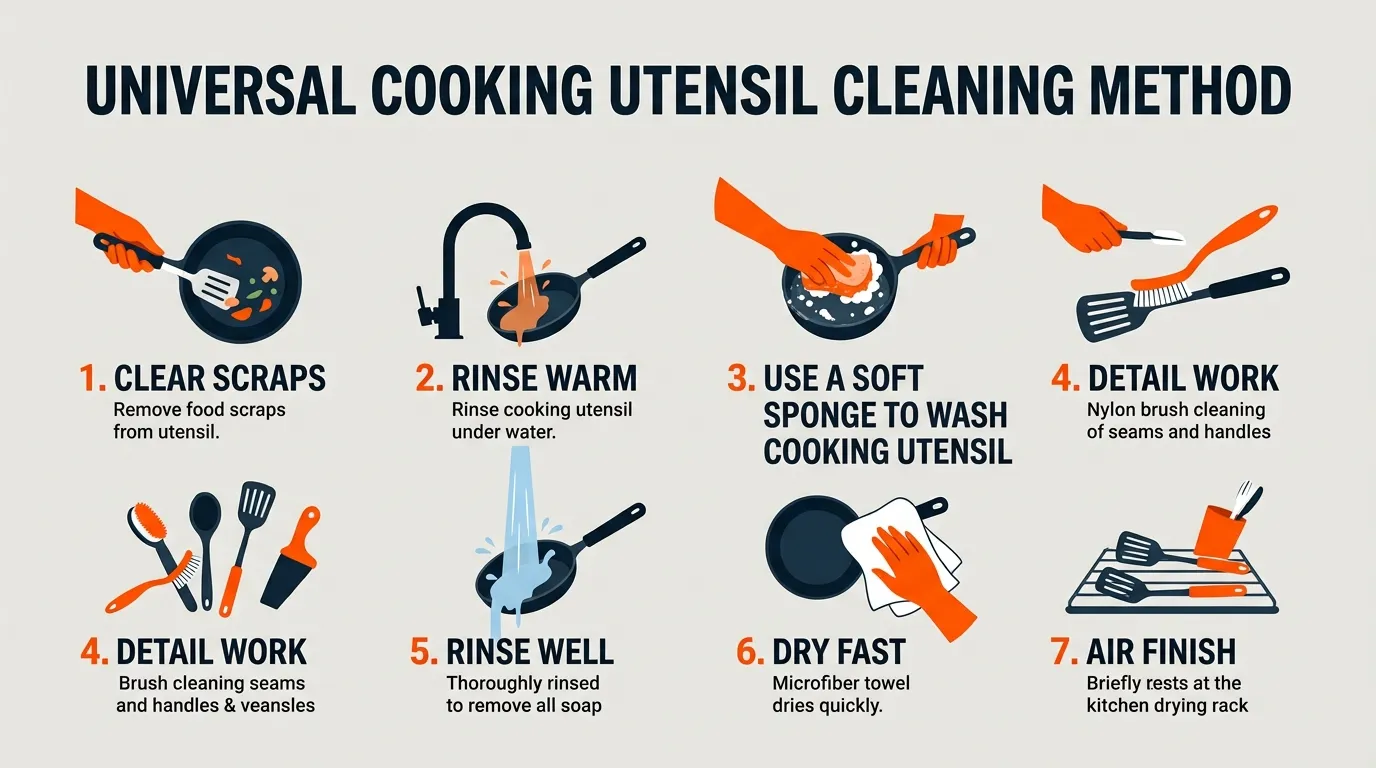
Use this base method for most daily cleanups. It is fast and safe.
- Clear scraps. Wipe off food with a spatula or paper towel.
- Rinse warm. This lifts loose grease and cools hot metal a bit.
- Soap and scrub. Use a soft sponge. Work from clean to dirty.
- Detail work. Use a brush on seams, lids, and handles.
- Rinse well. No film should remain. Water should run clear.
- Dry fast. Towel dry to block water spots and rust.
- Air finish. Let items breathe for a few minutes before storage.
This is the core of how to clean cooking utensils. Do it right after you cook for best results.
Material-specific guides
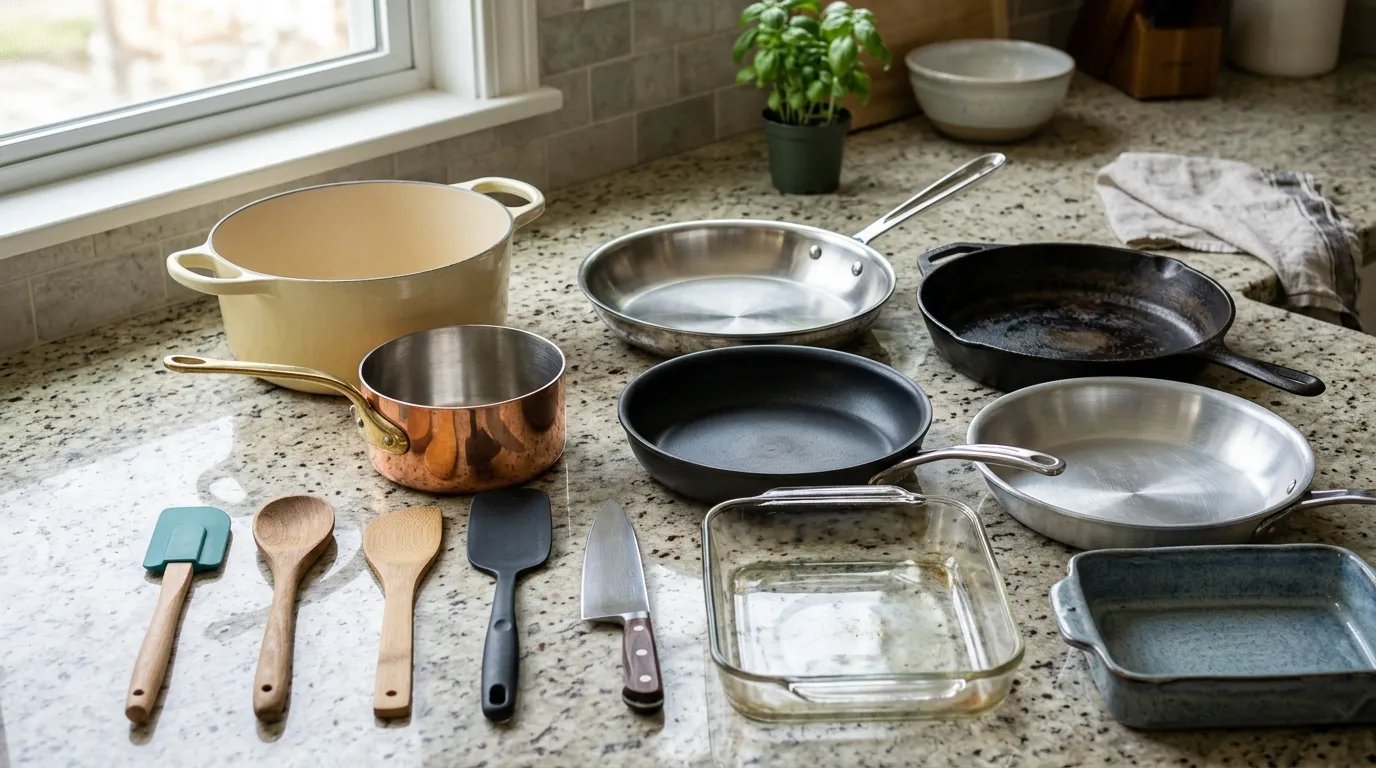
Each material has its own rules. Use the right touch to avoid damage and keep that new look.
Stainless steel
- Use hot soapy water and a soft pad.
- For rainbow tints, use a splash of vinegar.
- For stuck bits, simmer water with a spoon of baking soda. Then scrub.
Tip from my line cook days: Pre-wet the pan with hot water for 30 seconds. Gunk slides right off.
Cast iron
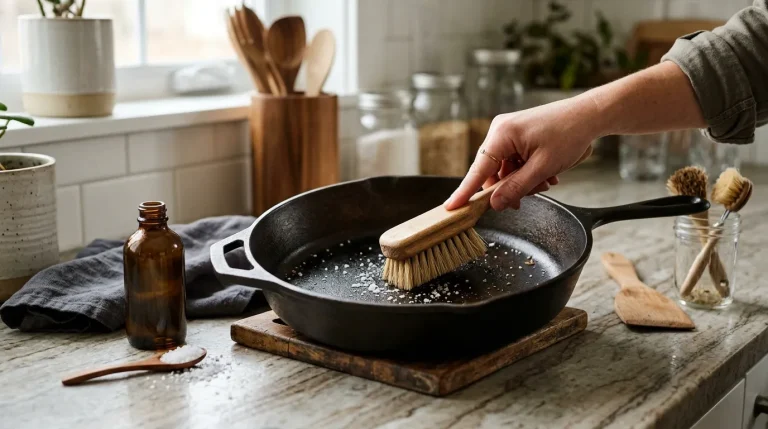
- Skip soap for daily clean. Wipe, then scrub with hot water and salt if needed.
- Dry over low heat. Add a thin coat of oil. Wipe until barely shiny.
- For rust, scrub with a non-scratch pad and re-season in the oven.
I once ruined a skillet with steel wool. It stripped the seasoning. Gentle steps save hours later.
Enameled cast iron
- Soapy water and a soft sponge work best.
- For stains, use baking soda paste. Avoid metal pads.
- Do not shock with cold water while hot.
Nonstick
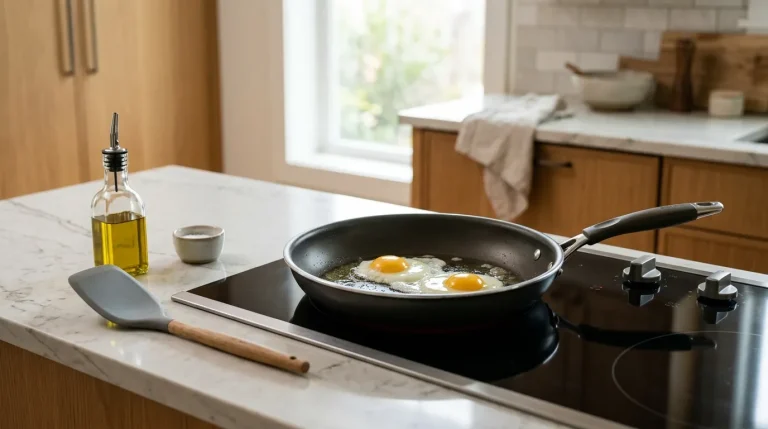
- Use mild soap, warm water, and a soft sponge.
- Never use metal tools or harsh pads.
- Hand wash. High heat and dishwashers shorten life.
Aluminum (bare)
- Wash with mild soap. Avoid long vinegar soaks that pit.
- For dark stains, use a gentle aluminum-safe cleaner.
- Dry at once to prevent spots.
Copper
- Clean with mild soap and a soft cloth.
- Shine with a copper polish or lemon and salt. Rinse well.
- Keep tin or stainless lining safe. Treat like its liner.
Silicone and plastic
- Warm soapy water. Use a degreasing soap if tacky.
- For odors, soak in warm water with a splash of vinegar.
- Check that plastic is dishwasher safe if you use one.
Wood and bamboo
- Hand wash only. Quick dunk, quick scrub, quick rinse.
- Dry right away. Stand up to air dry.
- Oil with food-safe mineral oil each month.
Glass and ceramic
- Use hot water and mild soap.
- For baked-on bits, soak and use a nylon scraper.
- Avoid big temperature swings to prevent cracks.
Knives
- Wash by hand right after use. Wipe blade away from the edge.
- Dry at once. Store in a block, strip, or guard.
- Never soak. Never dishwash. It dulls and can rust.
This section shows how to clean cooking utensils by type so you do not guess and hope.
Fixes for stains, odors, and buildup
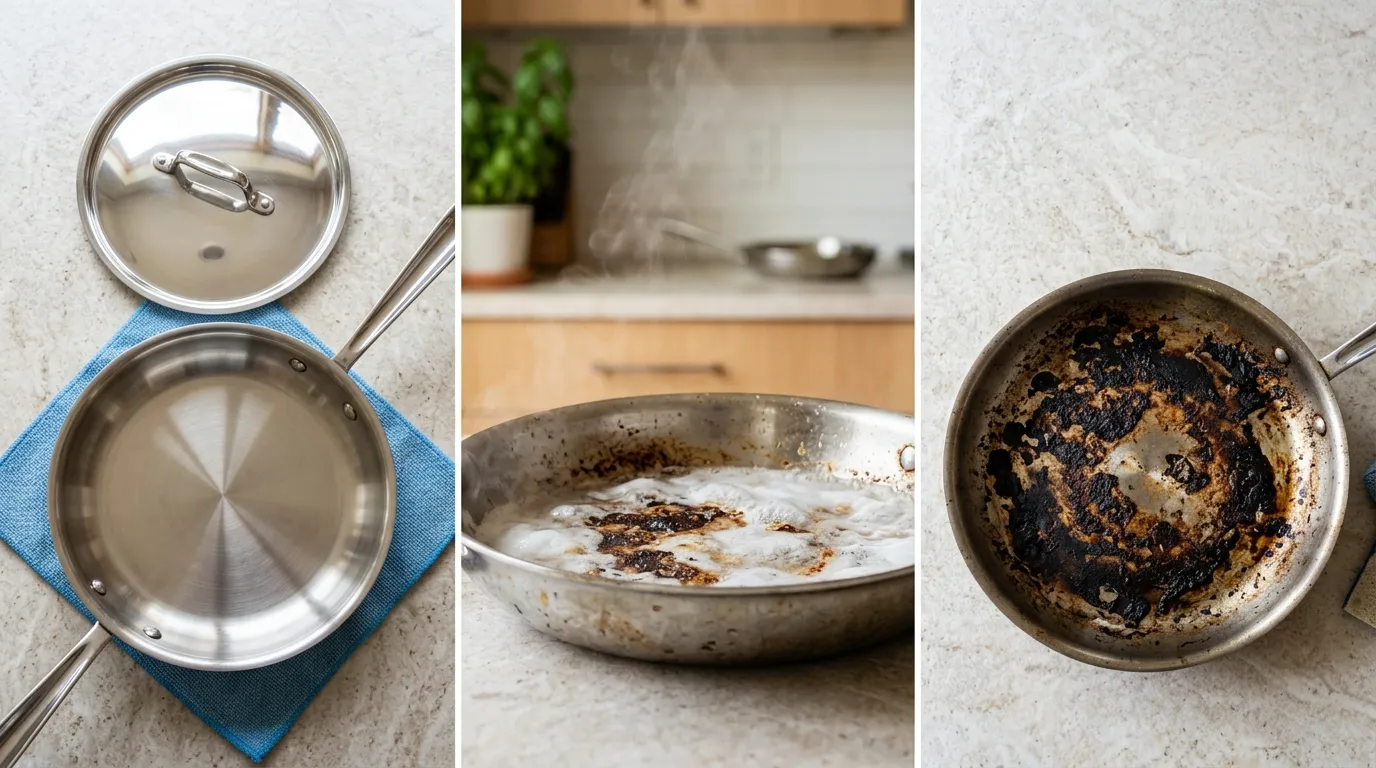
Some mess needs a bit more care. Use these proven tricks.
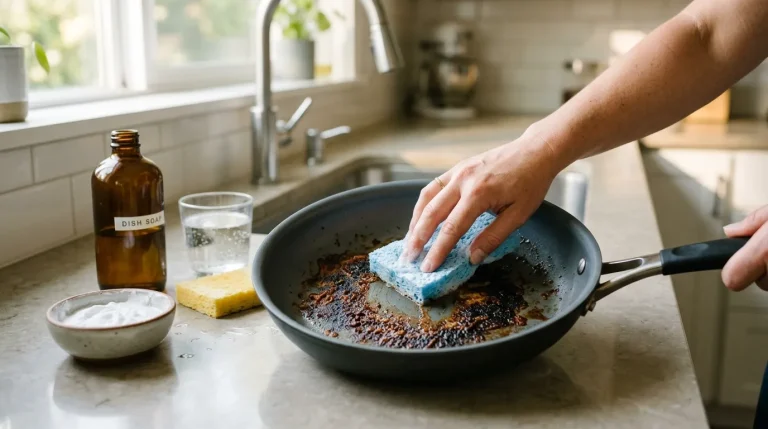
- Burnt-on food in pans: Simmer water with a spoon of baking soda for 5 to 10 minutes. Let cool, then scrub.
- Grease film on utensils: Make a paste of baking soda and water. Rub, rinse, then wash as normal.
- Tea and coffee stains on mugs: Fill with warm water and a spoon of baking soda. Soak 30 minutes. Wipe clean.
- Turmeric and curry yellowing: Sun dry for an hour after washing, or use a lemon rub, then rinse.
- Fish or garlic smell on boards and spatulas: Rub with lemon and coarse salt. Rinse, then dry.
- Rust spots on steel: Use a paste of baking soda. Rub with a soft pad. Rinse and dry fast. Oil light if needed.
I keep a small jar of baking soda by the sink. It is cheap, safe, and it works. It is my first line tool for how to clean cooking utensils with tough stains.
Safety notes:
- Never mix bleach and vinegar.
- Test a small spot when using any new cleaner.
- Rinse well after any acid or polish.
Disinfection and food safety
Most days, soap and hot water are enough. Sanitize when you cut raw meat, handle eggs, or someone is sick.
- Bleach sanitizing: Mix 1 tablespoon of unscented bleach in 1 gallon of cool water. Apply for 1 minute. Let air dry. Use on non-porous, food-safe surfaces. Rinse if smell remains.
- Heat sanitizing: Run a sanitize cycle in the dishwasher for safe items. Or dip tools in water at 171°F for 30 seconds.
- Alcohol: 70% isopropyl can sanitize metal in a pinch. Rinse before food use.
Do not bleach wood or cast iron. For those, wash well, dry fast, and in the case of wood, oil after.
This process is a key part of how to clean cooking utensils when you need extra safety.
Drying, storage, and smart upkeep
Drying is half the job. Water left on tools can stain, spot, or rust.
- Towel dry right away with a clean cloth.
- Let items air dry on a rack for a few minutes.
- Hang tools so air can move. Keep drawers clean and dry.
- Oil wood once a month. Re-season cast iron as needed.
- Tighten loose handles. Replace worn pads and brushes.
Good storage makes how to clean cooking utensils faster next time. Clean tools stay clean longer.
Eco-friendly and budget-friendly habits
You can keep things green and save cash.
- Use concentrates for soap. Less plastic, less cost.
- Choose reusable cloths and brushes. Wash them often.
- Use baking soda and vinegar for many jobs.
- Run a full dishwasher load on eco mode for safe items.
- Fix, not toss. Replace a handle or gasket when you can.
Small choices add up. These steps support how to clean cooking utensils without waste.
Troubleshooting and mistakes to avoid
I have made every cleaning mistake at least once. Skip these and save time.
- Waiting too long to wash. Dried food takes twice the work.
- Using steel wool on nonstick or seasoned pans. It ruins the surface.
- Air drying knives flat. Water pools and causes rust spots.
- Soaking wood. It swells, cracks, and smells.
- Bleaching everything. It is not needed and can harm finishes.
Build a habit. That is the secret to how to clean cooking utensils well, every time.
Frequently Asked Questions of how to clean cooking utensils
How often should I deep clean my utensils?
Deep clean once a week if you cook daily. Do it sooner after heavy frying, strong spices, or raw meat prep.
Can I put wooden spoons in the dishwasher?
No. Heat and water will crack and warp wood. Hand wash, dry fast, and oil each month.
What is the best way to remove burnt-on sauce from stainless steel?
Simmer water with baking soda for several minutes, then scrub. For polish, use a stainless-safe cleaner after.
Is bleach safe for cutting boards?
Use bleach only on plastic boards. For wood, scrub with soap, rinse, dry, and sanitize with lemon and salt if needed.
How do I clean cast iron without losing seasoning?
Use hot water, a non-scratch pad, and coarse salt if needed. Dry on low heat and oil thinly right after.
What is the safest way to clean knives?
Hand wash with mild soap and warm water, then dry at once. Store with the edge protected.
How to clean cooking utensils if I have hard water?
Add a splash of vinegar to the rinse to cut mineral film. Dry right away to avoid spots.
Conclusion
Clean tools cook better and last longer. Use a simple daily wash, then match the method to the material. Fix stains fast, sanitize when needed, and dry well.
Start tonight. Choose one upgrade to how you clean: a better dry, a gentle scrub, or a quick oil for wood. Share your own tip, subscribe for new guides, and tell me what you want to master next.