Choose kitchen gadgets by matching your cooking habits, budget, and build quality.
If you want a simple, confident way to master how to choose kitchen gadgets, you’re in the right place. I test tools for real home cooking and help people avoid junk that breaks, rusts, or collects dust. In this guide, I’ll show you how to choose kitchen gadgets with a clear plan, smart checks, and honest tips that come from hands-on use and solid research. You’ll learn what matters, what does not, and how to buy once and enjoy for years.
Start with your real cooking life
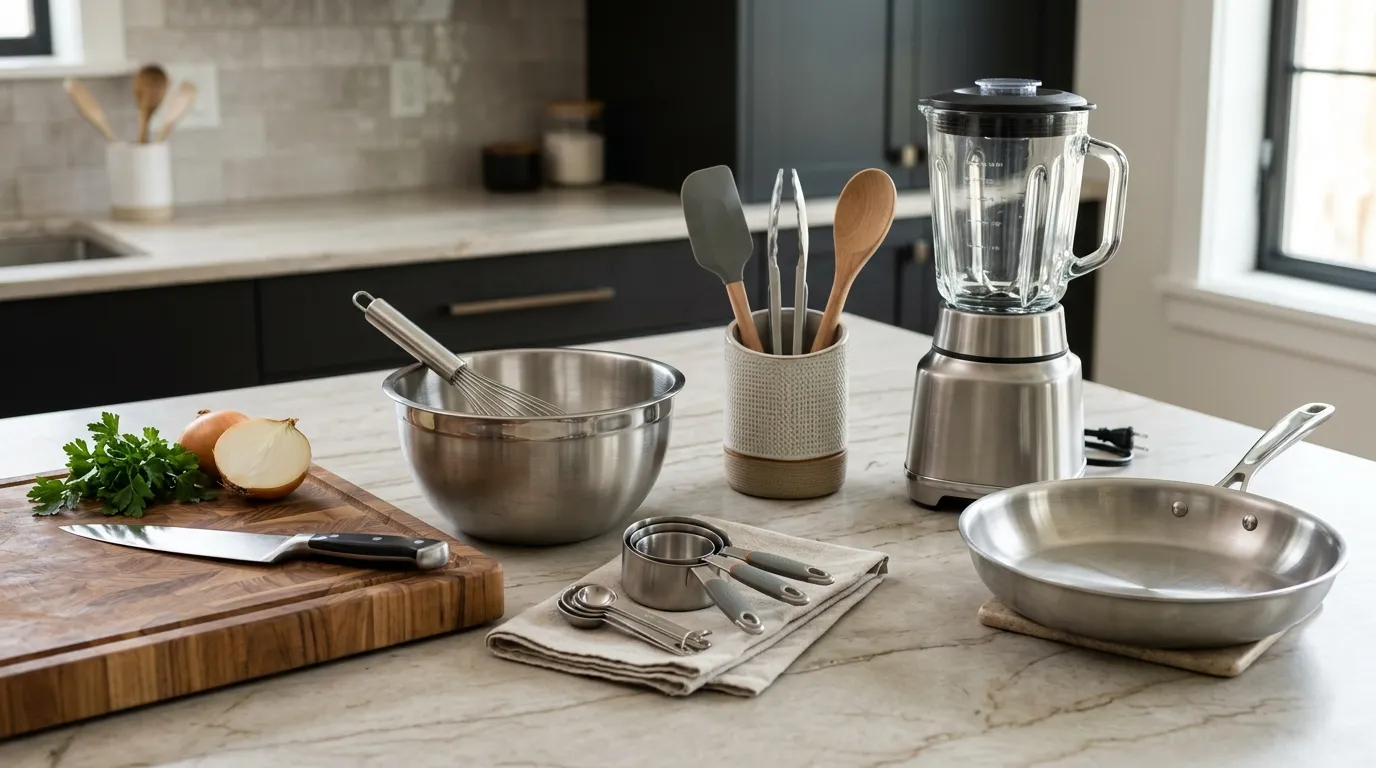
If you ask how to choose kitchen gadgets, start with what you cook most. Write down five meals you make often. Note where you struggle: slow prep, tough cuts, sticky pans, poor storage. Your list will point to the right tools.
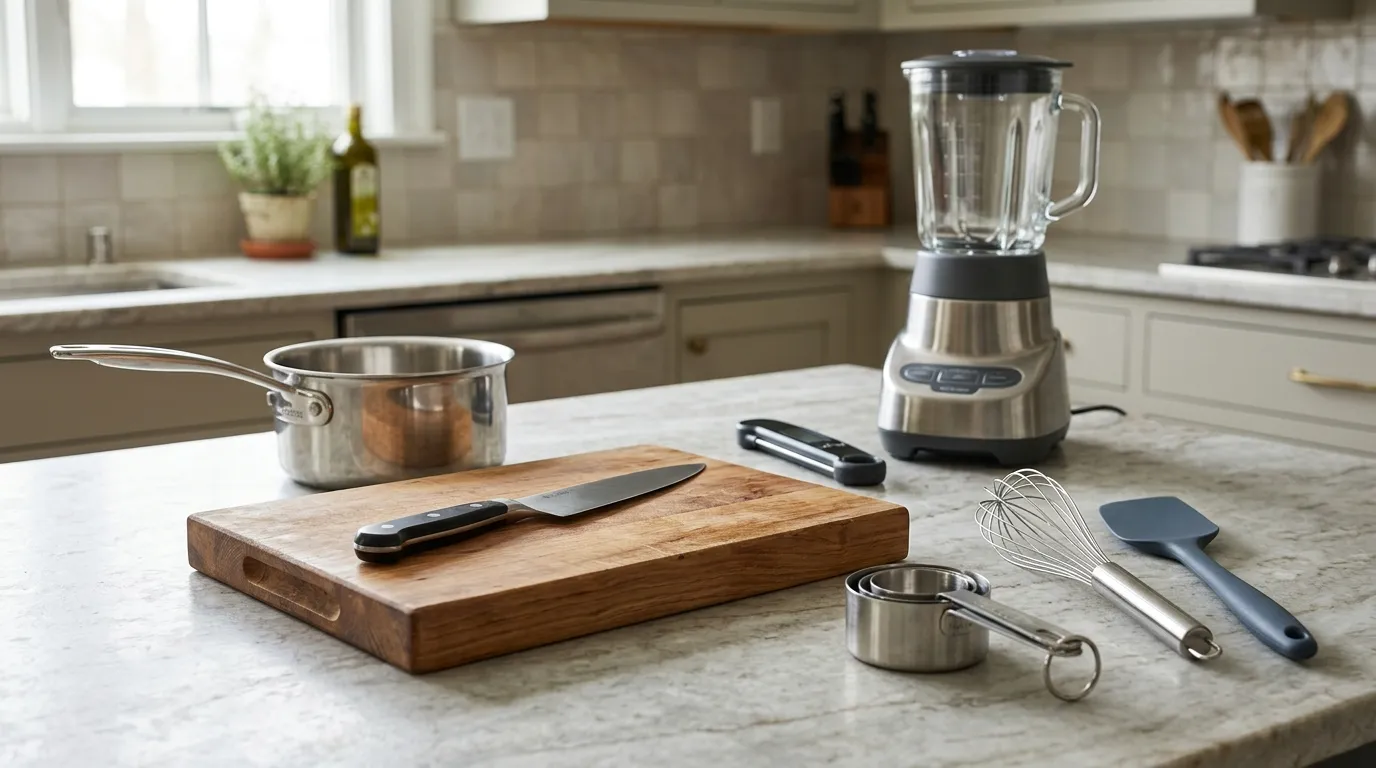
Think in tasks, not brands. Chop, blend, whisk, measure, sear, bake, steam, and reheat. If a gadget helps two or more daily tasks, it earns a spot. If it solves a rare task, borrow, rent, or skip it.
Be honest about time and space. If cleanup kills your joy, prefer tools that rinse fast. If your counter is small, pick compact, foldable, or wall-mounted gear. This is the practical start to how to choose kitchen gadgets without regret.
Set a smart budget and spot gimmicks
A clear budget keeps your kitchen lean. For daily tools, spend a little more and buy once. For rare tools, spend less or share with a friend. This is the budget lens for how to choose kitchen gadgets that last.
Beware of novelty. If a gadget does only one tiny job that a knife can do, skip it. Look for simple builds and few moving parts. The fewer the seams, buttons, and joints, the fewer the failures.
Use a value test:
- Cost per use: If you use it three times a week for three years, is the price fair?
- Time saved: Does it cut prep time by at least 30 percent?
- Task quality: Does it make food taste better or cook safer?
Materials and safety matter more than hype
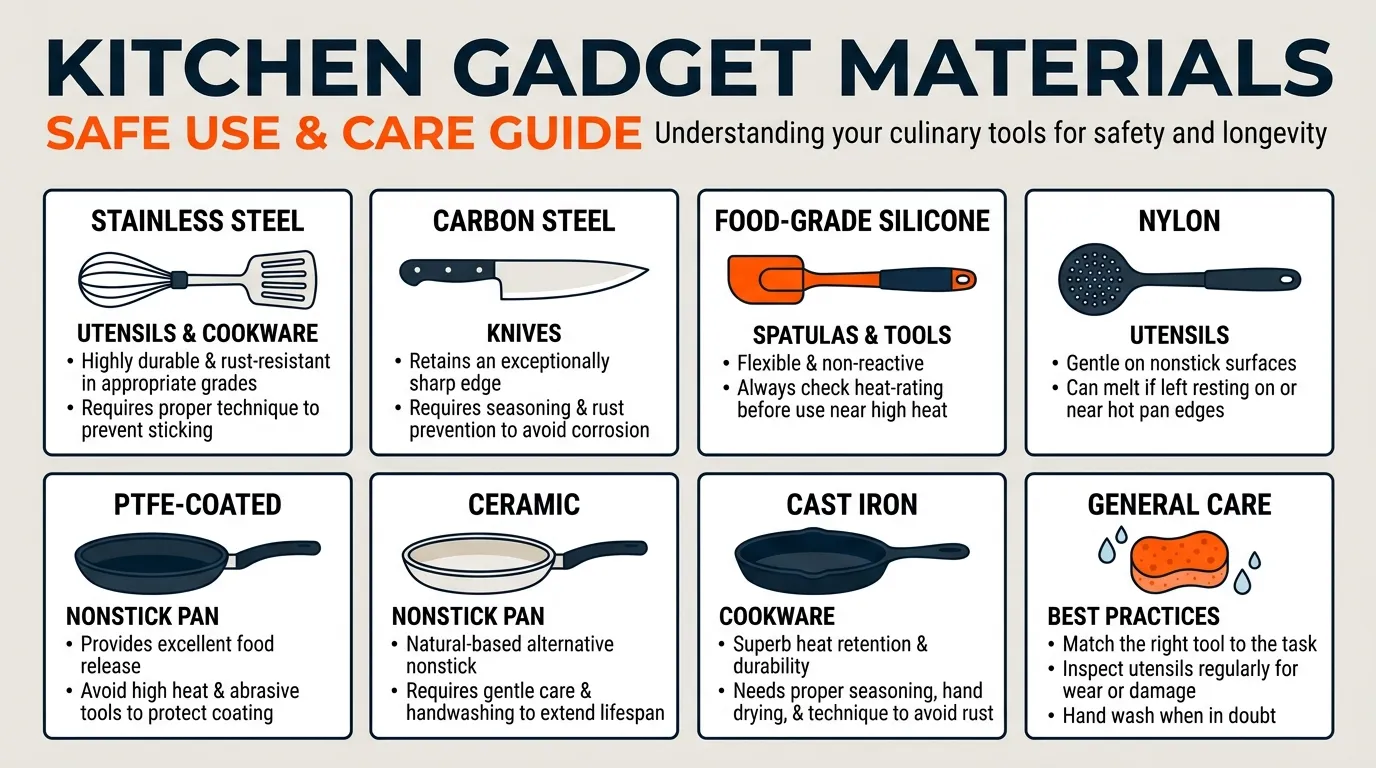
To nail how to choose kitchen gadgets, learn core materials and safety basics. Stainless steel 304 (18/8) or 316 resists rust and pitting. For knives, common durable steels include X50CrMoV15 and VG-10. Carbon steel takes a sharp edge but needs care to prevent rust.
Food-grade silicone should be rated to at least 428°F (220°C). Look for LFGB-grade where possible. Nylon tools can melt near hot pans; silicone stays stable. BPA-free plastics help, but also check for heat ratings and dishwasher safety.
For nonstick pans, PTFE coatings are slick but fragile with high heat and metal tools. Ceramic nonstick is PFAS-free but can lose glide sooner. Stainless and cast iron need technique but last decades. For electrics, look for safety marks, overheat protection, and stable bases.
Size, weight, and ergonomics
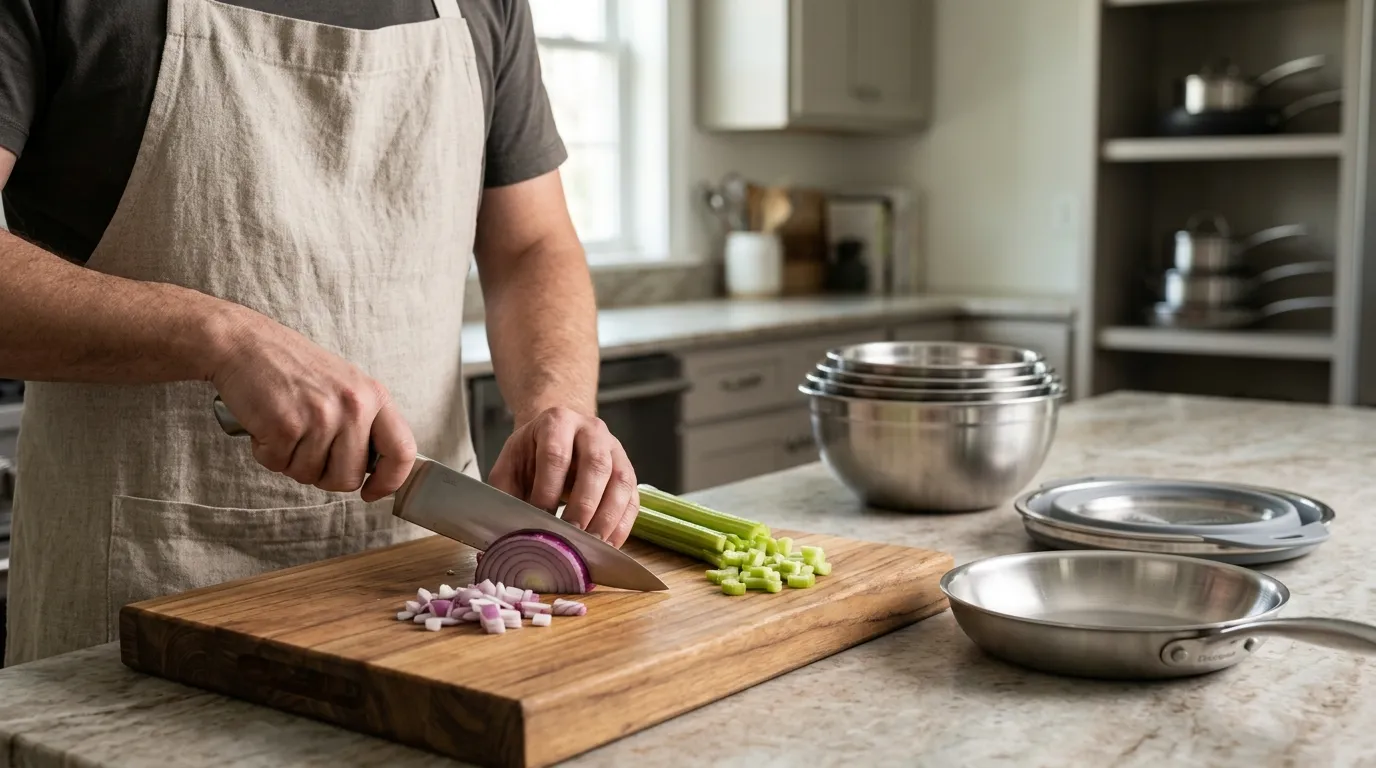
A big part of how to choose kitchen gadgets is fit and feel. The right size makes work easy and safe. Heavy does not always mean better. A skillet that you cannot lift with one hand will live in a cabinet. A chef’s knife that fits your hand keeps you fast and safe.
Check grips, angles, and balance. Soft-touch handles help when wet. For left-handed cooks, check reversible blades and ambidextrous controls. If a tool strains your wrist after one minute, it is not your tool.
Plan storage first. Measure drawers and shelves. Tall blenders need 17 inches of clearance under many cabinets. Collapsible colanders and nested bowls save space in small kitchens.
Power and performance basics
Here is how to choose kitchen gadgets that actually perform. For blenders, wattage helps, but jar design and blade shape matter more. A 1000-watt unit with a tight vortex can beat a loose 1500-watt one. Smoothies should blend in under 45 seconds with minimal stalling.
For stand mixers, check bowl size and low-speed torque. If you bake bread weekly, you want steady power on thick doughs and a dough hook that reaches the bowl sides. For food processors, prefer wide feed chutes, sharp S-blades, and clear max-fill lines.
Look for variable speed and pulse. One-button devices can be fine, but speed control makes tools more versatile. Cordless tools add freedom but watch battery life and charge times.
Versatility vs single-purpose tools
When you learn how to choose kitchen gadgets, you find a key rule: versatile first, single-purpose only when it’s the best at its job. A Dutch oven braises, bakes bread, simmers soup, and deep-fries. A bench scraper chops, lifts, cleans, and divides dough. A high-power blender purees, crushes ice, and makes nut butter.
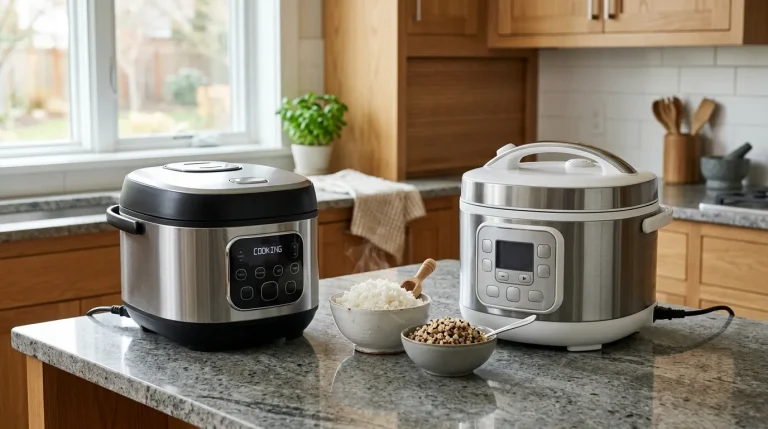
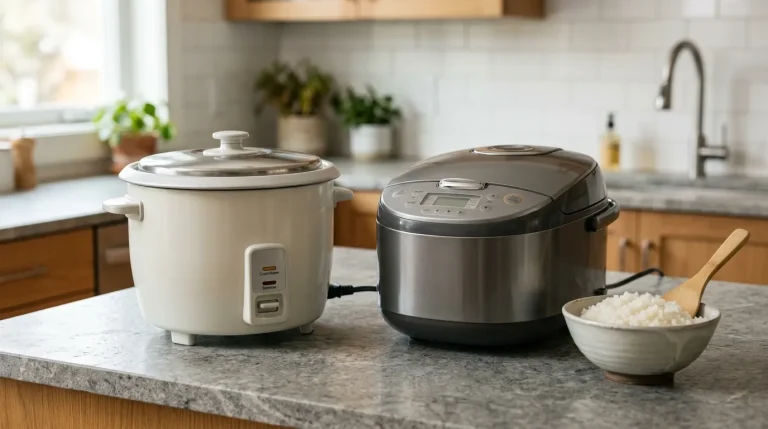
Single-purpose tools can still shine. A rice cooker nails fluffy rice hands-free. A pressure cooker turns beans and stews around fast. An instant-read thermometer is tiny but vital for safe, juicy meat.
Ask: Does this tool replace two others? Does it do one job so well that it earns space? That is a smart way to map how to choose kitchen gadgets with balance.
Reviews, warranties, and real-world support
Part of how to choose kitchen gadgets is reading reviews the right way. Ignore glowing one-liners. Look for long-term reports after six months or a year. Note repeated issues like peeling coatings, weak motors, or clumsy lids.
Check the warranty length and what it covers. A two- to five-year warranty on motors shows confidence. Are parts replaceable? Blades, gaskets, and jars should be easy to order. A live support line and clear manuals are green flags.
Try before you buy. Grip the handle in-store. Ask a friend to test theirs. Many stores also offer 30- to 90-day returns. Use that time like a home trial.
Sustainability and long-term value
Sustainability is now part of how to choose kitchen gadgets with care. Choose repairable designs with spare parts. Metal beats mixed plastics for recyclability. Induction-ready pans improve energy use on induction cooktops.
Look for durable coatings or plain steel that you can refinish. Choose tools that age well: cast iron, carbon steel, and solid wood with food-safe oil. Avoid chargers and pods that create waste. Durable beats disposable, every time.
Packaging also matters. Brands that ship with minimal foam and recycled boxes show thought. It is a small sign, but it often tracks with better design choices.
Where and when to buy
Timing helps when you plan how to choose kitchen gadgets on a budget. Big sales hit around holiday weekends and late fall. Track prices for a few weeks to learn the real baseline. Bundles can be great if you will use each piece.
Buy from stores with good return windows. Open-box and refurbished units can save a lot on big appliances. Check that you still get a full warranty.
For tools you hold, shop in person. For parts and accessories, online is fine. Keep receipts and register your product. If issues appear, you will be ready.
Care, cleaning, and maintenance
Care is part of how to choose kitchen gadgets that last. If you hate hand-washing, pick dishwasher-safe tools. If you love cast iron, accept quick dry and oil steps. Nonstick needs gentle sponges and lower heat.
Sharpen knives every few months and hone often. Replace blender gaskets and seals when they leak. Descale electric kettles. A minute of care adds years of life.
Store tools dry and separate. Use blade guards. Stack pans with protectors. Little habits beat big repairs.
A simple decision framework and checklist
Use this fast checklist on how to choose kitchen gadgets that fit your life:
- Define the main task. What problem will this tool solve each week?
- Frequency. Will you use it at least once a week?
- Space. Where will it live? Measure now.
- Build. Is the material safe, sturdy, and easy to clean?
- Performance. Does it do the task faster, better, or safer?
- Versatility. Can it replace two tools you own?
- Support. Is the warranty fair and are parts available?
- Budget. Is the cost per use worth it over three years?
- Test. Can you try it or return it with ease?
- Joy. Does it make cooking easier and more fun?
Score each item 1 to 5. Buy at 40 or higher. Wait or skip below 35.
Common mistakes to avoid
Avoid these pitfalls when you plan how to choose kitchen gadgets:
- Buying sets you will not use. One great pan beats a 12-piece set with fillers.
- Chasing trends. Viral tools fade fast. Good tools last.
- Ignoring cleaning. If cleanup is a pain, you will stop using it.
- Overbuying power. Big motors without control make messes, not meals.
- Skipping safety. Unstable bases and loose lids cause spills and burns.
Frequently Asked Questions of how to choose kitchen gadgets
What are the first three gadgets a beginner should buy?
Start with a sharp chef’s knife, a sturdy cutting board, and an instant-read thermometer. These cover prep, safety, and accuracy for most meals.
How do I choose between a blender and a food processor?
Pick a blender for smoothies, soups, and drinks. Choose a food processor for chopping, shredding, and doughs.
Are expensive knives always better?
Not always. A mid-priced, well-balanced knife that you sharpen often will beat a pricey dull blade.
What size cutting board should I get?
Choose the largest board that fits your sink and counter. A 18 by 12 inch board works for most homes and keeps food and scraps apart.
How do I know if a gadget is dishwasher-safe?
Check the manual and the stamp on the tool. When in doubt, hand-wash to protect seals, coatings, and handles.
Is ceramic nonstick safer than PTFE?
Both can be safe when used as directed. Ceramic avoids PFAS, while PTFE lasts longer at low to medium heat with gentle care.
What wattage should a good blender have?
Look for 800 to 1200 watts for smooth blends at home. Jar design and blade shape matter as much as watts.
How many pans do I actually need?
Most cooks thrive with three: a 10-inch skillet, a 2- to 3-quart saucepan, and a Dutch oven. Add more only as your cooking grows.
How do I choose gadgets for a small kitchen?
Pick multi-use tools, foldable items, and nesting sets. Measure storage spots before you buy and favor vertical racks.
Do I need a stand mixer if I bake sometimes?
If you bake weekly or make bread, yes, it helps a lot. If you bake a few times a month, a hand mixer may be enough.
Conclusion
You now know how to choose kitchen gadgets with a clear, simple plan. Focus on your real meals, safe materials, fit and feel, true performance, and easy care. Buy for the tasks you do often, not for a dream you cook once a year.
Start today by listing your top five meals and one pain point for each. Use the checklist, set a budget, and test before you commit. Ready for more tips and tested picks? Subscribe, share your questions in the comments, and build a kitchen you love to use.