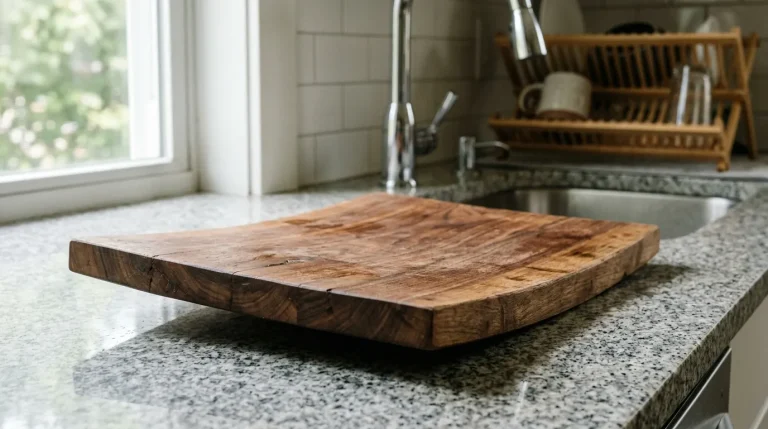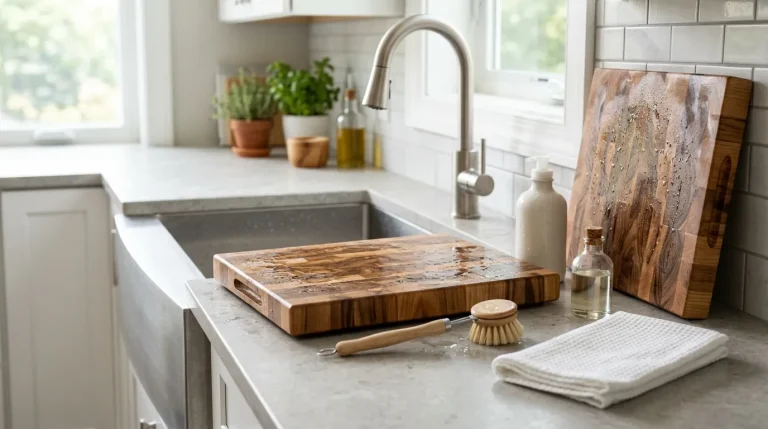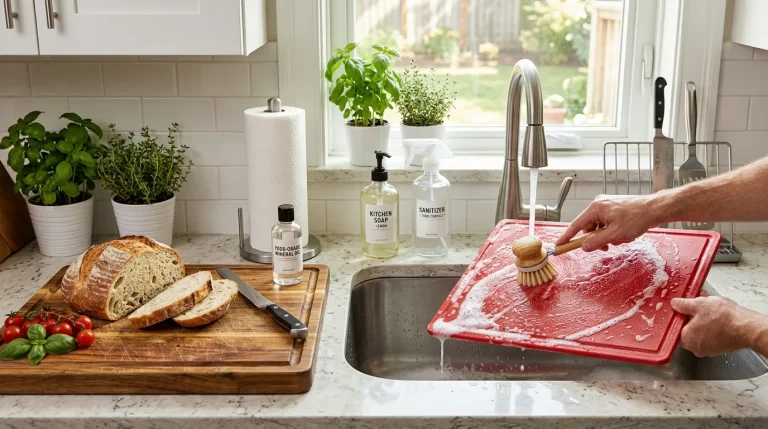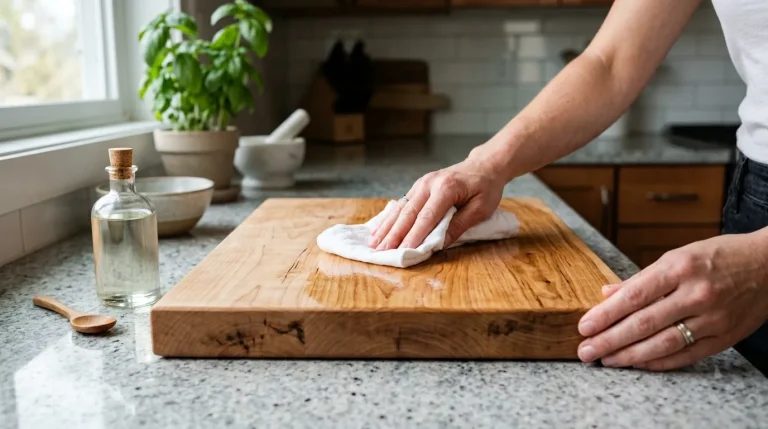
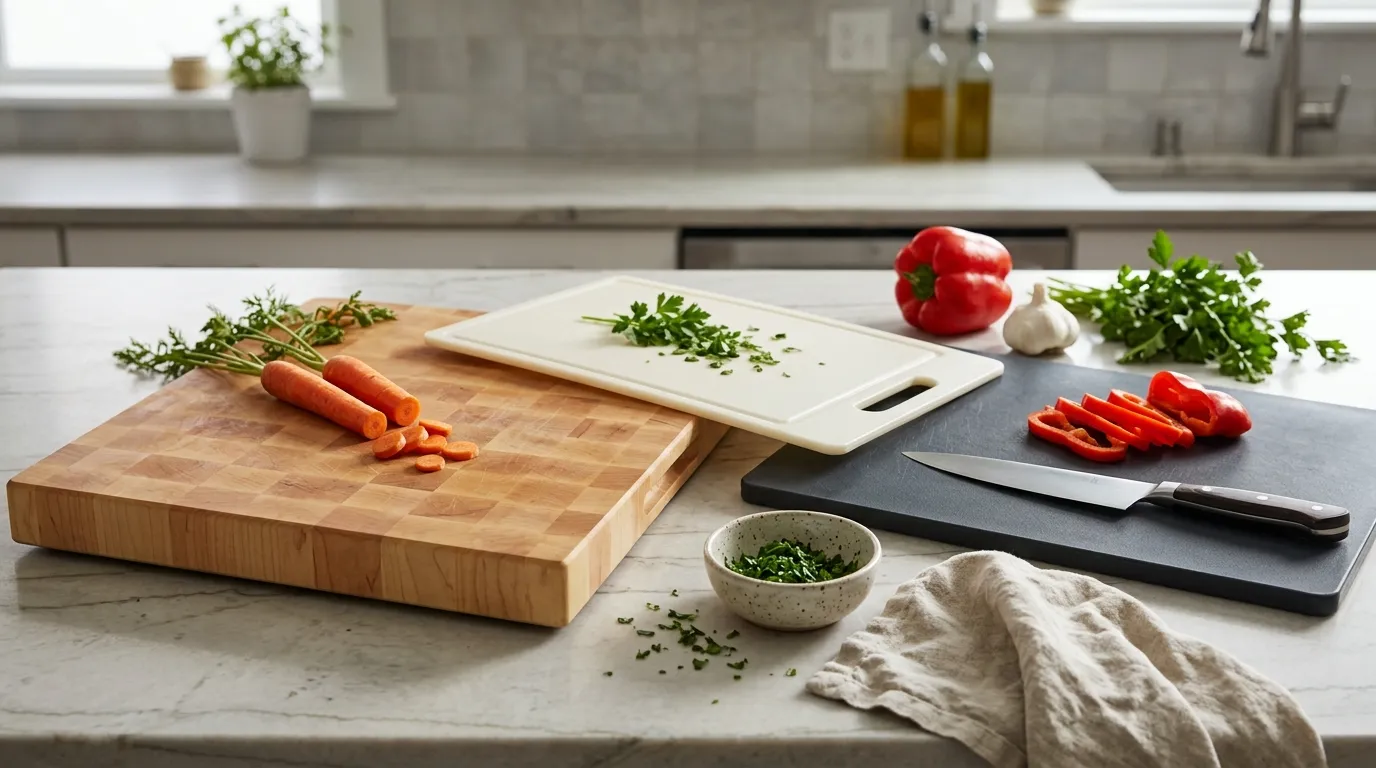
Choose a board by material, size, grain, safety, and care needs.
If you want to know how to choose cutting board that fits your kitchen, you’re in the right place. I test boards daily in a busy home-and-pro setting, and I’ve learned what lasts, what protects knives, and what keeps food safe. This guide shows how to choose cutting board materials, sizes, grains, and features with clear, real-world tips you can trust.
The decision framework: what matters most
Choosing a board gets easy when you know the big levers. Focus on food safety, knife care, durability, and ease of cleaning. Then weigh price, looks, and how much space you have.
Key criteria I use when I show cooks how to choose cutting board:
- Material and grain. Impacts knife wear, safety, and upkeep.
- Size and thickness. Affects comfort, stability, and storage.
- Surface grip. Stops sliding and helps control.
- Maintenance needs. Decide how much care you can give.
- Purpose. Raw meat, produce, bread, carving, or all of the above.
Here is the simple rule. Pick a safe surface first. Then match the size and features to your daily prep. This is the same path I follow when teaching how to choose cutting board for new cooks.
Materials deep dive: wood, plastic, rubber, composite, and what to skip
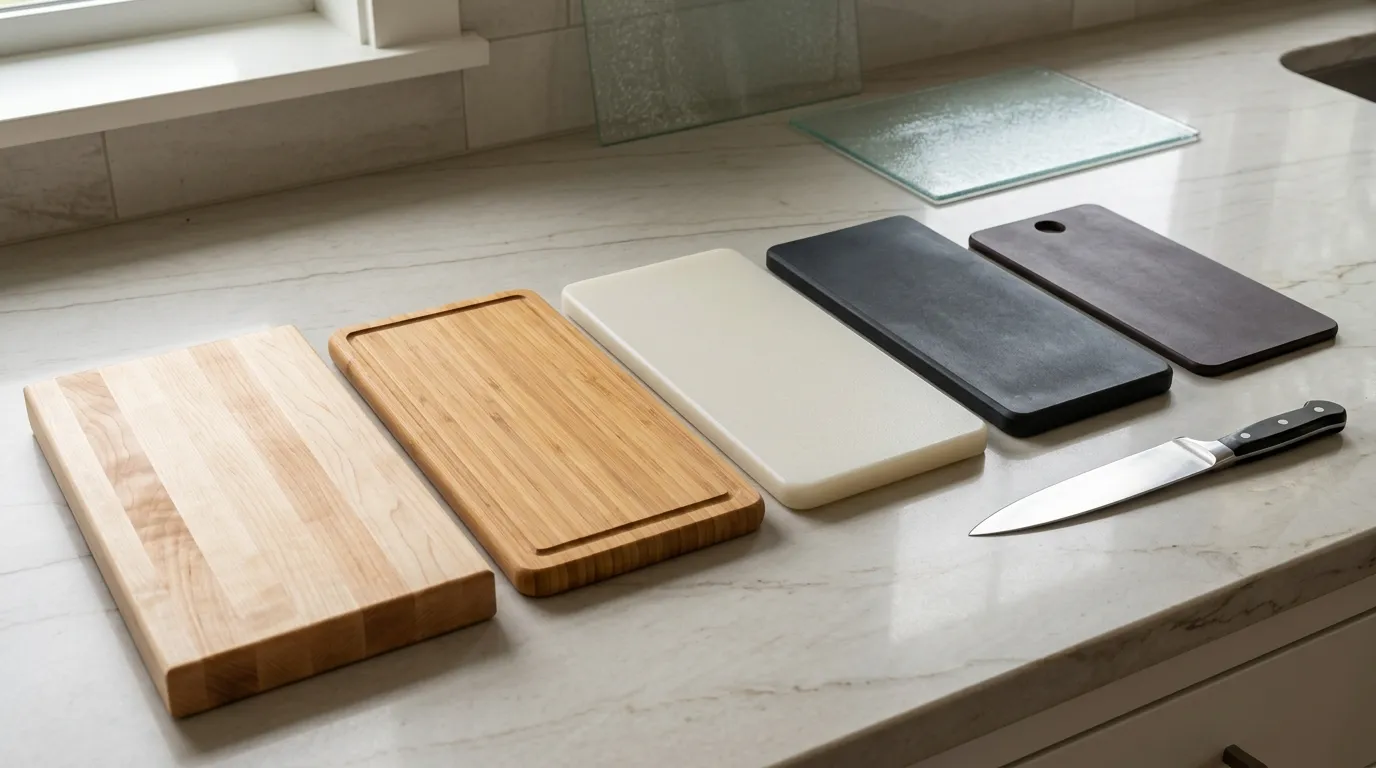
When people ask how to choose cutting board by material, I start with what you cut most and how you clean.
Wood
- Best for knives. Edge friendly and quiet.
- Maple, walnut, and cherry are top picks. They are dense and closed-grain.
- End grain boards self-heal better. Edge grain costs less and is lighter.
- Needs oil and wax. Hand-wash only.
- Food safety studies show wood can trap moisture and reduce surface bacteria when dried well.
Bamboo
- Hard and affordable. Often lighter.
- More prone to chipping knives due to silica content.
- Glues can vary. Pick brands with food-safe adhesives.
- Needs oil. Not great for cleavers.
Plastic (HDPE/PP)
- Dishwasher safe. Great for raw meat and fish.
- Can scar with deep cuts. Replace when grooves hold stains or odors.
- Common in pro kitchens for color-coding by food type.
- Good choice if you want low-maintenance boards.
Rubber (e.g., hard rubber boards)
- Grippy and gentle on knives.
- Can be resurfaced by light sanding.
- Not for dishwasher in most cases. Heavy but very stable.
- My go-to for butchery days.
Composite (paper-resin)
- Thin, tough, and dishwasher safe for most brands.
- Can feel a bit slick when wet.
- Kinder to knives than glass, but harder than wood.
Avoid glass, stone, and ceramic
- Too hard. They dull or chip edges fast.
- Slippery when wet. No give. Loud and unsafe.
If you want to learn how to choose cutting board that balances care and safety, try a two-board setup. Use wood for produce and bread. Use plastic or rubber for raw meat and fish. This simple move lowers risk and saves your knives.
Grain orientation and build quality
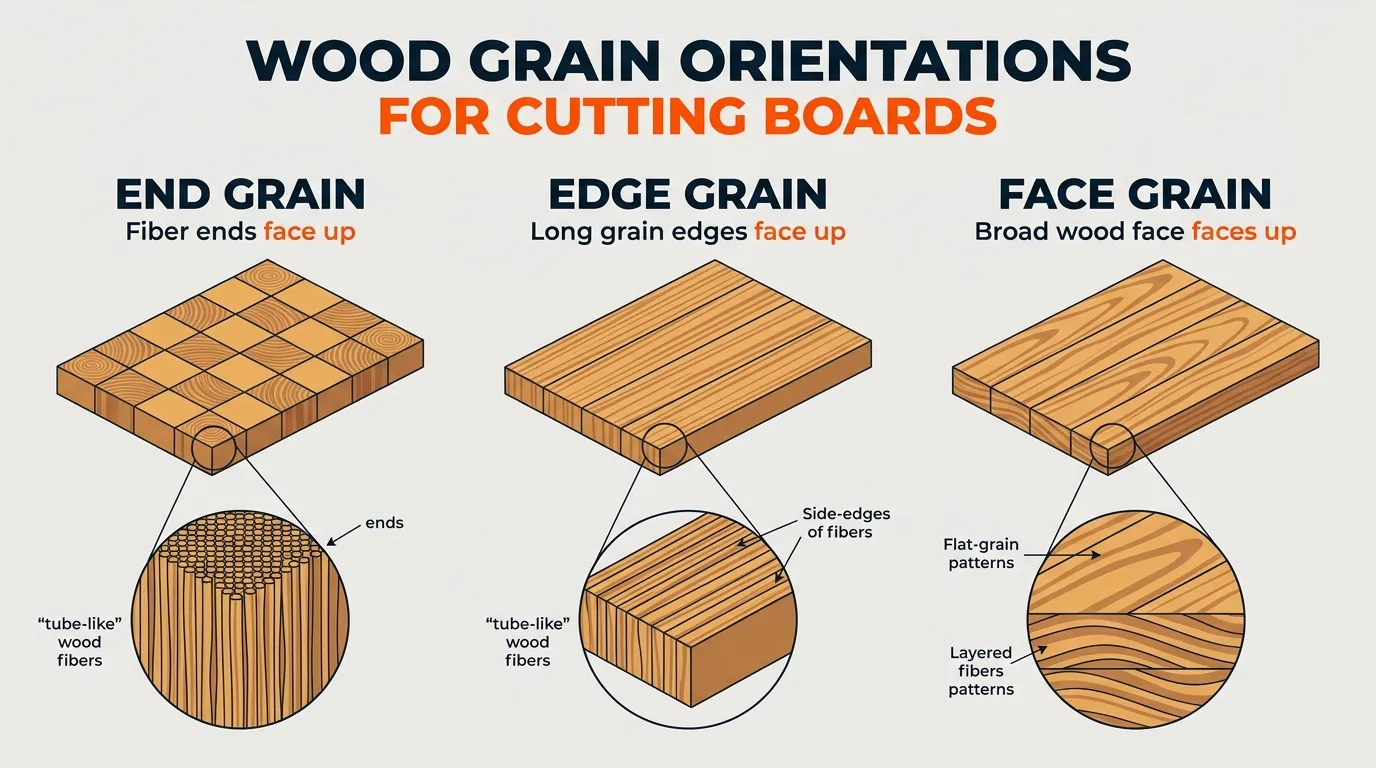
Grain matters for wood. When I teach how to choose cutting board to new chefs, I explain grain with a simple image: picture a bundle of pencils.
End grain
- You cut into the ends of the “pencils.” The board fibers part and spring back.
- Best for knife edges. Heals better. Premium look.
- Heavier and pricier. Needs regular oiling.
Edge grain
- You cut along the sides of the “pencils.”
- More budget-friendly and lighter.
- Still gentle on knives if the wood is right.
Face grain
- Looks great as a serving board. Not ideal for heavy chopping.
- More prone to warping.
Build checks I do in-store
- Even glue lines. Food-safe adhesive. No gaps.
- Flat surface. No rocking.
- Tight end grain blocks. No loose knots.
- Finished edges. Smooth sanding.
If you ask how to choose cutting board for daily heavy prep, go end grain maple or walnut. If you want value and less weight, edge grain maple is a safe pick.
Size, thickness, shape, and helpful features
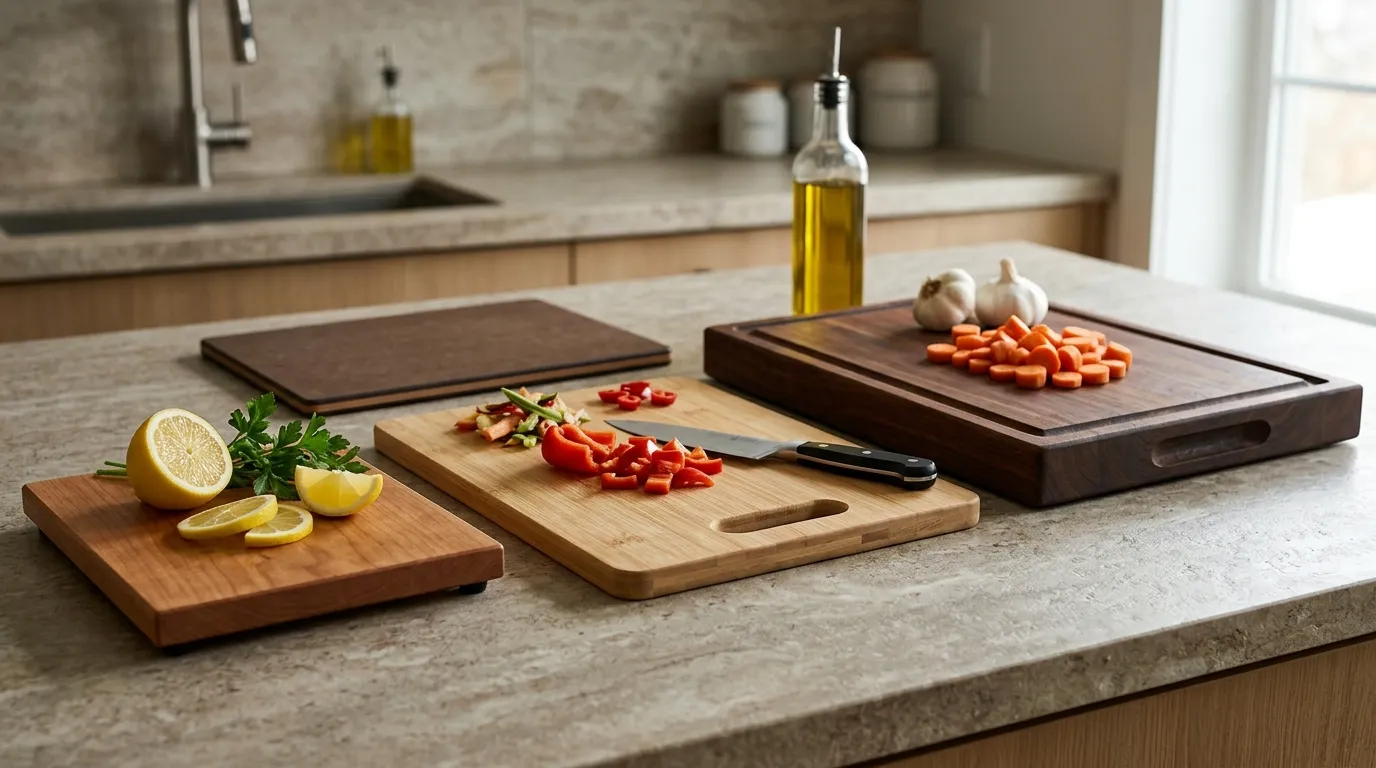
Your board should match your counter and your knife. Here’s how to choose cutting board size the simple way.
Sizes I recommend
- Small (8×12 in): lemons, herbs, tiny jobs.
- Medium (12×18 in): daily prep, most kitchens.
- Large (18×24 in or bigger): batch cooking, carving, big veg.
Thickness
- Wood: 1.25–2 inches for stability and resurface room.
- Plastic: 0.25–0.5 inches for easy dishwashing and storage.
- Heavy rubber: about 0.75–1 inch for grip and heft.
Shape and features
- Juice grooves: useful for roasts and juicy fruit. Skip for general prep if you like more flat space.
- Handles or finger holds: make lifting safe. Avoid deep cutouts that trap water.
- Non-slip feet: great for stability. But reversible boards without feet give you two surfaces.
- Color-coding: use different colors for meat, fish, and produce to cut risk.
A note from my own kitchen: I keep a large, flat end grain for daily prep and a thin plastic board for quick meat trims. This combo nails how to choose cutting board for speed and safety at home.
Food safety and sanitation made simple
If safety drives how to choose cutting board in your home, follow these habits.
Cross-contamination control
- Use separate boards for raw proteins and ready-to-eat foods.
- Color-code or label edges.
Cleaning basics
- Wood and rubber: hot water, mild soap, scrub well. Rinse and dry upright.
- Plastic: dishwasher on a hot cycle. Heat helps sanitize.
- Deeper clean: for wood, occasionally use a diluted vinegar or peroxide wipe. For plastic, a mild bleach solution can help remove stains.
Drying and storage
- Dry fast. Stand boards on edge or use a rack.
- Do not soak wood. Do not leave in a damp sink.
Public health guidance supports dishwashing plastic boards for raw meat. Wood relies on fast drying and a clean surface to stay safe. Know your habits. That is the heart of how to choose cutting board you can trust.
Care and maintenance: oiling, resurfacing, replacing
A board that gets love will outlast your knives. This section shows how to choose cutting board care that fits your time.
Wood care
- Oil with food-grade mineral oil until the surface stops soaking it in.
- Seal with a board cream or wax monthly to lock in moisture.
- Scrape with a bench scraper to lift stuck-on bits. Sand if needed to refresh.
- Never put wood in a dishwasher.
Plastic care
- Dishwasher safe. Replace when grooves hold stains and odors even after a hot cycle.
- Use baking soda paste for smells.
Rubber care
- Hand-wash. Lightly sand to renew surface. Air-dry on edge.
Quick schedules I use
- Daily: wash and dry. Wipe with a towel. Leave standing.
- Weekly: oil wood lightly if it looks dry.
- Quarterly: deep oil and wax wood. Check for warps and cracks.
When you plan how to choose cutting board for the long haul, match the care plan to your energy. A low-care cook is happier with plastic or composite. A board-lover will enjoy oiling wood and seeing that satin glow.
Budget and real value
You do not need to spend big to prep well. Here’s how to choose cutting board with value in mind.
Good
- Plastic set with color-coding. Add a rubber mat for grip.
- Edge grain maple in a medium size.
Better
- End grain maple or walnut for daily prep.
- Plus a dishwasher-safe plastic board for raw meat.
Best
- Large end grain for main prep. Rubber for butchery.
- A thin composite travel board for picnics or tiny kitchens.
Think lifetime cost. A solid end grain board can last decades with oil and an occasional sanding. That can beat the price of many plastic boards over time.
Sustainability and sourcing
Many readers ask how to choose cutting board that is kinder to the planet.
- Wood: look for FSC or similar certifications. Maple, cherry, and walnut from North America are often well managed.
- Bamboo: fast-growing grass. Check for food-safe glues. Some boards use too much adhesive.
- Rubber: long-lasting and resurface-friendly means fewer replacements.
- Plastic: recyclable in some programs, but not all. Long-term use with proper care reduces waste.
- End of life: wood can be cut into scrapers or trivets. Plastic can be shop boards for messy tasks.
Buy what you will care for. A well-kept board beats a “green” board that you toss in a year.
Mistakes to avoid and pro tips from the line
These lessons come from years on the board and at the sink.
- Letting a wood board sit in water. This warps and cracks it.
- Using glass or stone. This kills edges and risks chips.
- Skipping oil on wood. Dry boards split and stain.
- Buying too small. If your cabbage rolls off, the board is too tiny.
- Ignoring grip. A wet towel or mat under the board stops slips fast.
- One-board-fits-all thinking. Two boards can change your kitchen life.
A simple mat under any board adds a safety layer. That is a small win when you learn how to choose cutting board that feels stable and calm.
A quick, step-by-step checklist on how to choose cutting board
Use this path to pick with confidence.
- Define your main use
- Meat and fish often. Add a dishwasher-safe plastic or rubber board.
- Mostly veg and bread. Pick wood, ideally end or edge grain.
- Pick material
- Gentle on knives and pretty: wood.
- Low care and color-coded: plastic.
- Pro feel and grip: rubber.
- Thin and dishwasher-safe: composite.
- Choose size and thickness
- Medium for most homes. Large if you batch cook.
- Heavier boards stay put. Thin boards store fast.
- Add features
- Juice groove if you carve roasts.
- Reversible if you like two clean sides.
- Non-slip feet or a mat for safety.
- Plan care
- Be honest about time. Oil wood or pick plastic.
Follow this checklist whenever you think about how to choose cutting board for a gift, a first kitchen, or a pro upgrade. It keeps choices clear and smart.
Frequently Asked Questions of how to choose cutting board
Which cutting board is safest for raw meat?
Plastic or rubber boards are best for raw meat. They can handle hot water and sanitizing cycles, and you can color-code to prevent cross-contamination.
How thick should a wood cutting board be?
Aim for 1.25–2 inches to resist warping and stay stable. Thicker boards also allow sanding to renew the surface.
End grain or edge grain: which should I buy?
End grain is gentler on knives and heals better, ideal for heavy prep. Edge grain costs less and is lighter, great for everyday use.
Can I put a wood cutting board in the dishwasher?
No. Heat and steam can crack and warp wood. Hand-wash with hot water and mild soap, then dry upright.
What size cutting board works best for small kitchens?
A 12×18 inch board fits most counters and handles daily prep. If storage is tight, use a thin composite or plastic board that stands on edge.
How often should I oil a wood cutting board?
Oil when the surface looks dry or feels rough. For most kitchens, that is about once a month, plus a wax finish each quarter.
Are bamboo cutting boards good for knives?
Bamboo is hard and can dull edges faster than maple or walnut. It is fine for light prep, but not ideal for delicate blades.
Conclusion
A great board makes cooking safer, faster, and more fun. Now you know how to choose cutting board by material, size, grain, and care, and how to match it to what you cook most. Pick one main board, add a second for raw proteins, and set a simple care routine.
Take one step today: measure your counter, choose your main use, and select the right size and material. When you’re ready, share your pick or ask a question below—I’m happy to help you dial in your setup.