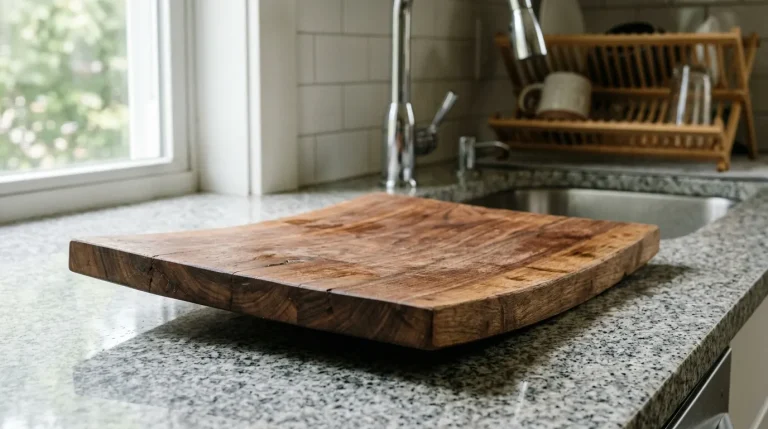
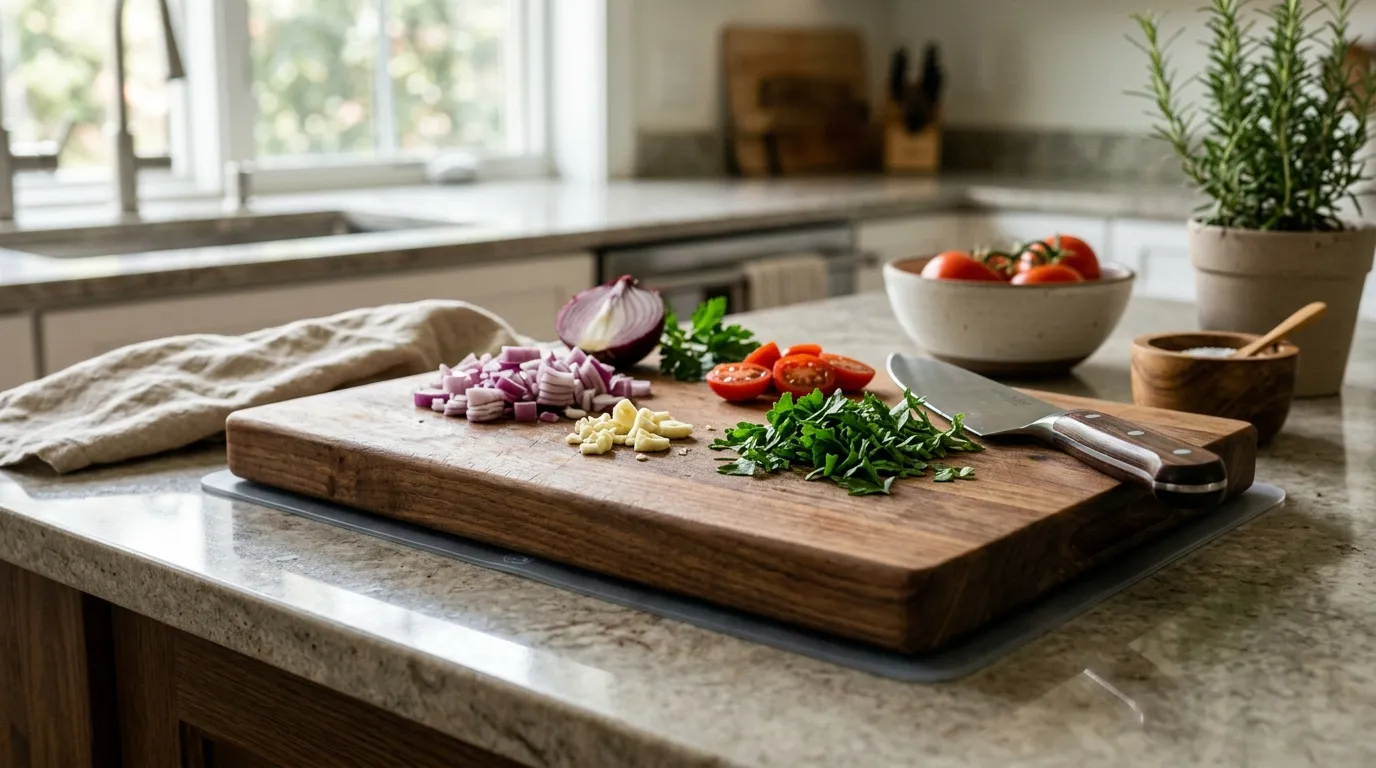
Place a damp towel or silicone mat under your board to stop sliding.
If you have ever chased a cutting board across a wet counter, you know the stress. In this guide, I will show you how to stop cutting board sliding with simple, tested methods. I have spent years cooking at home and in busy kitchens. These tips mix hands-on tricks with pro know-how, so you can chop with calm and keep your fingers safe.
Why your cutting board slides and why it matters
A sliding board is a safety risk. Your knife can slip, and your hand can pay the price. Fixing it is fast. It also makes prep smoother and faster.
Boards move for a few core reasons. Smooth counters have low friction. Water or oil on the board bottom acts like a tiny skate. Light plastic boards flex. Warped wood rocks. Even dish soap film can make a board drift.
Here is the fix in short. Increase friction. Add grip. Remove slick films. A little weight helps too. When you know how to stop cutting board sliding, knife work feels steady and safe.
Quick, no-cost fixes you can do now
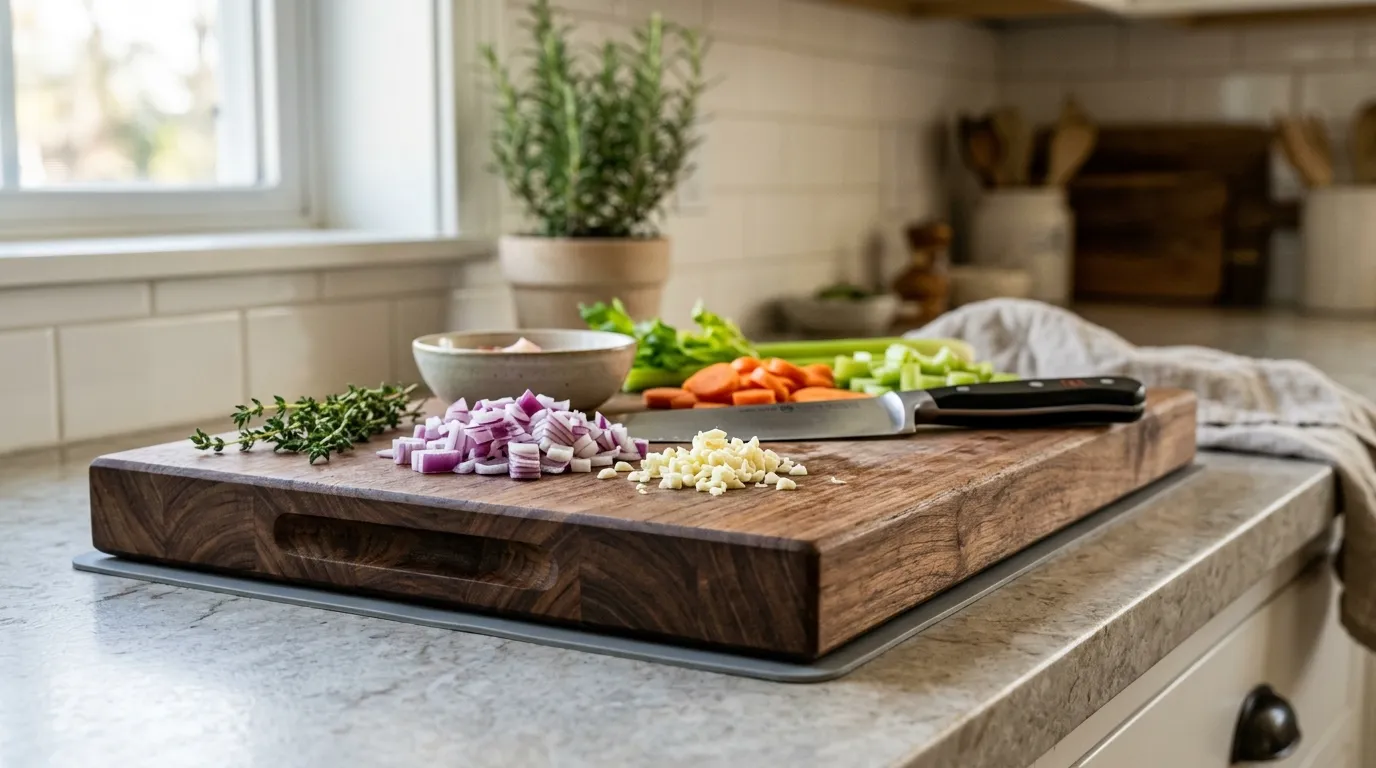
If you want to know how to stop cutting board sliding right this second, start here. These take seconds and cost little or nothing.
- Use a damp paper towel. Wring it out so it is damp, not wet. Place it under the board. The towel adds friction and evens out tiny bumps.
- Try a damp kitchen towel. Same idea as the paper towel, but with more cushion. Keep it thin and flat, so the board stays level.
- Grab a silicone baking mat. A sheet pan mat works like magic. It locks the board in place and cleans up well.
- Use rubber shelf liner. Cut a small piece to fit under your board. It is cheap, grippy, and easy to wash.
- Flip the board if one side is warped. The flatter side on the bottom will rock less.
Tip from my own kitchen: I keep a strip of shelf liner in a drawer near my knives. It is the fastest way I know how to stop cutting board sliding before a big prep day.
Semi‑permanent fixes for daily cooking
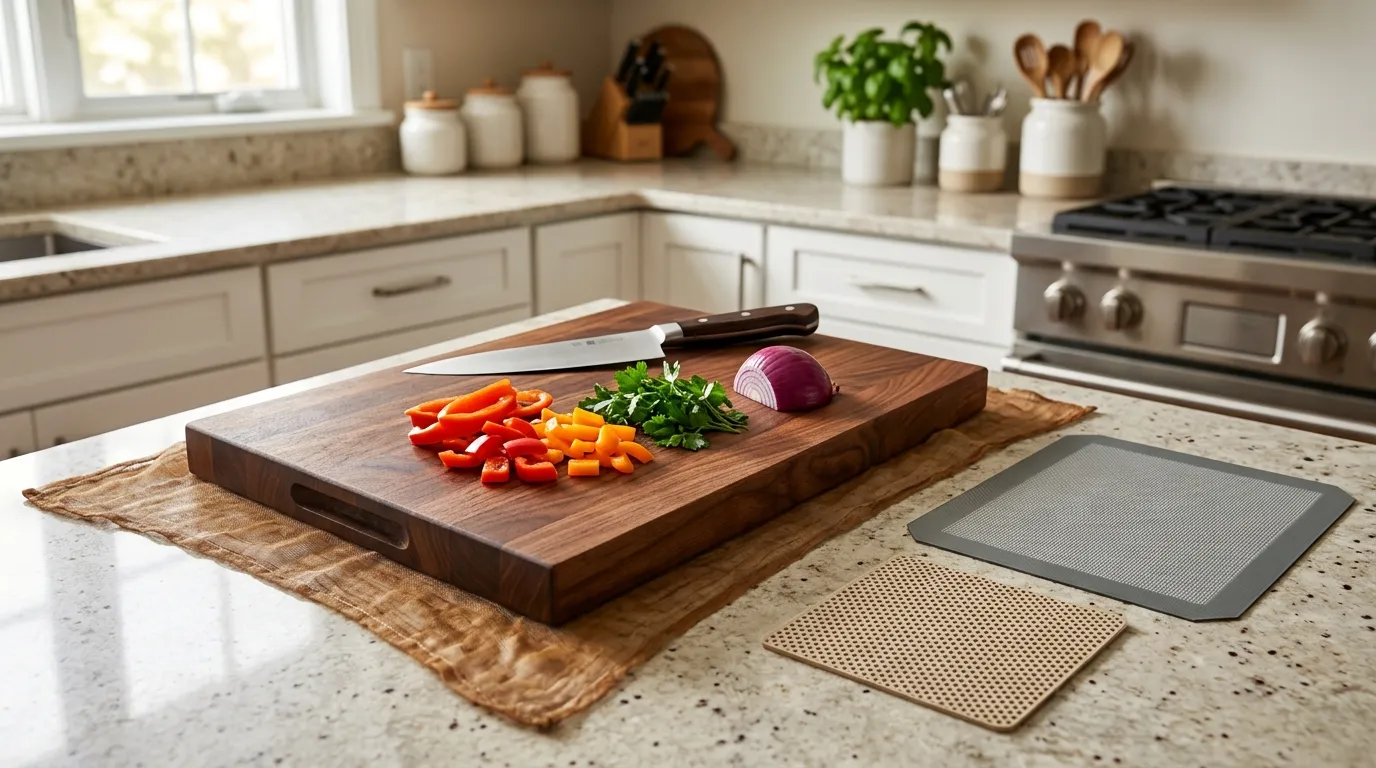
If you cook most nights, you may want longer-lasting grip. These options take a few minutes to set up, then you forget them.
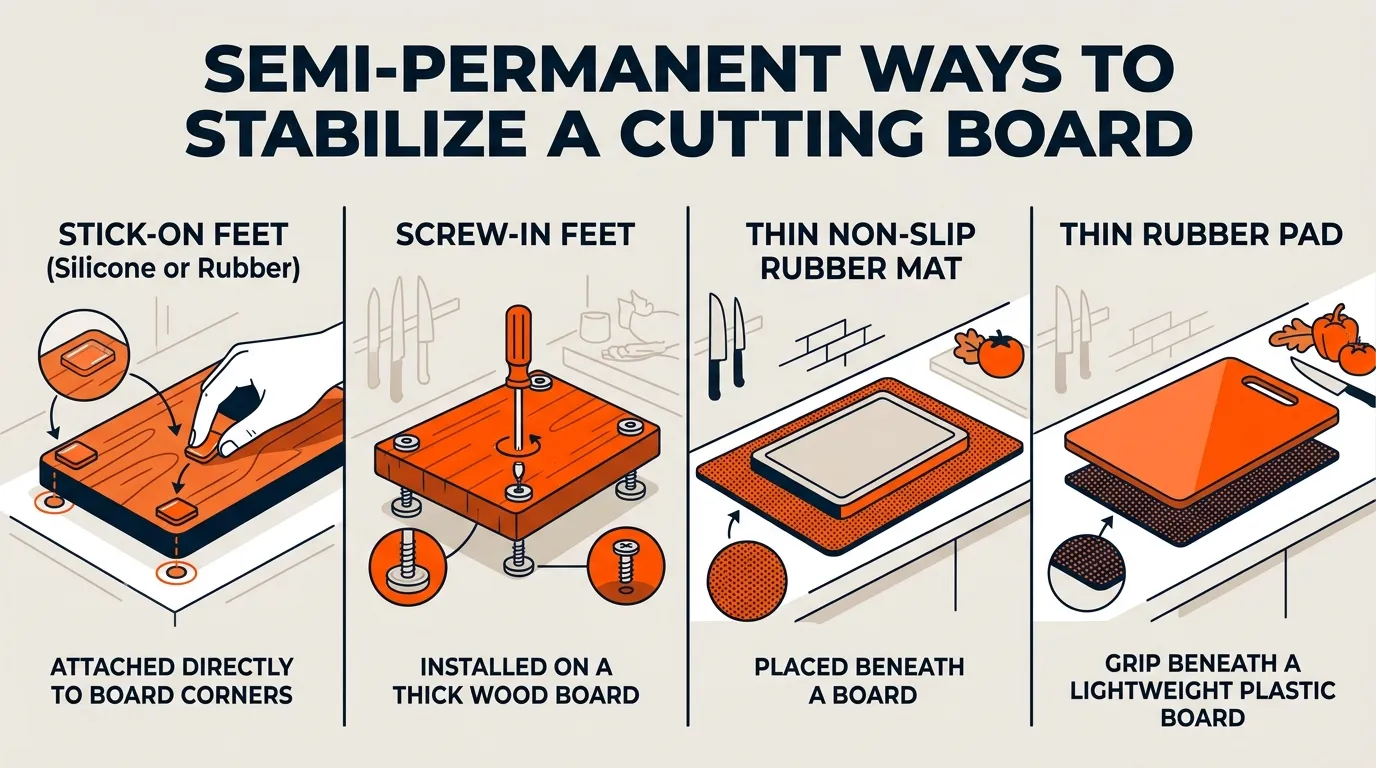
- Add non-slip feet. Stick-on silicone or rubber feet go on the corners. They raise the board and create a stable base. Clean the area with alcohol first, then press to bond.
- Install screw-in feet on thick wood. Many wood boards have pre-drilled holes. Screw-in feet are secure and last years.
- Use a dedicated non-slip mat. Keep a thin rubber mat on the counter. Drop any board on top, and it stays put.
- Choose a heavy base. Place a thin rubber pad under a light plastic board. Extra mass plus grip reduces drift.
Important note: Do not oil the bottom of the board right before use. Fresh oil can migrate and make the counter slick. condition your board on an off day, then wipe and dry well. That is how to stop cutting board sliding without adding a new hazard.
The best board materials and textures for grip
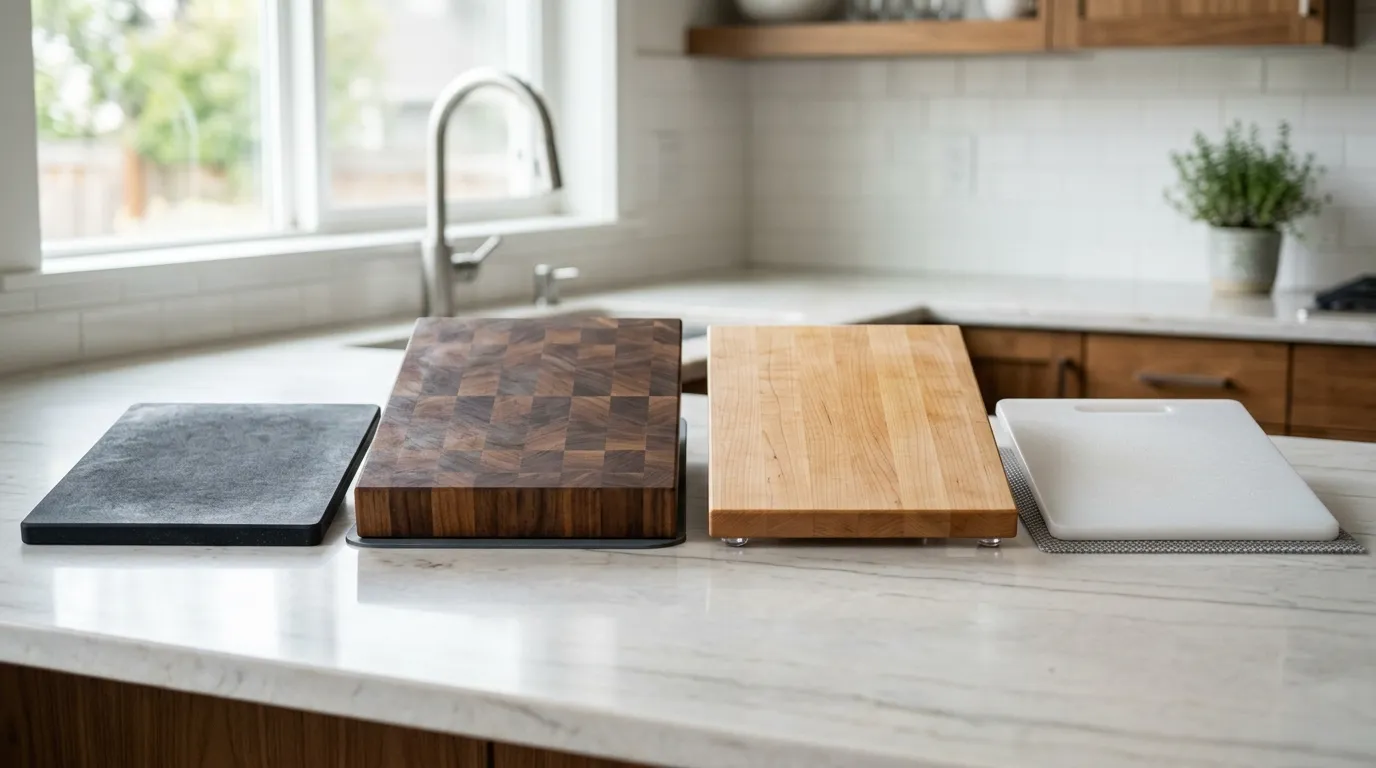
Some boards fight you. Some boards work for you. Material and weight matter when you plan how to stop cutting board sliding.
- Rubber boards. Commercial rubber boards (like dense, food-grade rubber) are famous for grip. They are easy on knives, heavy, and stable on polished stone.
- End-grain wood. Thick end-grain boards are heavy and resist cuts. The weight helps. Add feet for best grip.
- Edge-grain wood. Lighter than end-grain. Add feet or a mat to keep it steady.
- Plastic boards. Dishwasher safe but often thin and light. Pair with a mat or shelf liner every time.
A simple rule I teach beginners: The smoother the counter, the grippier your base must be. Match your board choice and base to your counter, and you will master how to stop cutting board sliding.
How to stop cutting board sliding on tricky surfaces
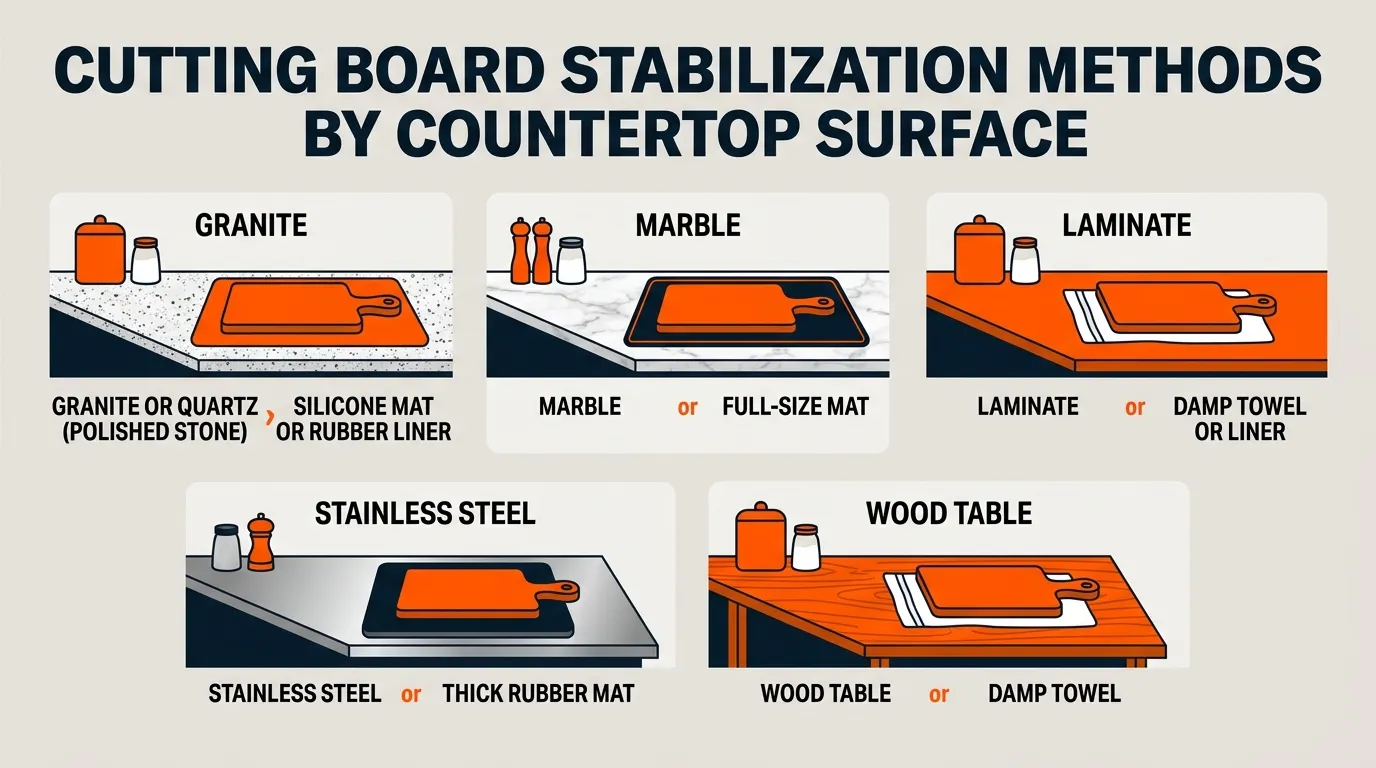
Different counters act in different ways. Here is how to stop cutting board sliding on the most common tops.
- Granite and quartz. Polished stone is very slick. Use a silicone mat or rubber liner under the board every time. Feet alone may not be enough on small boards.
- Marble. Even slicker than granite. Use a full-size mat for max surface contact.
- Laminate. Fair grip but can get slick with oil. Degrease the counter, then use a damp towel or liner.
- Stainless steel. Very smooth. A thick rubber mat works best. A damp towel may slip if the surface is oily.
- Wood tables. Often fine with a damp towel. Check for wax or oil, which can reduce friction.
On rental counters or shared spaces, keep a roll of liner in your bag. That habit is an easy win for how to stop cutting board sliding anywhere you cook.
Safe stance and knife habits that reduce board movement
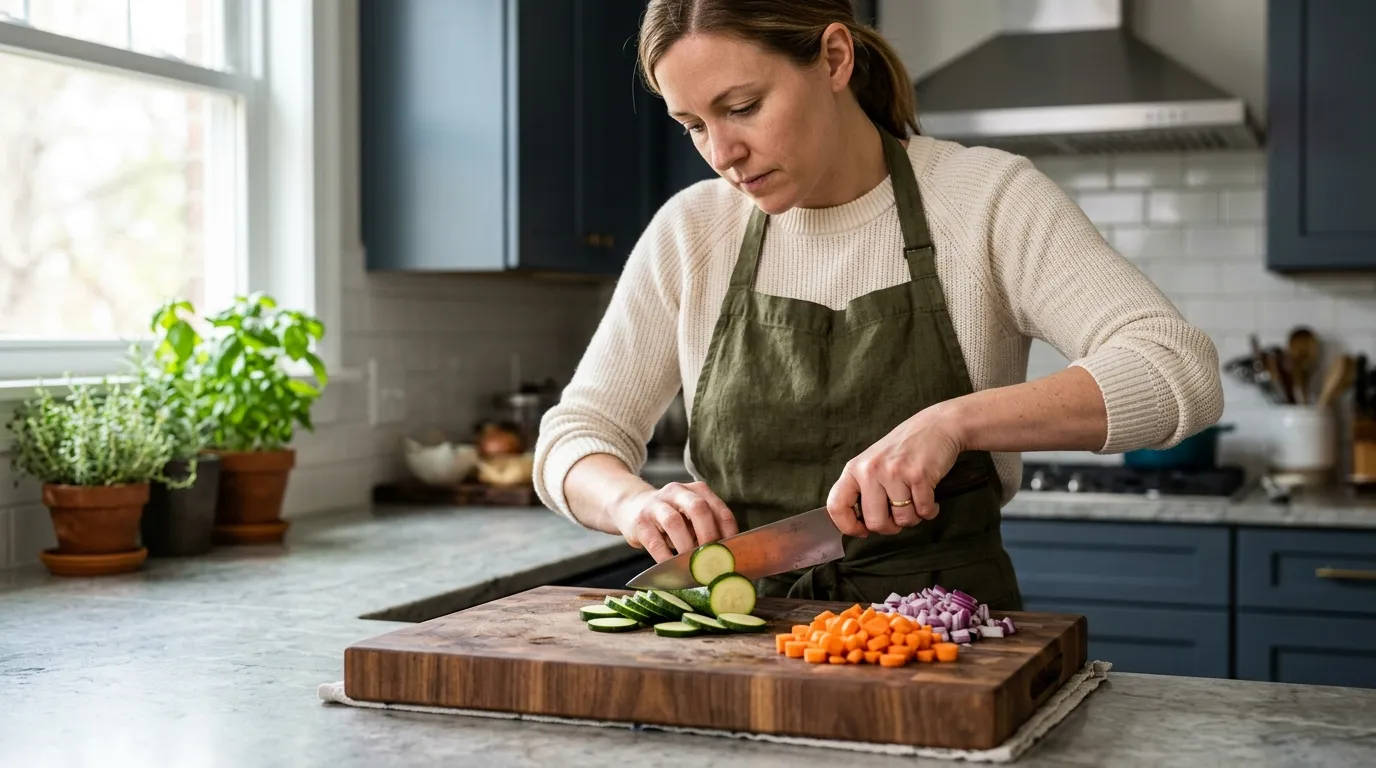
Technique helps too. Even a well-set board can scoot if your motion is wild.
- Place the board close to the counter edge. Your forearm can help brace it as you chop.
- Use a stable, wide stance. Keep feet under your hips. Balance matters.
- Keep the claw grip. Tuck your fingers and guide the knife. Less side push means less slide.
- Use push cuts and rocking cuts. Avoid big, sideways hacks that shove the board.
I teach new cooks to pause if the board moves even once. Reset the base. Then cut. That pause is a small step that shows you know how to stop cutting board sliding before it turns into a cut.
Cleaning and maintenance that improve grip
A clean base grips better. So does a flat board.
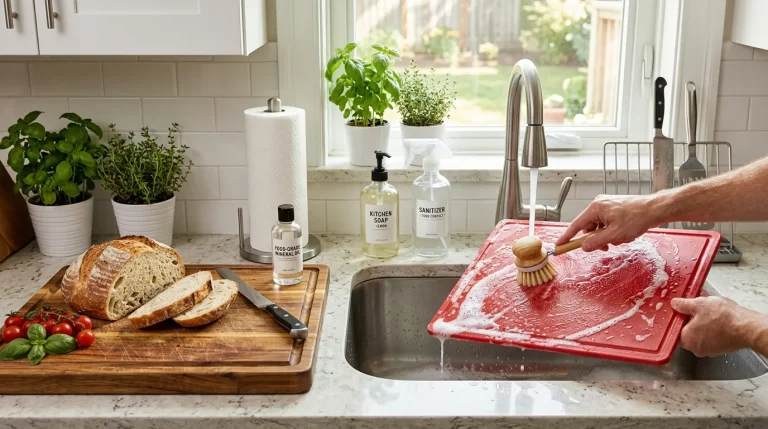
- Degrease the bottom. Wash with hot water and dish soap. Rinse and dry. Oil film is a silent slider.
- Skip fresh oil on the base. Condition wood on all sides when needed, then let it absorb and wipe dry. Do this at night, not right before prep.
- Fix mild warp. For wood, wet the concave side lightly, place the convex side down on a flat surface, and weigh it overnight. Minor bends can even out.
- Store flat. Leaning a board on an edge can warp it over time.
- Replace worn feet. Torn or slick feet should go. New pads are cheap and fast to swap.
Regular care is part of how to stop cutting board sliding for the long term. Small habits pay off every single prep.
When to replace your board
Some boards are done. Know the signs.
- Deep cracks. They trap bacteria and weaken the structure.
- Severe warp. If it rocks no matter what you do, it is unsafe.
- Gouges that will not sand out. The bottom will never sit flat.
- Melted or rounded plastic edges. They resist grip and wobble.
If your board meets any of these, replace it. That choice is the most certain path for how to stop cutting board sliding when fixes fail.
Budget vs premium: what to buy and why
You do not need to spend big to stop slip. But smart buys help.
- Cheapest fixes. Damp towel or paper towel. Rubber shelf liner off a roll. These are near-zero cost and fast.
- Mid-range. A dedicated silicone mat or high-grip pad. Durable and reliable on stone.
- Premium. A heavy end-grain wood or pro rubber board with feet. Pricey, but steady and kind to knives.
If you prep daily, invest in a mat and a sturdy board. If you cook once a week, a liner plus your current board is enough. Either way, you will know how to stop cutting board sliding without guesswork.
Common mistakes to avoid
A few small errors make boards slip more. Skip these and you are set.
- Using a towel that is too wet. Pools of water act like skates. Wring it well.
- Oiling the base right before use. Fresh oil is slick. Let it absorb and dry first.
- Trusting suction cups or odd gadgets. Many are not food-safe or fail fast.
- Putting the board across a sink or stove grates. That is unstable and unsafe.
- Using glass boards. They are slippery and hard on knives.
Avoid these traps and you will master how to stop cutting board sliding with simple, safe steps.
Frequently Asked Questions of how to stop cutting board sliding
How do I stop a plastic cutting board from sliding?
Use a thin rubber liner or a silicone baking mat under it. Plastic is light, so grip from below is key.
What works best on stone counters like granite?
A full-size silicone mat or dense rubber pad works best. Feet can help, but on polished stone, more surface grip is safer.
Is a damp paper towel safe to use under my board?
Yes, as long as it is only damp and the counter is clean. Replace it if it gets soaked or dirty.
Do rubber feet make a big difference?
They help a lot, especially on wood boards. Clean the contact points first and press them on firmly.
Why does my board still slide after oiling?
Fresh oil lowers friction on the base. Wipe, wash the bottom with dish soap, dry well, and add a mat.
Can seasoning a wood board reduce slipping?
Seasoning helps the board resist water, but it can make the base slick if fresh. Keep the seasoning light and dry, then rely on a mat or feet.
How do I fix a warped board that rocks?
Try light rehydration and weight on a flat surface overnight. If it still rocks, add feet or replace it.
What is the safest quick fix during a busy cook?
A silicone baking mat is the fastest reliable fix. It grips even when the counter is a bit damp.
Conclusion
A steady board is the start of safe, calm knife work. Use a damp towel, a silicone mat, or rubber feet to add instant grip. Keep the base clean, fix small warps, and pick a board that suits your counter. Now you know how to stop cutting board sliding with simple, proven steps.
Try one fix today. See how much easier prep feels. If this helped, share it with a friend who cooks, subscribe for more kitchen tips, or leave a comment with your favorite trick.