Clean, sanitize, and dry boards promptly; separate meat and produce always.
If you cook at home, your board is your stage. How to Maintain Cutting Board Hygiene is about simple routines that stop germs before they spread. I have taught home cooks and worked busy prep lines, and I know what actually works in real kitchens. Follow this guide to cook with confidence and keep your board safe every day.
Why Cutting Board Hygiene Matters
A cutting board touches almost every meal. That makes it a prime spot for cross-contamination. Raw meat juices can move to fruit, bread, or salads in seconds.
How to Maintain Cutting Board Hygiene protects you from common foodborne risks. You reduce the chance of bacteria moving to ready-to-eat foods. You also keep your knives sharper and your meals tasting clean.
Think of your board like a toothbrush. You use it daily. You would never leave it dirty or wet and hope for the best. The same rule applies here.
Types of Cutting Boards and Their Pros and Cons
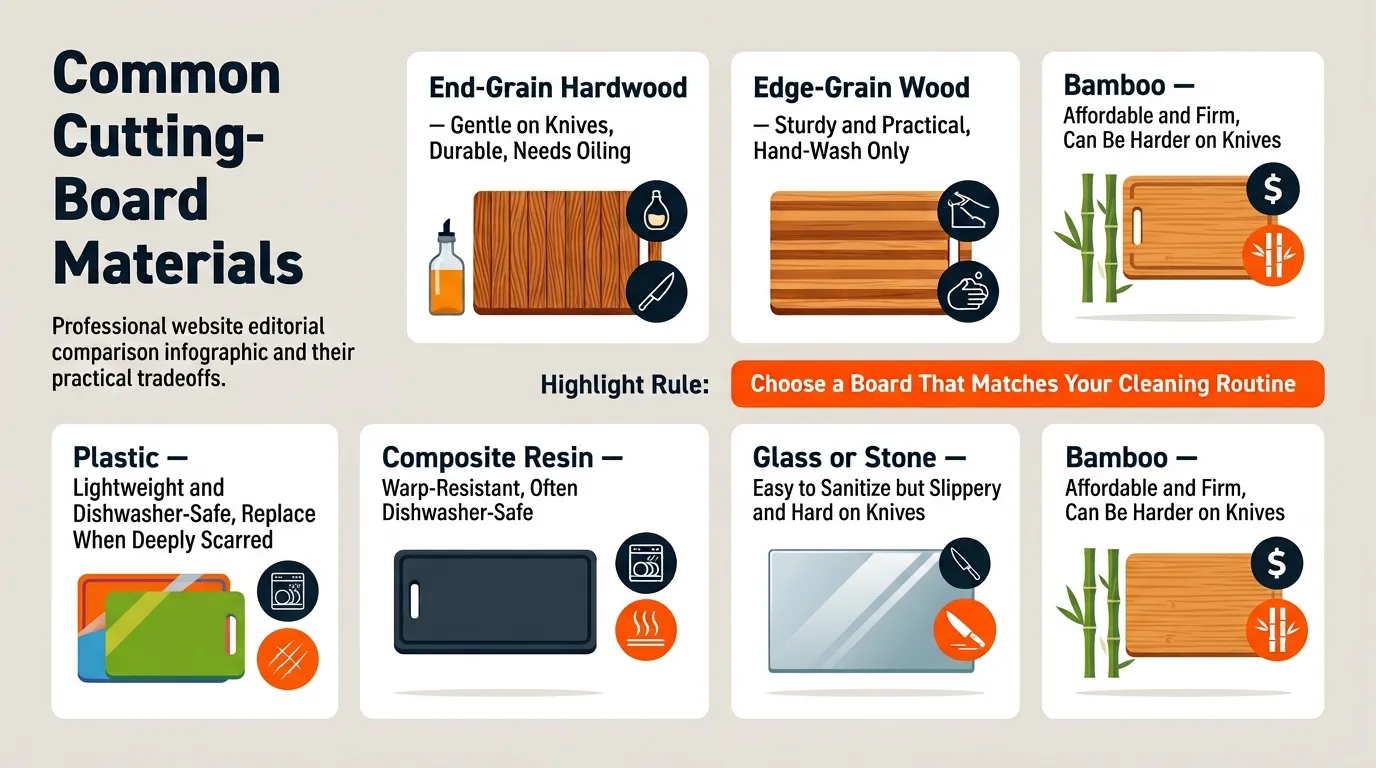
The board you choose affects cleaning and safety. Pick what fits your cooking style and your time.
- Hardwood end-grain boards are gentle on knives and resist deep grooves. They have natural properties that slow bacteria. They need oiling and should never soak.
- Edge-grain wood and bamboo boards are sturdy and affordable. Bamboo is harder and can dull knives faster. Care is similar to hardwood.
- Plastic boards are light and dishwasher safe. They scar faster. Deep cuts can trap bacteria, so replace more often.
- Composite resin boards resist warping and can handle heat. Many are dishwasher safe. They are firm on knives.
- Glass or stone boards are not ideal. They are easy to sanitize but hard on knives and can be slippery.
How to Maintain Cutting Board Hygiene starts with a board that matches your cleaning habits. If you rely on the dishwasher, choose plastic or a dishwasher-safe composite.
Daily Cleaning Routine
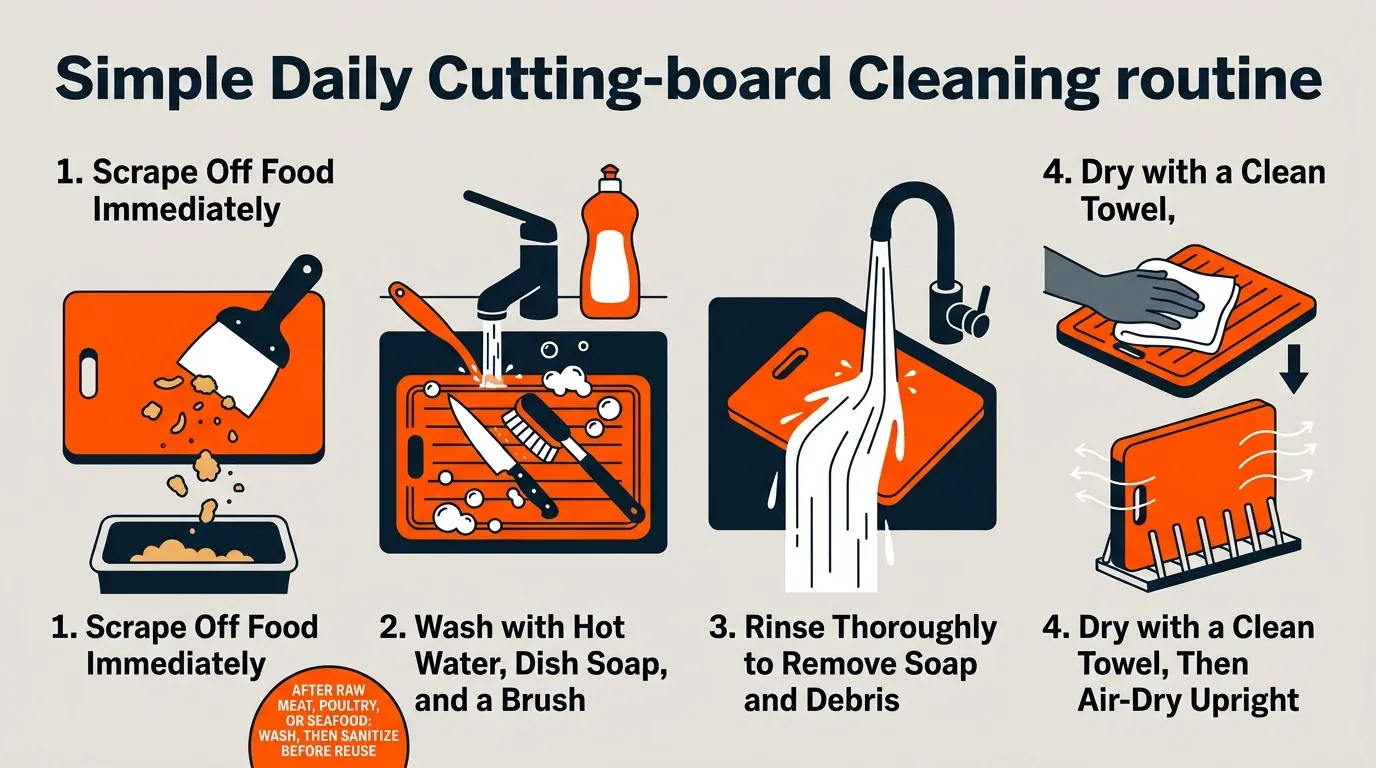
Daily care is your best defense. Keep it short and consistent.
- Scrape off scraps right away.
- Wash with hot water and dish soap. Use a brush to reach knife marks.
- Rinse well. Soap film can trap odors and tastes.
- Dry at once with a clean towel. Then air-dry upright.
If you cut raw meat, poultry, or seafood, wash and then sanitize before using the board again. How to Maintain Cutting Board Hygiene is about fast cleanup after each task, not a big job at the end.
Deep Cleaning and Sanitizing Methods
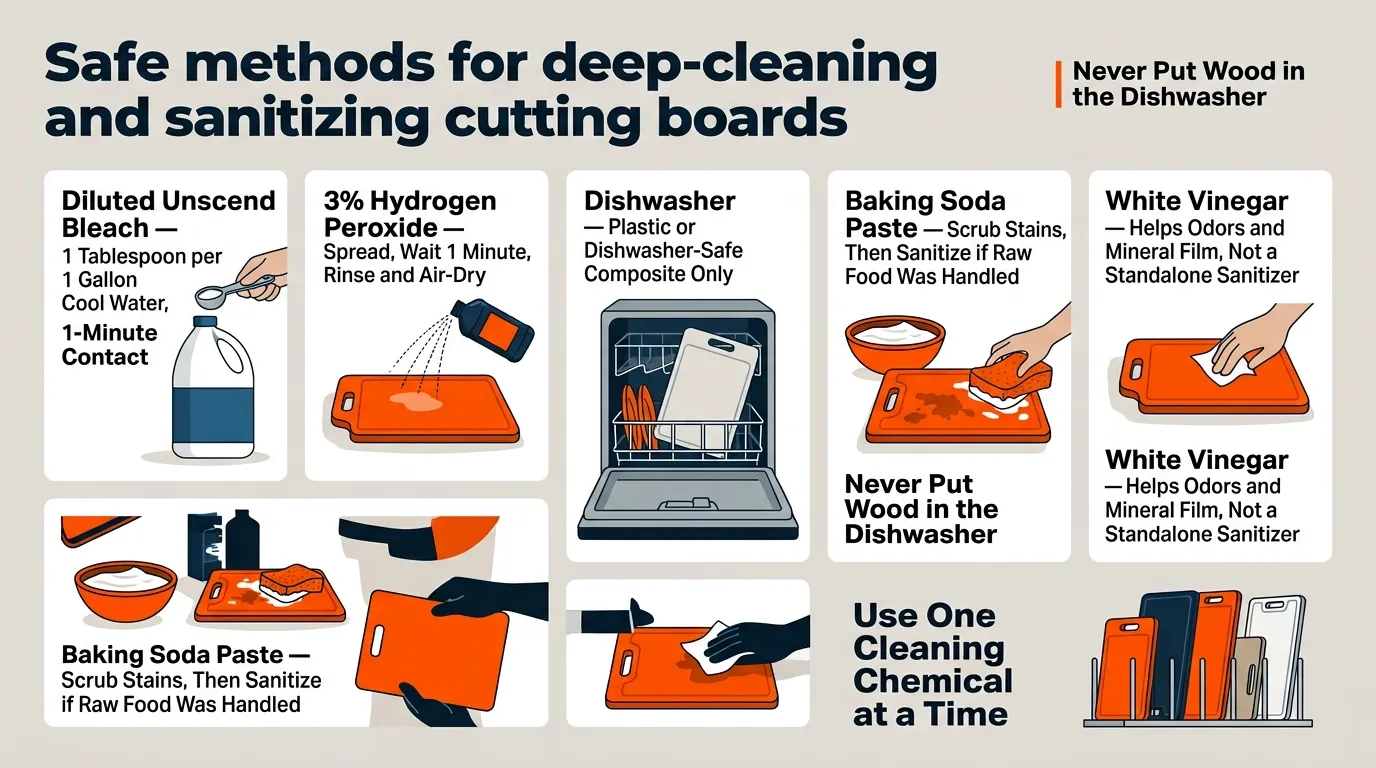
Sanitizing kills what washing can miss. Use one of these kitchen-safe options.
- Bleach solution: Mix 1 tablespoon of unscented household bleach in 1 gallon of cool water. Flood the surface and wait 1 minute. Rinse with clean water and air-dry.
- Hydrogen peroxide 3%: Pour on the surface, spread, and wait 1 minute. Rinse and air-dry.
- White vinegar: Good for odors and light mineral film. It is not a registered sanitizer. Use it as a helper, not your only method.
- Dishwasher: For plastic or dishwasher-safe composite boards. Use a sanitizing or high-heat cycle. Do not put wood in the dishwasher.
- Baking soda paste: Mix soda with water. Scrub stains, then rinse. Follow with a sanitizer if you handled raw foods.
How to Maintain Cutting Board Hygiene means picking a sanitizer you will actually use. I keep a labeled spray bottle of bleach solution. It turns a chore into a 1-minute habit.
Preventing Cross-Contamination with Smart Kitchen Habits
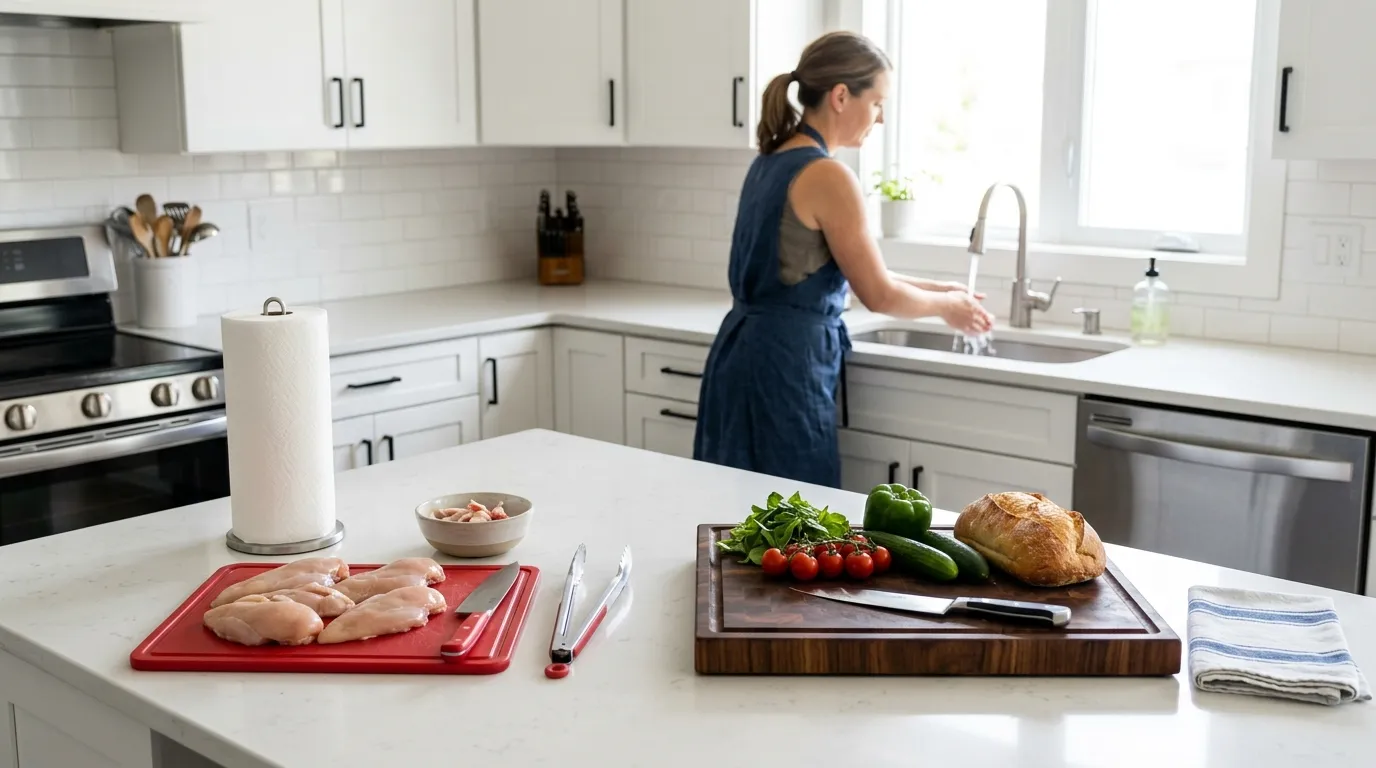
Clean boards are great. Clean habits are better.
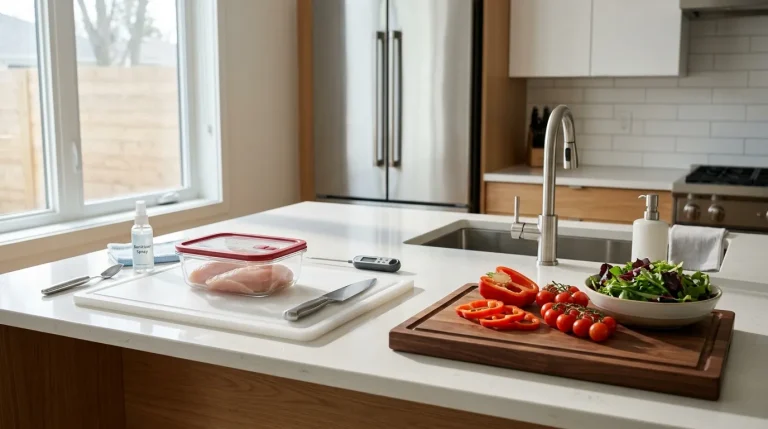
- Use separate boards for raw proteins and ready-to-eat foods. Color coding helps.
- Prep produce first. Cut raw proteins last. Or wash and sanitize between tasks.
- Keep a roll of paper towels for raw meat cleanup. Use cloth towels for clean tasks only.
- Wash hands before and after handling raw items.
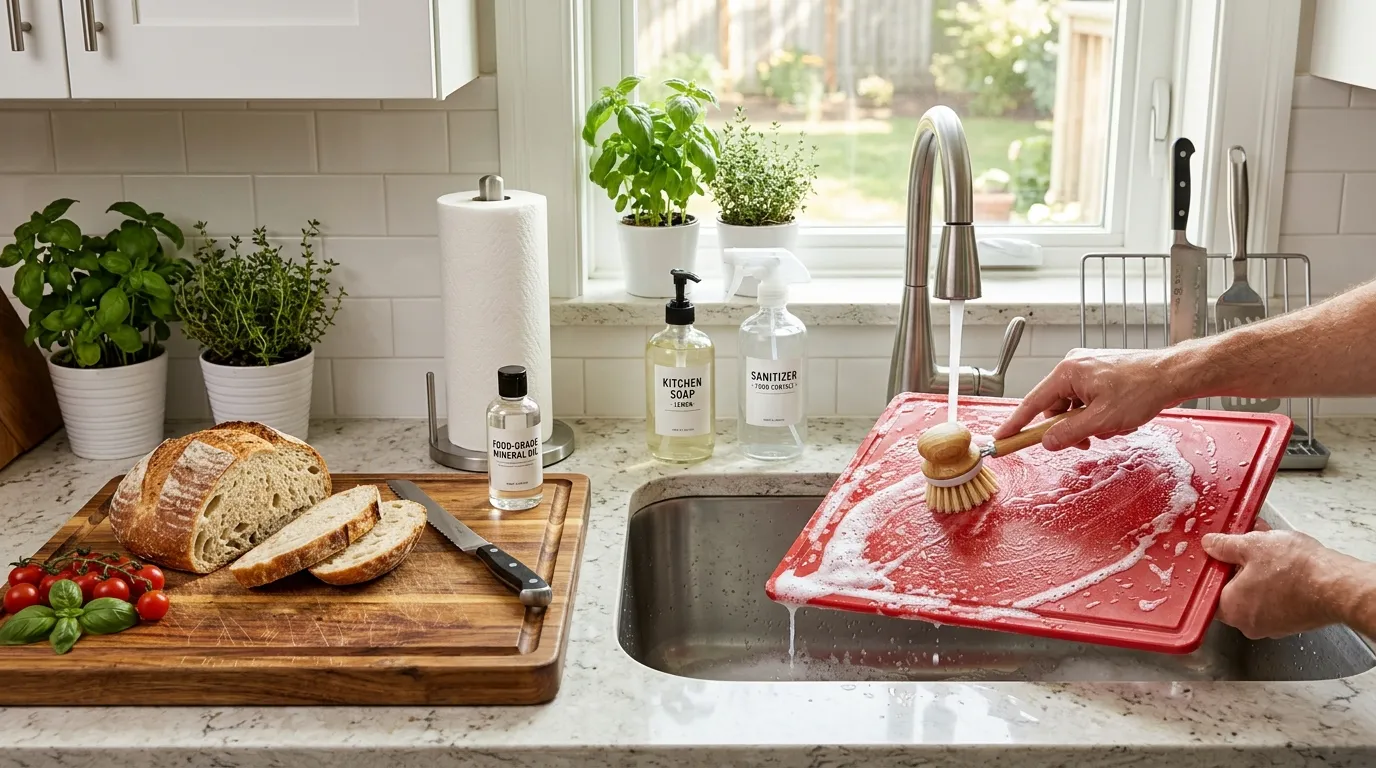
I set a red plastic board for raw meat and a wooden board for everything else. How to Maintain Cutting Board Hygiene gets easier when you remove guesswork.
Drying, Storage, and Maintenance
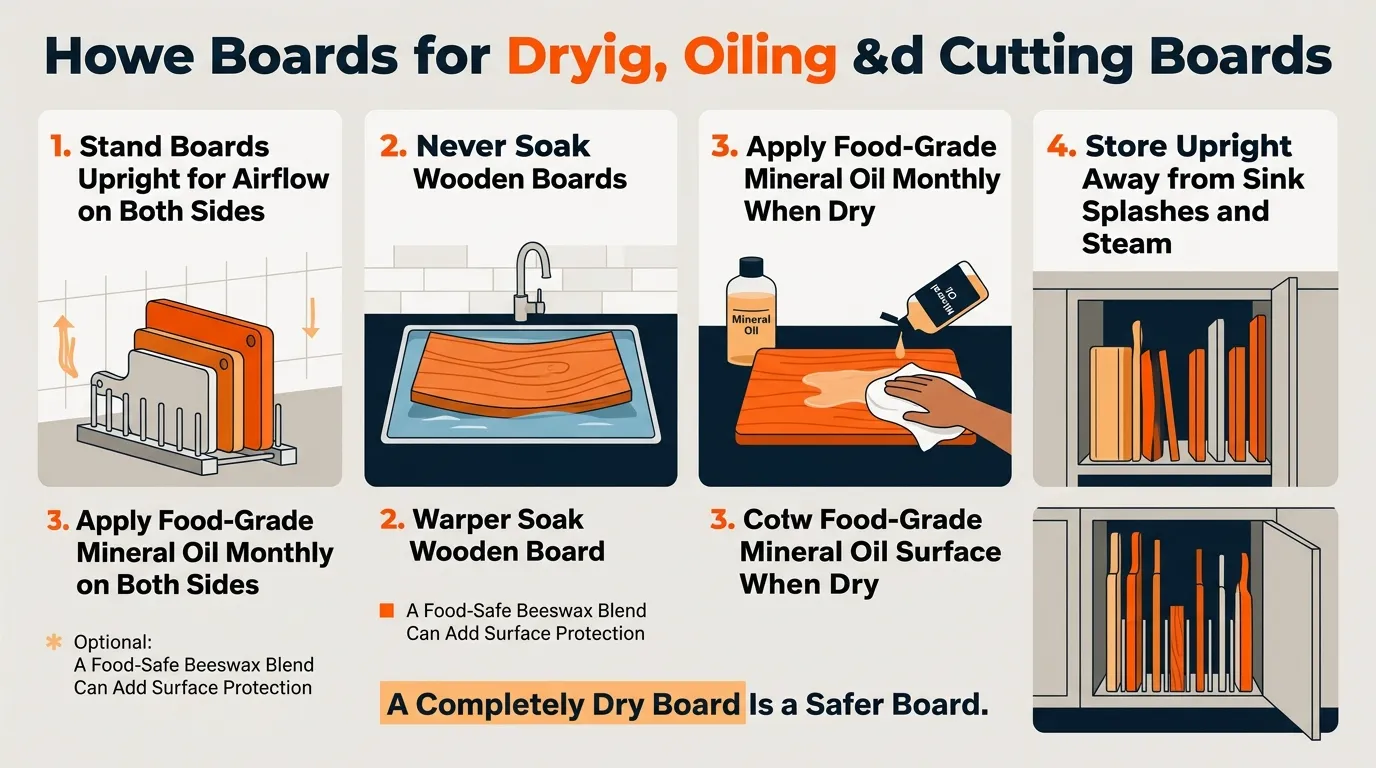
Moisture is the enemy. Air is your friend.
- Stand boards on edge to dry. Use a rack to let air reach both sides.
- Never soak wood. Water can warp and crack it.
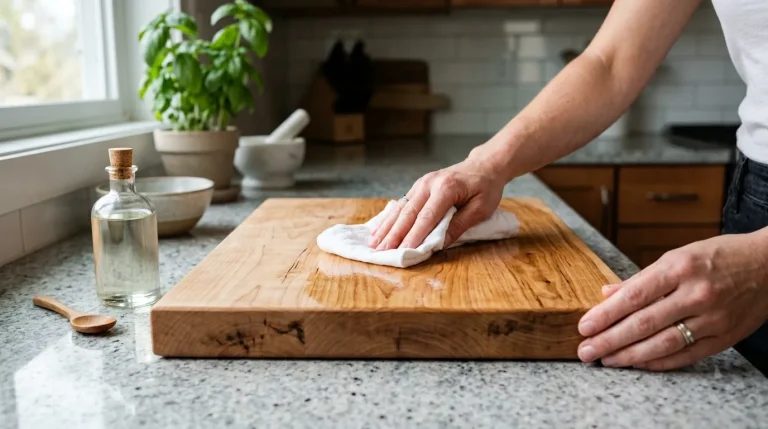
- Oil wood boards monthly with food-grade mineral oil. Seal with a beeswax blend if you like.
- Store boards upright and away from the sink splash zone.
How to Maintain Cutting Board Hygiene depends on a dry surface. A dry board is a safer board.
When to Replace Your Cutting Board
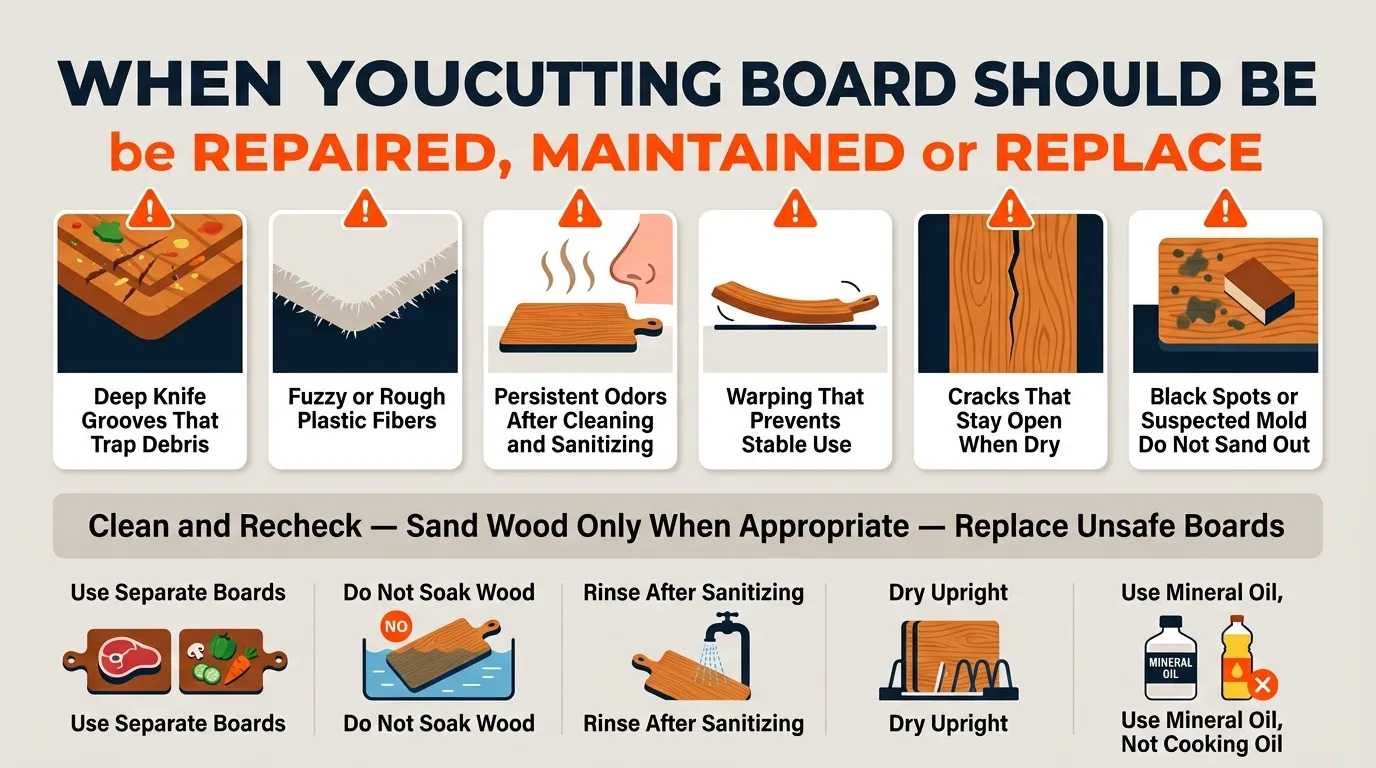
Boards do not last forever. Know the signs.
- Deep grooves or fuzzy plastic fibers that trap debris.
- Persistent odors after cleaning and sanitizing.
- Warping or cracks that will not close when dry.
- Black spots on wood (possible mold) that do not sand out.
If a board fails these checks, retire it. How to Maintain Cutting Board Hygiene sometimes means saying goodbye and upgrading to safe gear.
Common Mistakes and How to Fix Them
I have seen these slip-ups in pro and home kitchens. They are easy to solve.
- Using one board for everything. Fix it with a second board and a simple rule.
- Letting wood soak in the sink. Wash fast and dry faster.
- Skipping the rinse after sanitizing. Rinse to remove residue and tastes.
- Leaving boards flat to dry. Stand them up so both sides breathe.
- Oiling with olive oil. Use mineral oil so it will not turn rancid.
How to Maintain Cutting Board Hygiene is about small tweaks that stick. Set a system once and follow it every day.
Eco-Friendly and Safe Cleaning Products
You can be clean and green at the same time.
- Choose fragrance-free dish soap and hot water for daily cleaning.
- Use the correct bleach dose. More is not better. It reduces fumes and waste.
- Try baking soda and lemon for stain care on wood.
- Use hydrogen peroxide for plastic boards when you want a bleach alternative.
- Avoid essential oils as sanitizers. They smell nice but are not reliable for safety.
How to Maintain Cutting Board Hygiene can support a low-tox kitchen. The goal is effective, simple, and safe.
Troubleshooting Stains and Odors
Stains happen. Odors linger. Here is how to reset your board.
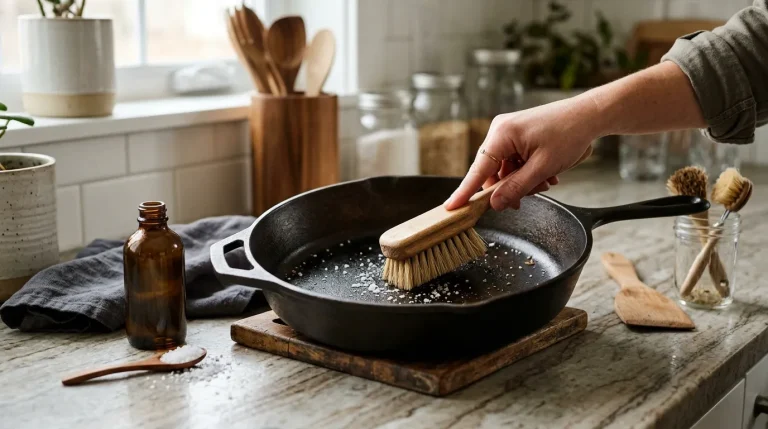
- For wood: Sprinkle coarse salt. Rub with half a lemon. Let sit 5 minutes. Rinse and dry. Oil after it is fully dry.
- For plastic: Make a paste of baking soda and water. Scrub, rinse, and then sanitize.
- For garlic, onion, or fish smells: Wipe with white vinegar, rinse, and air-dry in sunlight for an hour.
- For turmeric or beet stains: Peroxide helps. Test a small spot first.
How to Maintain Cutting Board Hygiene includes these quick resets. They bring your board back to fresh without harsh scrubbing.
Frequently Asked Questions of How to Maintain Cutting Board Hygiene
How often should I sanitize my cutting board?
Sanitize any time you cut raw meat, poultry, or seafood. For produce and bread, daily washing with soap and water is enough.
Can I use the dishwasher for wooden boards?
No. The heat and water can warp and crack wood. Wash wood by hand, then dry upright.
What oil is best for wooden cutting boards?
Use food-grade mineral oil. Avoid cooking oils because they can turn sticky and rancid.
Is vinegar enough to sanitize a board?
Vinegar helps with smells and some germs, but it is not a registered sanitizer. Use bleach or hydrogen peroxide after handling raw foods.
How do I remove deep stains from plastic boards?
Scrub with a baking soda paste, rinse, then sanitize with bleach or peroxide. If stains and grooves remain, it may be time to replace the board.
Conclusion
Clean, sanitize, dry, and store with care. Those four moves make your board safer and your meals better. You now know How to Maintain Cutting Board Hygiene with simple routines that fit real life.
Start today. Set two boards, mix a safe sanitizer, and post a small checklist near the sink. Share your progress, ask questions, or subscribe for more easy kitchen safety tips.