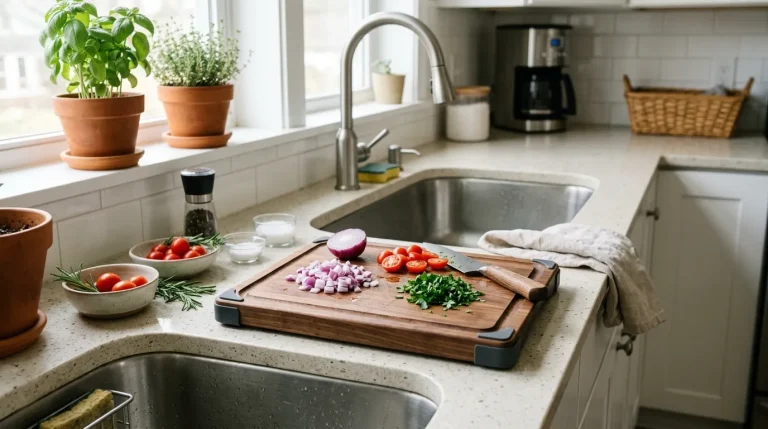

Wash, scrub with hot soapy water, rinse, sanitize, dry upright, and oil wood weekly.
If you want a kitchen that runs clean and safe, you need a plan. I’ll walk you through the best cutting board cleaning routine I use at home and in busy pro kitchens. We will cover daily steps, weekly deep cleans, safe sanitizers, and when to replace a board. You will learn simple habits that save time and cut risk.
Why the best cutting board cleaning routine matters
A cutting board is a high-traffic surface. It can hold raw meat juices, veggie grit, and spice oils. If you slack on care, germs can spread fast. A clean board helps stop cross-contamination and keeps food tasting fresh.
Wood and plastic behave in different ways. Wood is porous and can trap moisture if you soak it. Plastic can scar and hold stains. With the best cutting board cleaning routine, you match the method to the material. That is how you win on safety and board life.
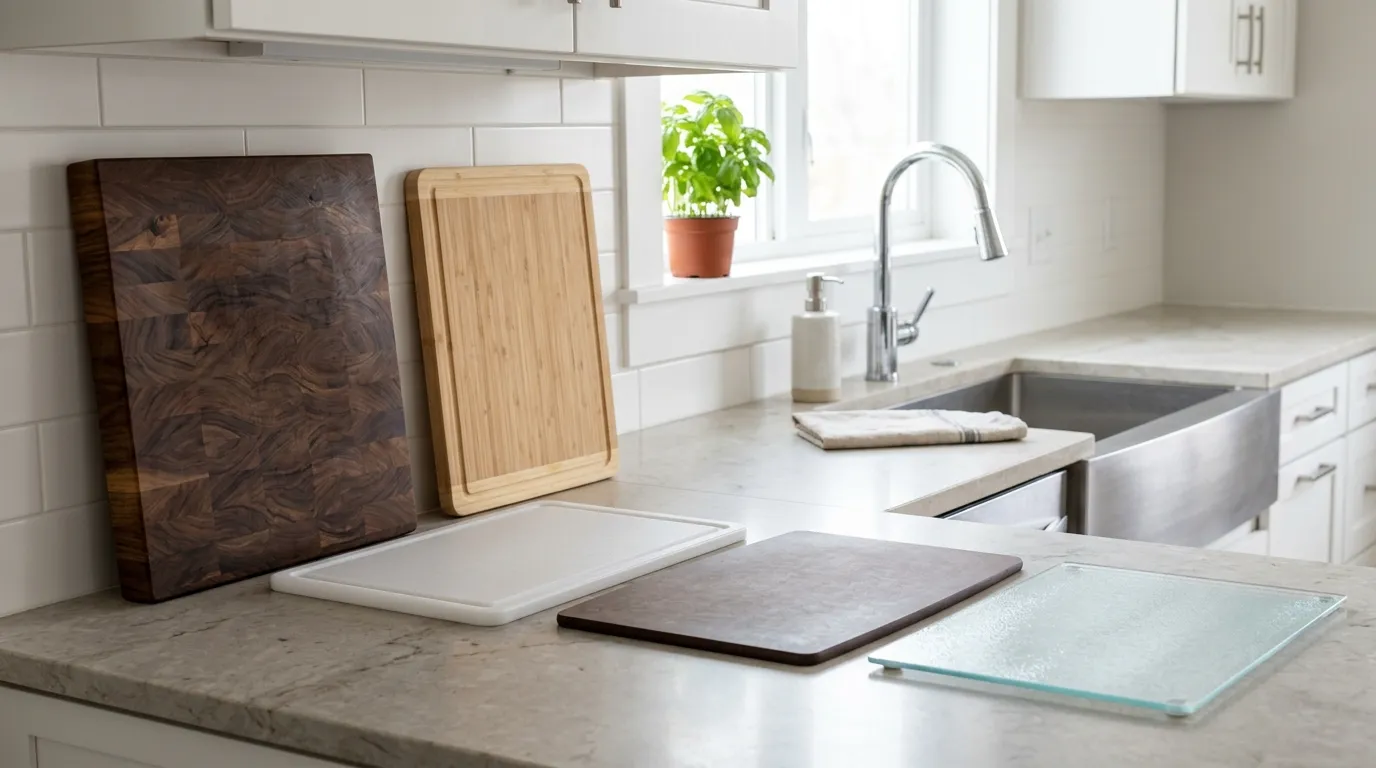
Know your board: wood, bamboo, plastic, composite, and glass
Each material needs its own touch. Pick the right step for the right board.
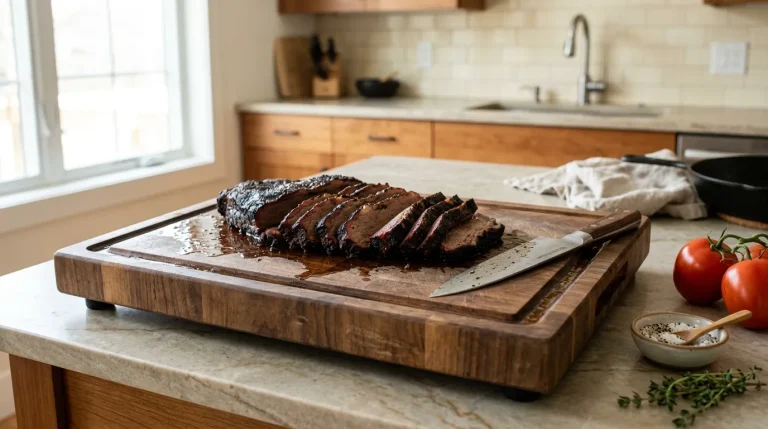
- Wood boards are durable and kind to knives. Wash fast, never soak, and oil often.
- Bamboo is hard and eco-friendly. Treat like wood but it may need a little more oil.
- Plastic is low-cost and dishwasher safe if it is flat and heat safe. It can stain and scratch.
- Composite boards resist warping and can handle hot water. Follow the maker’s guide.
- Glass looks clean but ruins knives and gets slippery. Skip glass for daily prep.
Using the right care method boosts hygiene and keeps the board from cracking or bowing.
The best cutting board cleaning routine: daily steps
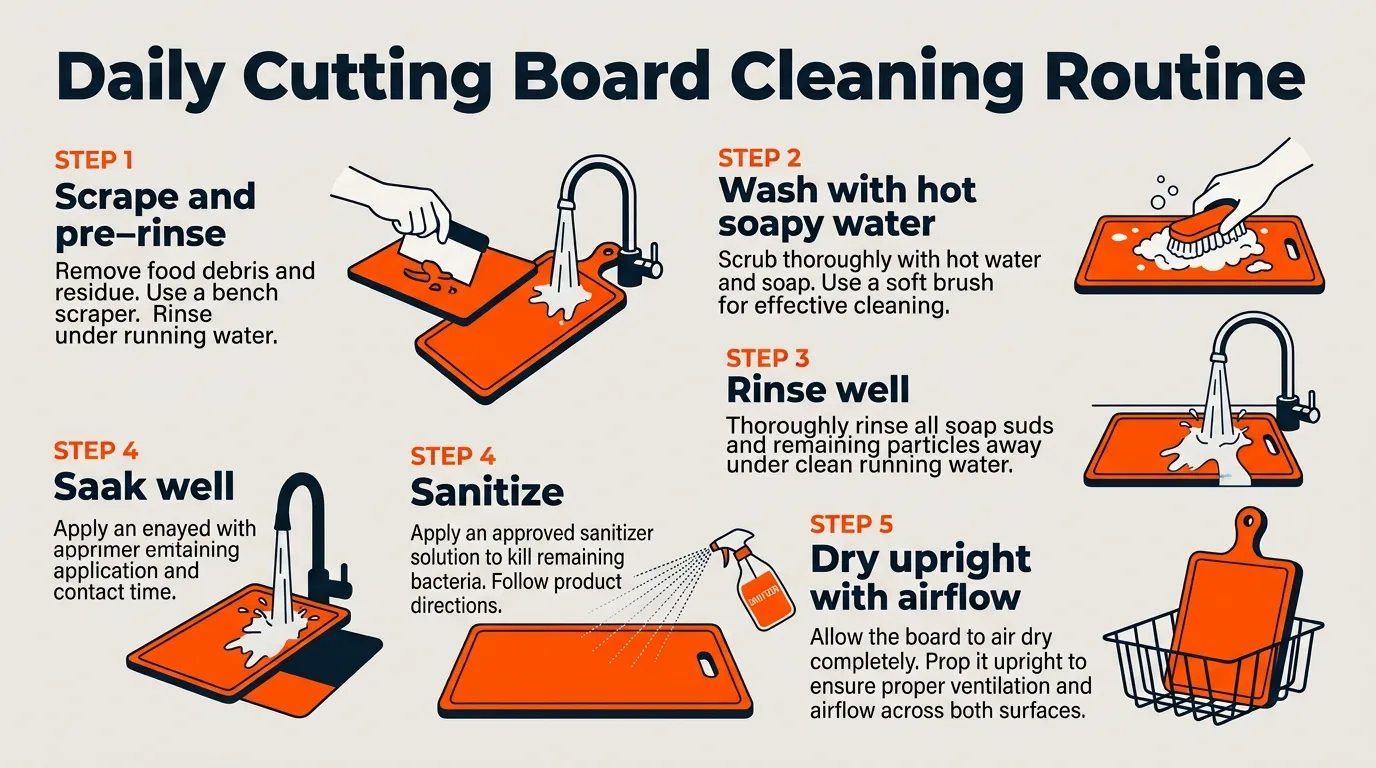
This is the simple routine I teach new cooks. It takes under five minutes and keeps your board ready for anything.
- Scrape and pre-rinse. Use a bench scraper to lift bits. Rinse with hot water to loosen grime.
- Wash with hot soapy water. Use a soft brush or sponge. Clean both sides to prevent warp.
- Rinse well. Hot water helps cut grease and soap film.
- Sanitize. For plastic, run a sanitize dishwasher cycle if safe. Or use a bleach solution at 1 tablespoon unscented bleach per 1 gallon of cool water. Let sit 1 minute. For wood, sanitize with 3 percent hydrogen peroxide. Pour, spread, wait 1 minute, then wipe and rinse fast.
- Dry upright with airflow. Use a rack or stand. Wipe the edges. Do not stack or trap moisture.
This is the backbone of the best cutting board cleaning routine. If you handle raw meat, do this right after use. Keep a small spray bottle of sanitizer on hand for quick hits.
Weekly deep clean and deodorize

Even with great daily care, you need a reset. This step clears odors, stains, and hidden grime.
- For wood and bamboo
- Deodorize with coarse salt and half a lemon. Sprinkle, scrub, rest 5 minutes, and wipe clean.
- Lift stains with a baking soda paste. Mix 1 tablespoon baking soda with a little water. Scrub, then rinse.
- Sanitize with 3 percent hydrogen peroxide for 1 minute. Wipe and dry fast.
- Oil the board. Use food-grade mineral oil. Warm a little, rub with a lint-free cloth, let it soak, and buff dry.
- Seal with board cream. A beeswax and mineral oil blend helps lock in moisture and repel water.
- For plastic and composite
- Treat stains with a baking soda paste. Scrub and rinse.
- Sanitize with the bleach mix above for 1 to 2 minutes. Air dry. Or run a dishwasher sanitize cycle if allowed.
This deep clean supports the best cutting board cleaning routine and keeps boards smelling fresh and working hard.
Sanitizing, safety, and when to replace
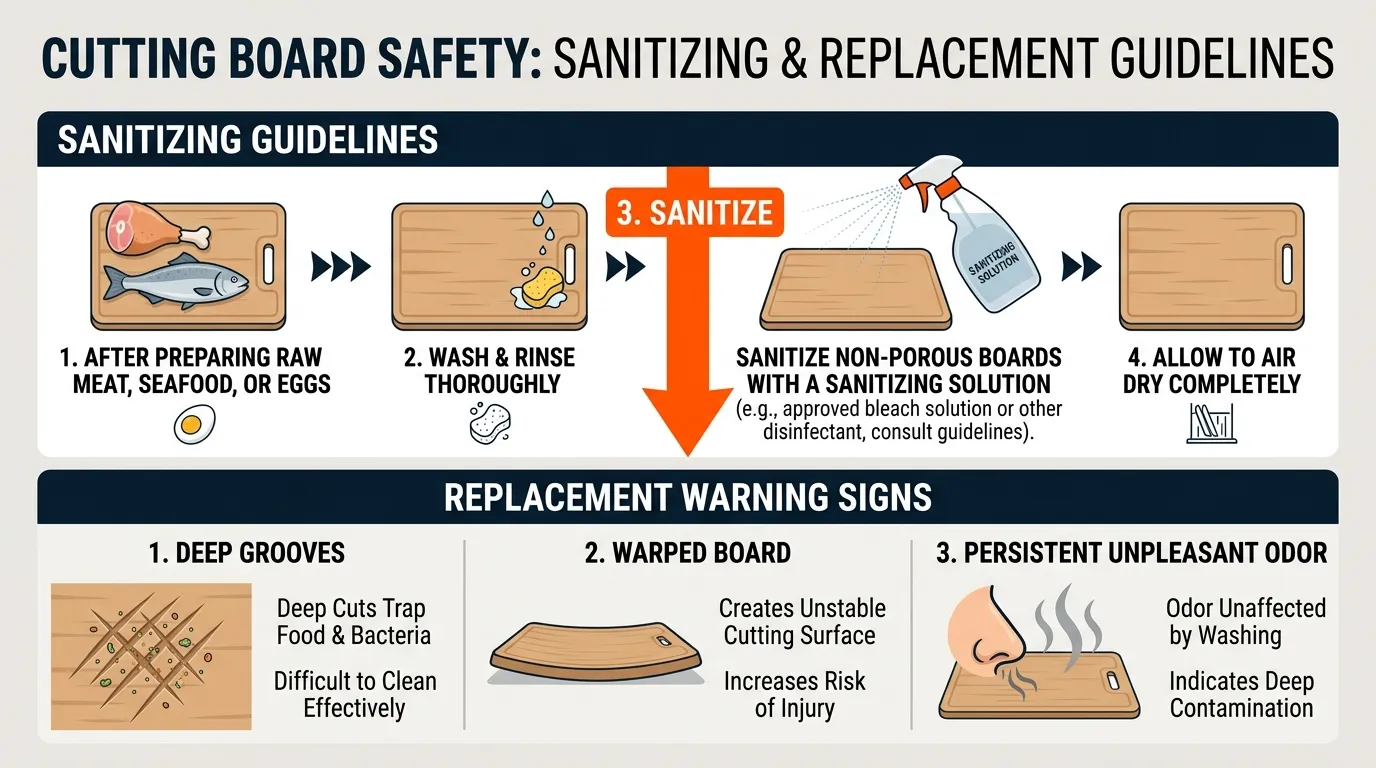
Sanitizing knocks down germs after raw meat, eggs, or seafood. Use safe, proven options. A bleach mix of 1 tablespoon unscented bleach per 1 gallon cool water gives about 200 ppm. That is a common food prep target. Let it sit 1 minute, then air dry. If you smell strong chlorine, rinse and air dry.
Hydrogen peroxide at 3 percent works well on wood. It bubbles in the cuts, then breaks down to water and oxygen. Vinegar helps with odor but is not a stand-in for a true sanitizer.
Know when to replace. If deep grooves trap grime, if the board warps, or if rank odors remain, it is time. This is part of the best cutting board cleaning routine too. Safe beats cheap every time.
Drying and storage that protect your board

Water is the enemy of wood boards. Heat is the enemy of plastic boards. Dry and store with care.
- Stand boards on edge so air can flow on both sides.
- Keep away from the stove, heater vents, and sunny windows.
- Never leave a board in the sink or a damp bin.
- Use a rack or a wall slot to avoid trapped moisture.
Small changes here can double the life of your boards. It also helps you stick to the best cutting board cleaning routine without fuss.
Mistakes to avoid and smart habits
Avoid these common pitfalls.
- Do not soak wood boards. They swell, crack, and split.
- Do not use scented bleach. Fragrance is not food safe.
- Do not scrub with steel wool. It scars and traps grime.
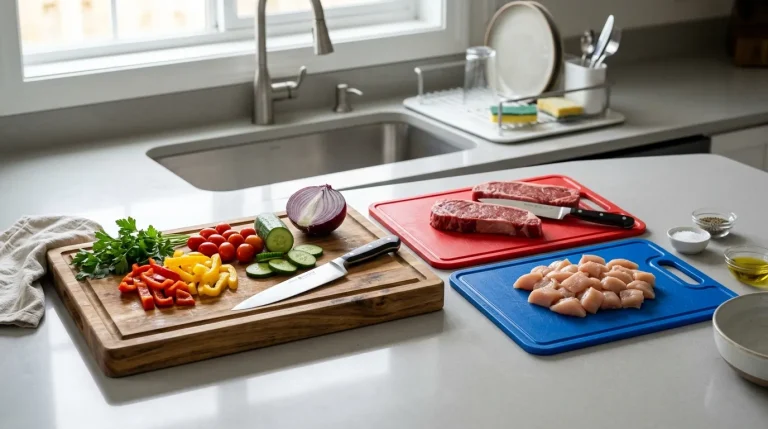
- Do not mix raw and ready-to-eat foods on one board.
Build these smart habits.
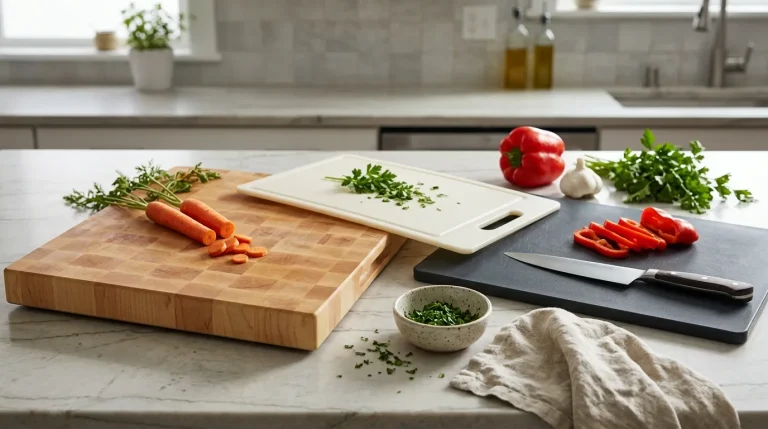
- Color-code your boards. Red for raw meat, green for produce, blue for fish.
- Keep a labeled spray bottle with your sanitizer recipe.
- Set a weekly reminder to oil wood boards.
These habits make the best cutting board cleaning routine simple and repeatable, even on busy nights.
Real-world tips and a simple toolkit

In my first restaurant job, the rush was wild. We had a tiny sink and five cooks. What saved us was a strict board routine and clear roles. One person scraped and washed. One sanitized. One dried and racked. We did that loop all night, and it worked.
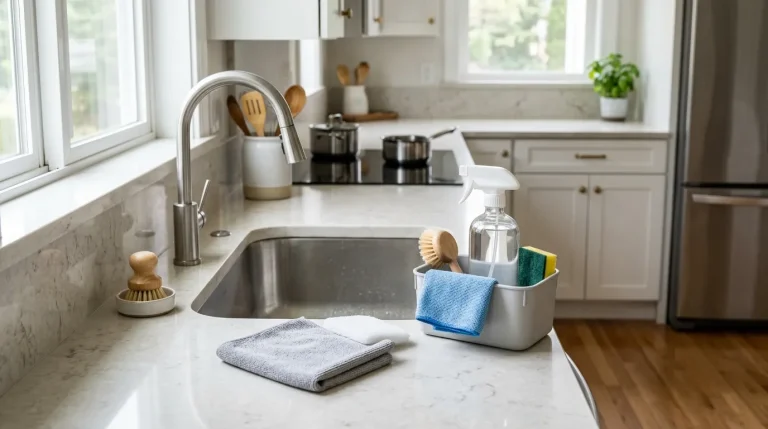
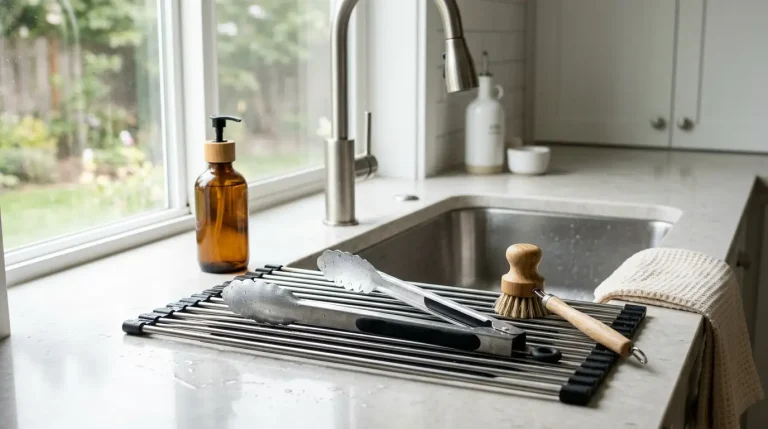
Here is a small toolkit that helps at home.
- Bench scraper to clear bits fast.
- Medium bristle brush for grooves and edges.
- Food-grade mineral oil and board cream for wood care.
- Spray bottle with bleach solution made fresh daily.
- Coarse salt, lemons, and baking soda for deep clean days.
With the right tools, the best cutting board cleaning routine feels easy. You will see fewer stains, fewer smells, and better knife glide.
Frequently Asked Questions of best cutting board cleaning routine
How often should I sanitize my cutting board?
Sanitize after raw meat, seafood, or eggs, and at the end of the day. If you only cut produce, wash and rinse may be enough between tasks.
Can I use vinegar as a sanitizer?
Vinegar reduces odors and some microbes, but it is not a full sanitizer. Use bleach at 200 ppm or 3 percent hydrogen peroxide for reliable action.
Is the dishwasher safe for all boards?
It is fine for many plastic and some composite boards. Do not put wood or bamboo in the dishwasher, as heat and water will warp or crack them.
What oil should I use on wood boards?
Use food-grade mineral oil. Do not use olive or other cooking oils, as they can go rancid and smell.
How do I remove garlic and onion smells?
Scrub with baking soda paste, then rinse. For wood, follow with a quick hydrogen peroxide sanitize and a full dry.
What is the best cutting board cleaning routine for wood?
Wash with hot soapy water, rinse, sanitize with 3 percent hydrogen peroxide, dry upright, and oil weekly. Deep clean with salt and lemon as needed.
Can I use the same board for meat and veggies if I clean it?
It is safer to use separate boards. If you must share, fully wash, sanitize, and dry before switching to ready-to-eat foods.
Conclusion
A clean board is a safe board. Follow the daily wash, rinse, sanitize, and dry steps. Add a weekly deep clean and oil, and replace boards when grooves or odors linger. That simple plan is the best cutting board cleaning routine you can adopt today.
Start tonight. Set up a drying rack, mix a fresh sanitizer, and oil that wood board. If you found this helpful, share it, subscribe for more kitchen tips, or drop your questions in the comments.