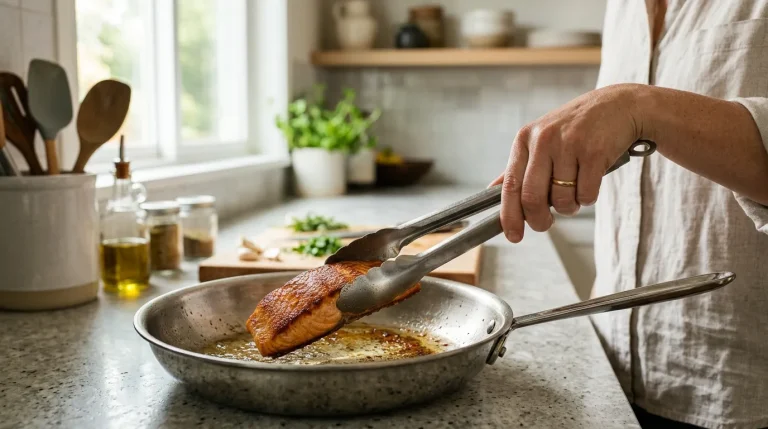
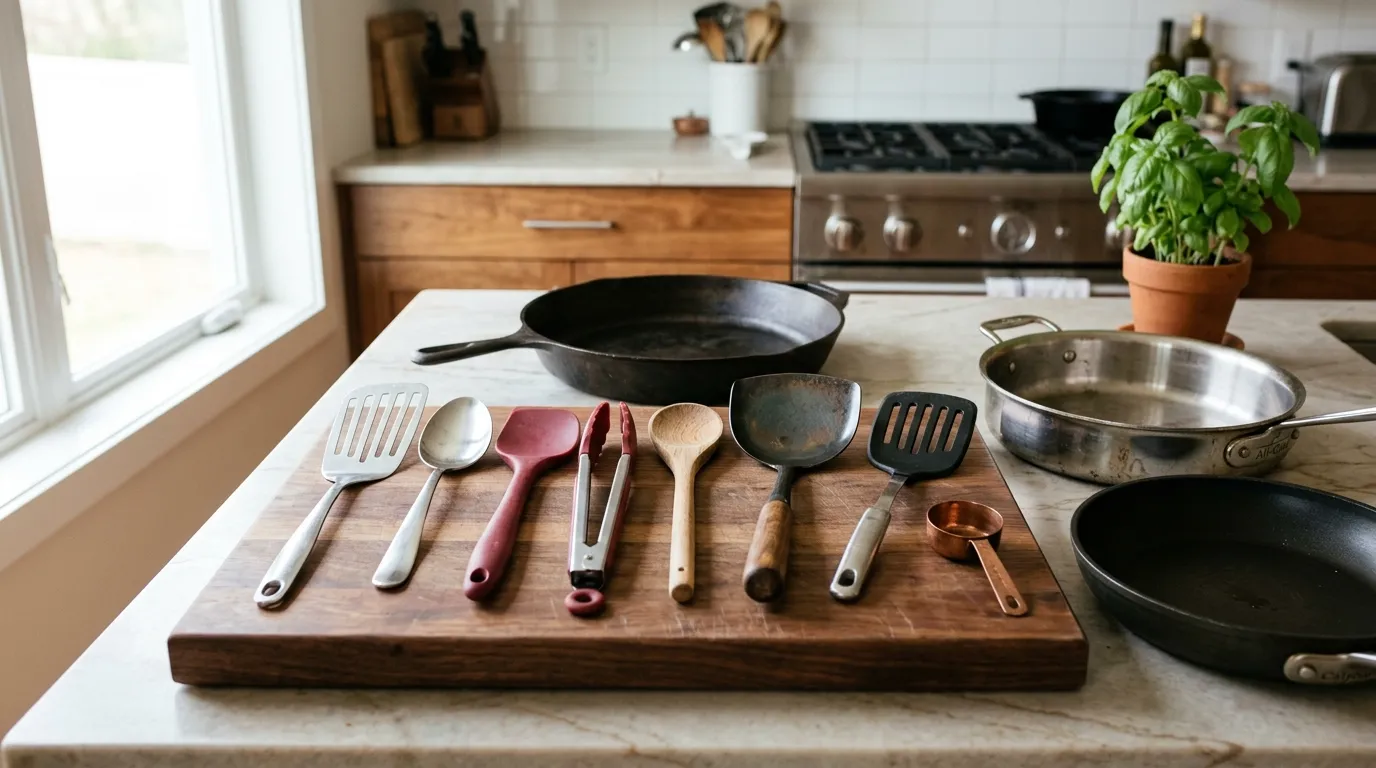
The best utensil material depends on heat, recipe, care routine, and budget.
If you have ever scratched a pan or stained a spoon, you know materials matter. In this guide, Utensil Materials Explained, I break down every common option with clear pros, cons, and real-life tips from years in test kitchens and busy home cooking. You will leave knowing what to buy, what to skip, and how to care for it, with Utensil Materials Explained in plain English.
What “Utensil Materials Explained” Really Means
Utensil Materials Explained covers what tools are made of, how they perform, and how they age. It looks at safety, heat, taste, and cleanup. It matches the right tool to the right job.
When you choose a ladle, whisk, or spatula, the material shapes the result. It also shapes how long the tool lasts. With Utensil Materials Explained, you can spend smarter and cook with calm.
Use this as a map. It shows the trade-offs. It shows where cheap is fine and where to invest.
Stainless Steel
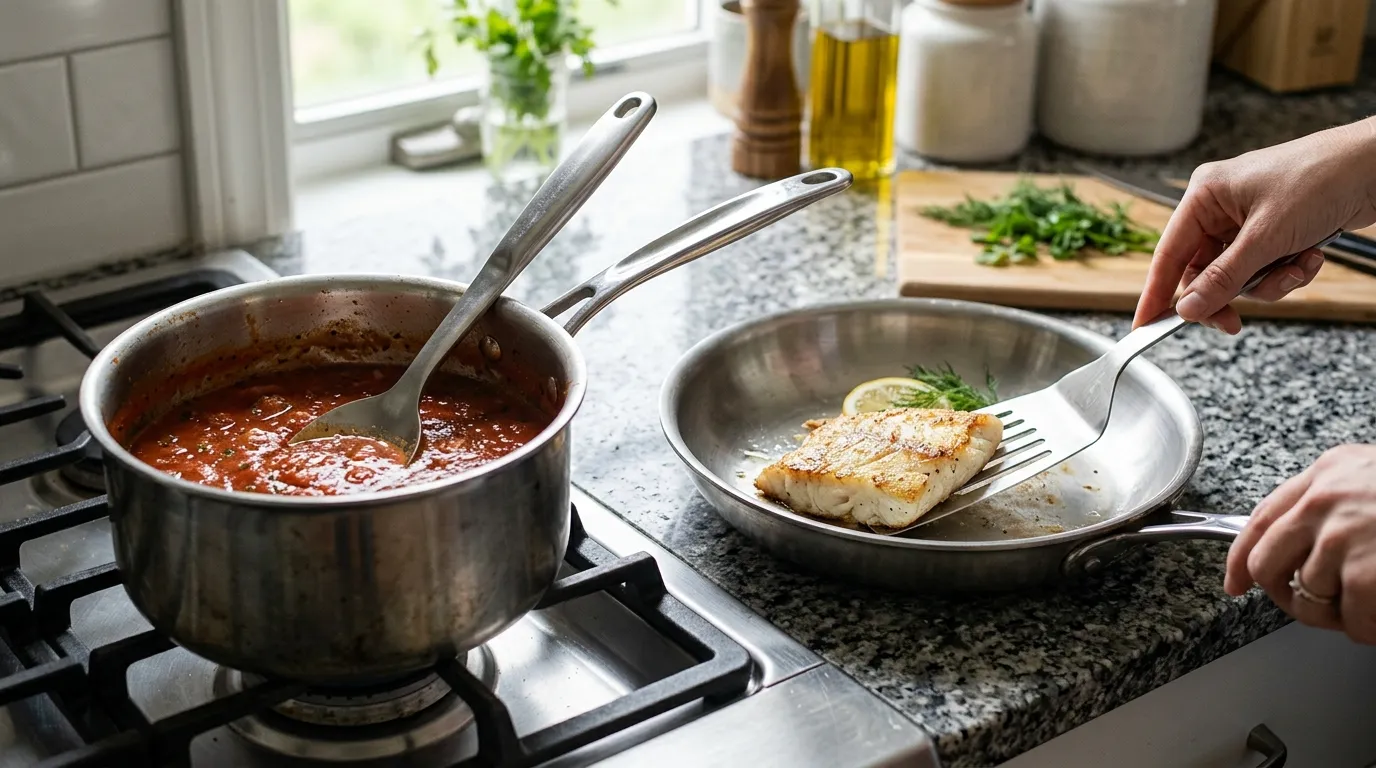
Stainless steel is strong, stable, and easy to clean. It is nonreactive, so it will not change the taste of tomato sauce or wine. Many pieces are dishwasher safe and last for years.
What I reach for most is a stainless steel spoon and fish spatula. They handle heat and keep their edge. In Utensil Materials Explained, stainless is the safe bet for most tasks.
Look for:
- 18/10 or 18/8 grades for corrosion resistance
- Riveted or welded joints for strength
- Thin, flexible edges for turning fish or eggs
Carbon Steel and Cast Iron
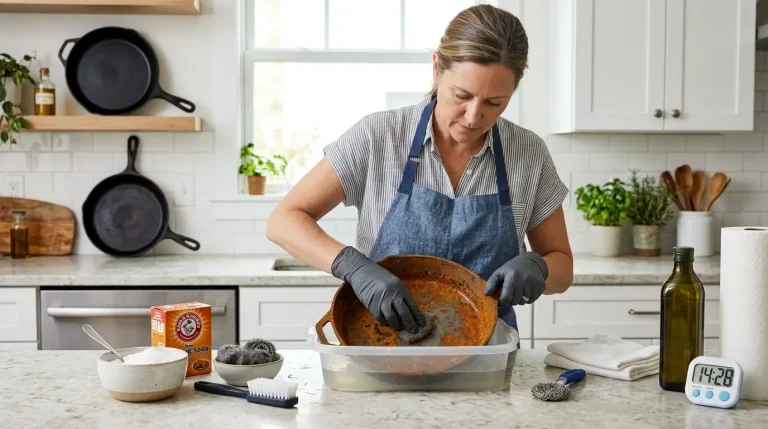
Carbon steel and cast iron are tough and heat-loving. They get better with seasoning. They can sear like a pro and handle campfires and ovens.
They are reactive when bare. Acidic foods can strip seasoning and cause off flavors. In Utensil Materials Explained, use these for high heat and dry cooking, not long acidic braises.
Tips from my kitchen:
- Dry at once after washing to prevent rust
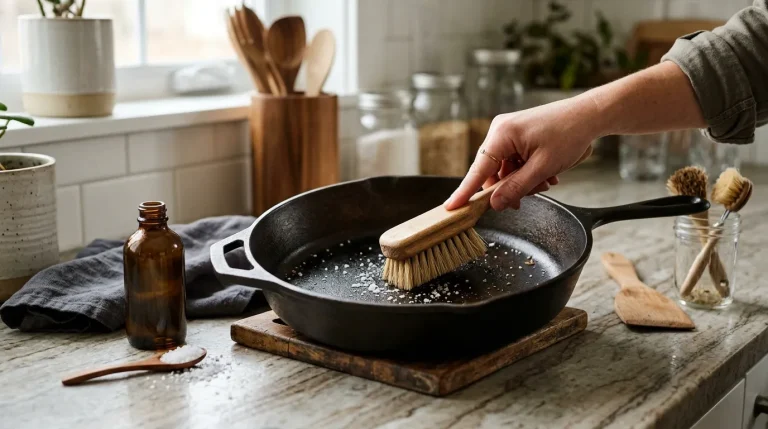
- Rub a thin layer of oil and heat to keep seasoning
- Use wooden or silicone tools to protect the surface
Aluminum and Hard-Anodized Aluminum
Aluminum is light and conducts heat well. Hard-anodized aluminum is treated to be tougher and less reactive. Both are common in pans and some utensils.
Bare aluminum can react with acids and salts. Many nonstick pans are aluminum cores with coatings. In Utensil Materials Explained, anodized wins for daily use thanks to better wear.
Smart buys:
- Hard-anodized for durability
- Thick bases for even heat
- Avoid deep scratches that expose raw aluminum
Copper
Copper is the best at moving heat fast and even. It shines in candy work and sauces. Most copper cookware is lined with stainless or tin to keep it safe.
It needs polishing if you like the bright look. It costs more. Utensil Materials Explained says copper is a specialty pick for those who love control and speed.
Use cases I love:
- Making caramel or fudge
- Temperature-sensitive sauces
- Quick sears with precise heat cuts
Nonstick Coatings: PTFE and Ceramic
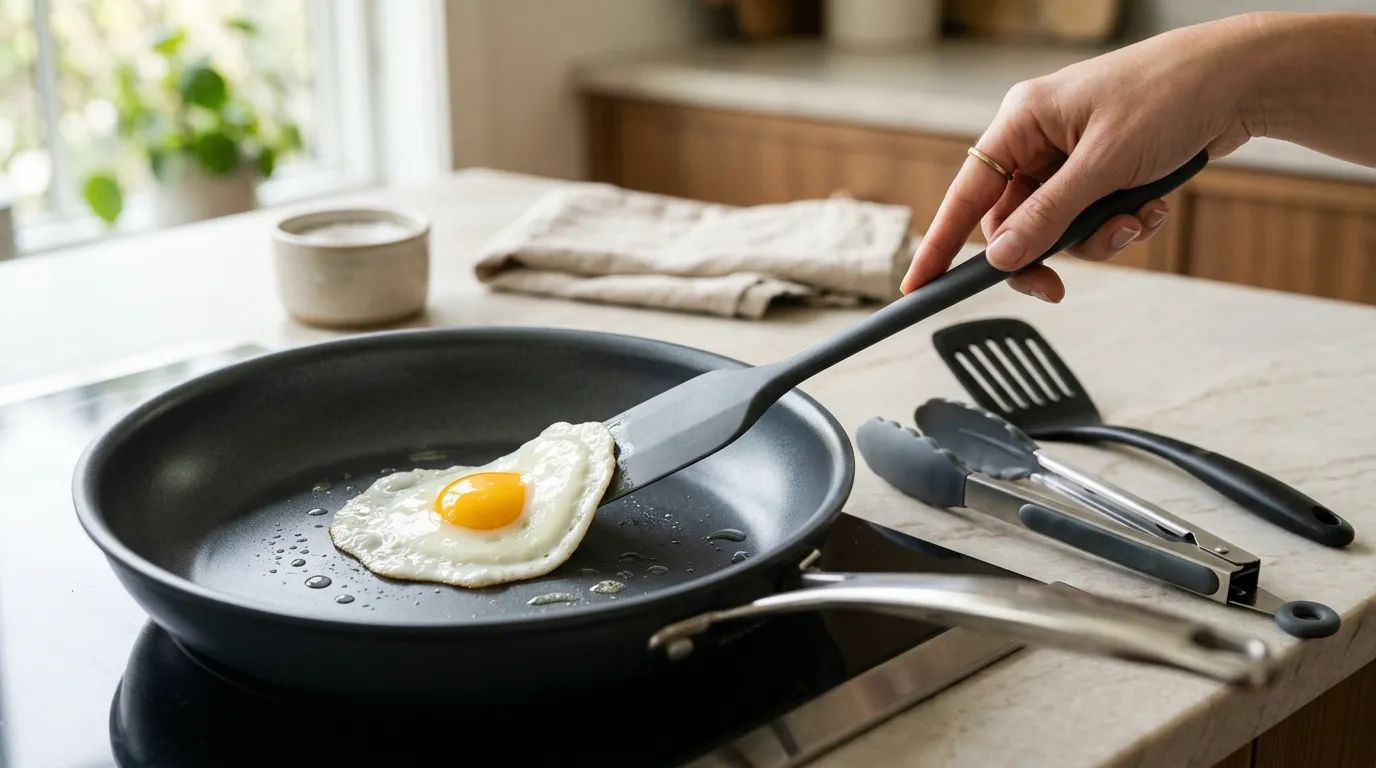
PTFE nonstick gives smooth release and easy cleanup. Ceramic nonstick is PTFE-free and feels grippy but can lose slickness sooner. Both work best on low to medium heat.
Safety groups advise not to overheat empty PTFE pans. Use gentle tools to avoid scratches. In Utensil Materials Explained, nonstick is great for eggs, pancakes, and delicate fish.
Care tips:
- Use silicone, nylon, or wood tools
- Wash by hand to extend life
- Replace when the coating peels or pits
Silicone and Nylon
Silicone is heat resistant, flexible, and quiet on pans. It will not scratch nonstick. It is also safe for most baking and stirring jobs.
Nylon is budget friendly and firm. It can melt at high heat, so watch the flame. In Utensil Materials Explained, silicone wins for high heat and gentle contact.
What I keep in the crock:
- Silicone spatulas for scraping bowls and pans
- Silicone tongs for nonstick safety
- A nylon turner for sturdy flipping
Wood and Bamboo
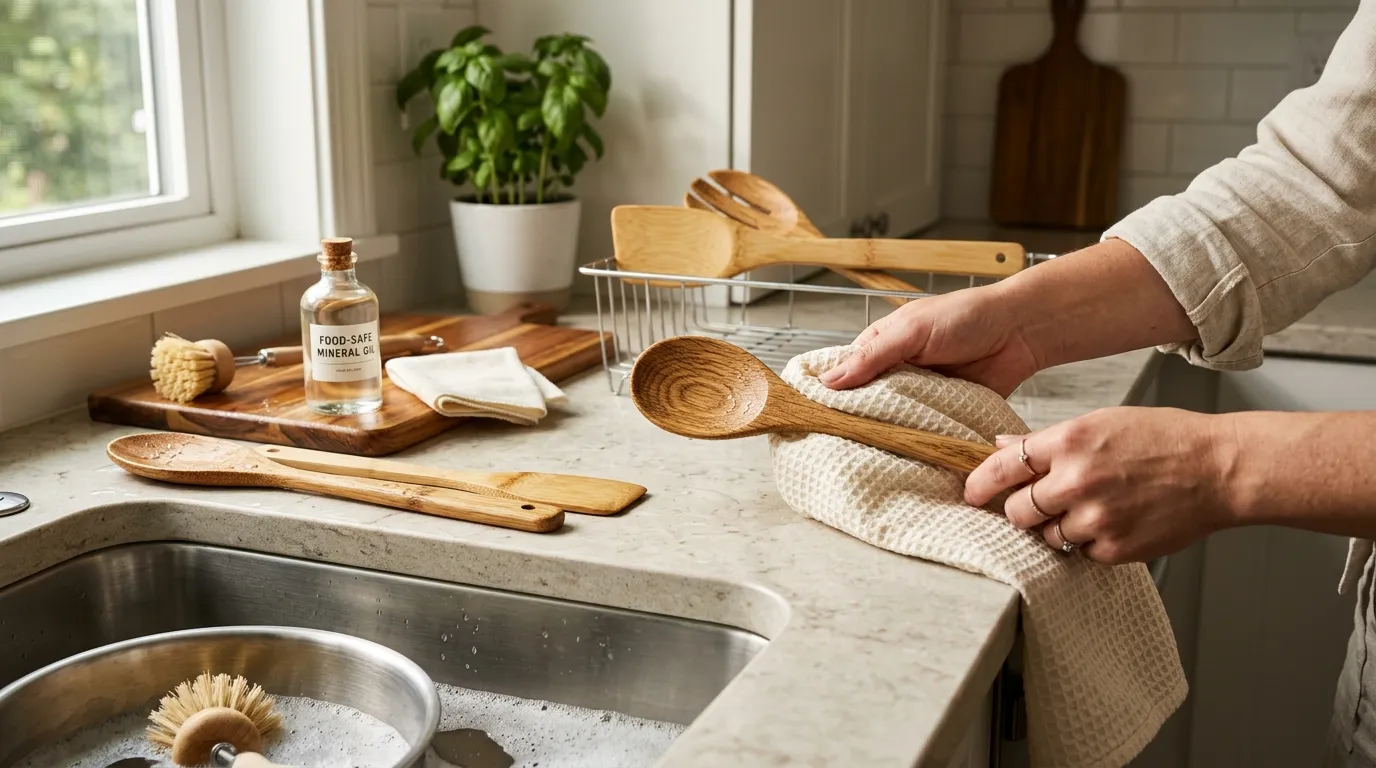
Wood and bamboo feel great in hand. They are gentle on all surfaces. They add a warm, natural touch.
They can stain and hold smells if not cleaned well. Do not soak them. Utensil Materials Explained notes that wood is perfect for cast iron and nonstick.
Care lessons I learned the hard way:
- Wash, dry, and oil with food-safe mineral oil
- Keep out of dishwashers
- Replace when cracked or fuzzy
Glass and Ceramic
Glass and ceramic are nonreactive and do not hold odors. They work well for mixing, baking, and serving. They are easy to see through or keep clean.
They can chip or shatter if dropped or shocked by heat. In Utensil Materials Explained, use these for gentle, even heat and clean flavor.
Good picks:
- Glass bowls for prep and microwaves
- Ceramic bakers for lasagna and gratins
- Avoid hard metal whisks in ceramic
Titanium
Titanium utensils are strong, light, and corrosion resistant. They do not react with food. Many are popular for camping and pro kitchens.
They can feel stiff and cost more. In Utensil Materials Explained, titanium is a niche win for weight and strength.
When I use it:
- Outdoor cooking and travel kits
- Deep pots where a rigid spoon matters
- Stir-fry with heat and speed
Reactive vs Nonreactive Metals
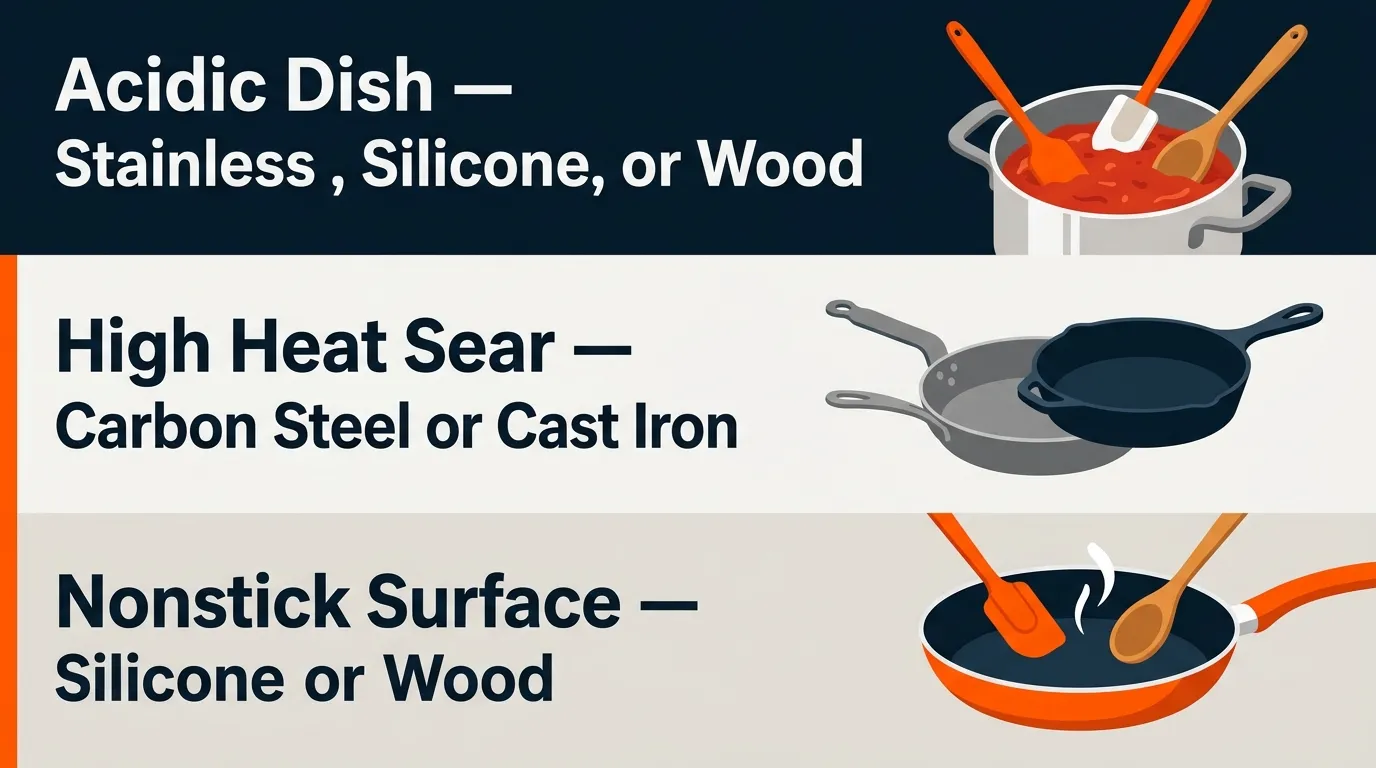
Reactive metals can change color or taste with acidic foods. Examples are bare aluminum, carbon steel, and cast iron without seasoning. Nonreactive metals include stainless steel, glass, and enamel.
Match the tool to the food. Tomato sauce wants nonreactive tools. Utensil Materials Explained makes this choice simple.
Quick checks:
- Acidic dish equals stainless, silicone, or wood
- High heat sear equals carbon steel or cast iron
- Nonstick surface equals silicone or wood
Food Safety, Leaching, and Regulations
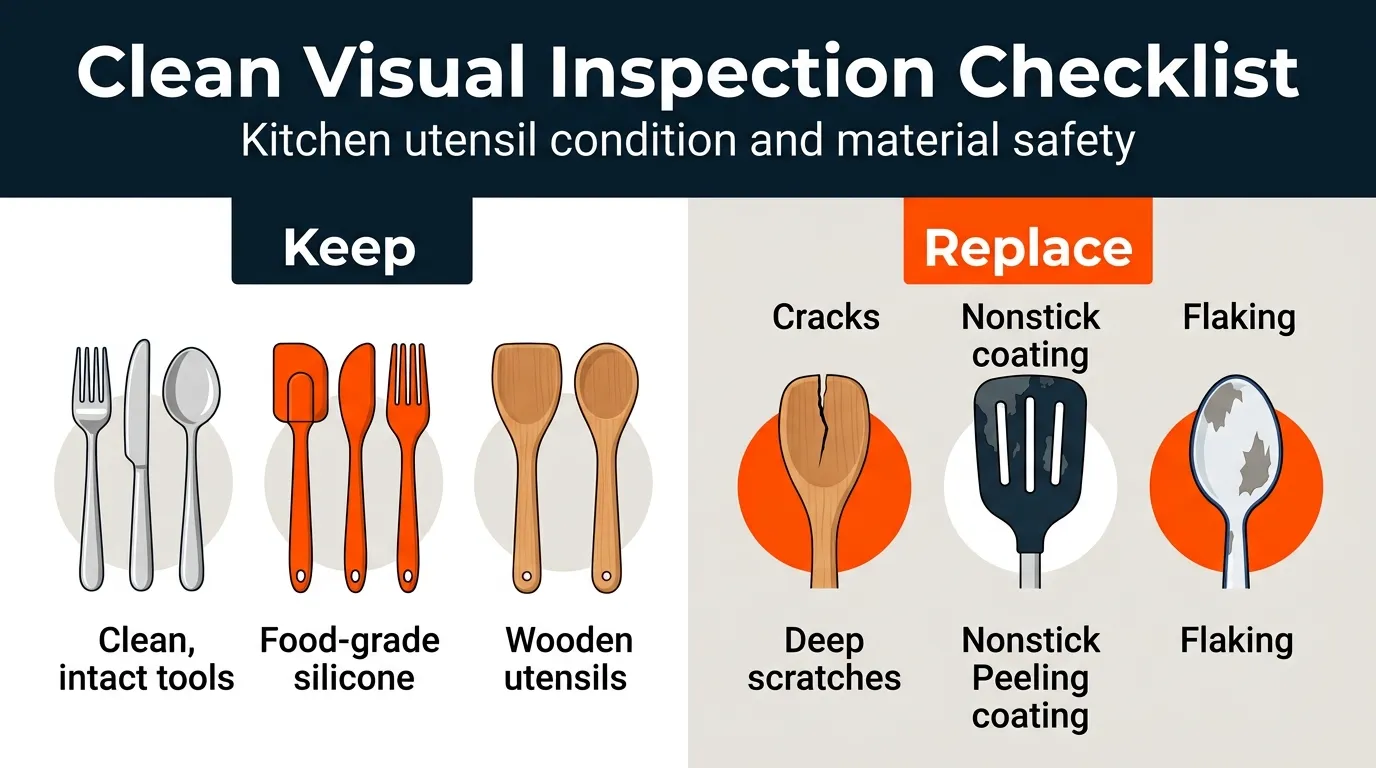
Food safety agencies set rules for contact materials. Quality stainless, silicone, and wood used right are widely accepted as safe. Damaged coatings and unknown alloys are the risks.
Heat, acid, and time increase leaching in some metals. Buy from trusted brands and avoid chipped enamel or peeling nonstick. In Utensil Materials Explained, safety starts with condition and care.
Simple habits:
- Toss tools with cracks, deep scratches, or flaking
- Avoid very high heat on coatings
- Choose BPA-free plastics and certified-grade silicone
Heat, Induction, and Conductivity
Metals move heat at different speeds. Copper and aluminum are fast. Stainless is slower unless layered.
Induction needs magnetic bases. Cast iron and many stainless pans work. In Utensil Materials Explained, pick tools that match your stove and recipe.
Handy notes:
- Use wood or silicone on nonstick and enamel
- Use thin, flexible steel on stainless pans
- Use rigid turners for crust and sear
Care and Maintenance
Good care stretches tool life. Clean, dry, and store well. Avoid harsh pads on coatings.
Season carbon steel and cast iron. Oil wood and bamboo. In Utensil Materials Explained, care is half the game.
My routine:
- Warm water and mild soap for most tools
- Hand-wash nonstick and dry at once
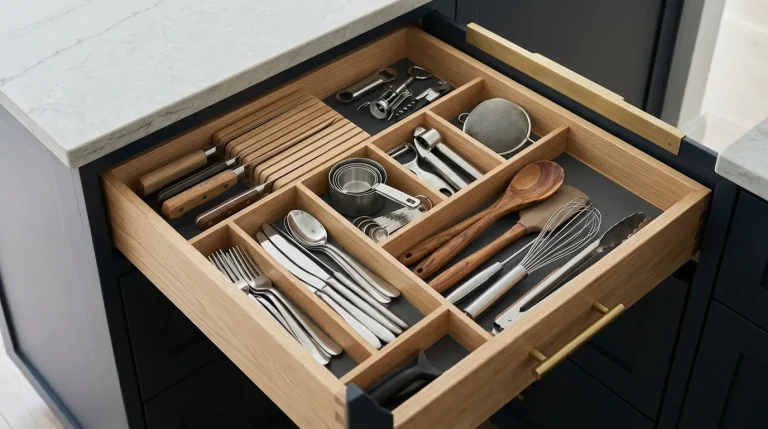
- Hang or tray-store to prevent bent edges
Sustainability and Environmental Impact
Stainless and cast iron can last decades. They are often recyclable. Wood and bamboo are renewable and biodegradable.
Nonstick and cheap plastics wear out faster. They cost more over time. Utensil Materials Explained leans toward long-life, repairable tools.
- Buy once, buy well
- Choose replaceable heads on brushes and spatulas
- Donate or recycle metal tools when possible
How to Choose: A Simple Decision Tree
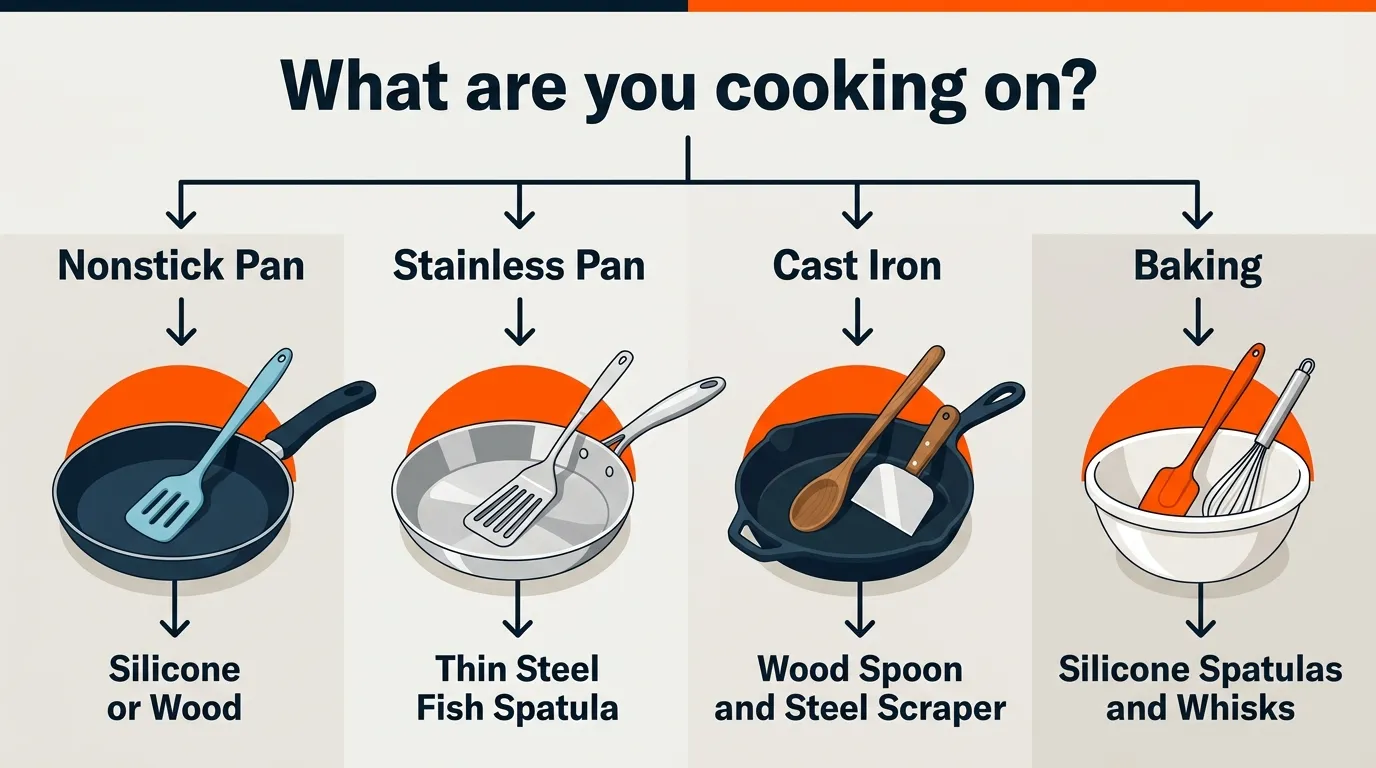
Start with your pan surface and heat level. Then think about acid and cleanup. Set a budget and buy the best you can.
Quick picks from Utensil Materials Explained:
- Nonstick pan equals silicone or wood turner
- Stainless pan equals thin steel fish spatula
- Cast iron equals wood spoon and steel scraper
- Baking equals silicone spatulas and whisks
For a starter kit:
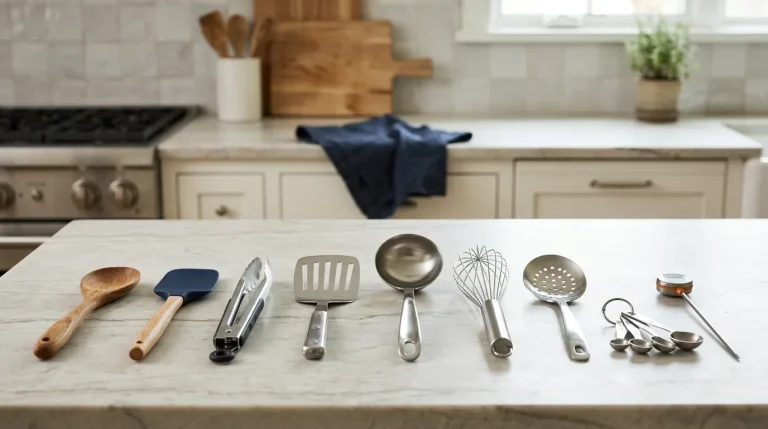
- Stainless spoon and fish spatula
- Silicone high-heat spatula and tongs
- Wood spoon
- Nylon or silicone turner
Common Mistakes to Avoid
Do not use metal on fragile nonstick. It will scratch and peel. Do not overheat empty nonstick pans.
Do not soak wood or cast iron. Rust and swelling follow. In Utensil Materials Explained, small habits prevent big problems.
Avoid these traps:
- Using acidic sauces in bare cast iron for hours
- Scrubbing enamel with steel wool
- Storing wet tools and closing drawers
My Tested Toolkit Recommendations
After years in pro and home kitchens, this mix works best for me. It covers eggs, sauces, sears, and bakes. It keeps costs sensible.
What I use daily:
- Stainless steel fish spatula for control and sear
- Silicone spatulas for scraping and eggs
- Wood spoon for sauté and simmer
- Carbon steel wok spatula for high heat
- Nylon turner for nonstick griddles
This blend reflects Utensil Materials Explained in practice. It balances heat, care, and taste. It lasts and feels good to use.
Price vs Performance
You can get great tools without going luxury. Spend more where it matters. Save where it does not.
Pay up for a good steel spatula and high-heat silicone. Go mid-range for nylon and wood. Utensil Materials Explained favors value and longevity.
Watch for:
- Solid handles with no wobbles
- Material labels and heat ratings
- Return policies and warranties
Frequently Asked Questions of Utensil Materials Explained
Is stainless steel safe for all foods?
Yes, stainless steel is nonreactive and safe for acidic dishes. It also resists rust and stains with normal care.
Can I use metal utensils on nonstick pans?
It is best to avoid metal on nonstick. Use silicone, nylon, or wood to prevent scratches.
Do wooden utensils hold bacteria?
Clean, dry wood is safe. Wash with warm soapy water, dry fast, and oil now and then.
What is the difference between PTFE and ceramic nonstick?
PTFE gives the slickest release and needs lower heat. Ceramic is PTFE-free but can lose nonstick power sooner.
How do I stop cast iron from rusting?
Dry it right after washing and apply a thin oil layer. Heat it to set the oil and store it dry.
Are silicone utensils safe at high heat?
High-quality, food-grade silicone is heat resistant. Check the label for the temperature rating and avoid open flames.
What utensils work on induction cooktops?
The cooktop works with magnetic pans, not utensils. For stirring, choose silicone, wood, or stainless based on the pan surface.
Do copper utensils change food taste?
Bare copper can react, but lined cookware prevents that. Use lined copper for safe cooking and stable flavor.
Conclusion
You now have Utensil Materials Explained from top to bottom. You know what is reactive, what is gentle, and what lasts. You can match tools to recipes, pans, and heat with ease.
Pick two or three upgrades this week. Swap in silicone for nonstick, add a stainless fish spatula, or oil your wood spoons. If this helped, share it with a friend, subscribe for more kitchen guides, and leave a comment with your favorite tool.