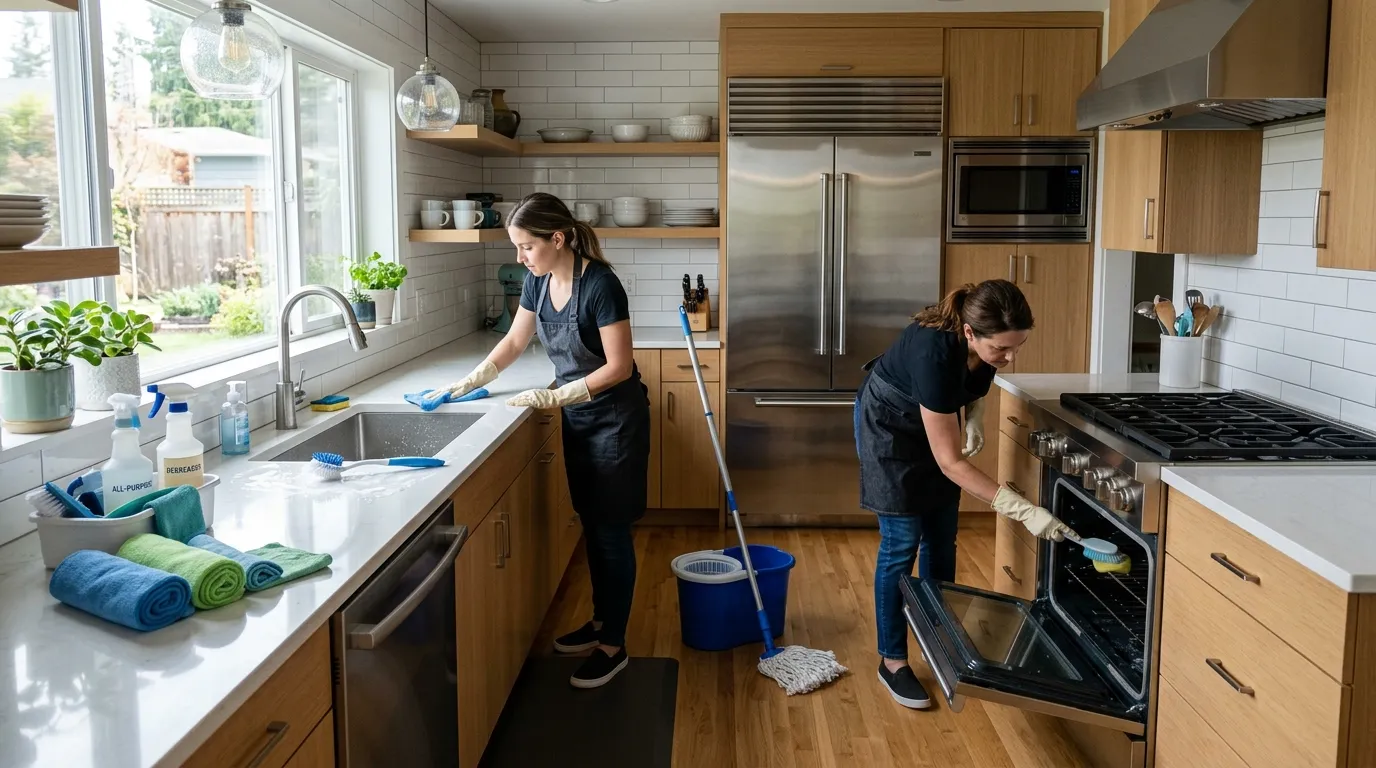
A deep cleaning kitchen guide gives clear steps, tools, and timelines for spotless results.
I have cleaned dozens of home and pro kitchens, and the pattern is the same. Clear plan, right tools, smart order. This deep cleaning kitchen guide shows you how to remove grease, germs, and grime without stress. You will learn what to clean first, what products work best, and how to keep it clean longer.
What Is Deep Cleaning and Why It Matters
A deep cleaning kitchen guide goes past daily wipe downs. It targets grease, biofilm, and odors in hard to reach spots. This boosts food safety and makes gear last longer.
You also save time. A clean range runs better. A clear fridge cuts food waste. The result is a safer, faster, happier cook space.
Key wins you can expect:
- Lower risk of cross contamination and pests
- Better air flow and less smoke and smell
- Faster meal prep with clear zones and tools
Food safety groups suggest clean, rinse, then sanitize on food contact surfaces. This guide follows that flow so you get safe and steady results.
Prep and Safety Checklist
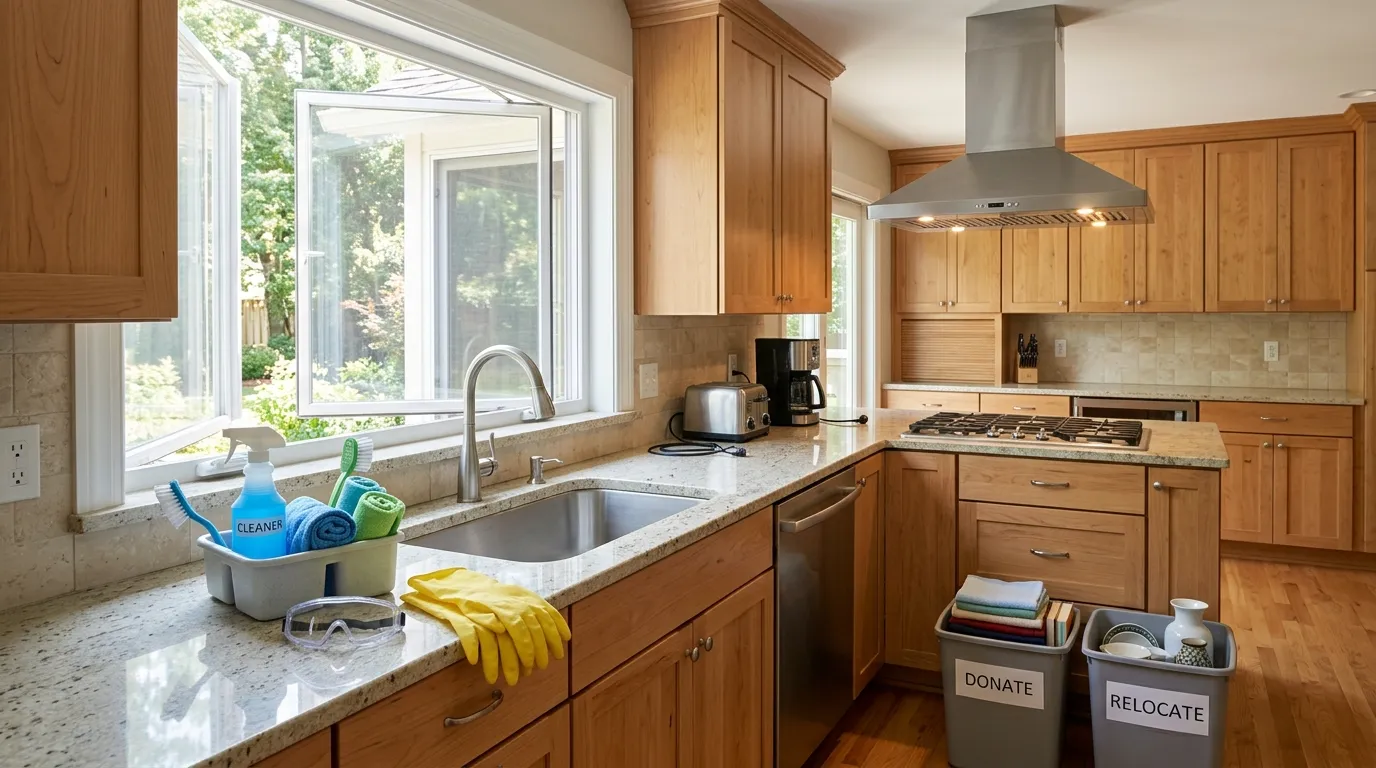
Good prep makes the job smooth. This deep cleaning kitchen guide starts with quick steps to set the stage.
Do this first:
- Open a window and switch on the hood fan. Good air flow helps with fumes and dust.
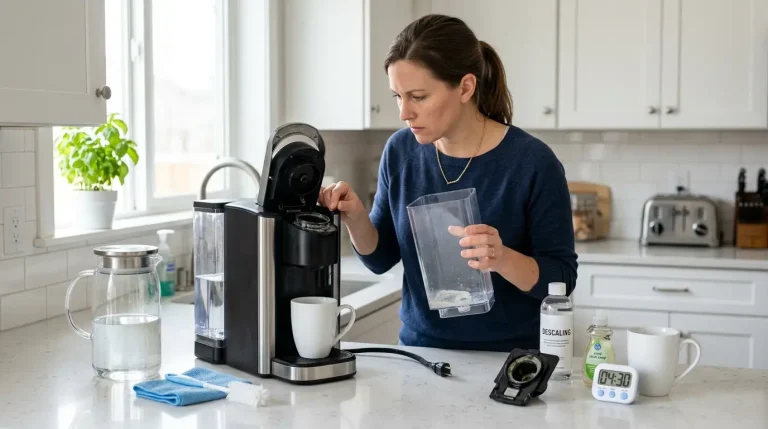
- Unplug small appliances before you clean them. Keep cords dry.
- Wear gloves and, if you spray, eye protection. Your skin will thank you.
- Remove clutter. Empty the sink and clear counters.
- Make two bins. One for donate or toss, one for items that go to a new spot.
Safety notes I follow in every job:
- Never mix bleach and ammonia or vinegar. It creates toxic gas.
- Test a small spot before using a new cleaner.
- Keep pets and kids out of the room until floors are dry.
Tools and Supplies You Will Need
The right kit turns a hard day into a quick win. This deep cleaning kitchen guide leans on safe and tested gear.
Essentials:
- Microfiber cloths, scrub pads, and a soft brush
- A razor scraper for glass cooktops
- A long bottle brush for drains and vents
- Buckets for wash and rinse
- A degreaser, dish soap, baking soda, and white vinegar
- Disinfectant or bleach for sanitizing food contact areas
- Mineral oil or stainless cleaner for appliances
- A vacuum with a brush tool and a mop
Ratios that work:
- For bleach sanitizing, use one tablespoon unscented bleach in one gallon of cool water. Wipe, let it sit for at least one minute, then air dry.
- For a mild degreaser, use a few drops of dish soap in warm water.
Step by Step Deep Cleaning Kitchen Guide Workflow
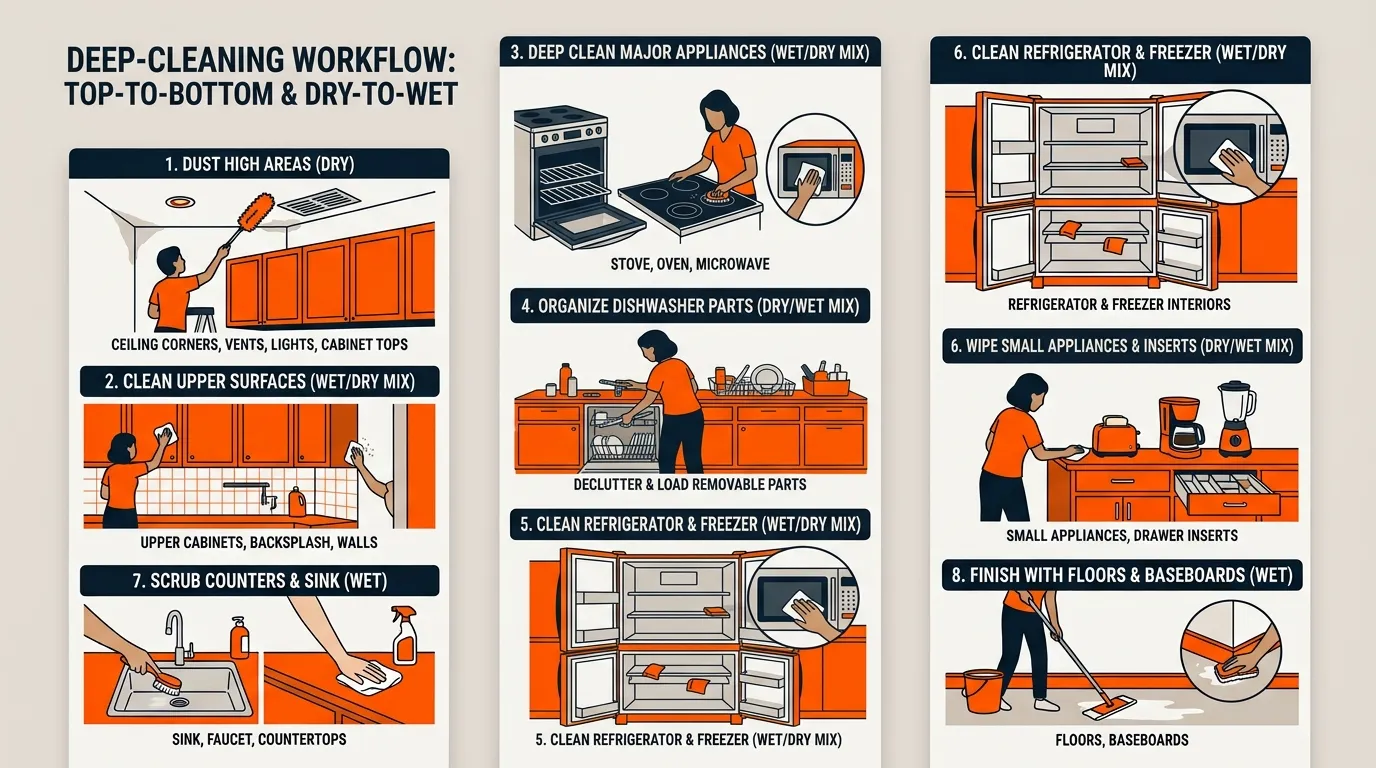
Work from top to bottom and from dry to wet. This keeps dust from falling on clean spots. It also saves time.
Order of work I use:
- Declutter and load the dishwasher with removable parts like shelves and drip trays.
- Dust lights, ceiling corners, vents, and tops of cabinets.
- Clean upper cabinets, then backsplash and walls.
- Deep clean the stove and oven, then the microwave.
- Scrub the sink and faucet, then counters.
- Empty and clean the fridge and freezer.
- Wipe small appliances and drawer inserts.
- Finish with floors and baseboards. Mop last.
Keep two cloths on hand. One for wash and one for rinse. Swap often to avoid streaks.
Appliance Deep Clean
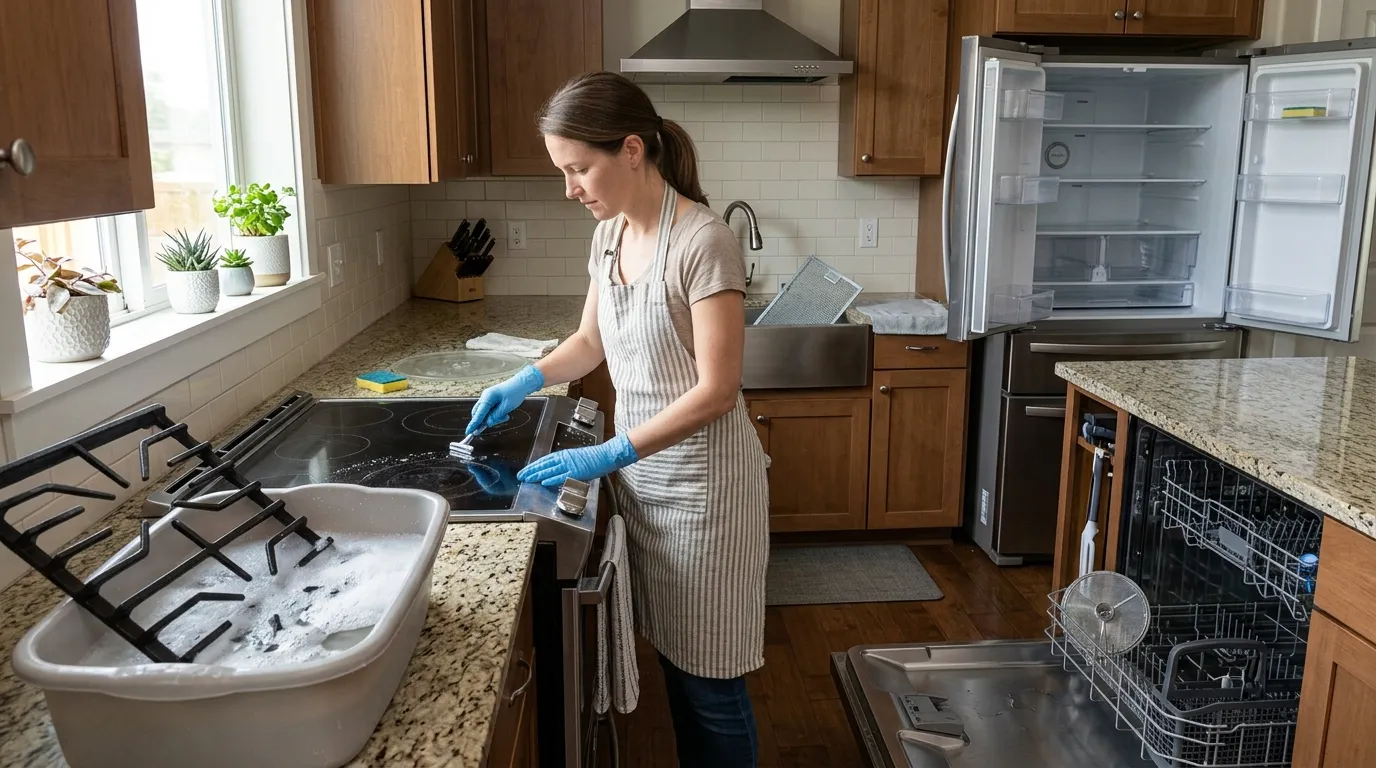
Appliances hold grease and smells. This part of the deep cleaning kitchen guide makes them fresh and safe.
Range and cooktop:
- Remove grates and knobs. Soak in hot soapy water.
- Use a degreaser on the surface. Let it sit, then scrub.
- For glass tops, use a scraper at a shallow angle. Wipe dry.
Oven:
- If self clean, run it when the kitchen is clear and cool.
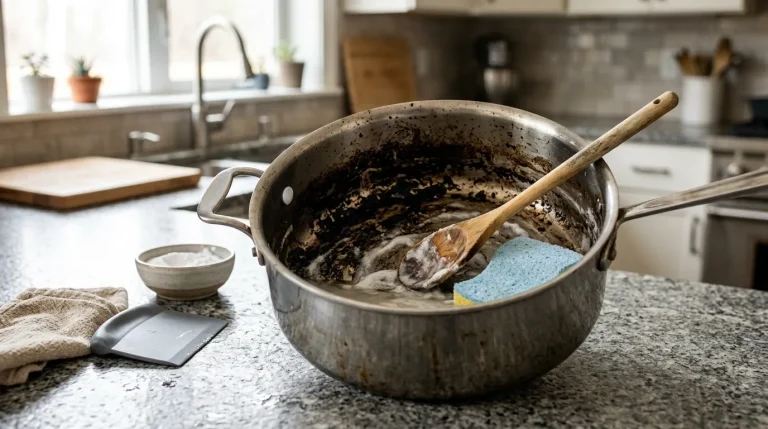
- If manual, use a paste of baking soda and a little water. Spread, wait, then wipe. Spot treat with a safe degreaser.
- Rinse well. Heat the oven for ten minutes to dry.
Microwave:
- Steam a bowl of water with lemon slices for five minutes.
- Wipe the ceiling and vent holes. Clean the turntable.
Fridge and freezer:
- Empty, then pull shelves and bins. Wash in warm soapy water.
- Wipe walls with a mild cleaner. Rinse and dry.
- Place a box of baking soda to absorb odors.
Dishwasher:
- Clean the filter. Remove gunk and rinse under the tap.
- Run a hot cycle with a cup of white vinegar on the top rack.
Hood and filters:
- Soak metal filters in hot soapy water. Scrub and dry.
- Wipe the hood body with a degreaser. Rinse and dry.
Cabinets, Pantry, and Storage Zones
Food zones need care to block pests and waste. This deep cleaning kitchen guide helps you set smart zones.
Cabinets:
- Empty by shelf. Vacuum dust and crumbs.
- Wipe with mild soap and water. Dry at once to protect wood.
- Line shelves only if needed. Avoid sticky liners.
Pantry:
- Check dates and look for damage. Toss items with tears or pests.
- Group by type. Grains, canned goods, baking, snacks.
- Use clear bins and labels. First in, first out.
Drawers:
- Remove inserts and wash. Wipe the drawer box.
- Keep only tools you use weekly. Donate the rest.
Countertops, Sink, and Backsplash
These are high touch spots. This deep cleaning kitchen guide uses a clean, rinse, and sanitize routine.
Countertops:
- Use a cleaner safe for the surface. For stone, avoid vinegar and harsh acids.
- Wipe seams and edges. Rinse and dry to stop water marks.
- Sanitize food prep areas after raw meat.
Sink and faucet:
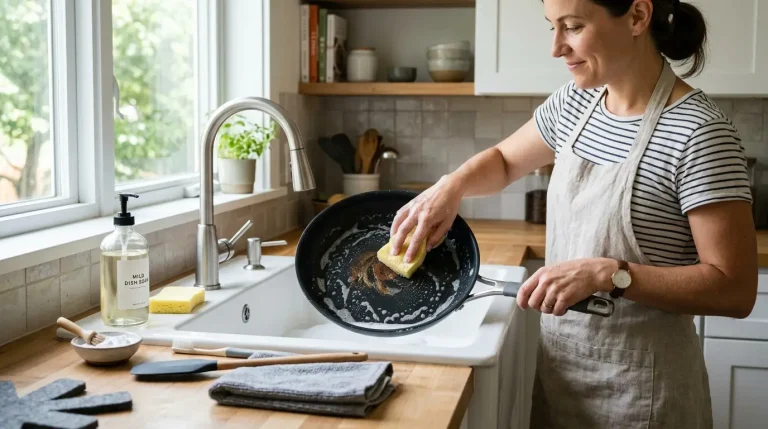
- Scrub with dish soap and a brush. Pay attention to the drain flange.
- Use a bottle brush in the drain. Flush with hot water.
- Remove the aerator. Soak and scrub to clear scale.
Backsplash and grout:
- Spray with a degreaser. Let it sit, then wipe.
- For grout, use a soft brush. Rinse well.
Floors, Walls, and Vents
Grease floats and lands in quiet spots. This deep cleaning kitchen guide chases it down.
Walls and trim:
- Wipe high to low with warm soapy water. Rinse with clean water.
- Pay attention to corners and switch plates.
Vents and baseboards:
- Vacuum first to lift dust.
- Wipe with a damp cloth and a mild cleaner.
Floors:
- Vacuum edges and under the range and fridge. Use a thin wand.
- Mop with a floor safe cleaner. Rinse if needed.
- Dry to avoid slips and streaks.
Eco Friendly Methods, Sanitizing, and Safety
You can clean well and be kind to the air you breathe. This deep cleaning kitchen guide blends both.
Grease control:
- Hot water and soap break grease bonds fast.
- Baking soda adds mild grit for stuck spots.
Odor control:
- Lemon, coffee grounds, or baking soda help with smells.
- Vent fans and open windows cut moisture and odors.
Sanitizing:
- On food contact areas, first wash, then rinse, then sanitize.
- Use a bleach solution per label. Let it sit for at least one minute.
- Alcohol sprays work on some surfaces. Keep away from flames.
Safety checks I run:
- Read labels. Use one product at a time.
- Wear gloves. Wash hands after.
- Store chemicals away from food and kids.
Maintenance Plan and Frequency
Keep the kitchen clean with short, steady habits. This deep cleaning kitchen guide ends with a simple plan.
Daily:
- Wash dishes, wipe counters, and clean the sink.
- Sweep high traffic areas.
Weekly:
- Clean the stove top and microwave.
- Wipe appliance fronts and cabinet pulls.
- Mop the floor.
Monthly:
- Clean the oven and hood filters.
- Empty and wipe one cabinet zone.
Seasonal:
- Deep clean the fridge and freezer.
- Pull and clean under big appliances.
- Check pantry dates and storage.
Common Mistakes to Avoid
Learn from jobs that went wrong. This deep cleaning kitchen guide flags the traps.
Mistakes I see often:
- Cleaning the floor first so dust falls on it again
- Mixing products and getting fumes or sticky films
- Skipping rinse steps, which leaves residue and streaks
- Using vinegar on marble or other natural stone, which etches the surface
- Forgetting to dry metal, which leads to rust or water spots
Pro Tips, Time Savers, and Personal Notes
Small tweaks give big wins. These are the tricks I rely on in every deep cleaning kitchen guide.
Tips that work:
- Pre soak is magic. Let degreaser sit for five minutes before you scrub.
- Use heat. Warm water speeds up soap on greasy film.
- Keep a caddy. Store your core tools in one bin so you start fast.
- Label shelves. It keeps the space neat and cuts clean time later.
- Set a timer. Short sprints beat long marathons. Ten minutes per zone.
Personal notes from the field:
- A headlamp helps spot grease lines under hoods.
- A razor scraper saves hours on glass tops if you use a gentle angle.
- Photograph pantry zones before and after. It helps keep order.
Frequently Asked Questions
How long does a full kitchen deep clean take?
Most home kitchens take three to five hours for one person. Add time for heavy ovens or if you reorganize the pantry.
What should I clean first when deep cleaning a kitchen?
Start high and dry with dusting lights and vents. Then move to cabinets, appliances, counters, and finish with the floor.
Is bleach required to sanitize kitchen surfaces?
No, but it is reliable when used at safe ratios. You can also use approved disinfectants that list kitchen use.
How often should I deep clean my oven?
Every one to three months based on use. If you bake or roast often, clean more often.
Can I use vinegar on all kitchen surfaces?
No. Avoid vinegar on natural stone and some grout. Use a stone safe cleaner for marble, granite, and quartzite.
Conclusion
A clean kitchen is a safe, fast, and joyful place to cook. Use this deep cleaning kitchen guide to plan your steps, pick the right tools, and keep a steady routine. Start with one zone today and build momentum.
Ready to take action? Pick a fifteen minute task and set a timer. If this helped, share it, subscribe for more guides, or leave a question and I will help you plan your next clean.