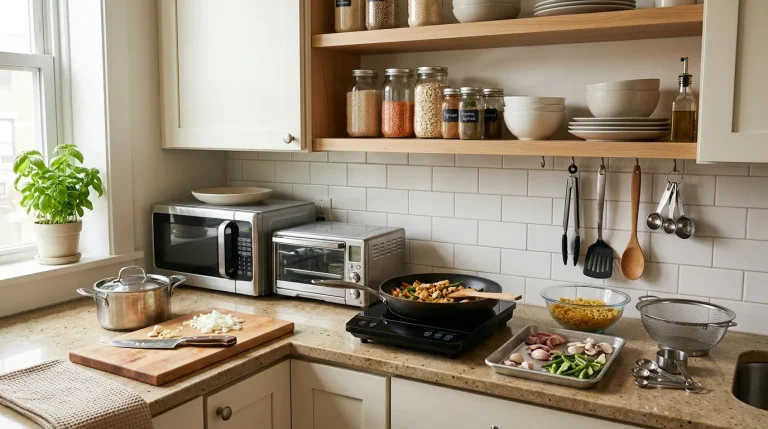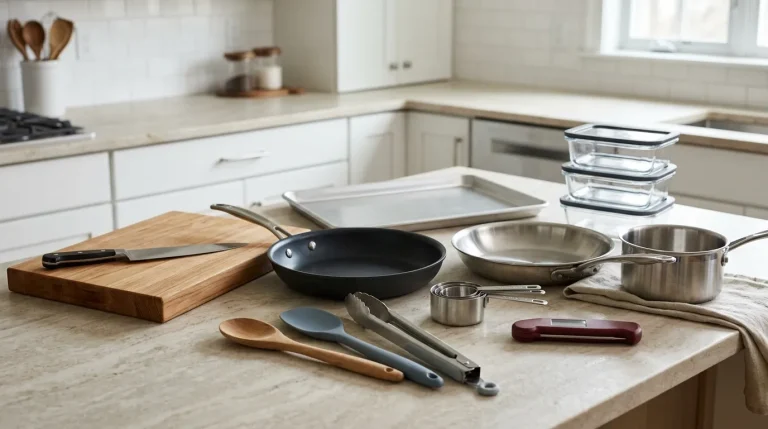

Build a clear kitchen budget, set priorities, and track costs with confidence.
If you want a kitchen that looks great and does not break the bank, you need a clear plan. In this kitchen budget setup guide, I will walk you through how to set a smart budget, avoid common traps, and spend where it counts most. I have planned kitchens for rentals, first homes, and dream spaces. I will share what works, what to skip, and how to keep full control from day one.
What a kitchen budget is and why it matters
A kitchen budget is a simple map for your money. It tells you what you will spend, when you will spend it, and why. It keeps your plan on track and stops surprise costs.
A solid kitchen budget setup guide covers labor, materials, fees, and a safety buffer. It lines up your must-haves and your nice-to-haves. It helps you make smart trade-offs fast.
What your budget should include:
- Cabinets and hardware
- Countertops, sink, and faucet
- Appliances and ventilation
- Flooring, backsplash, and paint
- Lighting and electrical work
- Plumbing and possible gas work
- Labor, permits, delivery, and haul-away
- A 10 to 20 percent contingency
Kitchen budget setup guide: step-by-step
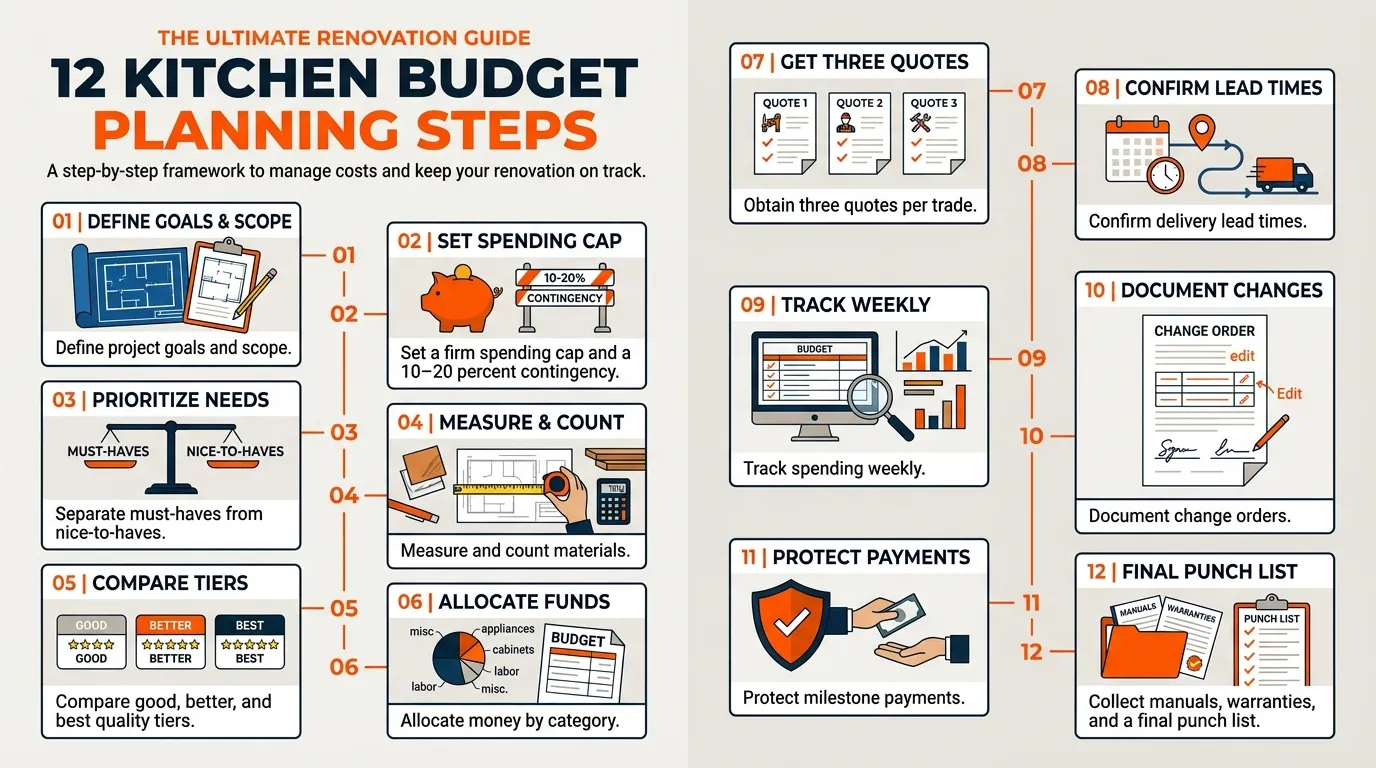
This kitchen budget setup guide keeps the process clear and calm. Follow these steps to plan, price, and protect your project.
- Define the goal and scope
- Write your goal in one line. Example: Brighten the space and add storage under $12,000.
- List the scope. Cosmetic refresh, partial update, or full remodel.
- Set a firm cap and add a buffer
- Pick a total you will not cross.
- Add a 10 to 20 percent buffer for unknowns. Old wiring and hidden leaks can show up.
- Prioritize must-haves vs nice-to-haves
- Must-haves: safe wiring, working layout, durable surfaces.
- Nice-to-haves: pot filler, wine fridge, fancy pulls.
- Measure and count everything
- Measure walls, ceiling height, and room width.
- Count cabinet boxes, handles, lights, outlets, and tiles.
- Price by quality tier
- Good, better, best for each item.
- Set a target tier for each line based on use and wear.
- Allocate by category
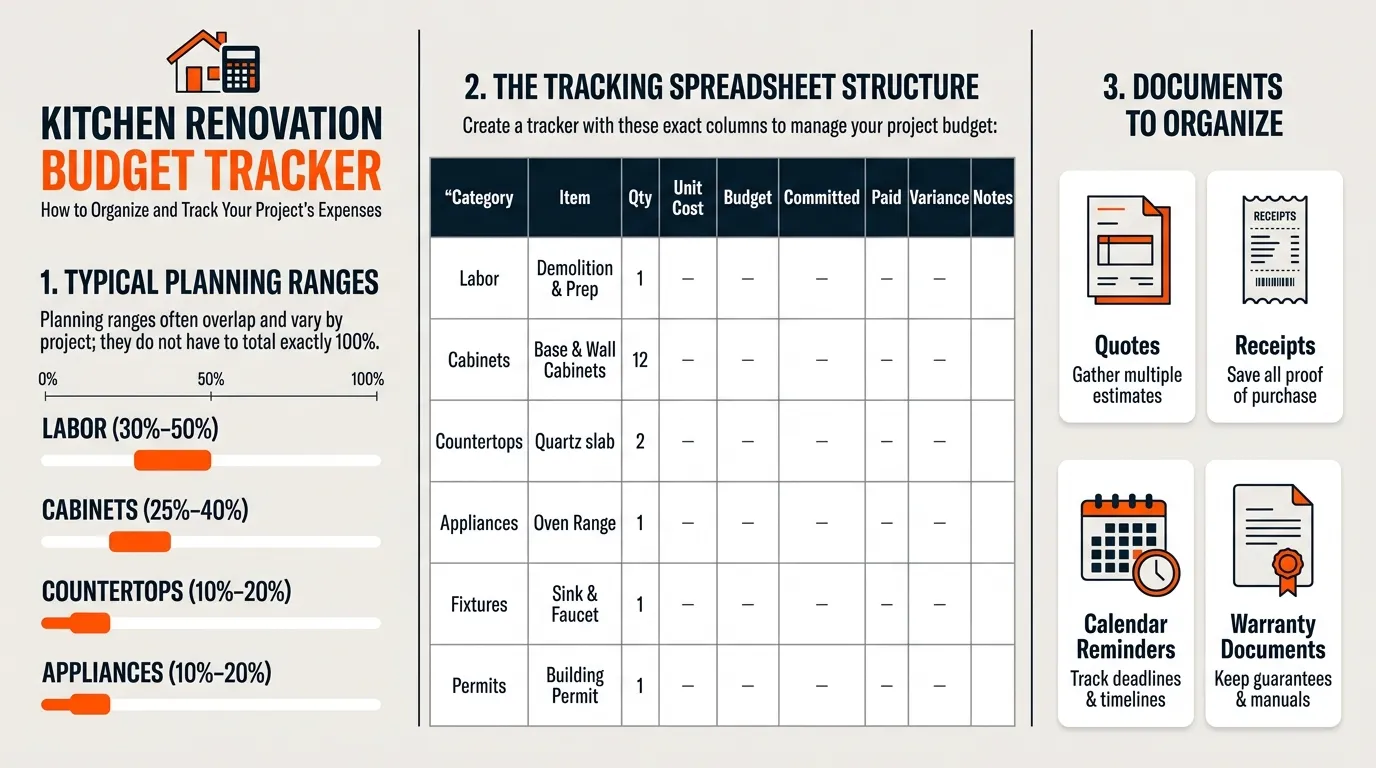
- Labor: 30 to 50 percent for most projects.
- Cabinets: 25 to 40 percent.
- Counters: 10 to 20 percent.
- Appliances: 10 to 20 percent.
- Floor, backsplash, paint, and lighting: the rest.
- Get three quotes per trade
- Ask for itemized bids with brand, model, and scope.
- Compare apples to apples. Materials, labor, timeline, and warranty.
- Lock your timeline and lead times
- Check stock for cabinets, counters, and appliances.
- Plan around delivery windows to avoid idle labor days.
- Track spend weekly
- Use a simple sheet with budget, committed, paid, and variance.
- Update after every order and invoice.
- Manage changes the right way
- Use written change orders with cost and time impact.
- If one line goes up, cut or swap another line.
- Protect payments
- Limit deposits. Pay by milestones. Keep lien releases.
- Use a credit card for materials when you can for buyer protection.
- Close out clean
- Get manuals, serial numbers, and warranties.
- Make a punch list. Fix items before final payment.
Personal tip from many builds: lock appliance models early. Sizes drive cabinet and counter cuts. When those shift late, costs jump. This kitchen budget setup guide works best when you freeze specs before orders go in.
Cost benchmarks and smart trade-offs

Prices vary by market, brand, and labor. Use these ranges to frame your plan. Then tune with local quotes. A tight kitchen budget setup guide blends these numbers with your space and goals.
Category ranges and tips:
- Cabinets
- Stock: $80 to $200 per linear foot
- Semi-custom: $250 to $650 per linear foot
- Custom: $700+ per linear foot
- Tip: Upgrade hinges and slides. They boost daily use more than door profile.
- Countertops (installed)
- Laminate: $20 to $60 per square foot
- Butcher block: $40 to $100 per square foot
- Quartz: $60 to $120 per square foot
- Natural stone: $60 to $150 per square foot
- Tip: Save with a standard eased edge and a top-mount sink.
- Appliances (four-piece set)
- Basic: $1,800 to $4,000
- Mid-range: $4,000 to $8,000
- Pro look: $10,000 to $20,000+
- Tip: Buy as a package for rebates and matching finishes.
- Flooring (materials plus basic install)
- Luxury vinyl plank: $2 to $5 per square foot
- Porcelain tile: $5 to $15 per square foot
- Engineered wood: $6 to $12 per square foot
- Tip: Tile needs flat subfloors. Budget for prep.
- Lighting and electrical
- New recessed lights: $100 to $250 each installed
- Under-cabinet lights: $150 to $400 per run
- Panel or circuit upgrades can add $500 to $2,000
- Tip: Plan three layers. General, task, and accent.
- Plumbing
- Faucet: $100 to $400
- Sink: $100 to $500
- Moving lines can add $300 to $1,500
- Tip: Keep sink and range near old spots to save.
- Labor share
- Often 30 to 50 percent of the total cost
- Tip: Use licensed pros for gas, electrical, and structural work.
On resale value, minor kitchen updates often return a strong share of cost, but returns vary by city and price point. The safest bet is to fix layout pain and choose durable, classic finishes.
Tools, templates, and tracking
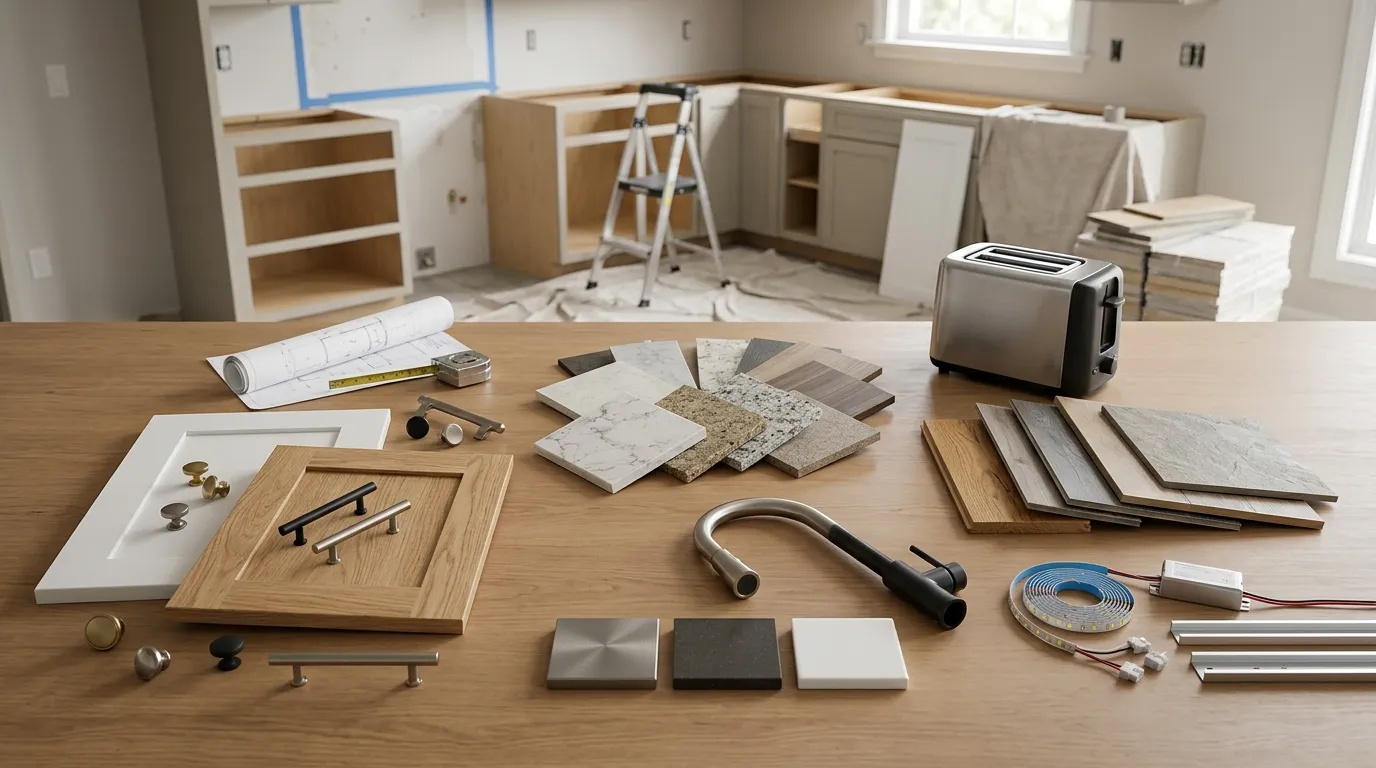
The best kitchen budget setup guide is easy to read and easy to update. Use a simple tool you will open each week. Fancy is not needed. Clear beats complex.
What to set up:
- Spreadsheet layout
- Columns: Category, Item, Brand/Model, Qty, Unit Cost, Budget, Committed, Paid, Variance, Notes.
- Tabs: Summary, Quotes, Orders, Changes, Warranties.
- Category list to start
- Demo, framing, drywall, electrical, plumbing, cabinets, counters, appliances, floors, backsplash, paint, hardware, lighting, permits, delivery, cleanup.
- Cash flow plan
- Set aside funds by month.
- Track deposits and final payments.
- Document control
- Save PDFs of quotes and receipts.
- Name files with date_vendor_item for quick search.
- Apps and alerts
- Use calendar alerts for order cutoffs and delivery windows.
- Use shared notes if more than one person buys items.
Pro tip: Print the summary page and tape it inside a cabinet. Everyone can see the plan and stick to it.
Common mistakes and how to avoid them
Even good plans drift without guardrails. This kitchen budget setup guide calls out the traps I see most. Avoid them and you will save time and cash.
Mistakes to watch for:
- No defined scope
- Fix: Write a one-page scope. Share it with every bidder.
- Weak contingency
- Fix: Keep 10 to 20 percent in reserve. Do not touch it early.
- Picking finishes before measuring
- Fix: Measure first. Choose items that fit your real sizes.
- Chasing trends over use
- Fix: Choose durable, easy-to-clean surfaces. Think five years, not five weeks.
- Paying too much up front
- Fix: Tie payments to milestones and inspections.
- Ignoring permits and code
- Fix: Ask your city early. Add permit time into the plan.
- Not checking lead times
- Fix: Confirm ship dates before demo. Store early orders in a safe, dry spot.
Low-budget kitchen: two real-world plans
You can do a lot with a small fund when the plan is tight. Here are two real plans from jobs I guided. Use them as models in your own kitchen budget setup guide.
Plan A: $1,500 weekend refresh
- Paint cabinets with hard-wearing enamel. DIY labor.
- New hardware, new faucet, and a deep clean of grout.
- Peel-and-stick backsplash in a simple pattern.
- Two new LED fixtures and bright bulbs.
- Result: Big mood lift, better task light, and cleaner lines.
Plan B: $8,000 light remodel
- Ready-to-assemble cabinets for a small galley.
- Butcher block counters with a drop-in sink.
- Mid-range appliance bundle bought on sale.
- Luxury vinyl plank over sound subfloor.
- Result: Fresh storage, warm look, and easy care surfaces.
What I learned from both: order hardware and lighting first. Small parts delay big work if they arrive late. This one move saved days on site and kept the budget safe.
Frequently Asked Questions of kitchen budget setup guide
How much should I budget for a kitchen remodel?
Many homeowners spend 5 to 15 percent of home value. A light update can be a few thousand dollars, while a full gut can run much more.
What is a good contingency for a kitchen budget?
Aim for 10 to 20 percent. Older homes or layout changes need the higher end.
Is DIY worth it in a kitchen?
DIY can save on paint, demo, and hardware. Hire licensed pros for electrical, gas, and complex plumbing to protect safety and insurance.
How do I save the most on cabinets?
Keep the layout and use stock sizes. Upgrade hinges and slides, and skip custom boxes unless layout needs them.
What costs are often missed?
Delivery, haul-away, trim pieces, outlet upgrades, and caulk add up. Add permit fees and tool rentals to your plan.
Should I buy appliances or cabinets first?
Pick appliances first and lock sizes. Cabinets and counters must fit those exact models.
How long does a budget kitchen project take?
A refresh can take a weekend. A light remodel can take two to six weeks, depending on lead times and inspections.
Conclusion
A strong kitchen budget starts with clear goals, real numbers, and steady tracking. Use this kitchen budget setup guide to set your cap, price each part, and protect your plan when changes pop up.
Start today: list your must-haves, set your contingency, and book three quotes. If this kitchen budget setup guide helped, subscribe for more home planning tips, or drop a comment with your questions and wins.