Choose bakeware by material, coating, thickness, color, and the way you bake.
You are here because you want to know how to choose bakeware that actually works. I test pans for a living and bake at home every week. In this guide on how to choose bakeware, I break down materials, coatings, size, and care with simple, proven tips. You will leave ready to buy with confidence and bake with joy.

Start with your baking goals
Your pan should match what you bake most. Cookies like quick heat and even browning. Custards like steady heat and slow rise. Sourdough needs strong walls and high heat.
Ask yourself a few key questions. How often do I bake each week. What is my oven size and hot spots. Do I want deep browning or gentle color.
If you wonder how to choose bakeware for your oven, start with fit and heat. Knowing how to choose bakeware also saves money and space. Start small, then add as you learn.
Bakeware materials explained
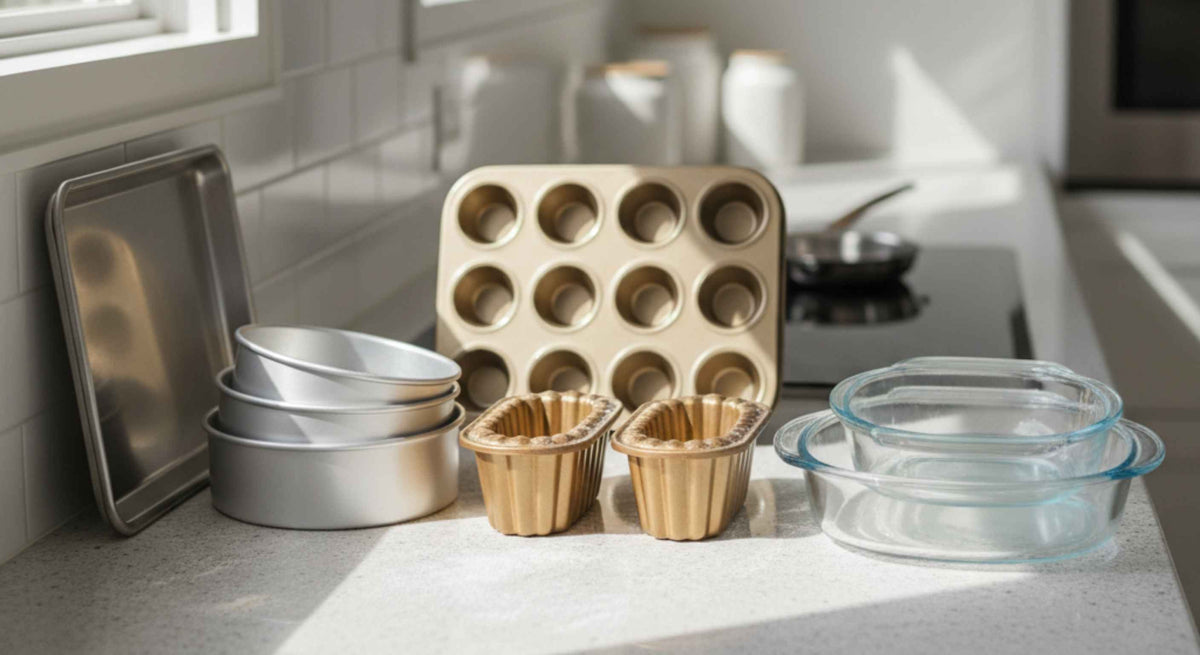
Material controls heat, browning, weight, and care. Here is what I use and why.
Aluminum, bare or anodized
- Heats fast and even. Great for cookies and cakes.
- Light color slows browning a bit. Safe up to high heat.
- My go-to half sheet pans are heavy gauge aluminum. They do not warp.
Aluminized steel
- Steel core with aluminum coat. Strong and even.
- Ideal for sheet pans and loaf pans. Often more rigid than plain aluminum.
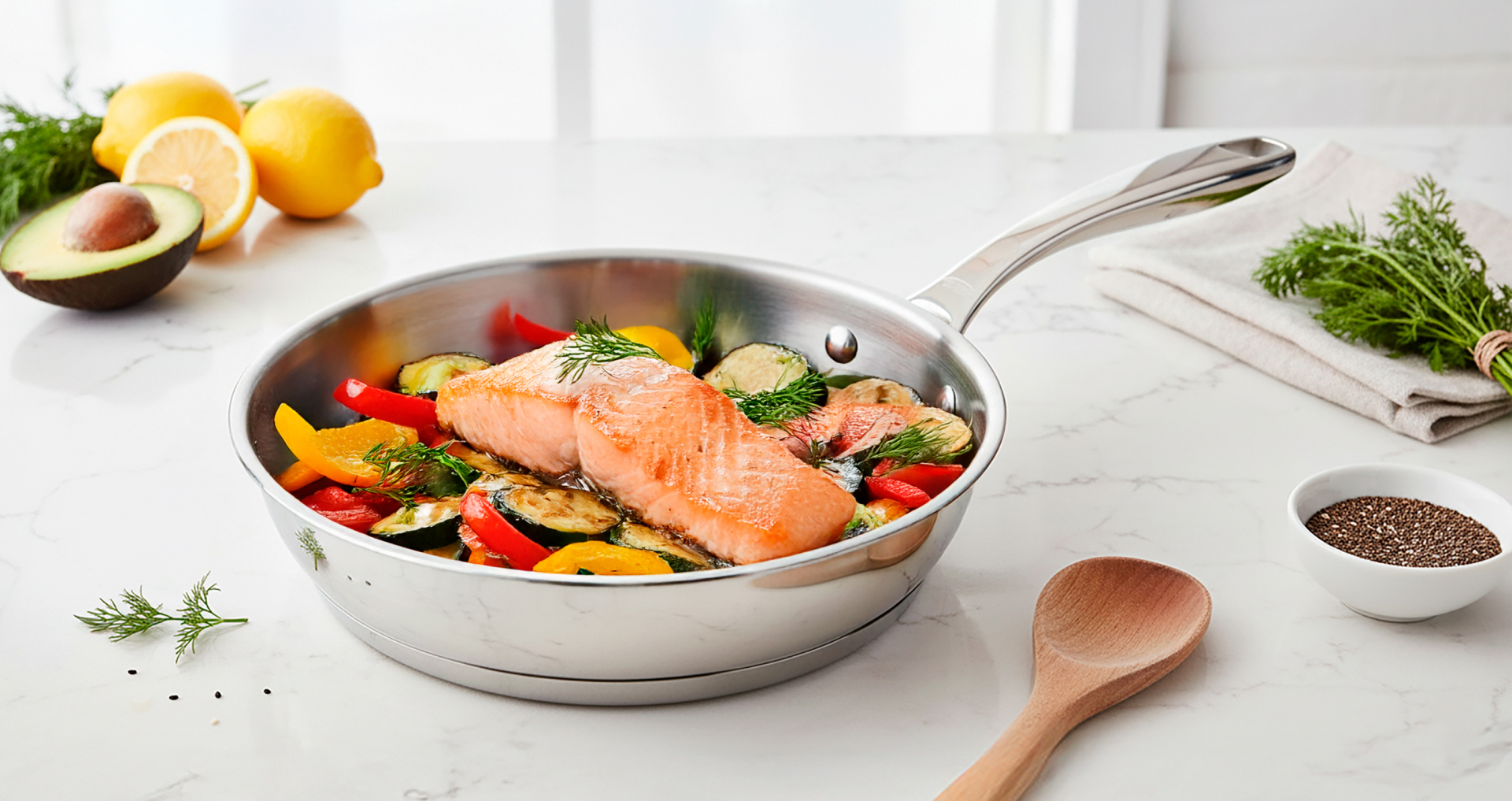
Stainless steel
- Very durable. Often slow and uneven for baking.
- Best for roasting pans, not for cookies.
Carbon steel
- Strong, seasons like cast iron. Great for pizzas and sheet pans.
- Browns well. Needs seasoning and light oil.
Cast iron and enameled cast iron
- Holds heat very well. Great for bread and pies that like a crisp base.
- Heavy. Slow to heat and cool.
Glass, like borosilicate
- Clear, so you can see browning. Holds heat well.
- Bakes slower. Watch for thermal shock. I like glass for pies and casseroles.
Ceramic and stoneware
- Even heat and nice look. Great for pies and crisps.
- Slower preheat. Check for lead-free glazes.
Silicone
- Nonstick and easy release. Perfect for muffins and candies.
- Weak browning. Needs a sheet pan under it for support.
Copper
- Very fast and even. Pricey and needs care.
- Rare for home bakers, but great for sugar work.
When you ask how to choose bakeware, start with material. Pick for your most common recipes, not rare ones.

Coatings and finishes
Coating affects release, browning, and care.
PTFE nonstick
- Very slick. Easy cleanup. Great for muffins and cakes.
- Use below about 500°F. Avoid metal tools. PFOA-free is now standard.
Ceramic nonstick
- PTFE-free. Good release at first.
- Can lose slickness faster under heavy use.
Uncoated and seasoned
- Aluminum or carbon steel can be used bare or seasoned.
- Needs oil and parchment. Rewards you with top browning.
Enameled coatings
- On cast iron or steel. Hard and colorful.
- Good for bread and cobblers. Avoid big thermal shocks.
If you are learning how to choose bakeware for sticky batters, consider one or two nonstick pieces. Keep most pans uncoated for better sear and longer life.
Thickness, weight, and construction
Gauge and build stop warping and improve browning.
What to look for
- Lower gauge number means thicker metal. Aim for 13 gauge or thicker for sheets.
- Rolled or reinforced rims resist warping.
- Flat, heavy bases heat more even than thin ones.
Color matters
- Dark pans brown faster. Light pans bake gentler.
- For cakes, I like light pans. For veggies and pizzas, I like darker steel.
Learning how to choose bakeware means checking heft in your hand. A sturdy pan feels solid and stays flat under heat.
Sizes and shapes you will use most
Match pan size to recipes and your oven.
Core sizes
- Half sheet, 18 by 13 inches. Workhorse for cookies, veggies, and sheet cakes.
- Quarter sheet, 13 by 9 inches. Fits toaster ovens and small jobs.
- 9 by 13 inch pan. Brownies, bars, lasagna, snack cakes.
- Two 8 or 9 inch round cake pans. Most layer cakes.
- 9 by 5 inch loaf pan. Quick breads and meatloaf.
- 12 cup muffin tin. Cupcakes and muffins.
- 9 inch glass pie plate. Classic pies and quiche.
Check fit
- Measure your oven racks. Leave space for air to flow.
- Springform bases vary. Line with parchment to stop leaks.
When thinking how to choose bakeware, buy sizes that match standard recipes. That keeps times and temps accurate.

Performance tips: heat, browning, and sticking
Small moves change results a lot.
Better browning
- Preheat the pan for pizza and oven fries.
- Use darker or heavier steel for more color.
Even baking
- Keep pans in the center third of the oven.
- Rotate once for long bakes if your oven has hot spots.
Stick control
- Use parchment for cookies and bars.
- Lightly grease and flour for cakes, even in nonstick.
If you want to master how to choose bakeware and use it well, pair good pans with smart setup. The combo is what wins.
Care, cleaning, and durability
Care rules protect coatings and keep pans flat.
Nonstick
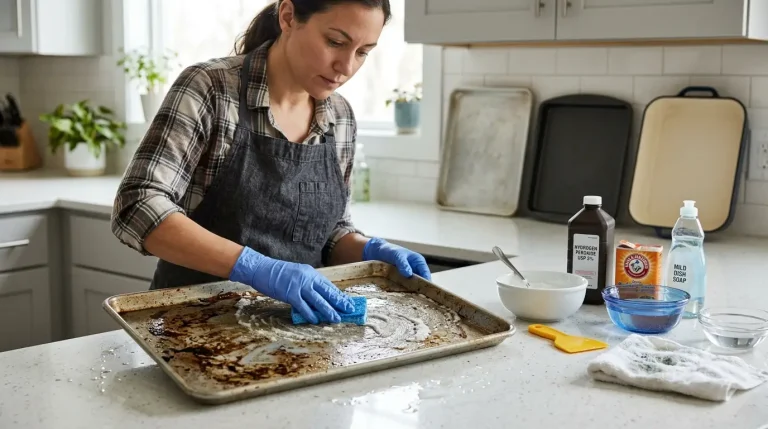
- Hand wash with a soft sponge. No spray oils that leave residue.
- Use silicone or wood tools. Store with a cloth between pans.
Aluminum and steel
- Hand wash to prevent discolor. Dry well to avoid rust on steel.
- If a sheet warps hot out of the oven, let it cool flat on the rack.
Glass and ceramic
- Avoid big temperature swings. Do not add cold liquid to hot glass.
- Stuck bits release after a short soak with warm water and soap.
Learning how to choose bakeware also means planning how you will care for it. A little care makes pans last for years.

Health, safety, and eco notes
Bake safe, and buy with care.
Temperature and coatings
- PTFE is stable when used below about 500°F. Keep heat moderate and vent smoke.
- Ceramic coatings are PTFE-free but can wear. Replace if scratched or chipped.
Materials and tests
- Look for food-grade silicone with LFGB or FDA marks.
- Choose modern ceramic and glass from trusted makers to avoid lead and cadmium.
Waste and recycling
- Bare aluminum is often recyclable. Check local rules.
- Buy fewer, better pans. That cuts waste and saves cash.
When sorting how to choose bakeware, weigh safety and lifespan. Durable, safe pieces are the green choice too.
Budget, brands, and what to skip
You do not need a full set on day one.
Smart spends
- Spend on heavy sheet pans and cake pans. They touch most bakes.
- Save on specialty shapes you will use twice a year.
Brand signals
- Clear specs like gauge, max temp, and warranty are good signs.
- Avoid flimsy, very light pans that bend in your hand.
When friends ask me how to choose bakeware on a budget, I tell them to buy fewer pieces, but sturdy ones. You will feel the upgrade on day one.
A practical starter kit
This small set covers most home baking.
For a beginner
- Two heavy half sheet pans plus one wire rack.
- One 9 by 13 inch metal pan.
- Two 8 or 9 inch light aluminum cake rounds.
- One 12 cup nonstick muffin tin.
- One 9 inch glass pie plate.
- One carbon steel or cast iron skillet for high-heat bread and pizza.
Add later
- Springform pan for cheesecakes.
- Tart pan with removable base.
- Pullman loaf pan if you love sandwich bread.
If you still wonder how to choose bakeware for your first year, start here. Fill gaps as you learn what you love to bake.
Frequently Asked Questions of how to choose bakeware
Is aluminum or stainless steel better for baking?
Aluminum heats faster and more even, so it is better for cookies and cakes. Stainless is tough but can bake uneven.
Do dark pans bake faster than light pans?
Yes. Dark pans absorb more heat and brown faster. Reduce oven temp by 25°F or check early.
Is nonstick bakeware safe?
Yes when used below about 500°F and not scratched. Use soft tools and hand wash.
Can I put glass bakeware under the broiler?
No. Most glass is not broiler-safe and can shatter. Use metal under the broiler.
What size sheet pan should I buy first?
A half sheet, 18 by 13 inches, fits most ovens and jobs. Add a quarter sheet for small tasks.
How do I stop pans from warping?
Buy thicker pans with rolled rims and avoid sudden temperature shocks. Let hot pans cool on a flat rack.
What is the best bakeware for sourdough bread?
A preheated cast iron Dutch oven or heavy steel pan gives great spring and crust. It traps steam and holds heat.
Conclusion
Great bakes start with great pans that fit your recipes, oven, and habits. Pick the right material, the right thickness, and a few core sizes. Care for them well, and they will reward you every week.
Use this guide on how to choose bakeware as your checklist on your next trip or click. Start with two good sheet pans and a 9 by 13, then build with purpose. Ready to bake smarter? Subscribe for more tested tips, or drop your questions in the comments.