Use the right pan, prep it well, control heat, and cool correctly.
If you bake often, you know small steps make big wins. In this guide, I’ll show you how to use bakeware properly with clear steps, pro tips, and real examples from my test kitchen. We will cover tools, prep, oven setup, and care. By the end, you will feel confident and know exactly how to use bakeware properly for even browning, easy release, and great texture.
Understand Bakeware Materials and Heat
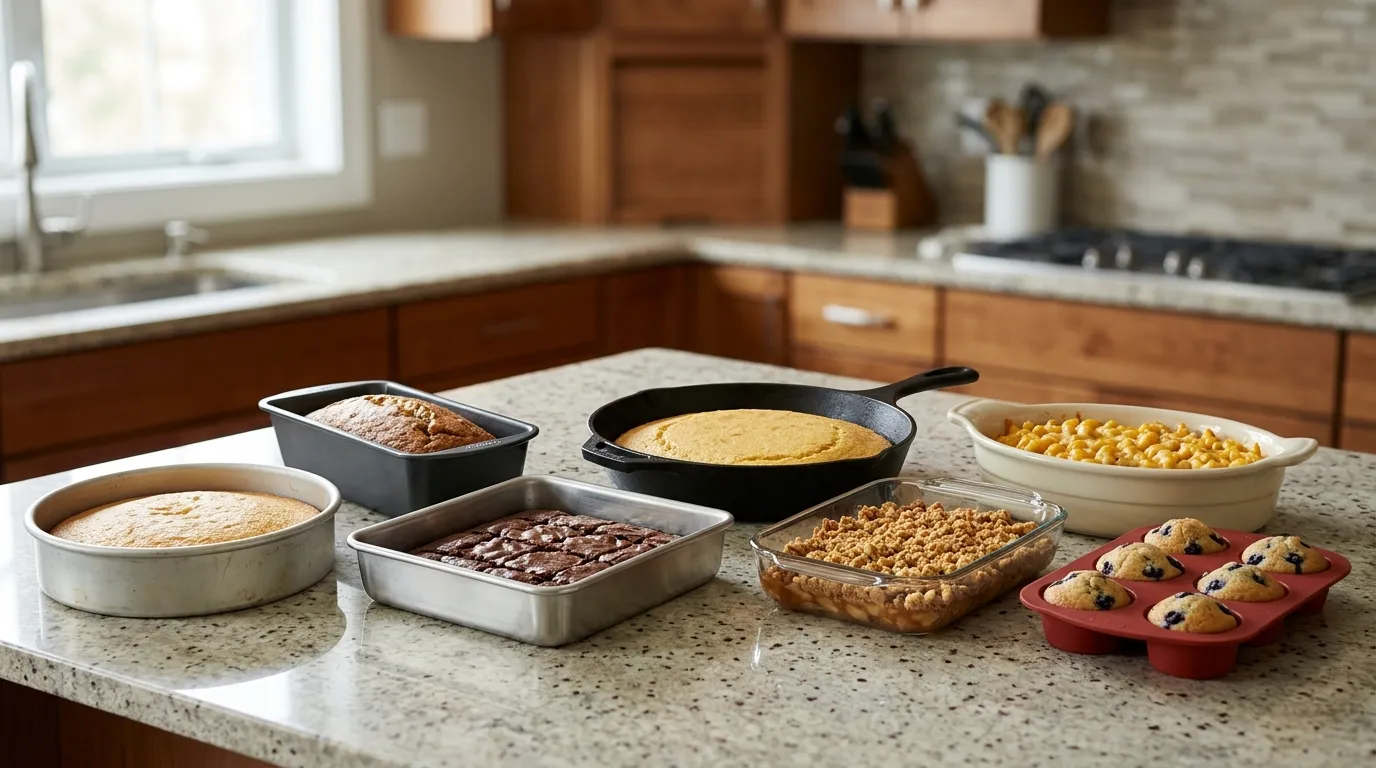
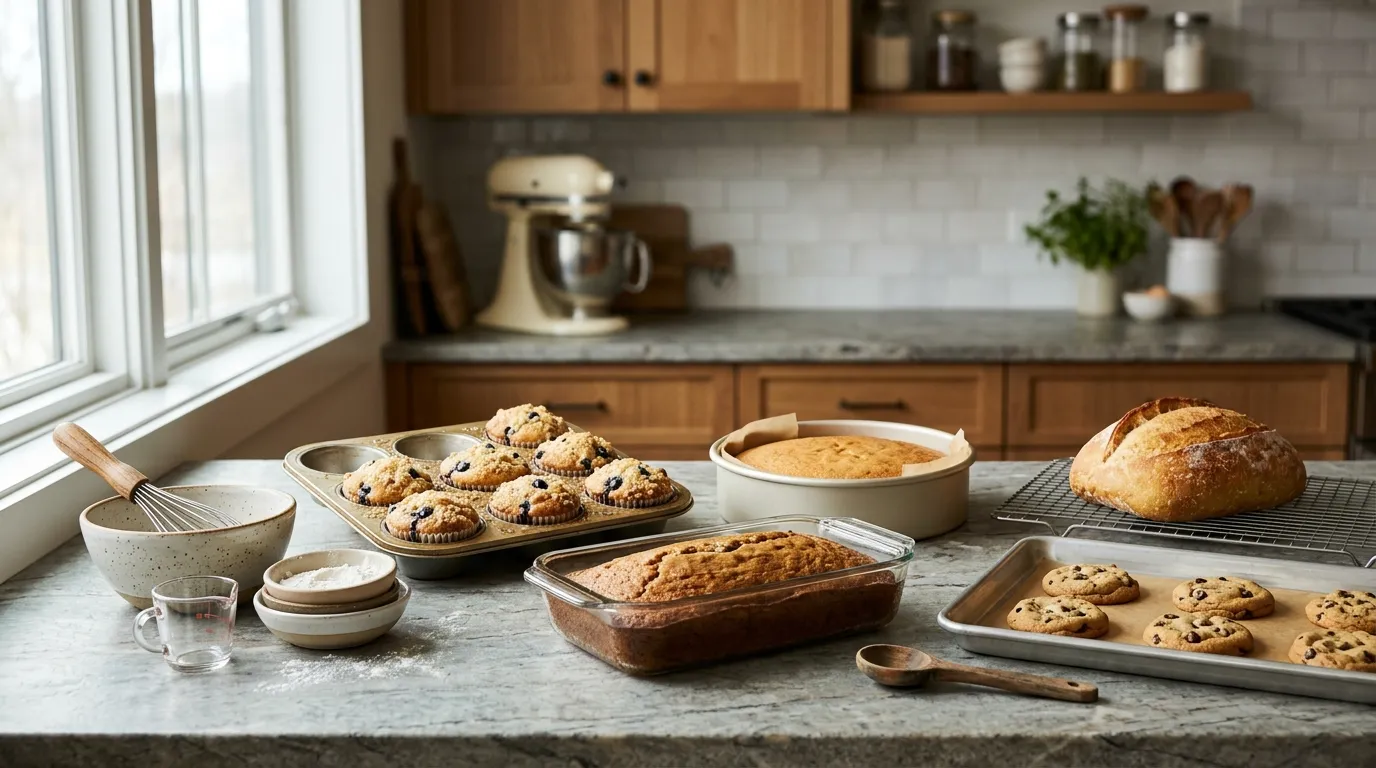
Bakeware is not one-size-fits-all. Metal, glass, ceramic, and silicone handle heat in very different ways. To master how to use bakeware properly, first learn what each material does in the oven.
Metal conducts heat fast. Light aluminum gives tender cakes. Dark nonstick browns faster, so lower the temp by 25°F and check early. Stainless is slow and can warp at high heat. Cast iron and carbon steel hold heat and love cornbread and pies.
Glass and ceramic heat slow but hold heat well. They are great for casseroles and custards. They can over-brown edges once hot. Always avoid sudden temperature shocks with glass.
Silicone is flexible and nonstick. It insulates, so bakes take longer and brown less. Place silicone molds on a sheet pan for support.
Pan Preparation: Grease, Line, and Protect
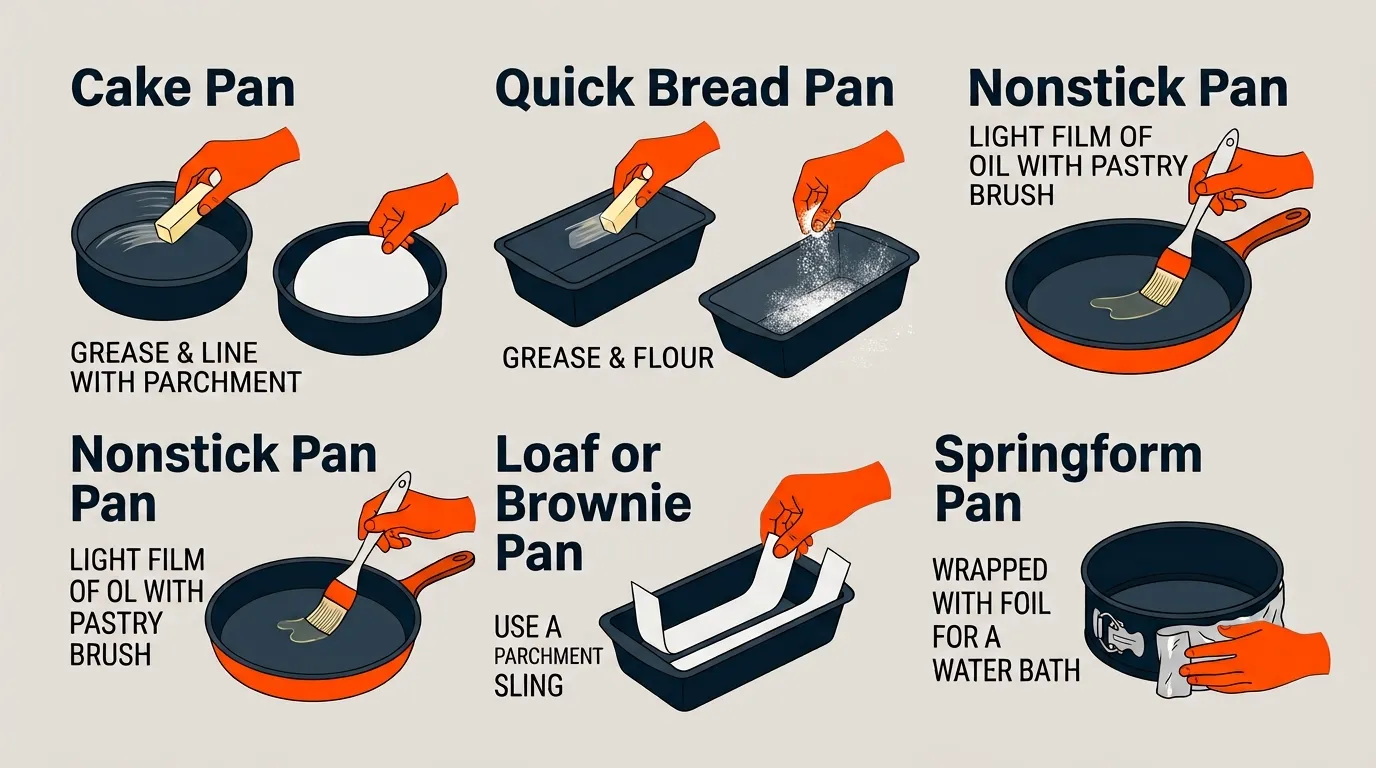
The fastest way to ruin a bake is a stuck pan. To nail how to use bakeware properly, prep your pans right every time. Your future self will thank you when cakes release clean.
Use the right fat. Butter tastes great but can brown. Neutral oil resists burning. For cakes, grease and line with parchment. For quick breads, grease and flour the pan to add a dry barrier.
Prep nonstick with care. You still need a light film of fat. Skip cooking sprays with propellants that leave residue. Use a pastry brush and a drop of oil.
Control edges. Use parchment slings in loaf and brownie pans. For custards and cheesecakes, wrap springform pans in foil for a water bath. A pan shield (a simple strip of foil) around dark pans helps prevent over-browning.
Oven Setup and Temperature Control
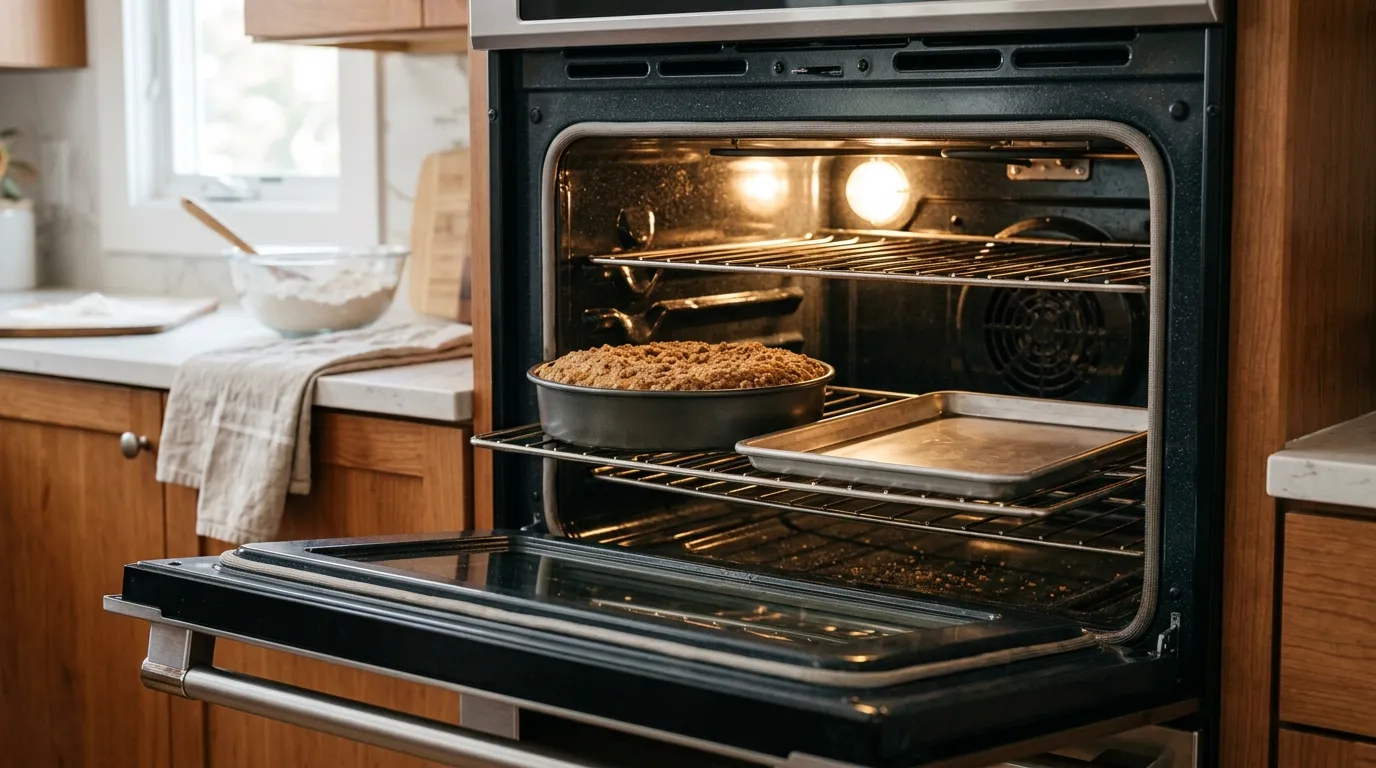
Even the best pan fails if the oven is off. A steady oven is key to how to use bakeware properly. Small changes in heat shift rise, color, and crumb.
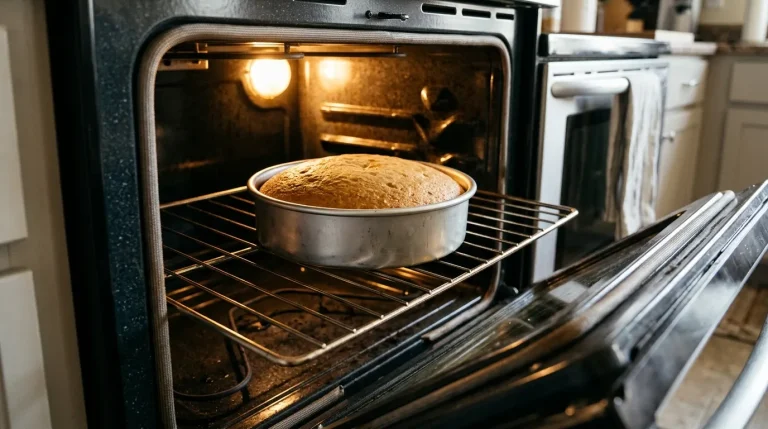
Preheat long enough. Most ovens need 15–25 minutes. Use an oven thermometer to confirm. Calibrate if needed.
Choose the right rack. Middle rack gives even heat. Lower rack boosts bottom browning for pies. Upper rack adds top color for gratins. Avoid crowding pans; leave space for air to move.
Know your mode. Conventional heat browns edges more. Convection moves air and bakes 15–25% faster. Reduce temp by 25°F with convection and check early. Rotate pans halfway only if your oven has hot spots.
Filling, Portions, and Pan Capacity
Pan size rules the rise. Learning how to use bakeware properly means matching batter to volume. Too much batter spills. Too little bakes dry.
General guide:
- Cake pans: fill two-thirds full.
- Muffin tins: fill two-thirds to three-quarters.
- Loaf pans: fill to about half, up to two-thirds for quick breads.
Adjust when you swap pans. Move batter by volume, not by guess. If you bake in a dark pan, drop temperature by 25°F. If you switch from metal to glass, add about 5–10 minutes and watch color.
Support structure. Heavy batters need sturdy pans. Use a rimmed sheet pan under flimsy silicone or thin aluminum. This stops warping and spills.
Releasing, Cooling, and Setting the Crumb
Doneness is not the end. How you cool decides texture. This is a huge part of how to use bakeware properly and avoid soggy bottoms.
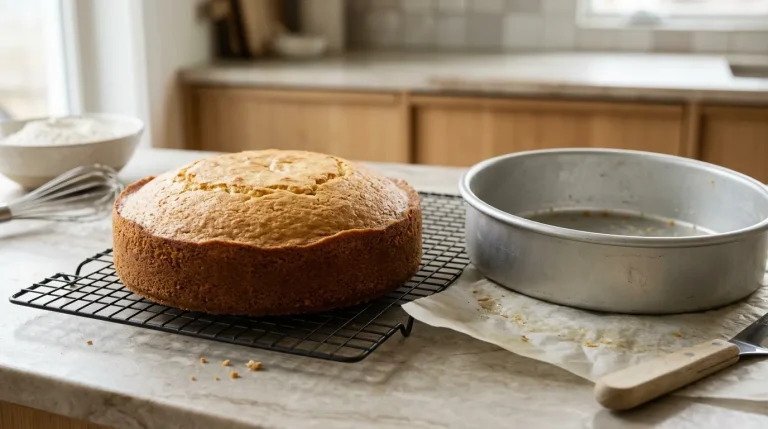
Let bakes rest in the pan 5–10 minutes. The steam loosens edges. Run a thin knife around the sides, then invert onto a rack. Peel away parchment right away.
Cool on a wire rack. Air under the bake keeps the crust crisp. For cheesecakes and custards, cool in the turned-off oven with the door cracked. This prevents cracks from shock.
Set glazes and frostings on a cool cake only. Warm layers melt buttercreams and slips ganache. Patience saves the finish.
Cleaning, Seasoning, and Storage
Treat pans well and they treat you well back. Care is the last step of how to use bakeware properly. Good habits keep nonstick slick and metal rust-free.
Clean smart. Let pans cool before washing. Hot pans under cold water can warp or shatter. Use warm water, mild soap, and soft sponges. Skip steel wool on nonstick and ceramic.
Protect coatings. Many nonstick pans dislike dishwashers. Harsh detergents strip the surface. Dry right away. For cast iron and carbon steel, dry over low heat and rub with a thin coat of oil to season.
Store with space. Stack with paper towels or pan protectors. Keep lids off until pans are dry. If a pan smells stale, a short warm-up at 300°F helps clear odors.
Common Mistakes and Troubleshooting
Every baker makes slips. Knowing fixes is part of how to use bakeware properly. Here are top issues I see in classes and test runs.
Over-browning edges:
- Use a lighter pan or drop oven temp by 25°F.
- Shield with foil on the rim near the end.
- Move the rack up one level.
Soggy bottoms:
- Preheat the sheet pan before setting a pie or pizza on it.
- Bake on the lower rack.
- Cool on a wire rack, not in the pan.
Sticking:
- Line with parchment next time.
- For Bundt pans, use baking spray with flour and brush it into crevices.
- Let it rest 10 minutes, then tap the pan firmly before inverting.
Uneven rise or tunneling:
- Do not overmix; stop when flour just disappears.
- Check oven hot spots and rotate if needed.
- Use room-temp eggs and dairy for even structure.
Personal note: My early Bundt cakes stuck like glue. Brushing every nook with a mix of melted butter and flour fixed it. I also learned to cool 10 minutes, then invert. Clean release, every time.
Accuracy note: Bake times vary by oven and pan material. Always check doneness with cues like color, spring to the touch, and a toothpick that comes out with a few moist crumbs. This approach reflects standard professional practice and manufacturer guidance.
Frequently Asked Questions of how to use bakeware properly
How do I choose the right pan for a recipe?
Match the pan material and size to the recipe. If you change pans, adjust time and temperature, and watch the color and doneness cues.
Can I use glass instead of metal for cakes?
Yes, but glass heats slow and holds heat. Reduce the oven temperature by about 25°F or check early to avoid over-browning edges.
Why do my cookies burn on the bottom?
Dark sheets brown faster and thin sheets warp. Use light-colored, heavy-gauge sheets, line with parchment, and bake on the middle rack.
How do I stop a Bundt cake from sticking?
Grease every ridge with a baking spray that contains flour, or use a butter-flour paste. Cool 10 minutes, loosen edges, then invert onto a rack.
Is silicone bakeware safe and effective?
Food-grade silicone is safe when used as directed. Place it on a sheet pan for support, and expect longer bake times with lighter browning.
Do I need to preheat for muffins and quick breads?
Yes, preheating is key for lift. Cold ovens delay rise and can make bakes dense and pale.
Conclusion
Great baking is simple when you build smart habits. Choose the right pan, prep it well, set up the oven, fill to the right level, and cool with care. This is the heart of how to use bakeware properly.
Use one idea from this guide today. Line a pan with parchment, check your oven with a thermometer, or try a lighter pan. Share what you baked, subscribe for more tested tips, and tell me what you want to master next.