You can sharpen knife without stone using mugs, sandpaper, glass, and strops.
If your blade drags through tomatoes or tears paper, you are not stuck. You can sharpen knife without stone with simple items you already own. I have done this on the line, at camp, and in a tiny rental kitchen. This guide shows you proven methods, clear steps, and the right angle to hold. Stay with me, and you will learn how to sharpen knife without stone fast, safe, and with real control.
Source: redlabelabrasives.com
The science of sharpness and why angles matter
A sharp edge is a tiny wedge. It must be thin, even, and free of rolls. When you sharpen, you remove a small bit of steel to form a new apex. When you hone, you straighten the rolled edge without removing much steel.
Most kitchen knives do best at 15–20 degrees per side. That angle gives you a strong and keen edge. A small angle cuts well but can chip. A larger angle is tough but less sharp. Keep the angle the same on each side. You will feel a small burr form on the side you are not grinding. That burr tells you the apex is set.
Why does this help you sharpen knife without stone? Any hard, fine surface that can abrade steel will cut a clean bevel. The key is steady angle, light pressure, and patience. You can sharpen knife without stone if you understand burr control and finish the edge with a strop.
Source: youtube.com
Methods you can use at home to sharpen knife without stone
You have more options than you think. Here are safe, fast ways to sharpen knife without stone using common items. Follow the steps. Keep the angle steady. Work slow.
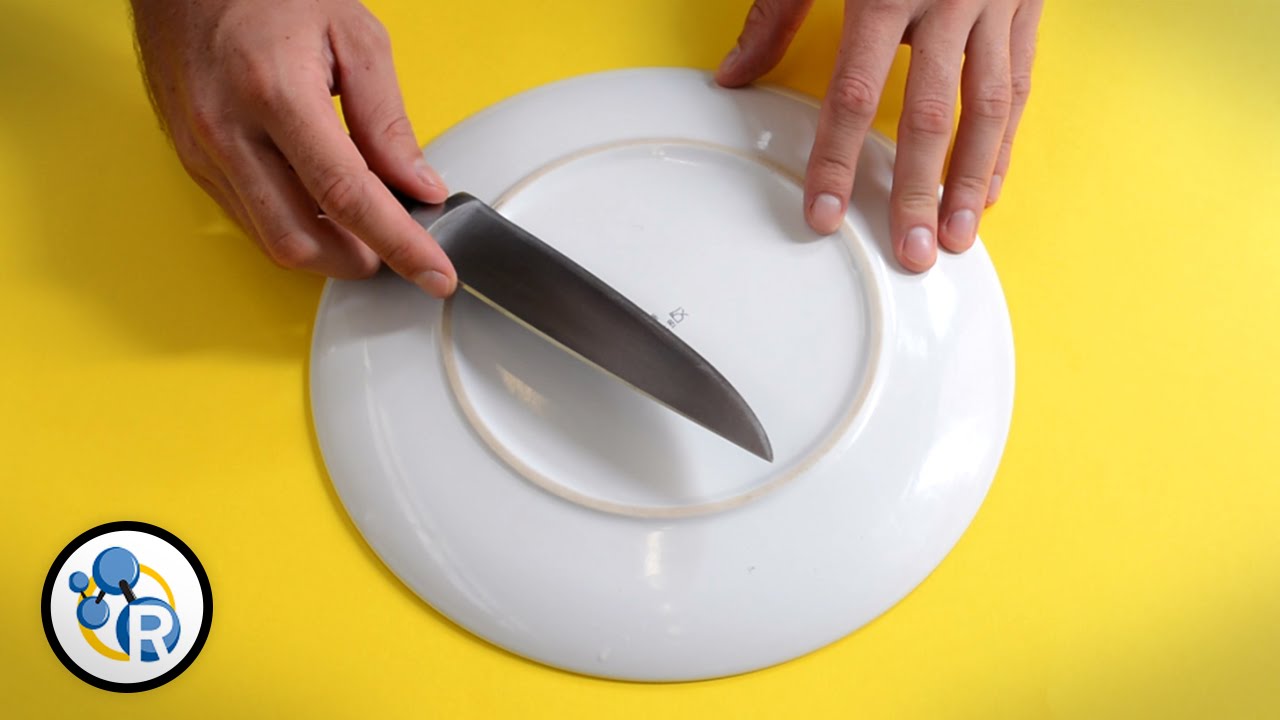
Ceramic mug or plate rim
Most mugs and plates have a rough, unglazed ring on the bottom. That ring works like a fine ceramic.
- Flip the mug upside down. Wipe the ring clean.
- Set the blade at about 15–20 degrees. Start at the heel.
- Draw the edge from heel to tip across the ring. Pull as if slicing a thin layer.
- Use light, even strokes. Do 8–12 passes per side.
- Feel for a burr. When it forms along the whole edge, switch sides.
- Rinse the blade. Wipe dry. Strop on leather or cardboard to remove the burr.
Tip from my line-cook days: Add a drop of water on the ring. It helps keep the swarf even and makes a smoother finish.
Car window top edge or thick glass
The top edge of a car window or a thick glass jar rim is hard and fine.
- Crack the car window down an inch. Use the raw top edge.
- Hold the knife at 15–20 degrees.
- Make smooth edge-leading strokes. 6–10 per side.
- Wipe the blade. Strop to clean the apex.
Keep your fingers away from the edge. Move slow. Glass will bite the steel fast.
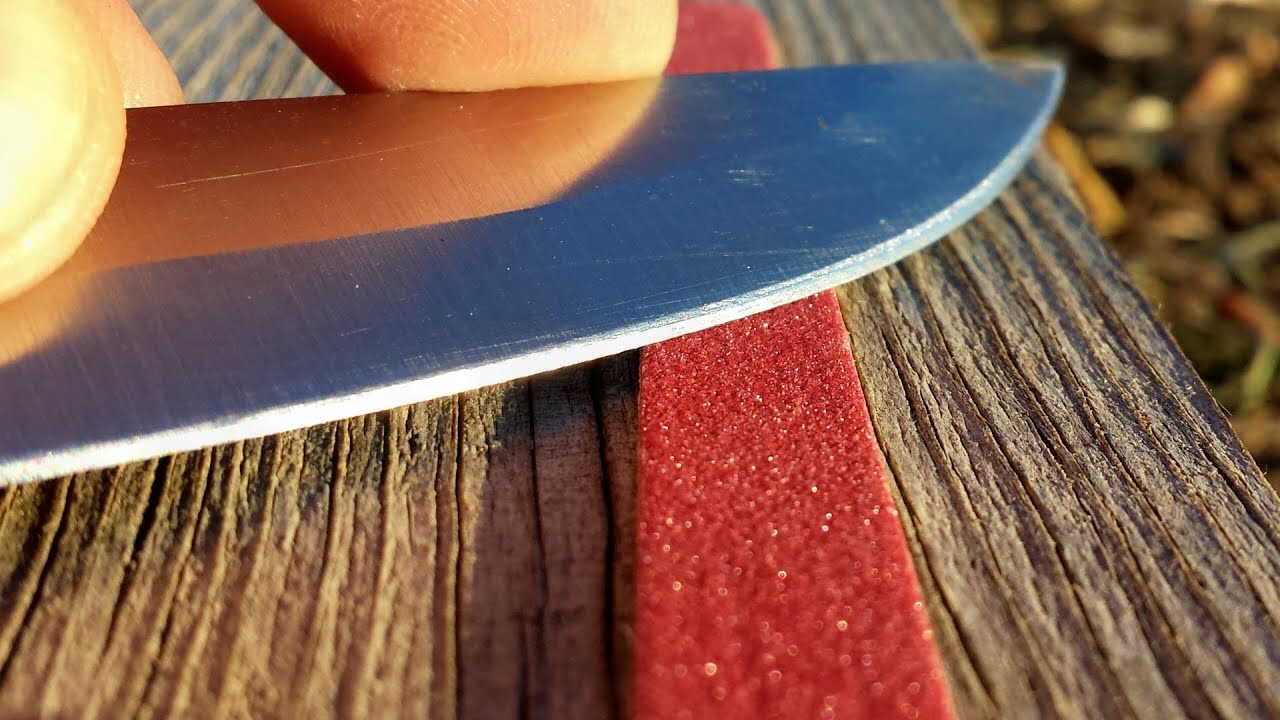
Sandpaper on a flat board
Sandpaper gives you control over grit. It is great when you need more work on a dull edge.
- Tape 800–1000 grit paper to a cutting board for sharpening.
- Color the bevel with a marker. This shows your angle.
- Lay the edge at 15–20 degrees. Push the blade as if slicing a thin sheet.
- Do 10–15 passes per side until you raise a burr from heel to tip.
- Switch to 1500–2000 grit to refine. Do 8–12 light passes per side.
- Strop on leather or cardboard to deburr and polish.
If you want a convex edge for toughness, place the paper on a mouse pad. It will round the bevel a bit.
Leather belt or cardboard strop
Stropping does not set the edge from dull, but it makes a good edge great. It also fixes light rolls. It is key when you sharpen knife without stone.
- Use the smooth back of a leather belt or thick cardboard.
- Load with a bit of polishing paste if you have it. Toothpaste also works in a pinch.
- Lay the knife at a low angle. Pull the blade spine-first. Do not cut into the strop.
- Make 15–30 light passes per side. Use even strokes.
I keep a strip of leather near my prep area. A few strokes between tasks keeps the edge singing.
Honing rod (steel or ceramic)
A honing rod realigns the edge. A ceramic rod also removes a small amount of steel. This is great to keep sharpness day to day.
- Hold the rod tip down on a towel.
- Touch the heel of the blade to the rod at 15–20 degrees.
- Sweep from heel to tip as you draw down the rod. 6–8 passes per side.
- Wipe and test on paper.
Note: A rod will not fix a very dull blade. But it is perfect to maintain an edge after you sharpen knife without stone using the methods above.
Emery board or nail file
For pocket knives or paring knives, a good emery board can help.
- Use the fine side. Set the angle and make short strokes.
- Work the full edge. Strop after to smooth it out.
Safety basics for all methods
- Work slow and stable. Keep the spine moving away from fingers.
- Use light pressure. Let the abrasive do the work.
- Clean the surface and the blade often. Metal swarf can scratch and slip.
- Wear a cut glove if you are new to this.
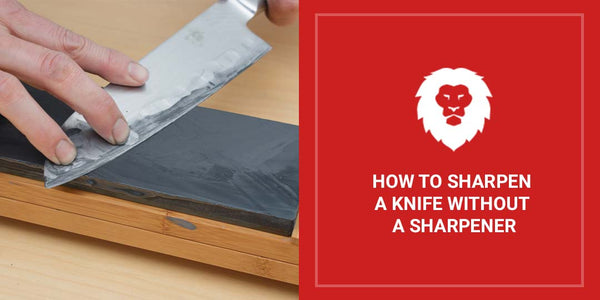
You can sharpen knife without stone with any of these. Pick one based on what you have. The goal is a clean apex and a smooth deburr.
Source: redlabelabrasives.com
Field fixes and travel tricks
On the road or at camp, you can sharpen knife without stone with tough, fine surfaces you find nearby.
Unglazed tile, brick edge, or concrete
These are rougher and can be harsh. Use them only if you must.
- Find a smooth, unglazed tile ring or a fine brick edge. Avoid crumbly spots.
- Wet the surface. Water helps float metal and smooths the cut.
- Use light strokes at a steady angle. Do fewer passes. Check often.
- Finish on leather, cardboard, or even the inside of a cotton belt to reduce the burr.
Car window and seatbelt combo
- Set the edge on the car window top. Make a few gentle passes per side.
- Strop on a clean seatbelt or a leather key fob to polish.
Newspaper on glass
Newspaper has clay fillers that are mildly abrasive.
- Lay a few sheets on glass. Add a drop of water.
- Make light passes to refine and deburr.
- Strop after to finish.
These tricks let you sharpen knife without stone when you have no tools. Be aware: coarse surfaces can leave deep scratches. That is fine for a camp knife, but less ideal for a thin chef’s knife.
Source: youtube.com
How to test sharpness safely
Testing is part of learning to sharpen knife without stone. Pick a test that is safe and clear.
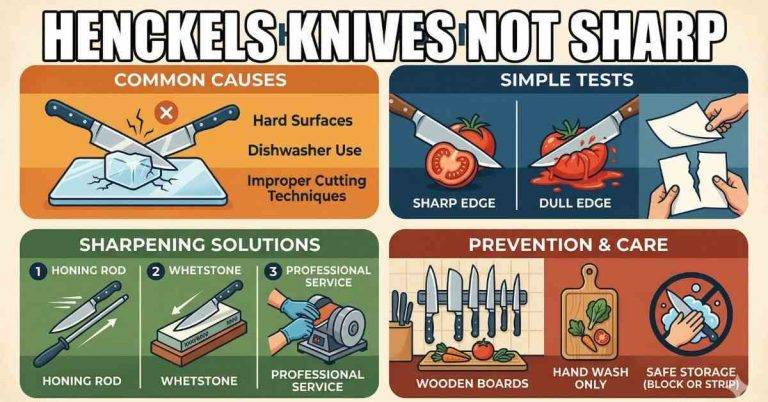
- Paper slice test. Hold a sheet of printer paper. Slice from heel to tip. A sharp knife will cut clean with little sound.
- Tomato skin test. Place the knife on a tomato. Press light and draw. If it bites at once, you are good.
- Thumb pad test. Gently touch the edge across the bevel, not along it. A sharp edge will grab your skin. Do this slow and with care.
- Hair shave test. Lightly try to shave a small patch on your arm. If it pops hair with no pull, it is very sharp. Do not overdo this.
Clean the blade after each test. Oil if you will store it.

Source: youtube.com
Mistakes to avoid
The fastest way to sharpen knife without stone is to avoid common traps.
- Too much pressure. Heavy force makes a wire edge that fails fast. Use light, even strokes.
- Changing angles mid-stroke. This rounds the edge. Lock your wrist and use your shoulder.
- Not raising a full-length burr. If you do not feel a burr heel to tip, you have not hit the apex.
- Skipping the strop. Burrs left on the edge make it feel sharp but it fades quick. Always strop.
- Using glass or tile too long. These surfaces cut fast. Check often to avoid over-grinding.
- Dragging the edge into the strop. Always pull spine-first on leather or cardboard.
When you sharpen knife without stone, care and control beat brute force.
Source: businessinsider.com
Care and maintenance to keep an edge longer
Good habits cut your need to sharpen. They also make it easy to sharpen knife without stone when you do.
- Use the right board. Pick wood or soft plastic. Avoid glass, stone, or steel boards.
- Clean and dry at once. Acid and water dull edges and cause rust.
- Store well. Use a sheath, blade guard, or a slotted block. Do not toss in a drawer.
- Hone often. A few passes on a rod or a strop after each use keeps the edge true.
- Cut smart. Do not twist or scrape with the edge. Use the spine to move food.
These steps can double the time between sharpening sessions.

Source: youtube.com
When to use pro tools or a real stone
You can sharpen knife without stone for routine care. Still, there are times to step up.
- The edge has chips or a flat spot. You need a coarse abrasive to reprofile.
- The knife is very dull and slides on paper. Start with sandpaper or a proper stone to reset the bevel.
- Hard, wear-resistant steels. Some premium steels need a real stone or diamond plate for best results.
- You want a mirror edge. High grits on stones or film give a cleaner, longer-lasting finish.
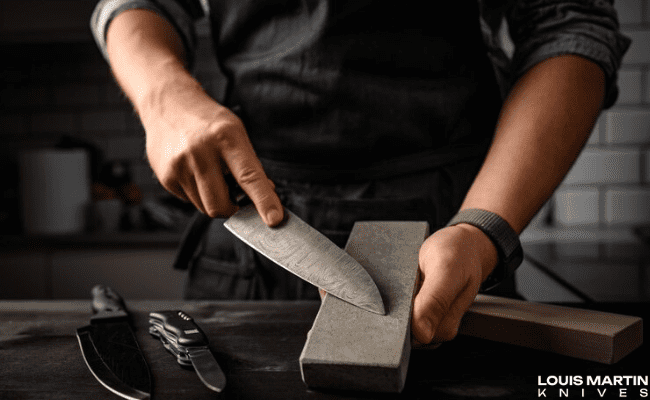
A pro service or a proper stone session once or twice a year is smart for heavy kitchen use. In between, you can sharpen knife without stone and stay razor ready.
Source: louismartincustomknives.com
Frequently Asked Questions
Is honing the same as sharpening?
No. Honing straightens the edge with little metal removed. Sharpening removes steel to form a new apex.
Can I damage my knife using a mug or glass?
You can if you use too much pressure or a steep angle. Go light, keep 15–20 degrees, and check often.
How long does it take to sharpen knife without stone?
For a slightly dull knife, it can take 5–10 minutes. Very dull edges take longer, especially if you use fine abrasives.
What angle should I use?
Most kitchen knives like 15–20 degrees per side. Thinner Japanese blades prefer 12–15 degrees; thicker Western blades do well at 18–20.
Do I need compound for stropping?
No, leather or cardboard works by itself. Compound helps polish faster and can boost bite and shine.
Conclusion
You have many simple ways to sharpen knife without stone, from a ceramic mug to sandpaper and a leather strop. The core is steady angle, light pressure, a raised burr, and a clean deburr. Blend these steps with safe tests and good daily care, and your knives will stay sharp and ready.
Try one method today on a beater knife, then move to your chef’s knife once you get the feel. If this guide helped, share it with a friend, subscribe for more hands-on kitchen tips, or leave a comment with your own results and questions.