Keep hands clean, separate raw foods, sanitize surfaces, cook and chill safely.
I have spent years coaching home cooks and restaurant teams on kitchen hygiene best practices. This guide distills what works in real kitchens, backed by food safety science and practical habits you can keep up every day. If you want kitchen hygiene best practices that prevent illness, save time, and make great food, you are in the right place.

Source: sftrainings.org
Why kitchen hygiene matters
Your kitchen is a busy ecosystem. Raw meat carries bacteria. Produce can bring soil microbes. Sponges stay damp and warm. Without care, those germs spread fast.
Public health data shows millions get sick from foodborne illness each year in the United States. Most cases start at home. Solid kitchen hygiene best practices break the chain and protect your family. I have seen this first-hand while training new cooks who went from frequent cross-contamination to spotless records after building simple routines.

Source: aaafoodhandler.com
The four pillars: clean, separate, cook, chill
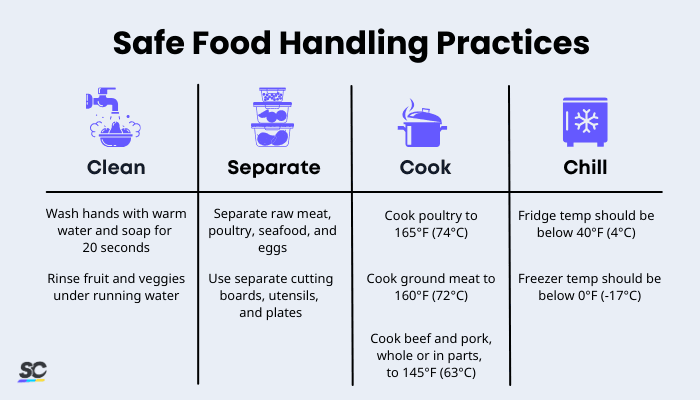
Think of safety as four simple moves you repeat all day.
- Clean. Wash hands often. Scrub sinks and counters. Sanitize high-touch spots.
- Separate. Keep raw meat, poultry, seafood, and eggs away from ready-to-eat food.
- Cook. Use a food thermometer. Hit safe internal temperatures.
- Chill. Refrigerate fast. Keep cold foods cold.
These pillars are the backbone of kitchen hygiene best practices. They make each step clear and easy to follow, even on a busy weeknight.
Source: co.uk
Hand hygiene that actually works
Hands spread more germs than any tool. Make washing automatic.
- Wash for at least 20 seconds with soap and warm water.
- Wash before cooking, after handling raw foods, after touching trash, and after using your phone.
- Dry with a clean towel or paper towel. Damp towels spread microbes.
In my catering days, we set a timer that chimed every hour. Everyone washed, no excuses. That small cue locked in kitchen hygiene best practices.
Source: safetyculture.com
Surface and sponge care
Clean is not the same as sanitized. Do both.
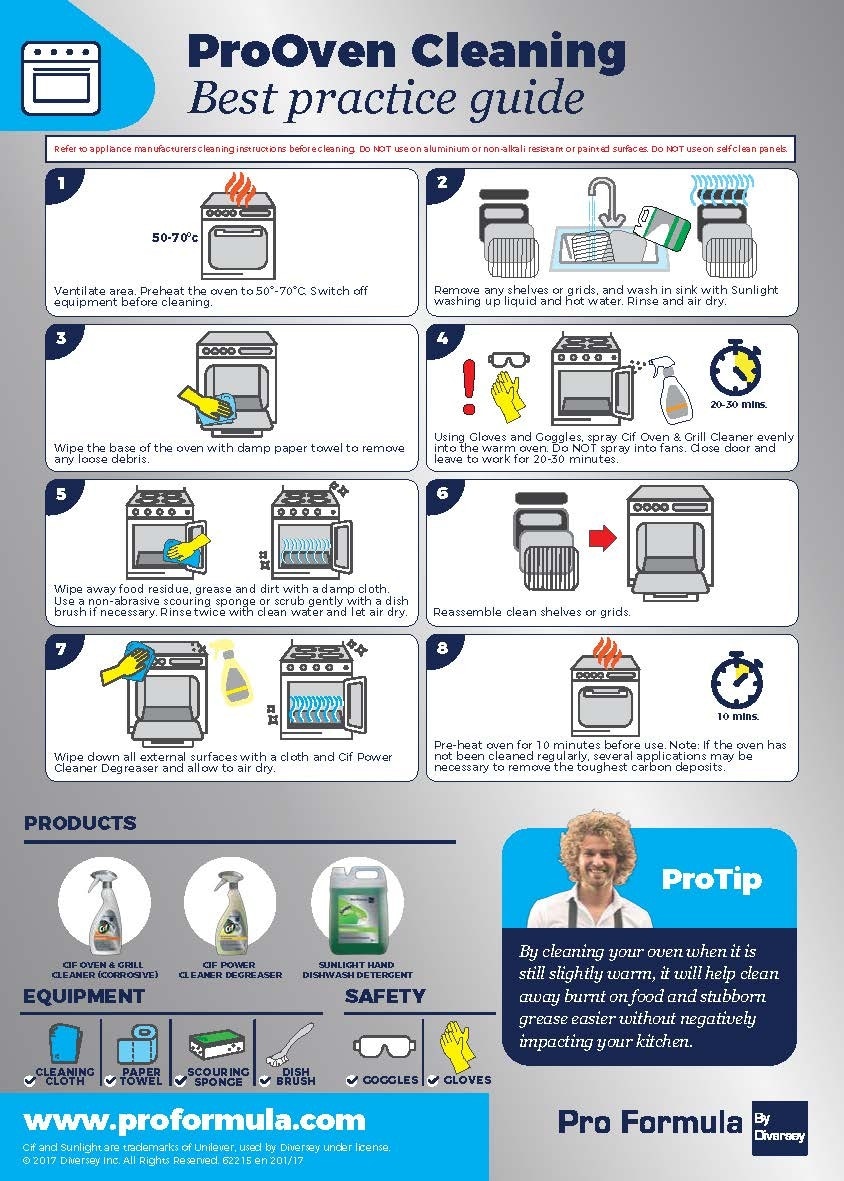
- Wipe crumbs and grease first with hot, soapy water.
- Then sanitize counters and cutting boards. Use a food-safe sanitizer or a diluted bleach solution as directed on the label.
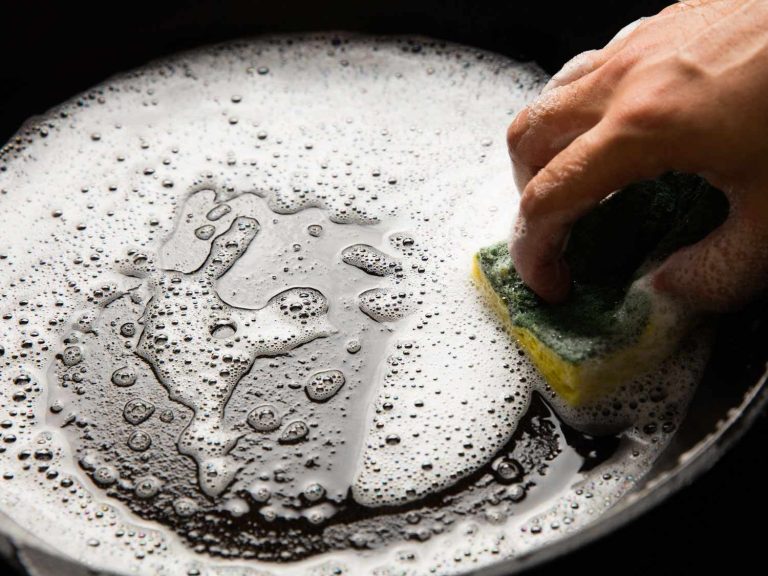
- Replace or sanitize sponges often. Microwave a damp sponge for 60 seconds or run it in the dishwasher on a hot cycle. Better yet, switch to quick-drying scrub brushes.
I once tracked smells in a test kitchen. The worst source was sink drains and wet sponges. Fix those, and the whole room felt fresher. This is one of the most overlooked kitchen hygiene best practices.

Source: allcottonandlinen.com
Cutting boards and knives
Use the right board and clean it right.
- Use separate boards for raw proteins and for produce or bread.
- Plastic boards are easier to sanitize. Wood is fine if well maintained and not deeply grooved.
- Wash knives and boards after each task. Air-dry upright.
If a board has deep cuts, retire it. Grooves trap juice and make sanitation hard. This simple swap supports kitchen hygiene best practices without extra work.

Source: palmbeachorganized.com
Smart food storage and a tidy fridge
Cold slows germs. Cold alone is not enough if air cannot move.
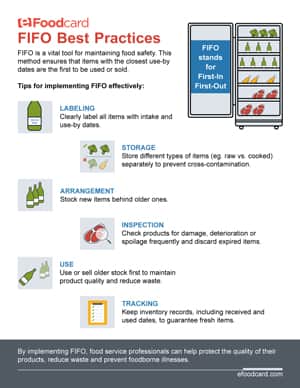
- Keep the fridge at 40°F or below and the freezer at 0°F.
- Store raw meat on the bottom shelf in a leakproof container.
- Label leftovers with the date. Eat within three to four days.
- Do not overload shelves. Air needs space to keep food cold and safe.
I do a five-minute Friday fridge reset. I toss old items, wipe spills, and re-stack. That tiny habit keeps kitchen hygiene best practices on track and cuts food waste.
Source: co.uk
Cross-contamination control from cart to plate
Safety starts before you cook.
- At the store, bag raw meat and seafood apart from produce.
- At home, unload raw items straight to the fridge.
- Use clean trays for cooked food. Never reuse a plate that held raw meat.
Do I need separate tools for everything?
One set can work if you clean and sanitize between tasks. That said, color-coded boards and tongs save time and reduce risk.
Can I rinse raw chicken?
No. Rinsing spreads droplets around the sink area. Go straight to the pan and cook to a safe temperature.
These small choices are core kitchen hygiene best practices that remove guesswork.
Source: efoodcard.com
Cooking temperatures you can trust
A thermometer beats guesswork. Color and juice are not reliable.
- Poultry: 165°F
- Ground meat: 160°F
- Beef, pork, lamb steaks and roasts: 145°F, then rest 3 minutes
- Fish: 145°F or until flesh flakes
- Reheat leftovers: 165°F
- Hot holding: 140°F or above
Insert the probe into the thickest part, away from bone or fat. Clean the probe between checks. Accurate temps are non-negotiable kitchen hygiene best practices.
Source: cleanindiajournal.com
Waste, pests, and the silent sink
Your sink and trash can make or break hygiene.
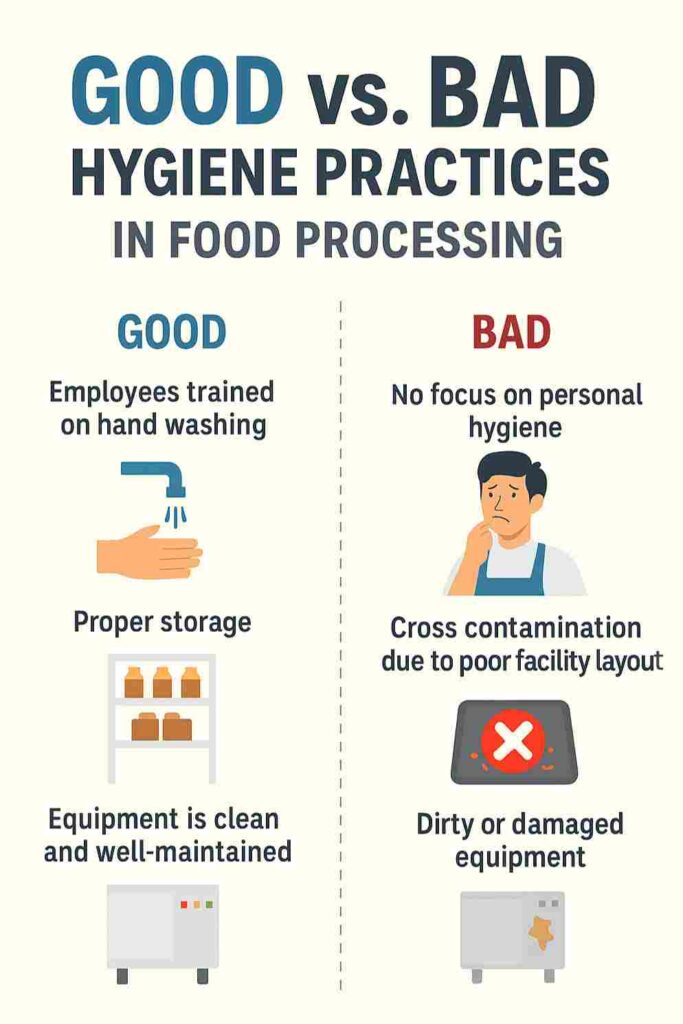
- Empty trash before it overflows. Tie bags tight.
- Rinse recyclables to cut odors.
- Disinfect the sink and faucet handles daily.
- Pour boiling water down drains weekly to reduce film.
I once fought a fruit fly bloom during peach season. The fix was simple. Wash fruit, chill ripe batches, and keep compost sealed. These are small kitchen hygiene best practices that pay off fast.
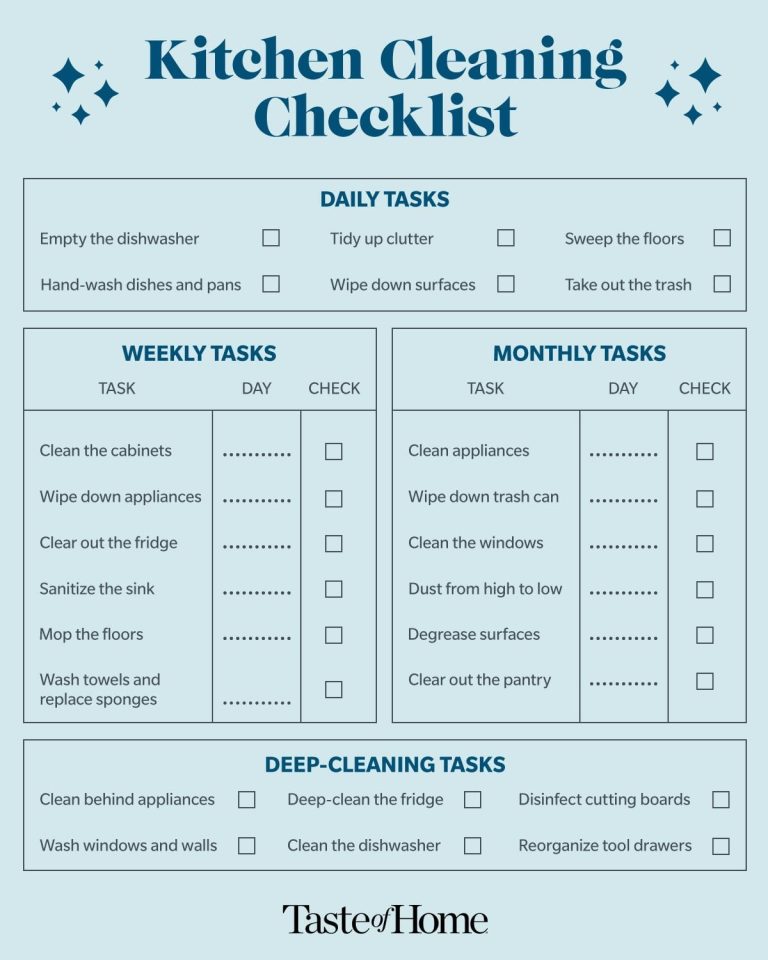
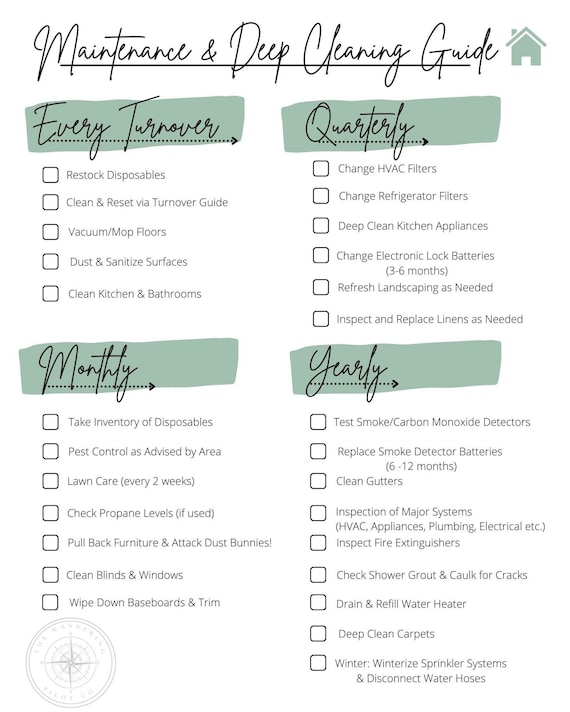
A simple daily and weekly routine
Consistency beats intensity. Keep it light and repeatable.
Daily
- Wash hands at every key step.
- Clean and sanitize counters after use.
- Do dishes or run the dishwasher before bed.
- Wipe fridge handles and appliance knobs.
Weekly
- Clear the fridge. Toss old leftovers.
- Disinfect sink, drain, and garbage can.
- Launder dish towels on hot.
- Sharpen and sanitize knives and board surfaces.
This routine is the backbone of practical kitchen hygiene best practices at home.
Eco-friendly and allergen-aware hygiene
You can be green and safe.
- Choose reusable, quick-dry cloths and wash on hot.
- Use fragrance-free, food-safe cleaners.
- Avoid vinegar alone on raw protein messes. It cleans but does not fully sanitize.
For allergies, kitchen hygiene best practices include dedicated tools for the allergen-free zone, clear labels, and strict handwashing. I keep a separate blue board and tongs for nut-free meals when hosting friends.
Frequently Asked Questions of kitchen hygiene best practices
How often should I sanitize kitchen counters?
Sanitize after preparing raw meat, poultry, seafood, or eggs. Also sanitize at the end of the cooking session to reset the space.
What is the safest way to thaw frozen meat?
Thaw in the fridge, in cold water changed every 30 minutes, or in the microwave. Never thaw on the counter.
Are wooden cutting boards safe?
Yes, if they are well maintained, smooth, and cleaned right away. Replace boards with deep cuts or cracks.
Do I need a food thermometer at home?
Yes. A thermometer confirms safe internal temperatures and prevents undercooking and overcooking. It is a small tool with big impact.
How long can leftovers sit out?
Two hours at room temperature, or one hour if above 90°F. Then refrigerate or reheat to 165°F.
What are the biggest cross-contamination mistakes?
Reusing plates that held raw meat and touching phones mid-cooking. Fix both with clean trays and timed handwashing.
Can I rely on smell to judge if food is safe?
No. Many harmful bacteria have no smell or taste. Use time, temperature, and kitchen hygiene best practices instead.
Conclusion
Strong kitchen hygiene best practices are simple habits that keep food safe, kitchens calm, and meals great. Wash hands, separate raw from ready-to-eat, sanitize surfaces, cook to the right temperature, and chill fast. Small steps done every day beat a deep clean once a month.
Start with one upgrade this week, like using a thermometer or a Friday fridge reset. Then stack the next habit. If you found this helpful, share it, subscribe for more practical guides, or drop your questions in the comments so we can cook safer together.