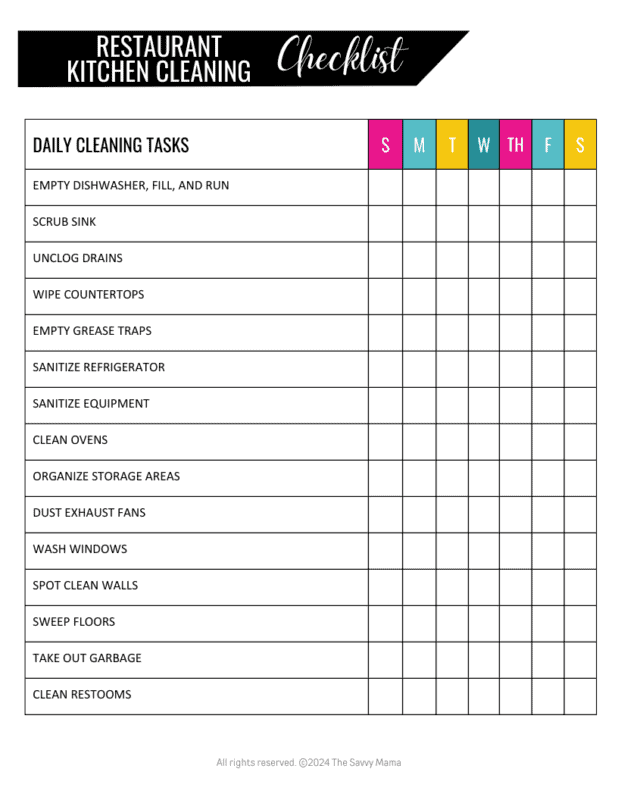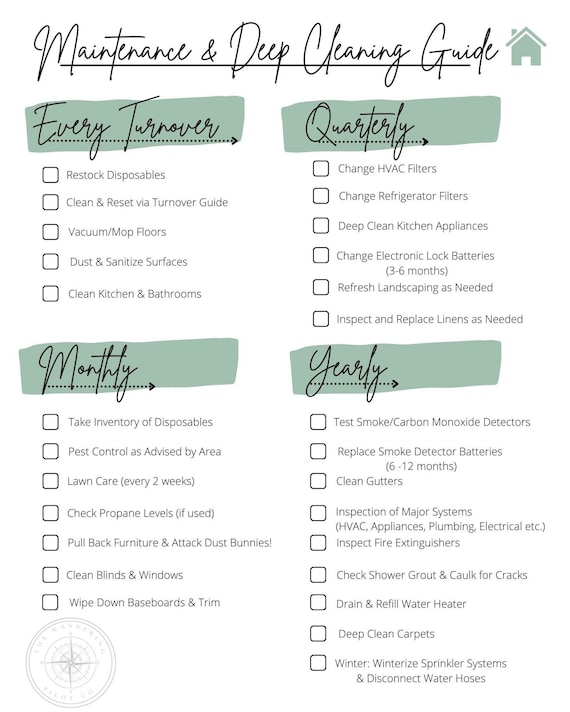
A weekly kitchen maintenance guide keeps your kitchen clean, safe, and stress-free.
If you want fewer messes, faster meal prep, and safe food, this weekly kitchen maintenance guide is for you. I’ve managed busy home and pro kitchens, and I’ve learned what actually works week after week. In this guide, I’ll show you a simple system that fits real life, cuts waste, and makes your space shine without marathon sessions.

Source: iconiccleaning.ie
What This Weekly Kitchen Maintenance Guide Covers
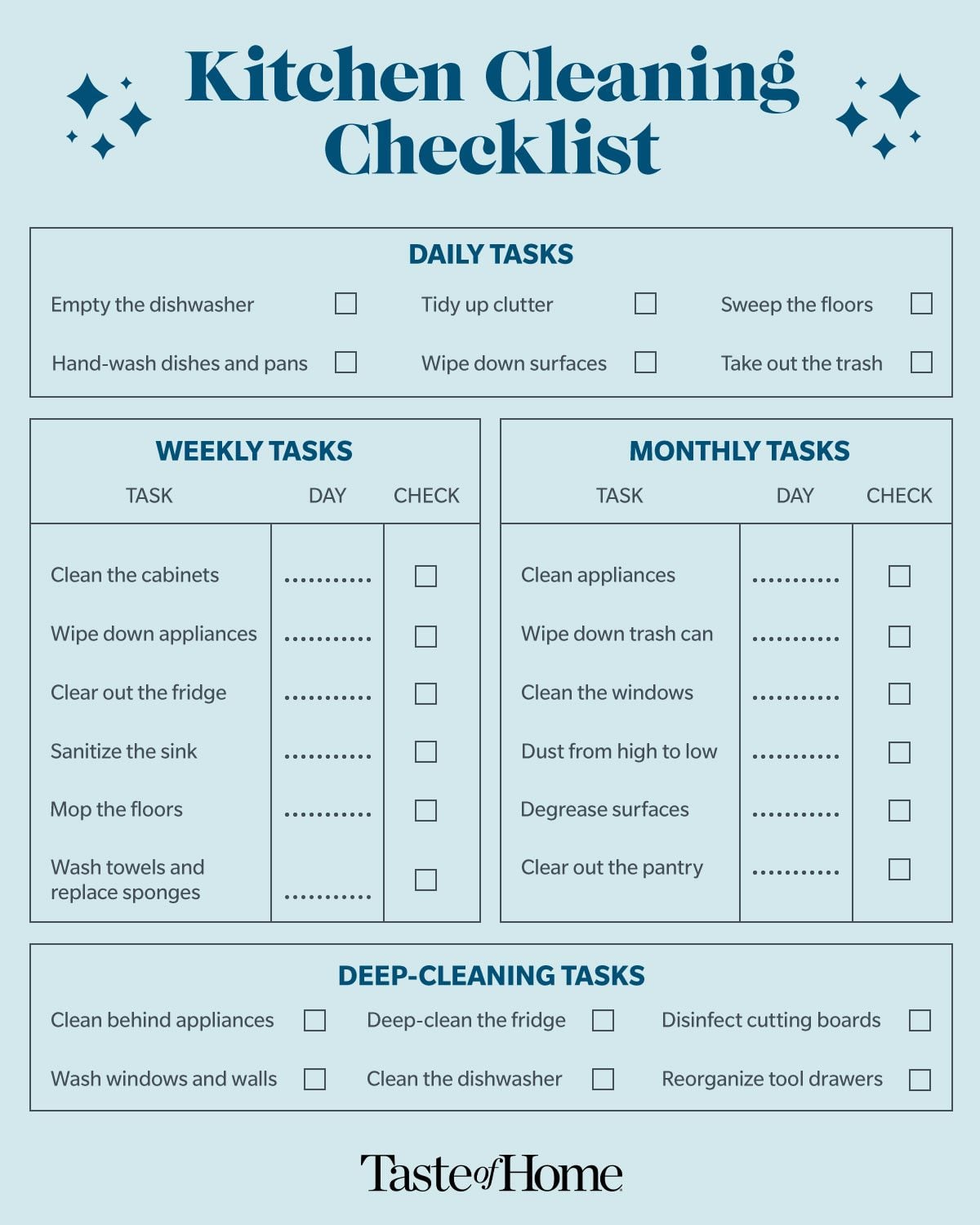
A weekly kitchen maintenance guide is your blueprint for a clean, safe, and well-run space. It focuses on tasks that stack up fast if you skip them. Think fridge checks, appliance wipe-downs, and a quick reset of high-touch areas. You’ll also learn smart habits that save time.
You will get:
- A step-by-step weekly reset that fits in 60 minutes.
- Food safety checks that prevent cross-contamination.
- Maintenance tasks that avoid costly repairs.
- Easy organization wins that last all week.
In my experience, a clear plan beats “clean when you can.” This weekly kitchen maintenance guide gives you that plan.

Source: tasteofhome.com
Tools And Supplies You’ll Need
The right tools make the work light. Keep a small bin ready so you can grab and go. This weekly kitchen maintenance guide works best when tools are within reach.
Essentials:
- Microfiber cloths and a scrub brush for daily soils and grease.
- Non-scratch sponge for pans and sinks.
- Baking soda for mild abrasion.
- Dish soap and an all-purpose cleaner for most surfaces.
- Glass cleaner or diluted vinegar for glass and stainless steel.
- Disinfecting spray or wipes for handles and high-touch points.
- Gloves to protect skin.
- Trash bags and compost liners to reset bins.
- A soft broom, dustpan, and a microfiber mop for floors.
Nice-to-haves:
- Plastic scraper for stuck-on gunk.
- Stainless steel polish for a streak-free finish.
- Mineral remover for hard water buildup.
- Old toothbrush for seals and crevices.
- Label maker or tape and a marker for simple labeling.
Safety notes:
- Do not mix bleach with ammonia or vinegar.
- Ventilate when using strong cleaners.
- Test new products on a small area first.
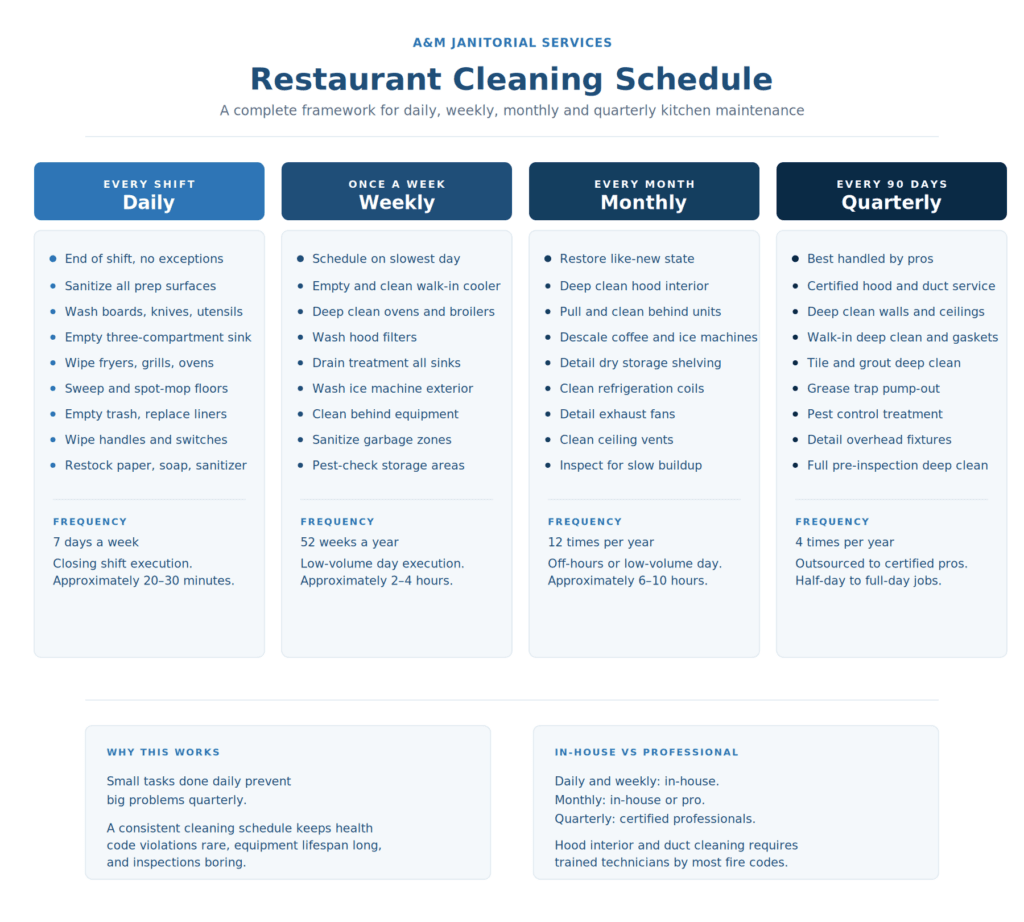
Source: am-nw.com
The 60-Minute Weekly Reset: Step-by-Step
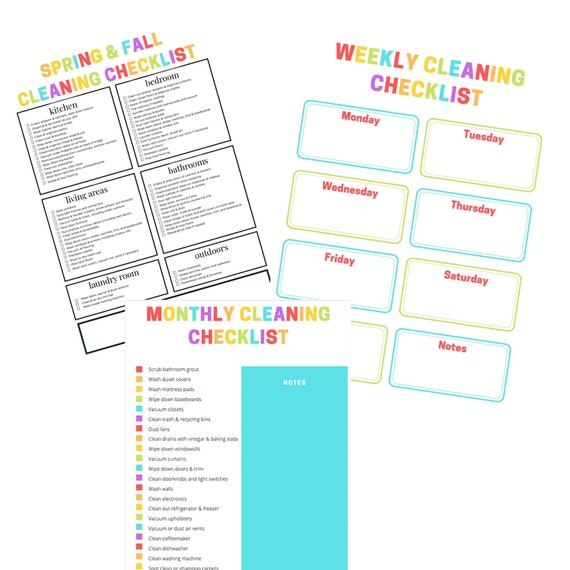
This weekly kitchen maintenance guide uses a flow that builds momentum. Work from cleanest to dirtiest and top to bottom. Set a timer and move with purpose. Cue music if that helps.
- Clear counters fast
- Put away tools, jars, and gadgets. Empty or load the dishwasher. Start a quick wash.
- Fridge five-minute audit
- Toss expired food. Group leftovers in front. Wipe spills on shelves and drawers.
- Prep zone wipe-down
- Clean counters, backsplash, and handles. Sanitize high-touch points like knobs and pulls.
- Sink and disposal clean
- Scrub sink with baking soda. Run the disposal with ice and lemon peels. Rinse hot.
- Microwave and oven door
- Wipe the microwave inside and out. Clean the oven door glass so you can see through.
- Stove and hood
- Degrease grates and knobs. Wipe the hood exterior. Note if the filter needs washing.
- Small appliances quick pass
- Wipe toaster, coffee maker, blender base. Empty crumb trays. Decalcify coffee gear if due.
- Dishwasher TLC
- Clean the filter and gasket. Run a rinse with cleaner if you see film or odor.
- Trash, compost, and recycling
– Empty all bins. Wash and dry bin interiors. Add fresh liners. - Floor last
- Sweep or vacuum crumbs. Mop with warm water and a mild cleaner. Let it air dry.
Pro tip from my catering days: finish with a “lap.” Walk the space, check corners, and polish one focal area. It makes the whole kitchen feel brand new.
Source: etsy.com
Food Safety And Hygiene Checks
A weekly kitchen maintenance guide is not complete without safety at the core. Safe food starts with cold temps, clean hands, and no mix-ups.
Key checks:
- Fridge at 37–40°F and freezer at 0°F. Use a thermometer to confirm.
- Reheat leftovers to 165°F. Label and date them. Use within 3–4 days.
- Follow the two-hour rule. Refrigerate cooked food fast.
- Separate raw meat items from ready-to-eat food. Use color-coded boards.
- Clean sponges often. Microwave a damp sponge for 60–90 seconds or switch to cloths.
- Sanitize sink, faucet, and handles. These are top germ zones.
- Air-dry cutting boards after washing. Moist boards breed bacteria.
These steps align with common food safety guidelines used by pros. They take minutes, but they block the most common risks.

Source: tasteofhome.com
Organization That Sticks All Week
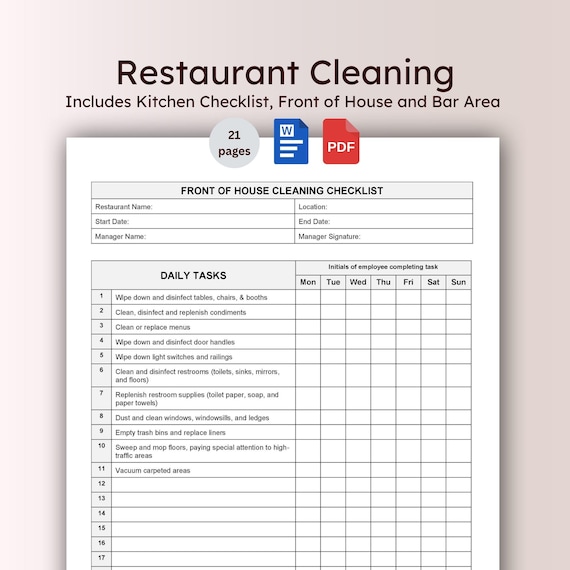
A weekly kitchen maintenance guide should help you stay organized, not just tidy. Order reduces stress and speeds up cooking.
Simple systems:
- Zone your kitchen. Group tools by task: prep, cook, bake, coffee, and clean.
- Use the first-in, first-out rule. Put newer items behind older ones in the fridge and pantry.
- Label leftovers and sauces. Date jars and meal preps with tape and a marker.
- Add clear bins for snacks and breakfast items. Kids can help themselves and stay neat.
- Keep one “drop tray” for keys or mail. Keep it small so it never becomes a pile.
Personal tip: I store knives, boards, oil, and salt in a tight triangle around the main prep space. It saves steps and keeps counters bare.
Source: etsy.com
Preventive Maintenance To-Dos
Small checks now prevent big bills later. This weekly kitchen maintenance guide bakes in quick maintenance habits.
Focus areas:
- Leaks and drips. Check under the sink and around the dishwasher. Wipe and note any damp spots.
- Seals and gaskets. Wipe fridge and dishwasher seals. Look for cracks or mold.
- Filters. Rinse range hood filters if greasy. Replace water filters on schedule.
- Dishwasher care. Clean spray arms and the filter. Run hot cycles to cut film.
- Garbage disposal. Deodorize weekly and check for slow drains.
- Hard water. Look for white scale on faucets and kettles. Descale if needed.
- Grout and caulk. Spot-mop and repair cracks to block moisture.
- Safety devices. Test GFCI outlets and confirm smoke and CO alarms work.
These five-minute checks extend the life of your gear. They also keep your cooking space safe.
Source: canva.com
Time-Savers: 30/60/90 Plans For Any Week
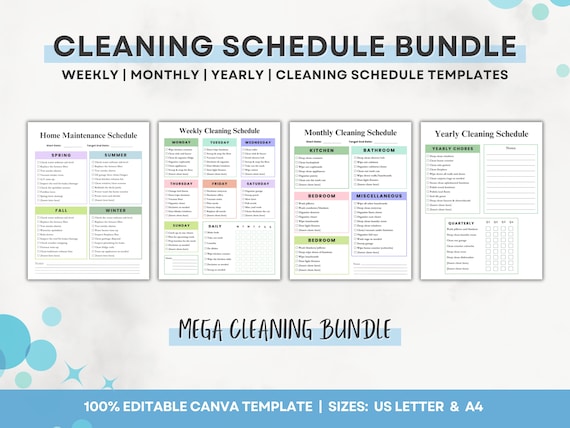
Real life is messy. This weekly kitchen maintenance guide flexes with your time and energy.
30-minute plan:
- Clear counters, load dishes, wipe sink and stove.
- Fridge quick pass and trash reset.
- Sweep high-traffic areas.
60-minute plan:
- Full reset steps from the main checklist.
- Add dishwasher filter clean and microwave detail.
90-minute plan:
- Do the 60-minute plan.
- Deep-clean one focus zone: oven racks, hood filter, or fridge drawers.
- Reorganize one cabinet or the spice shelf.
Batching works. Run the dishwasher and the washing machine while you do surfaces. Ask family to own one bin or one zone each week.
Source: etsy.com
Eco-Friendly And Budget Tips
A weekly kitchen maintenance guide can be green and low-cost. You do not need harsh products for most jobs.
Smart swaps:
- Use baking soda for scrubbing and vinegar for glass. Rinse well on stone.
- Try hydrogen peroxide to disinfect cutting boards. Keep it away from fabrics.
- Refill spray bottles with concentrated cleaners. Cut plastic waste and cost.
- Choose washable cloths. Launder on hot to sanitize.
- Compost produce scraps. Keep a small bin with a tight lid.
Money tip from my own kitchen: plan a “use-it-up” meal on cleanup day. It saves food and makes space for your next shop.
Troubleshooting Stubborn Problems
Every kitchen has quirks. This weekly kitchen maintenance guide helps you fix the tricky stuff fast.
Common issues:
- Burnt-on oven grime. Apply a baking soda paste overnight. Scrape, then wipe with vinegar and water.
- Cloudy glassware. Use a rinse aid and hotter water. Check for hard water scale.
- Lingering sink odors. Flush with hot water, baking soda, and vinegar. Finish with lemon peel.
- Greasy range hood. Soak filters in hot, soapy water. Rinse and dry fully.
- Ants or fruit flies. Seal sugar and flour. Trap flies with apple cider vinegar and a drop of soap.
If a smell returns or a stain persists, step back and find the source. Fix the cause, not just the symptom.
Common Mistakes To Avoid
Avoid these pitfalls that undo your hard work. This weekly kitchen maintenance guide calls them out so you do not repeat them.
- Cleaning before decluttering. Clear first so you are not wiping around items.
- Using one cloth for all tasks. Switch cloths by zone to avoid germ spread.
- Skipping appliance seals. Dirty seals lead to odors and poor cooling.
- Overusing disinfectants. Clean first. Disinfect last on high-touch spots only.
- Forgetting to dry surfaces. Moisture breeds bacteria and stains.
- Ignoring your floor. Crumbs attract pests. A quick sweep does wonders.
- Doing it all alone. Share tasks so the system sticks.
Frequently Asked Questions
How long should a weekly kitchen maintenance guide take?
Most homes can do a full reset in 45–60 minutes. Adjust based on kitchen size and how much you cooked that week.
Do I need special cleaners for stainless steel?
No. Use a mild soap and water first, then buff dry. For shine, use a dedicated polish or a vinegar-water mix.
How often should I deep-clean the oven?
Do a light weekly wipe and a deep clean every 1–3 months. Heavy bakers or roasters may need it more often.
What should I do with sponges?
Disinfect them or switch to microfiber cloths you can wash hot. Replace sponges often to avoid odor and germs.
How do I keep the fridge smelling fresh?
Wipe spills right away and keep an open box of baking soda inside. Store strong-smelling foods in sealed containers.
Can this guide work in a tiny apartment kitchen?
Yes. The same steps apply, but they go faster in small spaces. Focus on zones and vertical storage to stay neat.
Conclusion
A clean, safe kitchen is not about perfection. It is about small wins repeated every week. This weekly kitchen maintenance guide gives you a simple plan that saves time, keeps food safe, and makes cooking feel easy again.
Pick a 30, 60, or 90-minute plan and try it this week. Then tweak it to fit your space. Want more checklists and pro tips? Subscribe, share your questions, or leave a comment with your best kitchen win.