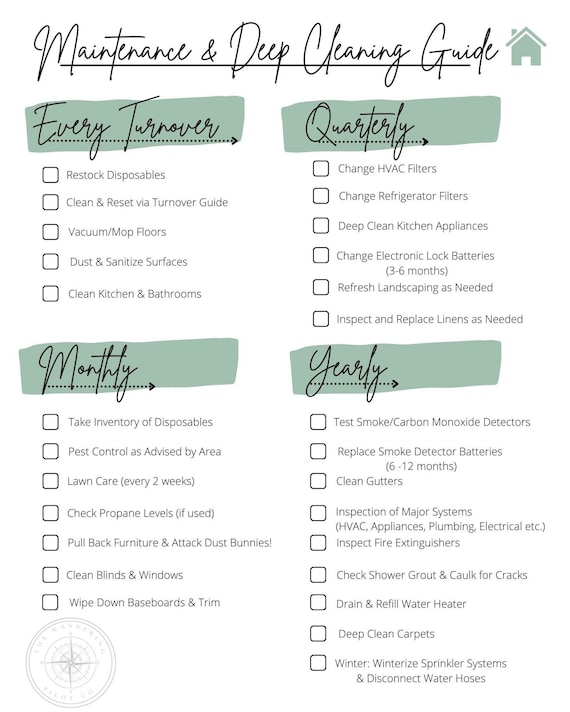

A kitchen cleaning routine guide keeps your kitchen safe, fresh, and stress-free daily.
If you want a kitchen that looks good, smells clean, and supports safe cooking, you need a clear kitchen cleaning routine guide. I’ve built, tested, and refined routines in tiny studio kitchens and busy family homes. This guide blends proven methods with real-life tricks so you can clean smarter, not harder. Stick with me, and you’ll master a practical kitchen cleaning routine guide you can trust.
Source: gofoodservice.com
What this kitchen cleaning routine guide covers and why it works
A clean kitchen is not just about looks. It protects food safety, reduces stress, and saves time. This kitchen cleaning routine guide shows what to do daily, weekly, and monthly, with simple steps and clear tools.
Key payoffs you will see:
- Faster meals and easier prep because surfaces stay clear.
- Fewer odors and pests due to regular wipe-downs and trash control.
- Safer cooking with less grease, fewer germs, and better airflow.
- Lower costs by keeping appliances efficient and long-lasting.
Public health guidance supports cleaning, then sanitizing food-contact areas to lower germ risk. Use the right product and leave it on for the label’s contact time. That small habit does the heavy lifting.

Source: iconiccleaning.ie
Daily, weekly, monthly: your simple schedule
Use this kitchen cleaning routine guide to build a rhythm that fits your life. Keep it short on busy days. Go deeper when you have time.
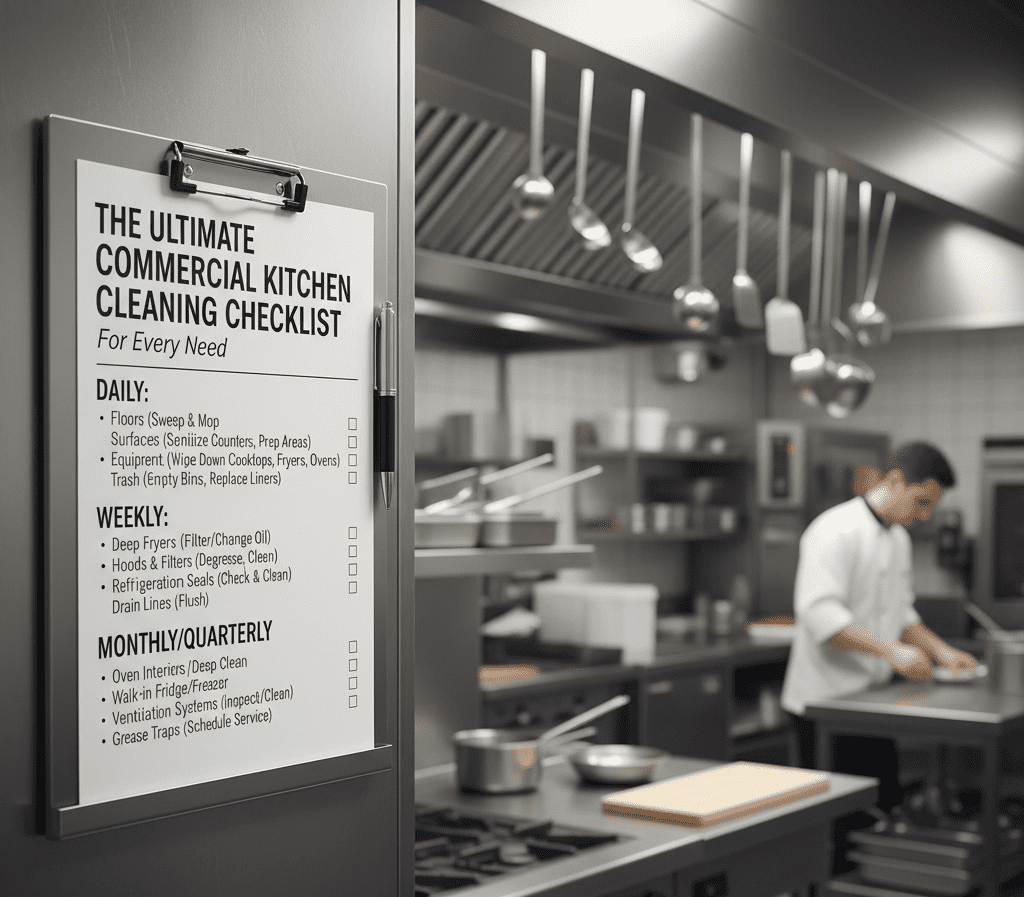
Daily tasks:
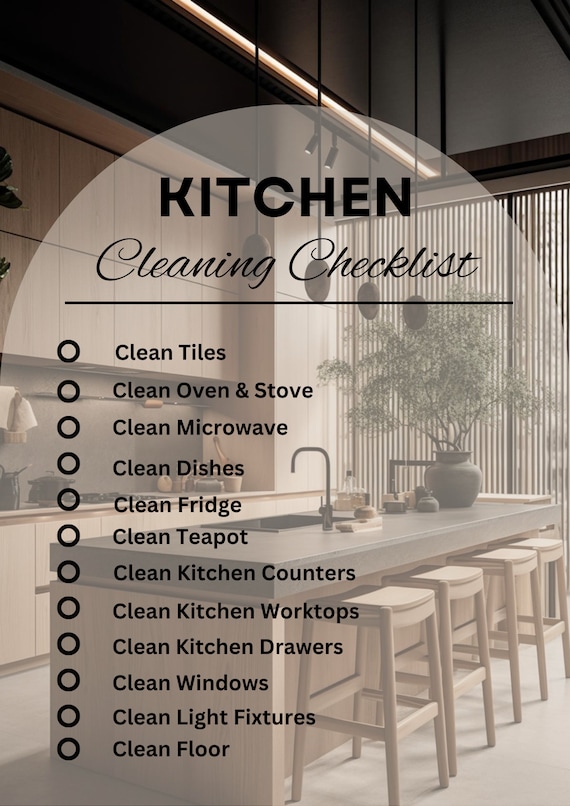
- Clear dishes, rinse, and load the dishwasher or soak in hot, soapy water.
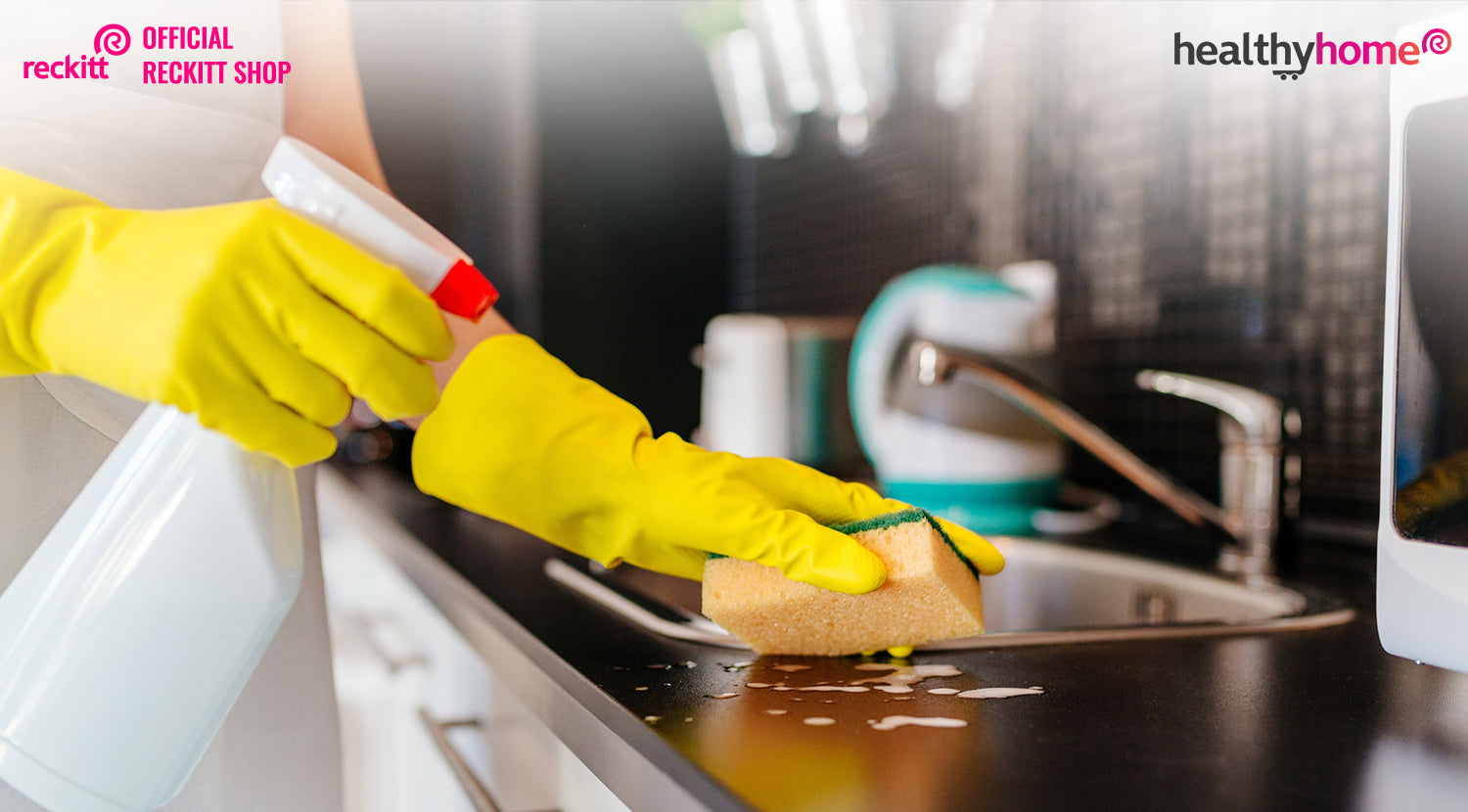
- Wipe counters, stove top, and sink with a degreasing cleaner or hot soapy water.
- Disinfect high-touch spots like faucet handles and fridge door. Follow label contact time.
- Sweep floors and take out trash if it smells or is full.
Weekly tasks:
- Clean microwave walls and tray. Heat a lemon-water bowl to loosen grime.
- Wipe appliance fronts and handles. Pull out crumbs from toaster trays.
- Scrub sink and drain flange. Deodorize the disposal with ice and baking soda.
- Mop floors. Move light items and get edges.
Monthly tasks:
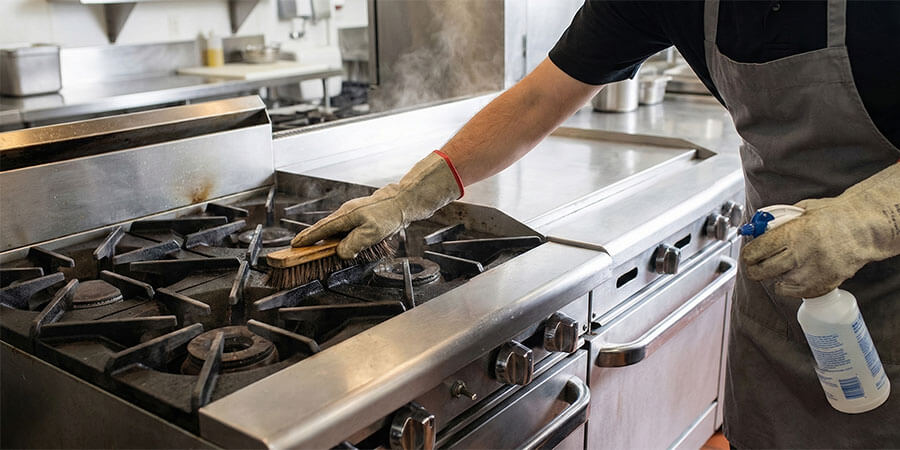
- Deep clean oven racks and burner grates. Soak in hot water with a scoop of washing soda.
- Pull out fridge bins and wash with warm, soapy water. Check dates and wipe gaskets.
- Dust high spots like cabinet tops and light fixtures.
- Wash or replace sponges and cloths. Disinfect brushes.
Tip: Add one “wild card” task each week, like grout scrubbing or vent hood filters. It keeps the big jobs small.
Source: apartmenttherapy.com
Tools and supplies that work
The right tools cut time in half. Stock a small caddy so you can start fast.
Essentials:
- Microfiber cloths for lint-free wipe-downs and fast drying.
- Non-scratch scrub pads for pots, pans, and stove top.
- Dish soap for grease and general cleaning.
- Baking soda for gentle abrasion and odor control.
- White vinegar for limescale on glass and steel, not on stone.
- A food-safe disinfectant or diluted bleach for food-contact areas. Check label use.
- A degreaser for heavy oil on hoods and backsplashes.
- A spray bottle, gloves, and a small brush set for corners and grout.
Eco-wise tips:
- Choose concentrates to cut plastic use and save space.
- Wash and reuse microfiber. Skip most paper towels.
- Vent well when using strong cleaners.
Source: co.in
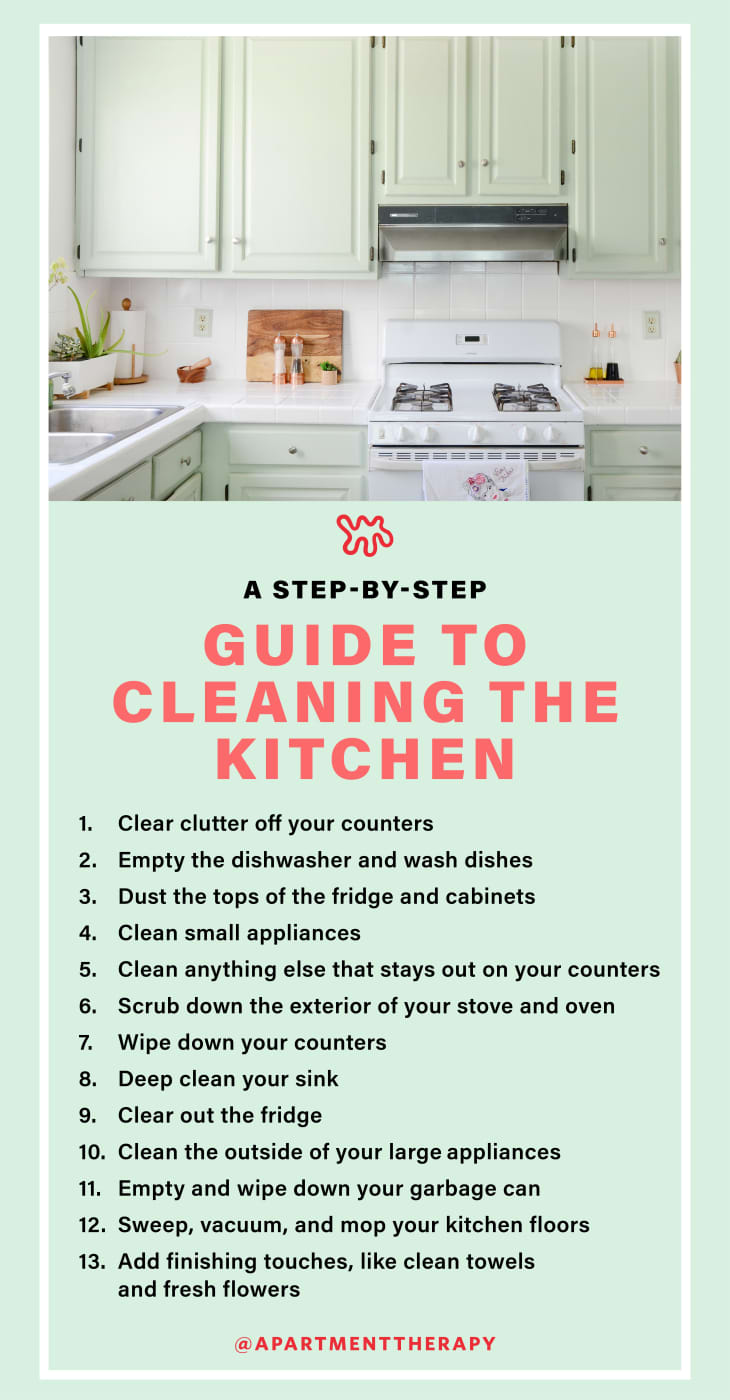
Step-by-step workflow: top to bottom, clean to dirty
This kitchen cleaning routine guide follows a flow that avoids rework and cross-contamination.
Try this order:
- Declutter surfaces. Put food away. Soak the worst pans first.
- Dust high areas and light fixtures so debris falls before you wipe.
- Spray tough spots to let cleaners work while you do other tasks.
- Clean appliances next: microwave, fridge handles, and stove top.
- Wipe counters from the back edge to the front. Use fresh sides of the cloth as you go.
- Scrub the sink last. Then sanitize it. Rinse after required contact time if needed.
- Sweep, then mop. Step out of the room and let it dry.
- Take out trash and replace the liner.
Pro tip: Use a two-bucket method for floors and large wipe-downs. One with solution, one with rinse water. It keeps dirt out of your clean water.

Source: chefstore.com
Grease, grime, and germs: proven methods that save time
Grease bonds to surfaces. Heat, surfactants, and time help break that bond. Warm water plus dish soap lifts oil well. For stubborn baked-on mess, use an alkaline cleaner or a baking soda paste and let it sit.
Sanitize vs disinfect:
- Sanitize lowers germ counts to a safe level.
- Disinfect kills more germs on nonporous surfaces. Either way, clean first. Dirt blocks action.
Dwell time matters. Spray, wait per label, then wipe. For food-contact areas, rinse if the label says so. Never mix bleach and ammonia. Vent well and wear gloves.
Personal tip: A quick preheat trick helps on greasy ovens. Run the oven warm for a few minutes, turn it off, then apply cleaner. The slight heat speeds up degreasing.
Source: etsy.com
Time-saving systems and habits
Small habits keep work light. This kitchen cleaning routine guide focuses on repeat moves that take seconds, not hours.
Ideas you can use today:
- Do a 10-minute reset after dinner. Set a timer and move fast.
- Use “zones” for tools. Keep daily items in the front. Store rare items up high.
- Line fridge bins and the bottom of the oven for easy swaps.
- Wipe spills right away with a damp microfiber. Dry after to stop water marks.
- Cook with a “clean as you go” mindset. Start dishwater before chopping.
From my routine: I pair brewing coffee with a 2-minute counter wipe and a quick sweep. The floor never gets ahead of me.

Source: safekitchens.com
Safety and hygiene for food prep
Food safety is part of a smart kitchen cleaning routine guide. It protects you and your family.
Core rules:
- Wash hands with soap and water for 20 seconds before and after handling raw food.
- Use separate boards for raw meat and ready-to-eat food. Color coding helps.
- Clean, then sanitize food-contact surfaces. Follow label contact times and rinse if required.
- Store chemicals away from food. Keep them in original containers.
- Check bleach strength and label. A common ratio is 1 tablespoon unscented bleach per gallon of cool water for surface sanitizing. Always follow the product label.
Vent when using sprays. Wear gloves if you have sensitive skin. Keep tools dry between uses to stop growth of germs and mold.
:max_bytes(150000):strip_icc()/house-cleaning-schedule-for-every-day-3129149-v3-9d109dd0536a4ec2a7bac5cac688c852.png)
Source: thespruce.com
Troubleshooting and stain removal playbook
Tough mess? Use the right fix and keep surfaces safe.
Common problems and fast fixes:
- Burnt pans: Simmer water with a spoon of baking soda. Use a wooden scraper while warm.
- Oven glass: Apply a baking soda paste. Let sit. Wipe with a damp microfiber. Use a razor carefully if the glass allows it.
- Stainless steel: Wipe with the grain. Use a mild cleaner or diluted dish soap. Dry to avoid streaks.
- Granite or marble: Use pH-neutral cleaner. Avoid vinegar and lemon. Seal as directed by the maker.
- Tile grout: Use oxygen bleach per label. Scrub with a small brush. Rinse well.
- Sink smells: Flush disposal with ice and baking soda. Rinse with hot water and a little dish soap. Clean the splash guard underside.
- Sticky hood filters: Soak in hot water with degreaser. Rinse and air dry.
If you are unsure, test in a hidden spot first. Read labels. Surface damage is harder to fix than a stain.
Source: co.nz
Budget and eco-friendly tips
You can keep a spotless space without wasting money. This kitchen cleaning routine guide favors simple, safe, and low-waste habits.
Smart swaps:
- Buy refills and concentrates. Use one good spray bottle.
- Pick microfiber over paper towels. Wash on hot and air dry.
- Use squeegees on glass and tile to stop water spots.
- Capture crumbs with a handheld vacuum. It is fast and reduces mopping.
- Keep produce drawers dry with a small liner. Swap and wash each week.
Track what works for you. A short, steady routine beats a long, rare deep clean.
Frequently Asked Questions of kitchen cleaning routine guide
How long should a daily clean take?
Aim for 10 to 20 minutes. Keep tools ready, work top to bottom, and clean as you cook to save time.
Do I need to disinfect every day?
Not always. Clean daily, then disinfect high-touch spots or after handling raw meat, eggs, or when someone is sick.
Can I use vinegar on stone counters?
No. Vinegar is acidic and can etch stone like marble or some granite. Use a pH-neutral stone cleaner instead.
What is the best order to clean a messy kitchen?
Start by clearing clutter, then soak dishes. Work high to low, clean to dirty, and finish with the sink and floors.
How do I stop kitchen odors fast?
Remove trash, clean the sink drain and disposal, and wipe spills in the fridge. Vent the space and dry wet areas.
How often should I deep clean appliances?
Do a light wipe weekly and a deep clean monthly. Adjust based on how often you cook and the type of food you make.
What is dwell time and why does it matter?
It is the time a product must stay wet on a surface to work. Follow the label for the right kill claims and rinse steps.
Conclusion
A clean kitchen is a daily boost to health, mood, and speed. With this kitchen cleaning routine guide, you have a clear path: short daily resets, smart weekly work, and a simple monthly deep clean. Start with one habit tonight, like a 10-minute reset, and build from there. Your future self will thank you.
If this helped, try the routine for a week, then share your wins or questions below. Subscribe for more simple home systems you will actually use.