Choose a blender by matching recipes to power, jar, blades, controls, and warranty.
I test blenders for real kitchens, not labs. If you want to know how to choose a blender, this guide shows what matters and what does not. We will break down types, power, jars, blades, controls, noise, and value. You will see real examples, mistakes to avoid, and smart steps to shop with confidence.
How to Choose a Blender: Key Factors
If you ask how to choose a blender, start with what you blend most. Smoothies, ice, hot soup, nut butter, sauces, or baby food all need different strengths. Then match your tasks to power, jar size, blade design, and controls.
Use this quick framework:
- Decide your main jobs. For smoothies and shakes, most mid power units work. For nut butter and frozen desserts, you need a high speed model.
- Pick the right type. Countertop, personal, or immersion.
- Check the build. Motor watts, blade quality, and jar shape affect results.
- Confirm fit. Noise, size, storage, and cleaning should match your space.
- Protect your spend. Check warranty, parts, and service.
In my kitchen tests, this simple flow stops regret. It balances power, ease, and price.
Blender Types and Use Cases
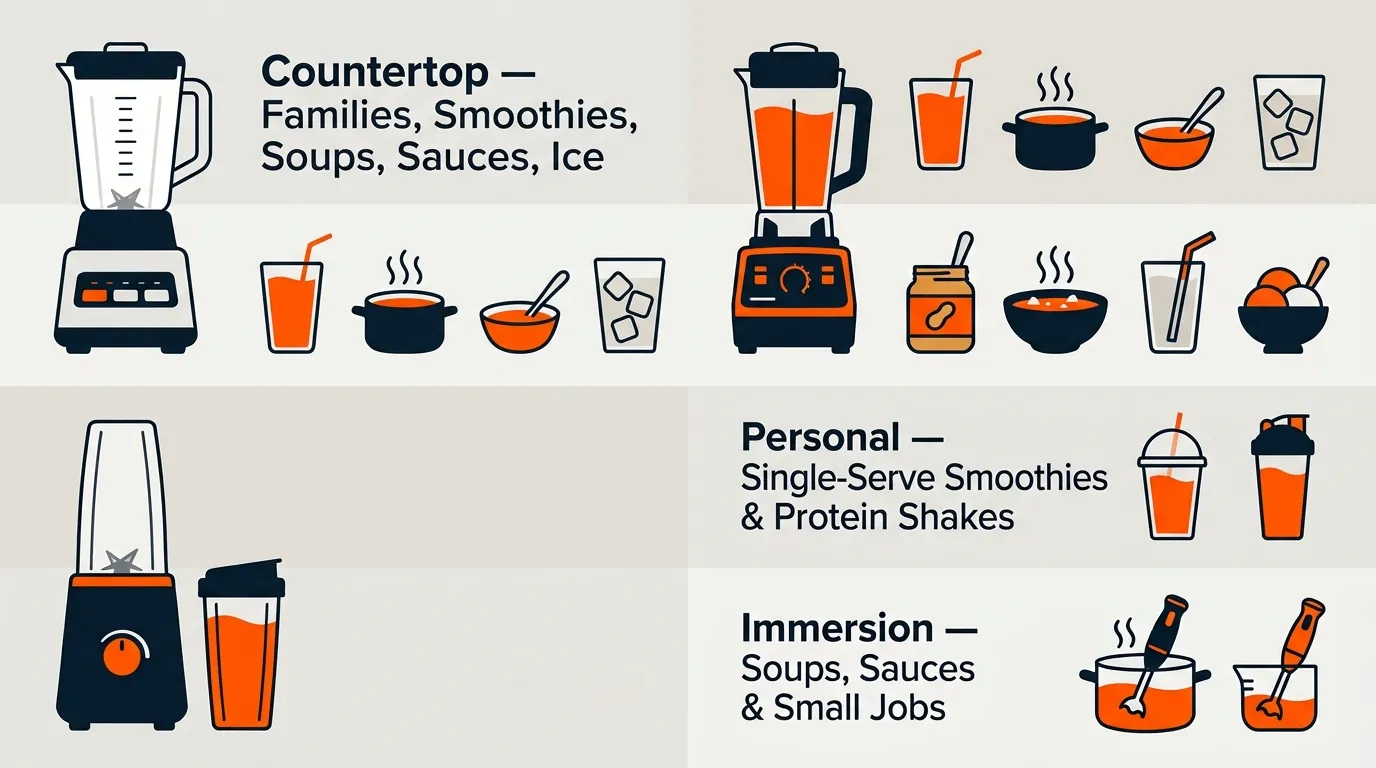
Learning how to choose a blender means knowing the three core types and when they shine.
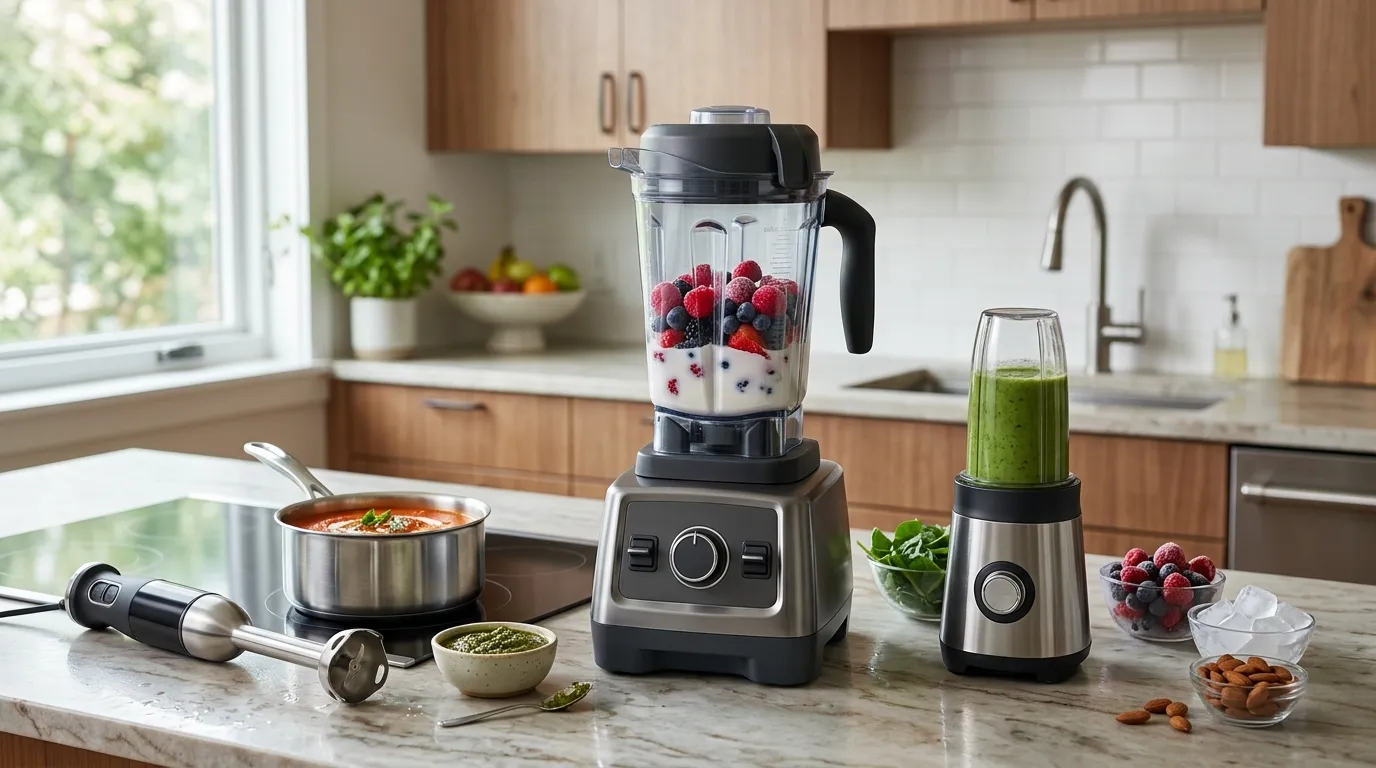
- Countertop blender. Best for families, smoothies, soups, sauces, frozen drinks, and crushing ice. Good all rounder.
- High performance blender. Great for nut butter, silky hot soup, green smoothies with seeds and kale, and frozen treats.
- Personal blender. Ideal for single serve smoothies and protein shakes. Compact and fast clean up.
- Immersion blender. Handy for soups in the pot, sauces, and small jobs. Not great for thick nut butter or large ice.
Tip from experience: If you make smoothies five days a week and sometimes crush ice, choose a mid to high power countertop model. That is how to choose a blender that will not stall on a busy morning.
Power, Blades, and Performance
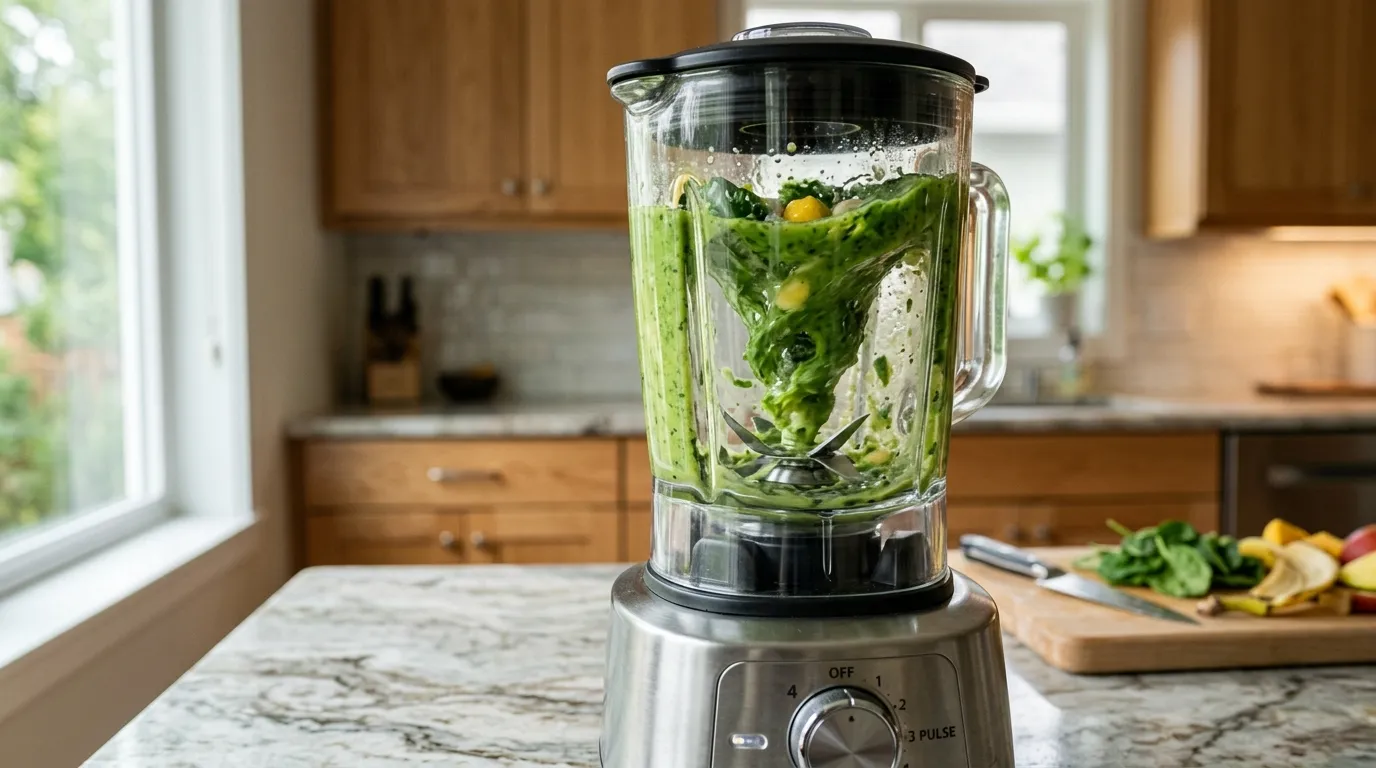
Power is more than a big number on the box. Knowing how to choose a blender means reading specs with care.
- Watts. For daily smoothies and ice, aim for 800 to 1200 watts. For nut butter or frozen dessert, 1200 to 1500 watts or more helps. Peak horsepower can be a marketing claim. Continuous wattage and build quality matter more.
- Blades. Sharp is good on day one, but strong, thick blades that keep shape are better long term. Four to six blades are common. Blade angle and jar shape affect the vortex that pulls food down.
- Vortex and jar geometry. A good blender makes a steady swirl. That gives even, fast blends with less stalling.
- Heat handling. High speed units can heat soup by friction. If you blend hot liquids, use a vented lid.
From tests in my home, a 1000 watt unit with a tight-fitting jar and a strong vortex beats a louder 1400 watt unit with a poor jar shape. That is how to choose a blender based on real results, not raw watts.
Jar Materials and Capacity
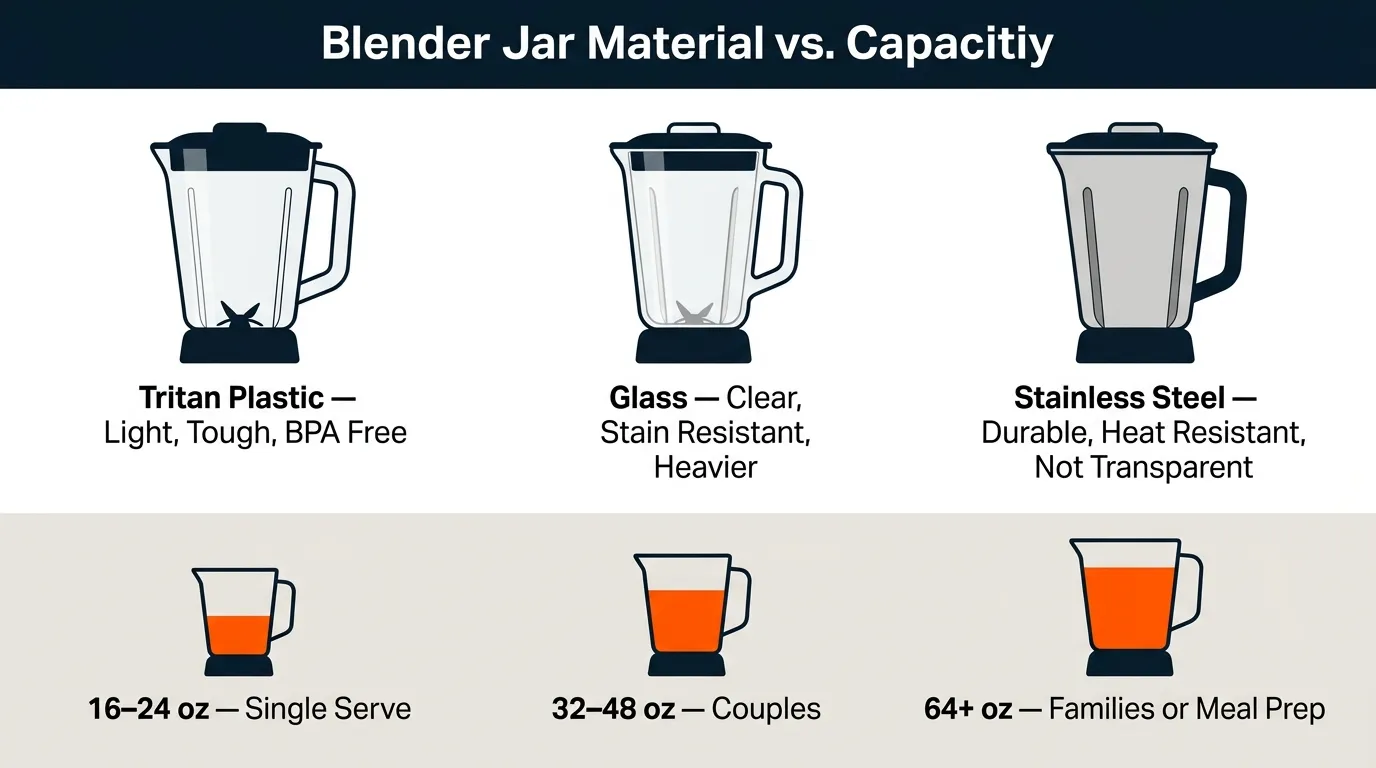
Jar choice affects taste, safety, and comfort. It is a key step in how to choose a blender.
- Tritan plastic. Light, tough, and BPA free. It will not shatter. Can cloud over time if you blend ice often.
- Glass. Clear, resists stains, and stays pretty. Heavier and can chip if dropped. Many glass jars do not allow hard ice crushing at scale.
- Stainless steel. Durable and handles heat well. You cannot see the blend, which some users dislike.
Pick capacity to match your use:
- 16 to 24 ounces for single serve.
- 32 to 48 ounces for couples.
- 64 ounces or more for families or meal prep.
My rule of thumb for how to choose a blender jar: choose the smallest jar that still fits your batch. Too big, and small blends will splatter and stall.
Controls and Ease of Use
Controls should make you faster, not confused. This is a big part of how to choose a blender that you will love to use.
- Must haves. Pulse, at least three speeds, and a clear on or off.
- Nice to have. Variable speed dial, timer, and a few smart presets for smoothies, ice crush, and soup.
- Digital vs manual. Dials give fine control. Buttons and presets help with repeatable results. Both can work well.
- Safety and lids. A tight lid with a removable cap helps add items mid blend. A lock that stops the motor if the jar is off is a good safety feature.
I prefer a dial with a pulse button. It gives feel and speed without guesswork. That is how to choose a blender you can handle without looking at a screen.
Noise, Size, and Kitchen Fit
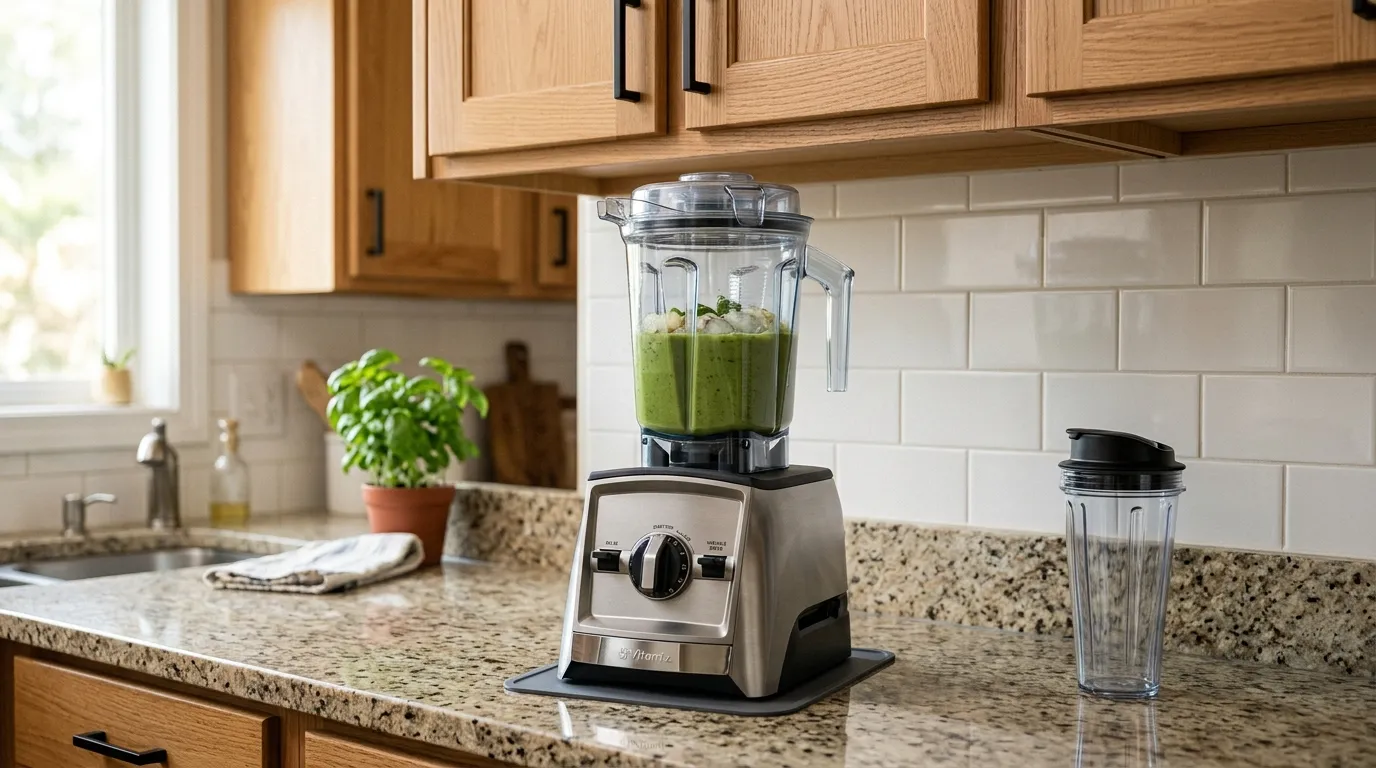
Power often brings noise. How to choose a blender also means thinking about your space and ears.
- Noise. Most blenders are 85 to 100 decibels at full speed. Lower pitch is easier on the ears than sharp whine. Rubber feet and a firm counter help reduce noise.
- Size. Measure under-cabinet height. Many high speed models are tall. Check cord storage and footprint.
- Weight. Heavy bases reduce vibration and creep, but are harder to move.
- Storage. Extra jars and cups are great, but they need space.
If you blend at 6 a.m., choose a model with a solid base and a thick jar. It will often sound lower and shake less. This small step is part of how to choose a blender for real life.
Durability, Warranty, and Support
A blender is a tool you will use often. When learning how to choose a blender, look past day one performance.
- Warranty length. One to three years is common for budget to mid models. Five to ten years signals strong build and service.
- Parts access. Can you buy blades, lids, jars, and gaskets later? Check before you buy.
- Service. Brands with easy phone or chat support save time if things fail.
I have returned a blender once due to a leaking jar. Brands that send parts fast turn a hassle into a small blip. That trust is part of how to choose a blender you will keep.
Budget and Value by Price Tier
Price should map to your jobs, not your dreams. Use this map for how to choose a blender at any budget.
- Under 75 dollars. Personal blenders and light duty units. Good for shakes and soft fruit smoothies. Not ideal for large ice or thick nut butter.
- 75 to 200 dollars. Solid countertop picks for daily smoothies, sauces, and ice crush in small to medium batches.
- 200 to 500 dollars. High performance range. Better jar shapes, motors, and warranties. Great for green smoothies, frozen desserts, and silky purees.
- 500 dollars and up. Pro level builds, long warranties, top controls, and service. Buy here if you cook a lot and want one tool for many tasks.
A smart way for how to choose a blender is to buy the best jar and motor you can afford. Skip extras you do not need.
Safety, Cleaning, and Care
Safety and care keep your blender strong and safe. This is a core step in how to choose a blender and how to use it well.
- Hot blends. Only blend hot soup in jars made for it. Use the vent and a towel on top. Start slow.
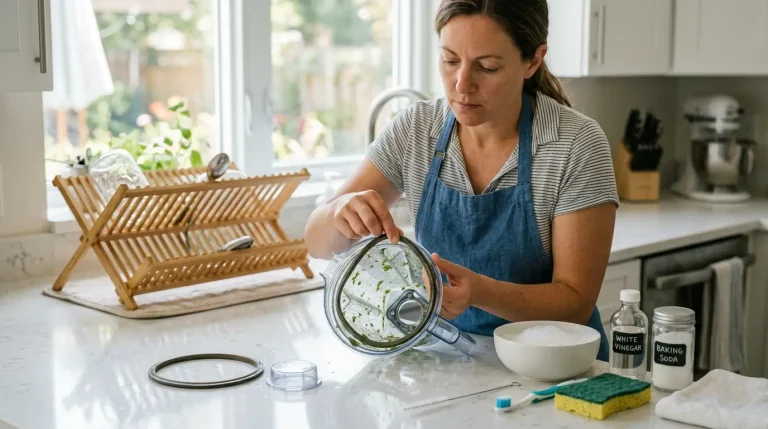
- Cleaning. Many jars clean with warm water and a drop of soap. Run for 20 to 30 seconds, rinse, and air dry. Check if parts are dishwasher safe.
- Gaskets and seals. Remove and wash. Oil the gasket lightly if the maker suggests it.
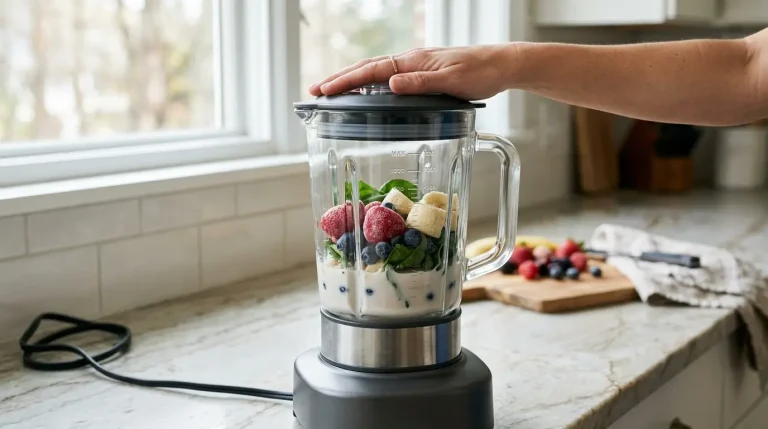
- Overload. Use pulse to start thick blends. Add liquid if the vortex stalls.
In my tests, a self clean cycle saves time, but a 30 second soap blend works just as well. Easy cleaning is key in how to choose a blender you will not dread washing.
Real-World Scenarios and Picks
Here is how to choose a blender for common needs, based on years of daily use.
- Daily green smoothies with seeds. Choose a 1200 watt or higher model with a 64 ounce jar and a strong vortex. You will get fine seed crush and smooth greens.
- Protein shakes on the go. A personal blender with 20 ounce cups is fast and easy to clean. Keep one cup at work.
- Hot soup and sauces. Use a blender with a vented lid and a heat-safe jar. Start low, then ramp up.
- Nut butter and frozen desserts. A high speed blender with tamper makes thick blends easy.
- Small kitchens. A compact countertop or an immersion blender saves space. Pair with a mini chopper if needed.
Bias note. I own one high speed countertop blender and one personal blender. I have not tested every model on the market. I base advice on hands-on use and data from consumer testing and engineering basics. That is an honest path for how to choose a blender you can trust.
Frequently Asked Questions of how to choose a blender
### What wattage blender do I need?
For smoothies and ice, 800 to 1200 watts is fine. For nut butter or thick frozen blends, aim for 1200 watts or more.
Glass or plastic jar, which is better?
Glass stays clear and resists stains but is heavier. Tritan plastic is light, tough, BPA free, and safer if dropped.
Can I blend hot soup in any blender?
No, only use a heat-safe jar with a vented lid. Start at low speed and never fill past the max line.
Do more blades mean better blending?
Not always. Blade strength, angle, and jar shape matter more than blade count.
Are expensive blenders worth it?
If you blend daily or want silky results, yes. You get better motors, jars, warranties, and support.
How long should a blender last?
With care, a good unit lasts five to ten years. Clean seals, avoid overloads, and follow maker tips.
Personal blender or countertop blender?
Personal models suit single serve shakes and small spaces. Countertops handle bigger batches and tougher tasks.
Conclusion
You now know how to choose a blender by linking your recipes to power, jar, blades, controls, noise, and support. Start with your main tasks, confirm fit in your kitchen, and protect your spend with a solid warranty. Small, smart checks beat big marketing claims.
Use this guide on your next store visit or online search. Pick three models, compare by the checklist, and choose with calm. Want more kitchen gear guides like this? Subscribe, share your questions, or leave a comment with your short list.