Choose a coffee maker that matches your taste, routine, budget, and space.
If you want a simple, trusted way to learn how to choose a coffee maker, you are in the right place. I test brewers in real kitchens and labs, from budget drip to prosumer espresso. In this guide, I show you how to choose a coffee maker that fits your habits, flavor goals, and wallet, without the fluff. Read on for clear steps, expert tips, and mistakes to avoid.
Source: sepr.es
How to Choose a Coffee Maker: Start With Taste and Routine
Start with how you like to drink coffee. Taste first, features second. Daily life matters as much as flavor.
Ask two quick questions:
- What do you drink most days? Black drip, lattes, or pods.
- How much time and effort can you give each morning.
Here is how to choose a coffee maker with that in mind:
- If you love café drinks, consider espresso with milk texturing.
- If you want easy, go drip or single-serve.
- If you enjoy a calm ritual, try pour-over or French press.
- If you brew for many, pick a 8–12 cup drip with a thermal carafe.
Tip from testing: The best machine is the one you will use every day. A bit less perfect coffee you drink beats perfect coffee you skip.
Source: 1stincoffee.com
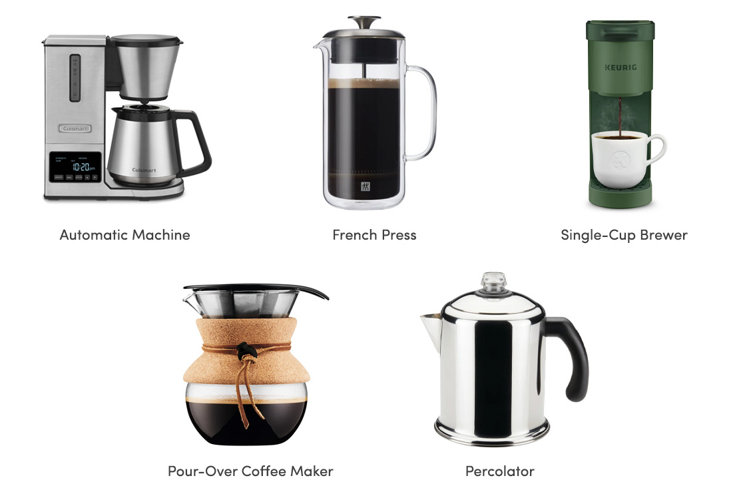
Coffee Maker Types Explained
Different brewers shine for different needs. Here is a quick map.
Drip coffee makers
- Great for families and batch brewing.
- Look for 195–205°F brew temp and even water spread.
- SCA-certified brewers often extract better.
Single-serve pod machines
- Fast and clean, with many flavors.
- Higher per-cup cost and more waste.
- Best for one or two cups a day.
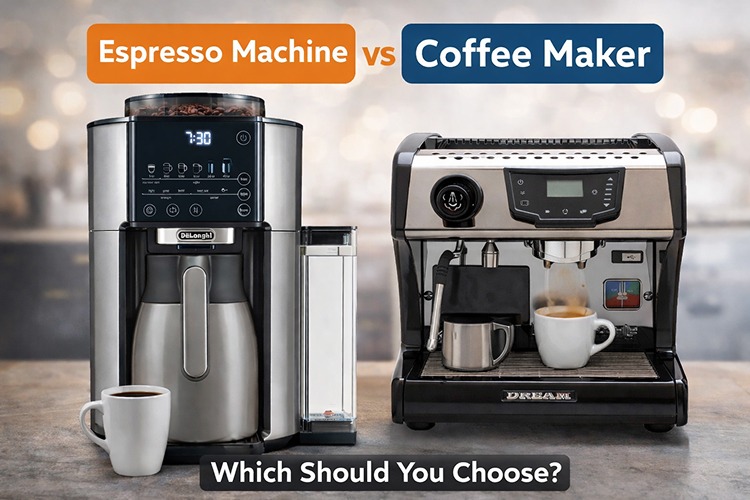
Espresso machines
- For shots, cappuccinos, and lattes.
- Pump machines with about 9 bars are ideal.
- Semi-automatic offers control. Super-automatic is push-button simple.
Manual methods
- Pour-over, French press, AeroPress, and moka pot.
- Low cost and portable.
- You control grind, water, and time.
How to choose a coffee maker from this list comes down to trade-offs. Speed versus control. Cost now versus cost per cup. Flavor goals versus cleanup.
Source: 1stincoffee.com
Key Features That Matter
Not all specs make better coffee. Focus on these first.
- Brew temperature control. Aim for 195–205°F for drip. Stable heat improves sweetness and clarity.
- Even saturation. A good showerhead and pre-infusion help avoid bitter or sour zones.
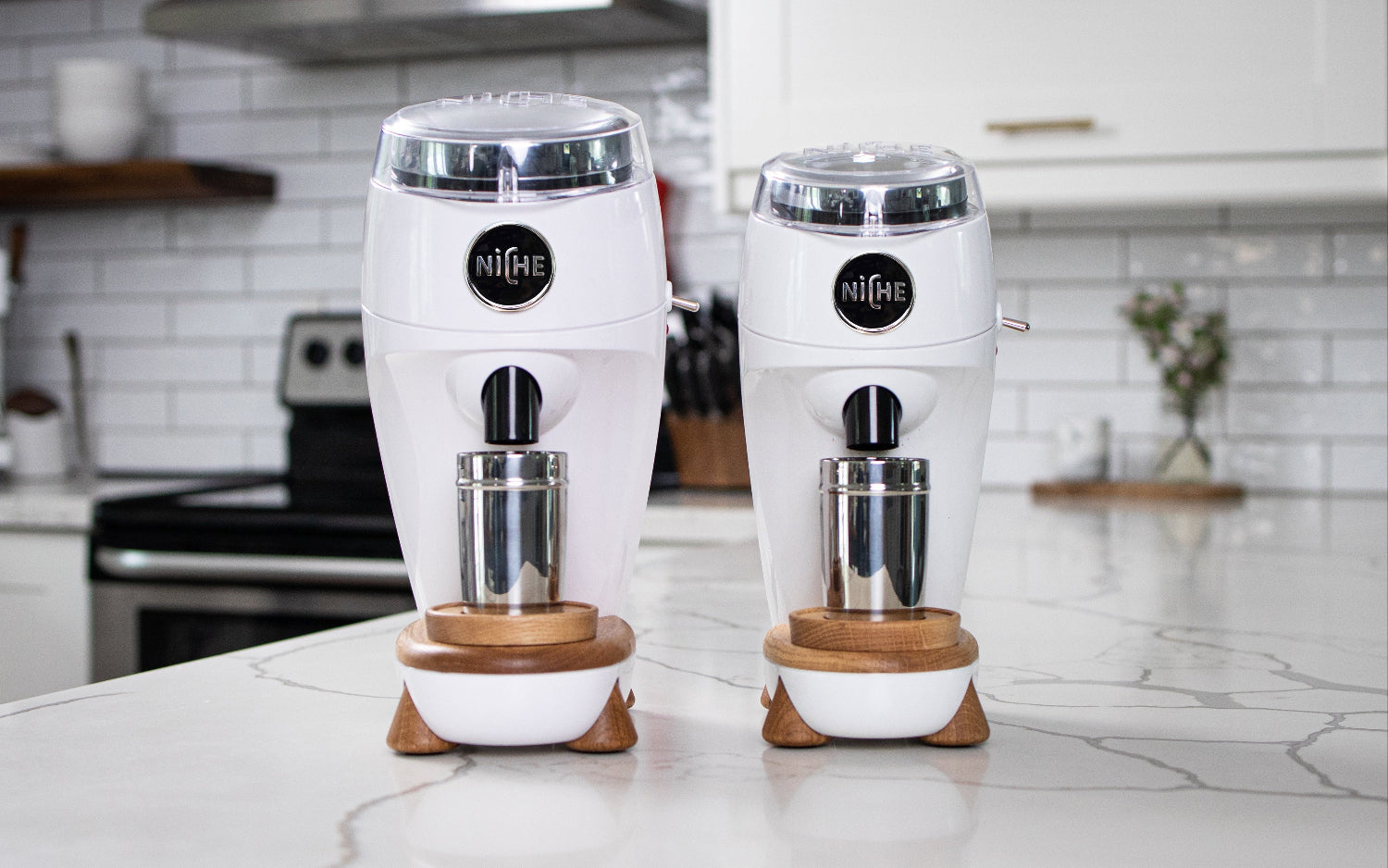
- Grinder type. Burr grinders beat blade grinders for even grind and better taste.
- Carafe choice. Thermal keeps coffee hot without a burner taste. Glass is lighter and cheaper.
- Size and capacity. Check your cabinet clearance, water tank size, and cup count.
- Programmability. Timers, auto-start, and keep-warm are useful for busy mornings.
- Water filter. Helps with taste and scale if your water is hard.
- Descale alerts and ease of cleaning. Removable parts and clear alerts save time.
- SCA certification. A solid shortcut to good extraction on drip machines.
Is SCA certification worth it
Yes for drip. It signals the machine can meet time and temperature standards that lead to balanced coffee.
Do you need a built-in grinder
It is handy but not required. A separate burr grinder often lasts longer and gives better control.
Source: badmarthabeer.com
Capacity, Speed, and Workflow
Your flow shapes your choice. Write a quick plan for a normal day.
- One cup, fast. A pod machine or small pour-over shines.
- Two to four cups, steady. A compact drip or manual brewer works well.
- Eight to twelve cups. A full-size drip with a thermal carafe is ideal.
Look at brew speed. A good 8-cup drip should finish in 6–8 minutes. Single-serve should heat and pour within 1–2 minutes. If you are often in a rush, that matters more than fancy modes.

Source: oxo.com
Budget, Value, and Total Cost of Ownership
Price is not just the machine. Add beans, filters, water, and power.
- Pods cost more per cup than whole beans.
- Burr grinders cost more upfront but pay off in taste.
- Thermal carafes save energy over hot plates.
- Descaling and water filters reduce repairs.
Quick math from daily testing:
- Pod system. Low upfront. High per cup.
- Drip plus grinder. Medium upfront. Low per cup with fresh beans.
- Espresso. High upfront. Lower than café prices over time if used often.
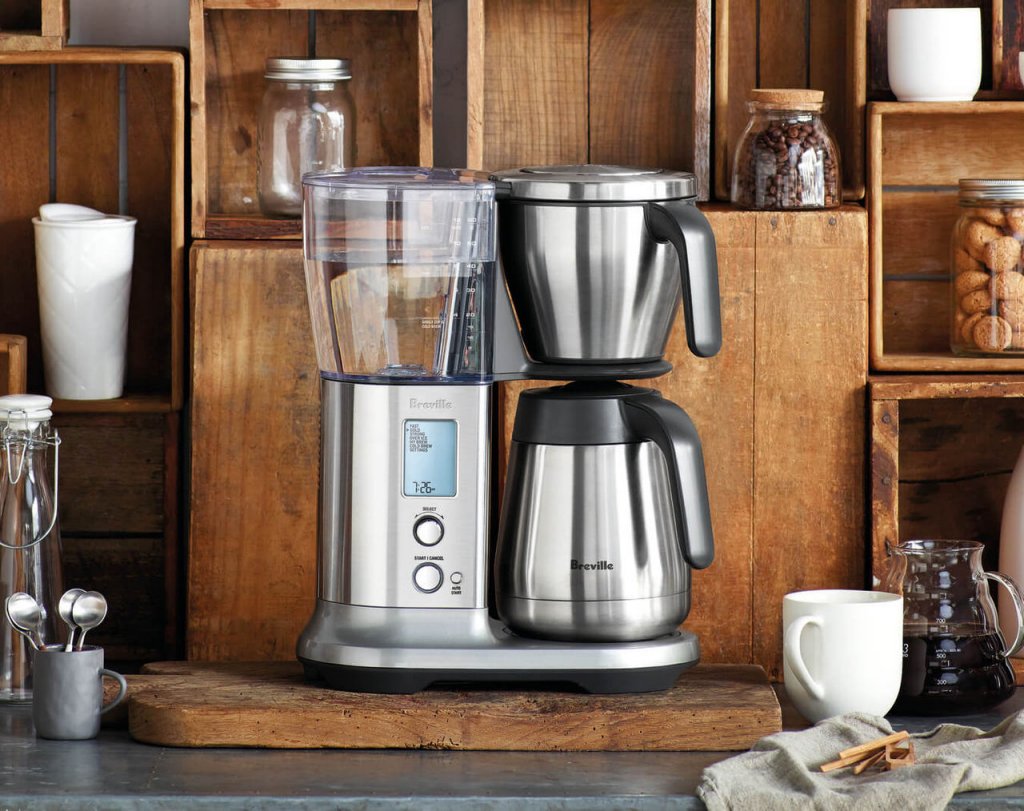
How to choose a coffee maker with value in mind. Spend where it affects taste every day. That is grind quality, brew temp, and reliability.
Source: breville.com
Build Quality, Reliability, and Warranty
Durability saves money and stress. I check these points on every unit I review.
- Materials. Metal parts at stress points last longer than thin plastic.
- Heating system. Stainless steel or copper boilers beat cheap aluminum blocks.
- Serviceability. Replaceable gaskets, baskets, or carafes extend life.
- Warranty length and support. One to three years is common. Read what is covered.
- Brand track record. Look for consistent lab tests and owner feedback.
How long should a coffee maker last
A good drip machine can last five to eight years with care. Espresso machines can last longer with regular maintenance.

Source: youtube.com
Sustainability and Health Considerations
Small choices add up. You can brew great coffee and tread light.
- Choose reusable filters or compostable paper filters.
- Skip pods or use recyclable pods if possible.
- Use a thermal carafe to cut hot-plate energy.
- Filter your water. It protects the machine and improves taste.
- Choose BPA-free parts and food-safe materials.
If you care about how to choose a coffee maker that is eco-friendly, look for energy-saving modes and parts you can repair.
Testing at Home: A Simple Checklist
Test the machine in week one. This avoids regrets.
- Grind and dose. Start near a 1:16 ratio by weight for drip. Adjust taste from there.
- Heat check. The first cup should be hot but not scalding. Aim near 200°F at brew head.
- Even bed. After brewing, the grounds should look flat and evenly wet.
- Taste test. Brew back-to-back cups. If one is sour and one is bitter, the machine may be unstable.
- Milk performance. For espresso, steam should texture milk to a fine, glossy foam in under a minute.
Log notes for three days. You will see patterns fast and know how to choose a coffee maker with confidence.
Mistakes to Avoid and Pro Tips
Here are the most common traps I see, plus fixes.
- Ignoring the grinder. Uneven grind ruins taste. Get a burr grinder first.
- Chasing features over fit. A huge machine that blocks cabinets will annoy you.
- Skipping water care. Hard water scales heaters and kills flavor. Use filtered water and descale on schedule.
- Overheating on hot plates. Switch to a thermal carafe to avoid burnt notes.
- Buying for guests, not yourself. Buy for 95 percent of your own use.
Personal note from years of testing. My best upgrade was not a fancier brewer. It was dialing grind size and using a thermal carafe. Small changes, big gains.
Frequently Asked Questions of how to choose a coffee maker
What is the best coffee maker for beginners
A simple drip machine with a thermal carafe is hard to beat. It is easy to use, consistent, and great for daily black coffee.
How do I pick the right size
Match capacity to your normal morning. If you brew two mugs daily, a 4–6 cup machine is perfect.
Are pods worth it
Pods offer speed and zero mess. They cost more per cup and have limited control over taste.
Do I need an expensive grinder
You need a burr grinder, not an expensive one. A budget burr grinder still improves flavor a lot over blades.
What features improve taste the most
Stable brew temperature, even water spread, and a good grind. These three raise sweetness and reduce bitterness.
Conclusion
You now know how to choose a coffee maker based on taste, time, and budget. Pick a brew style, focus on heat control and grind, and buy the size that fits your day. Avoid flashy extras that do not touch flavor.
Make your short list today and test one brewer this week. You will taste the difference and brew with confidence. If this guide helped, share it, subscribe for more gear tips, or leave a question and I will help you one-on-one.